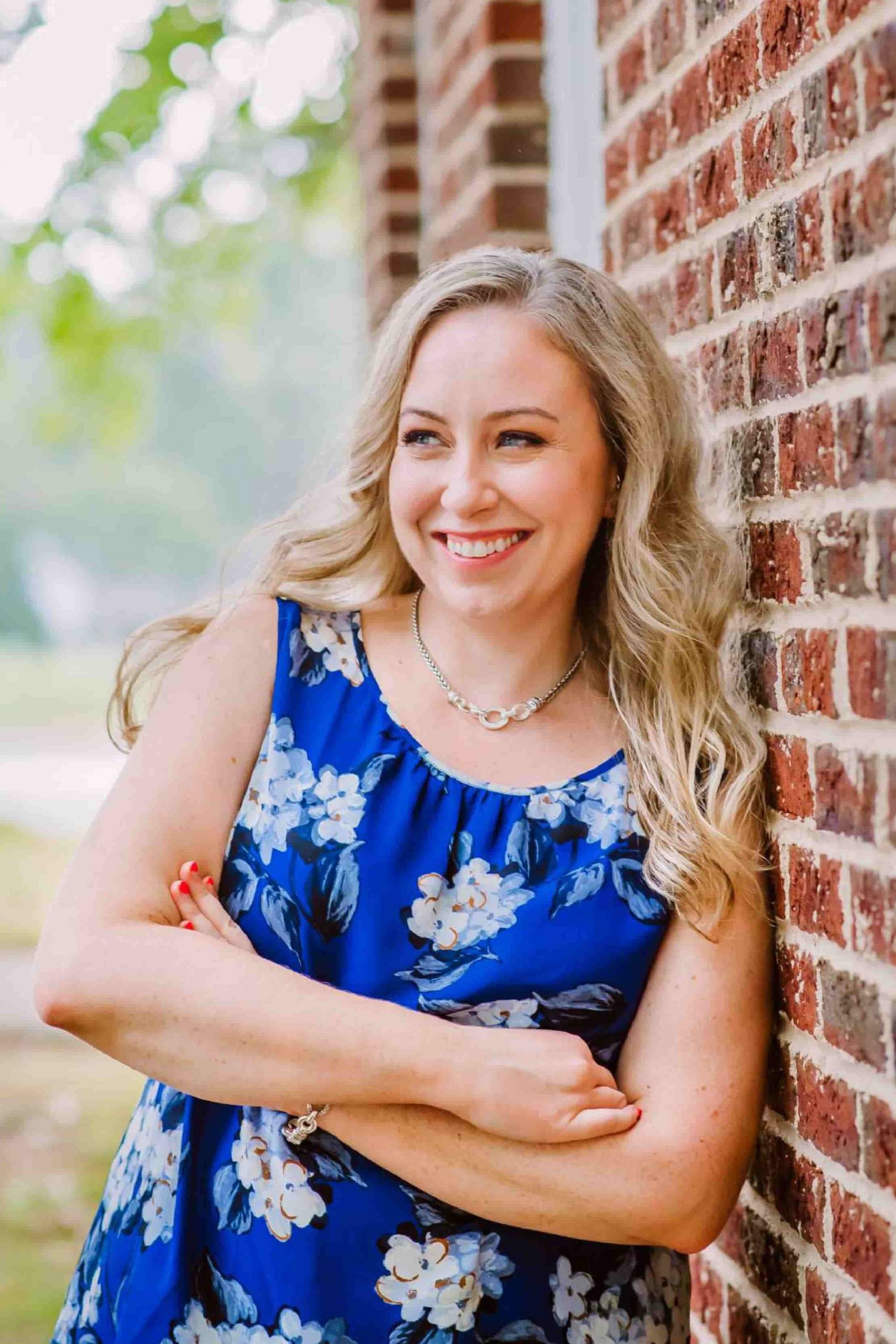
Dr. Jovana Jovanović Marić is a Researcher at the Department of Hydroecology and Water Protection within the Institute for Biological Research "Siniša Stanković" , affiliated with the University of Belgrade . She completed her Ph.D. in Biology (Microbiology module) in 2021, preceded by M.Sc. and B.Sc. degrees in microbiology from the same university. Key research areas: Ecotoxicology , Genotoxicology , and Environmental Monitoring Recipient of prestigious awards: 2021 Milena Dalmacija Foundation Prize for best doctoral thesis in environmental protection and 2018-2021 Ministry of Education Ph.D. Fellowship Recent publications focus on microplastic pollution , chemical-induced DNA damage , and environmental monitoring methodologies across the Danube River Basin and Adriatic coastal waters. She actively participates in international initiatives like the Joint Danube Survey and STRIMHealth project , with fieldwork in Slovenia, Montenegro, and Portugal. Professional affiliations include the Serbian Biological Society , Serbian Society for Water Protection , and European Environmental Mutagen Society .
Nicole Deziel is an Associate Professor of Epidemiology in the Department of Environmental Health Sciences at the Yale School of Public Health. She also holds secondary appointments as Associate Professor in Chemical and Environmental Engineering and the School of the Environment. Dr. Deziel serves as Co-Director of the Yale Center for Perinatal, Pediatric and Environmental Epidemiology (CPPEE) and leads the Deziel Exposure Science Lab. Dr. Deziel earned her PhD and Master's of Health Science (MHS) in Environmental Health from the Johns Hopkins Bloomberg School of Public Health in 2008 and 2000, respectively. Her academic journey has positioned her as a leading researcher in environmental exposure science and epidemiology. Dr. Deziel's research focuses on applying statistical models, biomonitoring techniques, and environmental measurements to provide comprehensive assessments of exposure to traditional and emerging environmental contaminants in population-based studies. Her work primarily investigates two critical areas: (1) exposure and human health impacts of unconventional oil and gas development ("hydraulic fracturing") and (2) residential exposure to chemicals in common consumer products (e.g., pesticides, flame retardants) and cancer risk, particularly thyroid cancer. She integrates environmental justice considerations into her research, examining disproportionate burdens of exposures and the combination of environmental and social stressors. Her research uses a combination of large administrative datasets and detailed community-focused studies to advance understanding of environmental exposures to chemicals, particularly carcinogens and endocrine disruptors. Her recent publications demonstrate a strong focus on perinatal and pediatric environmental health, with significant work on air pollution impacts on childhood cancer, PFAS exposures and child development, and environmental justice issues related to superfund sites and oil and gas development. The research shows consistent methodological rigor, often employing sophisticated spatial analysis and exposure assessment techniques to address complex environmental health questions. Dr. Deziel has received notable recognition for her work, including: Yale Cancer Center Population Science Research Prize (2020) Joan M. Daisey Outstanding Young Exposure Scientist Award from the International Society of Exposure Science (2018) As Co-Director of the Center for Perinatal, Pediatric and Environmental Epidemiology, Dr. Deziel leads interdisciplinary research efforts examining how environmental exposures affect child health outcomes. Her lab conducts fieldwork and analysis on environmental effects on drinking water, hydraulic fracturing impacts, and the relationship between flame retardants and cancer risk. She collaborates extensively with researchers across Yale, particularly with Dr. Xiaomei Ma (18 joint publications), Dr. Joshua Warren (12 joint publications), and other experts in biostatistics, environmental health, and cancer epidemiology.
Steven Semken is a President's Professor of Geology and Education in the School of Earth and Space Exploration at Arizona State University. He holds additional affiliations as an Affiliated Faculty member with the Humanities for the Environment Global Network, the Global Drylands Center, the Osher Lifelong Learning Institute, the Global Futures Scientists and Scholars program, and the Division of Teacher Preparation at the Mary Lou Fulton College for Teaching and Learning Innovation. Dr. Semken earned his educational credentials from prestigious institutions: Certificate in Diné (Navajo) Educational Philosophy, Diné College, 1991 Ph.D., Materials Science (Ceramics), Massachusetts Institute of Technology, 1989 M.S., Geochemistry, University of California, Los Angeles, 1984 S.B., Earth and Planetary Science, Massachusetts Institute of Technology, 1980 As an ethnogeologist and geoscience-education researcher , Dr. Semken's work spans multiple interconnected domains that bridge scientific inquiry with cultural understanding. His primary research focuses on place-based and culturally responsive geoscience teaching methods, which he has developed through extensive fieldwork in geologically and culturally diverse regions of southwestern North America and Latin America. His research specifically investigates how sense of place influences geoscience learning, particularly among Indigenous and Latina/o communities, and how teaching approaches can be modified to honor cultural connections to land. This work extends to studying geological heritage and developing virtual field geology education experiences that maintain the pedagogical value of traditional fieldwork while increasing accessibility. His scholarship also encompasses the geological evolution of southwestern North America , which informs both his research and teaching practices. Analysis of Dr. Semken's recent publications reveals several key trends in his scholarly work. His research increasingly focuses on the integration of virtual and immersive technologies in geoscience education, particularly examining how virtual field experiences compare with traditional in-person fieldwork. There is also a strong emphasis on culturally responsive pedagogy , with numerous studies exploring how Indigenous knowledge systems can inform and enhance geoscience teaching. His work consistently bridges cognitive and affective domains of learning, recognizing that emotional connections to place are as important as intellectual understanding in geoscience education. Additionally, his scholarship demonstrates growing attention to issues of accessibility and inclusion in geoscience field education, developing methods to make geological field experiences available to students with diverse abilities. Dr. Semken's scientific achievements have been recognized with numerous prestigious awards: Fellow of the Geological Society of America Past-President and former Distinguished Speaker of the National Association of Geoscience Teachers ASU President's Professor (2025) 2014-2015 Zebulon Pearce Distinguished Teaching Award in Natural Sciences Highest awards for science teaching at Diné College in 1990, 1991, 1992, and 1995 Goodwin Medal (highest award for graduate teaching assistants at MIT) in 1985 Winner of the 2020 JGE Outstanding Paper Award from the National Association of Geoscience Teachers Winner of the 2015 Best Geologic Guidebook Award from the Geoscience Information Society Dr. Semken has been deeply involved in mentoring graduate students and early-career educators through numerous professional development workshops and research collaborations. He has co-organized and led over 20 educator professional-development workshops since 2009, focusing on place-based teaching, cultural context in geoscience education, and virtual field experiences. His grant-funded work includes collaborations with NASA, the American Geosciences Institute, and the EarthScope National Office, particularly supporting teacher leadership academies and workshops for Native American science educators. As a Principal Investigator and Co-PI on multiple NSF-funded projects, he has secured significant resources to advance research on the affective domain in geoscience education, place-based learning methodologies, and culturally responsive teaching approaches. Dr. Semken's research activities are supported by multiple collaborative teams and initiatives. He is associated with the Julie Ann Wrigley Global Futures Laboratory and is a Community Member of the Science Education Resource Center (SERC). His work on the "Trail of Time" at Grand Canyon National Park represents a significant public-facing educational initiative that combines geological time education with place-based interpretation. He has also developed the "Regional Geology of the Southwest" course as a living laboratory for place-based education research. His current research group includes graduate students working on projects related to virtual field experiences, ethnogeological knowledge systems, and cross-cultural science education. Through his leadership in the Earth Educators' Rendezvous and other professional networks, he has helped establish communities of practice focused on innovative geoscience teaching methods.
Annalisa Pelizza is a researcher affiliated with the University of Bologna, focusing on Science and Technology Studies (STS) and Critical Security Studies (CSS) in the context of migration management. She co-led the "Processing Citizenship" project, funded by the European Research Council (ERC) under Horizon 2020, which analyzed digital registration systems as co-producers of citizenship and European governance. Key contributions include the conceptualization of "scripts of alterity" to critique classification mechanisms in European border security systems (Eurodac, SIS II, VIS) and national systems (Greek Register of Foreigners). Her work bridges STS and CSS, emphasizing power relations, resistance practices ("de-inscriptions"), and the stabilizing/contingent roles of digital infrastructures in multilevel governance. Research Interests: Pelizza’s research explores how digital data systems enact migrants as security subjects, the political implications of classification schemas, and the interplay between European Union and national authorities in border management. She employs ethnographic observation and the Ontology Explorer software tool to map knowledge production and contestation in security apparatuses. Project & Methodology: The "Processing Citizenship" project involved extensive fieldwork in Greece (Fylakio, Samos, Chios, Leros) from 2017–2019, analyzing data schemas and user interactions with border systems. Her findings highlight a de facto division of labor between EU and national governance scales, as well as non-intentional resistance practices like "unmatching declarations" that challenge hegemonic categorizations.
Victoria Peemot is a Researcher at the University of Helsinki, affiliated with the Department of Finnish, Finno-Ugrian and Scandinavian Studies and the Helsinki Institute of Sustainability Science (HELSUS). She serves as Supervisor for the Doctoral Programme in Political, Societal and Regional Change, focusing on Indigenous communities across Siberia and Inner Asia. Her work bridges academic research with decolonial praxis through sustained fieldwork in Tyva and surrounding regions. Peemot's research interrogates multispecies relationalities, particularly human-animal-plant connections, within Indigenous epistemologies. She examines equine bonds, plant animacy, and museum representations through decolonizing methodologies, challenging Western ontological frameworks. Her scholarship centers Siberian Indigenous perspectives on environmental sustainability, memory politics, and cultural resilience, often revealing how nonhuman entities shape social and ecological systems. Analysis of her publications reveals consistent thematic threads: Tyvan cultural practices (2017-2025), museum decolonization (2023-2024), and multispecies kinship frameworks (2019-2025). Her work increasingly integrates sensory ethnography and nonlinear time concepts, demonstrating evolution from specific case studies toward broader theoretical contributions in Indigenous environmental humanities. As a doctoral supervisor, Peemot mentors emerging scholars in Indigenous and sustainability studies. She leads multiple externally funded projects including the Kone Foundation-supported 'Biocultural heritage and nonlinear time' (2023-2026) and 'Fieldwork in The Republic of Tyva, Russia' (ongoing since 2015), securing sustained research support for Siberian Indigenous scholarship. Peemot's international collaborations span institutions like Pontifica Universidad Catolica del Peru, with fieldwork connecting Finnish academic resources to Siberian Indigenous communities. Her research infrastructure includes partnerships with the Museum of Cultural History (Oslo) and HELSUS, creating platforms for Indigenous knowledge exchange beyond traditional academic boundaries.
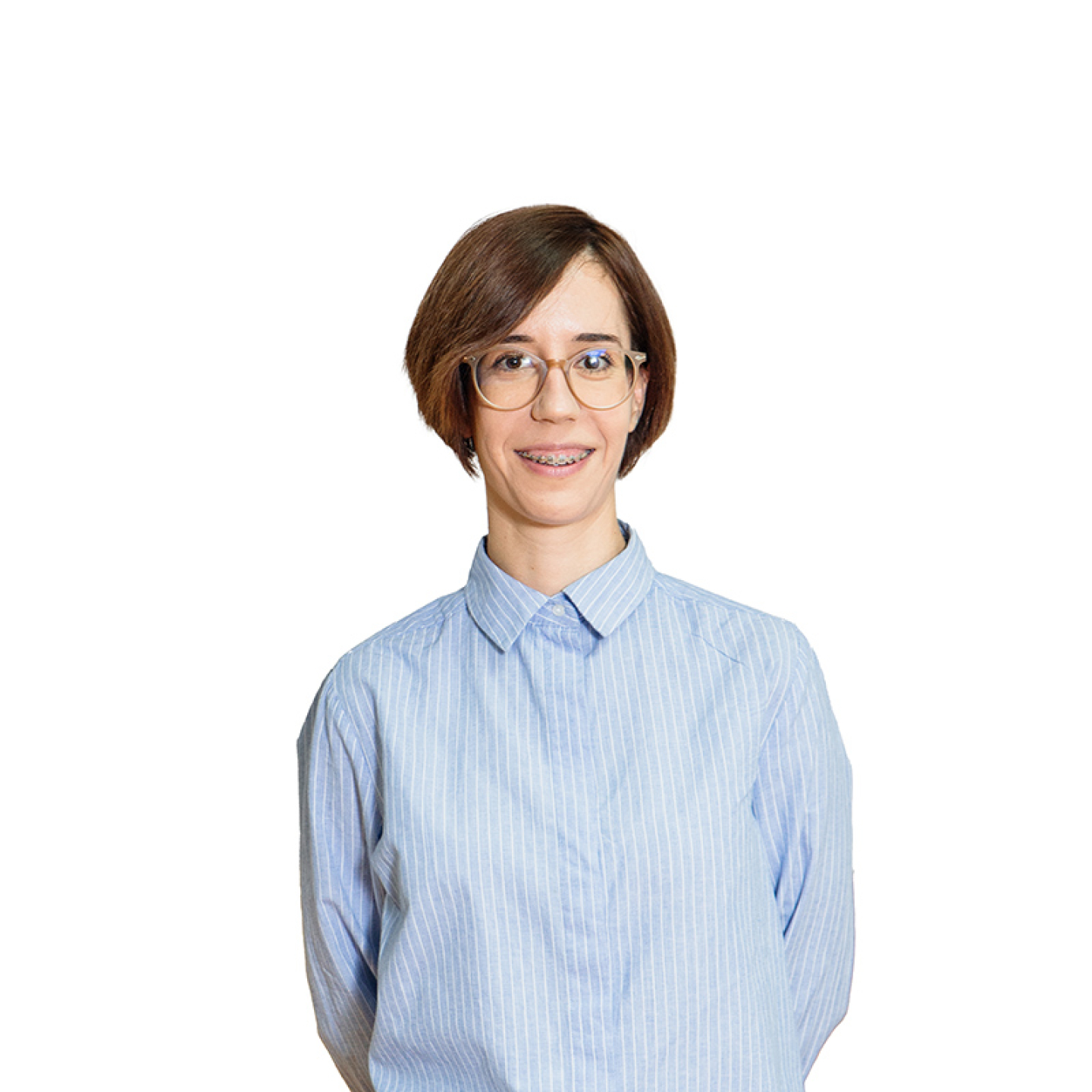
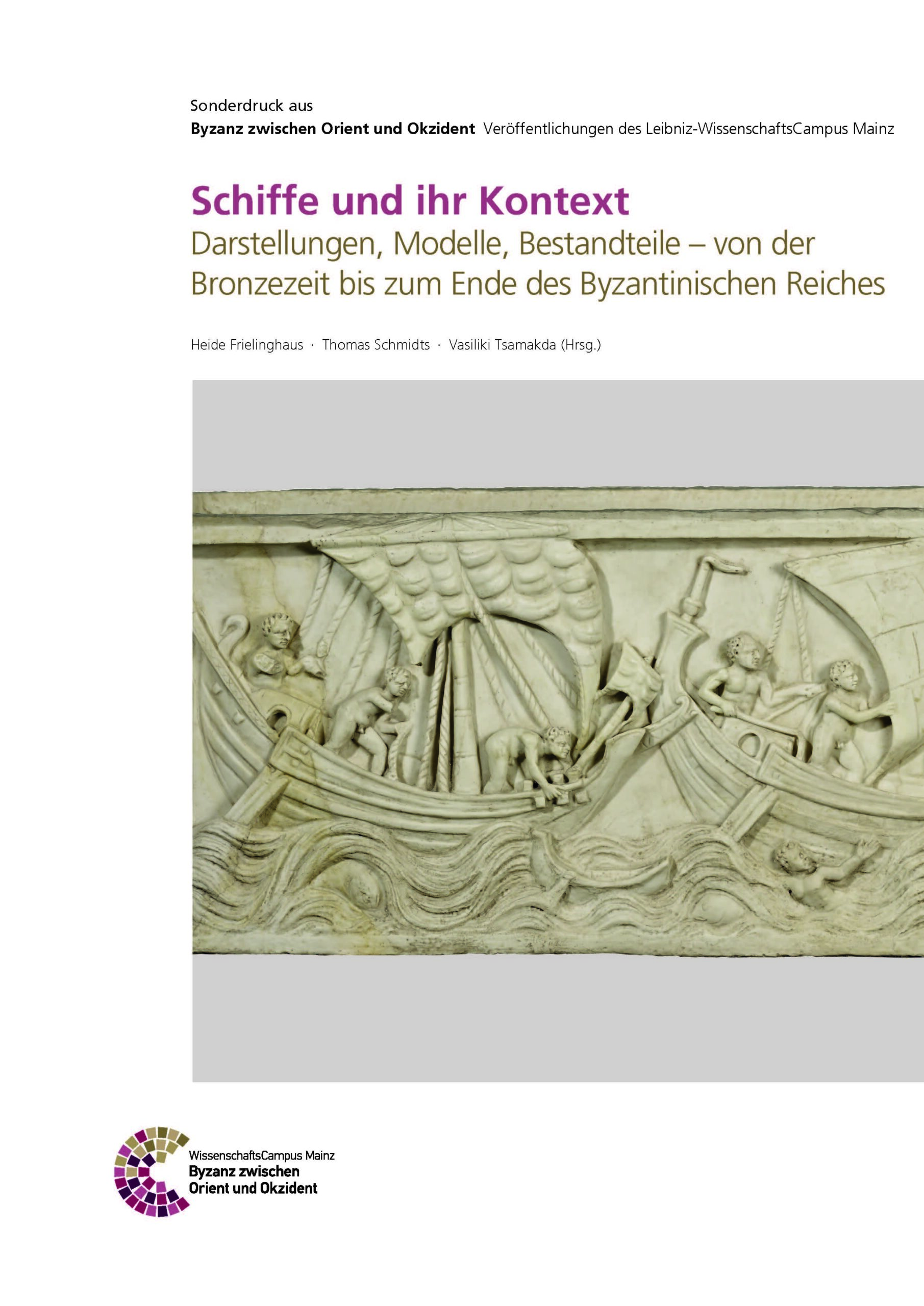
Vasiliki Tsamakda is Professor of Christian Archaeology and Byzantine Art History at Johannes Gutenberg University Mainz since her 2009 appointment. Her research centers on Byzantine visual culture with specialized focus on manuscript illumination, monumental art, catacomb painting traditions, Byzantine-Latin Western interactions, and North African ceramic studies. Academic training includes a History and Archaeology Diploma from the University of Crete (1992), Heidelberg University doctorate on The Illustrated Chronicle of Johannes Skylitzes in Madrid (2001), and LMU Munich habilitation analyzing 14th-century Cretan church paintings in Kakodiki (2008). Fieldwork encompasses excavations at Tautavel (France) and Ladenburg (Germany), plus Austrian Academy of Sciences research on Rome's Domitilla Catacomb. Her scholarly profile demonstrates sustained investigation into Mediterranean cross-cultural exchanges through artifacts and spaces. Key methodological approaches integrate art-historical analysis with archaeological context, particularly examining how religious narratives manifest in diverse media from manuscripts to funerary architecture across Byzantine territories. Major recognitions include the DAAD scholarship (1993), Baden-Württemberg doctoral funding (1997-1999), Basilas Foundation support (2000), and a women-in-science re-entry grant (2005). Professor Tsamakda actively shapes discourse through conference leadership including The Road to Hell: Sins and their After-Life Punishments (2013), Ships and their Context (2013), Private Portraits in Late Antique Art (2013), and Monks, Merchants and Artists in the Eastern Mediterranean (2012), often collaborating with institutions like the Römisch-Germanisches Zentralmuseum.
Dr. Eleonore Pape serves as a Researcher at the Department of Prehistory and Early History within the Faculty of Philosophy at the University of Göttingen, Germany, a position she has held since April 2017. Her academic foundation includes a binational doctorate from Heidelberg University and Université Paris Ouest Nanterre (2016), focusing on comparative analysis of Neolithic gallery graves across German and French archaeological contexts. Her educational trajectory features a Magisterstudium (2005-2011) in Prehistory and Early History, Classical Archaeology, and Ethnology at Heidelberg University, complemented by an internship at Lyon's Gallo-Roman Museum (2008-2009) and extensive fieldwork across Germany, Slovakia, Greece, and France since 2006. Pape's research pioneers interdisciplinary investigations of social practices in Neolithic and Bronze Age Central/Western Europe through archaeo-anthropological frameworks. She integrates archaeological, anthropological, and natural science methodologies to examine biologically determined social groups, with particular emphasis on collective burial systems and cross-border cultural interactions. Her work challenges traditional disciplinary boundaries through quantitative/qualitative synthesis and comparative spatial analysis. Publication trends reveal sustained focus on Late Neolithic gallery graves (4th millennium BC), demonstrating methodological innovation in architectural comparison and socio-ideological interpretation of funerary landscapes. Her output consistently bridges German and French archaeological traditions while advancing theoretical frameworks for understanding prehistoric social organization. Recognition includes competitive fellowships supporting international collaboration and field research: Wülfing Reisestipendium (German Archaeological Institute, 2018) Heidelberg University Excellence Initiative publication grant (2017) German-French University Mobility Scholarship (2013-2016) Friends of Archaeology in Europe e.V. award (2015) DAAD/KOOR BEST Internship Scholarship (2008-2009) Grant funding has enabled extensive binational fieldwork and theoretical development, while her academic service includes membership in Göttingen's Equal Opportunities Commission (2019-present) and Faculty Council representation (2019-2020), demonstrating commitment to institutional development alongside research excellence. As an active member of Göttingen's archaeological research community, Pape contributes to ongoing excavations and geophysical prospecting projects while mentoring through departmental teaching responsibilities, maintaining strong connections with international research networks developed during her doctoral work.
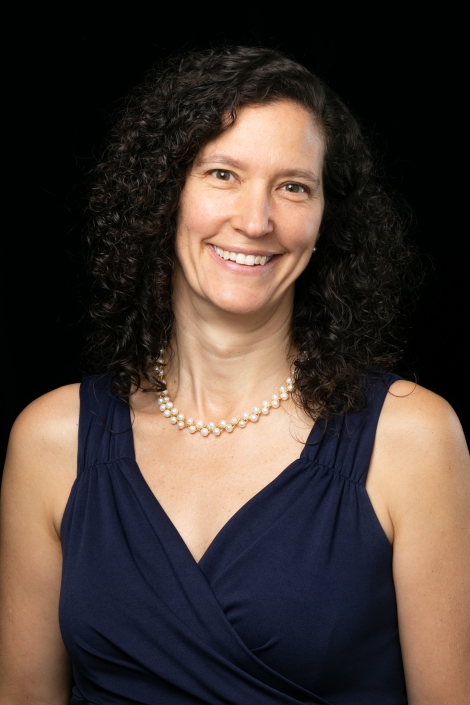
Dr. Stephanie Lansing is a Professor in the Department of Environmental Science & Technology at the University of Maryland's College of Agriculture and Natural Resources. She directs the Bioenergy and Biotechnology Lab, focusing on renewable energy systems, waste treatment, and the Food-Energy-Water Nexus. Her work spans ecological engineering, antimicrobial resistance mitigation, and sustainable bioplastic production from organic waste. College of Agriculture and Natural Resources Environmental Science & Technology Bioenergy and Biotechnology Lab Her research integrates anaerobic digestion , microbial fuel cells , and nutrient recovery to address global sustainability challenges. Recent projects examine bioplastic formation from food waste and AMR dynamics in manure systems , with fieldwork in the US, Africa, and Latin America. She co-developed the NourishNet platform combining real-time surplus food distribution ( FoodLoops ) with spoilage detection ( Quantum Nose ). Active grants exceed $6 million, including two major DOE awards for biofuel and bioplastic production from food waste. Her lab collaborates with institutions like Virginia Tech, Idaho National Laboratory, and international partners. Current team members include PhD candidates Maureen Nabulime and Adanyro Atilago, MS student Rafian Aziz, and undergrad researchers exploring waste-to-energy systems.
Dr. Suzanna Bräuer serves as a Professor in the Department of Biology at Appalachian State University, where she has maintained an active research and teaching position since 2008. Her work bridges microbial ecology and biogeochemistry across diverse environments including wetlands, caves, rivers, and coastal ecosystems. Her educational background includes a Ph.D. from Cornell University, where she developed foundational expertise in biogeochemical processes. This training directly informs her current research on microbial roles in elemental cycling. Bräuer's research focuses on the intersection of microbial community dynamics and biogeochemical cycling, particularly examining how microorganisms influence carbon, iron, and manganese transformations in extreme environments like deep-sea vents and cave systems. Her work integrates molecular techniques with field-based biogeochemical analysis to unravel microbial contributions to global element cycles. Recent publications (2019-2022) demonstrate a concentrated focus on peatland ecosystems, revealing how climate gradients and trace metals shape methanogenic communities and organic matter chemistry. These studies highlight methodological innovations in studying uncultured organisms and establish connections between microbial diversity and large-scale biogeochemical patterns. Her scientific recognition includes prestigious awards such as the Fulbright-Saastamoinen Foundation Award (received twice) and leadership roles in significant grants. Honors reflect both her speleological contributions and environmental science impact: Fulbright-Saastamoinen Foundation Award in Health & Environmental Science (2015, 2021) National Science Foundation MRI grant (Co-PI, 2020) Cave Conservancy Foundation Grant (PI, 2019-2022) GRAM Award and 100 Scholars Award from Appalachian State University Extraordinary Woman Leader in Speleology designation (2015) Bräuer actively contributes to academic service through departmental committees and professional organizations including the American Society for Microbiology and Society of Wetland Scientists. Her grant portfolio demonstrates sustained funding for cave microbiology and wetland biogeochemistry research, supporting both fieldwork and advanced laboratory analyses. Her professional network extends through affiliations with NSF's Center for Coastal Margin Observation and Prediction and the American Geophysical Union, facilitating interdisciplinary collaborations that examine microbial processes across aquatic and terrestrial interfaces.
Davide Nicolini is a Professor of Organization Studies and Director of the IKON Organisation and Work Group at Warwick Business School, University of Warwick. He concurrently serves as a Visiting Professor at BI Norwegian Business School in Oslo. His prior affiliations include faculty positions at the University of Trento (Italy) and a senior social scientist role at the Tavistock Institute of Human Relations in London, where he developed extensive experience in action-learning program design and action-research interventions. Professor Nicolini's research centers on practice-based approaches to understanding organizational phenomena through the lens of everyday work practices. He investigates how knowing, learning, and change emerge in complex environments—particularly healthcare systems—with significant contributions to innovation processes, safety management, and ethical decision-making frameworks. His work bridges theoretical rigor with practical application, employing ethnographic methods to uncover the micro-foundations of organizational life while advancing action-based methodologies for systemic change. His recent scholarly output reveals strong thematic continuity across publications spanning ethics, attention dynamics, and evidence mobilization. Articles like 'What is the right thing to do?' and 'Towards a practice-theoretical view of attention' demonstrate his focus on situated ethical sensemaking and cognitive processes in organizational contexts. The recurring healthcare setting in his work highlights practical relevance, while methodological innovations in video-based research and diffraction approaches showcase theoretical advancement. As Director of the IKON Organisation and Work Group, Professor Nicolini leads a research collective dedicated to exploring practice theory applications in organizational transformation. The group actively engages in collaborative projects that translate theoretical insights into practical interventions, particularly for improving complex systems like healthcare organizations through action-research methodologies.
Dr. Steve Nicolle is a Professor specializing in Linguistics with extensive field experience in African language development and Bible translation. He teaches advanced courses including Discourse Analysis, Semantics & Pragmatics, and Historical & Comparative Linguistics, drawing on decades of practical translation work across East Africa. 1993–1996: D.Phil. in Linguistics, University of York, UK 1992–1993: Postgraduate Certificate in Education (UK teaching qualification) in English as a Second/Foreign Language, University College of North Wales, Bangor, UK 1988–1992: B.A. in Linguistics with Philosophy, University of York, UK Nicolle's research centers on African languages (particularly Bantu languages like Digo), Bible translation methodologies, language change processes, and text-level linguistic analysis. His work bridges theoretical linguistics with practical translation challenges, emphasizing how cultural context shapes discourse structures and semantic interpretation in low-resource languages. He has direct involvement with over 60 languages including Deaf Sign Languages through his consultancy work. Analysis of his 15 most recent publications reveals consistent focus on eastern Bantu narrative structures (2012-2017), with recurring themes of grammaticalization, demonstrative functions, and discourse analysis applied to translation. His work uniquely combines Bible translation training materials with academic research on language change, demonstrating how theoretical linguistics directly informs practical language development projects in African communities.
Dr. Bettina Reichardt serves as a Research Associate at the Seminar for Classical Archaeology within the Faculty of Philosophy I at Martin Luther University Halle-Wittenberg. Her work focuses on Greek iconography and ancient ceramics, particularly through her involvement in the North Rhine-Westphalian Academy of Sciences project 'Cults within the Cult' examining Greek extra-urban sanctuaries. Her research interests center on Greek vase painting , Archaic period iconography , and religious structures , with specialization in Eastern Greek ceramics and Byzantine church architecture at Didyma. She has conducted extensive excavation work at Didyma since 2001 through the German Archaeological Institute. Analysis of her publications reveals a consistent trajectory from early studies of mythical mothers in Attic imagery (2007) to specialized ceramic analysis (2009-2016), culminating in systematic documentation of Didyma's religious landscape. Her work bridges iconographic detail with broader cult structural analysis. Dr. Reichardt actively participates in major excavation projects and scholarly networks including the Berlin Sculpture Network. Her fieldwork spans Germany since 1995 and Anatolian sites since 2001, contributing significantly to understanding sanctuary development from Archaic through Byzantine periods.
Laura Meek is an Assistant Professor in the Department of Community, Culture, and Global Studies at the University of British Columbia, Okanagan, situated on Syilx Okanagan Nation Territory. She is a cultural and medical anthropologist whose research centers on counterfeit pharmaceuticals, bodily epistemologies, and the politics of healing in East Africa. Prior to joining UBC in 2022, she was a faculty member at the University of Hong Kong's Centre for the Humanities and Medicine. Dr. Meek received her PhD and MA in Anthropology from the University of California, Davis, an MA in Women's Studies from George Washington University, and a BA in Comparative Human Development from the University of Chicago. Her academic journey includes significant fieldwork experience in Tanzania and Hong Kong, with additional professional experience in the nonprofit sector focusing on prison abolition, women's empowerment, and environmental conservation. Her research interests span a wide range of topics including Africa, Black studies, bodily epistemologies, counterfeits, critical public health, cultural anthropology, decolonization, disease elimination, ethnography, feminist STS, fugitivity, global health, Hong Kong, leprosy, medical anthropology, ontology, pharmaceuticals, postcolonial technoscience, sensoriums, storytelling, Tanzania, temporality, and traditional medicine. Her work is characterized by a commitment to addressing structural inequalities in knowledge production and advancing liberatory social transformation. Dr. Meek's publications reveal consistent engagement with decolonial approaches to medical anthropology, pharmaceutical studies, and global health. Her recent work explores themes of fugitive science, bodily epistemologies, and the politics of healing across multiple contexts including Tanzania and Hong Kong. She has developed innovative frameworks for understanding counterfeit pharmaceuticals not merely as public health challenges but as sites of world-making innovation and radical uncertainty. 2021 MAE–MAT Early Career Paper Award 2021 Creative Ethnographic Prose Competition, 3rd Prize 2020 Early Career Scheme Grant & Award (Hong Kong) 2018 Outstanding Graduate Student Teaching Award 2017 Rudolf Virchow Graduate Student Award Dr. Meek supervises M.A. and Ph.D. students through UBC Okanagan's Interdisciplinary Graduate Studies programs in Global Studies, Power Conflict and Ideas, and Community Engagement, Social Change, Equity. She is also the Co-Director of Storying Otherwise: A Hub for Creative Ethnographic Writing and serves on the Steering Committee for the UBC-O Science and Technology Studies Collective. Her teaching encompasses cultural and medical anthropology, African & Africana studies, global health, embodiment, feminist/anti-racist/decolonial STS, global studies, and post/anticolonial theory.
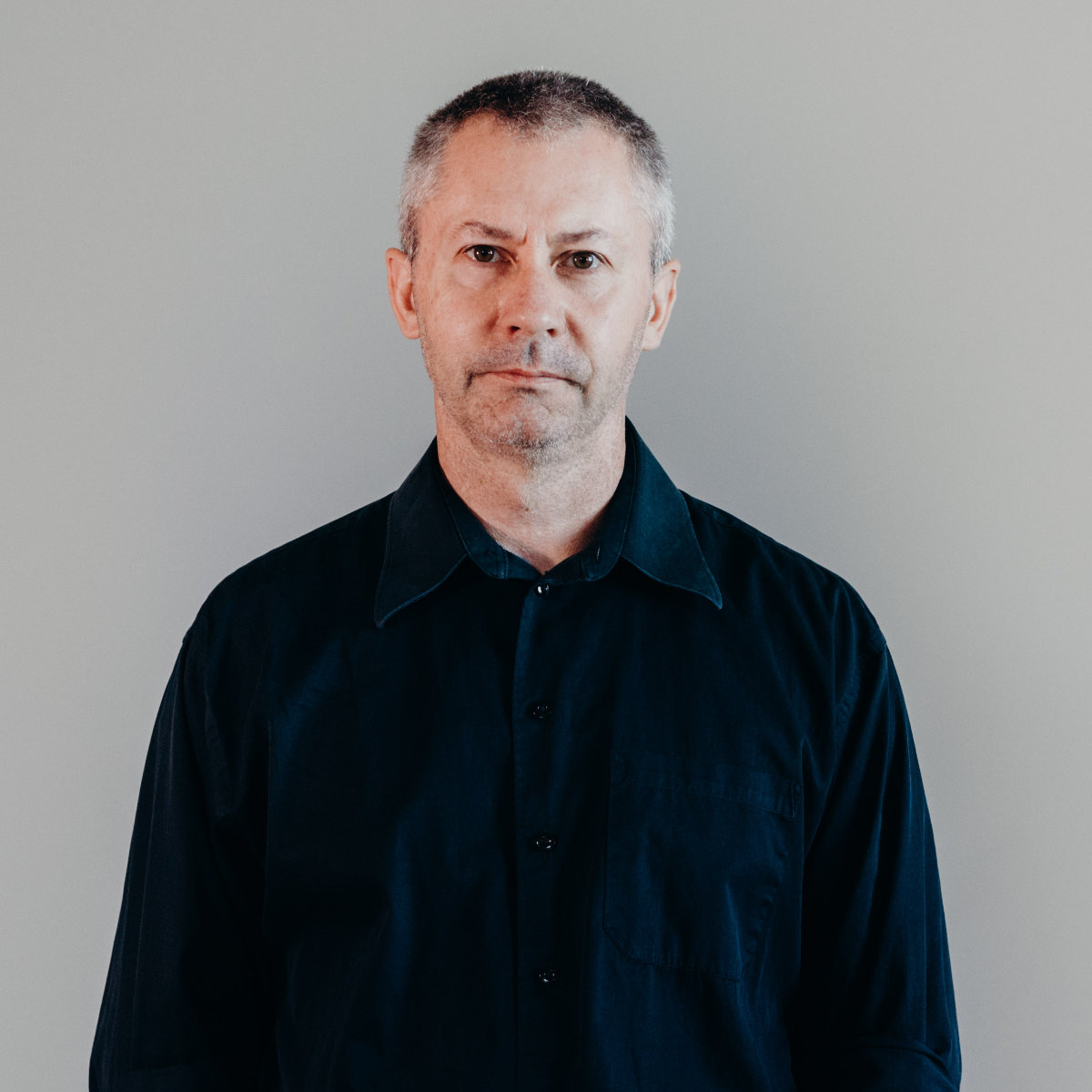
Rowan Flad is the John E. Hudson Professor of Archaeology at Harvard University, affiliated with the Peabody Museum. His research focuses on the emergence of complex societies in Bronze Age and Neolithic China, particularly in the Sichuan Basin and Gansu regions. He has conducted extensive fieldwork, including surveys in the Chengdu Plain and excavations at salt production sites. His work integrates zooarchaeology, ceramic analysis, and geochemical studies to explore technological change, ritual practices, and interregional interaction. Key projects include the Chengdu Plain Archaeological Survey and the Tao River Archaeological Project. Flad critiques media bias in archaeological reporting and emphasizes interdisciplinary approaches to understanding past societies. He has authored influential books such as Salt Production and Social Hierarchy in Ancient China (2011) and co-edited volumes on ritual and economy in East Asian archaeology. His recent research examines horse domestication, burial practices, and ceramic exchange networks. Flad’s work bridges theoretical archaeology with empirical fieldwork, addressing questions of specialization, value systems, and cultural transmission in early Chinese societies.
Will Townes is an Assistant Professor in the Department of Statistics and Data Science at Carnegie Mellon University's Dietrich College of Humanities and Social Sciences. He joined CMU in 2022 after completing a postdoctoral fellowship in computer science at Princeton University with Barbara Engelhardt. His academic journey includes a Ph.D. in biostatistics from Harvard University under Rafael Irizarry's supervision, an M.S. in math and statistics from Georgetown, and earlier work in tropical ecology fieldwork in the Philippines. Dr. Townes specializes in applied statistics with primary focus areas in biomedical and public health domains. His research centers on wastewater-based epidemiology, wearable devices, and auxiliary signals for infectious disease tracking and forecasting as part of the Delphi research group. He has developed normalization, feature selection, and dimension reduction methods for single cell RNA-Seq and spatial transcriptomics data analysis. His broader research interests span biostatistics, epidemiology, genomics, time series forecasting, and theoretical aspects of Tweedie distributions. His recent publications reveal a strong emphasis on wastewater surveillance methodologies, single-cell data analysis techniques, and infectious disease forecasting models. The research demonstrates a consistent focus on computational scalability and efficiency through approximate inference techniques. Dr. Townes approaches statistical problems with a pragmatic perspective, comfortable with probabilistic (Bayesian) models while drawing inspiration from diverse statistical perspectives. Member of DELPHI Lab Group at CMU Active contributor to genomics and biostatistics research Focus on computational efficiency in statistical methods Dr. Townes mentors several students including Gabrielle Thivierge (PhD candidate working on infectious disease forecasting methods), Julia Elrod, and Anna Rosengart. He teaches data science courses at CMU, including a field course in Costa Rica where students work with community partners on real-world data projects involving water quality indicators, spring flow rates, and ecological monitoring.