- Medical Anthropology
- Global Health
- Gender Studies
- +۴ مورد دیگر
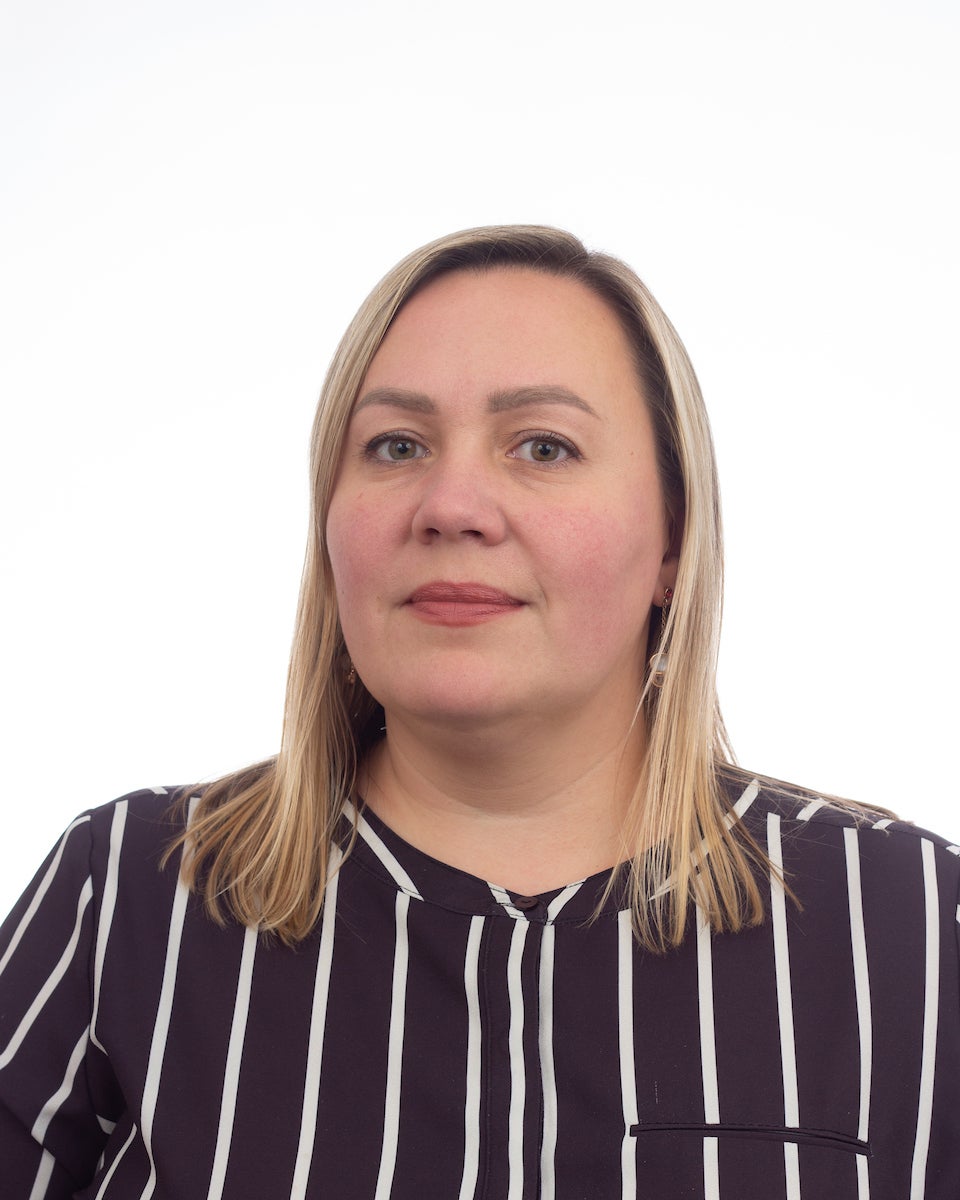
Maryna Nading is a Professor of Anthropology at Luther College, specializing in medical anthropology, global health, and post-socialist societies. Her work examines gender dynamics in healthcare systems, health workforce challenges, and social responses to crises like the Russia-Ukraine conflict. She teaches courses including Medical Anthropology, Global Health, and Qualitative Research Methods. Education: Ph.D., Anthropology (2010) and M.A. (2004), State University of New York at Albany; B.A., English Philology and Translation (2001), Technological University of Podillia, Ukraine. Research Interests Her research investigates gender segregation in Ukrainian medical specialties, clinical labor ethics, and reproductive labor in war contexts. Current projects explore the Ukrainian volunteer group “Maskuty,” analyzing their camouflage net production for the military as a form of radical hope-building through care work. Key Themes in Scholarship Her articles address Ukraine’s healthcare reforms, physician morality debates, and the intersections of health systems with political economies. Recent work emphasizes solidarity networks and grassroots responses to conflict, linking them to broader anthropological frameworks on hope and resilience. Professional Recognition Recipient of the 2011 Society for Medical Anthropology’s Steven Polgar paper prize for her analysis of vaccination campaigns in post-Soviet Ukraine. Her op-eds and blog posts contribute to public discourse on global health equity and humanitarian crises. Teaching & Mentorship Courses emphasize ethnographic methods, global health disparities, and commodity chain analyses. She mentors students in fieldwork design and ethical research practices, often integrating global health immersion experiences into academic projects. Research Collaborations Works with Ukrainian civil society groups and global health organizations, blending anthropological theory with applied interventions. Her fieldwork bridges academic inquiry with community-driven solutions to healthcare challenges.