Professor George Siemens is a leading academic in the field of learning analytics and AI-driven education, serving as Professor and Director of the Centre for Change and Complexity in Learning at UniSA Education Futures, University of South Australia. His work focuses on advancing educational practices through data analytics, artificial intelligence, and understanding online learning dynamics. His research spans MOOCs, social and emotional learning analytics, and the ethical integration of AI in education. Notable contributions include the development of frameworks like the MOOC Replication Framework (MORF) and the DAIR infrastructure for educational AI research. Key publications include studies on student agency in AI environments, practicum effectiveness in teacher education, and synthetic data fairness in learning analytics. He collaborates internationally, with affiliations previously including the University of Texas Arlington. As a Research Degree Supervisor, he guides students in transformative educational technology research. His work emphasizes actionable intelligence for educators and scalable solutions for lifelong learning in the digital age.
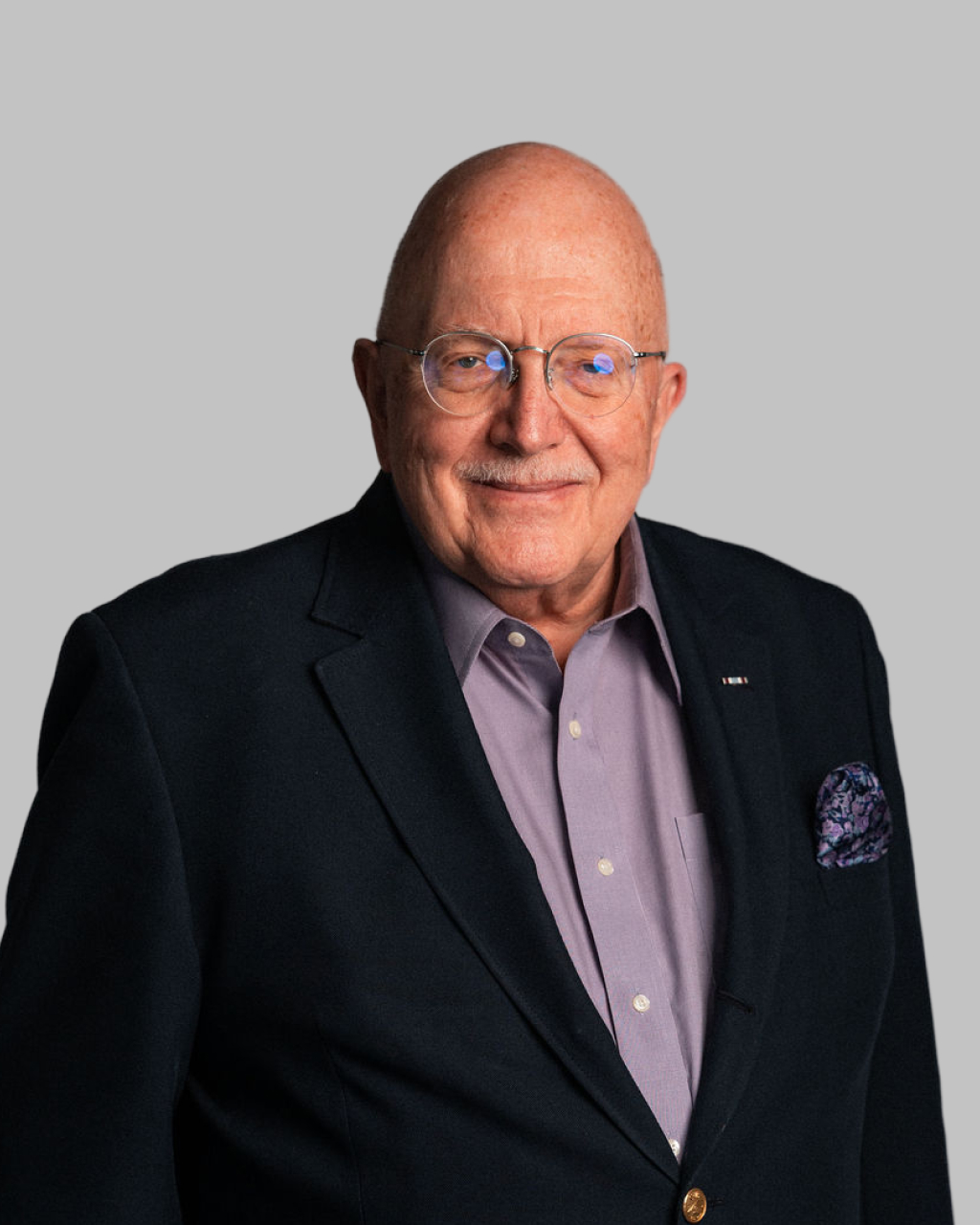
Joseph E. Troiani, Ph.D., is a nationally recognized leader in military psychology with over five decades of clinical experience serving veterans and active-duty service members. As Founding Director of Military Psychology programs and Associate Professor at Adler University since 1993, he develops curriculum, mentors students through classroom instruction and practicums, and prepares future behavioral health professionals for military-focused clinical work. Dr. Troiani holds a Doctor of Philosophy in Clinical Psychology and Master of Arts in Clinical Psychology from Fielding Graduate University, a Master of Arts in Health Services Administration from Governors State University, and a Bachelor of Arts from Northeastern Illinois University. His specialized training includes alcoholism counseling from Grant Hospital of Chicago, public health leadership from the University of Illinois at Chicago, Strategic Intelligence from National Intelligence University, and Naval Command studies from the Naval War College. His research spans military psychology, substance use disorders in veterans, community mental health systems, crisis/disaster response protocols, and behavioral health policy development. He translates frontline clinical experience with Vietnam, Iraq, and Afghanistan veterans into evidence-based training on post-deployment mental health challenges, substance use interventions, and resilience-building for military populations. Among his scientific accolades are APA Division 19 Fellowship status, 2025 Counselor of the Year recognition, 2019 APA Presidential Citation, 2017 Distinguished Illinois Psychologist Award, and 2017 APA Advocacy Award. He also received the 2015 Program Innovation Award for establishing Adler's Military Psychology Program and the 2015 Military Hero Award from the American Red Cross. Dr. Troiani actively mentors students as faculty advisor to the Military Psychology Student Organization and Adler Student Veterans Association, guiding capstone projects and dissertations on military behavioral health. His leadership extends to chairing APA Division 19's Advocacy Committee, co-leading the APA D-19 Regional Seminar Series (2019-2025), and presiding over Mental Health America of Illinois and the Illinois Certification Board.
Stuart Carroll is an Associate Professor of Elementary Education and Co-Chair of the Department of Elementary and Early Childhood Education at The College of New Jersey's School of Education. He also serves as Faculty Director of Global Graduate Programs, demonstrating his commitment to international education experiences. Dr. Carroll earned his Ph.D. in Teaching and Curriculum from Syracuse University (1999), an MEd in Teaching ESL from Trenton State College (1995), a Bed in Elementary Education from the University of Manitoba (1987), a J.D. from the University of Manitoba (1983), and a B.A. in History from the University of Manitoba (1981). Carroll's research focuses on inclusive education, particularly for students with intellectual disabilities, teacher preparation programs, global education experiences, and ESL teaching methods. His work examines how preservice teachers develop through experiences with diverse learners, especially those with disabilities, and how these experiences shape their professional identities. He has extensively studied the impact of inclusive classroom experiences on teacher development and has developed innovative approaches to teacher education that emphasize compassion and care, particularly in the post-pandemic educational landscape. His recent publications show a clear trajectory toward examining teacher preparation in challenging contexts, including the Ukrainian refugee crisis and pandemic recovery. His work consistently emphasizes the importance of inclusive practices, compassionate teaching, and global perspectives in teacher education. Dr. Carroll has received numerous honors including The College of New Jersey School of Education's Teacher of the Year (2015) and the Northeastern Association of Graduate Schools Graduate Teaching Award (2007). The College of New Jersey School of Education's Teacher of the Year (2015) Northeastern Association of Graduate Schools Graduate Teaching Award (2007) Dissertation award, Syracuse University (1999) Berj Harootunian Award for Outstanding Dissertation Proposal (1997) Carroll has coordinated the MAT Program (2002-2008) and the Global Student Teaching Program (2001-2007), demonstrating his leadership in teacher preparation. He has secured significant grant funding including a $96,000 grant from the Developmental Disabilities Council of the State of New Jersey (2008-2009) and participation in a federal TPSID grant with Bergen Community College (2018-2019). His service includes numerous committee memberships related to faculty excellence, certification, departmental awards, and curriculum development. Through his leadership of the Career and Community Studies Program and his extensive research on inclusive education, Carroll has established TCNJ as a leader in inclusive postsecondary education for students with intellectual disabilities. His work bridges theory and practice, creating meaningful opportunities for preservice teachers to learn alongside peers with disabilities.
Dr. Mayke Vereijken is an Assistant Professor at the Faculty of Social and Behavioural Sciences, Utrecht University, specializing in Educational Sciences. Her work bridges educational theory and practice, with a focus on inquiry-based teaching and research integration in higher education. PhD in Medical Education (Leiden University, 2018) MSc in Educational Sciences (Radboud University Nijmegen, 2011) Her research explores interdisciplinary and transdisciplinary approaches to education, particularly how higher education can address complex problems requiring multi-, inter-, or transdisciplinary knowledge. Current work includes projects on the effectiveness of teacher professional development and scholarly teaching. Recent publications address: Transdisciplinary education frameworks Subject matter pedagogy in university teaching Professional collaboration around complex problems Authentic research practices in medical education Research integration in first-year teaching
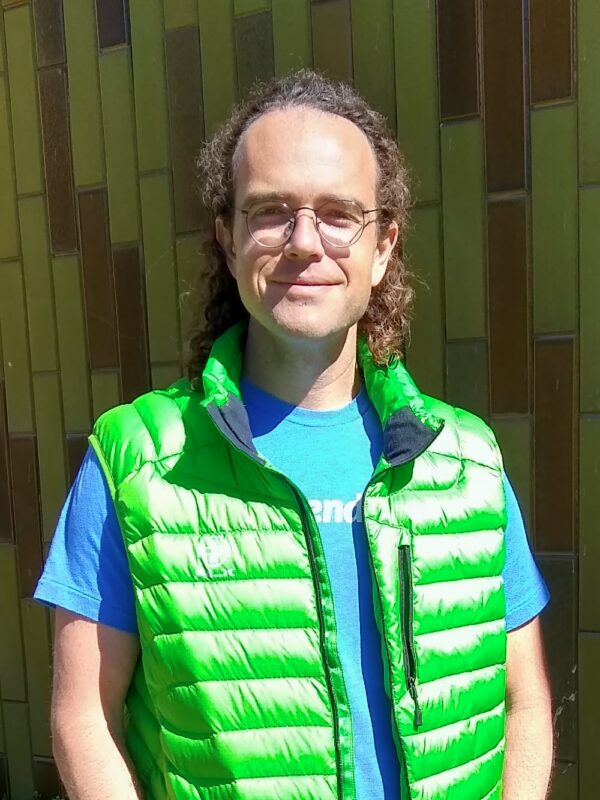
Ariel Levi Simons is a Postdoctoral Scholar at the Institute of the Environment and Sustainability at the University of California, Los Angeles. His research integrates machine learning with environmental DNA (eDNA) , remote sensing , and field observations to analyze ecosystem responses to anthropogenic stresses. Prior to his postdoctoral work, Levi taught high school science in Los Angeles and collaborated with students on community science projects, including monitoring nuclear fallout from the Fukushima meltdown and mapping the chemistry of the Los Angeles River. Doctoral Background : Ph.D. in Environment and Sustainability from USC’s Department of Marine and Environmental Biology. Key Expertise : Probiotics for shellfish aquaculture, light pollution impacts on coastal ecosystems, and eDNA applications in ecological monitoring. Current Work focuses on developing Sage Hill as an outdoor classroom and research site, where he mentors senior practicum students in studying ecology within human-dominated environments like Los Angeles. His interdisciplinary approach bridges ecological science with technological innovation, leveraging his involvement in the maker movement through CRASH Space hackerspace.
Dr. Jennifer Lock serves as Vice Dean and Professor at the Werklund School of Education, University of Calgary. She specializes in Educational Technology with a focus on e-learning, online learning communities, and technology integration in education. Her research explores distance education, leadership in educational innovation, and makerspaces in STEM pedagogy. Dr. Lock has held roles including Coordinator of Distance Education at Aurora College and has taught across undergraduate and graduate programs at Werklund. Education: Doctor of Philosophy (Educational Technology), University of Calgary, 2004 Master of Education (Thesis), University of Saskatchewan, 1992 Bachelor of Education and Bachelor of Arts, University of Saskatchewan, 1984/1989 Research Interests: E-learning, technology integration, leadership in educational technology, scholarship of teaching and learning, and experiential learning through makerspaces. Her work emphasizes culturally responsive pedagogy, online collaboration, and assessment frameworks for skill development. Awards: Izaak Walton Killam Graduate Supervision Award (2019) U Calgary Teaching Award for Educational Leadership (2015) U Make a Difference Award (2016) Multiple excellence in supervision and teaching awards from 2012–2018 Advising & Grants: Supervised numerous graduate students (not listed explicitly). Active in curriculum development and educational leadership initiatives. Collaborated on projects funded by institutions including the Werklund School of Education and University of Calgary. Labs/Teams: Involved with the Werklund School’s educational technology teams and the International Maker Education Network. Leads projects on immersive education and design thinking in teacher training.
Stephen H. Lane is a Teaching Professor at the University of Pennsylvania's School of Engineering and Applied Science, Department of Computer and Information Science. He serves as Director of the Computer Graphics and Game Technology (CGGT) Master's Program and teaches courses such as Computer Animation (CIS462/562), Advanced Topics in Computer Graphics and Animation (CIS660), and Game Design and Development (CIS564). He also supervises the Game Design Practicum (CIS568) capstone course. Education: B.S. in Mechanical and Aerospace Engineering from Cornell University (1980) M.S. in Systems Engineering from UCLA (1982) Ph.D. in Mechanical and Aerospace Engineering from Princeton University (1988) Dr. Lane's research focuses on the intersection of robotics, physically-based character animation, embodied intelligent agents, and virtual reality user interfaces. His work integrates control theory, artificial intelligence, and computer animation techniques to develop advanced simulation and training systems. His publications since 1987 cover topics such as inverse kinematics, neural networks for motion control, B-spline receptive fields, robotic skill acquisition, and gesture recognition systems. His recent work (2010-2011) emphasizes sensor fusion for gesture recognition and immersive training interfaces. Scientific Awards: Co-inventor of four US patents related to robotic animation and motion control systems Contributions to hybrid controller hierarchies and neural network training methods As founder of soVoz, Inc., Dr. Lane commercializes behavioral animation technology for virtual environments. His academic-industry collaboration includes contracts with Microsoft, Disney, and the US Army. He has developed tools like ProScena™ to integrate interactive 3D simulation capabilities into gaming and training applications.
Dr. Julie Drolet is a Professor at the Faculty of Social Work at the University of Calgary, Edmonton Campus. Her work focuses on social work education, disaster recovery, immigrant settlement, and community resilience. She leads the Transforming the Field Education Landscape (TFEL) Partnership project funded by SSHRC and has been actively contributing to both academic research and practical applications in these fields. Her educational background includes: B.A. in History from the University of Toronto (1994) B.S.W. in Social Work from the University of Regina (1995) M.S.W. in Social Work from McGill University (1997) Ph.D. in Social Work from McGill University (2006) Dr. Drolet's research spans several interconnected domains within social work. Her primary focus is on field education in social work, examining innovative approaches to prepare students for professional practice, particularly through her leadership of the SSHRC-funded Transforming the Field Education Landscape Partnership. She has conducted extensive research on disaster recovery, with particular attention to supporting older adults and marginalized communities after events like the Alberta wildfires and British Columbia floods. Another significant area of her work involves immigrant and refugee settlement, with studies on housing experiences, community integration, and inclusive practices. Her scholarship also addresses social protection frameworks and the impacts of the COVID-19 pandemic on social work education and practice. Analysis of her recent publications reveals a strong emphasis on transforming social work field education through innovative and adaptive approaches, especially in response to pandemic challenges. Her disaster recovery research consistently centers on vulnerable populations, with particular attention to older adults' needs and experiences in disaster settings. She bridges academic research with practical applications, often resulting in policy recommendations and innovative practice models that have real-world impact. Her recognition includes: Emerald Award in Public Engagement and Outreach from the Emerald Foundation (2024) Dr. Drolet serves as Principal Investigator for the Transforming the Field Education Landscape (TFEL) Partnership (2019-2025), which has secured significant funding from the Social Sciences and Humanities Research Council of Canada (SSHRC). This national project aims to create new training and mentorship opportunities for social work students across Canada. She has also participated in multiple university strategic initiatives including Brain and Mental Health (2015-2021), Child Health and Wellness (2020-2025), Energy Innovations for Today and Tomorrow (2013-2021), and Human Dynamics in a Changing World (2015-2021). At the University of Calgary, Dr. Drolet teaches SOWK 721 Integrative Research Colloquia and contributes to the development of social work curriculum. Through the TFEL Partnership, she collaborates with multiple universities and community organizations across Canada to transform field education practices, emphasizing the integration of research and practice in social work education.
Michael J. Faris is a Professor in the Department of English at Texas Tech University and serves as Department Chair. His research spans digital rhetoric, feminist and queer rhetorics, technical communication pedagogy, and writing program administration. He is Editor of Kairos: A Journal of Rhetoric, Technology, and Pedagogy . Academic Focus: Digital rhetoric, queer theory, and multimodal literacies. Editorial Role: Leads Kairos , a pioneering open-access journal in digital humanities. Key Projects: Collaborated on remediating Joyce Locke Carter's CCCC Chair's Address into an experimental video, published in Kairos (2017). Publications: Authored works on queer approaches to sex education, affect in networked writing, and critical making in rhetoric. His recent work explores queer ethics, ecocomposition, and multimodal pedagogies in first-year writing programs. Articles emphasize intersections of technology, affect, and marginalized identities. Collaborative projects like the 2016 CCCC address remediation highlight his commitment to innovative digital scholarship and graduate mentorship.
Konstantinos Alexakos is a Professor and Program Coordinator for General Science (GSCI) and Science Education (covering biology, chemistry, physics and earth science for grades K-12) at the School of Education, Brooklyn College, City University of New York (CUNY). He also holds a professorship in The Ph.D. Program in Urban Education at the Graduate Center, CUNY. His academic work focuses on science education, teacher development, and the integration of mindfulness practices in educational settings. His educational background includes: B.S. in Physics from The City College of New York - CUNY (1989) M.A. in Education in Physics and General Science from New York University (2000) M.Phil. in Science Education from Columbia University (2004) Ph.D. in Science Education from Teachers College, Columbia University (2005) Alexakos's research interests span multiple interconnected domains within science education. He has made significant contributions to understanding mindfulness and wellness in educational contexts , particularly how contemplative practices can enhance teaching and learning environments. His work explores emotional dimensions of science education , examining how teachers and students navigate emotional landscapes in classrooms. He has pioneered research on cogenerative dialogue and coteaching as mechanisms for improving educational practice. His scholarship also addresses diversity, equity, and inclusion in science education, with particular attention to race, gender, and cultural considerations. Alexakos investigates teacher identity formation and the challenges science educators face in urban settings, while also developing frameworks for authentic inquiry that empower teachers as researchers. His recent work increasingly focuses on holistic approaches to education that integrate physical, emotional, and intellectual dimensions of learning. Analysis of his recent publications (2017-2022) reveals a clear trajectory toward integrating contemplative practices with science education. His scholarship demonstrates a consistent focus on teacher development through authentic inquiry, with increasing emphasis on wellness, mindfulness, and emotional dimensions of teaching and learning. The publications show a progression from theoretical frameworks to practical applications of heuristics and contemplative practices in educational settings. His collaborative work with Kenneth Tobin forms a substantial portion of his output, indicating a productive research partnership focused on transforming educational practices. The publications span multiple formats including books, book chapters, and journal articles, demonstrating versatility in scholarly communication. His scientific awards and recognitions include: Brooklyn College Student Technology Fee Award for "Science Lab Probes" ($12,000) PSC-CUNY Research Award (PSCREG-38-335) for "Self and Science Teacher Attrition" ($6,000; 2007-08) PSC-CUNY Research Award (PSCOOC-37-30) for "The Science Teacher, Subjective Constructs of Science Teaching, and the 'Organic Link'" ($5,990; 2006-07) Alexakos has been actively involved in mentoring students through various teaching practicums and research activities. His courses include Natural Science for Early Childhood & Childhood Education, General Science for Child & Elementary School, Physical Science for Childhood Teachers, and multiple student teaching practicum courses. He has developed the master of arts in teaching (MAT) in science education program at Brooklyn College that infuses research and practice in science teaching in urban settings. His grant activities include research projects on teacher attrition, the science teacher as the organic link, and wellness practices in educational contexts. He has also secured funding for technology implementation in science education through the Student Technology Fee Award. While not explicitly mentioned as leading a specific laboratory, Alexakos is deeply involved with the Urban Science Education Research Seminar at the CUNY Graduate Center, where he has presented and organized numerous sessions. He has collaborated extensively with colleagues including Kenneth Tobin, Maria Powietrzynska, and Leah Pride on research related to emotions, mindfulness, and wellness in educational settings. His work with the Association of Greek American Professional Women (AGAPW) on "Inspiring Women in Science, Technology, Engineering, and Mathematics (STEM)" demonstrates his commitment to supporting underrepresented groups in STEM fields.
Laurence Claes is a Professor and Head of Clinical Psychology at KU Leuven's Faculty of Psychology and Educational Sciences. His academic career spans multiple research domains with a focus on psychopathology, particularly eating disorders and non-suicidal self-injury (NSSI), examined through the lens of identity formation processes. He maintains strong affiliations with the LC&Y - KU Leuven Institute for Child and Youth and serves on several important committees including the Faculty Doctoral Committee for Psychology and Educational Sciences as ombudswoman for KU Leuven staff. Professor Claes' research primarily investigates the complex relationship between identity development and various forms of psychopathology, with special attention to adolescents and emerging adults. His work consistently demonstrates how identity processes serve as both risk and protective factors across multiple clinical presentations. He employs diverse methodologies including longitudinal studies, ecological momentary assessment, and both community and clinical samples to examine these relationships. Analysis of his recent publications reveals consistent thematic patterns across his work. His research shows strong connections between identity functioning and eating disorders, non-suicidal self-injury, body image concerns, and personality pathology. He frequently examines how identity processes mediate relationships between other psychological constructs and clinical outcomes. His work spans multiple contexts including cancer survivorship, athletic performance, and digital environments. Professor Claes actively supervises numerous doctoral candidates and collaborates extensively with researchers both within KU Leuven (particularly with Koen Luyckx) and internationally. His work appears in high-impact journals across psychology, psychiatry, and related fields, demonstrating the transdisciplinary nature of his research. His teaching responsibilities include courses on clinical diagnostics for adults and the elderly (P0V88A, P0X60A), psychological interventions (P0W42A, P0N41B), single-case research (P0X93A), and clinical psychology practicum (P0Y05A, P0W57A, P0Y08A), indicating his commitment to both research and clinical training.
Jessica Gallo, Ph.D., is an Associate Professor of Secondary Education at the University of Nevada, Reno, affiliated with the College of Education and Human Development. She teaches in the Secondary Education Department and focuses on English teacher preparation, writing pedagogy, and rural education. Education: Ph.D. in Curriculum and Instruction—Literacy Studies, University of Wisconsin-Madison M.S. in Curriculum and Instruction—Literacy Studies, University of Wisconsin-Madison B.S. in English, University of Wisconsin-Madison Her research emphasizes rural education challenges, teacher professional development, and innovative writing instruction. Recent publications explore topics like AI integration in teacher methods courses, place-conscious pedagogy, and post-pandemic classroom adaptations. Gallo's work bridges theory and practice in clinical teacher education contexts. She has received recognition as a National Writing Project Teacher Leader and co-directed the Rural Wisconsin Writing Institute. Her career spans rural K-12 teaching experience and higher education leadership, contributing to discussions about field experiences, educational equity, and teacher wellness through mindfulness practices.
Mark Chaves is the Anne Firor Scott Distinguished Professor of Sociology at Duke University, with a joint appointment in the Divinity School and Religious Studies Department. His research focuses on the sociology of religion, particularly the social organization of religion in the United States. He leads major studies like the National Congregations Study (NCS) and the National Survey of Religious Leaders (NSRL), which provide insights into congregational life and religious leadership. Chaves holds degrees from Dartmouth College, Harvard Divinity School, and Harvard University (PhD). He teaches courses on American religious organization and has authored influential books including American Religion: Contemporary Trends and Congregations in America . Recent work includes analyzing clergy political actions and lay-clergy alignment, as well as exploring religious leaders' views on mental health. His research has been featured in journals like Sociological Focus and Politics and Religion . Chaves' courses include Sociology 721S: Research Practicum and Religion 854S: The Social Organization of American Religion . His contributions to understanding U.S. religious trends and institutional dynamics have positioned him as a leading scholar in the field. Media outlets such as Religion News Service frequently cite his work on topics like secular communities and clergy-politics relationships.
Amanda Brown is a Senior Lecturer and Director of the UMass Student Farm and Agricultural Learning Center at the Stockbridge School of Agriculture, University of Massachusetts Amherst. She plays a key role in sustainable food and farming education through experiential learning and extension outreach. Her work bridges academic instruction with practical farm management and sustainable agriculture programming. Education: Associate of Science (AS) in Horticulture, Stockbridge School of Agriculture, 2000 Bachelor of Science (B.S.) in Plant and Soil Science, University of Massachusetts, 2002 Master of Education (MEd) in Education, University of Massachusetts, 2008 Amanda's research and professional interests center on sustainable agriculture, integrated pest management (IPM), vegetable crop production, and agricultural education. She has developed curriculum and outreach materials that support organic and sustainable farming practices, particularly in New England. Her focus on experiential learning enhances student engagement in real-world farming systems. Her publications reflect a strong emphasis on practical, field-based solutions in pest management and crop production. The articles show a consistent focus on IPM strategies, organic pest control, and extension education for vegetable growers. Topics include cucumber beetle management, Colorado potato beetle control, sweet corn scouting, and winter carrot storage, highlighting her expertise in sustainable vegetable systems. Scientific Awards: No awards listed in the provided text. Amanda has been actively involved in teaching and advising through the Student Farming Enterprise program. She teaches multiple courses including Managing the Student Farm I & II and Student Farming Enterprise Farm Practicum , guiding students in planning, production, harvesting, marketing, and financial management. She has not received any listed grants in the provided text but has contributed extensively to extension programming and educational resource development. She leads the UMass Student Farm and the Agricultural Learning Center, both of which serve as living laboratories for sustainable agriculture education. These programs provide hands-on training for students and resources for regional farmers, emphasizing experiential learning, community engagement, and sustainable food systems development.
Dr. David Allsopp is a Professor in the Department of Curriculum, Instruction, and Learning at the University of South Florida's College of Education, where he has served since 2001 after six years at James Madison University. His career began as a middle school teacher for students with learning disabilities and emotional/behavioral difficulties in Ocala, FL. Education Doctoral degree from the University of Florida His research centers on effective instructional practices for students with high incidence disabilities (Specific Learning Disabilities, ADHD, Social-emotional/Behavior Disorders) and struggling learners, with particular emphasis on mathematics education. He investigates teacher preparation methods to equip educators for inclusive classrooms, focusing on collaborative planning, family engagement, and critical consciousness development in special educators. His work bridges theory and practice through classroom-based interventions and teacher training innovations. Analysis of his 15 most recent publications (2025-2018) reveals consistent themes: special education teacher preparation across four continents, mathematics interventions for students with disabilities, advocacy by parent-educators, and critical frameworks for Latinx teacher candidates. His scholarship demonstrates methodological diversity through case studies, policy analyses, and cross-cultural comparisons, with growing emphasis on social justice and inclusive practices in mathematics education. Dr. Allsopp supervises doctoral students in special education and has developed innovative teacher preparation models like the USF-Pepin Academies Summer Institute. His research on Response to Intervention (RTI) frameworks and dynamic assessment has informed statewide professional development initiatives, though specific grant details are not provided in the source material.