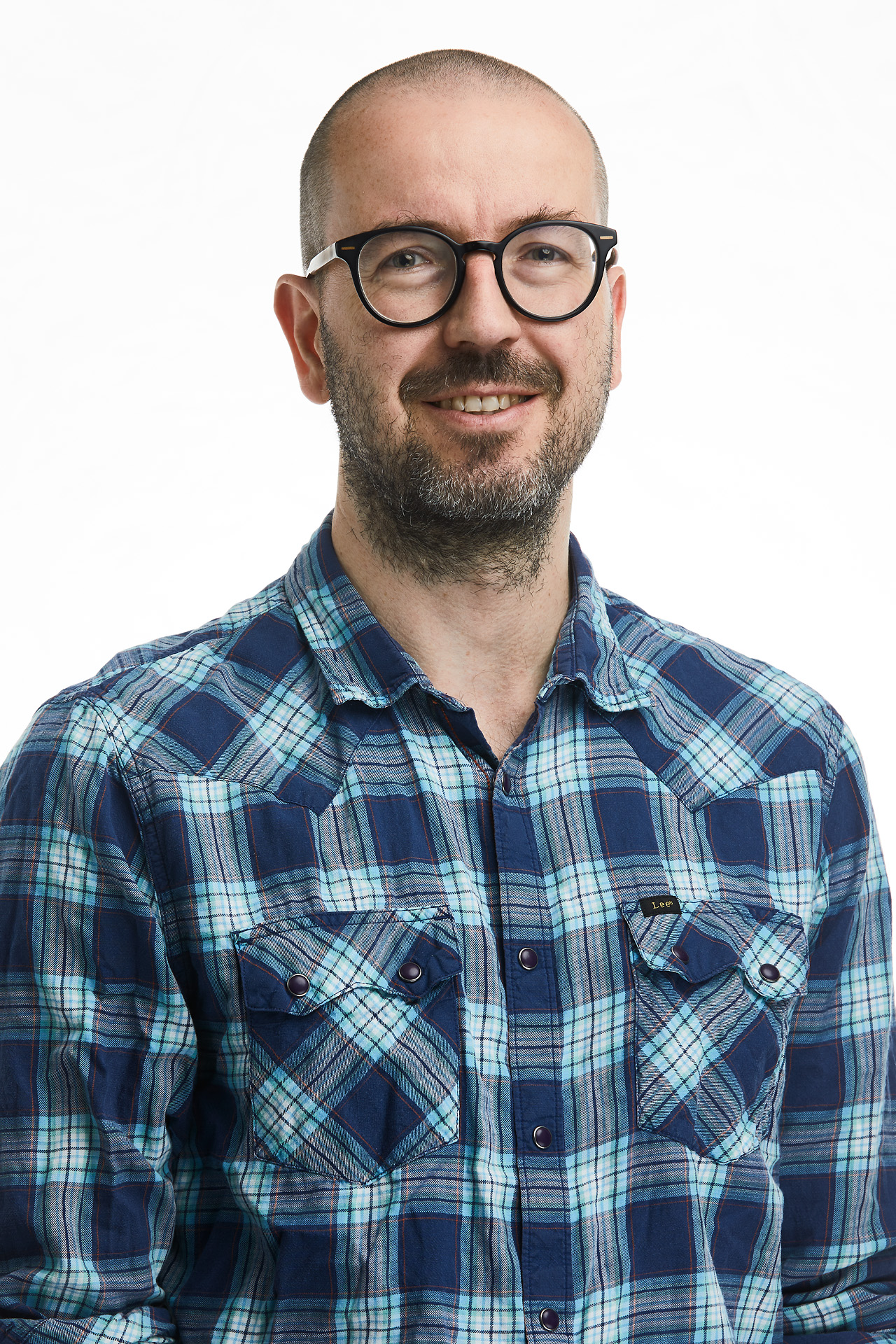
Juha Vierinen is a Professor in Space Physics at the Department of Physics and Technology, UiT The Arctic University of Norway. His research focuses on experimental space physics, specializing in radar and radio remote sensing techniques applied to space plasma dynamics, atmospheric physics, space debris characterization, and planetary science. Develops advanced radar systems for ionospheric and mesospheric studies Works with EISCAT, EISCAT_3D, and GNSS networks Investigates Kelvin-Helmholtz Instabilities, GNSS scintillation, and space debris mapping Recent research includes interferometric imaging of ionospheric structures and machine learning applications in ionogram analysis. He collaborates with international institutions on projects like UNICube, QBDebris, and CASCADE. Based in Tromsø, Norway, he operates from Forskningsparken 1 A220. His publications span topics like solar eclipse effects on ionospheric density, smartphone-based space weather mapping, and multi-static meteor radar turbulence studies. Current work emphasizes volumetric radar analysis and fine-scale plasma irregularity characterization using novel imaging techniques.
Michael West is a Research Professor at the Geophysical Institute of the University of Alaska Fairbanks and serves as State Seismologist and Director of the Alaska Earthquake Center. Leading a 24-person team spanning research, engineering, and public outreach, he bridges seismic science with real-world hazard mitigation in Alaska's geologically active environment through collaborations with emergency managers, engineers, and federal agencies. His academic credentials include: Ph.D. with distinction, Lamont-Doherty Earth Observatory of Columbia University (1998-2001) M.S., Lamont-Doherty Earth Observatory of Columbia University (1996-1998) B.A. cum laude, Colorado College (1989-1993) His research focuses on earthquake seismology (with Alaska emphasis), volcano monitoring, glacier/landslide dynamics, and Arctic environmental change. Current projects include earthquake early warning systems, the 45-station Arctic Network tracking permafrost thaw and sea ice retreat, Barry Arm landslide hazard assessment, and nuclear monitoring array applications. His work integrates field deployments with operational seismic networks to address climate-linked geological hazards. Professor West has mentored 18 students including Ph.D./M.S. candidates Helena Buurman (dual degrees), Celso Reyes, and Matt Gardine, plus undergraduates like Derek Adams and Jessica Hawthorne. His Geophysical Institute group provides hands-on experience with the Alaska Earthquake Center and Volcano Observatory, supported by federal research funding for seismic hazard monitoring. He directs the Alaska Earthquake Center's real-time monitoring operations and leads the Geophysical Institute's Seismology and Geodesy Group, which operates seismic networks across Alaska and collaborates with USArray facilities. His teams maintain field instrumentation in extreme Arctic environments while advancing policy frameworks for natural hazard response.
Etsuro Kuronuma is a Professor at Waseda University's Faculty of Law, where he has been teaching since 2004. Previously, he served as Professor at Kobe University School of Law (2000-2004), Associate Professor at Kobe University (1997-2000), and Associate Professor at Nagoya University School of Law (1994-1997). He also held positions as Research Associate at the University of Tokyo Faculty of Law and was a Visiting Scholar at the University of California. Professor Kuronuma earned his LL.B. from the University of Tokyo Faculty of Law, completing his degree by 1984. His academic journey reflects a deep commitment to legal scholarship, particularly in commercial and corporate law. Professor Kuronuma's research focuses on Commercial Law, Corporate Law, Finance Law, and Securities Law. His work examines critical issues in capital markets regulation, corporate governance, and financial innovation. He has made significant contributions to understanding disclosure requirements, insider trading regulations, and the evolving landscape of financial technology. His comparative approach, particularly examining US and Japanese legal frameworks, provides valuable insights into harmonizing corporate governance standards across jurisdictions. His recent work has increasingly addressed sustainability issues in capital markets, exploring the intersection of ESG (Environmental, Social, and Governance) factors with traditional securities regulation. Professor Kuronuma's extensive publication record demonstrates his expertise across multiple dimensions of financial regulation. His recent articles reveal a focus on emerging challenges in capital markets, including crowdfunding regulation, utility token classification, and ESG investment frameworks. His work consistently bridges theoretical legal analysis with practical regulatory considerations, making significant contributions to both academic discourse and policy development in financial regulation. Oguri Kenichiro Award (2003) Professor Kuronuma has secured significant research funding, including multiple Grants-in-Aid for Scientific Research from the Japan Society for the Promotion of Science. His current projects include 'Fluid National Borders in Public Law: Legal Eco-systems in Borderless Administrative Space' (2019-2024) and '利益相反構造の有無を重視する観点からの会社法の解釈論の再検討' (2020-2023). He has previously led research on comparative corporate law, tort law diversification, and legal issues surrounding derivatives and new financial products. His research often involves international collaboration, reflecting his comparative legal approach. Professor Kuronuma teaches across multiple programs at Waseda University, including the Faculty of Law, Graduate School of Law, Faculty of Commerce, and Graduate School of Accountancy. His courses cover advanced corporate law, commercial law, and financial instruments regulation, reflecting his expertise across these interconnected fields.
Hiroaki Yoshimura is a Professor of Applied Mathematics and Mechanics in the Department of Applied Mechanics and Aerospace Engineering at Waseda University's Faculty of Science and Engineering. With a career spanning over three decades at Waseda University, he has established himself as a leading researcher in geometric mechanics, dynamical systems, and mathematical physics, with significant contributions to space mission design and thermodynamics. Yoshimura received his BS in 1986, MS in 1988, and PhD in Engineering in 1995, all from Waseda University. His academic progression shows steady advancement: Research Associate (1992-1995), Assistant Professor (1995-1997), Associate Professor (1997-2003), and Full Professor (2003-present). Notably, he spent the 2002-2003 academic year as a Visiting Faculty member at Caltech's Division of Applied Science and Engineering, working with Jerry Marsden. Professor Yoshimura's research focuses on the mathematical foundations of mechanics and thermodynamics. His primary interests include geometric mechanics, dynamical systems, and classical field theories, with particular emphasis on Dirac structures, Lagrange-Dirac dynamical systems with symmetry, and applications to nonholonomic systems, circuits, and continuum mechanics. He has pioneered variational formulations of nonequilibrium thermodynamics, bridging mathematical theory with physical applications. His work also extends to practical aerospace engineering problems, including space mission design based on restricted three-body problems, Lagrangian coherent structures in fluids, and mathematical modeling of cavitation bubbles with induced shock waves. His research demonstrates a unique ability to connect abstract mathematical concepts with concrete physical phenomena across multiple disciplines. Analysis of his recent publications reveals a strong trend toward unifying geometric mechanics with thermodynamics through Dirac structures. His work consistently develops mathematical frameworks that can handle both conservative and dissipative systems within a single geometric structure. This approach has proven particularly valuable for modeling open thermodynamic systems that exchange heat and matter with their environment. In astrodynamics, his research shows innovative applications of tube dynamics and invariant manifolds for low-energy space mission design, particularly for missions involving Martian moons and Earth-Moon transfers. Kurata Foundation Research Fellowship (1997) Kawakami Memorial Foundation Research Fellowship (1996) Society of Instrumentation and Control Engineers, Young Investigator Award (1987) Professor Yoshimura has maintained active research collaborations internationally, particularly with François Gay-Balmaz on thermodynamics and with aerospace engineers on space mission design. His publication record demonstrates consistent productivity with high-impact contributions, as evidenced by 82 papers cited 687 times in Scopus (h-index 13) and 1,281 citations in Google Scholar (h-index 17). His work has established important connections between geometric mechanics and nonequilibrium thermodynamics, creating new mathematical frameworks for understanding complex physical systems. Yoshimura's research group at Waseda University focuses on the intersection of geometric mechanics, dynamical systems theory, and mathematical physics. The group maintains strong connections with both theoretical mathematicians and applied aerospace engineers, facilitating cross-disciplinary research that bridges abstract theory with practical applications. Their work on Lagrangian coherent structures has particular relevance for understanding fluid dynamics in both terrestrial and space environments.
Jun KATAOKA is a Professor at Waseda University's Faculty of Science and Engineering, School of Advanced Science and Engineering, where he leads cutting-edge research at the intersection of high-energy physics, medical imaging, and radiation detection. He serves as Research Director for the JST Strategic Basic Research Programs (ERATO) 'Kataoka Line X-ray Gamma-ray Imaging' project and maintains an active research laboratory (SPXG Laboratory) focused on developing novel imaging technologies. Dr. KATAOKA earned his Doctor of Science from the University of Tokyo, completing his entire academic training in the Department of Physics, Faculty of Science. His educational background spans from undergraduate studies (1991-1995) through doctoral work (1997-2000), establishing a strong foundation in fundamental physics that informs his interdisciplinary research approach. His research program focuses on three interconnected domains: High-energy Astrophysics : Development of compact gamma-ray detectors for small satellite platforms to explore the MeV gamma-ray band, including discoveries of galactic-scale bubbles towering over the Milky Way Medical Physics : Creation of activation imaging techniques for tracking gold nanoparticles in vivo, enabling long-term visualization of drug distribution and pharmacokinetics Radiation Detection Technology : Innovation in Compton cameras, spectral CT systems, and prompt radiation imaging for applications in proton/carbon-ion therapy monitoring and nuclear decommissioning efforts His laboratory has achieved notable breakthroughs including the world's lightest (580g) palm-sized gamma-ray camera and techniques for visualizing cesium distribution using drone-mounted systems. Dr. KATAOKA's scientific contributions have been recognized with Japan's highest research honors, including the 2024 Commendation for Science and Technology from MEXT. His work has received extensive media coverage in outlets including Nikkei Newspaper, AIP, and Quanta Magazine, particularly for demonstrations of 'radioactivation imaging' technology that tracks gold nanoparticles in living organisms. His research has practical applications in cancer therapy, space exploration, and environmental remediation following nuclear incidents. As principal investigator of major research projects including JST ERATO and collaborations with JAXA, Dr. KATAOKA has secured substantial funding for interdisciplinary research. His laboratory serves as a hub connecting physicists, engineers, and medical researchers, with strong partnerships extending to space agencies, medical institutions, and national research organizations both in Japan and internationally. The SPXG Laboratory (http://www.spxg-lab.phys.waseda.ac.jp/) continues to push technological boundaries with recent developments in alpha particle trajectory imaging and multi-modal beam monitoring systems for radiation therapy.
Toshihide Arimura is a Professor at the Faculty of Political Science and Economics, Waseda University, specializing in Environmental Economics, Climate Policy, and Carbon Pricing. His research bridges economic policy with environmental sustainability, focusing on emissions trading schemes, energy efficiency, and policy evaluation in both industrial and municipal contexts. He holds a Ph.D. in Economics from the University of Minnesota and has served in leadership roles such as President of the Society for Environmental Economics and Policy Studies (2022–2025). Alma Mater: University of Minnesota (Ph.D. in Economics), University of Tsukuba (M.S. in Environmental Science), University of Tokyo (B.A. in History of Science) Research Interests include Emissions Trading Schemes, Carbon Pricing, Climate Change Economics, Trade and the Environment, PM2.5 mitigation, and voluntary corporate environmental actions. He employs computable general equilibrium modeling, econometric analysis, and field experiments to assess policy impacts on energy consumption and economic performance. Article Trends (15 most recent) reveal a focus on carbon neutrality strategies (EU CBAM analysis), municipal green procurement (Tokyo case studies), household energy behavior (air conditioner rebound effects), and industrial policy evaluation (Tokyo ETS impact on manufacturing). His work often integrates economic modeling with empirical data to address climate challenges. Scientific Awards include: The Ichimura Prize in Science against Global Warming (2023) SEEPS Commentary Award (2021) Environmental Science Society Paper Award (2020) SEEPS Outstanding Publication Award (2018) SEEPS Young Achievement Award (2012) Committee Memberships span the Science Council of Japan (2023–), Tokyo Metropolitan Environment Council (2019–2025), and Central Environment Council (2010–2012), with expertise in carbon pricing and emissions trading. He has advised government bodies on environmental tax reforms and energy policy.
Simen Markussen is a Director at the Frisch Centre for Economic Research, affiliated with the Department of Economics at the University of Oslo. Holding a PhD in Economics (2010), he focuses on labour economics , social insurance programs , and health economics using empirical methods and Norwegian registry data . Education : PhD in Economics, University of Oslo (2010) His research explores economic mobility , sickness absence , and policy evaluation , with recent work on pandemic employment gradients, ADHD treatment outcomes, and housing market dynamics. Articles span Education Economics , BMJ Mental Health , and Journal of Health Economics , emphasizing causal inference and policy implications. Collaborations include projects on pension reforms , vocational rehabilitation , and social insurance fraud . Though no scientific awards are listed, his work informs Norwegian welfare and labor policies through Nordic comparative micro-data and randomized field experiments . Current projects address adult education incentives , corona crisis economic impacts , and interventions for crime-prone individuals . His 15 recent publications (2023–2025) highlight cross-disciplinary applications in public sector productivity , health policy , and economic inequality .
Benedikt Geiger is an Associate Professor at the University of Wisconsin–Madison College of Engineering, affiliated with the Department of Nuclear Engineering and Engineering Physics and Electrical & Computer Engineering. He leads the Helically Symmetric eXperiment (HSX), focusing on quasi-symmetry and transport in stellarators, and directs the Turbulence and Spectroscopy Group conducting diagnostics at DIII-D, W7-X, and NSTX-U. Ph.D., Ludwig-Maximilians University (2013) Diploma (MS), Ludwig-Maximilians University (2009) Diploma Thesis, Max-Planck Institute for Physics (2009) His research spans experimental plasma spectroscopy, particle/heat transport, synthetic diagnostics, and turbulence analysis in fusion devices. Recent work includes developing deep learning algorithms for ELM prediction and real-time confinement regime detection, alongside turbulence studies in negative triangularity plasmas and impurity transport in W7-X. Key awards include the 2025 Grainger Institute for Engineering Professorship, 2020 DOE Early Career Award, 2014 Landau Spitzer Award, and the 2014 Otto-Hahn Medal. He holds leadership roles in the National Stellarator Coordinating Committee, Transport Task Force, and International Stellarator and Heliotron Workshop.
Bruno J. Strasser is a Full Professor in the Biology Section at the University of Geneva and an Affiliate Professor at Yale University. His academic career spans multiple prestigious institutions across Europe and North America, with expertise in the history of science, medicine, and society. Professor Strasser received his PhD from the University of Geneva and University of Paris 7 in 2002. His academic journey includes positions as Assistant Professor at Yale University, Visiting Professor at the University of Manchester and University of Barcelona, Visiting Fellow at Princeton University, and Senior Lecturer at the University of Lausanne. He also held research fellowships at the Max Planck Institut für Wissenschaftsgeschichte in Berlin and Ecole Normale Supérieure in Paris. Strasser's research focuses on the historical intersections of science, medicine, and society. His work explores how scientific knowledge is produced, disseminated, and interacts with broader social contexts. He has made significant contributions to understanding the history of public participation in science, international scientific cooperation during the Cold War, the interactions between experimental science and clinical medicine, and the transformations of the pharmaceutical industry. His research also examines the development of scientific instrumentation and the role of collective memory in shaping scientific practices. Analysis of Strasser's recent publications reveals a strong focus on citizen science, public participation in scientific research, and the historical evolution of scientific practices. His work spans disciplines including history of science, history of medicine, sociology of science, and science and technology studies. Key themes include the relationship between expertise and democracy, the transformation of scientific data practices, and the historical development of scientific instruments and methodologies. Strasser has received notable recognition for his scholarly work: Henry-E. Sigerist prize 2006 for his book "La fabrique d'une nouvelle science: La biologie moléculaire à l'âge atomique, 1945-1964" As an academic mentor, Strasser oversees a research group that includes Véronique Stenger, Yuhann Guffroy, Eloïse Richard, Lucas Muller (affiliate), David Roberston (affiliate), Kostas Kampourakis, Séverine Perron, Annabelle Wilson, and Olivier Sutter. His research has been supported by various academic institutions and scholarly grants that have enabled his extensive historical investigations across multiple continents. He has collaborated with numerous international scholars, particularly in Europe and North America, to advance the field of history of science. Professor Strasser co-founded and developed the Bioscope, an outreach laboratory in 2014, demonstrating his commitment to public engagement with science history. His research group maintains active collaborations across institutions, with several affiliate members extending the reach of his scholarly network.
Andreas Riedl is an Assistant Professor at the Department of Geography and Regional Research, University of Vienna, where he serves as Head of the Hyperglobe Research Group and Vice-Director of Studies for Geography. His work bridges cartographic heritage with cutting-edge geospatial technology, focusing on spherical display systems for global data visualization. His educational background includes a Doctorate in Geography/Cartography from the University of Vienna (1987-1992) and an Industrial Engineering degree from HTL-Hollabrunn (1979-1985). Career milestones include research at Simon Fraser University (1995-1996) and software development at ITC Enschede (1996). Riedl's research centers on Hyperglobes —interactive 1.2-meter spherical displays that visualize weather patterns, continental drift, and climate change through dual 4K projection. His group operates these systems for public education, serving schools and museums with free demonstrations of geophysical phenomena, flora/fauna distributions, and extraterrestrial topics. Complementing this, he advances GIS applications in urban planning, 3D visualization, and multimedia geocommunication. Analysis of his 15 most recent publications reveals dual research trajectories: (1) Environmental hydrology studies quantifying dew/fog water inputs in grasslands using isotope tracing and micro-lysimeters, and (2) Media studies examining migration coverage, journalistic roles, and gender representation in news. Both strands emphasize data visualization's role in public understanding of complex systems. As an educator, Riedl supervises Master's theses on GIS implementation, 3D city modeling, and geovisualization. His students explore topics including e-charging infrastructure planning, infographic-style maps, and AR navigation systems, reflecting his commitment to applied spatial analysis. The Hyperglobe Research Group provides critical infrastructure for these projects through its spherical display technology and public engagement initiatives.
Sylvie Douche is a Professor of Musicology at Sorbonne University, specializing in French music of the 19th and 20th centuries. She is affiliated with the Institute for Research in Musicology (UMR 8223) and actively participates in multiple research teams including Critical musical editions, History of Musical Theories, Genres and repertoires, Music and Religion, and Aesthetics and links with other arts. Her research spans several major programs including French Romances & Melodies, Complete instrumental works of Camille Saint-Saëns, and International exchanges between musical theory and practice. Her educational background includes: Musicology studies at the Sorbonne and the Conservatoire National Supérieur de Musique de Paris Postgraduate degree in Art History (Paris I) Postgraduate degree in Comparative Literature (Sorbonne University) Sylvie Douche's primary research focus centers on the intricate relationships between music and literary texts, with particular emphasis on French musical traditions from the 19th and 20th centuries. She has developed significant expertise in theatrical music, especially French melodrama of the Belle Époque, having authored an award-winning monograph on the subject. Her scholarly work also explores the press and piano repertoire of this period, revealing how musical culture intersected with broader social and literary movements. As a pianist herself, she brings practical musical understanding to her academic research, creating a unique interdisciplinary perspective that bridges performance practice with historical scholarship. Professor Douche has established herself as a leading authority on several French composers including Saint-Saëns, Debussy, Koechlin, and Maurice Emmanuel. Her editorial work on correspondence and critical editions demonstrates her commitment to preserving and interpreting primary source materials. She has made substantial contributions to understanding the Schola Cantorum of Paris, an important but sometimes overlooked institution in French musical history. Her research on Roland Barthes and music represents an innovative intersection of literary theory and musicology that has opened new avenues for interdisciplinary scholarship. Her notable scientific achievements include: Prix des Muses for her work on Pelléas et Mélisande by Debussy (2012) Mahmoud Guettat Prize for her monograph on French melodrama of the Belle Époque (2016) As Vice-president of the Maurice Emmanuel Association, Professor Douche plays an active role in promoting research and appreciation of this important French composer. She has supervised numerous doctoral theses and mentored emerging scholars in the field of French musicology. Her editorial work with OMF Editions (French Musical Observatory) since 1991 has been instrumental in making rare musical correspondence and documents accessible to researchers worldwide. She has secured funding for major research projects including the Complete instrumental works of Camille Saint-Saëns and studies of French Romances & Melodies across different historical periods. Professor Douche is deeply involved with the Institute for Research in Musicology (UMR 8223), which operates across multiple locations including the National Library of France, Sorbonne University's Clignancourt Center, the Sorbonne Centre, and a dedicated Research Center on Rue Serpente in Paris. She participates in five distinct research teams that cover critical musical editions, historical music theories, genre studies, music and religion, and aesthetics. Her collaborative projects often involve international partnerships, reflecting her commitment to fostering global dialogue about French musical traditions.
Julia Lawall is a Senior Research Scientist (Directrice de Recherche) at Inria-Paris, where she leads research in the Whisper group. She has made significant contributions to the fields of programming languages, operating systems, and software engineering, with a particular focus on program transformation and Linux kernel development. Her work bridges theoretical computer science with practical software engineering challenges. Dr. Lawall's research primarily centers on the design and implementation of domain-specific languages for operating system problems, program transformation techniques, and automated software evolution. Her most notable contribution is the Coccinelle framework, which has been instrumental in automating the evolution of Linux device drivers for over a decade. Her work spans from theoretical foundations in optimal reduction of the lambda calculus to practical tools that address real-world software maintenance challenges in large-scale systems like the Linux kernel. Her publication record demonstrates consistent contributions across multiple domains, with recent work focusing on Android API evolution, Linux kernel bug detection, and program transformation techniques. The trajectory of her research shows a progression from theoretical programming language concepts to increasingly practical applications in system software maintenance and evolution. EuroSys Test of time award for 'Documenting and Automating Collateral Evolutions in Linux Device Drivers' at EuroSys 2008 Best paper award for 'Diagnosys: Automatic Generation of a Debugging Interface to the Linux kernel' at ASE 2012 Most Influential ICFP Paper Award for foundational work on lambda calculus Best Reviewer at GPCE 2020 and Distinguished Reviewer at ASE 2020 Dr. Lawall has been actively involved in the academic community, serving as program co-chair for numerous prestigious conferences including ASE 2019, FSE 2026, and EuroSys 2025. She has also contributed to community initiatives as the Linux kernel coordinator for Outreachy (2015-2018) and as a member of the advisory board for Software Heritage. Her leadership extends to editorial roles, including associate editor for Higher-Order and Symbolic Computation and membership on the editorial board of Science of Computer Programming. She leads the Whisper research group at Inria-Paris, which focuses on program transformation techniques and their applications to system software. The group has developed several influential tools including Coccinelle, Coccinelle4J, LiLiput, Prequel, and JMake, which have had substantial impact on both academic research and industrial practice in software maintenance and evolution.
Leonardo Abbene serves as Associate Professor in the Department of Physics and Chemistry - Emilio Segrè at the University of Palermo. His academic appointments include teaching responsibilities in Physics Applied to Medicine, Physics and Computer Science, Physics II, Physical Methodologies and Instrumentations in Medicine, and Radiation Detectors with Laboratory across multiple degree programs including Obstetrics, Management Engineering, Biomedical Engineering, and Physics. His office is located in Building 18 at Viale delle Scienze on the university campus. Professor Abbene's research focuses on advanced radiation detector development and exotic atom spectroscopy, particularly specializing in Cadmium Zinc Telluride (CZT) semiconductor detectors for high-precision X-ray measurements. His primary research thrust involves kaonic atom studies using the SIDDHARTA-2 experiment at the DAΦNE collider, where he investigates the strong interaction through precision X-ray spectroscopy of exotic atoms containing kaons. His detector development work spans medical physics applications, astrophysical instrumentation, and fundamental nuclear physics experiments, with particular emphasis on high-flux radiation environments and 3D position-sensitive detector systems. His publication record demonstrates a consistent focus on advancing CZT detector technology for kaonic atom spectroscopy, with recent work concentrating on stability characterization in collider environments, precision measurements of kaonic helium transitions, and feasibility studies for extending measurements to heavier elements like lead. The SIDDHARTA-2 experiment represents the culmination of decades of development in this field, building upon previous experiments like DEAR. Professor Abbene's technical expertise encompasses digital pulse processing systems, radiation detector physics, and the development of specialized instrumentation for challenging measurement environments. His work bridges fundamental nuclear physics with practical detector applications in medical imaging and radiation detection.
Dana Longcope is a Professor in the Department of Physics at Montana State University's College of Letters & Science, where he is a prominent member of the MSU Solar Physics Group, one of the world's most prominent producers of information about the Sun. His research focuses on solar physics, particularly the corona, solar flares, magnetic reconnection, and plasma physics. Longcope teaches advanced courses including PHSX 594 Sem: Heliophysics Journal Club, PHSX 565 Astrophysical Plasma Physics, and PHSX 520 Electromagnetic Theory. Ph.D. in Applied Physics from Cornell University (1993) B.S. in Applied and Engineering Physics from Cornell University (1986) Professor Longcope's research centers on the fundamental processes governing solar activity, with particular emphasis on magnetic reconnection in solar flares and coronal heating mechanisms. His work combines theoretical modeling with observational data to understand energy transport during solar eruptions, chromospheric condensation phenomena, and the three-dimensional structure of magnetic fields in active regions. He investigates how magnetic energy is converted to thermal and kinetic energy during solar flares, with implications for space weather prediction and fundamental plasma physics. His research has significant applications for understanding stellar atmospheres and plasma behavior under extreme conditions. The analysis of Longcope's recent publications reveals a consistent focus on magnetic reconnection as the fundamental driver of solar flare energy release. His work increasingly integrates multi-instrument observations with sophisticated theoretical models to examine the three-dimensional structure of flare-related phenomena. A notable trend is his growing involvement in major solar physics initiatives like the Daniel K. Inouye Solar Telescope (DKIST), reflecting his leadership role in shaping the future of solar observational capabilities. His research spans both theoretical developments in magnetic field modeling and practical applications for interpreting solar observations across multiple wavelengths. Arktowski Medal (2021) from the National Academy of Sciences Karen Harvey Prize (2003) from the AAS Solar Physics Division Presidential Early Career Award for Scientists and Engineers (PECASE) (2000) from the President of the United States Longcope has secured significant research funding from NASA and NSF for projects including Characterizing Dense Plasma Sheets Hosting Flare Reconnection, Using chromospheric and transition region signatures to measure properties of magnetic reconnection, and Underpinning the tempo-spatial structures of elementary bursts with high-resolution observations. He serves on numerous prestigious committees including the Astronomy and Astrophysics Advisory Committee (2025-2028), the External Advisory Board of the NSF EPSCoR consortium for Alabama, and the Solar and Space Physics Decadal Survey Steering Committee. His engagement extends to public outreach through guest speaking at venues including the Rotary Club, Gallatin Valley Friends of the Sciences, and Montana State University's public events. As a key member of the MSU Solar Physics Group, Longcope contributes to one of the world's leading solar research centers, which maintains extensive collaborations worldwide and operates cutting-edge facilities including the Space Science and Engineering Laboratory. The group's research spans from the solar surface through the chromosphere to solar wind and space weather, with significant contributions to missions like Yohkoh and the Interface Region Imaging Spectrograph (IRIS). Longcope's work is integral to the group's mission to understand solar variability and its impact on Earth's climate and technological systems.
Scott A. Read is a Professor in the School of Optometry at Queensland University of Technology's Faculty of Health. He is a leading researcher in the field of myopia development and control, with extensive expertise in ocular biometry, choroidal thickness measurements, and optical coherence tomography applications. His work bridges basic vision science and clinical optometry, focusing on understanding the mechanisms of eye growth and developing strategies for myopia management. Dr. Read's research program centers on myopia development and control, with particular emphasis on choroidal thickness dynamics, ocular biometry changes during visual tasks, and the effects of light exposure on eye growth. His work reveals that the choroid plays a critical role as an optical signal transducer in eye growth regulation, with significant diurnal variations and responses to visual stimuli. He has extensively documented how myopic defocus, accommodation, and light exposure patterns influence choroidal thickness and axial elongation in children and young adults. His research has established important links between outdoor light exposure and reduced myopia progression, contributing significantly to evidence-based myopia control strategies. Analysis of Dr. Read's recent publications shows a strong focus on advanced imaging techniques, particularly optical coherence tomography and its applications in measuring choroidal thickness, vascular changes, and biomechanical properties of the eye. His work increasingly incorporates artificial intelligence methods for image analysis while maintaining a strong clinical orientation toward understanding myopia mechanisms and developing effective control strategies. His research spans from fundamental investigations of visual processing pathways to clinical trials of myopia control interventions like atropine therapy. Dr. Read has been instrumental in several major collaborative efforts, including the International Myopia Institute reports that have shaped global understanding of myopia mechanisms and control strategies. His work has been foundational in establishing the choroid's role as a key tissue in eye growth regulation and myopia development. Through his laboratory at QUT, Dr. Read mentors numerous PhD students and early-career researchers, fostering the next generation of vision scientists. His research team employs a multidisciplinary approach combining optometry, ophthalmology, biomedical engineering, and data science to address critical questions in myopia research. Current projects focus on understanding the mechanisms of atropine's myopia control effects, developing advanced imaging biomarkers for myopia progression, and investigating the impact of modern visual environments on eye development.