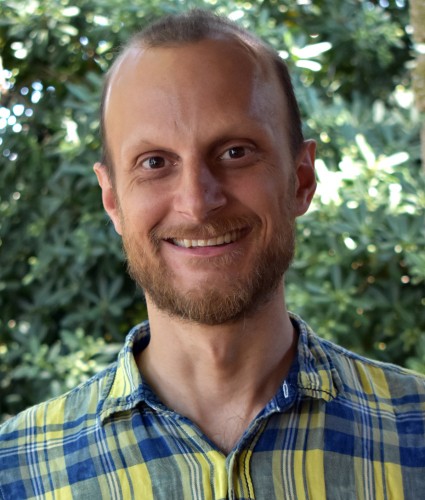
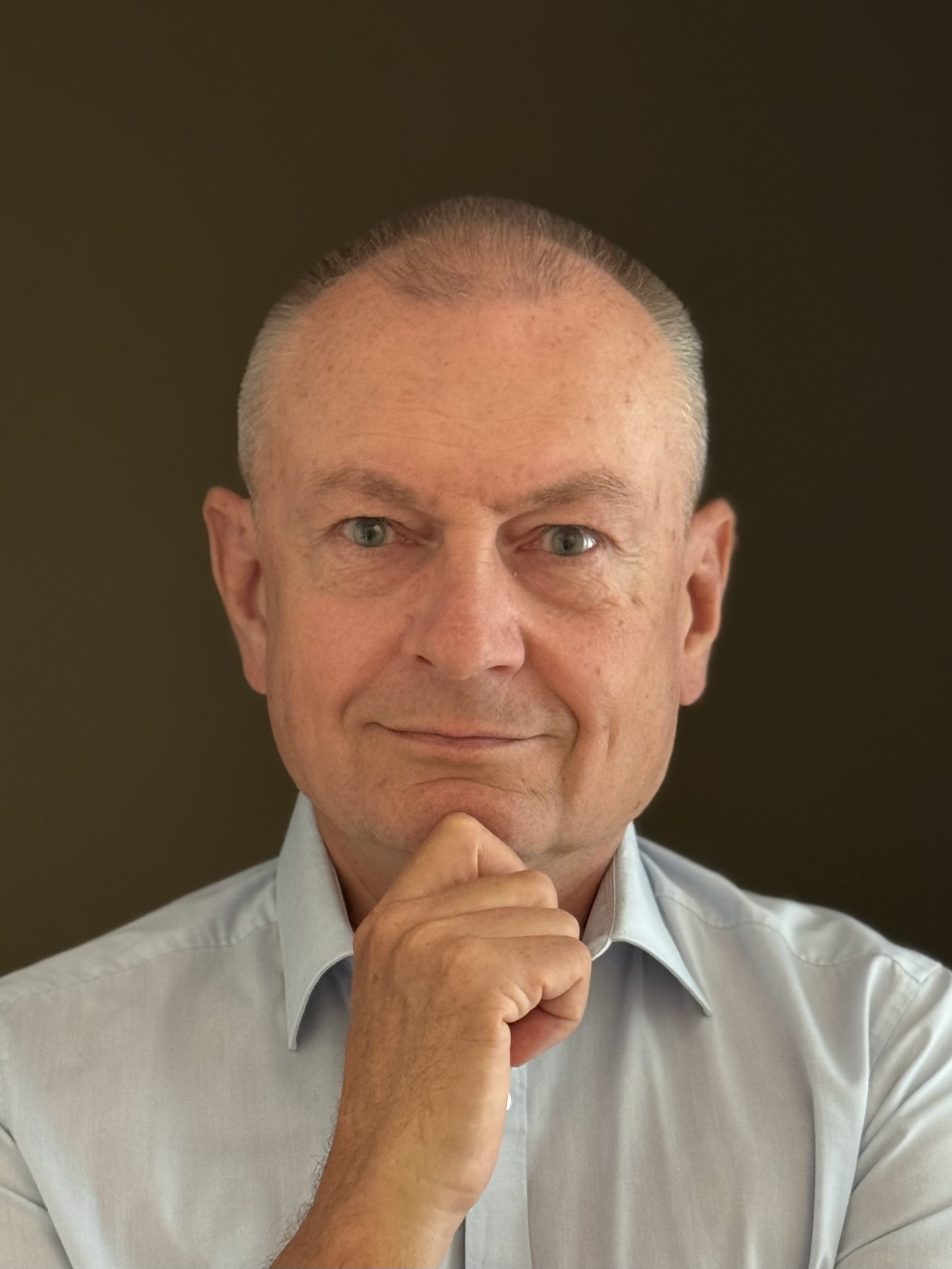
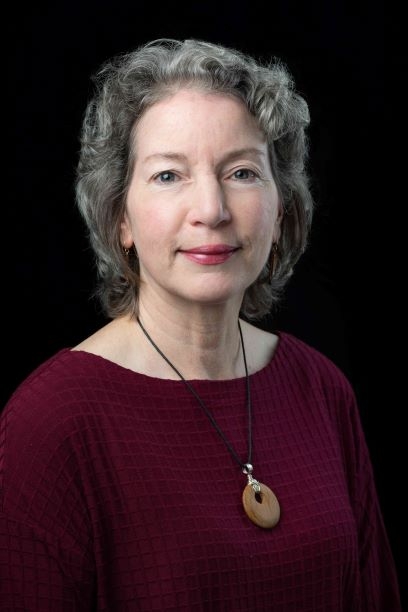
Dr. Mary E. Power is a Professor of the Graduate School at the University of California, Berkeley. She specializes in river ecology, focusing on algal-based food webs and their interactions with hydroclimatic regimes. Her research integrates field experiments and long-term monitoring in the South Fork Eel River, examining how flow variations and environmental conditions drive ecosystem state transitions. Primary Research Site: Angelo Coast Range Reserve (Mendocino Co., CA) Key Methodologies: In situ incubations, stable isotope probing, nanoSIMS analysis Current Focus: 2024- study of three alternative algal food web states during summer low flows Her work reveals critical thresholds where reduced summer flows and warming pools shift nutritious algal ecosystems toward toxic cyanobacterial dominance, impacting salmon and cross-ecosystem linkages. Selected Research Trends: Hydrological control of food web structure Cyanotoxin dynamics in river networks Climate change impacts on freshwater ecosystems Long-term ecological reconstructions via sediment cores Top-down and bottom-up regulation of river communities Her lab employs cutting-edge techniques to analyze microbiome elemental exchanges and successional patterns in Cladophora glomerata, a dominant green macroalga in the Eel River system.
Jez Coram is a Lecturer in Digital Media Practice at the University of Leeds , School of Media and Communication. He holds a practice-led PhD in Fine Art, Film, and Digital Cultures from Newcastle University, supervised by leading figures in the field. With a background in the third sector, he has extensive experience in multimedia design, research, and community engagement. Research Focus: Expanded essay film, socio-cultural-techno perceptions, climate futures, hybrid documentary practices, and sustainability. Current Projects: Co-Investigator on the Polycrisis Research Network (Horizons Institute); leads the longitudinal study Essaying the Gare with Mick Schofield. Teaching and Professional Roles: Currently teaches on the BA Digital Media programme. Previously a Teaching Assistant at Newcastle University and a facilitator in community art projects like For the Love of People . Professional memberships include the Priestley Centre for Climate Futures and Advance HE (FHEA). Artistic Outputs: 15+ films/installations (2012–present) blending personal testimony, archive material, and speculative environments. Notable works: The Black Prince , Capteur , The Derealisation Effect , and We're All Someone's Daughter, We're All Someone's Son (Grenfell solidarity project). Grants and Collaborations: Funded by Horizons Institute, Arts Council England, Screen Yorkshire, and Freedom Studios. Collaborations span institutions like West Yorkshire Playhouse, Justice4Grenfell Campaign, and Purple Patch Arts board.
Paco Martorell is an Assistant Professor at the School of Education, University of California, Davis, where he has been faculty since 2014. He maintains an adjunct appointment as an Economist at the RAND Corporation, continuing a relationship that began in 2005. Previously, he served as a Professor at the Pardee RAND Graduate School (2006-2014) and Research Scholar at the University of Texas at Dallas Center for Research on Education Policy (2012-present). Education includes: PhD in Economics, University of California, Berkeley (2005) BA in Economics and Mathematics, Carleton College (1999) Martorell's research spans higher education and K-12 policy with emphasis on: Developmental education reforms and college placement systems Grade retention impacts and student promotion policies Economic analysis of for-profit colleges and community college subsidies School infrastructure investments and resource allocation Military service consequences on education and economics Healthcare economics including dementia cost studies His work employs quasi-experimental designs and field experiments to evaluate policy effectiveness. Research publications predominantly focus on education policy evaluation and health economics, with recurring themes of equity in educational access, economic analysis of interventions, and longitudinal impacts of policy decisions. Quantitative methods form the core of his analytical approach. Awards and honors include: Huddleson Award for Outstanding Teaching (2009) RAND President's Award (2008) Public Policy Research Award from UC Berkeley (2005) Grant leadership includes multiple Institute of Education Sciences (IES) projects as Principal Investigator and Co-Investigator, examining: School facility spending impacts (R305A140363) Developmental education interventions (R305H130026) Long-term effects of grade retention (R305E120006) Community college subsidy impacts (R305A100369) Additional funding sources include Spencer Foundation, NICHD, and Smith Richardson Foundation. He teaches doctoral courses in education policy and previously taught econometrics at Pardee RAND Graduate School (2006-2013).
Michael W.I. Schmidt is a Full Professor of Physical Geography in the Department of Geography at the University of Zurich (UZH) . He has been a faculty member since 2002, advancing from Assistant to Full Professor in 2014. His research focuses on soil biogeochemistry, particularly soil carbon cycling under climate change, microbial carbon use efficiency, and the stability of pyrogenic organic matter. Research Interests: His work investigates how deep soils respond to warming, the role of microbes in carbon sequestration, and the long-term fate of biochar in soils. He leads the Swiss National Science Foundation project Deep C: Deep soil carbon cycling in a warming world (2017–2023) and collaborates with international institutions including the Max Planck Institute for Biogeochemistry, Lawrence Berkeley Lab, and Cornell University. Publication Trends: His recent articles (2019–2025) reflect a strong focus on climate change impacts on soil carbon, with frequent publications in high-impact journals such as Nature , Nature Geoscience , and Global Change Biology . Key themes include microbial carbon use efficiency, deep soil warming, peatland carbon dynamics, and the stabilization of organic matter. His work increasingly integrates field experiments, molecular analysis, and global synthesis. Scientific Awards and Recognition: Mercator Fellow, German Research Foundation (DFG), 2021 Teacher of the Hour 2020 (student election) Advising and Grants: While specific students are not listed, he leads major funded research projects and has supervised numerous PhD and Master’s theses. He has served as Program Director for five Bachelor and Master programs at UZH (2018–2020), indicating strong academic leadership. His research is supported by the Swiss National Science Foundation and international collaborations. Labs and Teams: He is affiliated with the Department of Geography at UZH and participates in international networks such as the National Hub of the European Joint Program Soil and the Deep Soil Warming Experiment Network. His work involves interdisciplinary teams focusing on soil biogeochemistry, climate change, and sustainable land use.
Wouter Bos is a Research Director at CNRS working at the Laboratory of Fluid Mechanics and Acoustics (LMFA) at École Centrale de Lyon, France. He leads research within the Turbulence & Instabilities team, focusing on fundamental aspects of fluid dynamics with applications spanning from plasma physics to epidemiology. His academic journey reflects a deep engagement with theoretical and computational fluid mechanics, particularly in turbulence phenomena. Dr. Bos's research interests center on fluid dynamics, with particular emphasis on turbulence in various contexts including two-dimensional flows, magnetohydrodynamics, plasma physics, and statistical mechanics of fluids. His work explores fundamental questions about energy transfer, coherent structures, and statistical properties of turbulent flows. He has made significant contributions to understanding turbulence without vortex stretching, two-dimensional turbulence, and the application of fluid dynamics principles to epidemiological modeling. Analysis of his recent publications reveals a strong focus on theoretical and computational approaches to turbulence. His work spans from fundamental questions about equilibrium states in two-dimensional turbulence to practical applications in plasma confinement and epidemic modeling. The publications demonstrate consistent innovation in turbulence theory, with particular attention to statistical mechanics approaches, spectral analysis, and the development of reduced-order models for complex fluid phenomena. His research shows growing interdisciplinary connections, especially between fluid dynamics and epidemiology as evidenced by his work on modeling the spread of infectious diseases. Dr. Bos actively supervises doctoral students and postdoctoral researchers, with recent students including Tong Wu, Ryo Araki, Smiron Varghese, Wesley Agoua, and Bruce (Xi Yuan) Yin. He participates in collaborative research projects such as the ANR CM2E project (2021-2025) on Characteristic Mapping Method for the Euler Equations, working with researchers from Aix-Marseille University and McGill University. His laboratory work involves both theoretical analysis and computational simulations, with applications ranging from fundamental fluid mechanics to practical problems in energy research (particularly related to ITER and fusion plasma physics) and public health. The interdisciplinary nature of his research demonstrates the broad applicability of fluid dynamics principles across seemingly disparate scientific domains.
Thomas Tanquary is a Lecturer at the Dodge College of Film and Media Arts, Chapman University. With a 49-year career in professional media spanning journalism, broadcasting, and production, he brings extensive industry experience to his academic role. His office is located at Marion Knott Studios 266, and his primary contact email is tanquary@chapman.edu. His professional expertise lies in Broadcast Journalism, Film Studies, and Media Production, with a focus on Electronic News Gathering (ENG) and Electronic Field Production (EFP). Co-author of the textbook Portable Video - ENG and EFP (5 editions), he has contributed significantly to media education. His career trajectory includes roles as a newspaper photographer (1971), radio professional (1972), TV news photographer (1976), NBC local news employee (1984), and founder of his own production company (1992).
Rainald Loehner is a Distinguished Professor of Fluid Dynamics at George Mason University's Center for Computational Fluid Dynamics. Since 2003, he has led the Center for Computational Fluid Dynamics at George Mason University. He is currently a Hans Fischer Senior Fellow at the Technical University of Munich's Institute for Advanced Study (TUM-IAS) for 2023, hosted by Professors Kai-Uwe Bletzinger and Roland Wüchner in the 'Adjoint-Based System Identification of Large-Scale Structures' Focus Group. Loehner received his Diplom Ingenieur (Maschinenbau) degree from the Technical University of Braunschweig, and his PhD and a DSc in civil engineering from the University College of Swansea, Wales. After teaching at Swansea for a year, he worked at the Naval Research Laboratory in Washington, DC, followed by a research professorship at George Washington University. He joined George Mason University as an associate professor and was promoted to full professor in 1995 and distinguished professor in 2004. With over 35 years of experience, Professor Loehner's research spans the complete pipeline of numerical solvers and simulation tools. His expertise includes pre-processing, grid generation, numerical methods, field solvers, parallel computing, adaptive mesh refinement, fluid-structure interaction, shape optimization, system identification, and computational crowd dynamics. His current work focuses on developing advanced field solvers for compressible and incompressible flows, acoustics, electromagnetic wave propagation, heat and mass transfer, structural mechanics, and fluid-structure interaction. Key application areas include blast mitigation, ship hydrodynamics, blood flow, contaminant transport, and pedestrian safety. Loehner's recent research output (2020-2024) shows a strong trend toward digital twin technology and adjoint-based methods for structural analysis and optimization. His publications focus on high-fidelity digital twins for detecting structural weaknesses, risk assessment in engineering systems, and optimization of sensor placement. His work bridges computational mechanics with machine learning approaches, particularly in system identification and inverse problems, demonstrating how computational methods can solve complex real-world engineering challenges. 2020: Ranked #15119 in the Stanford List of Most Influential Scientists of the World; #8 in Aerospace and Aeronautics 2010: Distinguished International Career Award, Argentine Association of Computational Mechanics 2008: Fellow, International Association for Computational Mechanics 2006: Associate Fellow, AIAA 2005: Honorary Professor, University of Wales Swansea 2005: Advisory Professor, Shanghai Jiao Tong University 2004: Distinguished Professor of Fluid Dynamics, George Mason University 1999: Computational Mechanics Achievements Award, Japan Society of Mechanical Engineering 1993: Doctor of Science in Civil Engineering, University College of Swansea 1979-1983: Studienstiftung des Deutschen Volkes (Top 1% of German Students) Professor Loehner has mentored numerous students through his work at George Mason University and has supervised research in computational fluid dynamics, structural mechanics, and related fields. His research has been supported by various grants from government agencies and industry partners, enabling the development of advanced simulation tools applied in aerodynamics, hydrodynamics, shock-structure interaction, and medical applications. His codes and methods have been widely adopted in industry and academia for applications ranging from aircraft and ship design to medical simulations and urban pathogen transmission modeling. Loehner leads the Center for Computational Fluid Dynamics at George Mason University, which focuses on developing cutting-edge computational methods for fluid dynamics and related multiphysics problems. The center works on strategic application areas including blast mitigation, ship hydrodynamics, blood flow simulation, and pedestrian movement modeling. As a TUM-IAS Fellow, he collaborates with the Chair of Computational Modeling and Simulation at TUM on adjoint-based system identification of large-scale structures, bringing together expertise in computational mechanics and digital twin technology to address complex engineering challenges.
Samuel Walsh is an Associate Professor in the Mathematics Department at the University of Missouri, within the College of Arts and Science. His research focuses on nonlinear partial differential equations, particularly those arising in fluid dynamics and water wave theory. He is actively involved in the academic community, organizing the Differential Equations Seminar and advising both graduate and undergraduate students. PhD in Applied Mathematics, Brown University, 2010 BS in Mathematical Sciences, Carnegie Mellon University Former Courant Instructor, New York University His primary research interests lie in nonlinear PDEs , especially water waves , steady waves , and dispersive systems . He investigates existence, stability, and qualitative properties of solutions in fluid mechanics, including solitary waves, internal waves, and vorticity-driven flows. His work often involves rigorous analysis of free boundary problems and global bifurcation theory. Analysis of his recent publications reveals a strong focus on solitary and traveling water waves , particularly with vorticity, stratification, and interfacial effects. His work bridges rigorous mathematical analysis with physical fluid dynamics, emphasizing existence, stability, and asymptotic behavior. A recurring theme is the use of bifurcation theory and nonlinear functional analysis to construct and classify solutions to hydrodynamic PDEs. Walsh has received research support from the National Science Foundation (grants DMS-1514950, DMS-1812436, DMS-2306243) and the Simons Foundation (Award 960210). These grants support his ongoing work in nonlinear wave phenomena and fluid dynamics. National Science Foundation: DMS-1514950, DMS-1812436, DMS-2306243 Simons Foundation: Award 960210 He has advised numerous graduate students, including PhD candidates and MS students, many of whom have completed their degrees on topics related to water waves and PDE analysis. He also serves as the Math Competition Advisor at MU, mentoring undergraduates for the Putnam exam. Additionally, he mentored students in the 2012 Summer Undergraduate Research Experience (S.U.R.E.) at Courant. Samuel Walsh organizes the Differential Equations Seminar at the University of Missouri, fostering academic exchange and collaboration in the field of PDEs and applied analysis.
Sean Ehlman is an Assistant Professor in the Department of Biological Sciences at the University of South Carolina's McCausland College of Arts and Sciences. He leads the Ehlman Lab, which focuses on evolutionary behavioral ecology using integrated lab, field, and theoretical approaches. His research examines how ecological and evolutionary processes shape animal behavior development, with specific interests in: Phenotypic plasticity in response to environmental changes Origins and maintenance of behavioral individuality Aquatic ecosystem dynamics using Poeciliid fish models Application of tracking technology and AI in behavioral mapping Recent publications (2023-2024) demonstrate his interdisciplinary approach, combining behavioral ecology with data science to study: Developmental impacts of predator exposure Reproductive individuality in controlled environments Genotype-phenotype relationships in evolution Big data applications in behavioral research
Dr. Marie Hoepfl is a Professor in the Department of Sustainable Technology and the Built Environment at Appalachian State University. She is a prominent figure in technology and engineering education, with extensive experience in curriculum development, research methods, and educational leadership. University: Appalachian State University School: College of Fine and Applied Arts Department: Department of Sustainable Technology and the Built Environment Academic Rank: Professor Her research focuses on technology education, technological literacy, evaluation and assessment, and the societal implications of technology. She has contributed significantly to the advancement of standards-based education and teacher development in STEM fields. The analysis of her recent publications reveals a consistent focus on educational reform, curriculum design, and the integration of sustainability and ethics into technology education. Her work bridges theory and practice, emphasizing teacher preparation, student assessment, and the societal dimensions of technological advancement. Dr. Hoepfl has held leadership roles in key professional organizations: Past President, Council of Technology and Engineering Teacher Education (CTETE), 2016–2019 Member, International Technology and Engineering Educators Association (ITEEA) Member, Epsilon Pi Tau (Honor Society) She has mentored graduate students through courses such as TEC 5000 (Research in Technology) and TEC 5670 (Graduate Seminar), and has been involved in multiple research and development projects. Her work includes developing e-portfolios for general education assessment, promoting appropriate technology, and advancing renewable energy education. Dr. Hoepfl's contributions span over two decades, with publications ranging from journal articles to edited yearbooks and textbooks, reflecting her deep commitment to educational excellence and innovation in technology and engineering education.
Gastón Espinosa is the Arthur V. Stoughton Professor of Religious Studies at Claremont McKenna College, a leading scholar in the study of Latino religions, religion and politics, and American religious movements. He has held prestigious visiting positions, including as a Visiting Scholar in the Department of Politics at Princeton University and Distinguished Visiting Professor at the University of Münster, Germany. His leadership extends across the Claremont Colleges, where he chaired the Religious Studies Department and the intercollegiate Religious Studies Program. Education: Ph.D., University of California, Santa Barbara Master's, Harvard University Master's, Princeton Theological Seminary Fellow, Dartmouth College His research focuses on American Religions , Latino Religions , Religion and Politics , Pentecostal/Charismatic Movements , and Religion and Civil Rights . He has pioneered large-scale national survey research on Latino religious and political life, directing eight major surveys since 1998, including the landmark Hispanic Churches in American Public Life study funded by The Pew Charitable Trusts. His work bridges theology, sociology, and political science, with a strong emphasis on civic engagement and social justice. His publications reveal a consistent focus on the intersection of faith, identity, and power. From studies on William J. Seymour and the origins of Pentecostalism to analyses of Latino Muslims and the religious dynamics of presidential elections, his scholarship explores how religion shapes public life, particularly within marginalized communities. His books, published by Harvard, Duke, Oxford, and Columbia University Presses, are foundational in the field. Scientific Awards and Honors: National Endowment for the Humanities (NEH) Fellowship Dartmouth College César Chávez Dissertation Fellowship Princeton Woodrow Wilson Charlotte W. Newcombe Fellowship Yale Pew Program Summer Fellowship Huggins-Quarles Award (OAH) California Council for the Humanities Grant UC Santa Barbara Outstanding Teaching Assistant Award Gould Center Grant Distinguished Visiting Professor, Münster University Espinosa has secured significant research funding and directed major projects, including a $1.3 million Pew-funded initiative and the ongoing Latino Religions and Politics National Survey . He has advised or mentored numerous students, though specific names are not listed. His influence extends through public scholarship, with over 200 presentations at institutions like Harvard, Yale, and the BBC, and frequent citations in major media such as the Los Angeles Times and NPR . He is currently finalizing a new book, Latino Religions and Politics in American Public Life , and serves as co-editor of The Columbia University Press Series in Religion and Politics , shaping the next generation of scholarship in the field.
Martin Aranguren is a CNRS Junior Professor affiliated with the Centre for Research on Social Inequalities (CRIS) at Sciences Po. His research bridges micro-level social interactions and macro-level social inequalities, employing diverse methodologies including field experiments, interviews, and statistical analysis. He holds a PhD from École des Hautes Études en Sciences Sociales and earned his HDR in 2024, qualifying him to supervise doctoral research. His research interests include: Social Interaction Nonverbal Communication Emotions Discrimination (racial, religious, ethnic) Health Disparities and Mental Health Inequalities Field Experiments and Behavioral Measurement Bayesian Statistics His recent publications reveal a strong focus on discrimination in urban public spaces, particularly examining how race, religion (e.g., Islamic headscarves), and health behaviors (e.g., mask-wearing) influence everyday interactions. His work often uses field experiments in cities like Paris, Brussels, and Vienna to measure subtle forms of bias. A recurring theme is risk compensation during the pandemic, where adopting one safety measure (e.g., masks) leads to reduced adherence to others (e.g., distancing), with significant gender differences observed. His scientific contributions include leading major research projects such as: MIDI (2018–2021) : Studied misrecognitive discrimination using field experiments. GERICO (2021–2022) : Funded by ANR, investigated risk compensation during Covid-19. He also contributes to academic discourse through editorial roles and peer reviewing. He serves on the editorial board of Appartenances & Altérités and has reviewed for journals including Annals of Behavioral Medicine , Ethnic and Racial Studies , and PLoS ONE . He teaches quantitative methods, including Research Design and Regression Analysis, in the Sociology Master’s program at Sciences Po. His methodological rigor and interdisciplinary approach position him as a leading figure in contemporary sociological research on inequality.
Kostas Arvanitis is a Senior Lecturer at the Centre for Museology, Institute for Cultural Practice, University of Manchester. His work bridges museology, archaeology, cultural heritage, and digital technology, focusing on innovative ways to enhance audience engagement and institutional performance through digital means. Institution: University of Manchester Department: Centre for Museology, Institute for Cultural Practice Academic Rank: Senior Lecturer Dr. Arvanitis's research centers on Digital Heritage, particularly the integration of digital technologies in museums and heritage sites. He investigates how mobile and social media can transform curation, interpretation, and public interaction. A key focus of his current work is the use of data to capture cultural experiences and inform performance appraisal within cultural organizations, as part of the Culture Metrics Project funded by the Digital R&D Fund for the Arts (Big Data strand). His broader interests include the museum representation of everyday life, professional standards in galleries and museums, and effective communication strategies for archaeological and built heritage. These interdisciplinary inquiries position him at the forefront of contemporary debates about democratizing heritage and redefining institutional authority through participatory practices. Although no recent publications or scientific awards are listed in the provided material, his active participation in international academic conferences such as ACHS 2016 underscores his ongoing contribution to the field. His session on 'Amphipolis 2.0: Authority, Archaeology and Social Media Activism' reflects a critical engagement with the power dynamics between official heritage narratives and grassroots digital activism. Advising and Grants: No information available on students or advisees. Currently involved in the Culture Metrics Project, supported by funding from the Digital R&D Fund for the Arts under its Big Data initiative. Labs and Research Teams: Member of the Centre for Museology within the Institute for Cultural Practice at the University of Manchester, contributing to research on digital interventions and co-production in heritage contexts.
Sonia Machause López is a Lecturer in the Department of Prehistory and Archaeology at the Faculty of Geography and History, University of Valencia. She is a member of the GRAM Archaeological Research Group on the Mediterranean and holds a PhD from the University of Valencia (2017) on ritual caves in the Iberian Iron Age. Her work bridges archaeological theory, landscape analysis, and sensory studies, focusing on ritual practices in natural spaces. PhD in Mediterranean Prehistory and Archaeology, University of Valencia (2017) Thesis: Caves as ritual spaces in Iberian Iron Ages: the cases of Kelin, Edeta and Arse Supervisors: Dr. Consuelo Mata Parreño, Dr. Carmen Aranegui Gascó Her research centers on Iberian Iron Age ritual practices, particularly the use of caves as sacred spaces. She integrates GIS, archaeoastronomy, and sensory archaeology to explore ritual landscapes, territoriality, and embodied experiences. Her work emphasizes multisensory dimensions, ritual journeys, and the symbolic role of water and darkness in underground spaces. She has published extensively on sites such as Cueva del Sapo, Sima de l'Aigua, and Cova de les Dones. Her recent publications reveal a strong trend toward interdisciplinary methodologies, combining material analysis with spatial and sensory modeling. She frequently collaborates with experts in archaeozoology, geophysics, and ethnography. Her work challenges elite-centric models of ritual, emphasizing community participation and variability in religious experiences. Enduring Sacred Places: The Astronomical Orientation of the Iberian Cave-Sanctuary of Cueva Santa del Cabriel in Spain (2019) Caves, Senses, and Ritual Flows in the Iberian Iron Age: The Territory of Edeta (2022) Delving into the Iberian rituality of the Sima de l'Aigua (2024) Sonia Machause López actively mentors early-career researchers and participates in academic dissemination, including public talks and gender studies in archaeology. She has contributed to projects on women in universities and archaeological outreach. While no specific grants are listed, her sustained research output suggests active funding support. She is affiliated with the GRAM research group, which focuses on Mediterranean archaeological dynamics, ritual landscapes, and material culture. Her work often involves field prospection, laboratory analysis, and collaborative interpretation across disciplines.
Terrie M. Williams is a Professor in the Department of Ecology and Evolutionary Biology at the University of California, Santa Cruz (UCSC). She leads the Integrative Carnivore EcoPhysiology (ICE) Lab, which focuses on the ecophysiology and exercise physiology of large mammals, including marine mammals, felids, canids, and ursids. Her research examines how these animals adapt to extreme environments and the impacts of climate change on their survival. Williams' work combines field studies, laboratory experiments, and biologging technologies to understand energy expenditure, thermoregulation, and behavioral adaptations. Her lab's research spans polar bears in the Arctic, African lions in Kenya, pumas in California, and marine species such as narwhals and Weddell seals. Collaborations include the U.S. Geological Survey and organizations focused on wildlife conservation. Williams has mentored students like Anthony M. Pagano, whose postdoctoral work continues her lab's legacy. While no specific grants or awards are mentioned in the text, her contributions to wildlife physiology and conservation are widely recognized in academic circles. Publications from her lab highlight topics like narwhal escape responses, dolphin diving energetics, and cardiac adaptations in deep-diving marine mammals. The ICE Lab also engages in public education through resources for teachers and students, emphasizing hands-on activities to illustrate concepts like insulation and breath-holding in extreme environments.