Sesilja Aranko is an Assistant Professor at Aalto University , affiliated with the Department of Bioproducts and Biosystems. Her research focuses on protein engineering, biomolecular condensates, and sustainable materials derived from biological macromolecules. Research Groups : Cellular Engineering Email : sesilja.aranko@aalto.fi Her work explores protein self-assembly mechanisms, particularly in spider silk and collagen systems, leveraging liquid-liquid phase separation for advanced biomaterial design. Recent studies investigate how polymer length and modular protein architecture control condensate properties, alongside developing bio-inspired adhesives from recombinant proteins and nanocellulose. She has pioneered the use of Catcher/Tag click-reaction tools for protein engineering and developed sustainable methods for spider silk production with inherent functionalization potential. Collaborative projects span marine biology (sea cucumbers) and keratin waste upcycling for textile applications. Key methodologies include intein-mediated protein splicing, segmental isotopic labeling, and structural characterization of protein ligation systems. Her research bridges fundamental biophysics with industrial applications in sustainable chemistry and biomimetic composites.
Kjell Brunnström serves as an Adjunct Professor in the Department of Computer and Electrical Engineering (DET) at Mid Sweden University, based in Sundsvall. He maintains active affiliation with the STC Research Centre, contributing to cutting-edge research in multimedia quality assessment and immersive technologies through extensive international collaborations. His research centers on Quality of Experience (QoE) with specialized focus on 3D video systems , virtual reality environments , and augmented teleoperation interfaces . He pioneers methodologies for subjective and objective video quality evaluation, particularly examining human factors in sports broadcasting (Video Assistant Referee systems), mining applications, and automotive displays. His work bridges theoretical psychophysical models with industrial implementations through standards development like ITU-T Rec. P.919. Analysis of his 15 most recent publications reveals consistent investigation into latency effects, distortion impacts, and viewing condition variables across emerging media formats. Key application domains include sports video refereeing, 360-degree video systems, VR simulators for remote machinery control, and adaptive streaming protocols, demonstrating strong industry-academia translation. Scientific Awards: No awards documented in source material. Advising and Grants: Student supervision and grant funding details were not disclosed in available documentation. Labs and Teams: Brunnström operates within Mid Sweden University's STC Research Centre framework, collaborating with global institutions including Royal Institute of Technology (Sweden), University of Surrey (UK), and multiple European research consortia. His work directly informs ITU standardization efforts and industrial implementations in broadcast and automotive sectors.
Katherine Saul is a Professor in the Department of Mechanical and Aerospace Engineering at North Carolina State University's College of Engineering, where she also serves as Director of Graduate Programs. Her research focuses on dynamics and neural control of the musculoskeletal system, upper limb biomechanics, orthopaedic rehabilitation, computational simulation of movement, and musculoskeletal imaging. Dr. Saul directs the Movement Biomechanics Lab (MoBL), which investigates musculoskeletal structure-function relationships in the upper limb through integrated approaches combining MR imaging, strength assessments, functional testing, and computational simulations. The lab characterizes neuromuscular control mechanisms in both healthy populations and those with impairments such as brachial plexus injuries and cerebral palsy. Her recent publications (2023-2025) reveal consistent focus on upper limb biomechanics across diverse conditions including birth brachial plexus injuries, transtibial amputation, and hemiplegic cerebral palsy. Key methodological themes include computational modeling of musculoskeletal systems, analysis of motor unit properties, and development of rehabilitation frameworks that bridge engineering principles with clinical applications. Scientific awards were not explicitly mentioned in the source material. As Director of Graduate Programs, Dr. Saul oversees MAE's graduate curriculum and mentorship while leading externally funded research. Her active grants portfolio includes projects on brachial plexus birth injury mechanisms, neural interfaces for rehabilitation, military injury evaluation frameworks, rotator cuff repair analysis, MRI segmentation for clinical applications, and exoskeleton control for post-stroke rehabilitation. The Movement Biomechanics Lab (MoBL) serves as the primary research vehicle, employing interdisciplinary teams to translate engineering principles into clinical orthopaedic solutions through advanced imaging and simulation techniques focused on upper limb function.
Jean-Marie Tarascon, a Professor at Collège de France 's Chemistry of Materials and Energy chair, specializes in Electrochemistry , Solid State Chemistry , and Energy Storage . He founded the RS2E (French Electrochemical Energy Storage Network) and ALISTORE-ERI (European Network), focusing on next-generation batteries like Na-ion , Zn-MnO2 , and All-Solid-State systems. His work bridges Supramolecular Chemistry with Battery Self-Repair and Intelligent Battery Design via sensor integration. Over his career, Tarascon has delivered annual lectures tracing his research trajectory, including 2025's Na-ion Electrolyte Innovations , 2024's All-Solid-State Pragmatism , and 2021's Diagnostic/Repair Techniques . These lectures emphasize eco-efficient synthesis , 3D electrode materials , and battery traceability . As head of the CSE Lab (Solid-State Chemistry and Energy) at Collège de France, he collaborates with CNRS and Sorbonne Université to advance smart battery systems. His research trends highlight a shift from Li-ion fundamentals (2010-2017) to self-repair mechanisms (2018-2021) and eco-responsible alternatives (2024-2025).
Tullia Dymarz is a Professor in the Department of Mathematics at the University of Wisconsin, Madison . Her research focuses on geometric group theory , particularly quasi-isometric rigidity , large scale geometry of groups, and quasiconformal analysis . She has been awarded the NSF RTG grant (2023–Present) and NSF CAREER grant (2016–2023), and was a Visiting Fellow at MSRI (2016). Research Trends: Her work explores the metric geometry of solvable and nilpotent Lie groups, quasi-isometric classification of lamplighter groups, and rigidity theorems like Tukia-type results. Key themes include geometric invariants, boundary mappings, and large-scale analysis of group structures. Scientific Awards NSF RTG grant (2023–Present) NSF CAREER grant (2016–2023) MSRI Fall 2016 Visiting Fellowship Service & Leadership Graduate Admissions Chair (2018–2024) Graduate Faculty Executive Committee (2021–Present) Physical Sciences Divisional Committee (2018–2021) Outreach Faculty mentor for Girls Math Night Out! Faculty mentor for Directed Reading Program
Dr. Emily Gibson is an Associate Professor in the Department of Bioengineering at the University of Colorado School of Medicine. She holds a PhD from the University of Colorado Boulder (2004) and a BS from the Colorado School of Mines (1997). Her multidisciplinary research focuses on developing advanced optical technologies for neuroscience applications. Her primary research interests include: Development of implantable miniature microscopes for two-photon brain imaging in freely behaving animals Superresolution STED microscopy for subcellular imaging of protein dynamics Optical interfaces for neural modulation and sensing in central and peripheral nervous systems Applications in brain mapping, neural circuit analysis, and bioelectronic medicine Dr. Gibson's recent publications demonstrate a strong focus on neurophotonic tool development, including miniature microscopes, fiber-optic imaging systems, and superresolution techniques. Her work consistently applies these technologies to study neural coding, learning mechanisms, and neurodegenerative processes. She leads the Biophotonics Lab at CU Anschutz, which actively develops open-source neurophotonic tools. Current projects include BRAIN Initiative-funded work on voltage imaging and NSF-supported research on odor navigation. Her lab maintains active collaborations with neuroscientists and clinicians to translate optical technologies into neuroscience research and clinical applications.
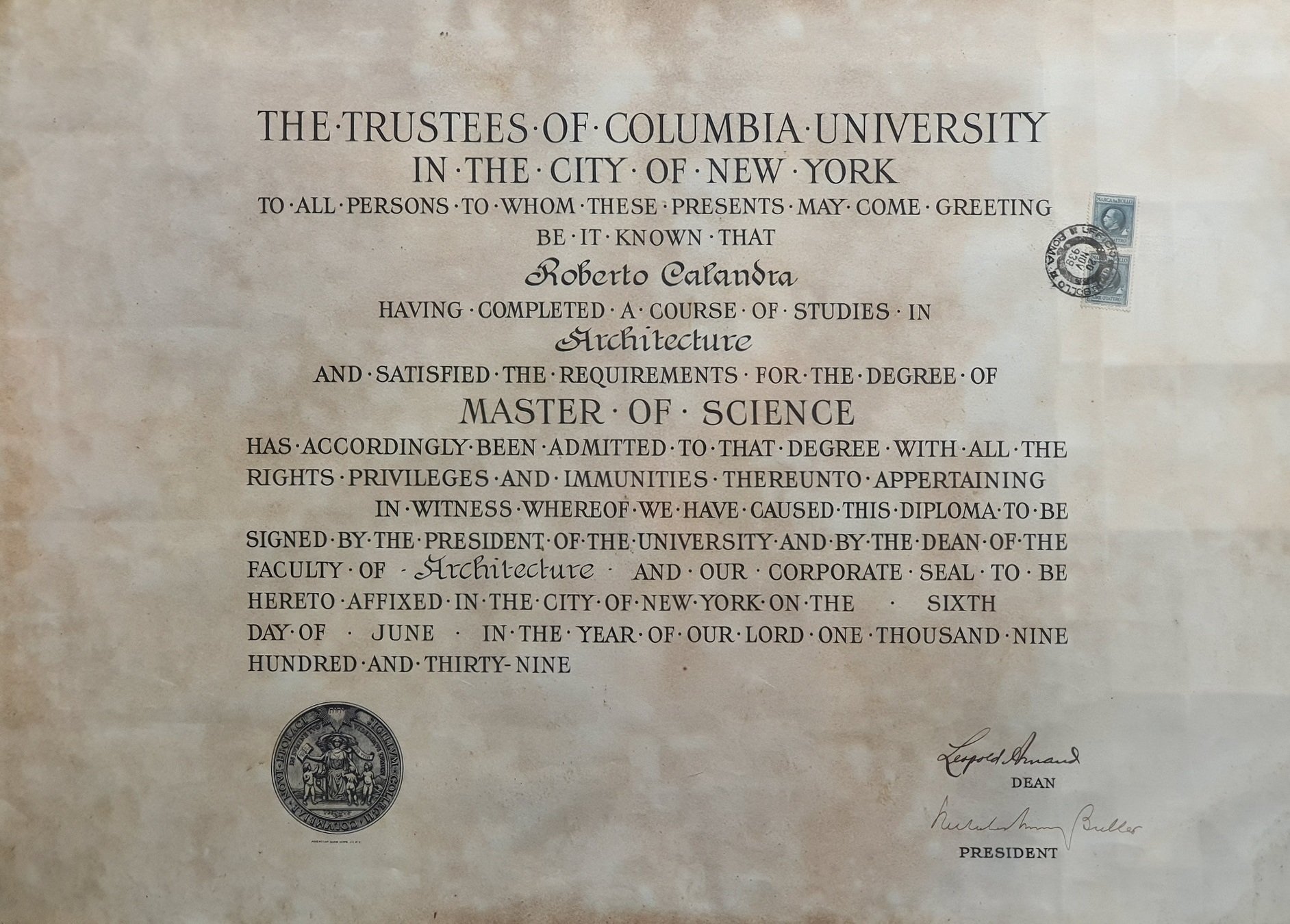
Roberto Calandra is a Full (W3) Professor at Technische Universität Dresden, where he leads the Learning, Adaptive Systems and Robotics (LASR) Lab. Previously, he served as a Research Scientist at Meta AI (formerly Facebook AI Research) and a Postdoctoral Scholar at UC Berkeley’s BAIR Lab under Sergey Levine. His academic journey includes a PhD in Robotics from TU Darmstadt, an M.Sc. in Machine Learning from Aalto University, and a B.Sc. in Computer Science from Università di Palermo. His research bridges Robotics and Machine Learning, focusing on tactile sensing, Bayesian Optimization, and model-based reinforcement learning. He pioneered the DIGIT tactile sensor , now the most widely used tactile sensor in robotics, and advocates for a computational field of Touch Processing to advance haptic understanding. His work emphasizes data-efficient learning, real-world dexterous manipulation, and multimodal perception. Recent publications highlight breakthroughs in tactile sensor design, in-hand object manipulation, and multimodal integration. He organizes workshops on robotics and machine learning (e.g., at NeurIPS, ICRA) and promotes open-source tools like PyTouch and TACTO .
Professor Sławomir Borysiak is a distinguished academic at Poznań University of Technology, where he serves as Head of the Polymer Department within the Faculty of Chemical Technology. With a career spanning over two decades, he earned his Master of Science in Engineering in 1996, PhD in Chemical Sciences in 2000, completed his habilitation in 2013, and achieved the rank of university professor in 2020. His work bridges academic research and industry applications, serving as Faculty Coordinator for Cooperation with Industry and as a member of the University Team for Cooperation with the Economy. Current Position: Professor, Head of Polymer Department Institution: Poznań University of Technology, Faculty of Chemical Technology Scientific Disciplines: Chemical Sciences (75%), Materials Engineering (25%) ORCID: 0000-0003-3485-4787 Professor Borysiak's research focuses on the physicochemistry of polymers, plastics processing and recycling, and polymer composites containing renewable fillers of plant origin. His work extends to structural studies of low molecular weight compounds, minerals, polymers and nanomaterials, with particular emphasis on the functional properties of plastics and composite materials. His laboratory investigates innovative approaches to wood-polymer composites, nanocellulose applications, and sustainable material development. Analysis of Professor Borysiak's publication record reveals a strong focus on sustainable polymer composites, with particular emphasis on lignocellulosic materials, nanocellulose applications, and renewable fillers. His recent work shows increasing integration of nanotechnology with traditional polymer science, particularly in developing antimicrobial properties, enhanced mechanical characteristics, and improved sustainability profiles for polymer composites. The research spans fundamental material science to practical applications in construction, packaging, and biomedical fields. Professor Borysiak has received recognition through his appointment as Vice-Chairman of the University Disciplinary Committee for Doctoral Students and as a member of the Board of the Polish Chemical Society, Poznań Branch. He also serves on the Polish Society of Calorimetry and Thermal Analysis and the Awards Committee of the Polish Chemical Society. As an educator, Professor Borysiak has supervised multiple doctoral dissertations, including those of Majka Odalanowska (2023) and Aleksandra Grząbka-Zasadzińska (2017). His teaching portfolio includes courses on physicochemistry of polymers, composites, nanomaterials, polymer materials technology, and chemical technology. He maintains active scientific collaborations with institutions including University of Edinburgh, Institute of Molecular Physics of the Polish Academy of Sciences, Casimir the Great University in Bydgoszcz, and several other Polish universities. His laboratory focuses on polymer research with particular expertise in wood-plastic composites, nanocellulose applications, and sustainable material development. Current projects involve developing antimicrobial polymer composites, enhancing material properties through novel hybrid fillers, and investigating the effects of various treatments on lignocellulosic materials.
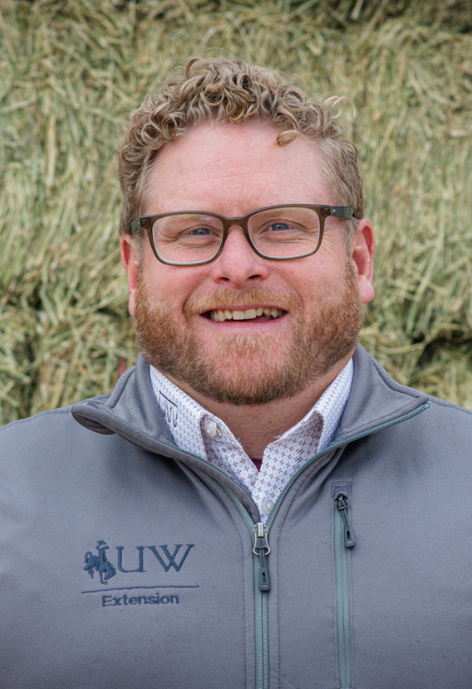
Dr. Whit Stewart is an Associate Professor and Extension Sheep Specialist at the University of Wyoming , affiliated with the Department of Animal Science . His work integrates research, teaching, and extension to enhance the sustainability, productivity, and resilience of the U.S. sheep industry. Education: B.S. in Agriculture Education, Brigham Young University - Idaho M.S. in Animal Science, Oregon State University Ph.D. in Animal Science, New Mexico State University Research Interests focus on alternative feedstuffs, mineral supplementation, range sheep crossbreeding, and the role of plant secondary compounds in sheep production systems. His teaching portfolio includes advanced sheep production, wool evaluation, and lamb feeding systems. Extension Interests emphasize adopting emerging technologies, on-farm research, and decision-making tools for producers. He also serves as faculty advisor to the UW Collegiate Wool Growers and coach of the UW Intercollegiate Wool Judging Team. Professional Experience spans roles at the University of Wyoming (2017–present), Montana State University (2015–2017), and prior positions in research and extension.
James A. Sherwood is a Professor and Associate Dean for Graduate Studies at the Francis College of Engineering, University of Massachusetts Lowell. He serves as Director of the Baseball Research Center and Co-Director of the Advanced Composite Materials and Textiles Research Laboratory (ACMTRL) and the Sports Collaborative for Open Research and Education (SCORE). Dr. Sherwood earned his B.S. in Engineering Science, M.S. in Applied Mechanics, and Ph.D. in Aerospace Engineering and Engineering Mechanics from the University of Cincinnati. With nearly 40 years of experience, he has established himself as an expert in finite element analysis and composite materials. His research interests focus on composite materials with specialty in the forming of composites, finite element modeling, sports engineering with emphasis on baseball and football, and constitutive modeling. Dr. Sherwood has developed novel modeling approaches for simulating composite forming using the finite element method and has expertise in characterizing textiles used for fabric-reinforced composites. His recent publications demonstrate a strong focus on wind turbine blade manufacturing, composite forming processes, and sports engineering applications, particularly in baseball equipment analysis. Fastballs, Flips and Physics - Science on the Sandlot - Baseball Hall of Fame Featured in ESPN Magazine for compliance testing of Major League Baseball E-Council Teacher of the Year for Mechanical Engineering (1999) E-Council Teacher of the Year for Mechanical Engineering (1998) Teacher of the Year for Mechanical Engineering (1997) Dr. Sherwood has led research projects totaling over $15 million, funded by NASA, AFOSR, NSF, DOE, US Army Natick Soldier Research Development and Engineering Center, NIST, Major League Baseball, Little League Baseball, NCAA, and various sporting goods companies. He currently leads the NIST FIBERS Consortium to address challenges faced by the U.S. Composites Manufacturing industry. His work bridges academic research with practical industry applications, particularly in wind energy and sports technology. As Co-Director of the Advanced Composites and Textile Research Lab (ACMTRL), Dr. Sherwood has built a research team focused on the structural behavior of composites and relating manufacturing processes to resulting structural stiffness. His Composites Forming research team has expertise in characterizing textiles for fabric-reinforced composites and has developed innovative approaches to simulating composite forming processes.
Philip Matthews is an Associate Professor in the Department of Zoology within the Faculty of Science at the University of British Columbia. He leads the Matthews Lab, which focuses on Comparative Respiratory Physiology and Biomechanics. Dr. Matthews joined UBC in 2014 after completing his PhD at the University of Adelaide (2008) and holding ARC Postdoctoral Fellow and ARC Discovery Early Career Research Award positions at the University of Queensland (2008-2014). Dr. Matthews' research program centers on understanding the respiratory adaptations of insects, particularly those that have re-adopted an aquatic lifestyle. His work explores how insects have adapted their tracheal gas exchange systems to function in different environments, leading to investigations of unusual biomechanical systems in insects. Current projects include studying how aquatic chaoborid midge larvae control buoyancy and examining the energetics and mechanics of bugs that generate megapascals of tension within their feeding pumps to suck xylem sap from plants. The Matthews Lab employs a wide range of experimental techniques, including in vivo measurements using implantable fiber-optic sensors, flow-through respirometry systems, video tracking, and motion detectors. They have developed microscopic implantable oxygen sensors (FIETs) for non-invasive monitoring of O 2 levels within small organisms. The lab has published numerous high-impact papers in journals including Current Biology, Proceedings of the Royal Society B, and Journal of Experimental Biology, with several publications featured in the New York Times. Dr. Matthews has received significant funding for his research, including NSERC Discovery Grants, an NSERC Accelerator Award, and a CFI JELF grant for the Facility for the Study of Insect Adaptability and Physiology (FSIAP). His work has been recognized with prestigious awards, including the Journal of Experimental Biology's Outstanding Paper of 2019 for his research on spittlebug respiration. Dr. Matthews has mentored numerous graduate and undergraduate students, including PhD candidates, MSc students, and summer scholars. His former students have gone on to win awards and achieve success in their careers. He teaches courses including Biol 453 (Insect Physiology), Biol 325 (Introduction to Animal Mechanics and Locomotion), and Zool 503 (Comparative Animal Physiology Seminar Series). The lab is actively recruiting new PhD students for 2025/26 to study xylem feeding in cicadas and the evolution of biomolecular adaptations in Chaoborus midges.
Liu Jing is an Associate Professor at the School of New Materials and New Energy, Shenzhen University of Technology, recognized as a Shenzhen Overseas High-Level 'Peacock Plan' Talent (Category C). His research focuses on thermal management solutions for next-generation electronics and energy storage systems. His academic credentials include: PhD in Engineering Thermophysics from Iowa State University (2013-2017), supervised by Professor Xinwei Wang Bachelor's degree in Thermal Energy and Power Engineering from Southeast University (2008-2012) Dr. Liu's research program centers on Raman spectroscopy-based chip thermal management , thermal management material design for high-power semiconductor devices , and lithium-ion battery thermal management technology . His work bridges fundamental heat transfer phenomena with practical applications in third-generation semiconductor HEMTs and energy storage systems, emphasizing nanoscale thermal characterization and material engineering. Analysis of his 15 most recent publications reveals dominant themes in graphene thermal transport, Raman-based thermometry, and sustainable carbon materials. Key journals include Nanomaterials, ACS Applied Materials & Interfaces, and Carbon, with consistent focus on defect engineering, temperature-dependent properties, and advanced characterization techniques for nanomaterials. Major recognitions include: Shenzhen Overseas High-Level 'Peacock Plan' Talent (Category C), 2019 Iowa State University Research Excellence Award (top 10%), 2016 As Principal Investigator, Dr. Liu leads multiple funded projects including a Guangdong Provincial Basic Research Fund project (100,000 RMB) and a Shenzhen University High-Level Talent project (2.7 million RMB). His portfolio spans semiconductor thermal management, battery safety, and sustainable materials, with total secured funding exceeding 3 million RMB through national, provincial, and municipal grants.
Anubhav Pratap Singh is an Associate Professor in the Department of Food, Nutrition and Health at the University of British Columbia’s Faculty of Land and Food Systems. He holds the Endowed Professorship in Food & Beverage Innovation and leads academic planning for the UBC Food and Beverage Innovation Centre. Education: PhD in Food Science (McGill University, 2015), Banting Postdoctoral Fellow (University of Toronto, 2017), BTech/MTech in Chemical Engineering (IIT Kharagpur, 2011) Research Interests: His work focuses on advancing food safety and nutrition through novel processing technologies, including thermal methods (agitation processing, HTST/UHT) and non-thermal methods (pulsed light, high-pressure processing). He also develops technologies for food fortification with micronutrients and models gastrointestinal interactions to improve nutrient bioavailability. Article Trends: Recent publications highlight innovations in food fortification (iron/zinc delivery systems), sustainable processing (microwave-vacuum dehydration, cold plasma), and interdisciplinary applications of nanotechnology and biopharmaceutical engineering. Scientific Awards: Young Entrepreneur Award (2009) Gold Medal, Charles Stumbo Paper Competition (2014) Banting Fellow (2016) Green College Leading Scholar (2017) Collaborations & Labs: He collaborates with BC-based plant-based food companies, berry growers, and nanotechnology firms. His research is conducted at the UBC Food Process Engineering Laboratory.
Chigo Okonkwo is Full Professor and Chair of Secured Ultra High Capacity Transmission at the Department of Electrical Engineering , Eindhoven University of Technology. He leads the high-capacity optical transmission laboratory at the Institute for Photonics Integration and contributes to the Center for Quantum Materials and Technology Eindhoven (QT/e) . Academic Qualifications: MSc in Telecommunications and Information Systems, University of Essex (2002) PhD in Optical Signal Processing, University of Essex (2010) Research Interests: Professor Okonkwo focuses on: Maximizing capacity of single-mode fiber systems through advanced-coded modulation and Probabilistic/Geometrically shaped signals Developing Space Division Multiplexing (SDM) systems for Petabit/s transmission using multi-mode/multi-core fibers Quantum secure communications and cryptographic protocol development Optical vector network analyzer (OVNA) technology for SDM fiber characterization Free-space optical link deployment in urban environments Low-complexity digital signal processing algorithms Recent Publications Trends: His 15 most recent articles (2023-2025) demonstrate active research in: Quantum-classical network integration Extreme capacity fiber transmission (Petabit/s systems) Machine learning for optical diagnostics SDM fiber measurement technologies Hybrid QKD-PQC security frameworks Free-space optical urban communication Scientific Awards: Asia Communications and Photonics Conference (ACP) 2018 Best Paper Award European Conference on Optical Communications (ECOC) 2018 Student Paper Award Optica Student Paper Awards (2022) Corning Outstanding Student Paper Competition Finalist (2025) Advisory & Collaborations: Advisor to 8+ researchers including Menno van den Hout, Vincent van Vliet, and Thomas Bradley Technical Program Committee Member, European Conference on Optical Communications (ECOC) since 2014 Sub Committee Chair for Digital Signal Processing track at ECOC 2018 General Chair for OSA Advanced Photonics Congress on Signal Processing for Photonics Collaborates with EU projects (HOMTech, PhotonDelta) and industrial partners Co-founder and Chief Technology Officer of CUbIQ Technologies Laboratory & Infrastructure: Maintains the world-class High Capacity Optical Transmission Lab at TU/e, featuring: Advanced SDM fiber testing equipment Quantum communication research infrastructure Free-space optical link experimental setups Multi-core fiber amplification systems Coherent transmission testbeds Machine learning-enabled diagnostic tools
Cyrus K. Aidun serves as a Professor in the Woodruff School of Mechanical Engineering within the College of Engineering at Georgia Institute of Technology. His academic journey includes significant leadership roles, having joined Georgia Tech in 1988 as an Assistant Professor at the Institute of Paper Science and Technology before becoming a full Professor in 2003 after serving as a program director at the National Science Foundation. Dr. Aidun's educational background includes a Ph.D. from Clarkson University (1985), M.S. from Rensselaer Polytechnic Institute (1980), and B.S. from Rensselaer Polytechnic Institute (1978). Prior to his current position, he held research positions at Battelle Research Laboratories, Cornell University as a Postdoctoral Associate, and the National Science Foundation's Supercomputer Center at Cornell. His research spans fluid mechanics, bioengineering, renewable bioproducts, and industrial decarbonization, with particular emphasis on cellular blood flow dynamics and applications to cardiovascular diseases. Dr. Aidun pioneered the Lattice-Boltzmann method for suspension hydrodynamics, enabling advanced computational analysis of deformable particle/fiber suspensions. His work bridges fundamental physics with engineering applications, including blood cell transport interactions with glycoproteins, platelet margination, thrombus formation, and plant somatic embryogenesis for clonal propagation. His recent publications demonstrate strong focus on computational hemodynamics, particularly blood flow in cardiovascular systems and mechanical heart valves, with emerging work on industrial decarbonization through process modifications. This research portfolio shows consistent evolution from fundamental fluid dynamics to targeted biomedical and industrial applications. Dr. Aidun has received significant recognition including: National Science Foundation Presidential Investigator award Gunnar Nicholson Fellowship International Society of Coating Science and Technology's L. E. Scriven award His research is supported by major funding from the Department of Energy and industrial collaborators, particularly for decarbonization projects. Dr. Aidun holds multiple patents related to plant propagule devices and somatic embryo processing, demonstrating translational impact from his research. His laboratory focuses on developing novel computational methods for direct numerical simulation of suspension hydrodynamics, biotransport, and whole blood flow, with applications spanning cardiovascular medicine and renewable bioproducts engineering.