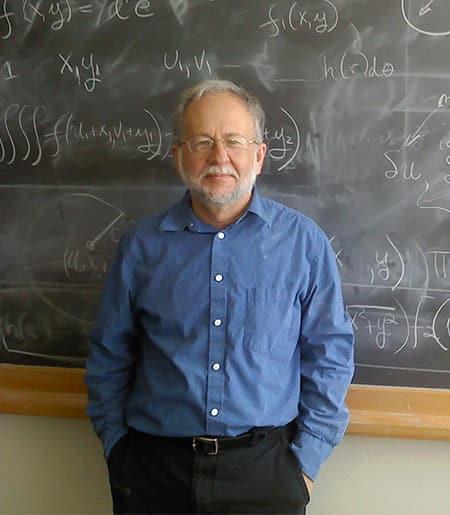
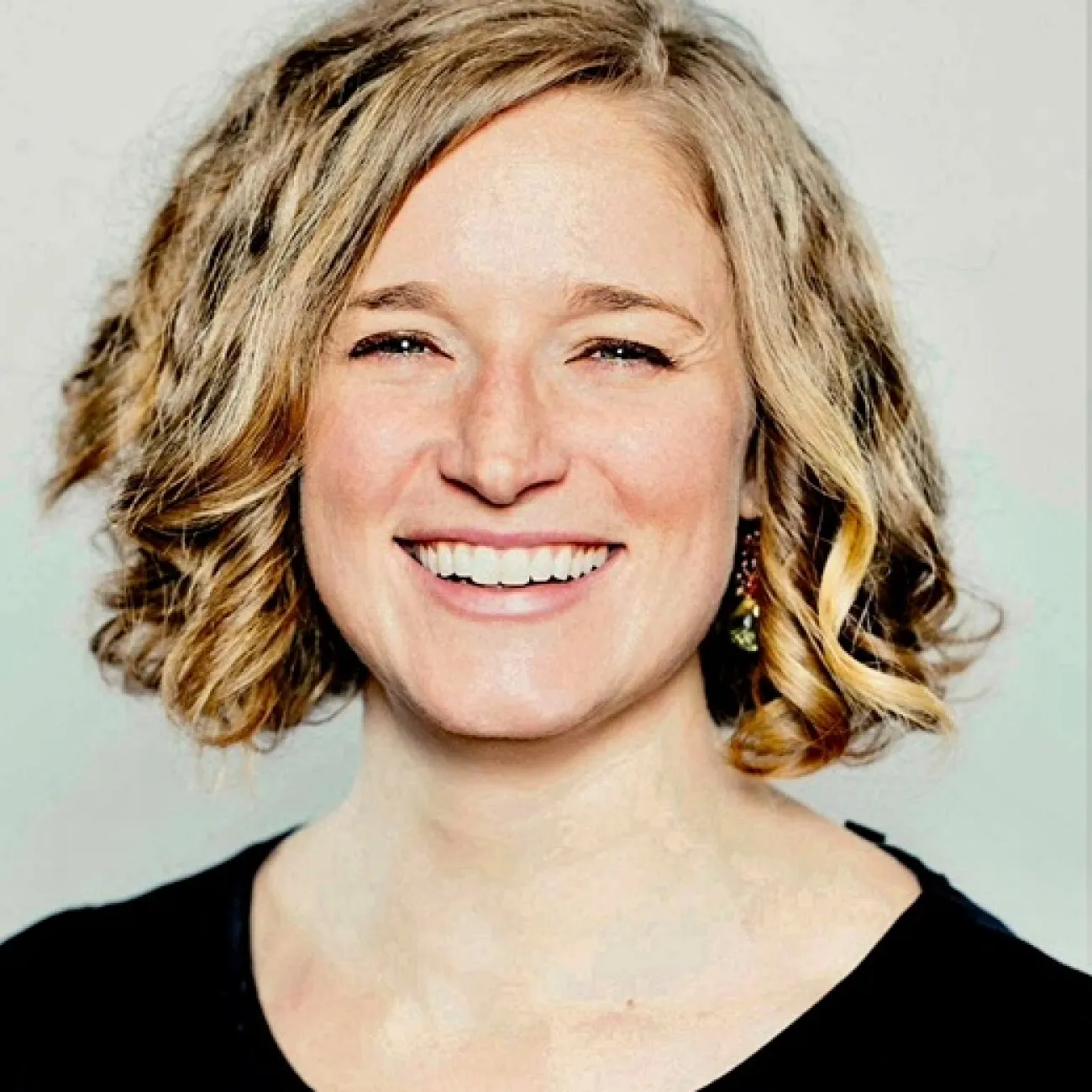
Todd Smitherman is a Professor of Psychology and Director of Clinical Training at the University of Mississippi within the College of Liberal Arts. He holds a PhD in Clinical Psychology from Auburn University (2006) and has focused his research on psychological factors in chronic medical conditions, particularly migraine and its psychiatric comorbidities. Education: BA in Psychology, Samford University (2000) PhD in Clinical Psychology, Auburn University (2006) Research Interests: Dr. Smitherman investigates migraine and headache disorders through the lens of psychological comorbidities (anxiety, depression, insomnia), behavioral triggers (poor sleep, stress), and interventions. His work includes exploring pain acceptance, fear of pain, and behavioral insomnia treatments for migraine reduction. Publications: Recent articles examine neuropsychological functioning in pediatric headache disorders, pain acceptance mechanisms in mindfulness-based therapies, and the impact of migraine aura on disability. His research employs daily diary studies, meta-analyses, and behavioral clinical trials. Teaching: Courses taught include Introduction to Psychology (PSY 201), Health Psychology (PSY 410), and graduate seminars on clinical assessment, research design, and ethics.
Aaron Schat serves as Associate Professor and Associate Dean of Undergraduate Studies at McMaster University's DeGroote School of Business within the Department of Human Resources and Management. His academic career centers on promoting workplace dignity through rigorous research and education in organizational behavior. Schat's research program investigates workplace aggression, work-related stress, and employee well-being with particular focus on customer service contexts. He examines how incivility affects workers' psychological health, explores covert revenge behaviors against abusive customers, and analyzes blameworthiness attribution in service interactions. His work bridges industrial-organizational psychology with practical business applications, emphasizing that "employees deserve to be treated with civility and dignity" regardless of customer demands. Analysis of his publication trends reveals consistent focus on aggression typology and its organizational consequences. Recent work employs person-oriented approaches to understand individual differences in aggression exposure, while earlier research established foundational knowledge about workplace aggression prevalence and intervention strategies. His scholarship consistently connects micro-level interactions to macro-level organizational health outcomes. As an educator, Schat trains future business leaders in human resources management, with students frequently reporting years later how his teachings helped navigate workplace conflicts. He currently collaborates with PhD candidates on peer support mechanisms for service workers handling difficult customer interactions, demonstrating his commitment to translating research into practical organizational solutions.
Jincheng Shen is an Assistant Professor in the Department of Population Health Sciences at the University of Utah, with adjunct roles in the Departments of Family & Preventive Medicine and Internal Medicine. He completed his PhD in Biostatistics at the University of Michigan, Ann Arbor, postdoctoral training at Harvard T.H. Chan School of Public Health, and holds a BS and MS in Computer Science from Tsinghua University. His methodological research focuses on causal inference , machine learning , high-dimensional data analysis , and statistical genetics . Applications span cancer studies, cardiovascular health, opioid use disorder, and chronic disease management. He actively collaborates with clinicians, biologists, and epidemiologists, particularly in analyzing longitudinal data from trials like SPRINT and AASK. Recent publications (2024–2025) highlight his work in optimizing dynamic treatment regimes for diabetes, cardiovascular disease, and cancer, using machine learning and epigenetic biomarkers . He also contributes to school-based interventions for skin cancer prevention and community pharmacy protocols for opioid misuse. Collaborations include large-scale studies on DNA methylation , aging , and environmental exposures , with applications in COPD, cardiovascular outcomes, and cancer risk prediction. His interdisciplinary approach bridges statistical methodology with real-world clinical and public health challenges.
Geoff Dover is an Associate Professor in the Department of Health, Kinesiology and Applied Physiology at Concordia University, where he has served since 2008 after directing the Graduate Athletic Training program at the University of Florida. A Certified Athletic Therapist and Certified Athletic Trainer, his research centers on biopsychosocial mechanisms of pain perception and disability, with emphasis on chronic low back pain and athlete rehabilitation. His academic credentials include: PhD from the University of Florida MS from the University of Florida Diploma in Sports Injury Management from Sheridan College BSc in Human Kinetics from the University of Guelph Dr. Dover implements biopsychosocial models to investigate how psychological factors like catastrophizing and fear avoidance interact with functional limitations in chronic pain development. His work identifies risk factors for heightened pain perception and reduced functionality across diverse populations, utilizing innovative tools such as infrared thermography for objective pain assessment and fracture healing monitoring. This research addresses the societal burden of chronic pain through improved clinical outcomes in musculoskeletal disorders. Analysis of his 2020-2024 publications reveals consistent focus on chronic low back pain mechanisms, athlete concussion recovery, and psychological determinants of rehabilitation outcomes. His methodology emphasizes randomized controlled trials, systematic reviews, and psychometric validation of assessment tools, with practical applications in athletic therapy settings. Key trends include quantifying fear avoidance behaviors, evaluating novel interventions like aquatic exercise, and establishing correlations between pain catastrophizing and physiological responses. Scientific Awards: No scientific awards were documented in the provided materials As a thesis supervisor for MSc and PhD candidates in Health and Exercise Science, Dr. Dover mentors graduate students through the Athletic Therapy Research Laboratory. This facility investigates pain perception variability, recovery trajectories, and functional adaptations in both athletic and general populations, with specialized focus on pain-related fear measures. His lab bridges clinical practice and research through partnerships with Concordia's Perform Centre.
Dr. Michael W. Lippert is a researcher at the Ruhr University Bochum within the Clinical Child and Adolescent Psychology department. His work focuses on emotion regulation, anxiety disorders in children and adolescents, psychological questionnaire development, and parental involvement in psychotherapy. Education: Master of Science in Clinical Psychology (2014), Bachelor of Science in Psychology (2012). Academic roles since 2015: Doctoral student at the Chair of Clinical Child and Adolescent Psychology, clinical project manager for the KiBA study, and part-time psychotherapeutic practitioner. His recent publications highlight the development of measurement instruments like the BAER-C (Bochum Assessment of Avoidance-Based Emotion Regulation for Children) and PMH-Kids (Positive Mental Health Scale for Children and Adolescents). These works emphasize transdiagnostic approaches to anxiety, psychometric evaluation, and family-based interventions. Scientific award: MQ Travel Grant 2018 for participation in the MQ Mental Health Science Meeting, London. He has presented his research on child emotion regulation and anxiety at international conferences including the European Association of Clinical Psychology and Psychological Treatment (EACLIPT) and World Congress of Behavioral and Cognitive Therapies (WCBCT 2019) .
Sinead O'Keeffe is a Research Fellow at the University of Limerick in the Faculty of Science and Engineering , specifically within the Department of Electronic and Computer Engineering . Her research bridges the technical domain of optical fiber sensor development with critical applications in radiation therapy and sports medicine. Primary Research Themes Medical radiation dosimetry using optical fiber sensors Brachytherapy dose monitoring systems Sports injury prevention in Gaelic football and running Mental health literacy in rural farming communities Key Technical Contributions Development of scintillation-based dosimeters Characterization of perfluorinated polymer fibers 3D printed sensor systems for clinical and rehabilitation applications Interdisciplinary Applications Prostate cancer radiotherapy dose measurement Mental health intervention programs for athletes Work-family conflict analysis in Irish farming Email: sinead.okeeffe@ul.ie
Carolyn Davies is a Lecturer in the Department of Psychological and Brain Sciences at the University of Massachusetts Amherst. Her research and teaching focus on anxiety disorders, trauma, and the integration of clinical practice with scientific evidence. She holds a PhD from UCLA and a BA from Johns Hopkins University. Dr. Davies is a licensed clinical psychologist and serves as an undergraduate advisor. Her courses include Methods of Inquiry in Psychology, Adult Psychopathology, and Anxiety and Related Disorders. Her research emphasizes cognitive behavioral therapy (CBT) efficacy, psychophysiological responses to stress, and innovative neuroscience-based interventions for PTSD and social anxiety. Recent work explores affect labeling techniques for veterans and respiratory interventions for panic disorder. She has published widely in journals like Frontiers in Psychology , Cognitive Behaviour Therapy , and Journal of Anxiety Disorders . Her articles consistently address therapeutic mechanisms, physiological correlates of anxiety, and treatment outcomes. Notable contributions include demonstrating how homework compliance impacts CBT success and identifying physiological predictors of therapy outcomes. Davies collaborates with institutions like the University of California, Los Angeles and the Department of Veterans Affairs on translational research. Though no formal awards are listed, her work reflects sustained contributions to evidence-based mental health interventions. As an educator, she bridges academic research with clinical skills training for future psychologists.
Stephen Paul Ellner is the Horace White Professor of Ecology and Evolutionary Biology at Cornell University, affiliated with the College of Arts and Sciences. His research focuses on theoretical ecology, particularly structured population models, community ecology, and evolutionary dynamics. He holds a B.A. from the University of California, Berkeley (1975), a Ph.D. from Cornell University (1982), and completed a postdoctoral fellowship at the Weizmann Institute (1984-1985). Education: B.A. in 1975, Ph.D. in 1982 (Cornell), Postdoc at Weizmann Institute (1984-1985). Research Interests: Community ecology, population dynamics, evolutionary patterns, sustainability, and infectious disease modeling. His work emphasizes trait-based models and applications to ecological problems like species coexistence, disease transmission, and invasive species management. He is a Fellow of the Ecological Society of America (2016) and contributes to open-source software like Integral Projection Models (R packages) and LENNS for ecological analysis. His teaching includes courses on dynamic models in biology and ecological modeling. Grants & Projects: Explores eco-evolutionary dynamics, pathogen transmission in plant-pollinator networks, and the impacts of environmental variability on population outcomes. Labs/Teams: Leads the Ellner Lab, focusing on theoretical and computational ecology.
Jacqueline Henderson serves as an Associate Professor in the Mechanical Engineering Department within Bradley University's Caterpillar College of Engineering & Technology. Her research focuses on biomechanics with specialization in upper extremity disorders and mathematical modeling applications. Her educational background includes a Ph.D. in Biomedical Engineering from Wayne State University, an M.S. in Mechanical Engineering from the same institution, and a B.S. in Mechanical Engineering from Prairie View A&M University. Joining Bradley in 2010, she has established herself as a key researcher in skeletal biomechanics. Ph.D., Biomedical Engineering, Wayne State University M.S., Mechanical Engineering, Wayne State University B.S., Mechanical Engineering, Prairie View A & M University Dr. Henderson's research centers on upper extremity biomechanics, particularly investigating carpal tunnel syndrome through mathematical modeling of subsynovial connective tissue shearing. Her work extends to cumulative trauma disorders and rehabilitation biomechanics, with significant collaborations between Bradley University and local medical communities. She employs advanced techniques including speckle-tracking ultrasound and finite element modeling to analyze tendon-nerve interactions in the carpal tunnel. Her publication record demonstrates consistent focus on biomechanical analysis of the carpal tunnel and spinal structures, with recent expansion into neurovascular coupling and Alzheimer's disease mechanisms. Key methodologies include ultrasound assessment, finite element modeling, and quantitative tissue property measurement. Professional recognition includes an NIH National Research Service Award fellowship at Mayo Clinic. She serves as a reviewer for the Journal of Applied Biomechanics and Journal of Clinical Biomechanics, and participates in Bradley University's Affirmative Action Committee. Dr. Henderson actively mentors STEM-interested youth and has developed educational initiatives including ME 101: Introduction to Mechanical Engineering and ME 591: Human Centered Design. Her service extends to K-12 engineering outreach programs in the Detroit Public School system.
Prof. Dr. Winfried Rief is a leading Professor in Clinical Psychology and Psychotherapy at the Department of Psychology, Philipps-Universität Marburg. He heads a multidisciplinary team conducting cutting-edge research in chronic pain, depression, anxiety disorders, and behavioral addictions. His work bridges clinical psychology with psychosomatics and behavioral medicine, focusing on the role of expectations in treatment outcomes and disease progression. Key Research Areas: Expectation-Placebo Effects, ICD-11 Chronic Pain Classification, Biopsychosocial Mechanisms, Translational Psychotherapy, Network Analysis in Mental Health Projects and Collaborations: He leads the LOEWE Center DYNAMIC , a €33 million initiative (2024-2027) involving Marburg, Frankfurt, Gießen, TU Darmstadt, and international partners. He co-chairs the ICD-11 Chronic Pain Classification Taskforce with the IASP and WHO, and directs the PSY-HEART II Trial evaluating preoperative psychological interventions for heart surgery patients. His work spans experimental studies, clinical trials, and global field testing of diagnostic systems. Recent Publications highlight his expertise in expectation dynamics, chronic pain mechanisms, and translational research. Key themes include placebo-nocebo effects, network approaches to mental health, and improving patient outcomes through evidence-based classifications like ICD-11. His team explores AI integration in psychotherapy, mindfulness interventions for pain, and the psychosocial impact of persistent physical symptoms.
Dr. Louise Hassan is an Associate Professor in Marketing at the Department of Marketing, Birmingham Business School, University of Birmingham. She holds a PhD in Statistical Modelling and a BSc (Hons) in Applied Statistics, both from Glasgow Caledonian University. With over 15 years of academic experience, she has held faculty positions at several UK universities, including Bangor University (where she was a Professor and Director of Research), University of Strathclyde, Stirling, St Andrews, Heriot-Watt, and Lancaster. Education: PhD in Statistical Modelling, Glasgow Caledonian University (2004) BSc (Hons) in Applied Statistics, Glasgow Caledonian University (2001) Louise's research lies at the intersection of consumer psychology, marketing, and public health, with a focus on responsible and sustainable consumption, risky behaviors (e.g., smoking, alcohol), and consumer decision-making. Her work is grounded in theories of attitudes and social cognition and often employs quantitative methodologies across cross-national samples. She investigates how information processing, persuasion, and identity influence consumer choices, particularly in ethical and health-related contexts. Her recent publications span topics such as the effectiveness of alcohol warning labels, identity marketing, digital service recovery, and sustainable behavior during crises. These works reflect a strong trend toward interdisciplinary research combining marketing theory with public policy and behavioral science, often contributing to social marketing and consumer protection initiatives. Scientific Awards: Best Paper Award, American Marketing Association Winter Marketing Educators’ Conference (2009) Louise has served on editorial boards of the Journal of Business Research and International Journal of Consumer Studies , and co-edits the Consumer Ethics section of the Journal of Business Ethics . She has received research funding from the Arts and Humanities Research Council, Academy of Marketing, British Academy, and Welsh Government. Her work has been cited over 3,500 times on Google Scholar. She teaches courses in marketing principles, responsible marketing, and contemporary issues in marketing. She leads a funded interdisciplinary project (£450k+) on sustainability in consumer mask-wearing choices. She previously held leadership roles at Bangor Business School, including Deputy Head of School and Director of Research, and contributed to the REF2021 submission. She is actively involved in interdisciplinary research, supervising and collaborating with scholars in public health, psychology, and social policy. Her research has practical implications for policymakers, regulators, and marketing practitioners aiming to promote ethical and sustainable consumer behavior.
Allison Jane Ouimet is an Associate Professor in the Department of Psychology within the Faculty of Arts and Science at Concordia University. Her research focuses on cognitive mechanisms underlying anxiety disorders and the application of cognitive-behavioral therapy (CBT) to improve treatment outcomes. Education: Ph.D. in Clinical Psychology, Concordia University (2014) M.Sc. in Clinical Psychology, The University of Western Ontario (2007) B.A. (Honours) in Psychology, Concordia University (2004) Her research interests lie at the intersection of cognition and psychopathology, particularly examining attentional bias, dual-systems models of cognition (automatic vs. controlled processing), and emotion regulation in anxiety. She investigates how cognitive biases contribute to the development and maintenance of anxiety disorders and how such insights can refine therapeutic interventions like CBT. The most recent publications reflect a consistent focus on anxiety, emotion regulation, cognitive models, and sexual health. Her work integrates theoretical frameworks such as the Reflective-Impulsive Model with clinical practice, while also exploring applications in youth mental health, phobias, and trichotillomania. There is a strong emphasis on both implicit and explicit cognitive processes across diverse populations. While no scientific awards are listed in the provided text, her publication record in peer-reviewed journals and academic books indicates active scholarly engagement. Allison Ouimet has contributed to research mentoring through co-authorship with junior researchers (denoted by asterisks), suggesting involvement in student supervision, though formal advisees are not explicitly listed. Her work appears to be supported by academic research structures, though specific grants are not mentioned. She has contributed to edited volumes on anxiety and phobias, indicating recognition in her field. She is actively involved in research related to mental health, cognition, and behavior, with thematic clusters in anxiety disorders, emotion regulation, cognitive biases, and sexual health across developmental stages.
Dr. Lauren Nadler is a Lecturer in Marine Biology and Ecology at the University of Southampton's Ocean and Earth Science faculty, based at the National Oceanography Centre Southampton. She is a member of the Marine Biology and Ecology research group and the Southampton Marine and Maritime Institute. Current research focuses on the interplay between physiology and behavior in social fishes Examining biotic (social context, parasite infection) and abiotic (climate change, habitat degradation) pressures Developing tools for real-world testing of lab findings in marine systems Her work employs an interdisciplinary approach to understand how marine organisms' behavior and physiology create complex underwater interactions. She investigates the physiological mechanisms behind behavioral traits, requiring technological innovations beyond traditional biology. Key trends in her 15 most recent articles (2025-2021) span: Parasite-induced behavioral manipulation Social dynamics in coral reef fish Climate change impacts on physiology Metabolic rate variability Escape response biomechanics Reef conservation methodologies She supervises PhD students in the Ocean & Earth Science department and has previously held academic appointments at Nova Southeastern University (2020-2022) and postdoctoral positions in Norway and California. Her educational background includes: PhD in Marine Biology (James Cook University, 2016) MRes in Marine & Freshwater Ecology (University of Glasgow, 2011) BA in Biology with Marine Science specialization (Boston University, 2007)
Wako Yoshida is Professor of Clinical Neuroscience at the University of Oxford's Nuffield Department of Clinical Neuroscience, leading research at the intersection of computational neuroscience, decision theory, and social cognition. Her work focuses on neural mechanisms of belief construction during partially observable decision-making and social interactions, with particular emphasis on prefrontal cortex function. Her research interests include: Computational modeling of uncertainty resolution in cognitive decision-making Neural basis of Theory of Mind during cooperative social interactions Pain neuroscience and aversive learning mechanisms Application of hyper-scanning fMRI for group decision-making studies Brain-machine interfaces for pain control through co-adaptive learning Analysis of her 15 most recent publications (2016-2024) reveals three dominant trends: (1) Neural mechanisms of hierarchical belief inference in spatial navigation and social contexts, (2) Uncertainty processing in pain modulation involving prefrontal-periaqueductal circuits, and (3) Development of computational frameworks for brain-machine interfaces targeting chronic pain management. Her work consistently bridges machine learning concepts with human neuroimaging. Scientific awards: No awards mentioned in source material. Advising and grants: Source text provides no details about students, advisees, or grant funding. Yoshida directs the Pain and Aversive Learning research group at Oxford, collaborating with Ben Seymour and others to investigate computational and neural mechanisms underlying pain, aversion, and decision-making using fMRI, hyper-scanning, and computational modeling approaches.
Merrill R. Landers serves as Interim Dean and Professor in the Department of Integrated Health Sciences at the University of Nevada, Las Vegas, holding the Cyrus Chung Ying Tang Foundation Research Professorship. He has chaired the physical therapy program since 2011 and maintains active clinical licensure as a physical therapist. His academic credentials include: Ph.D. in Biological Sciences (Integrative Physiology) from UNLV (2012) with cognates in neurobiology and statistics DPT from Creighton University (1997) B.S. in Exercise Science from Brigham Young University (1993) with minor in Scandinavian Studies Dr. Landers' research program centers on Parkinson's disease and mild cognitive impairment, specifically investigating balance impairment mechanisms, fear of falling avoidance behaviors, and neuroprotective effects of exercise. His work bridges neuroscience and rehabilitation through innovative approaches like transcranial direct current stimulation for motor priming. Current projects examine the relationship between psychological factors and mobility limitations, with emphasis on clinical translation. Analysis of his 15 most recent publications (2023-2025) reveals dominant themes in Parkinson's disease research, particularly gait analysis, dual-task performance, and psychological contributors to mobility impairment. His work increasingly incorporates cross-cultural adaptations of assessment tools and explores novel interventions including cannabis effects and nature-based mindfulness. A significant portion focuses on fear of falling avoidance behavior measurement and intervention across diverse populations. His scholarly recognition includes: Credentialed Fellowship Graduate of the APTA Education Leadership Institute Cyrus Chung Ying Tang Foundation Research Professorship As an educator, Dr. Landers teaches advanced courses including Neurophysiology (DPT 756), Genomics and Regenerative Rehabilitation (DPT 713), and Clinical Trial Design (HSC 705). His leadership as Interim Dean and department chair demonstrates commitment to advancing health sciences education while maintaining active research productivity through clinical trials and collaborative neuroscience investigations.