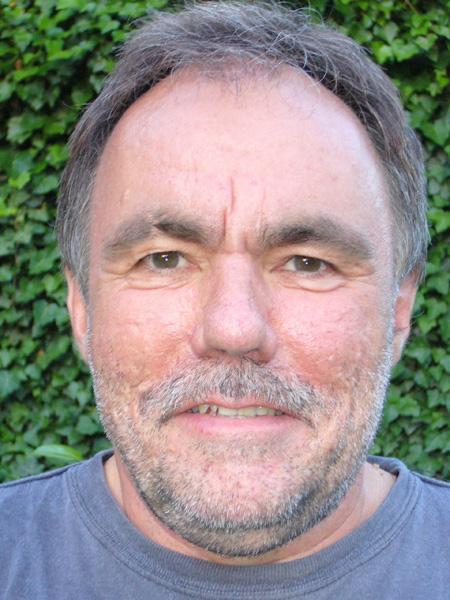
Sean J. Elliott is a Professor at Boston University's Chemistry Department, with an affiliated role in the Division of Materials Science and Engineering. He leads the Elliott Group, focusing on catalysis sciences and metalloprotein structure:function relationships. His research integrates electrochemistry and spectroscopy to study environmental transformations of nitrogen, carbon, oxygen, and sulfur. Education: Ph.D. in Bioinorganic Chemistry from Caltech (2000). Honors include the Scialog Award (2010/2011), Gitner Award for Distinguished Teaching (2007), and NSF CAREER Award (2005). Research emphasizes electrocatalytic systems, such as nitrite reduction to ammonia using cytochrome c nitrite reductase and light-driven CO₂ reduction via ferredoxin networks. His lab explores enzyme mechanisms, redox carriers, and biogeochemical cycles. Publications highlight advancements in enzyme-catalyzed reactions, metalloprotein structure-function relationships, and bioelectrochemical systems. He collaborates on interdisciplinary projects involving microbial metabolism and environmental chemistry. Labs/Teams: The Elliott Group (http://sites.bu.edu/sje-lab) investigates bioenergetics, enzymology, and electrochemical interfaces in biological systems. His work bridges fundamental biochemistry with applied catalysis for sustainable energy solutions.
Prof. Susanne Kassube is an SNSF Assistant Professor in the Department of Biochemistry at the University of Zurich, affiliated with the Faculty of Science. Her research focuses on the molecular mechanisms of Fe-S protein biogenesis and DNA repair enzymes, employing structural biology techniques such as cryo-electron microscopy and X-ray crystallography alongside biochemical and biophysical methods. She holds a Ph.D. in Biophysics from the University of California, Berkeley (2013), and completed postdoctoral training at the Friedrich Miescher Institute for Biomedical Research in Basel (2014–2020). Education: Diploma (M.Sc.) in Biology, University of Heidelberg, Germany (2008) Ph.D. in Biophysics, University of California, Berkeley, USA (2013) Research Interests: Fe-S cluster assembly and dysfunction in human diseases Mechanisms of DNA repair proteins Structural biology of large macromolecular machines Her work integrates structural and functional studies to elucidate how Fe-S clusters regulate cellular processes like DNA repair and oxidative stress response. Awards: SNSF PRIMA Grant (2021) EMBO Long-Term Postdoctoral Fellowship (2015) Boehringer Ingelheim Fonds PhD Fellowship (2010) Advising & Grants: Advises PhD students (Roberta Cadei, Keshav Goyal, Steffen Winkler) and a Master’s student (Anna von Wyss). Recipient of the SNSF PRIMA Grant supporting her research into Fe-S protein biogenesis. Labs/Teams: The Kassube Group at the University of Zurich focuses on structural and biochemical studies of Fe-S proteins and DNA repair mechanisms. Team members include lab technicians and technical staff.
Massachusetts Institute of TechnologyUnited States
Catherine Drennan is a Professor of Biology and Chemistry at MIT and an Investigator/Professor at the Howard Hughes Medical Institute (HHMI). She leads the Drennan Research Laboratory, focusing on structural and biochemical studies of metalloenzymes involved in medically and environmentally significant processes. Her work combines X-ray crystallography and cryo-electron microscopy to investigate enzyme mechanisms and conformational changes in catalysis. Education PhD in Chemistry, University of Michigan (1995) BS in Chemistry, Vassar College (1985) Research Interests Her lab explores metalloprotein biochemistry, particularly in enzymes critical for environmental remediation and human health. Key areas include: Structure-function relationships in ribonucleotide reductases Mechanisms of glycyl radical enzymes Role of metal cofactors (iron, nickel) in catalysis Impact of conformational dynamics on enzyme activity Recent Trends in Publications Recent work highlights advances in cryo-EM structural analysis of ribonucleotide reductases and carbon monoxide dehydrogenases, revealing insights into enzyme regulation and inhibitor mechanisms. Studies also address the role of metallochaperones in cofactor insertion and the structural basis of enzymatic reactions like indole nitrile formation. Awards Member, National Academy of Sciences (2023) Fellow, American Society for Biochemistry and Molecular Biology (2021) Howard Hughes Medical Institute Investigator (2008) Grants & Advising Her research is supported by HHMI and NIH grants. She mentors students/postdocs in structural biology and enzyme mechanisms, emphasizing both experimental and computational approaches. Labs & Collaborations The Drennan Lab collaborates with institutions globally, focusing on advancing structural biology techniques and applying them to unresolved enzymatic mechanisms. The lab also develops educational resources for undergraduate science teaching.
F. Wayne Outten is a Professor in the Department of Chemistry and Biochemistry at the University of South Carolina, affiliated with the McCausland College of Arts and Sciences. He holds the Guy F. Lipscomb, Sr. Professorship of Biochemistry. His research focuses on microbial metal metabolism, particularly Fe-S cluster biogenesis under stress conditions and metal homeostasis in bacteria. He has authored over 40 peer-reviewed publications and secured significant NIH and NSF funding. Education: B.S. in Biology (College of William and Mary, 1995); Ph.D. in Biochemistry (Northwestern University, 2001); Postdoctoral Fellowship at NIH (2001–2005). Awards include the Cottrell Scholar Award and Ada B. Thomas Advisor Award. Research Interests: Iron and copper homeostasis, oxidative stress responses, bacterial pathogenesis, and Fe-S cluster assembly pathways (Suf system). Key contributions include defining roles of SufBCD and SufE proteins in Fe-S cluster formation under iron starvation and oxidative stress. Grants: Current NIH support for studying Fe-S cluster dynamics and NSF funding for membrane biogenesis integration with metal metabolism. Collaborative projects include designing pH-responsive ferritin nanocages for drug delivery. Labs: GSRC 303, 304, 320, 321. Active in professional societies (ASBMB, ACS) and conference organization (Iron-Sulfur Biogenesis). Mentored 23 undergraduates, 16 Ph.D. students, and 3 postdocs. Military service includes roles in U.S. Army Reserve and National Guard.
Fraser Armstrong is Professor of Chemistry at the University of Oxford and Fellow of St John’s College, Oxford. His career spans positions at the University of California, Irvine (1989-1993) and University of Oxford (1983-present), including a Royal Society University Research Fellowship (1983-1989). Elected Fellow of the Royal Society (FRS) in 2008, he co-authors a leading undergraduate Inorganic Chemistry textbook. His research pioneers Protein Film Electrochemistry to investigate electron-transfer proteins and enzymes, focusing on hydrogenases, CO 2 -reducing enzymes, and multi-enzyme cascades. Key innovations include the Electrochemical Leaf for nanopore-confined catalysis and discoveries about reversible enzymatic electrocatalysis. His work bridges biological inorganic chemistry with solar fuels and artificial photosynthesis. Major awards include the Davy Medal (2012), Royal Society of Chemistry Medals (2000, 2006), Carbon Trust Innovation Award (2003), and multiple distinguished lectureships. His research program has received sustained funding through fellowships including the Wolfson Research Award (2013-2018). Armstrong leads a research group developing bioelectrocatalytic systems for energy applications, with expertise in enzyme immobilization, nanopore electrochemistry, and mechanistic studies of metalloenzymes. His team explores microbial hydrogen metabolism and photoelectrochemical CO 2 reduction using enzyme-nanoparticle hybrids.
Lusophone University of Humanities and TechnologiesPortugal
Marta S. P. Carepo is an Associate Professor at Universidade Lusófona, where she also serves as Director of the Biochemistry degree program. She is concurrently a Researcher at LAQV-REQUIMTE, an Associated Laboratory for Green Chemistry hosted at FCT NOVA. Her academic journey includes a PhD in Biochemistry-Biotechnology from FCT NOVA and postdoctoral research at the Federal University of Pará, Brazil. She has held a Principal Investigator position at the Federal University of Ceará under a CAPES grant. PhD in Biochemistry-Biotechnology, FCT NOVA (2002) Licentiate in Biochemistry, Faculty of Sciences, University of Lisbon Her research focuses on the structural and functional characterization of metalloproteins, particularly those involved in hydrogen metabolism, oxygen sensing, and heavy metal detoxification in bacteria. She employs a multidisciplinary approach combining spectroscopy (EPR, ENDOR, CD, fluorescence), biochemistry, and biophysics, often integrating omics data. Her work has strong implications in environmental biotechnology, infectious disease mechanisms (particularly in Mycobacterium tuberculosis ), and green chemistry. The 15 most recent publications reflect a consistent focus on metalloprotein function, redox chemistry, and bioinorganic mechanisms. Key themes include heme-based oxygen sensors (e.g., DevS, FixL), molybdenum and copper cluster proteins, metallodrug design, DNA cleavage, and ROS generation. Her studies frequently involve spectroscopic and electrochemical characterization, protein engineering, and bacterial stress responses. The articles span biochemistry, inorganic chemistry, microbiology, and medicinal chemistry, indicating a highly interdisciplinary research profile. Her scientific achievements have been recognized through competitive grants and collaborative projects: Principal Investigator, CAPES Grant, Brazil (2014–2017) Portugal-Brazil Transnational Cooperation Project (PI) Marta S. P. Carepo has supervised 3 PhD students (1 ongoing), 6 Master’s students (2 ongoing), and numerous undergraduate and exchange students. She has served on academic evaluation juries and examination boards and is actively involved in public science outreach, including organizing activities for the European Researchers’ Night. Her research is supported by grants from FCT (Portugal) and CAPES (Brazil), and she continues to lead projects in metalloprotein biochemistry and environmental detoxification. She leads and contributes to research teams at LAQV-REQUIMTE and collaborates with groups in Brazil. Her lab integrates biochemical, spectroscopic, and molecular biology techniques to study metalloprotein function and bacterial adaptation mechanisms.
Dr. Miguel Adrover Estelrich is a Full Professor in the Department of Chemistry at the University of the Balearic Islands (UIB), where he has served since 2006. His academic appointments progressed from Assistant Professor (2006) to Assistant Professor with PhD (2009), Associate Professor (2012), and Full Professor (2017). He maintains an active teaching schedule across multiple programs including Chemical Engineering, Chemistry, and Master's degrees in Chemical Science and Technology. His research focuses on protein glycation's role in diabetes-related neurodegeneration, using NMR spectroscopy to study protein structure and aggregation. Key specialties include kinetic analysis of carbohydrate-vitamin B6 reactions, prion proteins, Fe-S cluster assembly, and muscle movement proteins. His work bridges physical chemistry with biomedical applications, particularly investigating why diabetics show increased neurodegeneration susceptibility. 58 JCR-indexed publications 30 research projects 85 conference contributions 1 granted patent Dr. Adrover has received significant academic recognition including three teaching quinquenios and three research sexenios from Spanish evaluation agencies. His work demonstrates substantial impact with an h-index of 20 and over 1,000 citations. He actively supervises graduate students and contributes to the INNoVAM research group focused on neurodegenerative, vascular, and metabolic diseases. Teaching responsibilities include core chemistry courses across undergraduate and graduate programs, with recent instruction in Biological Macromolecules Chemistry, Physical Chemistry III, and Biological Chemistry Experimentation. His laboratory work occurs in the Mateu Orfila i Rotger Chemistry building (Office QF107), where he continues research initiated during his doctoral studies at UIB.
Dr. Tracey A. Rouault is a Physician Scientist leading the Section on Human Iron Metabolism at the Eunice Kennedy Shriver National Institute of Child Health and Human Development (NICHD), part of the National Institutes of Health (NIH) in Bethesda, MD. Her research focuses on the molecular regulation of iron and iron-sulfur cluster metabolism in mammalian systems. Research Interests: Dr. Rouault’s lab investigates the roles of iron regulatory proteins (IRPs) and iron-sulfur cluster biogenesis in health and disease. Her work spans neurodegenerative disorders such as Parkinson’s disease and Friedreich ataxia, hematologic conditions including anemias and polycythemia, and familial renal cancers. The lab employs mouse models, cell culture, and patient-derived lines to dissect the mechanisms of iron homeostasis and mitochondrial function. Recent Research Trends: Analysis of her recent publications reveals a strong focus on the role of iron-sulfur clusters in metabolic reprogramming, immune cell function, and epigenetic regulation. Her work continues to uncover novel protein complexes and regulatory motifs involved in Fe-S cluster assembly and iron transport, with implications for understanding and treating rare genetic and metabolic diseases. Scientific Awards: No specific awards mentioned in the provided text. Advising and Grants: Dr. Rouault mentors post-doctoral and graduate fellows. Opportunities are available through the NIH Graduate Partnership Program with universities such as Johns Hopkins, University of Maryland, Oxford, and Cambridge. Her research is supported by the NIH intramural funding program, indicating ongoing grant support for her lab’s investigations into iron metabolism and related disorders. Labs and Teams: She leads the Section on Human Iron Metabolism within NICHD, conducting interdisciplinary research that bridges biochemistry, genetics, and physiology to understand fundamental aspects of iron biology and their clinical implications.
Deborah Perlstein is an Associate Professor at Boston University, with research spanning the intersection of chemistry and biology. Her work focuses on bioinorganic chemistry , particularly the biophysical and biochemical mechanisms of iron-sulfur cluster-containing proteins and bacterial cell division . She employs techniques such as enzymology , microscopy , and molecular biology to dissect these systems. Education: B.S. in Biological Chemistry, Tulane University (1998) Ph.D. in Biochemistry, Massachusetts Institute of Technology (2005) Postdoctoral Fellowship in Microbiology and Chemical Biology, Harvard Medical School (2010) Research Interests delve into: Iron-Sulfur Proteins: Ancient cofactors enabling non-standard amino acid chemistries. Key goals include elucidating enzymatic mechanisms and in vivo assembly pathways for these clusters. Bacterial Cell Division: Targeting cytoskeletal proteins like MreB and FtsZ to develop antibiotics against drug-resistant pathogens. Studies include protein dynamics regulation in vitro and in vivo. Publications highlight her contributions to understanding iron-sulfur cluster maturation, ATPase roles, and bacterial growth mechanisms. Recent work integrates machine learning for experimental biochemists and structural studies of scaffold proteins like Met18. Students include undergraduates and summer researchers such as Darlene S. Douglas (MIT, B.S. 2001) and Mia Lassier (Harvard Summer Program, 2009). Contact: Email dperl@bu.edu | Phone 617.358.6180
Professor Kostas Tokatlidis is the Cathcart Chair of Biochemistry and Director of Research in the School of Molecular Biosciences at the University of Glasgow, where he heads the Mitochondria Biology Laboratory. He is an elected Member of EMBO, Academia Europaea, Fellow of the Royal Society of Edinburgh (FRSE), Royal Society of Chemistry (FRSC) and Royal Society of Biology (FRSB). Education & Training PhD in Biochemical Engineering, University of Delaware, USA (1988–1993) – Fulbright Fellow Post-doctoral fellowships: Institut Pasteur, France (1993–1994); Biozentrum, Switzerland (1994–1998) First-class BSc in Chemical Engineering, Aristotle University of Thessaloniki, Greece Major research interests Mitochondrial biogenesis and protein import pathways Oxidative protein folding and redox signalling Molecular chaperones and membrane protein assembly Stress responses, metabolism and ageing Iron–sulfur cluster biogenesis and disease links Scientific awards & honours 2022 – Member, Academia Europaea 2021 – Fellow, Royal Society of Chemistry (FRSC) 2020 – Fellow, Royal Society of Biology (FRSB) 2016 – Fellow, Royal Society of Edinburgh (FRSE) 2013 – EMBO Member & Royal Society Wolfson Research Merit Award 2012 – Greek Ministry of Education Excellence Grant 2001 – Lister Institute Research Fellow & MRC Career Establishment Award 1988 – Fulbright Fellow Advising & Grant leadership He has mentored 25 PhD/graduate students and 17 post-doctoral researchers and has served as Director of Graduate/Undergraduate Studies and Director of Research in the School of Molecular Biosciences. His group has secured >€12 million in competitive funding from 43 UK/EU grants, including current awards such as the 2025-2031 EPSRC MAINSTREAM Hub, MRC Mitotrapin and BBSRC partnership grants. Laboratory & facilities Professor Tokatlidis leads the Mitochondria Biology Laboratory and the Mitochondrial Analysis Facility at the University of Glasgow, coordinates the Scottish Healthy Ageing and Mitochondria & Redox Biology research networks, and fosters interdisciplinary collaborations across Europe and globally.
Dr. Miguel Adrover Estelrich is a Lecturer in the Department of Chemistry at the University of the Balearic Islands (UIB), where he has been an active faculty member since 2006. He is based in the Mateu Orfila i Rotger (Chemistry) building and teaches courses such as Physical Chemistry III, Chemistry of Biological Macromolecules, and Experimentation in Biological Chemistry across undergraduate and postgraduate programs. Graduated in Chemical Sciences, UIB (2003) PhD in Chemistry, UIB (2008) Postdoctoral Research, National Institute for Medical Research, London (2009–2010) His research focuses on protein glycation and its role in neurodegeneration in diabetic patients . He uses techniques such as NMR spectroscopy to study protein structure, aggregation, and denaturation. His early work involved kinetic studies of vitamin B6 derivatives and carbohydrates as inhibitors of glycation. The trends in his research, reflected across his publications, emphasize molecular mechanisms of disease , protein misfolding , and structural biochemistry . His work bridges physical chemistry and biomedical applications , particularly in diabetes and neurodegenerative disorders. Dr. Adrover has achieved 3 six-year research evaluations and 3 five-year teaching evaluations , indicating sustained excellence in both domains. He has directed 2 PhD theses, 13 Master's projects, and 5 Final Degree projects, demonstrating strong mentorship. Member, Interdisciplinary Group on Neurodegeneration, Vascular and Metabolic Diseases (INNoVAM) Participated in 30 research projects Published 58 JCR-indexed articles (h-index: 20, 1073 citations) Holds a granted patent He continues active research and teaching at UIB, contributing to both education and scientific understanding of metabolic and neurodegenerative diseases.
Patricia C. Dos Santos is a Professor in the Department of Chemistry at Wake Forest University, located in the College of Arts and Sciences. She conducts active research on the biochemical mechanisms of iron-sulfur cluster assembly in Gram-positive bacteria, a fundamental process in cellular metabolism and metalloprotein function. Her educational background includes a B.S. from Universidade Federal do Rio Grande do Sul (1999, Brazil) and a Ph.D. from Virginia Tech (2004), followed by postdoctoral training at the same institution under Dennis Dean. Dr. Dos Santos's research lies at the intersection of biochemistry, microbiology, and inorganic chemistry, with a focus on metalloenzymes and metal cofactor biosynthesis. Her work contributes to understanding essential life processes such as respiration, carbon metabolism, and nitrogen fixation through the lens of [Fe-S] cluster biogenesis. Although specific publications are not listed in the provided text, her research output is recognized through sustained funding and scholarly recognition, indicating a strong publication record in bioinorganic and microbial biochemistry. URECA Faculty Award for Excellence in Mentorship in Research (2020) Robert & Debra Lee Faculty Fellowship (2018-2021) Freiburg Institute for Advanced Sciences Fellow (2018-2019) Z. Smith Reynolds Foundation Faculty Fellowship (2013-2016) Faculty Excellence in Research Award, Wake Forest University (2013) NSF CAREER Award (2011) Outstanding Recent Alumna, Virginia Tech (2010) Dr. Dos Santos is actively involved in mentoring undergraduate and graduate researchers, as evidenced by the URECA mentorship award. She has secured competitive grants including the NSF CAREER Award and multiple university-level fellowships, supporting her research program and student training. While specific grant titles are not listed, the funding sources reflect strong institutional and national recognition of her research potential and productivity. She leads a research group investigating the biochemical pathways of [Fe-S] cluster formation in bacteria, likely involving interdisciplinary collaboration and laboratory-based experimentation in chemical and molecular biology.
Caryn E. Outten is a Professor of Chemistry and Biochemistry in the McCausland College of Arts and Sciences at the University of South Carolina, holding the Guy F. Lipscomb Chair in Chemistry. She leads a research group investigating iron homeostasis and mitochondrial glutathione metabolism using yeast as a model system. Her work combines molecular genetics, protein biochemistry, and cell biology to understand cellular iron regulation and redox balance. Outten earned her B.S. from the College of William and Mary, M.S. and Ph.D. from Northwestern University, and completed postdoctoral training at Johns Hopkins University. She has held academic roles at the University of South Carolina since 2005, including Visiting Professorships at the University of Colorado. Her research focuses on two main areas: (1) mechanisms of iron regulation via Fe-S cluster signaling and (2) mitochondrial glutathione metabolism and redox control. She employs GFP-based sensors to monitor subcellular redox states and studies proteins like Grx4, Fra2, and BolA involved in iron trafficking. Outten has secured over $4.5M in NIH funding, authored/co-authored 50+ peer-reviewed articles, and received numerous awards, including the Presidential Early Career Award for Scientists and Engineers (PECASE). She advises 5 current graduate students and has mentored over 40 researchers across all levels. Her lab operates from multiple locations in the GSRC building and collaborates with institutions globally. Teaching responsibilities include courses in metabolic biochemistry and biochemistry for medical students, with a focus on innovative flipped classroom methods.
Markus W. Ribbe is the Chancellor’s Professor of Molecular Biology & Biochemistry and Chemistry at the University of California, Irvine. His research focuses on metalloprotein assembly, catalysis, and bioinorganic mechanisms, particularly nitrogenase systems and Fe-S cluster biosynthesis. He leads the Ribbe-Hu Laboratory, collaborating with institutions like Shane Gonen’s lab. Notable achievements include heterologous nitrogenase expression in E. coli and elucidating belt-sulfur roles in nitrogenase catalysis. Key publications address nitrogen fixation mechanisms and Fe-S cluster regulation. Students advised include Joe Rebelein (award recipient) and Lee Rettberg. Departments : Molecular Biology & Biochemistry and Chemistry Lab Collaborations : Yilin Hu (co-leader), Shane Gonen (Cryo-EM projects) Recent Recognitions : Student awards for Joe Rebelein and Bryan Neumann (collaborator) Research integrates structural biology, spectroscopy, and microbiology to study enzyme function under anaerobic conditions, with applications in bioenergy and biomedicine.
Dr. Janneke Balk is a Synergy Reader at the University of East Anglia (UEA) and a Project Leader at the John Innes Centre, with a joint appointment between both institutions. Her research focuses on plant iron homeostasis, particularly the mechanisms governing iron uptake, distribution, and storage in plants. She leads projects aimed at improving iron and zinc biofortification in crops like wheat and pea. Education: D.Phil. in Biological Sciences, University of Oxford (1999) B.Sc. and M.Sc. in Biology, Wageningen University (1996) Research Interests: Iron sensing and regulation in plants Iron transport in plant-microbe symbioses (e.g., legume-Rhizobium interactions) Engineering crops for enhanced mineral bioavailability Mitochondrial iron-sulfur cluster assembly Grants and Projects: CROPNUT: Increasing Iron in Cereals (BBSRC, 2017–2021) Functional Characterization of Iron Regulator Sensor (IRS) Proteins (BBSRC, 2016–2018) High Sensitivity Elemental Mass Spectrometry Facility (BBSRC, 2018–2019) Labs and Collaborations: The Balk Lab collaborates with institutions like the University of Cambridge and the John Innes Centre, focusing on interdisciplinary approaches to plant nutrition and metabolic regulation.