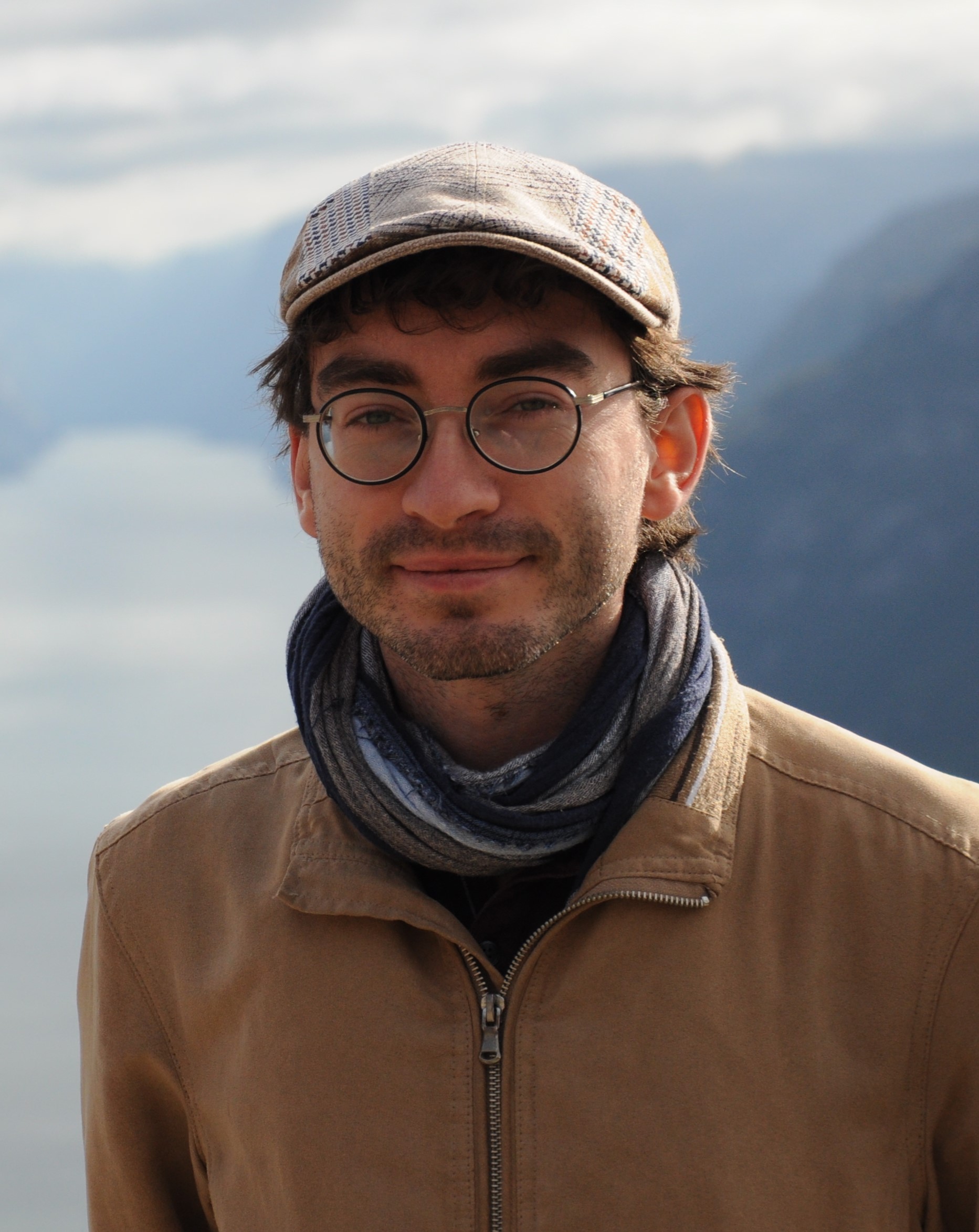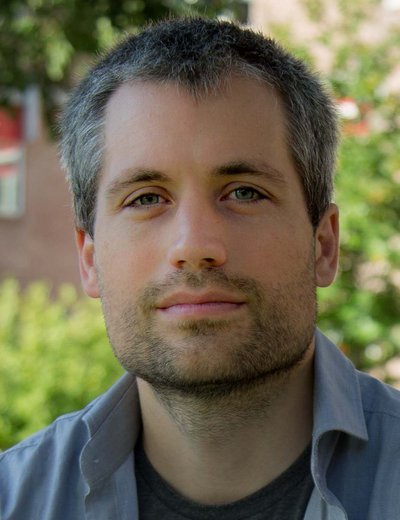
Jannis Teunissen is a researcher in the Multiscale Dynamics group at Centrum Wiskunde & Informatica (CWI), the Dutch national center for mathematics and computer science. He also serves as a visiting lecturer at the Centre for mathematical Plasma Astrophysics at KU Leuven. Education: BSc in Physics & Astronomy and Master in Computational Science from University of Amsterdam PhD in computational plasma physics at CWI (obtained "cum laude") Postdoctoral research at KU Leuven's Centre for mathematical Plasma Astrophysics Dr. Teunissen's research focuses on computational plasma physics, particularly on simulating electric discharges. His work bridges theoretical modeling, computational methods, and experimental validation. He develops advanced computational techniques for studying streamer discharges, which are fast-moving ionized channels that form the first stage of sparks. These phenomena have important applications in environmental technology, high-voltage engineering, and atmospheric science. His research employs a range of computational methods including adaptive mesh refinement (AMR), plasma fluid modeling, particle-in-cell simulations, geometric multigrid solvers, and high-performance computing techniques. More recently, he has been applying machine learning methods to space weather research. Analysis of his publication history shows a strong focus on streamer discharge phenomena across different gas mixtures, with emphasis on macroscopic parameterization, electric field measurements, and radio emission calculations. Hershkowitz Early Career Award and Review (2024) from Plasma Sources Science and Technology Early Career Scientist Prize on Plasma Physics (2023) from IUPAP Student Award of Excellence of the Gaseous Electronics Conference (2015) PhD obtained "cum laude" (2015) Dr. Teunissen has been actively involved in several research projects including "Reliable nExt GENERation Actuation sysTEms (REGENERATE)" and "Plasma for Plants: Towards controlled and efficient plasma-activated water generation for a cleaner environment." His work has resulted in numerous publications focusing on streamer discharges in various gas mixtures, their radio emissions, electric field measurements, and computational modeling approaches. His research has significant implications for understanding natural phenomena like lightning and developing more environmentally friendly alternatives to traditional insulating gases used in high-voltage technology.