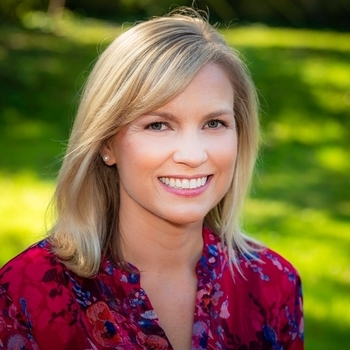
Kelly Arnold is an Associate Professor in the Department of Biomedical Engineering at the University of Michigan. Her research integrates systems engineering principles with immunology to investigate variability in immune responses across infection, vaccination, and injury, with a focus on computational modeling and clinical translation. Research Focus Systems-level immune response modeling Vaccination and antibody functionality Vaginal microbiome-host interactions Chronic lung disease progression Computational serology and proteomics Recent Work Her 2025 studies examine SARS-CoV-2 vaccination responses in cancer patients and computational frameworks for vaginal probiotics. Earlier works (2024-2007) span COPD progression, lupus fibrosis, HIV susceptibility, and tissue engineering for fertility preservation. Methodologies include proteomic profiling, network modeling, and microfluidic systems.
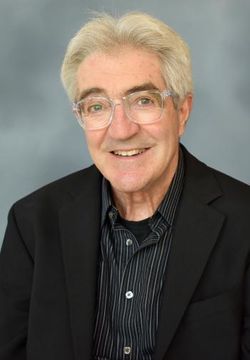
Morris P. Fiorina is the Wendt Family Professor of Political Science at Stanford University and a Senior Fellow at the Hoover Institution. He joined Stanford in 1998 after teaching at Caltech and Harvard. His academic credentials include a B.A. from Allegheny College (1968) and a Ph.D. from the University of Rochester (1972), both in Political Science. Fiorina's research focuses on American politics, emphasizing representation, public opinion, elections, and partisan dynamics. His influential works include Retrospective Voting in American National Elections , Culture War? The Myth of a Polarized America , and Unstable Majorities . He has authored or edited thirteen books and numerous articles, challenging conventional views on polarization, electoral behavior, and political institutions. He has held editorial roles across a dozen political science journals and chaired the American National Election Studies Board (1986–1990). A distinguished scholar, he is an elected member of the American Academy of Arts and Sciences, the American Academy of Political and Social Sciences, and the National Academy of Sciences. He received Career Achievement Awards from the American Political Science Association's sections on Elections, Public Opinion, and Voting Behavior, as well as Political Organizations and Parties. Key Contributions: Pioneered studies on retrospective voting, party sorting, and the 'myth of polarization.' Public Engagement: Analyzes contemporary issues like divided government, electoral reform, and the role of third parties. Fiorina’s work bridges academia and public discourse, addressing critical challenges in American democracy. His current research continues to explore polarization, representation, and governance in the modern political landscape.
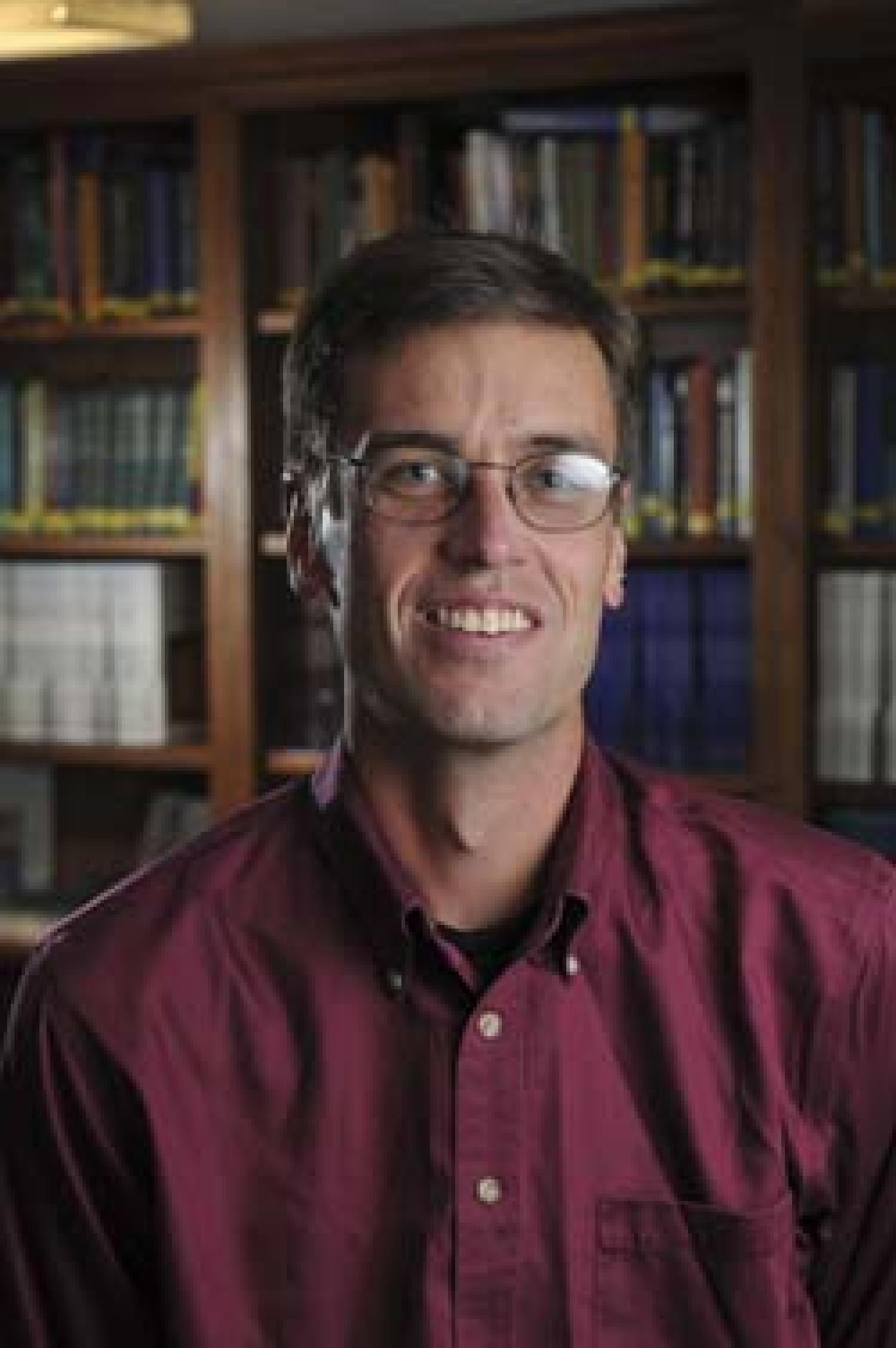
Erik Willcutt is a Professor in the Department of Psychology and Neuroscience at the University of Colorado Boulder. His research focuses on the genetic and neurobehavioral underpinnings of ADHD, learning disabilities, and developmental psychopathologies. He holds positions at the Institute for Behavioral Genetics and the Center for Neuroscience. Education: PhD in Psychology from the University of Denver (1998). Research Interests: Etiology and assessment of ADHD, reading disabilities, and developmental psychopathologies. His work integrates behavioral genetics, neuroimaging, and longitudinal twin studies to understand cognitive and psychiatric disorders. Key topics include neuroanatomical correlates of ADHD, genetic influences on dyslexia, and comorbidity between learning disabilities and psychiatric conditions. Publications highlight advanced methods like genome-wide association studies (GWAS) and phenotype harmonization (e.g., Rosetta method). His work bridges molecular genetics with clinical psychology, emphasizing translational research. Lab/Affiliations: Active in the Institute for Behavioral Genetics and collaborates with interdisciplinary teams studying neurodevelopmental disorders. Office located at Muenzinger D451B.
Dr. Jennifer Evans is a Senior Lecturer in History within the School of Creative Arts at the University of Hertfordshire. Her academic career spans over a decade since completing her PhD at the University of Exeter in 2011, followed by two years of teaching there before joining Hertfordshire. She serves as the founding editor of the Early Modern Medicine blog and co-directs the Perceptions of Pregnancy research network with colleagues Leanne Calvert, Sarah Fox, and Chelsea Phillips. Her research focuses on the history of the body, medicine, and gender during 1550-1750, with particular emphasis on reproductive health, infertility, and miscarriage. Her scholarly work demonstrates deep engagement with both male and female experiences of health and sexuality in early modern England. Current projects include 'Wounded Wombs and Empty Cradles: Miscarriage and Pregnancy Loss in Early Modern England c.1600-1780' (Folger Shakespeare Library, 2025-2026) and 'Foraging for Early Modern Medicines 1600-1750' (AHRC-funded). Analysis of her recent publications reveals consistent thematic concentration on bodily experiences, particularly reproductive health across genders. Her work bridges medical history with gender studies, examining how bodily functions and dysfunctions intersected with social structures. The scholarship shows increasing attention to male experiences of reproductive health alongside traditional focus on women's histories, reflecting broader historiographical shifts toward more inclusive medical history. Dr. Evans actively supervises postgraduate students including Kiran Seera (PhD: 'Domestic Disorder: Crime, Kinship, and Space in Bedfordshire, c. 1650-1790') and has completed supervision of three PhD and two MA students. Her research has received substantial external funding including AHRC Early Stage Impact Accelerator Award funding for her foraging project that explores historical medicinal plant knowledge. She directs the Perceptions of Pregnancy researchers' network which has published two major collections and hosted multiple conferences. The network brings together scholars examining all aspects of fertility, pregnancy, childbirth and early parenthood from the seventeenth to twentieth century. Her public engagement includes numerous media appearances including BBC Radio 4's 'The Food Programme' (February 2024), BBC World Service's 'The Food Chain', and multiple television appearances.
Manu Sharma is an Associate Professor of Neuroscience at the Brain and Mind Research Institute , Weill Cornell Medical College (2024–present). His research focuses on the molecular mechanisms underlying neurodegenerative diseases, particularly tauopathies and synucleinopathies (e.g., Alzheimer’s and Parkinson’s diseases), synaptic transmission, and protein aggregation. Education: Ph.D., University of Toronto (2005) B.Sc., University of Toronto (1998) Research Interests: Dr. Sharma investigates how physiological and pathological modifications of tau and α-synuclein proteins contribute to neurodegeneration. His work explores synaptic vesicle dynamics, chaperone-mediated protein stabilization, and the role of lysosomal pathways in disease progression. Grants: He has secured major funding as Principal Investigator and Co-Investigator from the National Institute on Aging and National Institute of Neurological Disorders & Stroke (2024–2029) for studies on tau proteostasis, synucleinopathies, and small molecule inhibitors targeting neurodegenerative pathways. Labs & Teams: Affiliated with the Brain and Mind Research Institute, Dr. Sharma collaborates on multidisciplinary projects involving synaptic biology, protein quality control, and neurodegeneration models.
Gary M. Shaw is the Rosemarie Hess Professor and Professor (Research) at Stanford University , with courtesy appointments in the Department of Epidemiology and Population Health and Department of Obstetrics & Gynecology - Maternal Fetal Medicine . He serves as Co-PI of the March of Dimes Prematurity Research Center at Stanford and PI of the California Center for Finding Causes and Preventives of Birth Defects . His research focuses on the Epidemiology of birth defects Gene-environment interactions in perinatal outcomes Nutritional factors in reproductive health . He has developed machine learning approaches for precision parenteral nutrition and predictive models for preterm birth, while investigating persistent metabolomic signatures following hypertensive pregnancy disorders. Shaw's recent work explores Climate change impacts on reproductive health Maternal-fetal immune interactions Epigenetic mechanisms in perinatal disease with applications of multiomics to neonatal intensive care units. As a member of Bio-X and the Maternal & Child Health Research Institute , he contributes to translational research networks while serving as Associate Editor for Birth Defects Research and American Journal of Medical Genetics . He supervises Med Scholar Project student Richard Liang Doctoral co-advisor for Saskia Comess and Richard Liang Master's advisor for Lenae Joe while leading the Division of Neonatology as Associate Chair for Clinical Research (2012-2025). His laboratory work integrates Metabolomic profiling Proteomic analysis Computational modeling Machine learning for biomedical data to advance neonatal care through precision medicine approaches.
Martha C. Tompson is Associate Professor and Clinical Program Director in the Department of Psychological & Brain Sciences at Boston University. She earned her PhD from UCLA and directs the Family Development and Treatment Lab. Her research examines family processes in mental health, with focus on depression, bipolar disorder, and schizophrenia interventions. Key research areas include: Family-focused treatments for childhood depression Impact of maternal depression on child development Family psychoeducation for bipolar disorder Dr. Tompson has developed novel family-based interventions for preadolescent depression and studied transgenerational transmission of depression vulnerability. Her work emphasizes culturally responsive treatments and includes randomized trials demonstrating treatment efficacy. She mentors clinical psychology students and teaches evidence-based intervention strategies.
Robert W. Levenson is a Professor of Psychology at the University of California, Berkeley, and Professor of the Graduate School. He directs the Berkeley Psychophysiology Laboratory and the Institute of Personality and Social Research. His work focuses on emotion, psychophysiology, and affective neuroscience, particularly in aging and neurodegenerative disorders. He has held roles such as Director of the Clinical Training Program and the Bay Area Predoctoral Training Consortium in Affective Science. Levenson earned a Ph.D. in Clinical Psychology from Vanderbilt University. His research examines emotional processes in marital interaction, cultural influences on emotion, and neural correlates of emotion in disorders like Alzheimer's and frontotemporal dementia. Key projects include longitudinal studies on marital dynamics and age-related emotional changes, supported by NIH grants. His research interests span psychophysiological measures of emotion, empathy, and emotional control, with notable contributions to understanding autonomic specificity in emotions. He trains students in psychophysiological methods, neuroanatomy, and emotion assessment.
Professor Karl Peter Giese holds the position of Professor of Neurobiology of Mental Health and Co-Head of the Basic & Clinical Neuroscience Department at King's College London's Institute of Psychiatry, Psychology & Neuroscience (IoPPN). His research focuses on memory mechanisms in health and disease, particularly Alzheimer's pathology, synaptic dysfunction, and aging effects. He leads projects funded by Alzheimer's Research UK and other institutions, investigating molecular and cellular bases of memory storage. His work bridges experimental models (e.g., mice) with translational insights for clinical applications. He has over 140 publications, including high-impact studies on CYFIP proteins in dementia and CaMKII in synaptic plasticity. Collaborations include researchers at King's College London and international partners. His lab explores mechanisms linking amyloid-beta, tau, and synaptic proteins to cognitive decline, with recent work applying computational methods to model aging brains. Education: PhD from ETH Zurich (1992), MSc Chemistry from Ruhr-University Bochum (1989). Current grants include Alzheimer's Research UK Network Centres and studies on MNK inhibition for Alzheimer's therapies. Projects span protein synthesis dysregulation, thalamic amyloid pathology, and intellectual disability genetics. His research has been featured in Nature Neuroscience , Brain , and Neuron . He advises on translational neuroscience initiatives and mentors early-career researchers.
Susan Hopkins is a Senior Lecturer in Education (Curriculum and Pedagogy) and Associate Dean (Learning and Teaching) at the School of Education and Tertiary Access , University of the Sunshine Coast , Queensland, Australia. She earned her PhD from Queensland University of Technology and has also served as a Lecturer in Communication at the University of Southern Queensland. Institution: University of the Sunshine Coast School: School of Education and Tertiary Access Rank: Senior Lecturer Leadership Role: Associate Dean (Learning and Teaching) Her research centers on curriculum and pedagogy , with strong interdisciplinary interests in gender studies, media, cultural studies, and feminist theory . She critically examines representations of women, motherhood, sexuality, and power in film and television, often linking popular narratives to broader social and ethical issues such as animal welfare, digital abuse, and environmentalism. Her work frequently appears in public-facing platforms like The Conversation , where she bridges academic insight with accessible commentary. The trends in her recent articles reflect a consistent focus on popular culture as a site of ideological struggle , particularly how gender, power, and identity are constructed and challenged in media. She analyzes genres ranging from horror and documentary to romantic comedy and animated features, often highlighting feminist and postfeminist themes. Her writing reveals a deep engagement with cinematic history, celebrity culture, and the emotional dimensions of storytelling. Susan Hopkins has not been publicly recognized with scientific awards based on available information. She is actively involved in research supervision, consulting, speaking engagements, and media collaborations . Her institutional roles suggest leadership in academic program development and pedagogical innovation. Though no formal lab or research team is mentioned, her public scholarship indicates an influential voice in education and cultural critique.
Dr. Alexis Garcia is a Clinical Assistant Professor in the Department of Psychiatry and Behavioral Sciences at the Medical University of South Carolina (MUSC). She holds a PhD in Clinical Psychology from Florida International University with a specialty in child and adolescent psychology. Her postdoctoral training included a National Institute of Alcohol Abuse and Alcoholism (NIAAA) fellowship focusing on adolescent alcohol use. Dr. Garcia is affiliated with MUSC's College of Medicine and actively participates in the MUSC Youth Collaborative, focusing on self-regulation mechanisms related to substance use in adolescents, particularly those with ADHD and emotion dysregulation challenges. Education & Professional Background: PhD in Clinical Psychology, Florida International University Predoc Internship: MUSC Child Track NIAAA Postdoctoral Fellowship (Adolescent Alcohol Use Research) Research Interests: Her work examines emotion dysfunction in ADHD-affected adolescents and its link to risk-taking behaviors like substance use. She also investigates racial disparities in school disciplinary actions, family violence reporting discrepancies, and early intervention strategies for behavioral disorders. Methodologically, she employs multimodal assessments and longitudinal studies like the ABCD project. Professional Contributions: As a mentor, she guides psychology interns and psychiatry fellows at MUSC. Her research has explored fidget spinner efficacy for ADHD symptom management in classrooms, the role of parental monitoring in alcohol experimentation, and neurobehavioral vulnerability markers for substance misuse. She collaborates on large-scale projects such as the Adolescent Brain Cognitive Development (ABCD) study. Labs/Teams: Active member of the MUSC Youth Collaborative, contributing to interdisciplinary studies on youth mental health and developmental psychopathology.
Professor Sarah Bate is an academic at Bournemouth University, currently serving as Interim Associate Pro Vice-Chancellor (Research and Knowledge Exchange). She leads the Centre for Face Processing Disorders and authored the seminal book *Face Recognition and its Disorders*. Her work focuses on face-processing impairments in developmental and acquired prosopagnosia (face blindness), employing eye-movement technology to explore theoretical and remediation strategies. Education: Completed a BSc (2004), MSc (2005), and PhD (2009) in Psychology at the University of Exeter, followed by postdoctoral research before joining Bournemouth in 2010. Research Interests: Prosopagnosia sub-classification, face recognition disorders, neuropsychological assessment tools, and applications in forensic and clinical settings. Her studies span cognitive mechanisms, rehabilitation techniques, and individual differences in face perception. Recent articles emphasize taxometric analysis of prosopagnosia subtypes, familial transmission patterns, and the role of birthweight in face recognition. Collaborations include work on oxytocin’s effects and the development of diagnostic tools like the Oxford Face Matching Test. Grants and Affiliations: Active in grants such as the *Face Blindness Awareness Campaign* and affiliated with the British Psychological Society and Experimental Psychology Society. Supervises PhD students like Anna Bobak, focusing on neuropsychological and developmental aspects of face recognition.
Joel Blanchard, PhD, is an Associate Professor in the Departments of Neuroscience and Cell, Developmental & Regenerative Biology at the Icahn School of Medicine at Mount Sinai. He is also an Investigator at the Black Family Stem Cell Institute and the Ronald Loeb Center for Alzheimer’s Disease. His research focuses on developing human brain models using induced pluripotent stem cells to study and treat neurodegenerative diseases. Education: BS, St. Lawrence University MLA, Harvard University PhD, The Scripps Research Institute & MIT Research Interests: Dr. Blanchard’s lab is dedicated to understanding the genetic and environmental vulnerabilities that lead to neurodegeneration. His team develops cutting-edge 3D brain organoids and blood-brain barrier models to investigate diseases like Alzheimer’s, Parkinson’s, and ALS. A major focus is on the role of APOE4 in myelination, cholesterol metabolism, and vascular dysfunction. Scientific Awards: Friedman Brain Institute Scholar Award (2021) ISSCR Merit Award (2019) Glenn Foundation Postdoctoral Fellowship (2018) California Institute for Regenerative Medicine Pre-doctoral Fellowship (2011) Funding & Grants: Dr. Blanchard’s lab is currently funded by NASA, NIH, and the Cure Alzheimer’s Fund. Active projects include the development of miBrain (multicellular integrated brain tissue), blood-brain barrier modeling, and APOE4-mediated mechanisms of neurodegeneration. Lab & Team: The Blanchard Lab is a multidisciplinary team of postdocs, graduate students, and research associates. The lab is actively recruiting postdoctoral fellows and is known for its collaborative, innovative environment focused on translational neuroscience.
Geir Selbæk is a Professor II at the University of Oslo in the Department of Geriatric Medicine . His research focuses on dementia , neurodegenerative diseases , and aging-related mental health , with extensive work on the HUNT study —a large Norwegian population-based cohort. He investigates risk factors like depression , loneliness , metabolic health , and social determinants to understand dementia progression. Key research areas: Dementia epidemiology, geriatric mental health, neurodegenerative disease, aging, cognitive impairment Recent publications analyze AI in diagnostics, genetic risk scores, social media's role in pandemic isolation, and metabolic markers Collaborations Selbæk collaborates with international teams across Alzheimer's & Dementia , Nature Genetics , PLOS ONE , and other high-impact journals. His work integrates epidemiological data , neuropsychological testing , and molecular biology to address dementia prevention and care.
Yibing Qyang is a Professor of Medicine (Cardiovascular Medicine) at Yale University School of Medicine (YSM), affiliated with the Department of Internal Medicine. He serves as Director of the Yale Stem Cell Research Forum since 2010. His expertise spans stem cell biology, cardiovascular disease modeling, and regenerative medicine. Qyang holds a B.S. from Nanjing University, an M.S. from Chinese Academy of Sciences, and a Ph.D. from the University of Texas M.D. Anderson Cancer Center. He completed postdoctoral training at UC San Diego and Harvard Medical School. Research Interests: The Qyang Lab focuses on engineering vascular tissues using induced pluripotent stem cells (iPSCs), elucidating cardiovascular disease mechanisms, and developing therapeutic strategies. Key areas include: Vascular tissue engineering for graft development Stem cell-derived models of diseases like supravalvular aortic stenosis Cardiac progenitor cell therapies for heart repair Biomechanical signaling in hypertrophic cardiomyopathy Preclinical porcine models for translational research Key Achievements: Developed immunocompatible 'universal donor' vascular grafts using CRISPR-engineered iPSCs Pioneered iPSC-derived vascular smooth muscle and endothelial cells for tissue engineering Identified elastin-based therapies for supravalvular aortic stenosis Grants & Awards: Connecticut Stem Cell Program Established Investigator Awards (2011, 2015) ISSCR Membership (2007–Present) Highlighted in Yale News for groundbreaking discoveries in heart disease and vascular grafts Lab Team & Collaborations: The lab includes researchers and students from institutions worldwide, with collaborations at Harvard, UCSD, and Yale’s Cardiovascular Research Center. Projects span iPSC differentiation, biomechanical modeling, and preclinical trials. Future Directions: Expanding studies on universal donor grafts, cardiac tissue engineering, and clinical translation of iPSC-derived therapies.