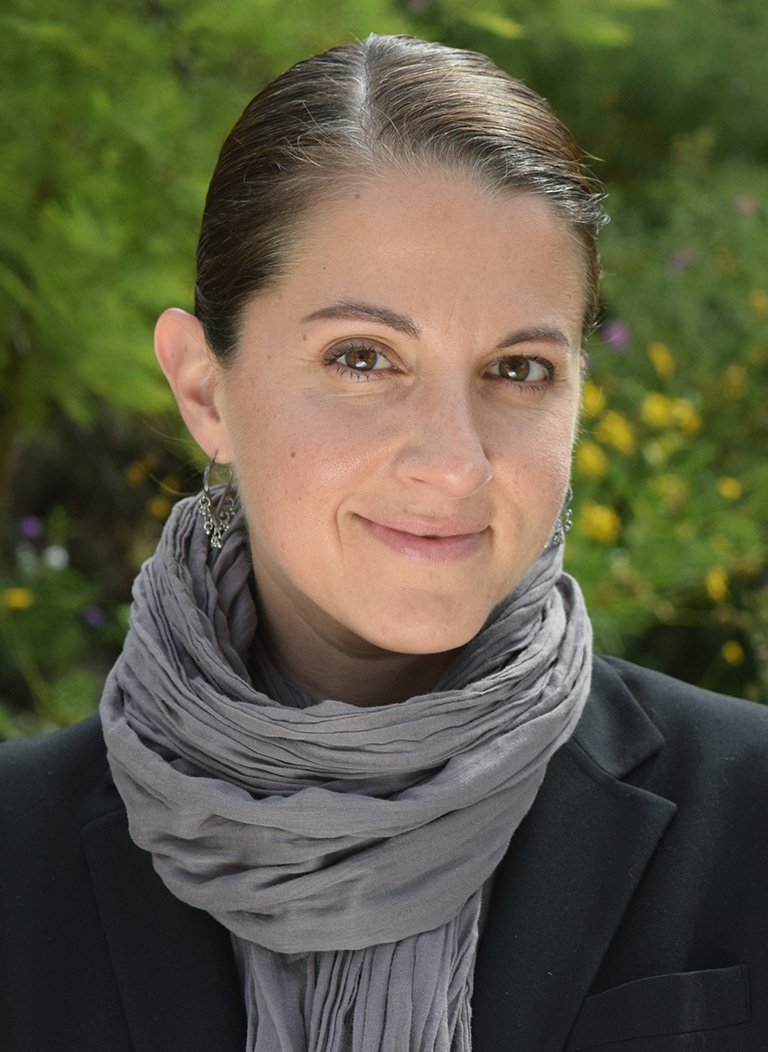
Frederic Clark serves as Associate Professor of Classics and English at the University of Southern California's Dornsife College of Letters, Arts and Sciences, specializing in the cultural transmission of classical antiquity through medieval and early modern Europe. His research interrogates how ancient texts shaped humanistic scholarship, evidenced by his monograph The First Pagan Historian (Oxford, 2020) and forthcoming work on historical periodization. Clark's academic foundation includes: Ph.D. in History, Princeton University (2014) M.Phil. in Medieval History, University of Cambridge (2009) B.A. in History and Literature, Harvard University (2008) He completed postdoctoral training as Andrew W. Mellon Fellow at Rice University (2017-2018), Visiting Assistant Professor at NYU's Institute for the Study of the Ancient World (2015-2017), and Mellon Fellow at Stanford University (2014-2015). His intellectual inquiry spans classical reception, Latin literature's afterlife, late antiquity, and Renaissance humanism, with particular focus on textual authenticity, historical periodization, and the construction of scholarly canons. Clark examines how forgeries like Dares Phrygius' Trojan War narrative catalyzed debates about history versus fiction across a millennium of scholarship. Analysis of Clark's publications (2010-2022) reveals consistent investigation into the mechanics of historical consciousness: how early modern scholars demarcated antiquity from the Middle Ages, reconstructed lost classical works, and navigated tensions between philological rigor and imaginative reconstruction. His work demonstrates how medieval genealogies and Renaissance antiquarianism actively shaped modern historical methodologies. Clark's scholarly recognition includes: Faculty Fellow, USC-Huntington Early Modern Studies Institute (Spring 2023) External Faculty Fellow, Stanford Humanities Center (2020-2021) While his current advising activities remain unspecified, Clark's collaborative research—exemplified by the multi-author study of Winthrop family reading practices—highlights his engagement with collective scholarly enterprises. His office (PED 132B) and email (fredernc@usc.edu) facilitate ongoing contributions to classical and historical discourse.
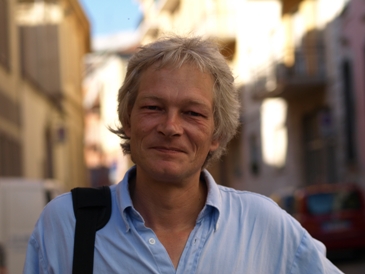
Professor Jonathan Harris is a faculty member at Royal Holloway, University of London, serving as Professor of the History of Byzantium within the Department of History. His work bridges Byzantine history (602-1453 CE) with broader themes of intercultural relations and sustainable development goals. Research Focus: Harris explores Byzantium's interactions with Western Europe and the Islamic world, Byzantine cultural legacy, and the Greek diaspora post-1453. His research aligns with the UN Sustainable Development Goals on cultural preservation and global heritage. Notable Publications: Recent contributions include chapters in the New Oxford Illustrated History of the Crusades (2026) and analyses of Byzantine-Latin relations. Earlier works like The Lost World of Byzantium (2015) remain influential. Teaching: Harris offers courses on Medieval History, including 'Rome to Renaissance' (HS1116), and advanced modules on Byzantium's interactions with the Crusades and its fall in 1453.
Emanuel Christ is a Full Professor of Architecture and Design at the Department of Architecture, ETH Zurich. He has held this position since 2018, following his appointment as an assistant professor at ETH Zurich from 2010 to 2015. Christ also served as a visiting professor at Harvard Graduate School of Design from 2015 to 2017 and was appointed Kenzo Tange Design Critic in Architecture at Harvard GSD in 2021. Prior to his ETH appointments, he was a visiting professor at various architecture institutes including Robert Gordon University, Accademia di Architettura Mendrisio, and the Oslo School of Architecture and Design from 2005 to 2009. He co-founded the architectural firm Christ & Gantenbein in Basel in 1998. Christ received his architectural education at ETH Zurich, EPF Lausanne, and the HdK (now Berlin University of the Arts), graduating from ETH Zurich in 1998 under Prof. Hans Kollhoff. His early career included teaching at the Basel Academy of Art and Design (2002-2003) and working as a senior assistant at ETH Studio Basel under Professors Roger Diener, Jacques Herzog, Pierre de Meuron, and Marcel Meili (2000-2005). Professor Christ's research focuses on the architecture of the metropolis in the age of globalization. He examines how metropolitan growth presents both challenges and opportunities for contemporary cities, using the method of typology transfer to investigate existing metropolitan architectures as potential building blocks for sustainable, dense, and urban futures. His work spans theoretical research, design practice, and academic teaching, with particular emphasis on urban typologies, spatial organization, and the relationship between historical precedents and contemporary design challenges. Christ's teaching methodology combines typological analysis with visionary design scenarios, encouraging students to develop innovative architectural solutions grounded in historical understanding. Christ's publications reveal consistent themes in urban density, typological studies across global cities, and the adaptation of architectural forms to contemporary social and environmental challenges. His research often bridges theoretical exploration with practical application through his architectural practice, with particular focus on the transformation of urban spaces, the relationship between architecture and landscape, and the development of sustainable urban models. His three-volume monograph Christ & Gantenbein. Projects I–III (2024) documents over 160 projects spanning 25 years of architectural practice. Hong Kong Typology, monograph as part of the exhibition Teaching Architecture at the Istituto Svizzero, Venice, Italy (2010) Iakov Chernikhov International Prize, nomination (2010) ar Award for Emerging Architecture, The Architectural Review (2009) Swiss National Museum, renovation phase 1, Zurich (2009) Award for Good Buildings 2008 House on Bildstöckliweg, Arlesheim (2008) The best renovation of 2008, Haus an der Friedensgasse, Basel (2008) Building Award 2006 of the Basel Heritage Society, Shedhalle at St. Alban-Vorstadt, Basel (2006) Architecture Award Concrete 05 Cemsuisse, Haus am Bildstöckliweg, Arlesheim (2005) Scholarship from the Ernst Schindler Foundation, Zurich (1999) Through his design studio at ETH Zurich, Christ has supervised numerous student projects focusing on urban design, architectural typologies, and contemporary challenges in architecture. His teaching approach combines theoretical exploration with practical design, encouraging students to develop visionary yet grounded architectural solutions. Christ & Gantenbein, his architectural practice based in Basel, has completed over 160 projects from 1998 to 2023, as documented in their three-volume monograph. Current studio projects include 'Blatten – Building on Unstable Grounds' (Fall 2025), which addresses architectural responses to climate change and unstable landscapes, and 'The University and the City' (Spring 2025), which explores the relationship between urban spaces and university campuses. Professor Christ leads research initiatives exploring urban-rural interfaces, metropolitan typologies, and sustainable urban development. His Mahalla project investigates courtyard typologies in Tashkent as models for contemporary urban living. He also directs the Professorship for Architecture and Design at ETH Zurich, which serves as a hub for research, teaching, and design practice in contemporary architecture. Christ's work consistently bridges academic research with practical application, addressing urgent questions about the future of cities in the context of globalization, climate change, and social transformation.
Professor Rhiannon Ash is a renowned academic specializing in Roman historiography and Latin literature, particularly the works of Tacitus. She holds a position at the University of Oxford's Department of Classics and serves as a Fellow and Tutor at Merton College. Her research focuses on analyzing the syntax and narrative techniques of Latin imperial prose authors, with a deep engagement in Tacitus' representation of Roman emperors and civil wars. She co-authored Fifty Key Classical Authors (Routledge 2002) and a children’s book, Mystery History of the Roman Colosseum (Aladdin 1997), emphasizing accessibility in classical studies. Currently, she is working on a monograph exploring Pliny the Elder’s Natural History as a lens for Flavian imperial power. Education: MA DPhil, University of Oxford MA, University of Toronto Research Interests: Professor Ash's work spans Latin prose literature of the imperial era, Roman historiography, and ancient epistolary studies. She examines how Tacitus’ linguistic choices shape historical interpretation, and her recent project reinterprets Pliny the Elder’s marine biology writings (Book IX of Natural History ) to reflect broader imperial dynamics. She also studies Greek and Roman biography, battle narratives, and the interplay between rhetoric and historiography in ancient texts. Publications Trends: Her recent articles highlight thematic consistency: exploring political symbolism (e.g., The Fasces ), analyzing Tacitus’ narrative techniques (e.g., Heralding a Proem in the Middle ), and deconstructing civil war tropes through spatial and rhetorical frameworks (e.g., Tiberius in Space ). These works underscore her focus on textual innovation and historiographical bias in the transition from Republic to Principate. Awards: R.D. Milns Visiting Professor (2017), University of Queensland Teaching and Grants: She teaches Latin literature modules for Oxford’s Mods and Greats programs, including Tacitus and Tiberius special subjects. While no explicit grants are noted, her roles at Merton College and academic staff status suggest institutional support. Her collaborative works with Dr. Alison Sharrock exemplify interdisciplinary approaches to classical education. Labs/Teams: Engages in Oxford’s Classics department research networks, contributing to textual commentaries and historiography projects. Her current monograph project involves cross-disciplinary analysis of Pliny’s Natural History , blending literary and imperial studies methodologies.
Prof. Giuseppe Vannozzi is a Full Professor at the University of Rome Foro Italico, based in the Department of Human Motor Sciences and Health. His research focuses on biomechanics, wearable sensor technology, and gait analysis in neurological and运动 disorders. He has contributed to studies on stroke recovery, Parkinson’s disease, multiple sclerosis, and pediatric conditions like cerebral palsy. His work integrates machine learning with clinical assessment, emphasizing wearable sensors for real-world applications. Research interests include motor control, neurorehabilitation strategies, and the application of inertial measurement units (IMUs) in movement analysis. Key areas include gait variability, postural stability, and upper limb recovery. Recent studies explore the use of auditory cues in Parkinson’s gait improvement and sensor-based interventions for stroke survivors. His publications span over a decade, with recent focus on advanced metrics for gait quality, instrumented clinical tests (e.g., iTUG), and the role of biomechanical parameters in aging populations. He has pioneered sensor fusion algorithms for yoga and sports performance evaluation, and his work on Golden Ratio-based auditory cues highlights interdisciplinary创新. He contributes to academic governance as a member of the University Quality Assurance Committee and has collaborated on EU-funded projects. Teaching responsibilities include courses on research methodology, movement therapy, and motor function assessment in health sciences.
Diana Garvin is an Assistant Professor of Italian with a specialty in Mediterranean Studies in the Department of Romance Languages at the University of Oregon's School of Global Studies and Languages. Currently on maternity leave for Fall 2026, she conducts research at the intersection of food studies, colonial history, and fascist studies, with particular focus on Italian East Africa and transnational connections to Brazil. Her educational background includes: Ph.D. in Romance Studies from Cornell University (2017) A.B. in Romance Studies from Harvard University (2006) Garvin's research examines the history of everyday life under Fascist Italy, using food as a lens to analyze power negotiations between women and the state. Her work spans transnational Italian studies, focusing on East Africa and Brazil, while exploring intersections of fascism, neo-fascism, food politics, environmental humanities, and medical humanities. She investigates how seemingly mundane objects and practices—such as cookbooks, toys, menus, and agricultural labor—became sites of political contestation and resistance. Her recent publications reveal consistent themes across Italian colonial history, examining how food, toys, and domestic practices served as vehicles for imperial ideology while simultaneously providing spaces for resistance. These works demonstrate how fascist policies permeated everyday life through consumer culture, urban planning, and reproductive health, with particular attention to gendered experiences and colonial encounters in East Africa. Garvin has received numerous prestigious awards for her scholarship: Rome Prize in Modern Italian Studies, American Academy of Rome (2017-2018) Helen and Howard R. Marraro Prize for Best Book in Italian History (2023) Fulbright Global Scholar Award (2021-2022) NEH Fellowship (2024-2025) Getty Research Library Grant (2020) Julia Child Foundation Scholarship (2014) Her research has been supported by fellowships from Fulbright, Getty Library, Oxford University, Cornell University, University of Oregon, Wolfsonian-FIU, Julia Child Foundation, CLIR Mellon, FLAS, AAUW, NWSA, and AFS, enabling research at over thirty international archives, libraries, and museums. Garvin teaches courses including Modern Italian History through Food, Eco-Italy, Global Histories of Italian Food, and Fascism and Neo-Fascism, bringing her research expertise into undergraduate and graduate classrooms. As a scholar working at the intersection of multiple disciplines, Garvin contributes to ongoing conversations about the legacies of colonialism, the politics of food, and the gendered dimensions of fascist ideology, with particular attention to how these historical phenomena continue to shape contemporary political movements.
Stefano Romagnoli serves as an Associate Professor of Japanese Language and Literature at Sapienza University of Rome, specifically within the Italian Institute of Oriental Studies (ISO). His academic appointment falls under the ASIA-01/G classification (formerly L-OR/22), and he maintains regular office hours at the Marco Polo Building, Room 320 in Rome. Professor Romagnoli teaches Japanese Language and Translation III and Japanese Literature A courses during the 2024-25 academic year, with classes scheduled on Thursdays and Tuesdays across multiple classrooms. Professor Romagnoli's research spans multiple dimensions of Japanese literary and cultural studies, with particular emphasis on post-war Japanese literature, Japanese theater traditions including Kabuki and Kōdan, colonial history, and gender studies within Japanese contexts. His scholarly work reveals a consistent interest in examining how Japanese writers have engaged with historical trauma, national identity, and cross-cultural encounters. The examination of women writers' perspectives on war and colonialism forms a significant thread throughout his publications, as does his analysis of political dissent and proletarian literature in Japanese contexts. Analysis of his recent publications shows a strong trajectory toward interdisciplinary scholarship that bridges literary analysis with historical, political, and cultural studies. His work frequently explores the representation of historical events through Japanese literary lenses, particularly focusing on post-war reconstruction, colonial experiences, and the complex relationship between Japan and other nations including the Soviet Union. Professor Romagnoli also demonstrates significant commitment to Japanese language pedagogy, as evidenced by his publications on lexical development and language teaching methodologies. Professor Romagnoli maintains an active teaching schedule with numerous examinations administered throughout the academic year, as documented in the extensive lists of student results across multiple examination periods. His administrative responsibilities include overseeing student selection for overseas programs to Japan, as indicated by the merit rankings for various calls (bando) for overseas opportunities. While specific laboratory or research team information isn't detailed in the available materials, Professor Romagnoli appears to collaborate with other faculty members such as Ichinose sensei (mentioned regarding grammar instruction), suggesting participation in a broader Japanese language and literature teaching team within the Institute of Oriental Studies.
Ajay Manthripragada is an Assistant Professor of Architecture at the University of California, Berkeley, joining the faculty in Fall 2024. He previously taught at Harvard University's Graduate School of Design and Rice University School of Architecture as a Wortham Fellow. Master of Architecture, Princeton University Bachelor of Arts, UC Berkeley His research and teaching focus on the shifting juridical landscape of California housing and the study of extracanonical references in the design process . His practice is renowned for creating conceptually and experientially rich architectural works, with current projects spanning India and California, including a 180-bed junior college dormitory in Mangaluru and an artist’s studio south of San Francisco. His publications have appeared in prominent journals such as Log , Domus , and Cite , reflecting his interdisciplinary approach to architecture. Scientific recognition includes a 2018 nomination for the Mies Crown Hall Americas Prize and winning the Lily Auchincloss Rome Prize in Architecture, which funded his fellowship at the American Academy in Rome.
Edward J. Watts is the Alkiviadis Vassiliadis Endowed Chair and Professor of History at the University of California, San Diego, within the Department of History in the Division of Arts and Humanities. He is a leading scholar of the later ancient world, with a focus on the intellectual and political legacies of the Roman Empire. His research explores the enduring cultural impact of Rome, particularly the rhetoric of decline and renewal. His work bridges ancient history and modern political discourse, examining how historical narratives are repurposed for contemporary ideological agendas. Key areas of interest include the fall of the Roman Republic, late paganism, early Christianity, and the Byzantine continuation of Roman identity. Watts is the author of several influential books, including Mortal Republic: How Rome Fell into Tyranny , The Final Pagan Generation , and Hypatia: The Life and Legend of an Ancient Philosopher . His 2023 work, The Eternal Decline and Fall of Rome: The History of a Dangerous Idea , offers a sweeping analysis of how declinist rhetoric has been used across two millennia to justify power, blame societal changes, and promise restoration. The book has received widespread acclaim for its erudition, clarity, and relevance to current political debates. Throughout his career, Watts has contributed significantly to public understanding of classical history through accessible yet scholarly writing. While no formal advisees or awards are listed in the provided text, his endowed chair and publication record indicate a distinguished academic career. He has not been mentioned as part-time, retired, or deceased, and there is no indication he is a former staff member. His work continues to shape conversations in both academic and public spheres regarding the uses and abuses of history.
John Paul Hill is a Lecturer in the Department of History, Anthropology, and Philosophy at the University of North Georgia (UNG). He holds a Ph.D. in History from the University of Georgia (2009), an MA from Western Kentucky University (1998), and a BA in History from Transylvania University (1995). Education: Ph.D., History, University of Georgia, 2009 MA, Western Kentucky University, 1998 BA, History, Transylvania University, 1995 Research Interests: Dr. Hill specializes in Recent U.S. History, American Political History, and Sports History. His expertise extends to broader themes in U.S. History, Western Civilization, and Ancient History, particularly through his teaching of courses like Ancient Greece and Rome. Professional Experience: Prior to joining UNG in August 2024, he served as an Associate Professor of History at Toccoa Falls College (2022–2024) and as an Assistant Professor of the Practice in History and Government at Embry-Riddle Aeronautical University (2019–2022). He also held roles as Instructor and Chair at Aiken Technical College (2018–2019). Contact: Email johnpaul.hill@ung.edu or call 706-867-2059. His office is located in Barnes Hall, Room 328, Dahlonega, GA.
Francisco Javier Guzmán Armario is Professor of Ancient History at the University of Cádiz, affiliated with the Department of History, Geography and Philosophy and the Institute for Research in Hispanic World Studies (IN-EMHis). He leads the research group HUM-831 Archaeological Heritage in the Strait of Gibraltar. From Prehistory to the End of Antiquity . Education Doctor of Philosophy, University of Cádiz, 2001 – Thesis: Los Bárbaros en Amiano Marcelino , supervised by Dr. Francisco Javier Lomas Salmonte. Research Interests Guzmán Armario’s scholarship focuses on the political, military, and cultural history of Rome from the early Empire to Late Antiquity, with special attention to: Barbarian groups and their representation in Greco-Roman sources Historiography of Ammianus Marcellinus and other late-antique authors Transition from Roman Empire to medieval kingdoms in the Iberian Peninsula Reception of classical antiquity in modern historiography and popular culture His work integrates literary analysis with historical geography and prosopography to reassess traditional narratives of imperial decline and barbarian invasions. Publication Trends Over two decades Guzmán Armario has produced a steady stream of articles and monographs that illuminate the political discourse, military crises, and cultural self-definition of the Late Roman world. Recurring themes include the historiographical construction of the “barbarian,” the memory of military disasters (Teutoburg, Adrianople), and the ideological uses of Egypt and the Atlantic frontier. His recent pieces extend these inquiries to cinematic and modern popular receptions of figures such as Attila and the fall of Rome in 476 CE, demonstrating an enduring concern with how antiquity is re-imagined across media. Scientific Awards No specific awards are mentioned in the provided materials. Advising & Funding No lists of current or former students, doctoral advisees, or grant details are supplied in the text. Labs & Teams He coordinates the PAIDI-funded research group HUM-831 Archaeological Heritage in the Strait of Gibraltar. From Prehistory to the End of Antiquity , an interdisciplinary team examining long-term cultural interactions across the Ibero-African maritime corridor.
Knut Ødegård is Professor of Ancient History and Classical Archaeology at the University of Oslo, a position he has held since 2024. Previously, he served as Associate Professor of Ancient History at UiO from 1998 to 2025. He is affiliated with the History Department and has served as Director of the Norwegian Institute in Athens and cultural attaché at the Norwegian Embassy in Athens from 2003 to 2007. His academic background includes a Master of Arts in Classical Archaeology from the University of Oslo (1988) and a Dr. Philos. degree (1998) with the thesis "Bastion of Empire. The Topography and Archaeology of Cales in the Republican Period." Prior to his professorship, he was Research Fellow at the Norwegian Institute in Rome (1990-94) and Amanuensis in Ancient History at UiO (1994-98). Professor Ødegård specializes in Greek and Roman history and archaeology, with particular expertise in antique urbanism, Mediterranean settlement patterns, religion and society in antiquity, and Late Roman/early Byzantine history in the eastern Mediterranean. His research centers on Greek city development, especially Tegea in Arcadia. He has directed major archaeological projects including The Norwegian Arcadia Survey (1998-2002), Geophysical survey of ancient Tegea (2003-2006), The Hellenic-Norwegian Excavations at Tegea (2009-2013), The Norwegian Naxos Survey (2010-13), and The Apalirou Environs Project (2013-present), focusing on Byzantine Naxos. His scholarly output shows consistent engagement with ancient Greek urban development, particularly Tegea, alongside broader themes of political organization and cultural transformation from the Archaic period through Late Antiquity, with recent work emphasizing Byzantine urbanism in the Cyclades. Professor Ødegård is also active in public dissemination, having delivered popular science lectures in Oslo in 2013 on ancient societies under Fritt Ord (available on YouTube), which formed the basis for his book "Antikken. Hellas og Roma fra bystat til imperium" (2014). HIS1100 Ancient World History HIS1200 Early world history up to about 1800 HIS2111 The Light from the Acropolis. The Greek polis between ideal and reality HIS2112 The Roman Empire; Cause, course, effect HIS2114 The Decline and Fall of the Roman Empire HIS2116 Rome Caput Mundi. From imperial capital to the center of Christendom HIS2100 Rome: City and Empire in Antiquity (teaching in Rome) HIS4120 The Long Late Antiquity HIS4215 Rome Caput Mundi. Historical perspectives on topography, religion and power
Michelle Berenfeld serves as the John A. McCarthy Professor of Classics at Pitzer College since 2010, currently on sabbatical for Fall 2025. Her academic affiliation resides within the Classics Field Group at the institution. Educational background includes: MA from New York University PhD from New York University Professor Berenfeld's research centers on Archaeology of the ancient Mediterranean with specialized focus on Ancient Urbanism , the Eastern Roman Empire , and Domestic Space and Social Life during Late Antiquity . Her work critically examines spatial organization in late antique communities while addressing contemporary Cultural Heritage preservation challenges, particularly climate-related threats to archaeological sites. Recent publications demonstrate consistent thematic progression from urban domestic spaces (2024) to environmental archaeology (2016) and climate adaptation frameworks (2015), reflecting interdisciplinary engagement across architectural history, social archaeology, and heritage management. Key outlets include the Journal of the Society of Architectural Historians and Levant. Scientific recognition includes: Dorothy and Lewis B. Cullman/National Endowment for the Humanities Post-Doctoral Rome Prize (2017-2018) Frederick Burkhardt Residential Fellowship for Recently Tenured Scholars (2018) Research funding through these prestigious fellowships supports her fieldwork and publications. Professor Berenfeld actively disseminates findings through international conferences including the American Academy in Rome and Archaeological Institute of America meetings. Her teaching portfolio encompasses Greek/Roman Art and Archaeology, Classical Mythology, and International Cultural Heritage courses. No institutional lab or research team affiliations are specified in available materials.
Charlotte Roberts is an Associate Professor in the Department of English Language and Literature at University College London (UCL), specializing in eighteenth-century literature and historical writing. Appointed as a lecturer in 2013 following a Junior Research Fellowship at Cambridge, she has established herself as a leading scholar on Edward Gibbon and Enlightenment historiography through sustained publication and research supervision. Her educational foundation includes: BA in English from Gonville and Caius College, Cambridge (2006), awarded with Senior Academic Scholarship and Austin Dobson Prize Henry Fellowship year at Harvard University (2007) MPhil in Eighteenth-Century and Romantic Studies (2008) and PhD in English Literature (2012) from Cambridge, supported by St John's College Benefactors' Scholarship and AHRC doctoral award Roberts' research interrogates the relationship between narrative form and historical consciousness in Enlightenment prose. Her monograph Edward Gibbon and the Shape of History (2014) revolutionized understanding of Gibbon's Decline and Fall by demonstrating how stylistic choices construct historical argument. Current work explores the conceptualization of 'the prosaic' across eighteenth-century writing, examining authors from Richardson to George Eliot through frameworks of ethics, character, and historical methodology. She employs interdisciplinary approaches bridging literary analysis, intellectual history, and classical reception studies, particularly evident in her investigations of Herculaneum/Pompeii excavations. Analysis of her 11 publications (2011-2024) reveals consistent engagement with historiographical theory, religious heterodoxy, and narrative innovation. Key trajectories include the materiality of historical evidence (ruins, manuscripts), tensions between private belief and public discourse, and the evolution of historical methodology from conjectural history to empirical scholarship. Her recent shift toward reviewing contemporary Gibbon scholarship demonstrates active participation in current debates. Her scholarly recognition includes: Senior Academic Scholarship Austin Dobson Prize Henry Fellowship St John's College Benefactors' Scholarship AHRC doctoral award Roberts supervises PhD candidates specializing in eighteenth-century English literature at UCL, emphasizing methodological rigor in analyzing historical context and textual form. While specific grant details aren't publicized, her sustained publication record indicates successful research funding. She contributes to academic discourse through peer review (e.g., 2024 Journal of British Studies review) and collaborative projects like The Cambridge Companion to Edward Gibbon . Her teaching portfolio spans undergraduate modules from Renaissance to Post-Colonial literature, with particular focus on eighteenth-century texts and Homosexuality/Queerness in Literary History. Though no formal research lab exists, Roberts operates within UCL's vibrant intellectual ecosystem through departmental seminars, the Centre for Eighteenth-Century Studies, and international conference networks focused on Enlightenment scholarship and classical reception.
Jürgen Strothmann is a lecturer in Ancient History and Medieval History at the Faculty of Humanities, University of Siegen, where he has served since May 2011 in the role of Lecturer for Special Tasks. He holds a habilitation from 2013 and a doctorate from 1996, and his academic career includes research and teaching positions at Ruhr University Bochum, University of Dortmund, University of Paderborn, and archival work at ThyssenKrupp. He is an active scholar in medieval political and cultural history, with a focus on the transition from antiquity to the early Middle Ages. Education: Studied History, Ancient History, and Philosophy at Ruhr University Bochum (1986–1992) Master of Arts (1992) Promotion (PhD), June 27, 1996 Habilitation, July 19, 2013 His research centers on the political reception of antiquity, Carolingian and Merovingian political orders, and the use of numismatic evidence—particularly Merovingian monetary coins—as sources for understanding societal structures in 7th-century Gaul. He investigates how ancient concepts of rule were adapted in medieval contexts and explores the role of civitates in maintaining political continuity after Roman rule. His current focus includes the Alpine region’s cultural and political significance between antiquity and the early Middle Ages. His recent publications reflect a strong interdisciplinary approach, combining historical, numismatic, and philological methods. Themes across his work include sacral kingship, symbolic representation of power, and the function of borders and space in early medieval governance. He has contributed to major reference works such as Brill's New Pauly , and his monograph Emperor and Senate examines Rome's political claims during the Hohenstaufen period. While no scientific awards are explicitly listed, his sustained scholarly output and leadership in DFG-funded projects demonstrate recognition in his field. He has supervised research assistants and contributed to collaborative academic endeavors, though no named students are listed. He has been involved in major editorial and research projects, including the interdisciplinary DFG project on Merovingian coins at the University of Paderborn (2007–2009). He is affiliated with the Research Center for Transnational Cultural History and the Research Center for Regional Cultural History at the University of Siegen. Dr. Strothmann maintains an active research agenda, with several publications in preparation, particularly on numismatic sources and early medieval political structures. His office is located in AR-H 204 at Adolf-Reichwein-Str. 2, Siegen, and he can be reached via email at juergen.strothmann@uni-siegen.de.