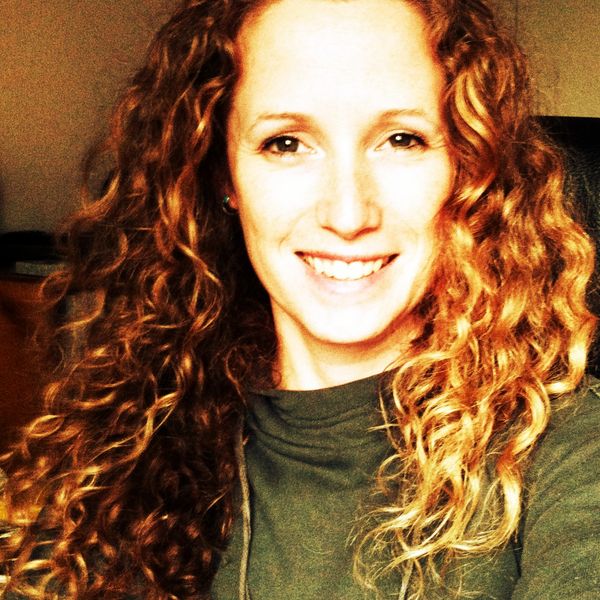
Tracey Revenson, PhD, is a Professor of Psychology at Hunter College and the Graduate Center of the City University of New York (CUNY). She holds a BA from Yale University in Theatre and Psychology, a PhD in Psychology from New York University, and postdoctoral training in Social Ecology from the University of California, Irvine. Her research focuses on stress, coping processes, and social support in the context of chronic illness, emphasizing the influence of gender, race/ethnicity, and socioeconomic status. She leads the CHiC (Coping and Health in Context) Lab, investigating psychosocial adaptation in families facing illnesses like cancer and rheumatoid arthritis. Education: Bachelor of Arts: Yale University (Theatre and Psychology) PhD: New York University (Psychology) Postdoctoral Training: University of California, Irvine (Social Ecology) Her research adopts a social-ecological perspective, examining how contextual factors shape health outcomes. Key areas include decision-making in cancer care, disparities in healthcare experiences, and interventions to improve coping. She has published over 200 peer-reviewed articles and co-authored/co-edited 13 books, including major handbooks in health psychology. Research Projects: NIH-funded studies on decision tools for Latinx cancer patients regarding tumor genetic profiling. Investigations into stress and adjustment among younger adults with blood cancers. Qualitative studies on cultural beliefs and exercise adherence in Bengali families with hypertension. Awards: Nathan Perry Award for Career Contributions to Health Psychology (2013) Fellowships in multiple societies: APA, Society for Behavioral Medicine, European Health Psychology Society Mentoring awards from Society for Health Psychology and Society for Behavioral Medicine Editorial Roles: Editor-in-Chief of Annals of Behavioral Medicine Past Editor-in-Chief of International Journal of Behavioral Medicine CHiC Lab: Focuses on brief interventions to enhance quality of life in chronic illness, including sleep hygiene programs and studies on skin disease stigma. The lab actively recruits research assistants with coursework in health psychology or disparities.