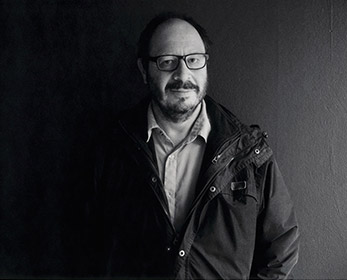
Dr. Erik Billing is a researcher at the University of Skövde , actively contributing to the School of Informatics and affiliated with the Interaction Lab (ILAB) . His work focuses on human-robot interaction (HRI), cognitive ergonomics, and extended reality (XR) applications in industrial and educational contexts. Research Pillars : Human-Robot Interaction, Cognitive Ergonomics, Eye-Tracking, Virtual/Augmented Reality, Digital Human Modeling Key Projects : RO-LIV (social robots for elderly), EWASS (industrial HRI), OKAVIM (XR competency) Funding : Supported by AFA Insurance and Vinnova grants His recent work includes investigating body language in social robots, expectation formation in HRI, and gaze-based worker behavior prediction. Dr. Billing serves as editor for SweCog conference proceedings and contributes to VR/XR motor learning research.
Meredith Ringel Morris serves as Director for Human-AI Interaction Research at Google DeepMind and holds dual Affiliate Professor appointments at the University of Washington in the Paul G. Allen School of Computer Science & Engineering and the Information School. Previously, she directed Google's People + AI Research team and founded Microsoft Research's Ability group as Sr. Principal Researcher leading Interaction, Accessibility, and Mixed Reality initiatives. Her educational foundation includes a Sc.B. in Computer Science from Brown University and M.S./Ph.D. degrees in Computer Science from Stanford University, where her dissertation Supporting Effective Interaction with Tabletop Groupware pioneered surface computing research. Morris is a globally recognized leader in Human-Computer Interaction and Human-AI Interaction , with transformative contributions to accessibility technologies , social computing , and ethical AI frameworks . Her work spans collaborative web search systems (founding the field with SearchTogether), user-defined gesture methodologies adopted industry-wide, and accessible AI applications for blind users, people with dyslexia, and AAC device users. Current research critically examines generative AI's societal impact while developing human-centered interaction paradigms. Recent publications reveal accelerating focus on AI ethics , human-AGI interaction frameworks , and accessibility-specific AI applications , with generative models increasingly central to solving communication barriers for diverse user groups while addressing alignment challenges. Her scientific recognition includes: ACM Fellow designation ACM SIGCHI Academy membership Lasting Impact Award (ACM ISS 2016) Technology Review's 35 Innovators Under 35 Morris has co-taught University of Washington courses including Input and Interaction (2012) and organized seminal events like the UW-MSR Summer Institute on Expanding Accessibility Research. Her research leadership spans conference chair roles (CSCW General Chair), editorial boards (TOCHI), and steering committees (CHI/CSCW), supported by industry funding yielding over 100 publications and 20+ patents influencing Microsoft and Google product ecosystems. She founded Microsoft Research's Ability group focusing on inclusive design and currently leads Google DeepMind's human-AI interaction research, directing projects including Generative Ghosts (AI afterlives), LaMPost (dyslexia writing assistant), and alt text systems for AI-generated imagery, with ongoing collaboration through UW's dub research consortium.
Thorleif Harder is a Researcher at the Technical University of Applied Sciences Lübeck , affiliated with the Institute of Interactive Systems. Since 2023, he has focused on human-computer interaction and user-centered design in online learning environments , particularly through the development of learner dashboards and digital nudges to enhance self-regulation and educational outcomes .
Dr. Jakub Dotlacil is an Associate Professor at the Institute for Language Sciences and an Assistant Professor in the Department of Languages, Literature and Communication at Utrecht University . His research bridges language, logic, and information with a focus on computational and cognitive modeling. Research Themes : Incremental language interpretation, presupposition resolution, cue-based retrieval, eye-tracking experiments, and artificial intelligence applications in linguistics. Grants : Principal Investigator for an ERC Consolidator Grant and co-PI for an NWO Vrije Competitie Grant . Teaching : Involved in MSc Artificial Intelligence , BSc Artificial Intelligence , and BA Linguistics programs. Publications highlight trends in psycholinguistics , computational modeling , and semantic-cognitive integration . His work connects linguistic theory to cognitive processing via eye-tracking and ACT-R simulations . Scientific Awards ERC Consolidator Grant NWO Vrije Competitie Grant Advising : Supervises PhD students Li Kloostra , Philine Link , TIjn Schmitz , and Jan Winkowski , with co-supervision from Leendert van Maanen and Rick Nouwen . Collaborates on projects like the Computational Linguistics group and pyactr package development.
Dr Toby Ellmers is a Research Fellow in the Department of Brain Sciences at Imperial College London's Faculty of Medicine. His research explores how psychological factors influence motor control, particularly in balance and gait, with applications in neuropsychological and human movement science techniques. PhD in Psychology (Brunel University London, 2019) Postdoctoral Researcher, Brunel Department of Life Sciences ESRC Postdoctoral Fellow, University of Exeter Research Interests : Psychological impacts on motor control, visuomotor control in aging populations, neuropsychological techniques (EEG, EMG), eye-tracking, 3D motion analysis, force plates. Current work focuses on attentional factors in dizziness and self-motion perception. Scientific Awards : Vice Chancellor's Award for Outstanding Doctoral Research (2019) Wellcome Trust Sir Henry Wellcome Fellowship (2021) Affiliations : Neuromuscular Rehabilitation Technology Network.
Annabel Wolf is a Scientific Associate and Researcher at the Department of Educational Sciences at the Technical University of Munich (TUM) , working with the Chair of Teaching and Learning with Digital Media since November 2024. Her role involves exploring digital media applications in education. Bachelor's Degree: Educational Science (BA) from Leopold Franzens University, Innsbruck, Austria Master's Degree: Research on Teaching and Learning (M.Ed.) at TUM Annabel's research focuses on virtual reality (VR) in education , particularly how immersive environments and coherence formation affect learning. She utilizes eye-tracking data to develop pedagogical dashboards for informing teaching strategies. Her work intersects educational technology and cognitive science . Her recent publication in 2024 on Immersive VR learning environments examines how environmental details impact coherence formation. This aligns with the department’s broader focus on digital learning tools and interactive educational technologies .
Beryl Jones is an Assistant Professor in the Department of Entomology at the University of Kentucky's Martin-Gatton College of Agriculture, Food and Environment. Her research focuses on the genomics of socio-behavioral plasticity in wild bees, integrating behavior, ecology, and modern computational biology approaches to understand phenotypic complexity evolution. She serves as both a Career and Professional Mentor and Research Mentor for students. Dr. Jones received her educational training through: B.S. in Ecology and Evolutionary Biology, Biochemistry, University of Arizona, 2011 Ph.D. in Ecology, Evolution, and Conservation Biology, University of Illinois at Urbana-Champaign, 2019 Her research program centers on social insects as models for evolutionary transitions and phenotypic plasticity. The Jones Lab specifically studies sweat bees (Halictidae) which exhibit remarkable plasticity within and across species, repeated gains and losses of social traits, and newly developed genomic resources. Her work integrates behavioral ecology with computational biology and genomics to understand the mechanisms behind phenotypic complexity. This research has implications for understanding evolutionary transitions, social behavior development, and the genetic basis of plasticity across developmental and evolutionary timescales. Analysis of Dr. Jones' publication record reveals a consistent focus on the genomics of social behavior in bees, with particular attention to sweat bees as model organisms. Her work spans molecular, physiological, and behavioral levels, connecting gene regulatory networks to social phenotypes. Recent research has increasingly incorporated advanced computational methods including AI and machine learning for behavioral tracking. Her publications span high-impact journals across evolutionary biology, genomics, and entomology, reflecting the interdisciplinary nature of her work. Dr. Jones has received numerous scientific awards throughout her career: George C. Eickwort Student Research Award (IUSSI-NAS) 2019 Robert Emerson Memorial Award (UIUC) 2018 NSF Graduate Research Fellowship 2012-2015 Illinois Distinguished Fellowship 2012-2018 Multiple undergraduate research awards including the Barry M. Goldwater Fellowship Dr. Jones actively mentors students and has served as a Teaching Assistant, Guest Lecturer, and Lecturer for various courses including Bioinformatics and Bees and Beekeeping. She is currently recruiting M.S. and Ph.D. students for her lab. Her research has been supported by multiple grants including NSF funding and institutional fellowships. Dr. Jones has also served on graduate admissions committees, organized conferences, and participated in peer review for numerous journals. The Jones Lab focuses on the genomics of socio-behavioral plasticity in wild bees, particularly sweat bees in the family Halictidae. The lab integrates behavioral ecology with computational biology and genomics to understand the evolution and development of phenotypic complexity. Current research examines how social traits evolve and are maintained through genetic and environmental interactions, with particular attention to facultatively eusocial species that can switch between solitary and social behaviors.
Tanja Müller is a Postdoctoral Researcher (Research Fellow) at the Department of Economics, University of Zurich, where she contributes to the Neuroeconomics and Social Neuroscience Group at the Zurich Center for Neuroeconomics. Her interdisciplinary work bridges neuroscience, psychology, and economics to investigate effort-based decision mechanisms. Her academic journey includes: Bachelor's in Psychology from the University of Freiburg, Germany International M.Sc. in Neuro-Cognitive Psychology from Ludwig-Maximilians-University Munich, with a visiting term at the University of Oxford DPhil (PhD) in Experimental Psychology from the University of Oxford Dr. Müller's research centers on Experimental Psychology, Cognitive Neuroscience, and Neuroeconomics, with specialized focus on fatigue dynamics and effort valuation. She employs computational modeling, fMRI, and pharmacological manipulations to dissect how momentary fatigue states influence motivation and choices in both healthy populations and Parkinson's disease patients. Her methodology integrates trial-by-trial self-reports with novel decision paradigms to capture real-time cognitive processes. Analysis of her publications (2016-2025) reveals a cohesive trajectory toward computational neuroeconomics. She pioneered frameworks linking physical/cognitive fatigue to decision biases, with increasing sophistication in modeling moment-to-moment effort dynamics. Her work consistently bridges clinical applications (e.g., Parkinson's disease) and fundamental mechanisms, emphasizing computational psychiatry approaches to motivational states. Scientific recognition: No specific awards documented in current sources Regarding academic mentoring and funding, available information indicates no formal advisees. Her research is likely supported through the Zurich Center for Neuroeconomics infrastructure, though specific grants remain unlisted in public profiles. Current activities suggest active collaboration within interdisciplinary neuroscience teams. She operates within the Neuroeconomics and Social Neuroscience Group, which fosters cross-departmental work between economics, neuroscience, and psychology researchers. This environment enables integration of economic modeling with neural data acquisition and clinical insights, particularly regarding effort-cost computations in decision circuits.
Decky Aspandi is a Researcher at Universitat Stuttgart in the Analytic Computing department. He holds a Ph.D. in Information and Communication Technologies from Universitat Pompeu Fabra, Barcelona, an M.Sc. in Computer Engineering from King Mongkuts University of Technology Thonburi, and a Bachelor in Computer Science from University of Mulawarman. Research Focus: Machine Learning, Deep Learning, Computer Vision, Affective Computing, Temporal Modeling, and Human-Computer Interaction. Teaching Experience: Teaching Fellow at Universitat Stuttgart (2022-2023, 2021-2022), Universitat Pompeu Fabra (2017-2020), and University of Mulawarman (2009-2013). Key Publications: 14 recent works on topics including eye-gaze prediction, facial alignment, lie detection, and affective computing applications.
Dr. Lindsay Vickery is a Senior Lecturer and coordinator of the Composition and Music Technology Program at the Western Australian Academy of Performing Arts (WAAPA), part of Edith Cowan University. He has been active as a composer and performer globally since 1986, working across acoustic and electronic mediums in interactive, improvised, and fully notated settings. Education: Master of Music, University of Western Australia Doctor of Philosophy, Queensland University of Technology (2013) Research Interests: Vickery specializes in screenscores , interactive music systems, non-linear formal structures, new media integration, poly-tempo music, alternate controllers, and music analysis. His work bridges technological innovation with experimental composition techniques. Article Trends: His recent publications focus on digital notation systems, networked performance environments, and the intersection of visual and sonic representation. Key themes include the evolution of Cage's variations into digital formats, hybrid acoustic-electronic composition, and interactive score technologies. Scientific Awards: Sounds Australian Award (1989) Churchill Fellowship for electronic music research (1995) Australian Major Festivals Initiative Seeding Grant (2001) Supervision & Grants: He supervises PhD and Master's students in topics like deconstructed bassoon technique, meditative sonic praxis, and hybrid cultural composition. He has secured over $400,000 in grants from institutions like the Australia Council for the Arts, Feilman Foundation, and Nortel Networks. Performance & Collaborations: Vickery has performed at festivals including ISEA, SWR Tage für Neue Musik, and Shanghai International Arts Festival. He co-founded ensembles like Alea New Music Ensemble and Decibel, and has collaborated with artists such as Cat Hope and Stuart James on over 50 creative outputs since 2001.
Muhammad Mudassar Yamin serves as an Associate Professor in the Department of Information Security and Communication Technology at the Norwegian University of Science and Technology (NTNU), Gjøvik campus. His academic work spans cybersecurity research, artificial intelligence applications, and cyber range development, with significant contributions to security exercise frameworks and adversarial machine learning. His research interests focus on Cybersecurity , particularly in cyber ranges, security assurance, and AI-driven threat detection. Key areas include Kill Chain analysis, adversarial machine learning for hate speech detection, and security exercise scenario generation. Recent work demonstrates increasing integration of large language models for cybersecurity training and multilingual threat detection systems. Yamin's publication trends show consistent output in top cybersecurity venues, with recent emphasis on AI applications for security (2022-2025). His work bridges theoretical frameworks and practical implementations, particularly in cyber range technologies and threat intelligence systems. Collaborations with researchers like Basel Katt and Ehtesham Hashmi appear frequently across publications. He teaches courses including IIK3100 - Ethical Hacking and Penetration Testing and TTM4175 - Introduction to Cyber Security and Data Communication, reflecting his expertise in practical security education. His doctoral thesis (2022) focused on modeling and analyzing attack-defense scenarios for cyber ranges, establishing the foundation for his current research trajectory.
Dr. Eugene McSorley is a Professor in the Department of Psychology within the School of Psychology and Clinical Language Sciences at the University of Reading. His research program integrates cognitive psychology, neuroscience, and visual perception through advanced eye-tracking methodologies. With over 40 publications spanning two decades, he maintains active collaborations across psychology, geoscience, and clinical disciplines. His research focuses on the cognitive mechanisms underlying visual attention and oculomotor control. Key areas include: Saccadic eye movement programming and inhibition Interactions between visual attention and decision-making Effects of uncertainty and emotional content on gaze behavior Applications in art perception and risk communication His work demonstrates how motivational relevance and contextual factors guide visual exploration across diverse domains. Recent publications reveal evolving research trajectories toward uncertainty processing in geoscience communication and clinical applications of eye-tracking. His 2023-2025 work examines how expertise modulates visual attention during uncertainty interpretation, while clinical studies investigate intolerance of uncertainty's impact on threat-related gaze patterns. This demonstrates consistent methodological innovation applied to both fundamental cognitive questions and real-world contexts. Professor McSorley maintains extensive interdisciplinary collaborations, particularly with researchers at Reading's Department of Meteorology (e.g., Charlton-Perez, Williams) and clinical psychology groups. His work bridges basic oculomotor research with applications in art cognition, anxiety disorders, and scientific communication.
Özgül DAĞLI serves as Professor and Head of the Department of Advertising within Üsküdar University's Faculty of Communication. Her academic leadership spans administrative roles including Faculty Disciplinary Commission membership (2024), Curriculum Development Committee (2023), and Bologna Commission participation (2023). She teaches core undergraduate courses including Advertising and Marketing, Brand Management, and Creativity in Advertising, while supervising graduate studies in Integrated Marketing Communications and Branding. Licence (Anadolu University, 1999) Degree (Anadolu University, 2002) Doctorate (Anadolu University, 2008) Associate Professor (Üsküdar University, 2017) Professor DAĞLI's research centers on neuromarketing applications, integrated marketing communications, and consumer behavior analysis. Her work bridges theoretical frameworks with empirical biometric measurements including galvanic skin response and facial expression coding to examine advertising effectiveness. Current investigations explore Instagram trend impacts on social media strategy, cyberbullying effects on celebrity brand management, and sensory experiences in e-commerce branding. Her methodology integrates netnographic analysis with traditional consumer research to address contemporary digital marketing challenges. Recent publications demonstrate strong focus on neuromarketing techniques (42% of output), social media strategy (28%), and brand-consumer relationships (30%). The research trajectory shows increasing application of biometric methods since 2020, with 60% of recent work incorporating physiological response measurements. Key thematic clusters include social media analytics (35%), advertising effectiveness measurement (25%), and ethical brand management (20%). Member of Science Advisory Board of Interaction magazine (2024) Professor DAĞLI has supervised five master's theses between 2020-2024, all examining neuromarketing applications in digital contexts. Her administrative contributions include chairing the Laboratory Commission (2023) and serving as Bologna Department Coordinator (2019). Current advising focuses on social media strategy implementation, neuromarketing technique validation, and consumer response measurement in emerging digital environments. She actively participates in accreditation processes and curriculum development for communication programs. Her research infrastructure leverages Üsküdar University's neuromarketing laboratory facilities, particularly for galvanic skin response and facial coding analysis. Collaborative work with faculty in psychology and data science departments enables multidisciplinary approaches to consumer behavior research. Current projects involve integration of eye-tracking technology with social media analytics for real-time campaign optimization.
Doris Braun serves as a Senior Scientist in the Department of General Psychology within the Faculty of Psychology and Sports Science at Justus Liebig University Giessen, Germany. Holding a PhD from Albert-Ludwigs-Universität Freiburg (1991), she maintains an active research profile with publications spanning over three decades in visual perception and oculomotor control. Education: Dr. rer. nat (1991), Albert-Ludwigs-Universität Freiburg, Faculty of Biology. Dissertation: "Saccadic reaction times in patients with frontal and parietal lesions" Research Focus: Dr. Braun investigates how voluntary eye movements modulate visual perception, specializing in smooth pursuit and saccadic dynamics. Her work examines luminance/color sensitivity during eye movements, age-related changes in visual processing, and art/sports perception in naturalistic contexts. She employs psychophysical methods with patient populations to uncover neural mechanisms linking eye movements to perceptual stability. Publication Trends: Recent research (2022-2018) reveals increasing emphasis on naturalistic vision applications—studying ice hockey spectators' predictive gaze and abstract art viewing—while maintaining core investigations into fundamental oculomotor-perceptual interactions. Her collaborative work with Prof. Gegenfurtner dominates vision science journals, with consistent exploration of how eye movement execution alters motion perception, speed discrimination, and chromatic processing. Scientific Recognition: No formal awards documented in source material Mentorship & Resources: As a senior researcher, she supervises graduate students within the General Psychology department's vision science group. Her work receives institutional support through university laboratory resources and likely external grants from German research foundations (DFG), though specific funding details aren't public. She actively contributes to departmental teaching in perception and neuroscience courses. Research Environment: Dr. Braun operates within the university's vision research laboratory equipped for eye-tracking and psychophysical experiments, collaborating with interdisciplinary teams including neuroscientists, sports scientists, and art cognition researchers. Her work bridges basic vision science with clinical neuropsychology and real-world visual behavior applications.
Dr. Braj Bhushan is a Professor in the Department of Humanities and Social Sciences at the Indian Institute of Technology Kanpur (IIT Kanpur), where he has established himself as a significant contributor to the fields of cognitive neuropsychology, cognitive factors in design, and trauma psychology. Dr. Bhushan's educational background includes: PhD from BRAB University, Muzaffarpur (2003) M.A. from Banaras Hindu University, Varanasi (1995) B.A. from Banaras Hindu University, Varanasi (1993) His research focuses on the intersection of cognitive processes, psychological factors in design, and trauma-related phenomena. Dr. Bhushan has conducted cross-cultural studies examining bereavement, coping mechanisms, and posttraumatic growth among diverse populations including tsunami relief volunteers and Tibetan refugees. His work on the neuropsychological basis of self and other-oriented abilities has contributed to understanding cognitive processing in individuals with traumatic brain injury. Dr. Bhushan's research demonstrates a pattern of interdisciplinary inquiry that bridges psychology with practical applications in design and trauma intervention. His publications span multiple journals including The International Journal of Visual Design, Journal of Loss & Trauma, Journal of Social Work in End-Of-Life & Palliative Care, and Mental Health, Religion & Culture, reflecting the breadth of his scholarly impact across psychological subdisciplines. Dr. Bhushan has received significant recognition for his scholarly work: Our Common Future Fellowship (2010) from Volkswagen Stiftung, Germany Abstract Award (2008) from International Association for Suicide Prevention In Search of Excellence' Award (2004) from IAAP and NAOP-I Young Scientist Award (2002) from Indian Science Congress Association B.H.U. Merit and Prize Award (1991) from Banaras Hindu University As a faculty member at IIT Kanpur, Dr. Bhushan contributes to the academic community through his research publications, teaching in the Department of Humanities and Social Sciences, and participation in the institution's scholarly environment. His interdisciplinary approach bridges psychology with design and trauma studies, making significant contributions to both theoretical understanding and practical applications in these fields.