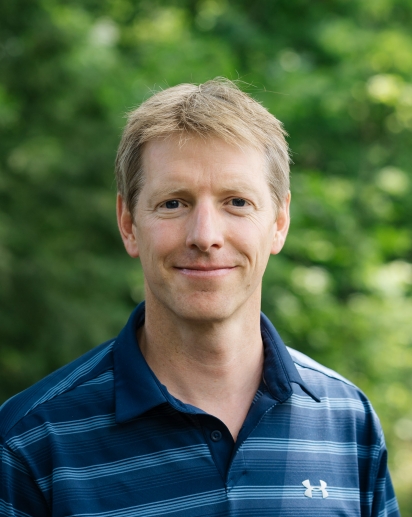
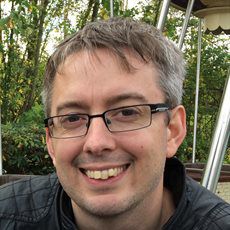
Erich Osterberg is a Professor of Earth Sciences at Dartmouth College. He holds a B.A. from Middlebury College (1999), M.S. from University of Otago (2001), and Ph.D. from University of Maine (2007). His research focuses on paleoclimatology, climate dynamics, atmospheric chemistry, and snow/ice chemistry, using ice cores and modern data to study climate change and air pollution impacts. Key research themes include long-term climate records (50–50,000 years), extreme weather events, and community-driven climate resilience strategies. Recent publications address industrial pollution's role in subarctic climate systems, future streamflow changes in the northeastern US, and isotope analysis of Greenland ice cores. Osterberg teaches courses such as EARS 2 (Earth and Life Evolution), EARS 14 (Meteorology), EARS 78 (Climate Dynamics), and EARS 203 (Scientific Writing). His work emphasizes interdisciplinary collaboration with local communities to enhance adaptation to climate hazards like flooding and drought.
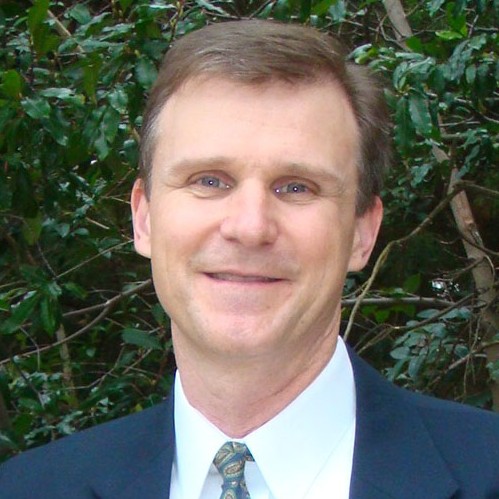
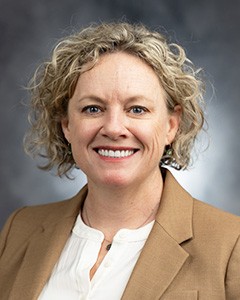
Dr. Gary Lackmann is a Professor and Head at North Carolina State University, specializing in synoptic meteorology and numerical modeling of high-impact weather systems. He has held prior roles at the US Naval Postgraduate School, NOAA’s Pacific Marine Environmental Laboratory, and private-sector consulting. His research focuses on tropical/extratropical cyclones, convective storms, and climate change impacts on weather dynamics. He teaches at both undergraduate and graduate levels, emphasizing storm dynamics and model development. Education: PhD in Atmospheric Science from SUNY Albany (1995), MS and BS in Atmospheric Science from University of Washington (1989, 1986). Research Interests: Dynamics and prediction of high-impact weather, including cold-air damming and diabatic processes’ role in storm behavior. His group explores how warming alters storm dynamics, with recent work highlighted in Nature Climate Change . Key themes include thermodynamic contributions to precipitation changes in TCs and atmospheric river predictability. Articles collectively address climate change’s role in intensifying extreme weather, improving numerical models, and understanding TC landfall impacts. His work bridges theory, observation, and high-resolution modeling to advance forecast accuracy and climate adaptation strategies. Lackmann’s research group emphasizes skill development for students, preparing them for roles in academia and industry. Notable collaborations include studies on Hurricane Helene’s catastrophic inland impacts and future flood risks from tropical cyclones.
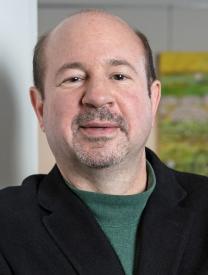
Dr. Kevin Hodges is an active climate scientist and meteorologist specializing in tropical and extratropical cyclones, atmospheric dynamics, and climate modeling. With numerous publications in high-impact journals from 2014 through 2025, his research has significantly contributed to our understanding of weather systems and climate change impacts. Dr. Hodges' research focuses on several key areas of meteorology and climate science: Tropical and extratropical cyclone dynamics and prediction Climate change impacts on extreme weather events Atmospheric circulation patterns and their interactions Regional climate modeling, particularly for monsoons and polar regions Validation and improvement of climate models (including CMIP6 and other frameworks) His work spans multiple geographic regions including the North Atlantic, North Pacific, Southern Ocean, East Asia, and South Africa. Dr. Hodges frequently employs advanced modeling techniques and collaborates with international research teams to investigate complex climate phenomena. Recent research indicates a growing focus on the impacts of climate change on cyclone behavior and extreme precipitation events. Dr. Hodges has contributed to numerous collaborative projects examining the connections between atmospheric circulation patterns, sea ice dynamics, and extreme weather events. His research often bridges fundamental atmospheric science with practical applications for weather forecasting and climate prediction.
Dr. Arathy Menon is a researcher at the University of Reading, specializing in climate science and meteorology with a focus on Indian monsoon dynamics, climate change impacts, and extreme weather events. She has contributed to major field campaigns like INCOMPASS and collaborates with institutions globally to study monsoon processes, atmospheric interactions, and hydrological extremes. Her work addresses monsoon onset/withdrawal mechanisms, midlatitude influences, and climate model validation. Key contributions include analyses of the 2018 Kerala floods, INCOMPASS field campaign findings, and investigations into monsoon moistening and variability. Expertise spans mesoscale meteorology, climate teleconnections, and interdisciplinary climate research. Research highlights include: predicting East Asian precipitation patterns via Silk Road oscillations, modeling monsoon progression mechanisms, and evaluating CMIP-5 projections for monsoon rainfall variability. Her work underscores the role of atmospheric moisture dynamics, land-surface interactions, and midlatitude air masses in shaping monsoon behavior and climatic extremes.
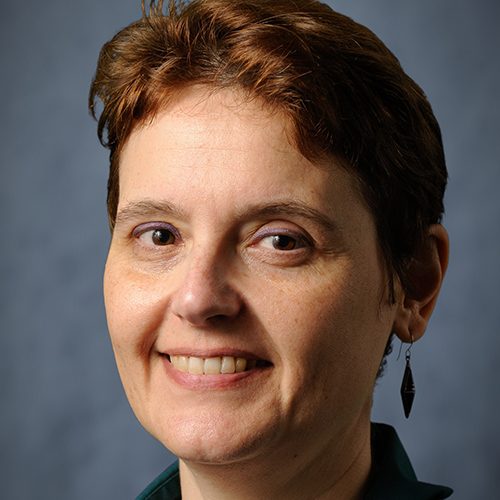
Claudia Stephan is a researcher specializing in climate science and atmospheric dynamics. Her work focuses on understanding precipitation patterns, moisture flux dynamics, and climate variability across East Asia. She collaborates extensively with institutions on global climate modeling and analysis. Research Interests: Climate modeling and simulation East Asian precipitation mechanisms Moisture transport dynamics Interannual/intraseasonal climate variability Stratospheric-atmospheric interactions Her publications consistently analyze rainfall variability drivers, moisture sources, and model performance (e.g., MetUM configurations). Recent work emphasizes horizontal resolution impacts on climate simulations and Silk Road Pattern variability mechanisms.
Dr. Michael Mann is the Presidential Distinguished Professor in the Department of Earth and Environmental Science at the University of Pennsylvania, with a secondary appointment in the Annenberg School for Communication. As Director of the Penn Center for Science, Sustainability and the Media and Vice Provost for Climate Science, Policy, and Action, he leads interdisciplinary efforts in climate research and communication. His work focuses on climate variability, paleoclimate, tropical cyclones, and policy advocacy. Education: Ph.D. (Yale, 1998), M.Phil. (Yale, 1991), A.B. (UC Berkeley, 1989). Awards include the Tyler Prize (2019) and election to the National Academy of Sciences (2020). His research group publishes on ocean warming, climate modeling, and extreme weather patterns. Key contributions include studies on Plio-Pleistocene climate transitions, tropical cyclone prediction, and the societal impacts of climate change. He co-founded RealClimate.org and authored influential books like *The New Climate War*.
Dr Simon Lee is a Lecturer in Atmospheric Science at the University of St Andrews within the School of Earth and Environmental Sciences. He serves as Co-Editor-in-Chief of the Royal Meteorological Society's journal Weather . His research focuses on large-scale atmospheric and climate variability across subseasonal to decadal timescales, particularly stratospheric dynamics and weather regimes. Key areas include stratospheric polar vortex variability, sudden stratospheric warmings, and their impacts on tropospheric weather systems. PhD (2021): Stratosphere-Troposphere Coupling on Subseasonal Timescales , University of Reading MMet (2018): Meteorology and Climate , University of Reading Research highlights include advancing understanding of stratospheric polar vortex dynamics, developing frameworks for subseasonal prediction models, and creating a novel North American weather regime classification system. He actively collaborates with the APARC Stratospheric Network for the Assessment of Predictability (SNAP) steering committee, bridging weather and climate sciences. Public engagement is a priority, with contributions to media platforms like The Conversation . Teaching responsibilities include courses on oceans and atmosphere ( ES3013 ), Earth surface processes ( ES2003 ), and resource challenges ( ES1002 ). His work emphasizes translating scientific findings for stakeholders and the public, with a focus on actionable climate information.
Kai Gao is a Vice Chancellor’s Postdoctoral Research Fellow (Level A) at the School of PCPM, RMIT University. His research focuses on urban climate mitigation, climate change adaptation, and thermal comfort in built environments. Key areas include radiative cooling technologies, green infrastructure, HVAC systems optimization, and the impact of urban planning on heatwaves. Dr. Gao’s work addresses interdisciplinary challenges such as balancing energy efficiency with thermal comfort in high-rise housing, evaluating the efficacy of tree-planting initiatives, and leveraging machine learning for anomaly detection in climate data. His research often combines experimental and numerical methods, with applications in tropical and arid urban settings like Hong Kong and desert cities. No scientific awards or grants are explicitly mentioned in the provided texts. His Google Scholar profile indicates active publication in urban climate science and related engineering fields.
Dr. Vera Melinda Galfi is an Assistant Professor at the Institute for Environmental Studies (IVM) within the Faculty of Science at Vrije Universiteit Amsterdam. Her research focuses on atmospheric dynamics, extreme climate events, and the interplay between Rossby waves and heatwaves. She investigates compound weather hazards, climate variability, and geophysical fluid dynamics through interdisciplinary approaches combining statistical physics and dynamical systems theory. Her work examines phenomena such as Northern Hemisphere heatwaves, cut-off low systems, and teleconnection patterns, with applications to climate change impacts. Galfi collaborates internationally on projects analyzing climate predictability, extreme event statistics, and flood event dynamics. She teaches courses like 'Machine Learning for Graphs' and contributes to advancing climate science through peer-reviewed publications in journals such as Environmental Research Letters and Bulletin of the American Meteorological Society . Her research highlights include identifying Rossby wave roles in spatially compounding heatwaves and advancing understanding of Western European flood events' meteorological drivers. Galfi actively participates in global climate science networks, contributing to both theoretical and applied aspects of climate dynamics.
Prof. Dr. Hab. Mirosław Miętus is affiliated with the University of Gdańsk , specifically within the Faculty of Biology, Geography and Oceanology , and the Department of Meteorology and Climatology . He is a leading expert in climatology and marine meteorology, with extensive contributions to national and international climate research programs. Academic Background: PhD (1995) – Environmental Engineering, Meteorology, Institute of Meteorology and Water Management Dr. Hab. (2000) – Earth Sciences, Oceanology, University of Gdańsk Master’s (1984) – Physics, University of Gdańsk Professor (2013) – Institute of Geography and Spatial Organization, Polish Academy of Sciences Research Interests: His work focuses on climate change , marine meteorology , atmospheric circulation , coastal flooding , and environmental monitoring in the Baltic region. He has pioneered studies on climate variability in Poland, statistical downscaling, and historical climate data analysis. Publication Trends: His recent articles (2012–2016) emphasize climate projections , extreme weather events , Baltic Sea climate , and statistical modeling . Themes include sea level rise, precipitation variability, temperature trends, and the application of downscaling techniques for regional climate assessment. Scientific Awards: Nagroda II stopnia Polskiego Towarzystwa Geofizycznego (2000) Wyróżnienie im. Gabriela Narutowicza (2002) Złota Odznaka PTG (2004) Odznaka „Za zasługi dla ochrony środowiska” (2007, 2009) Dyplom Honorowy za wkład w Nagrodę Nobla dla IPCC (2008) Złoty Krzyż Zasługi (2015) Grants and Leadership: He has led major research projects such as KLIMAT and participated in EU-funded initiatives (THESEUS, LIFE+). He coordinated national efforts in GCOS and served in expert roles for WMO, UNESCO, and IPCC. He has advised on climate policy and data standards in Poland. Scientific Service: Active in numerous councils, including the Scientific Council of IMGW, PAN Committee on Marine Research, and JCOMM Expert Team on Marine Climatology. He has been a reviewer for IPCC and HELCOM assessments.
Dr. Jessica Steinkopf is a Lecturer at the Global Change Institute (GCI), University of the Witwatersrand, Johannesburg, South Africa. She holds a PhD, BSc, and BSc Honours, all from the University of the Witwatersrand. Her research is centered on climate change, historical climatology, and extreme weather events in southern Africa. Research Interests: Dr. Steinkopf's work bridges paleoclimatology and modern climate science, focusing on long-term climate variability, El Niño–Southern Oscillation (ENSO) impacts, and extreme weather attribution. Her research utilizes historical meteorological data, reanalysis models, and high-resolution simulations to understand past and future climate dynamics in southern Africa. She investigates shifts in rainfall patterns, cold front frequency, and the influence of volcanic eruptions and global teleconnections on regional climate. Publication Trends: Her recent publications (2017–2025) reveal a consistent focus on southern African climate, with increasing emphasis on event attribution and future projections. She publishes in high-impact journals across climatology, atmospheric science, and environmental science, demonstrating interdisciplinary engagement. Her work combines data reconstruction, model verification, and climate impact analysis. Email: jessica.steinkopf@wits.ac.za ORCID: 0000-0003-2782-9049 Advising and Grants: While no students or grants are explicitly listed in the provided text, her position as a lecturer and active publication record suggest involvement in postgraduate supervision and research funding acquisition, typical of early-career academics in research-intensive institutes like GCI. Laboratories and Research Groups: Dr. Steinkopf is affiliated with the Global Change Institute, a leading interdisciplinary research center at Wits University focused on climate, sustainability, and environmental change. Her work contributes to regional and global efforts in climate science, historical data rescue, and climate risk assessment.
Professor Nick Kettridge is a faculty member at the University of Birmingham , serving as Head of the School of Geography, Earth and Environmental Sciences . He holds a PhD in Geography (2005) and a BSc in Geography (2002) from the University of Sheffield. Education: PhD Geography, University of Sheffield (2005) BSc Geography, University of Sheffield (2002) His research focuses on ecohydrology , particularly the resilience of peatland ecosystems to natural and anthropogenic disturbances . He investigates how climate change , wildfires , and droughts affect ecosystem services and hydrological processes . His work spans hydrological modeling , carbon cycling , and environmental disturbance in temperate and boreal landscapes . Recent publications analyze fuel moisture dynamics , peatland restoration strategies , fire-climate linkages , and hydrological responses to extreme events . Keywords include Wildfire Science , Peatland Hydrology , Climate-Water Interactions , and Ecosystem Resilience . Contact: n.kettridge@bham.ac.uk | Twitter: @nkettridge | Research Portal: Link
Sue Anne Bell, Ph.D., FNP-BC is an Associate Professor in the Department of Systems, Populations and Leadership at the University of Michigan School of Nursing. She holds affiliations including the NIH Visiting Scholar (2024-2025) and membership on the U.S. Department of Health and Human Services' National Advisory Council on Seniors and Disasters. Her clinical work involves disaster response through the National Disaster Medical System with extensive field deployments. Education highlights include a Ph.D. from the University of Michigan (2014) and a BSN from Florida State University (1997). Her research focuses on disaster impacts on aging populations, healthcare resilience, and emergency care delivery. Notable awards include the 2023 Policy Impact Award and 2022 Civilian Covid Response Medal. Key research interests are organized through structured priorities: Disaster Preparedness & Response Geriatric Emergency Care Health System Resilience Climate Change & Public Health Award-winning work includes policy contributions to disaster preparedness for seniors and frontline nursing advocacy. Recent publications emphasize pandemic challenges in home-based care and disaster-related mortality among dementia patients.
Sandra Yuter is a Professor in the Department of Marine, Earth and Atmospheric Sciences at North Carolina State University. Her research focuses on geospatial analytics and remote sensing to study weather and climate dynamics, particularly in shallow marine clouds and winter storm systems. She leads the Environment Analytics Research Group, which develops large-scale meteorological datasets for AI training and climate modeling applications. Her work includes projects like NASA's IMPACTS campaign analyzing winter storm structures, Office of Naval Research studies on marine boundary layers, and collaborations with the University of Nevada-Reno on climate adaptation for Indigenous communities. Key datasets include Northeast US winter storm radar mosaics (1996-2023) and pressure sensor networks for gravity wave research. Publications (2023-2025) emphasize radar-based analysis of snowfall patterns, pressure wave identification, and microscale updraft dynamics. Her group's tools include weather visualization platforms and educational modules for storm structure analysis. Grants span federal agencies (NASA, NSF) and industry (Delta Air Lines) totaling over $20M in active funding. Current Projects: IMPACTS (2020-2025), Marine Boundary Layer Studies (2021-2026), Tribal Climate Adaptation (2025) Labs/Teams: Environment Analytics Group, Northeast Radar Mosaic Archive, Pressure Wave Sensor Networks
Betsabé de la Barreda-Bautista is a Research Fellow at the University of Nottingham's School of Geography, specializing in remote sensing and environmental change. She has contributed to projects across the UK, Mexico, Sweden, and Belize, focusing on peatlands, permafrost, and sargassum monitoring. Education: PhD in Geography (University of Nottingham, 2012-2017) Masters in Geomatics (CIGA, 2009-2011) PGCert in Geomatics (CIGA, 2007-2009) BSc in Biology (Faculty of Sciences, UNAM, 1999-2006) Her research integrates satellite-based InSAR techniques for geohazard monitoring and climate resilience projects like the Leverhulme ICARUS Belize initiative. She has collaborated with institutions including the University of Leicester and Centro de Investigación en Ciencias de Información Geoespacial. Key scientific contributions include datasets for CORINE Land Cover maps and publications on coastal carbon stocks, tropical precipitation anomalies, and sargassum spectral analysis. She received a 2020 UK Space Agency grant for the SASAMS project. Scientific Recognition: Candidato a Investigador Nacional, Consejo Nacional de Ciencia y Tecnología (2021)