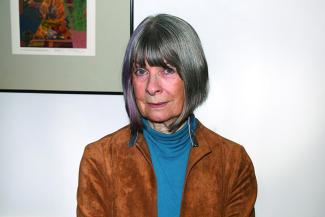
Dean Falk is the Hale G. Smith Professor of Anthropology and Distinguished Research Professor at Florida State University's Department of Anthropology. Her research focuses on paleoneurology, hominin evolution, and the origins of language/music. She earned her Ph.D. in Anthropology from the University of Michigan (1976) and has contributed significantly to understanding brain evolution through fossil endocasts. Notable work includes challenging microcephaly claims about the 'Hobbit' species Homo floresiensis , analyzing Albert Einstein's brain, and exploring the role of motherese in language origins. Falk has published extensively and lectures globally. Her recent projects include collaborating on Hans Asperger's historical letters and advancing studies on bipedalism's impact on fetal development. Her research interests span biological anthropology, fossil hominins, and the evolutionary links between cognition and creativity. She has been featured in Discover magazine and media worldwide, though she is currently not actively recruiting students. Upcoming talks include a 2025 lecture series in Austria and collaborative work on translating Asperger's correspondence.
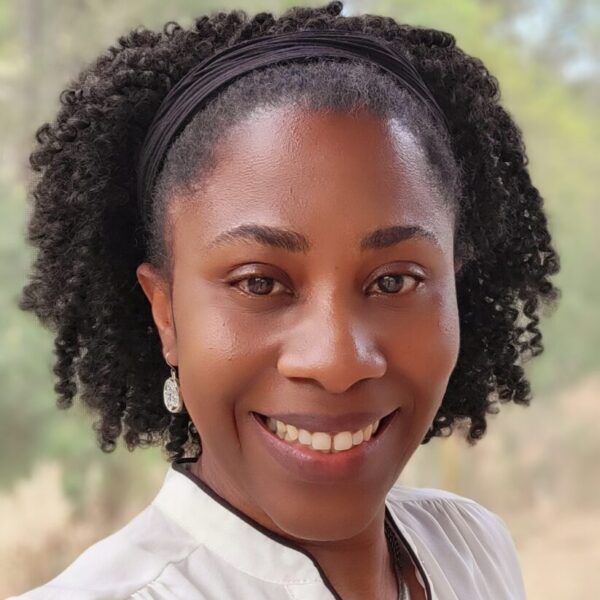
Keriayn Smith, PhD, is an Associate Professor in the Department of Genetics at the University of North Carolina School of Medicine and holds a concurrent appointment as an Associate Professor in the School of Data Science and Society. Her research focuses on non-coding RNAs, particularly long noncoding RNAs (lncRNAs), exploring their roles in cell identity, developmental processes, and disease mechanisms. She has received significant grants, including an NSF award ($665,786) for studying lncRNA functions in yeast and mammalian cells, and a Hypothesis Fund Seed Grant for investigating noncoding RNAs' roles in cell identity. Dr. Smith’s work emphasizes translational applications, such as leveraging lncRNA insights for regenerative medicine and personalized therapies. She leads initiatives like the RNA Discovery Center at UNC Lineberger Comprehensive Cancer Center, promoting diversity in RNA research. Notably, she chairs the Society for Scientific Advancement (SOSA), advocating for STEM accessibility in underserved regions and underrepresented groups. Her grants include a UNC Idea Grant for studying the oncogenic role of lncRNA Cyrano in neuroblastoma and supplemental funding during the pandemic to explore lncRNA roles in stem cell maintenance. Recent articles highlight her contributions to understanding lncRNA networks, epigenetic regulation, and interdisciplinary collaborations in genomics. Awards include the Junior Faculty Development Award from the UNC Provost’s Office, recognizing her project on comparative transcriptomics in ozone-exposure models. Dr. Smith’s research bridges basic science with clinical impact, addressing systemic risks to health through innovative, high-risk projects.
David Kipping is an Associate Professor of Astronomy at Columbia University. His research focuses on exoplanetary systems, particularly the detection of exomoons, stellar dynamics, and astrostatistics. He holds a B.A. and M.Sc. in Natural Sciences from Cambridge University and a Ph.D. from University College London. Before joining Columbia, he was a postdoctoral fellow at Harvard University through the Sagan and Menzel fellowships. His research interests include extrasolar planets, moons, and rings, as well as stellar rotation and granulation. He has pioneered methods for analyzing transit timing variations (TTVs) and detecting exomoons using Kepler and TESS data. Recent work has explored the rapid abiogenesis hypothesis and the orbital stability of planetary systems. Key contributions include the discovery of potential exomoon candidates and the development of tools like the 'Democratic Detrender' for photometric data analysis. His articles emphasize rigorous statistical methods and critique common analytical pitfalls in exoplanet studies. David advises three graduate students: Emily Sanford, Alex Teachey, and Moiya McTier. Though no specific grants or awards are listed, his work is supported through academic and space agency collaborations. His research also touches on SETI and astrobiology, addressing questions about the likelihood of extraterrestrial civilizations.
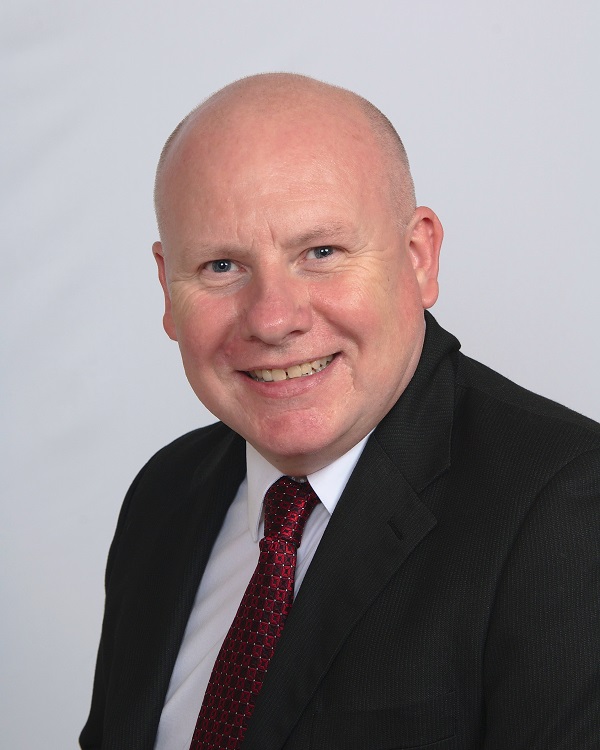
Don Platt is an Associate Professor in the Department of Aerospace, Physics and Space Sciences at Florida Institute of Technology, part of the College of Engineering and Science (COES). He also serves as Director of the Spaceport Education Center. His work focuses on developing advanced avionics, communications systems, rocket propulsion, and astrobiology/biotechnology tools for space exploration. Platt has extensive experience with NASA engineering standards (7150.2A/7120.5) and emphasizes human adaptation to deep space environments, small satellite systems, and interdisciplinary approaches to space challenges. His research spans human deep space exploration , microgravity biotechnology , and high-performance cubesats . Notable projects include the WEISS-SAT1 astrobiology payload and the Virtual Camera system for astronaut-rover collaboration. Platt advocates for integrating human-centered design into space medical infrastructure and risk mitigation systems. Publications (2002–2025) reflect expertise in propulsion systems, astrobiological instrumentation, and space mission design. He has contributed to pioneering work on tissue chip platforms for studying muscle degeneration in space and cooperative AI assistants for deep space missions. Platt's work bridges engineering, biology, and human factors to advance sustainable space exploration technologies. Grants and advising details are not explicitly stated in the provided materials, though his leadership in the Spaceport Education Center suggests active engagement in educational and applied research initiatives. Collaborative projects like UNESCOsat highlight his commitment to global space education and interdisciplinary innovation.
Stephen K. Robinson is a Professor in the Department of Mechanical and Aerospace Engineering at the University of California Davis. His work focuses on turbulence flow physics, experimental techniques, and aerospace applications, with recent emphasis on human-robot interaction, space systems, and autonomous technologies. Research interests include turbulence modeling, advanced instrumentation, 3D visualization, and safety engineering. His work integrates applied aerodynamics with cognitive psychology to address challenges in space exploration, such as haptic interfaces, VR training, and human performance under extreme conditions. Recent publications highlight innovations in spacecraft maintenance, robotic systems, and autonomous glider design. His projects often combine hardware development with simulation tools, such as digital twins and real-time performance metrics for manual spacecraft operations. Robinson collaborates on NASA-related initiatives including EVA training systems, habitat technology, and lunar construction dynamics. He has pioneered solutions for CO2 removal systems, spacesuit glove ergonomics, and radiation-resistant materials for extraterrestrial missions.
Achille GIACOMETTI is a Full Professor at Ca' Foscari University of Venice, affiliated with the Department of Molecular Sciences and Nanosystems and the European Center for Living Technology (ECLT) , where he serves as Director. His research focuses on theoretical physics, soft matter, and biophysics, with a strong emphasis on polymer physics, protein structures, and self-assembly processes. Key roles include leadership at ECLT, a multidisciplinary research center exploring living technology and complex systems. His work bridges physics and biology, addressing topics like phase transitions in colloids, solvent effects on polymers, and computational modeling of protein interactions. Recent projects include studies on crystalline order in charged rods, embodied intelligence in soft materials, and solvent-driven oligomer folding. Publications highlight contributions to understanding polymeric systems, phase behavior, and nanoscale self-assembly. Collaborative efforts span international partners, reflecting his commitment to interdisciplinary research. No awards explicitly listed, but his extensive publication record underscores academic impact.
Kenneth W Wisian is a Lecturer in the Department of Earth and Planetary Sciences at the Jackson School of Geosciences, The University of Texas at Austin. He concurrently serves as Associate Director of the Environmental Division at the Bureau of Economic Geology, a Research Scientist at the Center for Space Research (Cockrell School of Engineering), and holds affiliations with the Department of Aerospace Engineering and Engineering Mechanics. His roles include leadership in geothermal energy research, disaster response, and space exploration. Educational Background: Wisian earned a Ph.D. in Geophysics from Southern Methodist University, an M.S. in Strategic Studies from the U.S. Army War College, an M.S. in Geology from Centenary College, and a B.A. in Physics from The University of Texas at Austin. His military career includes service as a Major General in the U.S. Air Force, specializing in reconnaissance, combat leadership, and test piloting. Research Focus: Wisian’s primary research revolves around geothermal systems for electricity generation, with additional emphases on infrastructure resilience, disaster management, autonomy/drones, applied gravity studies, planetary geology, and space exploration policy. His work bridges geoscience, defense strategy, and international relations, with contributions to AI applications in crisis leadership and extraterrestrial intelligence studies. Publications & Impact: His recent articles address geothermal resource assessments, heat flow data standardization, and machine learning applications in geothermal well analysis. He also explores interdisciplinary topics like planetary geothermal systems and protocols for extraterrestrial contact, drawing lessons from global crises like the pandemic. Awards & Recognition: Wisian has been awarded the Bronze Star and Air Medal for military service, and is a Fellow of the British Interplanetary Society. His contributions span academic, defense, and space exploration domains, reflecting his cross-disciplinary expertise. Teaching & Leadership: He teaches courses such as “Life in the Universe” and has instructed military history and leadership. Wisian’s leadership roles include commanding the 147th Reconnaissance Wing and directing disaster response efforts for hurricanes and the Space Shuttle Columbia incident. Labs & Collaborations: He participates in the Center for Planetary Systems Habitability and collaborates across institutions to advance geothermal energy, planetary science, and space policy initiatives.
Jan Krumsiek is an Assistant Professor at Weill Cornell Medicine's Graduate School of Medical Sciences, affiliated with both the Physiology, Biophysics & Systems Biology and Computational Biology programs. His research sits at the intersection of metabolism, computational biology, and disease mechanisms. Dr. Krumsiek's research focuses on how metabolism shapes health and disease across multiple conditions including neurodegeneration, cancer, and cardiometabolic disorders. His lab integrates metabolomics, proteomics, transcriptomics, and genomics with computational analysis to reveal actionable biomarkers and elucidate molecular mechanisms. Key ongoing projects investigate tau-related metabolic disruptions in Alzheimer's disease, the impact of dietary interventions on brain health, tumor escape pathways in resistant lymphomas via spatial metabolomics, and microbial biosynthetic clusters as therapeutic opportunities. The lab also utilizes large-scale NMR-based approaches to refine cardiometabolic risk models and investigate metabolic signatures tied to clinical outcomes in conditions like COVID-19. Analysis of Dr. Krumsiek's recent publications (2023-2025) reveals a strong focus on Alzheimer's disease metabolism, with numerous studies examining how dietary interventions, particularly modified Mediterranean ketogenic diets, affect metabolic signatures in neurodegenerative conditions. His work also spans cancer metabolism, space medicine omics, and multi-omics integration methodologies. A notable trend is the application of computational frameworks to analyze complex metabolic data across different disease states and interventions. Dr. Krumsiek leads the Krumsiek Lab, which employs a multidisciplinary approach combining wet-lab metabolomics techniques with advanced computational analysis. The lab's work spans from basic metabolic pathway analysis to clinical applications, with particular emphasis on translating metabolic findings into potential therapeutic interventions.
A.J. Hidding is a researcher at the Faculty of Architecture and the Built Environment , Delft University of Technology. Their work focuses on integrating robotics, artificial intelligence, and sustainable design principles to develop innovative solutions for off-Earth habitat systems and terrestrial architectural applications. Active in robotics, design engineering, and human-robot interaction Key contributions to Mars habitat construction and AI-supported ambient control systems Recipient of Best Paper Award at FICTA 2024 (2024) Co-developer of the Rhizome project for autonomous off-Earth construction (2021) Collaborates with robotics experts, aerospace engineers, and AI researchers Their research output demonstrates a convergence of robotics , artificial intelligence , and sustainable architecture , with particular emphasis on collaborative robotic systems , adaptive environments , and planetary colonization . Recent publications explore computer vision integration, AI-supported human-building interaction, and robotic manufacturing for extraterrestrial habitats. Scientific awards include: Best Paper Award at FICTA 2024 Rhizome Project Recognition (2021) As part of their research, Hidding collaborates with interdisciplinary teams on projects like the Rhizome initiative, which aims to create autarkic design-to-robotic systems for off-Earth habitats. Their work has been featured in international conferences and peer-reviewed journals, with notable mentions in news media and social platforms like X.
Joseph Baker is a Professor of Chemistry at The College of New Jersey (TCNJ), where he leads the Baker Computational Chemistry Lab within the School of Science. His research focuses on Computational Biochemistry , Molecular Dynamics Simulations , and Biophysics , with an emphasis on bacterial adhesion pili, protein structure-function relationships, and High Performance Computing (ELSA Cluster) . He earned his Ph.D. in Physics from the University of Arizona in 2011. Research Interests : Computational modeling of biomolecular systems, protein mechanics, bacterial surface structures, AI-driven peptide design, and biomechanical stability. Recent Trends : His 2025–2024 publications highlight collaborations with students on histatin-5 interactions, SARS-CoV-2 nanobodies, and force-induced pilus dynamics using tools like ProteinMPNN and Martini coarse-grained simulations. Scientific Recognition includes multiple MUSE Awards , the Barbara Meyers Pelson Award , and the American Chemical Society Outreach Volunteer of the Year Award . He mentors undergraduate and graduate students, including Giovanny Parada , and has secured over $2 million in grants from NSF , NASA , and NIH to study protein resilience and enhance computational infrastructure.
Prof. Gerald Steinbauer-Wagner is an Associate Professor at TU Graz's Institute of Software Engineering and Artificial Intelligence. He specializes in autonomous intelligent systems, focusing on decision-making architectures for robots in uncertain environments. His research integrates software engineering, AI, and robotics to develop reliable systems for applications in disaster response, planetary exploration, and industrial automation. Research Interests: Steinbauer-Wagner's work addresses challenges such as robot navigation in unstructured terrains, human-robot collaboration, and trustworthiness in autonomous systems. Key areas include explainable AI, fault diagnosis, and multi-robot coordination. His team explores solutions for off-road robotics, collective perception, and certification of autonomous systems. Recent Projects: Current initiatives include developing autonomous systems for subterranean rescue missions (ROBO-MOLE), optimizing robot localization using machine learning, and creating educational frameworks for AI literacy in schools. His group also contributes to the RoboCup Logistics League and planetary exploration cascades through analog missions like AMADEE-20. Awards & Recognition: No specific awards listed, but his work has been recognized through extensive publications in top venues like IEEE/RSJ IROS, ICRA, and RoboCup symposiums. Lab & Teams: Leads the Autonomous Intelligent Systems (AIS) research group at TU Graz, collaborating with industry partners like the Smart Factory. His team develops integrated robot systems for production, logistics, and disaster response scenarios.
L. Peternel is a Robotics researcher at Delft University of Technology's Faculty of Mechanical, Maritime and Materials Engineering, specializing in Human-Robot Interaction and Rehabilitation Robotics. With 56 research outputs including conference contributions, journal articles, and patents, Peternel leads cutting-edge work in impedance control, teleoperation, and collaborative robotics applications spanning medical rehabilitation, off-Earth habitat construction, and service robotics. Research focuses on developing advanced control frameworks enabling natural human-robot collaboration. Key areas include impedance-based teleoperation systems, human motor control-inspired co-manipulation strategies, and biomechanics-aware robotic physiotherapy. Recent work explores quadruped navigation, supermarket service robots with LLM interfaces, and off-Earth habitat construction systems that integrate computer vision with human-robot teamwork. Publications demonstrate strong emphasis on practical implementations with real-world impact across medical, industrial, and extraterrestrial environments. Article trends reveal consistent focus on physical human-robot interaction mechanisms, particularly impedance control methodologies and safety-critical applications. The research portfolio spans rehabilitation robotics (shoulder therapy systems), collaborative construction (off-Earth habitats), and service robotics (supermarket assistants), with increasing integration of AI and computer vision components in recent years. Best Paper Award at FICTA 2024 for Computer Vision- and Human-Robot Interaction-Supported Assembly Finalist Best Interactive Paper Award at Humanoids 2023 for robotic shoulder rehabilitation work Peternel leads the Rhizome project developing autonomous systems for off-Earth habitat construction and collaborates extensively across disciplines including biomechanics, computer science, and aerospace engineering. Media coverage including the Dutch press feature "Een robot als collega" highlights real-world impact of this research. Supervised work includes PhD candidates in robotics, with ongoing projects focusing on patient-centered rehabilitation systems and autonomous construction robotics for space applications.
Nikolaus Troje is a **Full Professor** in the **Department of Biology** at **York University**, affiliated with the **Faculty of Science**. He leads the **BioMotion Lab**, focusing on sensorimotor processes underlying perception, particularly biological motion, face recognition, and virtual reality applications. His work bridges philosophy, computer science, and neuroscience, addressing questions about embodied cognition and perceptual reality. **Research Interests**: Troje studies visual perception, multisensory integration, and spatial awareness using advanced techniques like motion capture and VR. His lab develops tools for analyzing gait patterns, body motion, and the psychological impact of virtual environments. Key themes include how humans perceive agents, process motion cues, and experience self-ownership in virtual spaces. **Articles Trends**: Recent publications emphasize **virtual reality design flaws** (e.g., Zoom’s eye contact issues), **biological motion perception** in congenitally blind individuals, and **applied VR for therapy and training**. He explores interdisciplinary topics like gait analysis in schizophrenia and musical cognition. **Advising & Labs**: Troje supervises graduate students in **Biology**, **EECS**, and **Psychology** programs. The BioMotion Lab collaborates across disciplines, aiming to improve animation, gesture recognition, and VR applications. No scientific awards are explicitly mentioned in the text.
Dimitri Basov is a Professor in the Department of Physics at the University of California, San Diego. He leads a research group focused on the infrared nano-optics of quantum materials, employing advanced near-field spectroscopic techniques to explore novel electronic phenomena. Department: Department of Physics University: University of California, San Diego School: College of Letters and Science Research Interests: Basov's research spans strongly correlated electron systems, graphene plasmonics, topological insulators, superconductivity, and the development of infrared nano-spectroscopy. His work emphasizes the electrodynamics of quantum materials, particularly using scattering-type scanning near-field optical microscopy (s-SNOM) to achieve nanoscale resolution at cryogenic temperatures. Key areas include Dirac plasmons in graphene, phase transitions in vanadium dioxide, and charge dynamics in 2D materials. Publication Trends: His most recent publications highlight a strong focus on polaritons in van der Waals materials, ultrafast dynamics in quantum systems, and the integration of machine learning with nanoscale imaging. The research combines experimental innovation with deep theoretical insight into correlated electron behavior and light-matter interactions at the nanoscale. Scientific Awards: NSF Career Award Alfred P. Sloan Fellow Cottrell Fellow Ludwig Genzel Prize Fellow, American Physical Society Humboldt Research Award Frank Isakson Prize for Optical Effects in Solids Gordon and Betty Moore Investigator in Quantum Materials Advising and Grants: Basov leads a major research group at UCSD and has secured significant funding from national and international sources, including the Gordon and Betty Moore Foundation. He mentors numerous graduate students and postdoctoral researchers, fostering interdisciplinary research at the intersection of condensed matter physics, optics, and materials science. Labs and Teams: He directs the Infrared Nano-Optics of Quantum Materials research group, which operates state-of-the-art facilities for near-field infrared imaging and ultrafast spectroscopy. The team collaborates widely across institutions and disciplines, advancing the frontier of nanoscale quantum material characterization.
Dr. Ou Ma is the Alan B. Shepard Chair Professor at the University of Cincinnati's College of Engineering and Applied Science (CEAS), Department of Aerospace Engineering. He leads the Intelligent Robotics and Autonomous Systems (IRAS) Lab, focusing on space robotics, autonomous systems, and machine learning. His academic career includes roles as John Nakayama Chair Professor (NMSU) and visiting positions at Tsinghua University and the German Aerospace Center (DLR). Education: B.Sc. (Zhejiang University), M.Eng. and Ph.D. (McGill University). Research interests span space robotics autonomy, multibody dynamics, human-robot interaction, and intelligent systems. Over 300 peer-reviewed publications and 20+ patents highlight contributions to robotics control, orbital mechanics, and biomedical applications. Notable grants include Air Force-funded projects on space servicing technologies, NASA initiatives for CubeSat systems, and Ohio Department of Higher Education robotics grants. Awards include the Distinguished Researcher Award (2024) and recognition for technical innovation in robotics simulation. Lab activities include developing autonomous lunar infrastructure systems (CableCat), CubeSat testbeds (HABSat), and robotics for on-orbit servicing. Collaborations span industry (Martian Sky Industries) and government agencies (AFRL, ONR).