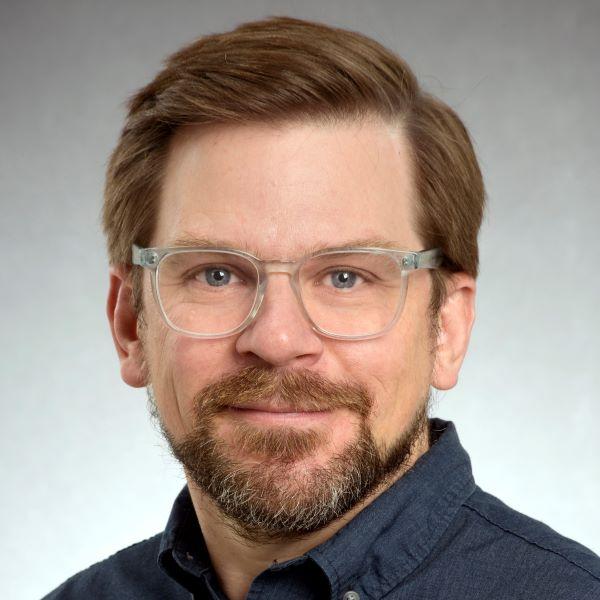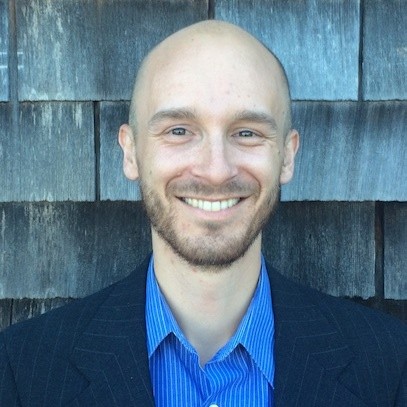
J. Alejandro Artiga-Purcell serves as Assistant Professor in the Department of Communication Studies within San Jose State University's College of Social Sciences, where his interdisciplinary work bridges environmental communication, political ecology, and social movement studies to interrogate power dynamics in extractive industries across Central America and California. Education Ph.D. in Environmental Studies, UC Santa Cruz M.A. in Development Studies, International Institute of Social Studies, Erasmus University Rotterdam B.A. in Environmental Studies & Psychology, Bowdoin College His research centers on the discursive politics of extractivism, examining how El Salvador achieved the world's first national metal mining ban while analyzing the criminalization of environmental defenders and entanglements between mining opposition and broader water justice struggles. Artiga-Purcell investigates how "clean energy" transitions in California's Salton Sea region co-opt resistance discourses and disproportionately impact marginalized communities, employing decolonial frameworks to expose erasures in sustainable development narratives. His methodology prioritizes participatory research with frontline communities to develop coalition-based alternatives to extractive economies. Recent publications (2021-2024) reveal evolving analytical frameworks tracing entangled extractivisms across Latin America, with key contributions on disaster capitalism during the pandemic, variegated geographies of anti-mining politics, and hydrosocial conflicts in Salvadoran extractive territories. His scholarship consistently centers Central American water justice movements while expanding comparative analysis to California's lithium extraction frontiers. Artiga-Purcell actively collaborates with Salvadoran environmental NGOs and California-based organizations like Coachella Valley community groups, translating research into advocacy that has informed U.S. diplomatic channels and Salvadoran judicial authorities. His climate justice pedagogy integrates engaged scholarship into undergraduate communication curricula, reflecting commitments to student agency and emotional well-being in ecological crisis education. He has organized international forums connecting indigenous leaders, activists, and researchers to develop transnational alternatives to extractive development.