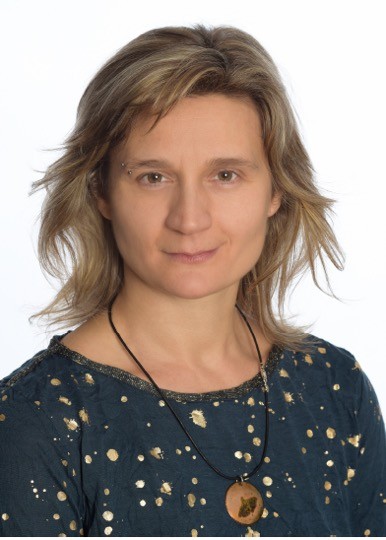
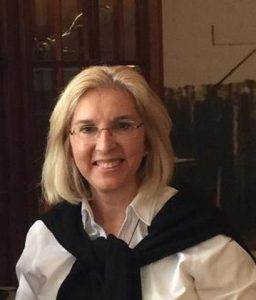
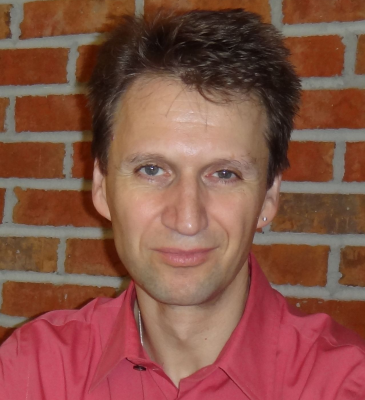
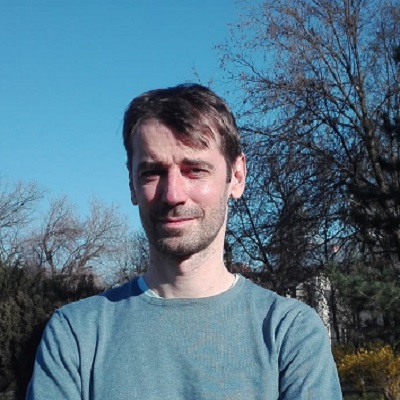
Megan Arnot is an Honorary Research Fellow in the Department of Anthropology at University College London (UCL), having previously served as an Associate Lecturer (Teaching) in Evolutionary Anthropology (2021-2023). She concurrently holds a non-academic position as Senior Statistician at the UK Department for Education since December 2023. Her academic career at UCL began with undergraduate studies in 2013, culminating in an ESRC-BBSRC funded PhD. Her educational background includes: PhD in Biological Anthropology, University College London (2017-2021) MSci in Human Sciences and Evolution, University College London (2013-2017) Arnot's research focuses on human behavioural ecology and evolutionary anthropology, specializing in life history theory, reproductive decision-making, and post-reproductive lifespan evolution. Her work examines menopause timing and symptoms through reproductive conflict, social support mechanisms, and ecological influences. She extends evolutionary frameworks to contemporary issues including pandemic behavior, childlessness patterns, and health inequalities across diverse populations. Her publication record demonstrates strong interdisciplinary integration across anthropology, public health, and social sciences. Key thematic clusters include menopause evolution (exploring timing, symptoms, and facultative variation), life course body composition (analyzing socioeconomic determinants in childhood/adulthood), and mental health perceptions. The research consistently applies evolutionary theory to empirical data from longitudinal studies and cross-cultural contexts, particularly emphasizing women's health and social determinants of well-being.
Dr. Brendon Boudinot serves as the Head of Entomology II at the Senckenberg Society for Nature Research, leading research in evolutionary and systematic morphology with a focus on insects, particularly ants. His work integrates advanced techniques like micro-CT scanning and phylogenetic statistics to study insect anatomy and evolutionary history. Dr. Boudinot is known for his contributions to understanding ant evolution through fossil analysis, including seminal studies on Cretaceous ants and their morphological adaptations. His research spans formicidae systematics, fossil insect morphology, and the evolutionary origins of parasitoid wasps and other hexapods. He frequently publishes in peer-reviewed journals and collaborates on interdisciplinary projects involving amber fossils, as seen in his co-hosting of the podcast 'Weird Species' discussing entomological curiosities. Dr. Boudinot’s expertise also extends to insect genital homology, functional morphology, and the application of phenomics in entomology. His work bridges paleontology and modern systematics, providing critical insights into the biodiversity of Mesozoic insects and their descendants.
Roles and Affiliations: Diana Santelia is a Privatdozent/Researcher at ETH Zürich's Department of Environmental Systems Science, affiliated with the Institute of Integrative Biology. She leads the Plant Molecular Physiology research group, focusing on carbohydrate metabolism in plants. She holds a senior scientist position and has been a habilitated lecturer since 2019, teaching molecular biology to Food Science and Environmental Sciences students. Education: BSc in Agricultural Sciences, University of Milan (2001) PhD in Molecular Plant Physiology, University of Zürich (2002–2006) Postdoctoral Researcher at ETH Zürich (2006–2011) Independent Group Leader at University of Zürich (2012–2019) Senior Scientist at ETH Zürich (2019–present) Research Interests: Her work centers on starch and sugar metabolism in guard cells and mesophyll tissues, particularly their roles in plant productivity, stress tolerance, and environmental responses. She uses Arabidopsis thaliana as a model and extends findings to crops like barley and tomato. Key areas include: Guard cell photosynthesis and stomatal movement regulation Starch granule formation and thylakoid membrane interactions Carbon allocation under abiotic stress Publications and Grants: Over 40 peer-reviewed articles since 2006, including work on thylakoid architecture, guard cell metabolism, and stress responses. Funded by Swiss National Science Foundation grants (e.g., 182570, 219583) for projects on starch metabolism and stomatal physiology. Teaching and Labs: Leads courses in molecular biology and contributes to plant environmental physiology workshops. Her lab develops tools like StomataPy for high-throughput phenotyping and collaborates internationally on plant stress adaptation.
Vassiliki Betty Smocovitis is a Professor in the University of Florida with joint appointments in the Departments of Biology and History . She is affiliated with the Biodiversity Institute , Department of Gender, Sexuality, and Women’s Studies , and Center for European Studies . Her academic journey began with a Bachelor of Science (Honours) in Biology from the University of Western Ontario and a Ph.D. in Ecology and Evolutionary Biology with a focus on History and Philosophy of Science and Technology from Cornell University (1988). Professor of Zoology and History (merged to Biology) Coeditor-in-Chief, Journal of the History of Biology President, International Society for the History, Philosophy and Social Studies of Biology (ISHPSSB) Smocovitis specializes in the history, philosophy, and sociology of 20th-century biological sciences , particularly evolutionary biology, genetics, systematics, ecology, and biological anthropology. She has made significant contributions to understanding the evolutionary synthesis , the history of American botany, and the intersection of race, gender, and science . Her research spans the historiography of science, scientific societies, and biographical studies. Her recent publications include analyses of the evolutionary synthesis , inclusivity in botany, and historical perspectives on evolutionary theory. She has held editorial roles at major journals and book series, including New Dictionary for the History of Ideas , Encyclopedia of Evolutionary Biology , and Studies in Botanical History . Her awards include the Joseph H. Hazen Education Prize (2012), UF Distinguished Alumni Professorship (2009-2011), and Outstanding University Teaching Award (1997). She has served as a visiting scholar in Poland , Greece , and Papua New Guinea , and was a Phi Beta Kappa Visiting Scholar in 2008-2009. Her work bridges biology and society , science and culture , and evolutionary theory with humanistic contexts.
Richard Watson is a Professor at the University of Southampton, where he conducts interdisciplinary research bridging evolutionary biology and computer science. His work explores fundamental questions about life, learning, evolution, cognition, and the emergence of complex systems. He is a member of the Agents, Interaction and Complexity research group and the Institute for Life Sciences. His primary research interests include evolutionary biology, computer science, evolutionary transitions in individuality, developmental plasticity, and collective intelligence. He investigates how adaptive systems, from biological evolution to artificial intelligence, exhibit goal-directed behavior and self-organization. His work often employs computational models to understand the principles underlying the evolution of complexity and the emergence of individuality. Recent publications (2019-2024) demonstrate a consistent focus on the intersection of evolutionary theory and computational approaches. His work explores how evolution and development interact to produce adaptive complexity, with particular attention to the role of plasticity, collective intelligence, and multi-scale organization. Key themes include the evolutionary transitions in individuality, the mechanisms of natural induction without selection, and the application of connectionist models to biological systems. Professor Watson currently supervises the following PhD student: Daniel James Sidney Bright (PhD Computer Science) His research is supported by grants from the following sponsors: Engineering and Physical Sciences Research Council (EPSRC) for the PhD Plus Scheme John Templeton Foundation for projects including "Putting the Extended Evolutionary Synthesis to the Test" and "The scaling-up of purpose in evolution (evo-ego)" He is an active member of the Agents, Interaction and Complexity research group within the Institute for Life Sciences at the University of Southampton. His collaborative projects involve interdisciplinary teams, including researchers from biology, computer science, and engineering, focusing on microbial community engineering, computational modeling of biofilms, and the role of developmental plasticity in speciation.
Luciano Lavagno is a prominent academic in computer science and engineering, specializing in asynchronous circuit design, logic synthesis, and embedded systems. He has collaborated extensively with researchers like Alberto Sangiovanni-Vincentelli, Joaquim Cortadella, and Alex Yakovlev. Key contributions: Hazard-free asynchronous circuits, STG manipulation, FPGA synthesis frameworks Research focus: Formal verification, design methodologies, hardware-software co-design His publications from 1991–2025 demonstrate sustained innovation in asynchronous control logic, embedded system validation, and machine learning hardware acceleration. Notable works include SIS (sequential synthesis) and Petrify (asynchronous controller tool). While his 2018 DiracDeltaNet work extended into neural network optimization, his core expertise remains rooted in formal methods for circuit design.
Pierre Stallforth is Professor of Bioorganic Chemistry and Paleobiotechnology at Friedrich Schiller University Jena and Deputy Director of the Leibniz Institute for Natural Product Research and Infection Biology – Hans Knöll Institute (Leibniz-HKI) since 2022. He also heads the Department of Paleobiotechnology at Leibniz-HKI, a position he has held since 2020. His research bridges ancient and modern microbiology to discover novel natural products with potential therapeutic applications. Dr. Stallforth's research focuses on paleobiotechnology—exploring natural products from prehistoric microbiomes—and understanding microbial predator-prey interactions. His work combines ancient DNA analysis with modern molecular biology to resurrect ancient biosynthetic pathways and discover novel compounds. He investigates polymicrobial communities, particularly amoebae-bacteria interactions, and studies polyketides in Dictyostelium discoideum . His innovative approach adds a temporal dimension to natural product discovery, searching for molecules that have disappeared from modern ecosystems but could hold keys to new antibiotics. His recent publications reveal a strong trend toward interdisciplinary research combining paleogenomics, chemical ecology, and molecular biology. The work spans from fundamental studies of microbial interactions to applied research on antibiotic discovery, with a particular emphasis on how bacteria defend themselves against predators through specialized metabolites. His group has made significant contributions to understanding the chemical language of microbial communities and how this informs new approaches to combating antibiotic resistance. 2024 Medac Research Award 2023 Medac Research Award 2020 Academy of Sciences Göttingen, Academy Prize for Chemistry 2019 DECHEMA Research Award Natural Product Research 2018 Medac Research Award and Best Talk Prize at Bioorganic Symposium 2016 Medac Research Award PNAS Cozzarelli Prize 2021 for paper on bacterial cooperation Professor Stallforth actively mentors doctoral researchers in his department, with current students including Harikumar R Suma, Raed Nachawati, and Kevin Schlabach. His group collaborates extensively with Prof. Christina Warinner from the Max Planck Institute for Evolutionary Anthropology and Harvard University on paleobiotechnology projects. The Stallforth lab has secured significant funding through fellowships including the Feodor Lynen-postdoc fellowship, Swiss National Fund Postdoc fellowship, and Daimler and Benz Foundation fellowship, supporting innovative research at the intersection of ancient and modern microbiology. The Stallforth lab maintains a vibrant research environment with numerous postdocs, PhD students, and technical staff working on cutting-edge projects in paleobiotechnology and microbial interactions. The team utilizes advanced equipment including PCR machines, fluorescence microscopes, HPLC/LC-MS systems, and protein purification systems to investigate natural product biosynthesis and microbial ecology. Their collaborative approach extends to multiple departments within Leibniz-HKI and international partners, fostering a dynamic research ecosystem focused on discovering novel bioactive compounds from both ancient and contemporary microbial sources.
Dr. Joost Keuskamp is a Researcher at Utrecht University's Faculty of Science, Department of Environmental Biology, specializing in Ecology and Biodiversity. He holds the position of Senior Researcher within the Ecology & Biodiversity group. His work focuses on carbon cycling, soil science, and ecosystem processes, with particular emphasis on decomposition dynamics in diverse ecosystems, including mangroves, peatlands, and alpine environments. Keuskamp has developed the Tea Bag Index , a standardized method to assess litter decomposition rates globally, which has been validated and extended to termite-rich and aquatic environments. His research interests include carbon sequestration, climate change impacts, and the role of microorganisms in nutrient cycling. He has contributed to over 20 peer-reviewed publications, exploring topics such as mangrove decomposition, phytoplankton stoichiometry under climate change, and microbial community responses to environmental stressors. Keuskamp's doctoral thesis (2014) investigated decomposition and soil carbon sequestration in mangrove ecosystems. He has presented his work at international conferences, including Soil Science for the Future (Austria) and SOM presquile de Giens (France). His research aligns with the Pathways to Sustainability (PtS) initiative. Key projects include European-scale modeling of groundwater denitrification and collaborations on global wood decay rates influenced by termites. Keuskamp's lab is located at the Hugo R. Kruyt Building in Utrecht.
Prof Kevin Lala is a Professor in the School of Biology at the University of St Andrews, where he leads the Laland Lab. He holds affiliations with the Centre for Biological Diversity, Institute of Behavioural and Neural Sciences, and Centre for Social Learning & Cognitive Evolution. His academic qualifications include a Ph.D. in Psychology from University College London and a B.Sc. in Psychology from the University of Southampton. Prof Lala’s research focuses on animal social learning, niche construction theory, and human cognitive evolution. Key areas include the evolution of intelligence in primates, the role of cultural inheritance in shaping biological evolution, and the interplay between genes and culture. His work integrates experimental studies with mathematical modeling, contributing to the Extended Evolutionary Synthesis framework. Recent publications emphasize global patterns of avian nesting behavior, the impact of anthropogenic environments on wildlife, and the refinement paradox in cumulative cultural evolution. His work has been recognized through prestigious awards like the PROSE Award for Biological Science (2018) and the British Psychological Society’s Best Academic Book Prize (2017). Prof Lala supervises PhD students Sven Kasser and Lucas Mathieu. He has led major research projects funded by the John Templeton Foundation, including studies on gene-culture coevolution and niche construction. His contributions extend to science communication, with articles in New Scientist and popular books like Darwin’s Unfinished Symphony . Prof Lala actively participates in academic activities, including keynote lectures at Darwin Day Celebrations and workshops on evolutionary theory. His research lab hosts international collaborations and produces datasets for non-human primate neuroimaging, advancing comparative studies in cognitive evolution.
Professor Jarosław Arabas is a distinguished academic at Warsaw University of Technology's Faculty of Electronics and Information Technology, currently serving as Head of the Division of Artificial Intelligence (since 2024) and previously as Director of the Institute of Computer Science (2016-2024). His institutional leadership includes roles as Head of the Scientific Council for Information and Communications Technology and Head of the Faculty Council Committee on Research since 2009. His educational background includes M.Sc. (1993), PhD (1996), and D.Sc. (2006) degrees. Key research areas span Evolutionary Computation, Global Optimization, Artificial Intelligence, Neural Networks, Decision Making Under Uncertainty, Smart Grids, and Energy Markets. His work demonstrates strong interdisciplinary connections between computational methods and energy systems applications. Analysis of his 15 most recent publications reveals dominant trends in surrogate-assisted optimization, particularly for JADE and CMA-ES algorithms, with significant focus on step-size adaptation, matrix-free implementations, and performance benchmarking. His research consistently bridges theoretical algorithm development with practical applications in energy markets and smart grid systems, while maintaining strong contributions to evolutionary computation theory. Rector's Award in Science (2020) Rector's Award in Education (2021) Professor Arabas has supervised 50 promoted theses and led 15 research projects, demonstrating exceptional mentorship capacity. His leadership extends to directing the Institute of Computer Science and heading the Artificial Intelligence Division. Current research activities involve the Zespół Metaheurystycznych Metod Optymalizacji i Ich Zastosowań (Metaheuristic Optimization Methods and Their Applications Team), which he leads, alongside membership in the Koło Naukowe Sztucznej Inteligencji 'GOLEM' (Scientific Circle of Artificial Intelligence).
Morten Peter Meldal is a distinguished Professor of Chemistry at the University of Copenhagen's Department of Chemistry, where he has been a faculty member since 2011. He also serves as the head of the Center of Evolutionary Chemical Biology and was previously the Vice-Institute Director of Teaching (2019-2020). His academic career includes leadership roles at the Carlsberg Laboratory as Professor & Director of the SPOCC Centre (1988-2011). Dr. Meldal's educational background features a PhD in Organic Chemistry from the Technical University of Denmark (1983), an M.Sc. in Chemical Engineering from DTU (1981), and postdoctoral training at Cambridge University and the H. C. Ørsted Institute at the University of Copenhagen. Meldal's research spans multiple cutting-edge fields at the intersection of chemistry and biology. His pioneering work in combinatorial chemistry and click chemistry has revolutionized chemical biology approaches. He has made seminal contributions to peptide synthesis, polymer chemistry, organic synthesis automation, and the development of artificial receptors and enzymes. His expertise extends to nano-scale analytical techniques including MS and NMR, biomolecular recognition, enzyme activity studies, cellular assays, and molecular immunology. The breadth of his research portfolio demonstrates his ability to bridge fundamental chemical principles with biological applications, particularly in developing novel tools for biomedical research. His specialties include computational chemistry, chemical biology, organic chemistry, polymer science, combinatorial chemistry, enzymology, protein chemistry, GPCRs, structural chemistry, immunology, molecular recognition, catalysis, and nanomaterials. His recent publications reveal a strong focus on Alzheimer's disease research, particularly on $$\text{A}\beta$$ peptide behavior and potential therapeutic interventions. There's also significant work on proteinase activity monitoring, peptide synthesis methodologies, and sustainable chemistry approaches. These publications demonstrate continued innovation in applying chemical principles to address challenging biological questions, particularly in neurodegenerative diseases and protease-related pathologies. Dr. Meldal's scientific excellence has been recognized with numerous prestigious awards: Nobel Prize in Chemistry (2022) Vincent du Vigneaud Award, American Peptide Society (2011) Ralph F. Hirschmann Award, American Chemical Society (2009) Niels Bjerrum Gold Medal in Chemistry, Denmark (1996) The Leonidas Zervas Award, European Peptide Society (1996) Throughout his career, Meldal has secured substantial research funding from major organizations including the Lundbeck Foundation, Novo Nordisk Foundation, Danish National Research Foundation, Danish Cancer Society, and various EU research programs. He has founded multiple companies including Combio A/S (2000), Versamatrix A/S (2002), and Betamab APS (2019), where he serves as CSO. His leadership extends to founding the Society of Combinatorial Sciences and organizing major international symposia in peptide research, including the 31st European Peptide Symposium (2010). Meldal leads a dynamic research group focused on evolutionary chemical biology, with particular emphasis on developing novel chemical tools and methodologies. His Center of Evolutionary Chemical Biology serves as a hub for interdisciplinary research bridging chemistry, biology, and medicine. He has published more than 300 publications, holds 21 patents, and has mentored numerous students and researchers throughout his career. His work on click chemistry has had profound implications across multiple scientific disciplines, earning him the highest recognition in science with the 2022 Nobel Prize in Chemistry.
Alexander Ivanovich Legalov is a Professor at the Department of Software Engineering within the Faculty of Computer Science at the National Research University Higher School of Economics (HSE). He has been working at HSE since 2020, bringing 47 years of scientific and teaching experience to his role. Prior to joining HSE, he served as a Professor at the Siberian Federal University from 2006 to 2020. Professor Legalov earned his Candidate of Technical Sciences degree in 1983 and was awarded the academic title of Associate Professor in 1987. He achieved the Doctor of Technical Sciences degree in 2005 and was granted the academic title of Professor in 2007. His educational background includes a specialization in "Design and production of radio equipment" with the qualification of "Engineer-designer-technologist of radio equipment" from the Krasnoyarsk Polytechnic Institute in 1978. Professor Legalov's research focuses on programming technologies, particularly architecture-independent parallel programming and evolutionary software development. His work explores innovative approaches to parallel programming, including procedural-parametric programming paradigms and functional-dataflow models. He has made significant contributions to language design and transformation, particularly in extending C language capabilities and developing tools for parallel program development. His research demonstrates a consistent trajectory toward creating more flexible and efficient programming paradigms that can adapt to different architectural constraints. HSE University Honorary Diploma (May 2025) Gratitude from the Faculty of Computer Science, National Research University Higher School of Economics (August 2022) Badge of honor "For the development of students' research work" (October 2006) Professor Legalov actively supervises student research, currently guiding Kosov P.V. in dissertation research for the degree of candidate of sciences on "Language and instrumental means of evolutionary development of programs based on the procedural-parametric programming paradigm." He teaches courses on Computer Architecture and Operating Systems for second-year students in the Software Engineering bachelor's program at HSE. Professor Legalov participates in editorial boards of several scientific journals, including "Systems Management, Communications and Security" since 2017, and "Reports of the Russian Academy of Higher School Sciences" since 2010. His technical contributions include multiple registered software programs for functional-dataflow parallel programming languages.
Dr. Samuel Duncan is a Researcher in Biological Chemistry and Drug Discovery with an h-index of 17. His work focuses on parasitic protozoan biochemistry, particularly Trypanosoma brucei and Leishmania species. Key research themes include glycosylation processes, GPI-anchored proteins, and molecular manipulation of parasitic organisms. Specialized in glycosyltransferase function and GPI anchor biology Active in parasitic membrane dynamics and receptor-mediated uptake Developed gene disruption techniques for trypanosomatid pathogens Research outputs (2019-2024) span molecular parasitology, enzymology, and lipid metabolism. Collaborations extend across biochemistry, molecular biology, and immunology domains. Current affiliations indicate ongoing research activity without formal teaching responsibilities. No awards or educational background details were found in available records.
Klaus Mueller is a Professor in the Computer Science Department at Stony Brook University , with additional appointments in Biomedical Engineering and Radiology. He serves as Director of the Visual Analytics and Imaging (VAI) Lab, Liaison for the SUNY Korea CS Program, and Interim Chair of the Department of Technology and Society . His career spans roles at Brookhaven National Lab and leadership positions at SUNY Korea. Dr. Mueller earned his PhD in Computer and Information Science (1998), MS in Computer and Information Science (1996), and MS in Biomedical Engineering (1990) from The Ohio State University , alongside a BS in Electrical Engineering (1987) from the Polytechnic University of Ulm, Germany. His research focuses on visual analytics , explainable AI , algorithmic fairness , computational imaging , and medical imaging . He has pioneered GPU-accelerated CT reconstruction techniques, bias mitigation frameworks (e.g., D-BIAS), and tools like DOMINO for causal reasoning. His work bridges data science , human-computer interaction , and medical applications , often integrating large language models for visualization tasks. Recent publications highlight advances in multivariate volume rendering , LLM-driven bias detection , and mDDPM-based medical image synthesis . His articles span IEEE Transactions , Nature Machine Intelligence , and conferences like IEEE VIS and ACM CHI . Award highlights include NSF CAREER (2000), SUNY Chancellor Award (2011), IEEE Golden Core Award (2016, 2022), induction into the National Academy of Inventors (2018), and elevation to IEEE Fellow (2024). He has chaired major conferences and served as Editor-in-Chief of IEEE Transactions on Visualization and Computer Graphics (2019-2022). He teaches graduate and undergraduate courses in visualization , medical imaging , and GPGPU programming , and leads the Visual Analytics Seminar (CSE 648). His lab ( VAI Lab ) fosters interdisciplinary research in GPU-accelerated analytics and ethical AI.
Ciprian Jeler serves as a researcher in the Department of Socio-Human Sciences at the Institute for Interdisciplinary Research, Alexandru Ioan Cuza University of Iasi. His academic profile bridges analytical philosophy of biology and continental philosophical traditions, with concentrated expertise in multilevel selection theory and phenomenological analyses of violence. Dr. Jeler earned his PhD in Philosophy through a joint program between Charles-de-Gaulle University – Lille III (France) and Alexandru Ioan Cuza University of Iasi (Romania). PhD in Philosophy: Charles-de-Gaulle University – Lille III & Alexandru Ioan Cuza University His research program critically examines the conceptual foundations of natural selection across multiple levels of biological organization, interrogating core notions like environment, population, and fitness. He pioneers interdisciplinary connections between continental philosophy (particularly Bergson and Sartre) and evolutionary theory, while developing phenomenological frameworks for understanding violence and analyzing the social implications of modern philosophical thought. This dual focus creates a unique synthesis of analytical precision and continental depth in philosophy of science. Analysis of his recent publication record reveals sustained engagement with multilevel selection theory's conceptual challenges, including environmental homogeneity, trait classification, and drift mechanisms. His scholarship consistently integrates historical-philosophical perspectives with contemporary biological theory, while extending into Sartrean phenomenology of violence and Bergsonian interpretations of evolutionary processes. This interdisciplinary trajectory demonstrates exceptional methodological flexibility across philosophy of biology, history of ideas, and ethical theory. No scientific awards, fellowships, or medals were documented in available sources. While Dr. Jeler maintains an active research profile with numerous publications in leading philosophy of science journals, specific details regarding graduate student supervision, research grants, or funded projects were not provided in current biographical materials. His pre-academic editorial experience informs his rigorous approach to conceptual analysis and scholarly communication. Dr. Jeler operates within the Institute for Interdisciplinary Research framework at Alexandru Ioan Cuza University, which facilitates cross-departmental collaboration. Although no dedicated laboratory or formal research team structure was specified, his work exemplifies the institute's mission of bridging humanities and scientific inquiry through philosophical investigation of biological concepts.