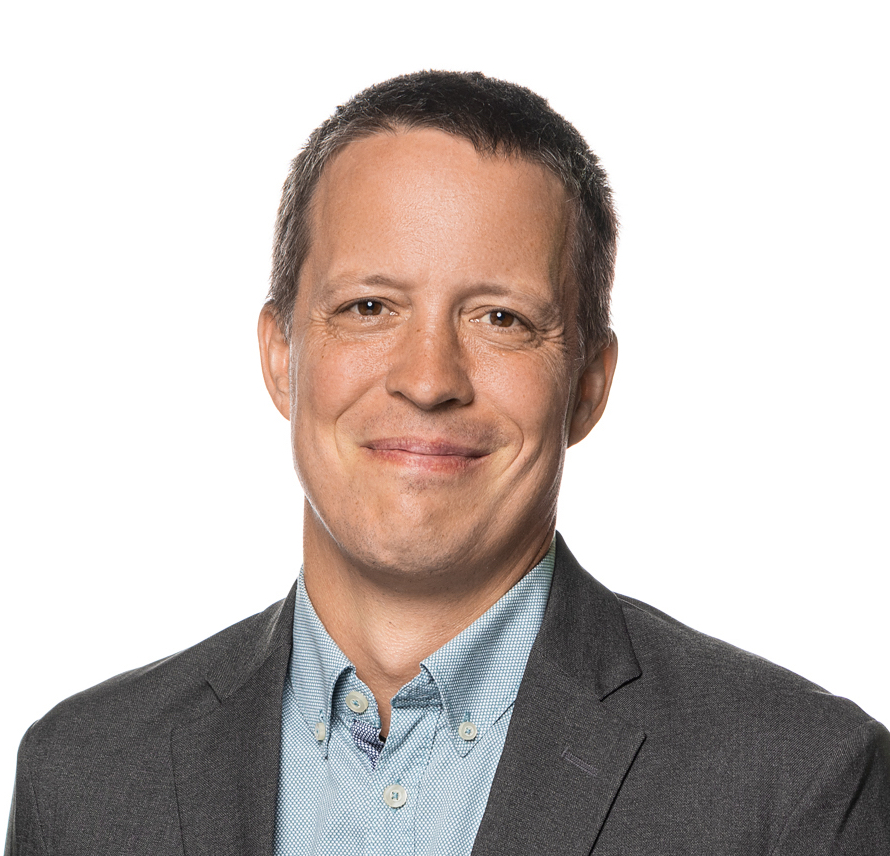
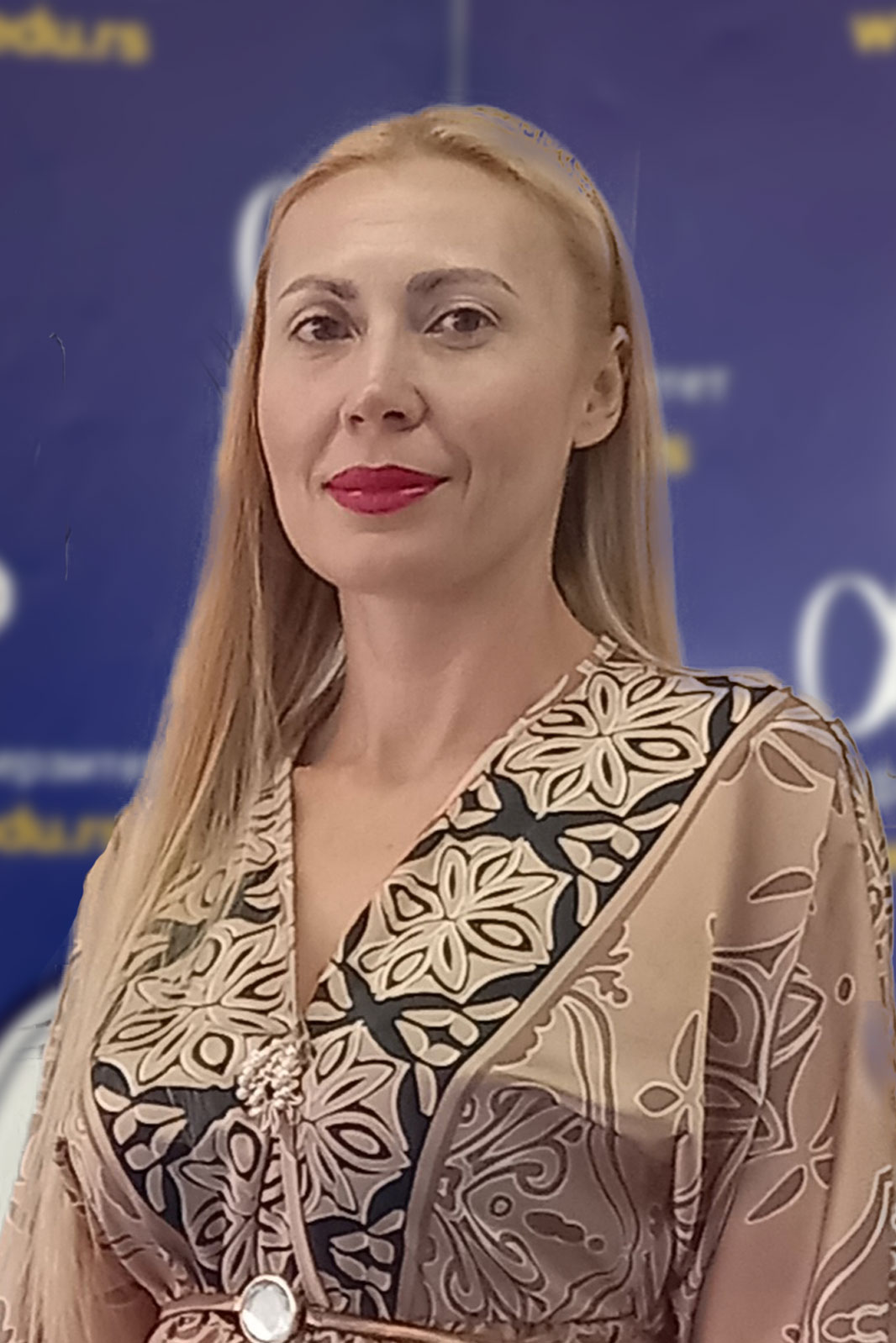
Mustapha Douch is an Associate Professor in Economics at the University of Edinburgh Business School , where he focuses on the intersection of Machine Learning models and economic problems . His research spans international trade , productivity dynamics , non-tariff barriers , and environmental economics . He has held visiting roles at the Bank of Lithuania and Bank of Estonia , and consulted for UNU-WIDER . Education: BS in Economics MSc in Economics MRes in Economics PhD in Economics His research leverages HMRC transaction data and Office of National Statistics databases to analyze firm-level challenges in the UK, including uncertainties , exporting dynamics , and productivity changes . Recent work includes studies on energy intensity , financial fragility in skilled migrants, and Brexit-induced trade impacts . Notable publications include articles in the Journal of Applied Econometrics , Journal of Economic Behavior and Organization , and British Journal of Management . His research has been featured in media outlets discussing UK trade policy and Brexit economics . Consultancy & Collaborations: UNU-WIDER consultant (South Africa’s National Treasury collaboration) Visiting Principal Economist at Bank of Lithuania and Estonia Active in the European Trade Study Group
Reza Etemad is a Professor at EHL Hospitality Business School (part of HES-SO), specializing in marketing and hospitality technology. His research focuses on human-robot interaction, healthcare technologies in elderly care, and the application of technology in service delivery. He has led multiple projects funded by HES-SO and private partners, including studies on service robots' ethical implications, connected health technologies for seniors, and virtual agents in B2B/B2C contexts. Notable achievements include extending the Technology Acceptance Model (TAM) to healthcare and robotic service contexts, analyzing cultural impacts on online shopping risks, and investigating customer perceptions of revenue management practices in restaurants. He has published widely in journals such as International Journal of Hospitality Management and International Journal of Social Robotics , with a focus on bridging technological advancements and human-centric service solutions. Education: BSc in Hospitality from EHL. Key Projects (2010-2021): Led projects totaling over 298,600 CHF, including studies on robot ethics, smart home healthcare, and virtual agent impacts on B2B platforms. Awards: None explicitly listed, though his impactful research has driven industry-relevant insights. Labs/Teams: Collaborates with researchers like Justine Gentinetta and Valentina Clergue on robotics and healthcare tech. Partnerships include Touchmind for B2B digital solutions. Future Work: Expanding studies on AI ethics in service robots, sustainable healthcare technologies, and post-pandemic digital education strategies. His work emphasizes balancing technological innovation with ethical considerations, particularly in preserving human interaction's role in healthcare and hospitality sectors.
Jane Wang is a Professor in the Department of Food Science at the University of Arkansas , where she has served since 1999, progressing from Assistant to Full Professor. She also holds the title of Director of the Experiment Station in the Department of Food Science. Her research focuses on starch structure-functionality relationships , rice quality , and biomaterial utilization , with over 120 refereed publications and 5 patents. Education: B.S. in Agricultural Chemistry (1986) from National Taiwan University , M.S. in Food Science (1989) from the University of Minnesota , and Ph.D. in Food Science (1992) from Iowa State University . Postdoctoral research in starch chemistry at Iowa State University (1993-1994). Research Interests: Jane Wang's work explores starch chemistry, rice processing optimization, and value-added applications of agricultural byproducts. She investigates how starch modifications affect food and pharmaceutical properties, with a particular focus on parboiling, germination, and enzymatic treatments. Her research also examines the impact of environmental factors on rice starch development and quality. Scientific Awards: Outstanding Departmental Research Award (2008) Outstanding Volunteer, IFT Carbohydrate Division (2007) Outstanding Mentor, University of Arkansas (2005) Grants & Professional Service: She has secured over $3M in research funding, including USDA-NIFA grants and industry contracts with more than 50 food companies. Jane has served on numerous academic committees (Patent, Promotion & Tenure, Curriculum) and held leadership roles in professional organizations like IFT and AACC. She has also acted as associate editor for Cereal Chemistry and Carbohydrate Polymers , and reviewed for multiple journals and agencies. Labs & Teams: Dr. Wang leads the Carbohydrate Research Program at the University of Arkansas, focusing on starch structure-functionality, rice fortification, and biomaterial development. Her lab collaborates with industry partners and academic institutions to advance food science applications.
Ryan Sponseller is a Professor at the Department of Ecology and Environmental Science, Umeå University, and serves as Director of Studies. His research focuses on biogeochemical processes in boreal and Arctic ecosystems, particularly stream hydrology, riparian zone dynamics, and climate change impacts. He investigates how human activities, land use changes, and extreme climatic events affect carbon, nitrogen, and dissolved organic matter cycling in freshwater systems. Key research themes include: Carbon dioxide and methane dynamics in streams and lakes Effects of forest management and drought on biogeochemical fluxes Landscape controls on stream network functioning Long-term ecosystem responses to disturbances His work integrates field experiments, long-term monitoring (e.g., Krycklan Catchment Study), and interdisciplinary approaches to address global environmental challenges. Recent studies highlight browning trends, riparian zone heterogeneity, and the role of groundwater-stream interactions in regulating ecosystem processes. Publications emphasize methodological advances in measuring aquatic metabolism and greenhouse gas emissions, while also addressing policy-relevant issues like sustainable forest management and climate mitigation strategies.
Axel Polleres is a full professor at the Institute for Data, Process and Knowledge Management in Vienna University of Economics and Business (WU Wien). He leads the department of Information Systems and Operations Management while maintaining active research in knowledge graphs, semantic web technologies, and ontology engineering. PhD and Habilitation from Vienna University of Technology Former positions at University of Innsbruck, Universidad Rey Juan Carlos, DERI Ireland, and Siemens AG Co-chair of W3C SPARQL working group Editorial board member for Semantic Web Journal and IJSWIS His research focuses on: Querying and reasoning over ontologies Graph schema languages (SHACL, SPARQL) Wikidata constraint formalization Ontology reuse in collaborative platforms Crisis management knowledge graphs FAIR data principles implementation Recent publications analyze knowledge graph evolution, constraint validation methodologies, and semantic web standardization efforts. Key topics include: OWL/RDF interoperability solutions Unit conversion systems for Wikidata Partition-based query processing frameworks Network resilience analysis for urban planning Open data platform discovery tools Temporal analysis of collaborative knowledge graphs He has co-organized major conferences like ISWC2023 and ESWC workshops while maintaining active roles in European research projects. Current work involves spatiotemporal knowledge graphs for city resilience and semantic web infrastructure development.
Dr. Luke Jeffrey is a Research Fellow at the Faculty of Science and Engineering , Southern Cross University , specializing in wetland biogeochemistry and tree stem methane emissions . He holds a BSc (1st Hons) and PhD from Southern Cross University, where he received the Chancellor's Medal for Outstanding PhD Thesis (2022) and Early Career Researcher Award for Research Excellence (2024) . Current Role: ARC DECRA Fellow investigating tree-mediated methane fluxes in Australian forest biomes Key Research Areas: Greenhouse gas dynamics, carbon cycle, wetland ecology, and groundwater biogeochemistry Publications: 47 peer-reviewed works with >17,000 reads and 987 citations His groundbreaking work on 'Treethane' (tree stem methane emissions) has revealed critical insights into: Microbial controls via bark-dwelling methanotrophs Hydrological and seasonal drivers of methane transport Cryptic carbon loss pathways in mangroves Integration of stable isotopes for methane oxidation analysis Scientific accolades include: Chancellor's Medal for Outstanding PhD Thesis (Southern Cross University, 2022) Early Career Researcher Award for Research Excellence (Southern Cross University, 2024) CSIRO Top-Up Scholarship (2016) APA Scholarship (2016) SCU University Medal (2015) As co-supervisor of five PhD candidates, he advances research on: Automated methane sensing technology (iAMES) Submarine groundwater discharge impacts on coastal nutrients Blue carbon ecosystem dynamics Tree-mediated greenhouse gas transport mechanisms
Edmund Malesky is a Professor of Political Science and Director of the Sanford School of Public Policy at Duke University. He also serves as Director of Graduate Studies and Director of the Duke Center for International Development. His research focuses on authoritarian political institutions, foreign direct investment, and political-economic development in Southeast Asia, particularly Vietnam. Malesky holds a Ph.D. from Duke University (2004). His work explores three core themes: (1) consequences of authoritarian institutions, (2) political influence of multinational corporations, and (3) links between political systems and business formalization. He has authored/co-authored over 150 publications, including articles in top journals like American Political Science Review and Journal of Politics . Awarded the Gabriel A. Almond Award (2005) and Best Paper from the International Political Economy Society (2012), Malesky has led major grants such as the South East Asia Research Group (SEAREG) and USAID-funded studies on China's economic slowdown. He teaches courses on authoritarian institutions, political risk analysis, and Southeast Asian politics. Key contributions include the Vietnam Provincial Competitiveness Index , measuring governance for private sector development, and field experiments on legislative transparency. His research bridges theory and policy, influencing debates on governance, corruption, and development in non-democratic regimes.
Prof. Heike Krebber is a Professor for Molecular Genetics at Georg-August University Göttingen, Germany. Her research focuses on mRNA quality control and non-coding RNA functions, using the model organism Saccharomyces cerevisiae. She has held positions at the DKFZ (Heidelberg), Harvard Medical School, and Philipps-Universität Marburg. Her work addresses how mRNA processing defects contribute to diseases like cancer and neurodegeneration. Education & Positions: PhD (1996), Deutsches Krebsforschungszentrum Heisenberg Fellow (2006) Habilitation in Molecular Biology (2005) Professor since 2010 at Georg-August University Research Interests: Her lab investigates: RNA quality control mechanisms ensuring proper mRNA maturation and export Functions of non-coding RNAs (e.g., lncRNAs in iron metabolism and telomerase) Ribosome assembly and translation termination pathways Stress-induced bypass of mRNA quality control Awards: Heisenberg Fellowship (2006) Grants & Teams: Leads the Molecular Genetics group at the Institute for Microbiology and Genetics. Collaborates with the IMPRS Molecular Biology and GZMB (Molecular Biology of Cells) programs. Labs & Affiliations: Her group is part of the GGNB network, focusing on Microbiology and Biochemistry. The lab’s work spans fundamental molecular mechanisms with translational disease relevance.
Brett Carter is an Associate Professor in the Department of Political Science and International Relations at the University of Southern California and a Hoover Fellow at Stanford University's Hoover Institution. He is also a faculty affiliate at Stanford's Center on Democracy, Development and the Rule of Law (CDDRL) and was previously a CDDRL Visiting Scholar (2020-2021). He received his Ph.D. in Political Science from Harvard University, where he was a fellow at the Harvard Academy for International and Area Studies. His academic journey includes previous fellowships at the Harvard Academy for International and Area Studies and Stanford's Center on Democracy, Development and the Rule of Law. Carter's research focuses on politics in the world's autocracies, with particular expertise in Chinese and African authoritarian regimes. His work examines how autocratic governments maintain power through propaganda, digital repression, and strategic responses to international pressure. He has developed innovative methodological approaches to study sensitive political topics in closed societies, including experimental designs to measure public opinion in China. His research bridges comparative politics, international relations, and methodology, with a focus on understanding the evolving tactics of authoritarian governance in the 21st century. Carter's recent publications analyze China's export of surveillance technology, the concealment of political opposition in authoritarian contexts, and the survival strategies of African autocrats in the post-Cold War era. Carter's scholarly contributions have been recognized with several prestigious awards. His book Propaganda in Autocracies received the International Journal of Press/Politics Hazel Gaudet-Erskine Best Book Award. The work also earned Honorable Mention for the Luebbert Award for the Best Book in Comparative Politics and Honorable Mention for the APSA Democracy & Autocracy Section's Best Book Award. These accolades reflect the significant impact of his research on understanding authoritarian information control and propaganda strategies. His research has been generously supported by major funding organizations including the National Science Foundation, United States Institute of Peace, Social Science Research Council, Guggenheim Foundation, Smith Richardson Foundation, the Chiang Ching-kuo Foundation, the Center for International Studies at USC, the Weatherhead Center for International Affairs at Harvard University, and the Institute for Quantitative Social Science at Harvard University. These grants have enabled extensive field research and methodological innovation in studying autocratic politics. Carter is actively engaged with policy communities and public discourse. He contributes to the National Endowment for Democracy's Power 3.0 project, African Arguments, and Africa is a Country. His research has been featured in major media outlets including The New York Times and NPR's Radio Lab, demonstrating the real-world relevance of his scholarly work on authoritarianism and democratic resilience. He is also an occasional contributor to Political Violence at a Glance and maintains an active scholarly presence through his work with academic journals such as the Journal of Politics , British Journal of Political Science , and Journal of Democracy .
Patricia J. Hilleren is an Associate Professor of Biology and current Department Chair at Skidmore College , Saratoga Springs, NY. Her research focuses on nuclear mRNA quality control systems and gene expression accuracy in eukaryotic cells, using Saccharomyces cerevisiae as a model organism. She earned her PhD in Biochemistry, Molecular Biology, and Biophysics from the University of Minnesota (1997) and completed postdoctoral research at the Howard Hughes Medical Institute, University of Arizona (1997-2003). Education: B.S., Microbiology (1987), St. Cloud State University Ph.D., Biochemistry, Molecular Biology, and Biophysics (1997), University of Minnesota Postdoctoral Research (1997-2003), Howard Hughes Medical Institute, University of Arizona Courses Taught: Liberal Sciences I Molecular Cell Biology (BI 242) Chromatin Structure, Maintenance and Function (BI 360) mRNA Synthesis, Processing, and Turnover (BI 363) Research Interests: Hilleren investigates nuclear quality control systems that ensure accurate gene expression, focusing on how defective pre-mRNAs are recognized, retained at transcription sites, and removed in eukaryotic cells. Her work addresses fundamental cellular mechanisms through yeast genetics and molecular biology approaches. Publication Trends: Her research spans RNA biology, gene expression regulation, and mRNA surveillance systems. Key themes include nuclear RNA processing errors, cytoplasmic degradation pathways, and molecular mechanisms of mRNA quality control in Saccharomyces cerevisiae . Contact: Office: Biology Department - CIS 210A Phone: (518) 580-8301 Email: phillere@skidmore.edu Office Hours: Tuesdays 10:30am-12noon, Thursdays 2:15pm-3:30pm
E. Wesley F. Peterson is a Professor in the Department of Agricultural Economics at the University of Nebraska-Lincoln's College of Agricultural Sciences and Natural Resources. His research spans agricultural development, public policy, and international trade with emphasis on global food systems and economic inequality. His educational background includes: Ph.D. in Agricultural Economics, Michigan State University, 1981 M.A. in Economics, Michigan State University, 1980 Master in Public Affairs (Major: economic development), Princeton University, 1973 B.A. in Anthropology (honors program completed with great distinction), University of California, Berkeley, 1967 Dr. Peterson's research examines agricultural policy impacts, trade dynamics, and demographic-economic interactions. His work addresses contemporary issues including global food crises, pandemic trade disruptions, and population policy consequences. He connects theoretical frameworks with real-world applications in agricultural economics and development. His 15 most recent publications (2023-2010) reveal evolving research trajectories from irrigation economics and trade policy to inequality analysis and demographic studies. The corpus demonstrates consistent engagement with pressing agricultural challenges while adapting to emerging global events like trade wars and pandemics.
Piotr Witkowski is a Professor at the Department of World Economy and European Integration, Faculty of Economics, Maria Curie-Skłodowska University (UMCS) in Lublin. He holds a habilitation degree in humanities (political science, 2017) and has taught at multiple institutions since 2004, including the University of Entrepreneurship and Administration in Lublin and the University of International Relations and Social Communication in Chełm. Education: Master's in Political Science (1986), Inter-university Institute of Political Sciences, UMCS Postgraduate studies in Administration and Management (1997), Faculty of Law and Administration, UMCS PhD in Political Science (2001), UMCS Postgraduate studies in Transport-Forwarding-Logistics (2014), University of International Relations and Social Communication in Chełm His research focuses on customs policy , international trade , and EU integration , particularly analyzing Poland's customs strategies post-1989, Schengen Agreement implications, and transnational logistics. He has published extensively on topics like EU customs law, border control, and economic security. Key article trends include customs procedures (EU-Ukraine trade regulations), logistics frameworks , and cross-border cooperation . His work bridges law , political science , and economics , emphasizing practical trade facilitation and policy harmonization. He has organized conferences on Schengen challenges, EU customs code harmonization, and transnational security, including roles in academic councils and Senate memberships. Collaborations with institutions like the Polish Customs Chamber and Frontex-related studies highlight his policy-oriented contributions.
Marijana Joksimović is a Full Professor at Alfa BK University's Faculty of Finance, Banking and Auditing, specializing in International Banking, International Economics, and Finance. She holds a PhD in Economic Sciences from the Faculty of Business Studies, Megatrend University (2010). Her career includes roles such as Dean of the Faculty, Head of Doctoral Studies, and Rector of Alfa BK University since April 2021. She has also served at institutions like the Faculty of Business Studies in Belgrade and the University of Priština. Joksimović chairs multiple national academic committees, including the Serbian National Accreditation Body and serves on editorial boards of journals like Megatrend Review and Ecologica . Her research focuses on banking regulation, financial risk management, and international trade dynamics. She has authored over 75 papers and received accolades including the Best Dissertation Award from Zadužbine Andrejević (2010). Education: PhD in Economic Sciences (2010), MSc in Economics (2008), BSc in Management of Financial Services (2005) Research Interests: International Financial Systems, Capital Adequacy Standards (Basel III), Cryptocurrency Risks, Pandemic Economic Impacts, and Agri-Food Trade. She explores how emerging technologies like blockchain reshape insurance ecosystems and commodity trading. Her work bridges macroeconomic trends with micro-level financial management. Professional Achievements: Recipient of the 2010 Best Dissertation Award for her work on Basel Committee standards in Serbian banking. Her 2021 study on banking capital adequacy during the pandemic highlighted sector resilience strategies. Over her career, she has advised on financial reporting reforms and fraud detection using Benford's Law. Leadership Roles: Since 2020, she leads doctoral studies at Alfa BK and chairs national academic quality control bodies. Previously, she served as Pro-Dean for Academic Programs at the Faculty of Business Studies (2014–2017).
Daniela Lai is a Senior Lecturer in International Relations at the Department of Politics, International Relations and Philosophy at Royal Holloway, University of London. She holds a PhD from Royal Holloway (2017), a MRes (distinction) from UCL, and degrees from the University of Bologna. Her research focuses on war-political economy linkages, transitional justice, and peacebuilding, with a particular emphasis on socioeconomic justice frameworks. Current projects include studies on the global politics of steelmaking. Her work integrates critical and feminist traditions in IR/IPE, informed by extensive fieldwork in Bosnia and Herzegovina. She has published widely, including a 2020 monograph with Cambridge University Press titled Socioeconomic Justice: International Intervention and Transition in Post-war Bosnia and Herzegovina . Teaching responsibilities include modules on peace and justice post-conflict (UG), research methods (PG), and international politics analysis (PG). She contributes to UN Sustainable Development Goals through her research on justice and economic equity. Professional affiliations include the European International Studies Association and British International Studies Association, focusing on international academic collaboration. Recent activities include policy submissions on UK economic security and participation in global IR pedagogy initiatives.
Simone Wisotzki is a Senior Researcher and Board Member at the Peace Research Institute Frankfurt (PRIF). She holds a doctoral degree (PhD 2001) and a habilitation (2021) from Technical University Darmstadt. Her primary affiliation is the International Security Research Department at PRIF, where she has been since 2001. She is also a founding member of the International Action Network on Small Arms (IANSA) since 1998. Education: Doctorate (Dr. habil.) in Political Science PhD thesis on British/French nuclear weapons policy Studies in Political Science (Frankfurt/Southampton), English Literature, and Modern History Research Focus: Humanitarian arms control (landmines, cluster munitions), gender perspectives in peace research, arms export policies, and multilateral treaty negotiations. Her work bridges theoretical research with policy advocacy, emphasizing the intersection of gender justice and security governance. Key Activities: Chair of German Society for Peace Research (since 2021) Co-chair of GKKE Rüstungsexporte Working Group Lead researcher on UNPoA, feminist foreign policy impact analysis, and EU arms control Awards: Ernst-Otto Czempiel Award for outstanding contributions to peace research. Lab/Team: Coordinates PRIF's International Security research group, collaborating with global networks like CBWNet and EDP Network.