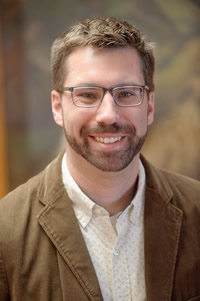
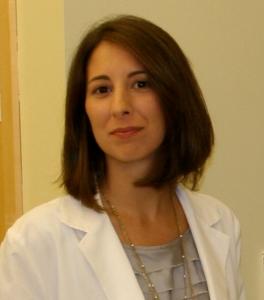
Dal Chodha serves as Pathway Leader for the BA Fashion Communication: Image and Promotion program at Central Saint Martins , University of the Arts London. As Editor-in-chief of Archivist Addendum , they bridge fashion journalism with academic discourse, contributing to i-D , Modern Matter , and Wallpaper* . Focus areas: Fashion Communication, Visual Culture, Cultural Studies Key themes: Luxury branding, political narratives in fashion, digital media impact Their critical analyses (2019-2023) dissected industry shifts like Celine's printemps 26 collection, Dior 's couture revival, and the paradoxes of Tom Ford 's Haider Ackermann transition. Projects like SHOW NOTES (2020) and You gotta keep your head straight about clothes (2023) employ hybrid journalistic-poetic formats to interrogate fashion's role in societal structures. Collaborations include Waste Yarn Project (tactile fashion writing), Fashion in Film Festival (curated 'Grounded: Fashion’s Entanglements with Nature'), and SHOWstudio roundtables questioning fashion criticism's digital-age evolution.
Mohamed S. Donia is an Associate Professor in the Department of Molecular Biology at Princeton University, where he leads the Donia Lab. His research focuses on small-molecule-mediated interactions within complex microbial communities and between microbes and their hosts, spanning human microbiome and marine symbiosis systems. B.Sc., Pharmacy, Suez Canal University, Egypt Ph.D., Medicinal Chemistry, University of Utah Postdoctoral Training, University of California, San Francisco Dr. Donia’s research lies at the intersection of microbiology, molecular biology, biochemistry, and computational biology. His lab investigates how small molecules mediate microbe-microbe and microbe-host interactions, particularly in the human gut and marine invertebrates. A key focus is on the role of the microbiome in drug metabolism and the discovery of novel bioactive compounds from uncultivable microbes using metagenomics and multi-omics approaches. The recent publications of the Donia Lab reveal a strong trend in microbiome-derived small molecule discovery, host-microbe interactions, and drug metabolism. The work spans human microbiome drug interactions , marine symbiotic chemistry , computational mining of biosynthetic gene clusters , and ecological modeling of microbial systems . These studies frequently appear in top-tier journals such as Cell , Science , and Nature , reflecting the high impact of the research. Scientific honors include: NIH Director’s New Innovator Award Kenneth Rainin Foundation Breakthrough Award Kenneth Rainin Foundation Innovation Award Pew Biomedical Scholar Dr. Donia actively mentors a diverse group of postdoctoral researchers, graduate students (including MD/PhD candidates), and undergraduates. His lab has received research funding from NIH and other agencies, enabling high-throughput, interdisciplinary studies. He is also a member of the Scientific Advisory Board for Deepbiome Therapeutics, indicating translational applications of his work. The Donia Lab operates as an interdisciplinary research team integrating experimental and computational methods. It maintains strong collaborations and develops tools like MetaBGC for metagenomic analysis of biosynthetic gene clusters. The lab culture emphasizes diversity, innovation, and scientific rigor, as reflected in its outreach and team composition.
Nathan Garland is a Lecturer in Applied Mathematics and Physics at Griffith University, Australia. He is affiliated with the Queensland Quantum and Advanced Technologies Research Institute (QUATRI) and the Centre for Quantum Dynamics. Prior to joining Griffith, Garland conducted postdoctoral research at Los Alamos National Laboratory and served as sessional teaching staff at James Cook University. Education: PhD in Electrical and Electronic Engineering and Mathematics from James Cook University B.Eng (Hons) and B.Sc in Electrical and Electronic Engineering and Mathematics from James Cook University His research focuses on computational plasma modeling, with applications in low-temperature plasmas, tokamak fusion, electron transport in liquids, and deep learning integration for plasma simulations. He combines advanced numerical methods with experimental validation to address challenges in energy systems and plasma medicine. Recent publications highlight trends in plasma physics, machine learning-driven cross-section determination, and electron transport across gas-liquid interfaces. Garland contributes to fusion energy discourse through media appearances and peer review roles in journals like Plasma Sources Science and Technology and European Physical Journal D . Grants: Quantum Mechanics: The Missing Link? - $1.2M LANL LDRD grant (2019-2021) Digitally Disrupted Demos - $7.5K Griffith Sciences grant (2022) Supervision: Principal Supervisor for PhD project 'Better Modelling of Solvents' Associate Supervisor for PhD projects on landscape evolution modeling and non-equilibrium electron scattering Collaborations: Member of Tokamak Disruption Simulation (TDS) SciDAC Center IAEA Fusion Energy Conference Program Committee member
Allan Rasmusson is a Professor in the Department of Biology at Lund University, Faculty of Science, specializing in Plant Biology and Molecular Biosciences. His research spans plant-fungal interactions, mitochondrial function, redox biology, and paleophysiology. He leads multiple active research projects and supervises graduate students, while also managing shared infrastructure such as the departmental greenhouses. Research Interests: Allan Rasmusson's research is highly interdisciplinary, focusing on: Plant-Trichoderma interactions for biocontrol and biostimulation in crops like sugar beet, quinoa, and cañahua. Mitochondrial function, including electron transport chain assembly and retrograde signaling in Arabidopsis thaliana and maize. Redox biology and plant metabolism under different nitrogen sources. Paleophysiology, investigating how ancient plant lineages survived mass extinctions through studies of fossil pollen and plant physiology under paleomimetic conditions. Recent Research Trends: His recent publications (2022–2024) reflect a strong focus on both molecular plant biology and paleobotany. Key themes include mitochondrial translation initiation, cytochrome c oxidase assembly, plant defense against pathogens like Peronospora , and the role of abnormal pollen in end-Triassic extinction events. These works appear in high-impact journals such as Science , Plant Physiology , and Palaeogeography, Palaeoclimatology, Palaeoecology . Scientific Awards and Funding: Funded by the Knut and Alice Wallenberg Foundation for research on ancient and modern plant comparisons. Advising and Grants: Allan Rasmusson actively supervises doctoral students and serves as Principal Investigator (PI) on multiple research projects. He is currently supervising V. D. Palma Encinas and co-supervising H. C. Tran. His projects include biocontrol using Trichoderma , mitochondrial retrograde signaling, and paleophysiogenomics. He also contributes to educational grants through textbook development and curriculum design. Labs and Teams: He is a co-manager of the Department of Biology’s greenhouse infrastructure at Lund University, supporting experimental plant growth. He collaborates with researchers from SLU, DLF Research AB, UMSA-La Paz (Bolivia), Naturhistoriska Riksmuseet, Linnaeus University, Copenhagen University, CSU-San Marcos, and Warsaw University.
Jean Philippe Gibert is the Joanne W. Markman and A. Morris Williams, Jr. Associate Professor of Biology at Duke University's Trinity College of Arts & Sciences. His research bridges ecological and evolutionary dynamics, focusing on microbial food webs and climate change impacts. Education: Ph.D. from University of Nebraska, Lincoln (2016) Research Interests: He investigates how phenotypic traits and their evolution determine predator-prey interactions and food web structure, particularly in microbial systems. Key areas include thermal performance curves, eco-phenotypic feedbacks, and spatially mediated ecological processes. Grants: Recipient of NSF CAREER funding (2024-2029), NSF Collaborative Research (2022-2026), Simons Foundation, and Department of Energy grants. His work spans climate change effects on microbial communities, organic matter decomposition, and nutrient cycling. Teaching: Offers courses in ecology, food web theory, and independent research. Maintains the Gibert Lab, emphasizing quantitative microbial food-web ecology in a changing world.
Lucas Marie-Orleach is a Lecturer at the University of Tours, affiliated with the Institute for Research on Insect Biology (IRBI) under the UMR CNRS 7261. His research focuses on the effects of sexual reproduction on evolution at micro- and macro-evolutionary scales, combining laboratory experiments and theoretical models in quantitative genetics, population genetics, and behavioral ecology . Affiliation: University of Tours, France Academic Rank: Lecturer Research Themes: Sexual selection, speciation, self-fertilization, social effects, environmental stress adaptation Marie-Orleach’s work explores key questions such as the quantification of sexual selection, evolutionary consequences of social interactions, and impacts of self-fertilization on speciation. His 15 most recent publications (2013–2024) span topics like mating systems, cryptic female choice, and genome-wide heterozygosity maintenance. Notably, his 2024 Cold Spring Harbor Perspectives in Biology study addresses selfing’s role in speciation, while his 2023 Science Advances paper uncovers non-Mendelian inheritance in asexual nematodes. Scientific Awards: Marie-Orleach has received multiple grants, including a 2020 Norwegian Research Council fellowship, two Swiss National Science Foundation postdoc fellowships (2017, 2015), and doctoral fellowships from the Burkhardt-Bürgin Foundation (2013) and Freiwillige Akademische Gesellschaft Basel (2013). His collaborations span institutions in Norway (University of Oslo), France (University of Rennes), and Scotland (University of St Andrews). Marie-Orleach’s research integrates experimental and theoretical approaches, emphasizing transitions between sexual systems, indirect genetic effects, and evolutionary consequences of mating behaviors.
Professor Ian Henderson is a leading academic in the Department of Plant Sciences at the University of Cambridge, affiliated with the School of Biological Sciences. He holds the title of Professor of Genetics and Epigenetics and has been a Royal Society University Research Fellow and Gatsby Resident Fellow since 2008. Education: BA in Biological Sciences (University of Oxford, 1997-2000); PhD in Plant Genetics (John Innes Centre, 2000-2004) under Prof. Caroline Dean His research focuses on genetic and epigenetic control of meiotic recombination in plant genomes, with an emphasis on crossover frequency, chromatin interactions, and centromere evolution. His group uses model organisms like Arabidopsis thaliana , wheat, potato, and oak trees. Key trends in his recent publications include centromere genomics , epigenetic regulation of recombination , and application of long-read sequencing to resolve complex genomic regions. Collaborations with agro-biotech companies (Bayer Biosciences, Solynta) aim to translate findings into crop breeding technologies. Scientific Awards EMBO Member (2022) Society for Experimental Biology President's Medal (2013) Royal Society University Research Fellow (2008-2016) Gatsby Research Fellow (2008-2016) EMBO Long Term Fellowship (2004-2008) Professor Henderson's work bridges fundamental research on plant genome evolution with applied strategies to control recombination for climate-resilient crops. His lab employs advanced techniques including nanopore sequencing , ChIP , and high-performance computing for genome analysis.
Christopher Bishop is a Microsoft Technical Fellow and Director of Microsoft Research AI for Science, concurrently serving as Honorary Professor of Computer Science at the University of Edinburgh and Fellow of Darwin College, Cambridge. His distinguished career spans theoretical physics, neural computing, and leadership in AI research. Fellow of the Royal Academy of Engineering (2004) Fellow of the Royal Society of Edinburgh (2007) Fellow of the Royal Society (2017) Founding member of UK AI Council Member of Prime Minister's Council for Science and Technology (2019) Delivered Royal Institution Christmas Lectures (2008) His research focuses on probabilistic models and machine learning, with significant contributions to AI for scientific discovery. Bishop pioneered the concept of the fifth paradigm of scientific discovery , where AI transforms traditional research methodologies across natural sciences. His work bridges theoretical computer science with practical applications in fusion energy, materials science, and computational biology. Analysis of his recent publications reveals a strategic shift toward AI-driven scientific infrastructure , with emphasis on machine learning foundations that endure technological evolution. His 2024 textbook became Springer Nature's top-selling publication, demonstrating exceptional impact in both academic and industrial contexts. Deep Learning: Foundations and Concepts (2024) Pattern Recognition and Machine Learning (2006) Neural Networks for Pattern Recognition (1995) Bishop leads Microsoft's global AI for Science initiative, establishing research teams in Berlin and coordinating interdisciplinary projects that apply machine learning to climate science, fusion energy, and molecular biology. His leadership in the Prime Minister's Council shapes national AI strategy while maintaining active engagement in public science communication through lectures and media appearances.
Steven O. Kimbrough is a Professor of Operations, Information and Decisions at the Wharton School, University of Pennsylvania. His research spans artificial intelligence, computational rationality, and strategic optimization with applications to political science, economics, and service innovation. He teaches courses like Agents, Games, and Evolution and Thinking With Models , focusing on experimental approaches to bounded rationality and uncertainty in decision-making. Primary Email: kimbrough@wharton.upenn.edu Office: 3730 Walnut Street, 565 Jon M. Huntsman Hall, Philadelphia, PA 19104 His research interests include: Artificial intelligence and metaheuristics for constrained optimization Evolutionary computation in electoral redistricting Agent-based modeling of market dynamics Logic modeling for normative reasoning Text mining applications in event analysis Publications demonstrate expertise in computational economics, political modeling, and service analytics. Recent work focuses on: Empirical validation of electoral compactness Strategic learning in oligopolies Multi-objective matching algorithms Feasible-infeasible solution spaces Service network optimization Teaching emphasizes: Game-theoretic approaches to strategic behavior Modeling life-cycle for energy sustainability Computational experiments in social science
Dr. Elizabeth Johnson serves as Professor of Psychology at the University of Toronto Mississauga (UTM), holding the Canada Research Chair in Spoken Language Acquisition. She is cross-appointed to the Graduate Department of Linguistics and directs the University of Toronto's Tri-Campus Graduate Program in Psychology, leading interdisciplinary research on language acquisition through the Child Language and Speech Studies (CLASS) Lab in UTM's Communication, Culture and Technology Building. Her academic foundation includes a B.A. in Brain and Cognitive Sciences from the University of Rochester (with a Take Five program in Developmental Biology & Evolution), followed by M.A. and Ph.D. degrees in Psychological & Brain Sciences from Johns Hopkins University. She completed postdoctoral training at the Max Planck Institute for Psycholinguistics and spent semesters at MIT's Speech Group during her doctoral studies. Dr. Johnson's research examines how perceptual, cognitive, and social mechanisms enable children's rapid language mastery, with emphasis on speech perception, multilingual development, accent processing, and infant speech segmentation. Her work bridges developmental psychology, linguistics, and speech sciences to investigate topics including audio-visual speech perception, word-learning heuristics, prosody acquisition, and voice recognition—all contextualized within UTM's linguistically diverse community. Analysis of her recent publications reveals intensifying focus on real-world applications of language acquisition research, particularly voice assistant technology for children, pandemic impacts on language development, and sociolinguistic factors in educational settings. Her work increasingly explores accent variation effects across development and the cognitive mechanisms underlying talker recognition. Dr. Johnson's scientific recognition includes: Canada Research Chair in Spoken Language Acquisition She actively mentors graduate researchers: PhD Students: Emily Shroads (June and David Scott Fellowship recipient) Recent PhD Graduates: Priscilla Fung (SSHRC Postdoctoral Fellow), Madeleine Yu Undergraduate Support: NSERC USRA (Christopher Khalaf), SSHRC UTEA (Gabriella Di Maio, Alexandra Maracz) Research Funding: SSHRC Insight Grants, NSERC Discovery Grants The CLASS Lab functions as an interdisciplinary hub collaborating with UTM's Developmental Science Cluster, Centre for Biological Communication Systems, and Infant and Child Studies Centre. Its community-engaged research leverages linguistic diversity in the Greater Toronto Area to translate foundational science into practical applications for child development and educational technology.
Jason P. Breves is a Professor of Biology at Skidmore College , where he investigates the endocrine mechanisms enabling vertebrates to adapt to dynamic environments. His work focuses on pituitary hormones like prolactin and growth hormone in Mozambique tilapia , Atlantic salmon , and other euryhaline fish models to understand how hormonal systems regulate osmoregulation, growth, and stress responses. Education: B.S. in Marine Biology (Roger Williams University), M.S. in Oceanography (University of Rhode Island), Ph.D. in Molecular Biosciences and Bioengineering (University of Hawaii), and Postdoctoral Studies at University of Massachusetts Amherst. Research Interests: The lab explores three major themes: (1) Prolactin signaling in gill, kidney, and gastrointestinal tract; (2) Osmoreception and prolactin gene regulation; and (3) Somatotropic axis modulation by stressors, nutrition, and xenobiotics. His team uses molecular, cellular, and organismal approaches to dissect hormone-gene interactions and their ecological implications. Recent Publications highlight his work on salinity-dependent gene regulation, cortisol's impact on growth hormone pathways, and thermosensitive prolactin cells. Key subfields include ion transporter dynamics , transcriptomic responses to environmental stress , and hormonal crosstalk in osmoregulation . Collaborators span institutions like University of Hawaii, USGS Conte Anadromous Fish Research Center, and University of Gothenburg. Scientific Awards: Grace Evelyn Pickford Medal (2025), New Investigator Award (2019), Gorbman-Bern Award (2019), and multiple Scholander Awards. Students: Mentored over 30 undergraduate researchers, including recipients of conference awards and presentations at Experimental Biology and International Biology of Fish Congress. Funding includes NSF grants (IOS-1755131, DBI-2018952) for molecular targets and advanced instrumentation. His lab serves as a nexus for comparative endocrinology and aquatic physiology research.
Mauricio Bustamante is an Assistant Professor at the Niels Bohr Institute , University of Copenhagen, specializing in theoretical high-energy astrophysics, astroparticle physics, and neutrino phenomenology. His research bridges cosmic phenomena with fundamental particle physics, focusing on ultra-high-energy neutrinos, cosmic rays, gamma-ray bursts, and new physics beyond the Standard Model. PhD in Physics (2012-2014) M.Sc. in Physics (2007-2010) B.Sc. in Physics (2001-2006) His work explores neutrino oscillations, self-interactions, and decay in extreme astrophysical environments. He contributes to major international collaborations like GRAND (Giant Radio Array for Neutrino Detection) and IceCube-Gen2, developing simulation pipelines and forecasting detection methods for EeV-scale neutrinos. Recent publications highlight energy-dependent flavor transitions, Lorentz invariance testing, and constraints on long-range neutrino interactions via DUNE and T2HK experiments. He actively participates in peer review for journals such as Physical Review D , Physical Review Letters , and Astrophysical Journal , and has attended conferences like TeV Particle Astrophysics (2017). His research emphasizes detector design, cosmic ray reconstruction via graph neural networks, and multi-messenger astronomy.
Ala Trusina is an Associate Professor at the Niels Bohr Institute , University of Copenhagen , specializing in Biocomplexity and Biophysics . Her research integrates coarse-grained modeling to study complex biological systems. Key Research Areas Stress Response Systems (diabetes, aging, cancer, inflammation) Stem Cell Differentiation (cell fate coordination, reversibility of states) Complex Systems (species coexistence, epidemics, CRISPR-phage interactions) Methodologies Theoretical: Agent-based modeling, in-silico simulations Experimental: Quantitative single-cell imaging, RNA/protein profiling Collaborations Joshua Brickman (ES cells), Anne Grapin-Botton (pancreas), Feroz Papa (diabetes), Else Kai Hoffman (p53 dynamics) Thomas Mandrup-Poulsen (inflammation), Savas Tay (spatio-temporal regulation) Teaching Physics of Molecular Diseases Numerical Methods in Physics
Professor Marcos Martinón-Torres holds the prestigious Pitt-Rivers Professorship of Archaeological Science at the University of Cambridge, situated within the Department of Archaeology in the School of the Humanities and Social Sciences. His research is primarily conducted through the McDonald Institute for Archaeological Research, with active involvement in specialized laboratories including the Pitt-Rivers Laboratory for Archaeological Science, Computational and Digital Archaeology Laboratory, and Material Culture Research Hub. Professor Martinón-Torres specializes in archaeometallurgy, employing interdisciplinary approaches that bridge archaeological inquiry with advanced materials science. His research spans multiple continents and historical periods, with significant contributions to understanding metallurgical technologies across Eurasia, Africa, and the Americas. Key research areas include ancient bronze production in the Mediterranean, iron technologies in China, early metallurgy in Iberia, and colonial-era metallurgical practices in Jamestown. His methodological toolkit encompasses microstructural analysis, mineralogical studies, chemical composition analysis, lead isotope analysis, and experimental replication techniques. His extensive publication record reveals a consistent focus on experimental archaeometallurgy, particularly the color properties of ancient copper alloys, metal provenance in the Bronze Age, and the intersection of alchemy with early chemistry. His groundbreaking 2006 Nature paper on Hessian crucibles revealed mullite as the key component behind their exceptional properties, representing the earliest known industrial exploitation of this material in Europe. Recent work demonstrates continued innovation in understanding ancient technological processes through advanced analytical methods, with significant contributions to Chinese archaeometallurgy, particularly regarding the Terracotta Army bronze triggers and iron production techniques during the Warring States period. Professor Martinón-Torres maintains active research collaborations across multiple continents and disciplines, regularly presenting at international conferences and contributing to editorial boards of leading archaeological science journals. His work has significantly advanced the field of archaeometallurgy by integrating cutting-edge materials science techniques with traditional archaeological approaches.
Kirstin N. Sterner is an Associate Professor in the Department of Anthropology at the University of Oregon, where she also serves as Associated Faculty in the Institute of Ecology and Evolution. She co-directs the Molecular Anthropology Lab and is a key member of the University of Oregon Molecular Anthropology Group, which serves as an intellectual home for research, training, and outreach in ecological, evolutionary, and functional genetics/genomics in humans and non-human primates. Dr. Sterner's educational background includes: B.A. from New York University (2001) M.A. from New York University (2005) Ph.D. in Anthropology from New York University (2009) Postdoctoral Fellowship at Wayne State University School of Medicine (2009-2011) As a molecular anthropologist, Dr. Sterner's research focuses on understanding the genetic basis of distinctive human and non-human primate traits. She employs both within and between species perspectives, using a combination of genomics (broadly defined to include transcriptomics and epigenomics) and molecular cell biology to connect primate genotypes and phenotypes to address larger questions about primate evolution, biology, health and disease. Her work spans several key areas: the evolution of primate immune responses, epigenetics of aging and age-related diseases, muscle fiber type and the evolution of bipedalism, and human brain development and evolution. She is particularly interested in the role regulatory variation plays in human traits and diseases and how evolution has shaped these regions of the genome. Dr. Sterner's recent publications demonstrate a strong focus on aging research using primate models, particularly examining epigenetic changes associated with aging. Her work also investigates the genetic basis of skeletal muscle adaptations related to human bipedal locomotion, immune responses to viral infections in primates, and the molecular underpinnings of human brain evolution. These studies often combine genomic approaches with experimental validation to connect genetic variants to phenotypic outcomes. Dr. Sterner's research has been supported by prestigious funding sources including the National Institutes of Health, National Science Foundation, Leakey Foundation, Wenner-Gren Foundation for Anthropological Research, and the American Association of University Women. In terms of advising, Dr. Sterner has mentored numerous graduate and undergraduate students. Her current PhD candidates include Samantha Queeno, who researches the genetic mechanisms underlying myofiber development and hominin endurance locomotion, and Tanner Anderson, who studies molecular signatures of aging in the primate brain. Former students include Elisabeth A. Goldman (PhD 2022), Noah D. Simons (PhD 2018), and several others who have gone on to successful careers in academia, healthcare, and industry. Dr. Sterner co-directs the Molecular Anthropology Lab located in Pacific Hall 10A. The lab is part of the University of Oregon Molecular Anthropology Group, which provides an intellectual home for research, training, and outreach in ecological, evolutionary, and functional genetics/genomics in humans and non-human primates. The lab actively pursues research in primate immunity, adaptation to viral infection, aging, and human brain evolution.