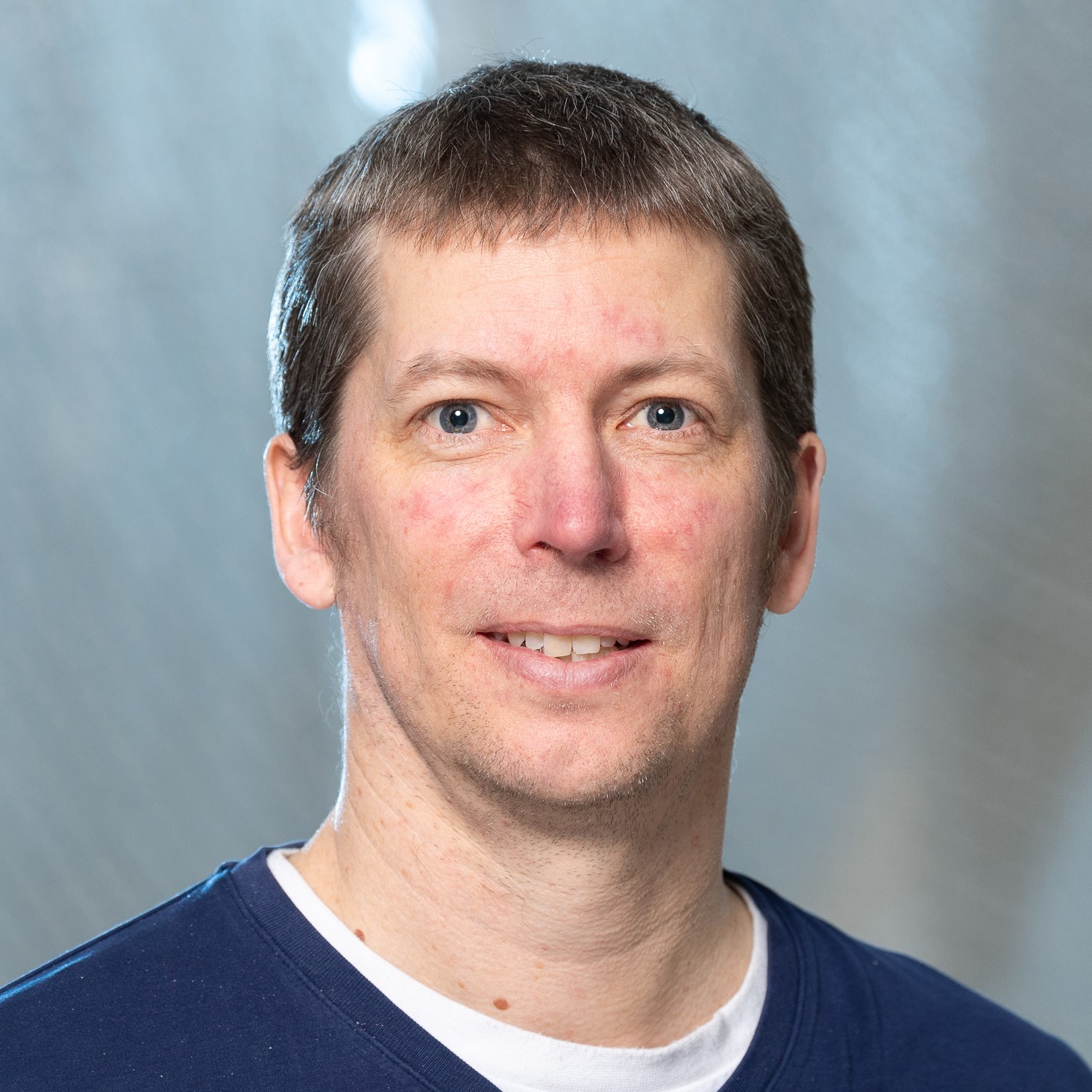
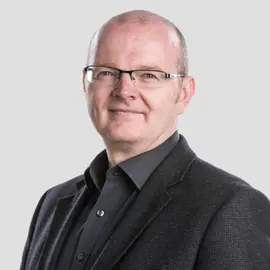
Mark Robinson is a Professor at the Department of Molecular Life Sciences, University of Zurich, and affiliated with the Swiss Institute of Bioinformatics. He leads the Robinson Research Group, focusing on Computational Biology Bioinformatics Single-Cell RNA Sequencing Statistical Genomics His work bridges computational method development with applications in cancer immunology, epigenetics, and developmental genetics. Key research contributions include Development of bioinformatics tools like pubassistant.ch, scDblFinder, and DESpace Advancements in spatial transcriptomics and single-cell data analysis Studies on epigenetic aging and tumor microenvironment dynamics Notable collaborations span institutions in Switzerland, Germany, and international agricultural pest research groups. His recent publications (2023-2025) emphasize Spatial omics data interpretation Interdisciplinary collaboration frameworks Optimized tissue processing methods Computational benchmarks for reproducible research While no specific scientific awards are mentioned in the data, his software tools and methodological papers demonstrate significant impact on open science and bioinformatics communities.
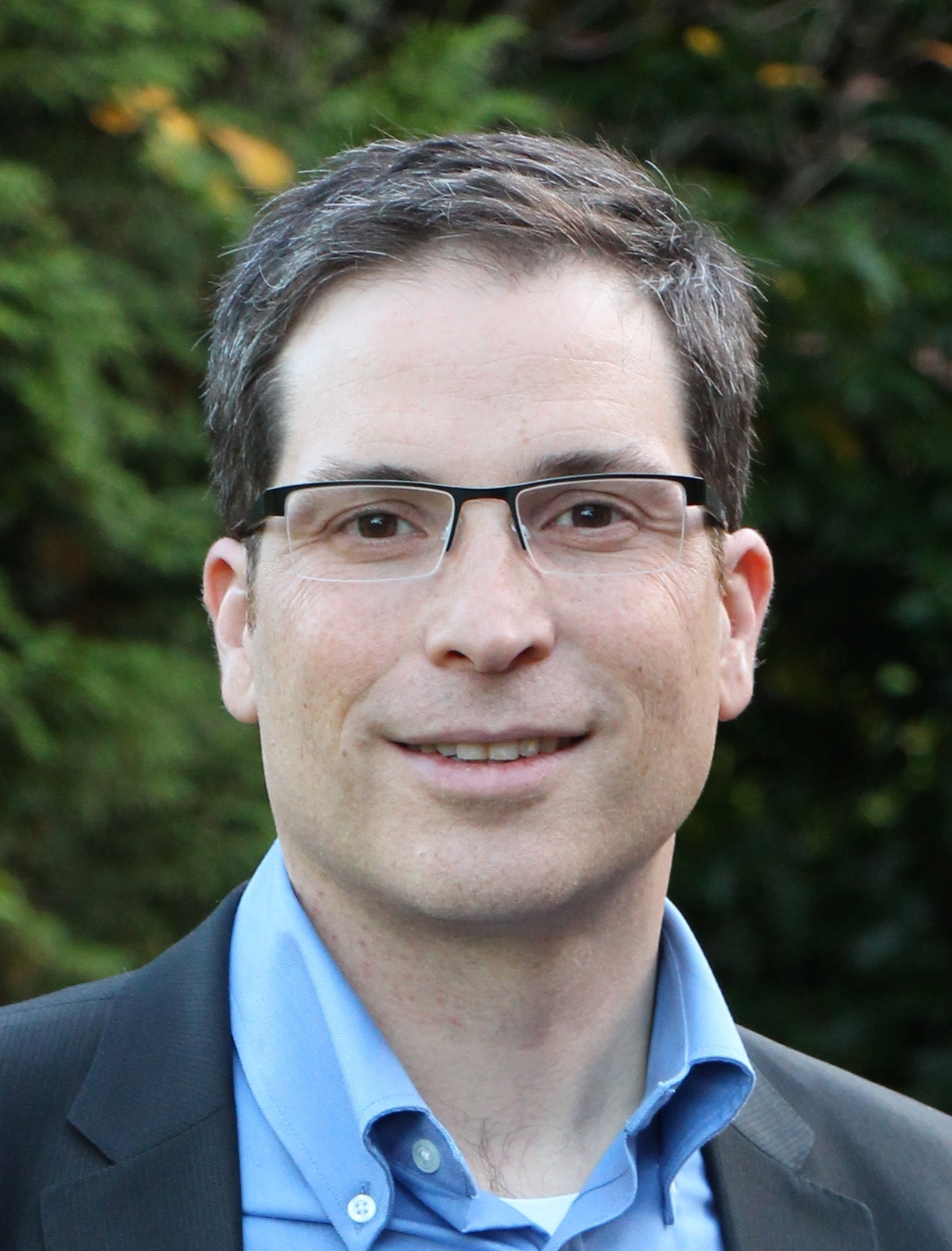
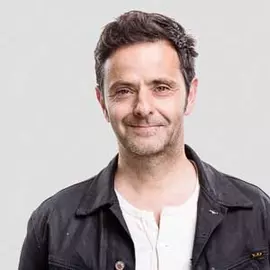
Abraham Bernstein is a Full Professor of Informatics at the University of Zurich (UZH), where he serves as Head of the Dynamic and Distributed Information Systems Group and Director of the UZH Digital Society Initiative. He leads a university-wide initiative with over 180 faculty members investigating the interplay between society and digitalization. His work bridges social science foundations (organizational psychology/sociology/economics) and technical disciplines (computer science, artificial intelligence), creating a unique interdisciplinary approach to digital transformation challenges. Education: Diploma in Computer Science from ETH Zurich Ph.D. in Management with concentration in Information Technologies from MIT's Sloan School of Management Professor Bernstein's research spans the Semantic Web, data mining/machine learning, recommender systems, crowd computing, and collective intelligence. His work uniquely integrates social science perspectives with technical computer science approaches, examining how social and technical elements interact in digital systems. Recent work focuses on explainable AI, ethical decision-making with AI systems, and the societal implications of digital transformation, reflecting his commitment to addressing both technical challenges and their broader societal context. His publication record shows a strong trajectory in multimodal information retrieval, knowledge representation, and human-AI collaboration, with increasing focus on ethical considerations and societal impact of AI technologies. The research demonstrates consistent innovation in bridging technical AI capabilities with human-centered design principles, particularly in areas like explainable recommender systems and democratic applications of AI. Scientific Recognition: Nominated Digital Shaper by Bilanz magazine (2017) Professor Bernstein has supervised over 30 PhD students whose work spans semantic technologies, data mining, recommender systems, and human-AI interaction. His research group has secured significant funding for projects related to digital society, knowledge representation, and AI ethics. As Director of the Digital Society Initiative, he coordinates cross-disciplinary research across UZH's faculties, bringing together scholars from humanities, social sciences, law, economics, and STEM fields to address complex digital transformation challenges. He leads the Dynamic and Distributed Information Systems Group at UZH, which maintains strong international collaborations and contributes significantly to both theoretical advances and practical applications in information systems. The group's work has influenced standards in semantic web technologies and continues to shape discourse on responsible AI development and deployment in society.
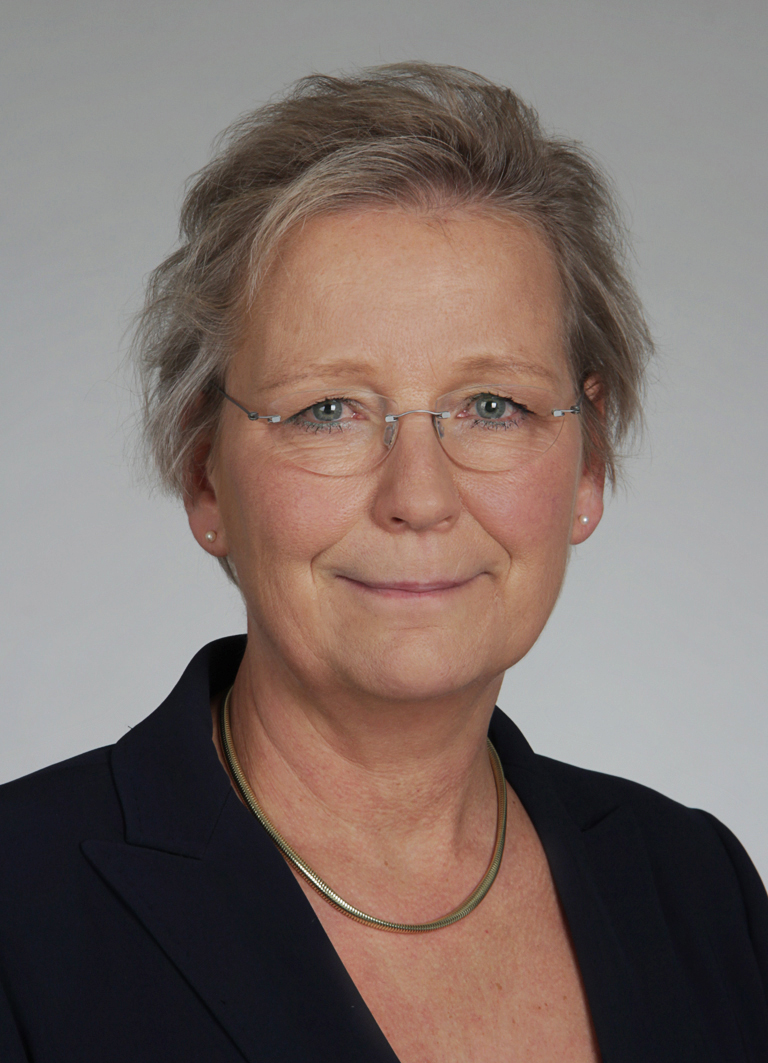
Christine Clavien is an Associate Professor at the Institute of Ethics, History, and Humanities (iEH2) within the Faculty of Medicine at the University of Geneva. Previously, she served as a Senior Lecturer and Researcher at iEH2 since 2015, and was an Assistant Professor in the Department of Ecology and Evolution at the University of Lausanne. She maintains significant external roles as a member of the National Ethics Commission in human medicine (CNE), the University Commission for Ethical Research at the University of Geneva (CUREG), and the national working group "Advance planning concerning health". Dr. Clavien completed her thesis on evolutionary ethics through a joint program at the Universities of Neuchâtel (Switzerland) and Paris I, followed by a post-doctoral fellowship at Columbia University in New York. Her academic journey reflects a deep commitment to bridging philosophical inquiry with empirical research across multiple disciplines. Her research spans medical ethics (including allocation of responsibilities, patient-healthcare professional relationships, and end-of-life issues), descriptive ethics (examining moral skills development, moral motivation, and altruism), the ethics of behavioral nudges, and research integrity. Clavien employs interdisciplinary methods that integrate philosophical analysis with empirical data to develop practical solutions for promoting respectful behavior and appropriate communication in academic and professional contexts. Her work demonstrates consistent focus on translating theoretical ethical frameworks into concrete applications for healthcare and research settings. Clavien's research output shows clear trends toward practical applications of ethical theory, particularly in healthcare contexts. Her recent publications increasingly focus on developing and testing interventions—such as integrity games, nudges, and conversation tools—that operationalize ethical principles in real-world settings. The interdisciplinary nature of her work is evident in the diverse methodological approaches spanning philosophical analysis, qualitative research, and quantitative experimental designs. Prix pour le partenariat avec nos patients at Hackathon des HUG #4 (2019) Project selected in highlights by jury of national hackathon Versus Virus (2020) As an educator and mentor, Clavien manages multiple ethics courses including Bioethics, Introduction to Applied Ethics, and Science and Ethics. She serves on the steering committee for the doctoral program "Biomedical Sciences, Bioethics" and supervises doctoral theses in philosophy and biomedical sciences. Her research has attracted substantial funding, including a Horizon 2020 grant of 2.4 million euros over three years for the INTEGRITY project and funding from the Swiss National Science Foundation for her work on IoT in occupational health. These grants reflect the significance and practical relevance of her research agenda. Clavien leads the "Ethics and Science" research group and participates in the "Biomedical Ethics" research group. Her current research portfolio includes ANTICIped (developing conversation tools for advance care planning with children), ANTICIPATION (using card games for advance care planning), LET US AGREE (a mobile app for advance care planning), and investigations into the ethical implications of IoT in occupational health. These projects demonstrate her commitment to addressing pressing ethical challenges in healthcare through innovative, practical solutions.
Prof. Dr. Julien Furrer is an Associate Professor at the University of Bern, Switzerland, where he serves as the Head of the NMR Spectroscopy group within the Department of Chemistry, Biochemistry and Pharmacy. With over two decades of experience in NMR spectroscopy and ruthenium-based drug research, he leads a dynamic research team focused on developing novel NMR methodologies and investigating the cytotoxic effects of metal complexes in biological systems. Education 1993-1998: Diploma studies in Chemistry and Physical Chemistry, University Louis Pasteur of Strasbourg 1998-2001: PhD in Physical Chemistry, University Louis Pasteur, Strasbourg Research Interests Prof. Furrer's research spans multiple domains of NMR spectroscopy and medicinal chemistry. His primary focus is on developing novel experimental methods in nuclear magnetic resonance (NMR) spectroscopy , with applications to structural studies of biopolymers and organic compounds. Recently, his group has expanded into investigating the cytotoxic effect of various ruthenium complexes in cancer cells , exploring mechanisms through comprehensive NMR measurements. His work bridges fundamental NMR methodology with practical applications in drug discovery and development. His research portfolio includes: High Resolution Magic Angle Spinning (HRMAS) NMR techniques Solution structural studies of proteins and bioactive compounds Cellular targets and mechanistic profiles of ruthenium-based drugs Experimental NMR methodology development Metabonomic studies using NMR spectroscopy Scientific Awards and Recognition Alexander von Humboldt Postdoctoral Research Fellowship Mentoring and Research Leadership As Head of the NMR Spectroscopy group at the University of Bern since 2011, Prof. Furrer has established a robust research program that combines fundamental NMR methodology development with applied research in medicinal chemistry. His laboratory operates multiple NMR spectrometers and provides NMR services to the broader research community. He has successfully secured research funding to support his investigations into ruthenium-based anticancer agents and NMR methodological advances. Research Facilities and Team Prof. Furrer leads the NMR facility at the University of Bern, which includes multiple spectrometers (300 MHz, 400 MHz, and 500 MHz systems). His research group focuses on both methodological developments in NMR and applications to biological and medicinal chemistry problems. The team collaborates extensively with other research groups at the University of Bern, including Prof. Reymond's group, and maintains international collaborations. The facility provides comprehensive NMR services to researchers both within and outside the university, supporting a wide range of scientific investigations requiring advanced NMR capabilities.
Swiss Federal Institute of Technology in LausanneSwitzerland
Patricia Guaita is a Lecturer and Scientist at the École Polytechnique Fédérale de Lausanne (EPFL) in the School of Architecture, Civil and Environmental Engineering (ENAC), affiliated with the ALICE laboratory. Her work bridges architecture, education, and research at the intersection of materiality, embodiment, and sustainable construction. PhD in Architectural Projects, San Pablo CEU University (2023) Degree in Architecture with Urbanism specialization, Escuela Técnica Superior de Arquitectura de Madrid (ETSAM) Studies at Istituto Universitario di Architettura di Venezia (IUAV) Guaita's research focuses on architectural pedagogy , materiality , and embodied cognition . She explores Textile Reinforced Concrete (TRC) as a sustainable material, Argamassa Armada techniques from Brazil, and 1:1 fabrication processes. Her work emphasizes experiential learning , knowledge transfer with Latin America, and social housing innovations. Recent publications reveal a trajectory merging concrete technology (TRC, LC3), pedagogical experiments , and social-environmental sustainability . Key projects include the Open City Research Platform in Chile and the Prototype Pavilion in Fribourg testing TRC applications. She leads interdisciplinary teaching initiatives like Docta Manus: Drawing Structures , where drawing is treated as a cognitive tool rather than mere representation. Her collaborations span institutions in Switzerland , Brazil , Chile , and Spain , including partnerships with Miguel Fernández Ruiz, Raffael Baur, and Sergio Kopinski Ekerman.
Swiss Federal Institute of Technology in LausanneSwitzerland
Matteo Favero is a Lecturer and Scientist at the Swiss Federal Institute of Technology Lausanne (EPFL), affiliated with the School of Architecture, Civil and Environmental Engineering (ENAC). He conducts research at the ETHOS Lab, focusing on data-driven interventions to enhance environmental and social sustainability in the built environment. His work integrates computational tools with human-centric approaches to optimize building performance and occupant well-being. Education: PhD in Civil and Environmental Engineering, Norwegian University of Science and Technology (NTNU), 2022 MSc in Building Engineering, Politecnico di Milano, 2015 BSc in Building Engineering, Politecnico di Milano, 2012 Research Interests: Favero's research explores occupant behavior modeling, statistical analysis of thermal comfort, and human-building interactions. He emphasizes multi-domain studies to bridge gaps between energy efficiency, indoor environmental quality, and user satisfaction. His work supports the development of adaptive building controls and sustainable design guidelines through empirical data and interdisciplinary methodologies. Publication Trends: Recent articles (2020–2024) prioritize occupant-centric building operations, statistical rigor in comfort studies, and standardized documentation for behavior models. Themes include predictive algorithms for thermal preferences, validation of human-in-the-loop methods, and critical reviews of multi-domain research practices, reflecting a consistent focus on enhancing data reliability and practical applicability in sustainable building science. Awards: 2022 Best Paper Award: A guideline to document occupant behavior models for advanced building controls (Building and Environment) 2022 Best Paper Award: Quality criteria for multi-domain studies in the indoor environment (Building and Environment) Labs and Teams: He is a core member of the ETHOS Lab at EPFL, an interdisciplinary group advancing sustainability through computational and engineering solutions for human-oriented built environments.
Dr. Emilie Joly-Burra is a Research and Teaching Fellow at the LIVES Centre, University of Geneva, Switzerland. She holds a Doctorate in Psychology (2019) and a Master in Clinical and Cognitive Psychology (2013) from the same institution. Her career includes roles as a Doctoral Candidate (2015–2017) with the Swiss National Science Foundation (SNSF) and as a Junior Psychologist (2013–2015) at the VIVA Association in Lancy, Switzerland. University of Geneva, Switzerland LIVES Centre (National Centre of Competence in Research on Vulnerable Populations) Her research focuses on cognitive aging , particularly prospective memory (remembering delayed intentions), and its relationship with executive functions, personality traits (e.g., neuroticism), and stress in older adults. She investigates how time-monitoring strategies and clock-checking behavior affect memory performance, and applies advanced statistical methods like joint longitudinal-survival models . Her work also explores neurostimulation interventions for enhancing prospective memory and attentional control in aging populations. Recent publications include studies on ADHD and VR-based memory assessments , executive function quality of life correlations , and facet-specific cognitive training efficacy . She collaborates frequently with researchers like Matthias Kliegel and Sascha Zuber on multidisciplinary projects bridging psychology, neuroscience, and computational modeling.
Zurich University of Applied Sciences (ZHAW)Switzerland
Prof. Dr.-Ing. Frank Tillenkamp is a full Professor for Refrigeration Technology, Fluid Dynamics and Energy Systems at ZHAW School of Engineering, where he serves dual leadership roles as Director of the Institute of Energy Systems and Fluid Engineering and Department Director of Mechanical Engineering, Energy Technology and Aviatics (MEA). His research focuses on advancing sustainable energy solutions through refrigeration technology, heat pump optimization, and energy efficiency in building systems. His primary research domains include: Advanced refrigeration cycle design and CO2-based systems Heat pump hydraulics and performance optimization Exergy-based efficiency assessment methods Blast safety valve mechanics and fluid-structure interactions Energy storage solutions for commercial applications Publication analysis reveals three dominant research trajectories: Energy efficiency optimization in refrigeration/HVAC systems (6 publications) Safety engineering for blast-resistant components (4 publications) Sustainable energy integration in buildings (3 publications) Recent work shows increasing focus on computational methods including FSI simulations and computer vision applications. Professor Tillenkamp leads multiple research initiatives: Underground Farming : Investigating sustainable agriculture systems (ongoing) Community Energy Storage : Completed project on energy grid integration Cooling System Comparison : Analyzing commercial refrigeration configurations (ongoing) He maintains active industry engagement as Chairman of SNV INB NK 181 standards committee for refrigeration systems and contributes to SIA heating standards. His laboratory focuses on experimental validation of energy systems, with particular expertise in hydraulic network optimization and refrigeration test rigs.
Zurich University of Applied Sciences (ZHAW)Switzerland
Dr. Lukas Keller is a Researcher at the Zurich University of Applied Sciences (ZHAW), School of Engineering, within the Department of ICP Multiphysics Modeling and Imaging. He leads multiple projects focused on clay rock characterization, including ongoing work on fracture sealing in clay rock and completed studies on gas transport mechanisms in clay materials. His research centers on the geophysical and mechanical properties of clay formations, particularly Opalinus Clay. Key interests include 3D microstructure analysis using X-ray computed tomography (XCT), hydromechanical behavior of fractures, permeability modeling, and pore-scale simulations. His work bridges experimental data with computational approaches to understand fluid flow, elastic properties, and transport phenomena in geological materials. Keller's publications (2014-2023) demonstrate consistent focus on clay microstructure, digital rock physics, and multiscale modeling. Recent articles explore pore geometry effects on rock elasticity, anisotropy in shale mechanics, and advanced tomography techniques. His research provides critical insights for applications in nuclear waste containment and geotechnical engineering.
Dr. Katja Nuss is a senior researcher and co-leader of the Musculoskeletal Research Unit (MSRU) at the Vetsuisse Faculty, University of Zurich. She specializes in veterinary surgery and anesthesiology, with extensive experience in clinical and experimental surgery. The MSRU focuses on musculoskeletal research, including bone/cartilage healing, tendon repair, muscle degeneration, and spine surgery, with GLP accreditation for preclinical studies. Specializes in intracranial aneurysm research using animal models Investigates wound healing enhancement and biomaterials Collaborates with Prof. Simon Hoerstrup on heart valve replacement The unit employs advanced diagnostic imaging (MRI, angiography) and maintains a herd of 250 sheep for experimental studies. She received the Neer Award 2016 for rotator cuff injury research. The MSRU team includes 20 members, with a focus on biocompatibility testing, implant integration, and novel surgical technologies.
Prof. Dr. Aymo Brunetti is a full-time faculty member at the University of Bern's Department of Economics, specializing in economic policy, development economics, and financial stability. He holds the academic rank of Professor and maintains an active research agenda addressing critical issues in banking regulation, inflation dynamics, and public finance. Current research focuses on Swiss and global financial systems Active commentator on EU-Switzerland economic relations Key policy advisor on monetary stability and banking reforms His recent publications (2023-2025) demonstrate interdisciplinary engagement across banking regulation, inflation dynamics, educational policy, and economic forecasting. While maintaining primary focus on Swiss financial stability, his work increasingly addresses global macroeconomic linkages and regulatory harmonization challenges. As a Professor at the University of Bern, Brunetti contributes to both academic research and public policy discourse through regular media appearances, parliamentary testimonies, and policy recommendations. His work combines theoretical analysis with practical applications for financial regulation and economic policy formulation.
University of Applied Sciences and Arts LucerneSwitzerland
Dr. Yannik Faes is a Lecturer at both the Lucerne University of Applied Sciences and Arts (HSLU) in the Business department and at UniDistance Suisse (Swiss Distance Learning University) in the Faculty of Psychology. At HSLU, he teaches Personality Psychology, Research Design, and Business Psychology II modules within the BSc Business Psychology program. At UniDistance Suisse, he lectures in the BSc Psychology module on Work and Organizational Psychology and the MSc Psychology module on Teamwork, Corporate Health, Occupational Safety and Organizational Development, as well as the Certificate of Advanced Studies in Business Psychology focusing on Health and Productivity. Education: 2018-2021: Dr. phil. in Work and Organizational Psychology, University of Bern (Dissertation: Occupational Back Pain and Body Balance: A test of SOS Theory and Whole-Body Vibration Intervention) 2019-2020: Competitive Sports Coach with Federal Certificate, Federal Office of Sport Magglingen (Project: Mental Skills and Strategies in Competitive Karate) 2015-2017: Master of Science in Psychology, Work and Organizational Psychology, University of Bern 2010-2015: Bachelor of Science in Psychology, University of Bern 2010-2014: Bachelor Minor in Sports Science, University of Bern Dr. Faes' research focuses on the intersection of workplace conditions and physical health, particularly examining how occupational tasks contribute to musculoskeletal disorders. His work explores the physiological and psychological mechanisms behind workplace pain, with special attention to how illegitimate tasks (unnecessary or meaningless work) impact physical health over time. He has made significant contributions to understanding the therapeutic potential of whole-body vibration interventions for improving balance, reducing back pain, and enhancing workplace wellness. His research combines experimental laboratory studies with longitudinal field research, often employing diary methods to capture real-time workplace experiences and their health consequences. Analysis of Dr. Faes' publication record reveals a consistent trajectory examining workplace health from multiple angles. His early work focused on the acute physiological effects of vibration interventions, while more recent publications investigate the long-term consequences of workplace stressors through longitudinal designs. A distinctive thread throughout his research is the examination of how psychological factors (particularly self-efficacy) interact with physical work conditions to influence health outcomes. His work spans multiple disciplines including occupational health psychology, rehabilitation science, sports medicine, and organizational behavior, demonstrating an interdisciplinary approach to workplace health issues. Dr. Faes has been actively involved in teaching across multiple institutions since completing his doctorate. His teaching responsibilities span undergraduate and graduate levels, covering foundational psychology courses as well as specialized topics in business psychology and occupational health. While specific grant information isn't detailed in the available materials, his research output suggests involvement in projects related to workplace health interventions and longitudinal studies of occupational stress. His practical experience includes roles in corporate health management at the Federal Department of Defence and a sports psychology internship at the Federal Office of Sport, providing him with real-world context for his academic work.