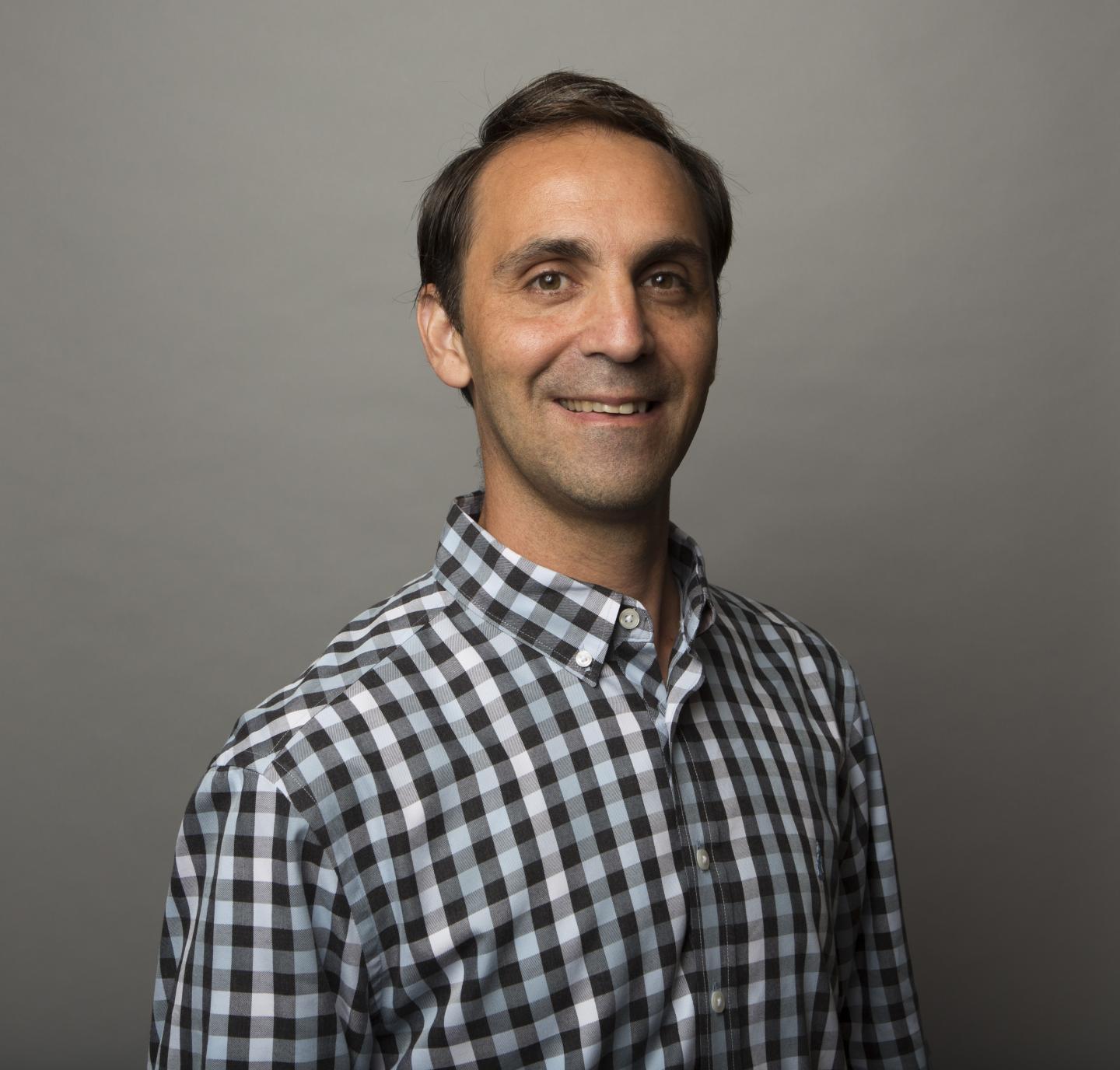
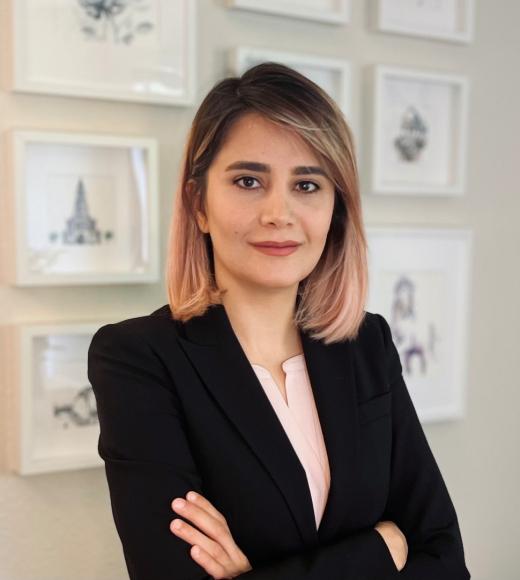
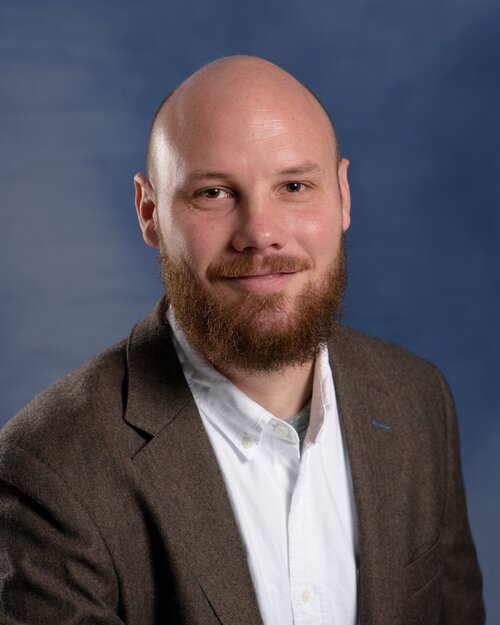
Jennifer Henderlong Corpus is a Professor of Psychology at Reed College , where she has served since 2001. She is renowned for her innovative research on academic motivation , particularly focusing on how praise and reward systems influence intrinsic and extrinsic motivation in educational contexts. Education: B.A. in Psychology from the University of Michigan (1995), Ph.D. in Developmental Psychology from Stanford University (2000), Postdoctoral Fellow at UCLA (2000-2001). Academic Positions: Assistant Professor (2001-2007), Associate Professor (2007-2013), Professor (2013-present), Kenan Professor of Psychology (2025-present). Her research integrates Self-Determination Theory and developmental psychology to study how praise , perceived cost , and contextual factors shape motivation from childhood through college. She leads the Academic Motivation Lab , which combines experimental research with school-based surveys to examine motivational processes in real-world educational environments. Recent publications highlight her focus on intrinsic versus extrinsic motivation in college students , bilingual children , and Hispanic students , often applying mixed-methods approaches and longitudinal studies . Notably, her work bridges classroom practices with broader psychological theories, emphasizing the interplay between intrinsic motivation and external pressures . Scientific Awards: 2014 Oregon Professor of the Year by the Carnegie Foundation for the Advancement of Teaching
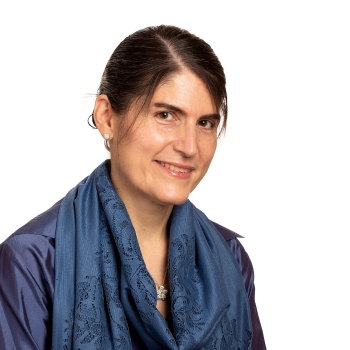
Susanne M. Jaeggi is a Professor of Psychology at Northeastern University, with additional affiliations in the Bouve College of Health Sciences and the College of Arts, Media, and Design. Her research focuses on cognitive training, executive functions, and individual differences in cognition across the lifespan. She holds PhDs in Cognitive Psychology and Neuroscience from the University of Bern (Switzerland), and completed postdoctoral work in Cognitive Neuroscience at the University of Michigan. Her work has been funded by NIH, NSF, IES, ONR, and the Advanced Education Research and Development Fund (AERDF). She leads the Working Memory & Plasticity Lab , which develops interventions to improve working memory and executive functions, and co-leads the Brain Game Center for Mental Fitness and Well-Being , creating evidence-based brain fitness tools. Jaeggi’s research emphasizes understanding mechanisms of cognitive improvement through training, including neuroplasticity and individual variability. Key areas include cognitive aging interventions, gamification, sensory-cognitive interactions, and the impact of socioeconomic factors on academic achievement. Her work integrates behavioral experiments, neuroimaging, and digital health technologies to address real-world challenges in education and healthcare. Recent studies explore music/art-based interventions, brain stimulation (e.g., tDCS), and scalable cognitive assessments. Collaborations span disciplines, with publications addressing topics like neural correlates of training, motivational features in interventions, and cross-modal perception. Her labs emphasize translating findings into public-facing tools, such as freely accessible brain fitness apps. Current projects include optimizing interventions for ADHD populations and leveraging digital platforms for global mental fitness.
Mimi O'Neill is a Senior Lecturer in Music at the University of Lincoln and an Associate Lecturer at the University of York, where she serves as Programme Leader for the MA Music, Marketing and Management. She holds a PhD in Music Psychology (2022) from the University of York, specializing in the social dynamics of live music audiences. Her research focuses on music psychology, emotion, empathy, and quantitative methods, particularly exploring intra-audience effects in classical concerts and digital music experiences. Education: PhD (Music Psychology, University of York, 2022), MA (Music: Music Psychology, University of York, 2017), BA (Music, University of York, 2016). Research contributions include work on audience behavior in live concerts, music listening during the pandemic, and empathy’s role in emotional responses to music. She co-led the Experimental Concert Research and Digital Concert Experience projects, funded by the Volkswagen Foundation. Awards include the Vice-Chancellor’s teaching award (2020). Teaching: Leads undergraduate modules like Introduction to Music Psychology and postgraduate courses on music performance psychology and market research. She directs the York Music Psychology Group and previously led the MA Music Psychology pathway.
Dr Valdas Noreika is a Senior Lecturer in Psychology at the School of Biological and Behavioural Sciences, Queen Mary University of London. He serves as Head of The Centre for Brain and Behaviour and leads the Sleep and Cognition Lab. His work bridges cognitive neuroscience, psychology, and clinical applications, with a focus on understanding consciousness and its disorders. Dr Noreika's educational background includes: BA in Philosophy from Vilnius University, Lithuania MSc in Neurobiology from Vilnius University, Lithuania PhD in Psychology from the University of Turku, Finland, focusing on altered states of consciousness and temporal distortions Dr Noreika's research explores the cognitive and neural mechanisms underlying sleep, dreaming, and consciousness. Using techniques including electroencephalography (EEG), transcranial magnetic stimulation (TMS), and psychophysics, his work investigates both basic mechanisms of consciousness and their applications to neurodevelopmental and mental health conditions. His research spans multiple domains including time processing, inter-brain synchronization across species, and environmental decision-making. A key aspect of his work involves translational research focusing on sleep, subjective experiences, and well-being in conditions such as learning disabilities, ADHD, autism, and depression. Analysis of Dr Noreika's recent publications reveals a strong focus on consciousness studies, neural mechanisms of sleep and dreaming, and applications to neurodevelopmental conditions. His work frequently employs EEG and other neuroimaging techniques to study brain activity during various states of consciousness. Recent trends show increasing emphasis on inter-brain synchronization, particularly in infant-parent interactions and cross-species communication, as well as growing interest in environmental psychology and climate change-related decision making. Dr Noreika has secured significant research funding including: The neural basis of inter-species communication - £155,098 from the Biotechnology and Biological Sciences Research Council (2024-2026) Sleep and circadian interactions with sensory sensitivity in adults with intellectual disabilities - £103,229 from the Baily Thomas Charitable Fund (2023-2025) As a supervisor, Dr Noreika advises multiple PhD students working on diverse topics including Alzheimer's disease diagnosis using information theory, emotion recognition, thermal sensation in Parkinson's disease, cultural differences in cognitive processes, and time processing. His Sleep and Cognition Lab serves as a hub for interdisciplinary research bridging neuroscience, psychology, and clinical applications. Dr Noreika leads the Sleep and Cognition Lab at Queen Mary University of London, which focuses on investigating the neural mechanisms of sleep, dreaming, and consciousness. The lab brings together researchers from diverse backgrounds to study both fundamental aspects of consciousness and their applications to clinical populations. Current projects include investigations of sleep and sensory sensitivity in adults with learning disabilities and human-dog interaction studies.
Harry Atwater is the Howard Hughes Professor of Applied Physics and Materials Science at the California Institute of Technology (Caltech). He serves as Director of the Joint Center for Artificial Photosynthesis (JCAP) and previously led the Light-Materials Interactions in Energy Conversion (LMI-EFRC) from 2009–2014. His research bridges photovoltaics, solar energy systems, plasmonics, and nanophotonics. Atwater pioneered the field of plasmonics and co-founded Alta Devices, a leader in GaAs photovoltaic technology. He holds over 200 publications and has been recognized with prestigious awards, including induction into the National Academy of Engineering (2015) and the ENI Prize (2012). His work spans cutting-edge innovations such as silicon wire array solar cells, metasurface technologies for optical manipulation, and space solar power systems. Current projects include developing lightsail propulsion for interstellar exploration and photothermocatalytic reactors for sustainable fuels. Atwater’s lab focuses on the intersection of nanophotonics and energy, exploring quantum emitters, carbon capture, and optomechanical systems. Research Highlights: Plasmonic light absorbers, metasurface-based imaging, and solar energy harvesting systems. Key Projects: Lightsail experiments, space-based solar power missions, and CO₂ reduction via electrochemical methods. Awards: Julius Springer Prize (2014), ISI Highly Cited Researcher (2014), and MRS Kavli Lecturer (2010).
Prof. Ioannis Anastasopoulos is a Full Professor and Head of the Department of Civil, Environmental and Geomatic Engineering at ETH Zurich. He leads the Chair of Geotechnical Engineering, focusing on advanced geotechnical modeling, seismic resilience, and infrastructure systems. His research integrates experimental and numerical methods to address challenges in tunnel engineering, offshore foundations, and seismic protection. Key research areas include seismic response of geotechnical structures, soil-structure interaction, metamaterial-based vibration mitigation, and innovative foundation technologies. He directs the Geotechnical Centrifuge Center and Soil Testing Laboratories at ETH Zurich, advancing physical modeling and material characterization. Recent work emphasizes earthquake engineering applications, including fault rupture interactions with tunnels, pile group dynamics under combined loading, and hybrid modeling of scour effects on bridge foundations. His contributions span geotechnical design methodologies, nuclear facility safety, and additive manufacturing for masonry structures. Prof. Anastasopoulos collaborates internationally on projects like the GEOLAB initiative, advancing Europe's geotechnical physical modeling infrastructure. His teaching includes courses on geotechnical design and theoretical soil mechanics, bridging academic research with practical engineering solutions.
Prof. Annette Jackle is a Professor of Survey Methodology and Deputy Director of Understanding Society - the UK Household Longitudinal Study at the University of Essex. Her research focuses on innovative data collection methods, including mobile device integration, sensor data, and data linkage consent processes. She leads methodological experiments in longitudinal studies to improve participation rates and data quality. Key projects include the Understanding Society Innovation Panel, which explores event-triggered data collection, mobile app-based expenditure measurement, and consent mechanisms for administrative data linkage. Her work addresses barriers to participation, mode effects, and bias reduction in surveys. Recent studies analyze digital trace data during the pandemic, mobile app efficacy in probability/nonprobability panels, and the impact of question placement on consent decisions. Her research informs best practices for survey design in rapidly evolving technological landscapes. Jackle collaborates with institutions like ISER and the ESRC Research Centre on Micro-Social Change. She advises on survey methodology for large-scale studies and contributes to policy-relevant research through Understanding Society's extensive dataset.
Samir Mamadehussene is an Assistant Professor of Marketing at the Naveen Jindal School of Management (JSOM), University of Texas at Dallas. His research focuses on pricing strategies, promotional tactics, game theory applications in marketing, and consumer decision-making processes. He holds a PhD from Northwestern University (2016), an MSc from Catolica-Lisbon (2010), and a BA from Catolica-Lisbon (2008). Research Interests Dr. Mamadehussene explores how firms strategically use pricing and promotional tools to influence consumer behavior. He analyzes competitive dynamics in markets using game theory frameworks, with a focus on subscription models, rebate mechanisms, and price-matching guarantees. His work bridges marketing strategy and economic theory, addressing questions such as: - How do information transparency policies (e.g., Sunshine Act) reshape technology markets? - What are the unintended consequences of entrepreneurial activity on incumbent firms? - How do consumers process fragmented information across price comparison platforms? Recent Publications Trends His 2025 Organization Science paper examines entrepreneurship's indirect effects on wage structures, while 2024's Marketing Science work analyzes multiproduct rebate strategies. Recent contributions also explore methodological rigor in economic experiments ( Management Science , 2023) and competitive dynamics under limited consumer awareness ( Journal of Industrial Economics , 2023). His work often combines theoretical models with empirical validation, yielding policy-relevant insights (e.g., 2021 Paul Geroski Prize-winning paper). Awards: EARIE Young Economists' Essay Award (2016), Paul Geroski Prize (2021) Grants/Advising: No explicit grants noted; no listed advisees He collaborates widely with scholars in marketing, economics, and strategy, contributing to top-tier journals. His current research portfolio reflects a strong focus on subscription-based industries and regulatory policy impacts.
Bradley Buchsbaum is an Associate Professor and Senior Scientist at the Rotman Research Institute, Baycrest , Toronto, Canada. His research focuses on cognitive neuroscience, particularly on working memory, episodic memory, and functional neuroimaging using fMRI. PhD in Cognitive Science (2003) from University of California, Irvine BSc in Bio-Psychology (1997) from University of California, Santa Barbara His lab investigates how memories are stored, represented, and reactivated in the brain, combining functional neuroimaging, eye-tracking, and computational modeling. Key areas include multivariate statistics, machine learning applications in neuroimaging, and quantifying memory fidelity through behavioral and neural data. Recent publications emphasize neuroimaging methodology (e.g., MRI data consistency checks), memory pattern completion mechanisms, and feature-specific neural reactivation during episodic recall. Research trends highlight interdisciplinary approaches merging cognitive neuroscience with advanced statistical techniques. Lab team includes post-doctoral fellows (Stephen Rhodes), graduate students (Carolyn Guay, Corey Loo, Michael Bone, Nick Hoang, Ryan Barker), and research assistants. The lab actively develops open-source tools like rMVPA and neuroim2 for fMRI analysis.
Ulrich Berger is a Professor of Economics at the Department of Economics of WU Vienna University of Economics and Business (WU Vienna). He serves as Editor-in-Chief of the journal Games and is actively involved in promoting science through the Vienna Skeptics Society. His research focuses on game theory, including non-cooperative, evolutionary, behavioral, and experimental variants. He has been recognized with multiple awards, including the WU Best Paper Award and an Outstanding Reviewer Award. His work explores dynamics of cooperation, reputation systems, and strategic behavior in economic contexts. Key research areas include evolutionary stability in reputation games, indirect reciprocity, and cognitive hierarchies in strategic interactions. His publications span peer-reviewed journals like PLoS ONE and Scientific Reports , as well as popular science articles in outlets like derStandard.at . Berger has led research projects on topics such as cognitive hierarchies in minimizer games and has contributed to policy discussions on access pricing in telecommunications. His academic contributions reflect a blend of theoretical rigor and practical engagement, with recent work emphasizing evolutionary mechanisms of deterrence and experimental validation of equilibrium concepts.
Shima Nazari is an Assistant Professor in the Department of Mechanical and Aerospace Engineering at the University of California, Davis. Her research focuses on dynamics and control with applications to transportation systems, energy systems, and electrified/automated vehicles. She leads the CORE Lab, exploring advancements in hybrid powertrains, autonomous vehicle control, and energy-efficient systems. Education: Ph.D., Mechanical Engineering, University of Michigan (2019) M.S., Electrical Engineering, University of Michigan (2016) M.S., Mechanical Engineering, Sharif University of Technology, Iran (2012) B.S., Mechanical Engineering, Sharif University of Technology, Iran (2009) Her research interests span dynamics and control theory applied to hybrid electric vehicles, powertrain optimization, and autonomous systems. She has contributed to advancements in energy-efficient vehicle designs, regenerative braking, and control strategies for electrified powertrains. Her work often bridges mechanical and electrical engineering disciplines to address real-world challenges in transportation and energy. Recent research trends in her articles emphasize data-driven control methods, hybridization strategies for autonomous systems, and thermal management of energy storage solutions. These studies reflect her commitment to interdisciplinary innovation. Although no scientific awards are explicitly mentioned, her contributions to the field are evident through her active research and publications. She advises students in her lab and collaborates on grants focused on sustainable mobility solutions. Dr. Nazari is affiliated with the UC Davis College of Engineering and actively contributes to graduate programs in Dynamics, Controls, Vehicles, and Robotics. The CORE Lab serves as a hub for experimental and computational research in her areas of expertise.
Professor David Dupret is a Professor of Neuroscience and MRC Investigator at the University of Oxford, where he also serves as a Tutorial Fellow in Biomedical Sciences at St Edmund Hall. His work takes place within the MRC Brain Network Dynamics Unit, part of the Nuffield Department of Clinical Neurosciences, and he is affiliated with the Department of Physiology, Anatomy and Genetics. David completed his Ph.D. in Neuroscience at the Institute François Magendie (INSERM, University of Bordeaux, France), receiving the French Neuroscience Association's 2007 Ph.D. Year Prize. He joined the MRC Anatomical Neuropharmacology Unit in 2007 as a Visiting Fellow, funded by the Institute of France and the International Brain Research Organisation. In 2009, he became an MRC postdoctoral scientist and Junior Research Fellow at St Edmund Hall, progressing to MRC Programme Leader Track scientist in 2011 and tenured MRC Programme Leader in 2014. Professor Dupret's research focuses on the circuit-level mechanisms of memory-guided behavior, with particular emphasis on neural dynamics of memory circuits during active waking behavior and sleep. His laboratory employs in vivo multichannel recordings and optogenetic manipulation of neuronal ensembles to investigate how hippocampal networks organize memory processes. His work has revealed fundamental insights into how memory circuits operate during both waking behavior and sleep states, particularly regarding hippocampal ripple activity, dentate spikes, and offline reactivation processes. Analysis of Professor Dupret's recent publications reveals a consistent focus on hippocampal network dynamics and memory processes. His work spans from basic neural circuit mechanisms to applications in neurodegenerative conditions like Alzheimer's disease. A notable trend is the integration of computational approaches with experimental neuroscience to understand how neural assemblies encode and retrieve memories. His team has made significant contributions to understanding how dentate spikes support memory flexibility and how hippocampal ripple diversity organizes neuronal reactivation during offline states. French Neuroscience Association's 2007 Ph.D. Year Prize Foundation Louis D. Research Fellowship (2007) International Brain Research Organisation Fellowship (2008) FENS-Kavli Network of Excellence Scholar (2016) Boehringer Ingelheim-FENS Research Award (2018) Elected to membership of Academia Europaea (2024) Professor Dupret has secured substantial research funding through his MRC Programme Leader position and has mentored numerous researchers who appear as co-authors on his publications. His laboratory, the Dupret Group, operates within the MRC Brain Network Dynamics Unit, collaborating extensively with other research groups including the Sharott Group, Magill Group, and Denison Group. Current research directions include investigating how memory circuits maintain flexibility while resisting extinction, exploring the relationship between neural coactivity patterns and memory organization, and developing computational models of hippocampal function. His team is actively pursuing future work on the mechanisms underlying memory persistence and the neural basis of flexible memory recall.
Ioannis Antoniadis is a Professor at the School of Mechanical Engineering , National Technical University of Athens (NTUA), and serves as the Dean and Director of the Dynamics and Acoustics Laboratory (DAL) . He has held academic positions since 1982, rising through the ranks from Scientific Research Assistant to full Professor since 2012. Education: Diploma in Mechanical Engineering (NTUA, 1981), Ph.D. (NTUA, 1987) Research Focus: Vibration isolation, negative stiffness systems, smart materials, seismic protection, and energy conversion Key Projects: 25+ funded research initiatives including KDamper for seismic mitigation, TRANVIC for vehicle vibration control, and 3BUILD for 3D-printing construction systems His work has resulted in 15+ peer-reviewed publications on seismic protection devices and vibration control systems, with applications in bridges, wind turbines, and industrial equipment. He has taught courses in Dynamics and Vibrations , Noise Vibration , and Signal Processing at NTUA, while leading the Mechanical Design and Automatic Control Section .
Daniel Hyde is an Associate Professor in the Department of Psychology at the University of Illinois Urbana-Champaign, affiliated with the College of Liberal Arts & Sciences and the Neuroscience Program. His research explores the nature and development of abstract conceptual knowledge through behavioral and neural measures. PhD in Psychology from Harvard University Hyde investigates cognitive development from infancy to adulthood, focusing on quantitative reasoning , spatial reasoning , and psychological reasoning using techniques like event-related brain potentials (ERPs) , functional near-infrared spectroscopy (fNIRS) , and behavioral assessments. His recent work examines how symbolic number knowledge builds on non-symbolic foundations and how neural sensitivity to mental states in infancy predicts later theory of mind abilities. Hyde's publications demonstrate a consistent focus on numerical cognition, multisensory integration, and developmental neuroscience. He leads the Brain and Cognitive Development Lab , participates in global initiatives like ManyNumbers and ManyBabies , and collaborates across disciplines to apply developmental insights to education and public health contexts.
M. Laura Beninati is an Associate Professor of Mechanical Engineering at Bucknell University. She holds dual B.S. degrees in Architectural and Civil Engineering from Drexel University (1994), M.S. in Civil and Mechanical Engineering from Drexel (1997), and a Ph.D. in Mechanical Engineering from the University of Iowa (2004). Her research focuses on environmental fluid mechanics, sediment transport, turbulence dynamics, and experimental fluid mechanics instrumentation. She teaches courses in fluid mechanics, thermodynamics, and engineering experimentation. Awards: Lindback Grant (2007), Swanson Research Fellow (2005-2007), Amelia Earhart Scholarship (2002-2003) Her experimental studies emphasize vortex dynamics and turbulence interactions in fluid flows, with applications to environmental and aerospace engineering. Research methodologies include advanced fluid dynamics instrumentation and computational modeling.