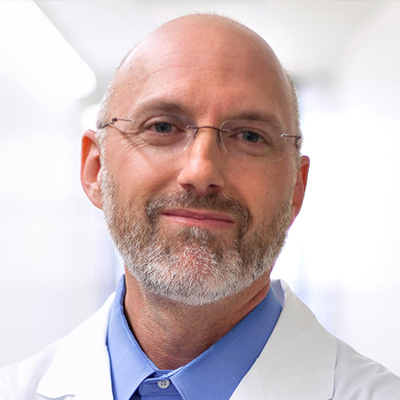
Professor Victor Fung is a leading academic in neurology and motor control at the Sydney Medical School , University of Sydney. He serves as Director of the Movement Disorders Unit at Westmead Hospital and holds prominent roles in the International Parkinson and Movement Disorder Society (President) and the Asia Pacific Affairs Committee of the Australian and New Zealand Association of Neurologists. His research focuses on Parkinson's disease , dystonia , tremor , and movement disorder genetics , with over 250 peer-reviewed publications and an h-index of 61. His work spans Clinical trials for Parkinson's treatments (e.g., foslevodopa/foscarbidopa infusion, incobotulinumtoxinA) Genetic studies on dystonia and Parkinsonism Neurophysiological assessments of tremor and balance Development of screening tools for dystonia and Parkinson's complications Key article trends highlight genetic diversity in dystonia, neuroinflammatory mechanisms in tremor, and behavioral neurology in Parkinson's disease. He contributes to editorial boards of npj Parkinson's Disease , Journal of Clinical Movement Disorders , and Faculty Opinions . While no explicit student lists are provided, his collaborations span global institutions. His clinical work at Westmead Hospital addresses device-assisted therapies and complex movement disorders.
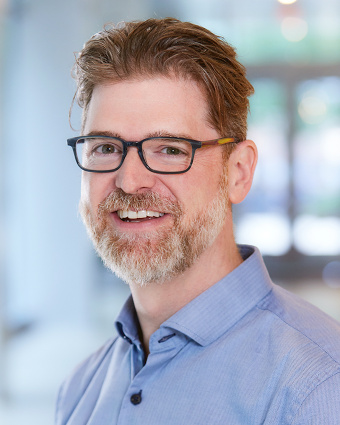
Lindsey Kent is a Professor at the University of St Andrews' School of Medicine, where she serves as Deputy Head and Director of Admissions. Her research focuses on the biological foundations of psychiatric disorders, particularly ADHD and developmental language disorders. Education: Medicine (Aberdeen University, 1989), PhD (University of Birmingham, 1998) Academic Appointments: Wellcome Trust Fellow (1999), University Lecturer (University of Cambridge, 2003), Reader (University of St Andrews, 2007) Research Trends: Dr. Kent's work explores psychiatric genetics, neurodevelopmental disorders, and molecular mechanisms through genome-wide association studies, exome sequencing, and genetic epidemiology. Key Collaborations: Psychiatric Genomics Consortium, EAGLE Consortium, 23andMe Technical Focus: ATP2C2 gene variants, TNR gene associations, polygenic risk architectures Awards: Fellow of the Higher Education Academy (2000) Academic Contributions: She has directed two Wellcome Trust-funded projects on ADHD genetics and co-authored over 91 peer-reviewed publications, including significant studies in Nature Communications and Human Molecular Genetics . Her editorial roles include serving on the American Journal of Medical Genetics board (2007–2014).
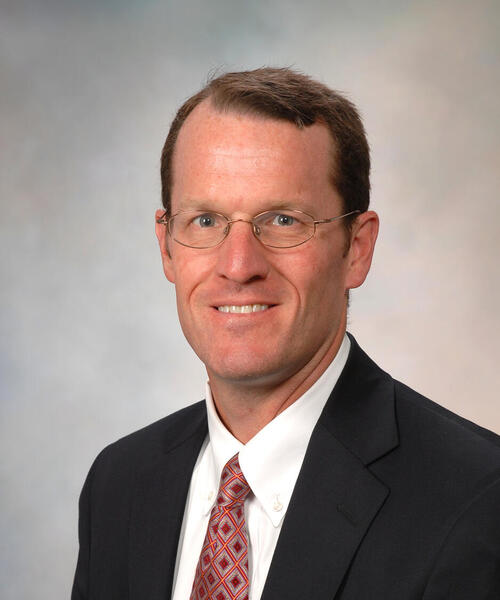
Gary M. Shaw is the Rosemarie Hess Professor and Professor (Research) at Stanford University , with courtesy appointments in the Department of Epidemiology and Population Health and Department of Obstetrics & Gynecology - Maternal Fetal Medicine . He serves as Co-PI of the March of Dimes Prematurity Research Center at Stanford and PI of the California Center for Finding Causes and Preventives of Birth Defects . His research focuses on the Epidemiology of birth defects Gene-environment interactions in perinatal outcomes Nutritional factors in reproductive health . He has developed machine learning approaches for precision parenteral nutrition and predictive models for preterm birth, while investigating persistent metabolomic signatures following hypertensive pregnancy disorders. Shaw's recent work explores Climate change impacts on reproductive health Maternal-fetal immune interactions Epigenetic mechanisms in perinatal disease with applications of multiomics to neonatal intensive care units. As a member of Bio-X and the Maternal & Child Health Research Institute , he contributes to translational research networks while serving as Associate Editor for Birth Defects Research and American Journal of Medical Genetics . He supervises Med Scholar Project student Richard Liang Doctoral co-advisor for Saskia Comess and Richard Liang Master's advisor for Lenae Joe while leading the Division of Neonatology as Associate Chair for Clinical Research (2012-2025). His laboratory work integrates Metabolomic profiling Proteomic analysis Computational modeling Machine learning for biomedical data to advance neonatal care through precision medicine approaches.
University of California, Los AngelesUnited States
Dr. Brent Fogel is a Professor in the Departments of Neurology and Human Genetics at the David Geffen School of Medicine, UCLA. He directs the Neurogenetics Clinic and the UCLA Clinical Neurogenomics Research Center , focusing on diagnosing and managing genetic neurological disorders such as cerebellar ataxia , ataxia with oculomotor apraxia , spastic paraplegia , and leukodystrophies . His research integrates genomics , bioinformatics , and neuroimaging to improve precision medicine in prenatal counseling and rare disease diagnosis. Education: MD, PhD from Medical College of Wisconsin (2003) PhD in Genetics (2001) Internship in Internal Medicine (Northwestern University, 2004) Residency in Neurology (UCLA, 2007) Fellowship in Neurogenetics (UCLA, 2009) Board Certified in Neurology (2009) Research Focus: Dr. Fogel’s work spans neurogenetics , spinocerebellar ataxia , leukodystrophy , and genomic technologies . He has pioneered gene discovery in hereditary ataxias, developed transcriptional biomarkers , and contributed to diagnostic guidelines for rare disorders. His studies on lysosomal genes in Parkinson’s disease and exome sequencing disparities address critical gaps in neurogenetic research. Key Collaborations: He leads multicenter studies with the Ataxia Global Initiative , Undiagnosed Diseases Network , and Genomics England Research Consortium . His lab ( FogelLab ) develops tools like multiWGCNA for gene network analysis.
Massachusetts Institute of TechnologyUnited States
J. Christopher Love is the Raymond A. (1921) and Helen E. St. Laurent Professor of Chemical Engineering at MIT, with affiliations to the Koch Institute for Integrative Cancer Research, Broad Institute, and Ragon Institute. He earned a BS in Chemistry from the University of Virginia and a PhD in Physical Chemistry from Harvard University under George Whitesides, followed by postdoctoral work under Hidde Ploegh at Harvard Medical School. His research focuses on single-cell analysis, precision medicine, and biomanufacturing. The Love Lab develops technologies for drug discovery, vaccine development, and equitable biologic medicine production. Notable successes include pioneering single-cell analysis platforms, advancing metastatic cancer diagnostics via liquid biopsies, and engineering yeast-based vaccine manufacturing. Recent articles highlight innovations in liquid biopsy sensitivity, AI-driven ECG diagnostics, and CAR T-cell therapies. Awards include the Keck Young Scholar (2009), Dana Scholar (2009), and Camille Dreyfus Teacher-Scholar. He co-founded OneCyte, HoneyComb, and Sunflower Therapeutics, and advises multiple biotech companies. His lab emphasizes translational research, integrating chemical and biological engineering principles to address global healthcare challenges. Current work explores manufacturability-by-design for vaccines, tumor immunology, and mucosal vaccine delivery systems.
Gerard D Schellenberg is a Professor of Pathology and Laboratory Medicine at the University of Pennsylvania Perelman School of Medicine, with graduate affiliations in Genomics and Computational Biology and Neuroscience. His research focuses on the genetic architecture of Alzheimer's disease and related neurodegenerative disorders, particularly through large-scale genomic studies and neuropathological correlations. Education: B.S. in Biochemistry (minor: Cell Biology), University of California at Riverside, 1973 Ph.D. in Biochemistry (minor: Cell Biology), University of California at Riverside, 1978 NIH Post Doctoral Fellowship, National Institute of Health, 1980-1982 Senior Research Fellow positions at University of Washington departments (1978-1983) Dr. Schellenberg's research program centers on identifying genetic risk factors for Alzheimer's disease through genome-wide association studies (GWAS), whole-genome sequencing, and multi-omics integration. His work emphasizes population diversity, with significant contributions to understanding genetic risk in African American cohorts and sex-specific effects in neurodegeneration. Key focus areas include tauopathies, TDP-43 pathology, and the role of immune-related genes in disease progression. He has pioneered studies on progranulin mutations and their variable phenotypic expression across neurodegenerative conditions. Recent publications reveal a strong trajectory toward multi-ethnic genetic studies, with emphasis on Alzheimer's disease genetics in underrepresented populations , sex differences in cognitive resilience , and novel risk genes like MGMT and DCDC2. His team integrates neuropathological data with genomic findings to establish causal mechanisms, frequently publishing in high-impact journals like Nature Genetics and Alzheimer's & Dementia . Key Scientific Contributions: Leadership in the Alzheimer's Disease Sequencing Project (ADSP) expanding ethnic diversity in genetics research Development of the Alzheimer's Disease Variant Portal (ADVP) for harmonized genetic data Pioneering work on APOE-ε4 modifying loci in African ancestry populations Identification of sex-specific genetic predictors for memory maintenance Dr. Schellenberg directs genomic research initiatives that bridge basic science with clinical neuropathology. His laboratory maintains extensive collaborations with neuropathology cores for autopsy-confirmed diagnoses and leverages multi-ethnic cohorts to address health disparities in dementia research. Current work focuses on elucidating how genetic variants influence tau and TDP-43 pathology across diverse populations, with implications for precision medicine approaches to neurodegenerative diseases.
Bertrand Coste is a CNRS Researcher at the Cognitive Neuroscience Laboratory (Aix-Marseille University/CNRS), specializing in mechanosensation and ion channel biology. He developed pioneering techniques to study mechanically activated ion channels, notably discovering the PIEZO1 and PIEZO2 channels with Prof. Ardem Patapoutian, which contributed to the 2021 Nobel Prize in Physiology or Medicine. His current work focuses on pain perception mechanisms and cardiovascular functions of PIEZO channels. Education: Completed his PhD at the Laboratoire de neurophysiologie cellulaire in Marseille, followed by postdoctoral research at the Scripps Research Institute, CA (2007–2012). Research Interests: Molecular basis of mechanosensation, mechanosensitive ion channels (PIEZO family), pain signaling, and cardiovascular physiology. His studies bridge molecular neurobiology with clinical applications in chronic pain management and genetic disorders linked to mechanosensory defects. Publications highlight advancements in PIEZO channel structure-function relationships, their roles in sensory perception, and contributions to pathologies like hereditary stomatocytosis and arthrogryposis. His work integrates genetics, cell biology, and biophysics to decode mechanical signaling pathways. Received the Brixham Foundation 2022 Award (Fondation pour la Recherche Médicale) for research on pain mechanisms. Collaborates with interdisciplinary teams at the CNRS and Aix-Marseille University, advancing translational neuroscience initiatives.
Irina A. Anselm, MD is Assistant Professor of Neurology at Harvard Medical School and Director of the Mitochondrial Program at Boston Children's Hospital. She co-directs the Neurometabolic Program and serves as clinical expert for the hospital's Precision Medicine Service. Her work spans pediatric neurology , neurogenetics , and mitochondrial medicine . Medical School: St. Petersburg Pediatric Medical Academy (1984) Residency: University of Massachusetts Medical Center (1995) Fellowship: New England Medical Center (1998) Dr. Anselm specializes in mitochondrial disorders and neurometabolic syndromes affecting children. Her research focuses on genetic diagnosis , experimental therapies , and clinical management of these complex conditions. She leads clinical trials evaluating novel treatments like dichloroacetate (DCA) for lactic acidemia and collaborates with biotech companies on gene therapy approaches. Key publication areas include mitochondrial disease pathophysiology , neurodevelopmental genetic mutations , and experimental treatment outcomes . She has authored consensus guidelines for mitochondrial disease management and serves as reviewer for multiple journals including Journal of Pediatric Neurology and Current Pediatric Reviews .
Mayo Clinic College of Medicine and ScienceUnited States
Dr. Elliot L. Dimberg is a neurologist specializing in neuromuscular disorders at Mayo Clinic Hospital in Jacksonville, Florida. He serves as faculty at Mayo Clinic Alix School of Medicine within the Department of Neurology, holding leadership roles including Vice Chair of the Curriculum Committee and Clerkship Sub Committee. Dr. Dimberg actively contributes to medical education through multiple committees related to student promotions, academic affairs, and residency program evaluation, while maintaining a clinical practice focused on complex neuromuscular conditions. Dr. Dimberg earned his MD from Tulane University in 2001. He completed his Neurology residency and served as Chief Resident at the University of Virginia, followed by fellowships in Clinical Neurophysiology at the University of Virginia (2006) and Neuromuscular Disease at Mayo Clinic Rochester (2008). He maintains board certification in Neurology, Clinical Neurophysiology, and Neuromuscular Medicine through the American Board of Psychiatry and Neurology. His clinical expertise spans neuromuscular junction disorders including myasthenia gravis and Lambert-Eaton Myasthenic Syndrome, peripheral neuropathies, brachial and lumbosacral plexus disorders, polyradiculopathies, motor neuron diseases, and myopathies. Dr. Dimberg integrates clinical evaluation with electrodiagnostic medicine to diagnose and manage these complex conditions. His research focuses on advancing diagnostic methodologies through electromyography techniques, genetic testing, and clinical trial participation for rare neuromuscular disorders. Dr. Dimberg's publication record demonstrates consistent contributions to neuromuscular medicine, with emphasis on diagnostic precision, genetic underpinnings of muscle disorders, and therapeutic innovations. His recent work includes clinical trials for hereditary transthyretin amyloidosis, studies on spinal muscular atrophy treatments, and investigations into immune-mediated necrotizing myopathy, reflecting his commitment to advancing both clinical practice and scientific understanding in his field. Multiple Above and Beyond Awards from Mayo Clinic in Florida (2008-2024) A.B. Baker Teacher Recognition Award from American Academy of Neurology (2013, 2021) Commitment to Education Award from Mayo Clinic Alix School of Medicine (2019) Alpha Omega Alpha Honor Society membership (2000) As an educator, Dr. Dimberg has coordinated the Residency Neuroanatomy Course and Clinical Pathological Correlation Conference for over a decade. He previously chaired the Curriculum Committee for the Adult Neurology Residency Program and currently serves in leadership roles for Mayo Clinic Alix School of Medicine's educational committees. His dedication to teaching has been recognized through numerous awards including the prestigious A.B. Baker Teacher Recognition Award. Professionally, Dr. Dimberg serves as Co-Chair of the American Association of Neuromuscular and Electrodiagnostic Medicine's EDX Lab Accreditation Committee and holds leadership positions in the American Clinical Neurophysiology Society. He contributes to developing certification exams, educational programming, and clinical guidelines for these organizations, maintaining active engagement with the broader neuromuscular medicine community.
Zhandong Liu is an Associate Professor at Baylor College of Medicine with joint appointments in the Department of Pediatrics and Department of Neurology . He serves as Chief of Computational Sciences at Texas Children's Hospital and co-directs the Quantitative & Computational Biosciences Graduate Program at Baylor. Education: B.S. in Computer Science, Nankai University (2001) M.S. in Computer Science, Wayne State University (2003) Ph.D. in Genomics and Computational Biology, University of Pennsylvania (2010) Dr. Liu's research integrates genomics , machine learning , and bioinformatics to advance understanding of neurological diseases. His work focuses on: Multi-omics data integration for disease mechanism discovery Development of cloud-based CRISPR analysis tools like CRISPRcloud Augmented reality platforms for biomedical data visualization Identification of disease genes through computational models Alternative splicing analysis in cancer and neurodegeneration Single-cell and spatial transcriptomics algorithms His recent publications emphasize Alzheimer's disease , MECP2 syndromes , and computational therapy prediction across multiple domains. Scientific awards include the 2018 Outstanding Service Award from the International Association for Intelligent Biology and Medicine. He has secured major grants from NIH, CPRIT, and NSF for projects including: NSF grant #199977 (2018-2020): Augmented reality therapy platforms CPRIT grant #RP170387 (2016-2019): Network-guided cancer analysis NIH #1R01AG057339 (2017-2022): Alzheimer's disease networks As head of the Liu Lab , he leads teams developing tools like: MARRVEL : Human-model organism gene variant integration CRISPRcloud : Secure CRISPR screen analysis platform CrypSplice : Cryptic splicing detection algorithm
The University of Texas Medical Branch at GalvestonUnited States
B. Montgomery Pettitt is a Professor in the Department of Biochemistry and Molecular Biology at the University of Texas Medical Branch (UTMB). His research spans biophysics, chemical physics, and computational science, focusing on DNA compaction in bacteriophages, protein folding mechanisms, and multiscale modeling of biomolecular systems. Education: BS in Chemistry and Mathematics from University of Houston (1975), PhD in Physical Chemistry from University of Houston (1980) Postdoctoral Training: University of Texas (1980-1983), Harvard University (1983-1985) Research interests center on thermodynamic barriers in viral DNA packaging, protein solubility and phase transitions, and multiscale computational methods linking atomic and macroscopic properties. His work has implications for genomics, nanotechnology, and therapeutic delivery systems. Key publication themes include DNA conformational dynamics, protein collapse thermodynamics, solvation energetics, ion pair interactions in protein-DNA complexes, and validation of continuum-solvent models. These studies employ computational approaches and experimental data integration. His laboratory develops theoretical frameworks and computational tools to analyze solute-solvent interactions, leveraging proximal distribution functions and activity models to understand biological processes across disparate length and time scales.
Kushal Dey serves as an Assistant Professor in the Computational and Systems Biology Program at Memorial Sloan Kettering Cancer Center (MSKCC), part of the Graduate School of Medical Sciences in partnership with Weill Cornell Medicine. His research integrates statistical and machine learning approaches with genomic data to understand the regulatory architecture of complex diseases. Dr. Dey's research focuses on developing computational methods that integrate human disease genetics with functional genomics data. His work spans immune-related diseases including Alzheimer's and inflammatory bowel disease, as well as heritable cancers like breast and prostate cancer. His lab develops models to prioritize variants, genes, and cell states for disease using genetic, genomic, and perturbation data, with emphasis on causal directed graphs and benchmarking pipelines informed by disease genetics. His recent publications highlight expertise in GWAS, colocalization, spatial transcriptomics, Perturb-seq, and RNA+ATAC multiome analysis. His work frequently appears in top journals like Nature Genetics, with a focus on single-cell multi-omics approaches to understand disease mechanisms at cellular resolution. Scientific Awards: Josie Robertson Investigator (2023–2028) K99/R00 Pathway to Independence Award (NIH/NHGRI) (2022–2026) NIH/NHGRI Early Stage Investigator R01 (2025-2030) NCI P30 CCSG supplement – 'LLMs in cancer research' (2023-2024) Catalog Working Group Co-chair + Disease Focus Group Lead: IGVF consortium (2023-) Dr. Dey mentors several graduate students through the Weill Cornell Graduate School (WGS), including Thahmina Ali, Pretty Garcia, Karthik Guruvayurappan, Louis Liu, Sarthak Tiwari, Berk Turhan, and Harry Zhang. His lab has received multiple grants including the AWS IMAGINE Grant Children's Health Innovation Award 2024-2025 (as Project Co-lead) and PSRP Developmental Funds Awards (2025: Co-lead). The lab actively collaborates with consortia including ENCODE, ADSP, MorPhiC, and IGVF, maintaining strong ties with Columbia University, Stanford University, and Harvard T.H.Chan School of Public Health. The Kushal Dey Lab is part of the vibrant Tri-Institutional Research campus adjacent to Rockefeller University and Weill Cornell Medical College, offering a collaborative environment focused on computational genomics and disease mechanisms.
Joel Talcott is Professor of Developmental Cognitive Neuroscience at Aston University, specializing in dyslexia and language disorders. His research examines genetic, neural, and cognitive foundations of reading development using methods including neuroimaging, genetic analysis, and large-scale behavioral assessment. Leadership Roles: Vice President of the British Dyslexia Association (2010-present), Fellow of the Royal Society of Arts (2012), and IBRO-UNESCO Science of Learning Fellow (2020). Editorial responsibilities include service for Dyslexia and Annals of Dyslexia journals. Research: Leads the Aston Brain Centre's investigations into neurocognitive trajectories of reading skills. Current projects include the ECCaToN transdiagnostic protocol for neurodevelopmental characterization and analysis of literacy development datasets (LIBS Dataset). Awards: IBRO-UNESCO Science of Learning Fellow (2020) Fellow of the Royal Society of Arts (2012) Honorary Vice-President, British Dyslexia Association (2010)
Jeffrey R. Gruen is Professor of Pediatrics (Neonatology) and of Genetics at Yale School of Medicine, and a faculty member in the Investigative Medicine Program at Yale Graduate School of Arts and Sciences. His research is affiliated with multiple centers including the Yale Center for Genomic Health, Wu Tsai Institute, and the Yale Child Health Research Center. Professor of Pediatrics (Neonatology), Yale School of Medicine Professor of Genetics, Yale School of Medicine Member, Investigative Medicine Program, Yale Graduate School Principal Investigator, Gruen Lab Education: MD, Tulane University, 1981 BS in Chemistry, Tulane University, 1977 Residency in Pediatrics, Yale-New Haven Hospital, 1984 Internship in Pediatrics, Yale-New Haven Hospital, 1982 Dr. Gruen's research centers on the genetic and molecular basis of dyslexia and language impairments. His lab pioneered the mapping of the DYX2 locus on chromosome 6 and discovered the DCDC2 gene, a major contributor to reading disability. His team identified READ1, a transcriptional control element that modulates risk for dyslexia, and demonstrated synergistic interactions between genetic variants in DCDC2 and KIAA0319 . His work integrates human genetics, molecular biology, and neuroimaging to understand the biological mechanisms underlying learning disabilities. He leads the Yale Genes, Reading and Dyslexia (GRaD) Study and the New Haven Lexinome Project, aiming to enable early diagnosis and personalized educational interventions. The recent publications reflect a strong trend in integrating genetic data with cognitive, behavioral, and educational assessments. Key themes include genome-wide association studies of dyslexia, gene-environment interactions (particularly involving phonological awareness and home environment), phenotype harmonization across cohorts, and the application of genetic findings to educational policy and practice. Imaging genetics and the study of comorbid conditions like Sluggish Cognitive Tempo are also prominent. Scientific Awards: Innovative Research Award, Kavli Institute, 2022 Dr. Gruen has served as Principal Investigator on numerous NIH-funded studies, including the GRaD Study, the Pediatric Imaging NeuroGenetics (PING) Study at Yale, and the New Haven Lexinome Project. He mentors a broad network of collaborators across institutions such as the University of Colorado, University of Bristol, and Johns Hopkins. His lab trains researchers in human genetics, molecular techniques, and cognitive phenotyping. He leads the Gruen Lab, which focuses on human genetic studies, molecular genetic mechanisms, imaging genetics, and longitudinal intervention studies. The lab collaborates extensively with national and international research centers and utilizes advanced techniques including GWAS, sequencing, chromatin immunoprecipitation, and MRI-based phenotyping.
Robert Gore, MD is a Clinical Assistant Professor in the Department of Emergency Medicine at SUNY Downstate College of Medicine. He earned his medical degree from SUNY Buffalo in 2002 and completed his residency training at Cook County Hospital in Chicago, IL. Dr. Gore's professional interests focus on Youth Violence prevention, Resident Education methodologies, International Health initiatives, and Diversity in medical practice. His research spans multiple disciplines including emergency medicine, respiratory medicine, immunology, and global health. Analysis of Dr. Gore's publication history from 2002-2024 reveals a strong focus on respiratory conditions (particularly asthma), immunology, and clinical education. His recent work has concentrated on severe asthma treatments, biologic therapies, and health disparities in global contexts. He has contributed to significant studies including the UK Severe Asthma Registry and clinical exome sequencing projects for immune phenotypes. Dr. Gore maintains active clinical and research engagement across multiple medical specialties, with publications appearing in high-impact journals including Nature, Journal of Allergy and Clinical Immunology, and European Respiratory Journal.