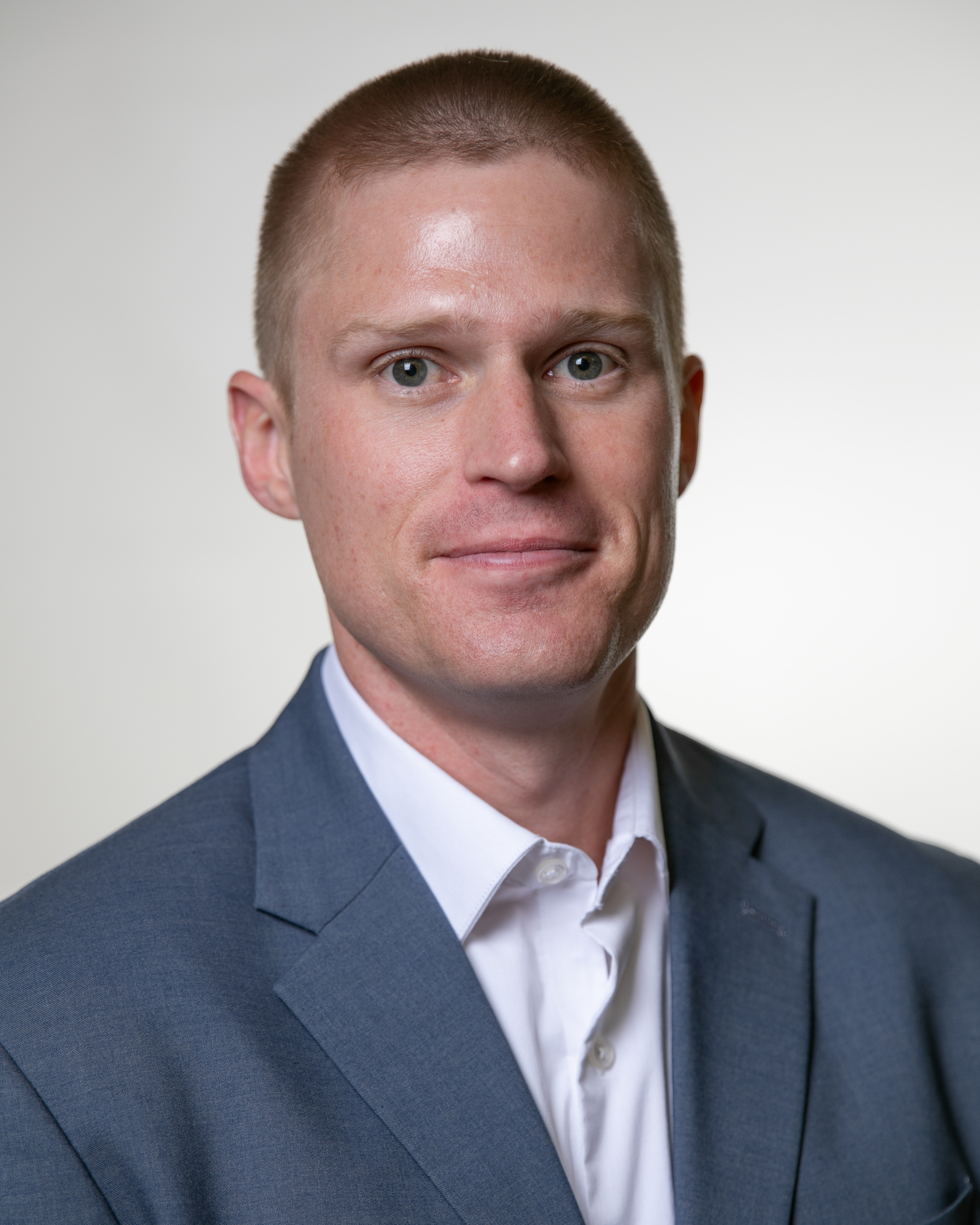
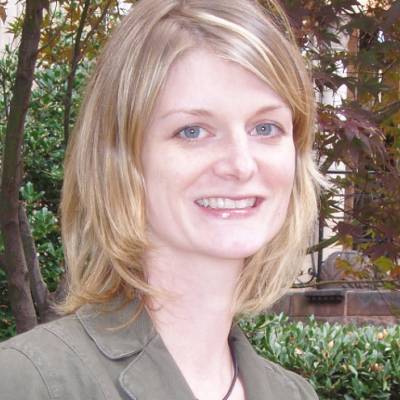
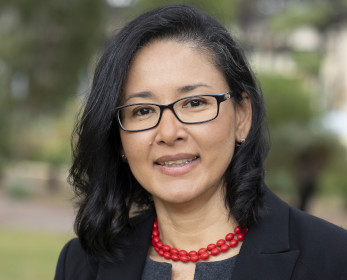
Dr. Karen McConnell is a Lecturer in Children's Nursing and a paediatric physiotherapist at Queen’s University Belfast’s School of Nursing and Midwifery, part of the Faculty of Medicine, Health & Life Sciences. Her research focuses on physical activity inclusion for individuals with disabilities, cerebral palsy interventions, and evidence synthesis. She supervises PhD students in neurodisability, rehabilitation, and patient involvement in education. Key awards include the APCP Best Poster Prize (2023) and an Evidence Synthesis Ireland Fellowship (2021). Dr. McConnell leads the Mae Murray Foundation as a Non-Executive Director and chairs the Association of Paediatric Chartered Physiotherapists (APCP) in Northern Ireland. She teaches undergraduate Evidence-Based Nursing and postgraduate Musculoskeletal Care courses. Education: PhD in Nursing (Queen’s University Belfast, 2012) Research Projects: Includes a 2019 study on vestibular nerve stimulation in cerebral palsy and co-designing inclusive physical education tools. Awards: 6 prestigious prizes in research and leadership.
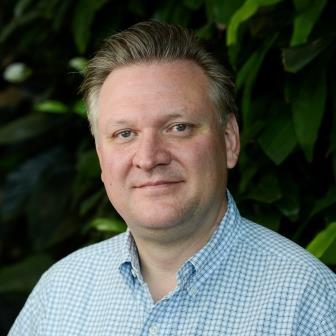
Christopher Proppe is an Assistant Professor in the Department of Exercise Science at Wichita State University. His research focuses on neuromuscular adaptations, blood flow restriction (BFR) exercise, and rehabilitation applications in clinical populations such as Multiple Sclerosis (MS). He holds credentials including a PhD, ATC (Athletic Trainer), and CSCS (Certified Strength and Conditioning Specialist). His work explores BFR’s effects on muscle swelling, fatigue, and pain perception, with studies on low-load resistance training protocols, gas exchange kinetics during exercise, and neuromuscular responses in untrained populations and athletes. Key areas include optimizing BFR applications for functional recovery in MS patients and understanding mechanisms behind exercise-induced hypoalgesia. Publications emphasize BFR’s role in muscle damage (e.g., DOMS), neuromuscular efficiency, and perceptual responses. He has also investigated BFR’s impact on sprint performance, gender differences in exercise physiology, and biomechanical adaptations during fatiguing bouts. Dr. Proppe’s studies often combine experimental protocols with advanced metrics like mechanomyography (MMG), oxygen uptake analysis, and motor unit recruitment tracking. His research bridges clinical rehabilitation and exercise science, targeting both healthy populations and individuals with neurological disorders.
Sao Mai Nguyen is an Enseignante-Chercheuse (Lecturer-Researcher) at ENSTA Paris, affiliated with the Unité d'Informatique et d'Ingénierie des Systèmes (U2IS). Her research bridges robotics, artificial intelligence, and cognitive science, focusing on cognitive developmental robotics, intrinsic motivation in learning, and human-robot interaction. She explores how robots can adapt to social and physical environments, particularly in physical rehabilitation and smart home applications. Research Interests: Nguyen’s work integrates machine learning, robotic embodiment, child psychology, and neuroscience. Key areas include human-robot interaction, assistive robotics for chronic low back pain rehabilitation, activity recognition in smart homes using IoT sensors, and intrinsic motivation-driven learning frameworks. Recent Contributions: Her 2024 HDR thesis on reinforcement and imitation learning for sequential tasks underscores her expertise in strategic learning systems. Recent publications address bio-inspired robotics models, hierarchical reinforcement learning, and benchmark environments like 'Open the Chests' for activity recognition. Collaborations include projects like the R-COOL randomized trial for robot-coached physical exercises. Labs & Teams: She contributes to the U2IS lab, advancing interdisciplinary research in AI and robotics. Her work spans experimental platforms for sensorimotor learning and healthcare robotics applications.
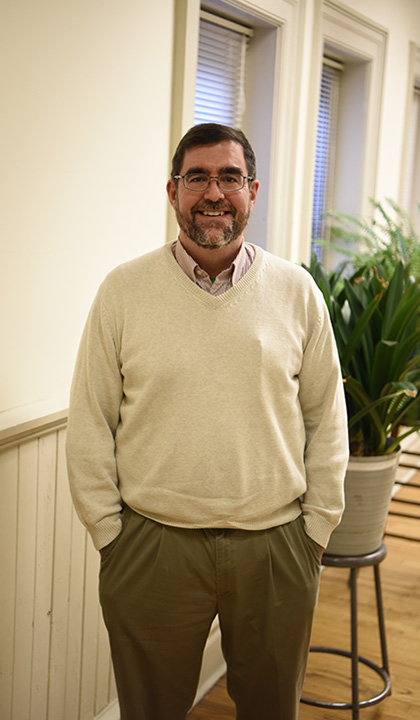
Enrique Ortega Toro is a Full Professor at the Department of Physical Activity and Sport within the Faculty of Sports Sciences at the University of Murcia. His research focuses on technical-tactical performance analysis in sports, particularly in football, basketball, and volleyball, emphasizing rule modification effects, youth development, and educational values in sports. He holds a PhD in Sports Sciences from the University of Granada (2004), where his thesis analyzed ball possession patterns and self-efficacy in youth basketball. His work spans studies on age-related performance evolution, equipment scaling for youth athletes, and psychological aspects of sports participation. He leads the HUMSE research group (Human Movement and Sport Science), previously contributing to UMUSPORT. He has designed health programs like UMUCARDIO and UMU Fortalece tu espalda, targeting cardiovascular and musculoskeletal health in university employees. Collaborations include analysis of sports competition rules and feedback mechanisms in coaching. Research interests include sports pedagogy, nonlinear pedagogy applications, and the integration of scientific rigor with applied sports practices. Recent studies address competitive equity in basketball, serve efficacy in beach volleyball, and the impact of rule changes on youth athlete experiences. His work bridges academic research with practical sports education, emphasizing holistic athlete development.
Dr. Ann F. Haynos is an Assistant Professor in the Clinical Psychology department at Virginia Commonwealth University, where she conducts research on restrictive eating disorders and mechanisms of goal pursuit leading to harmful health outcomes. Her work integrates neuroscience and clinical science through a bench-to-bedside approach. Ph.D., University of Nevada, Reno (2015) Her research focuses on decision-making mechanisms (e.g., reward processing, cognitive control) in eating disorders, particularly anorexia nervosa, and explores interventions to disrupt rigid goal pursuit patterns. She employs neuroimaging, ecological momentary assessment, and computational modeling to achieve mechanistic insights. Recent publications highlight trends in neuroimaging applications, emotion regulation frameworks, and virtual interventions for eating disorders. Her work spans neurocognitive heterogeneity, reward responsivity, and sociocultural influences on body dissatisfaction. 2019 Finalist, Informing Prevention Article of the Year 2018 Mentor, Best Paper by an Early Career Scholar 2018-2022 Loan Repayment Program, National Institute of Mental Health
Dr. Suzanne Mazzeo is a tenured Professor at the College of Humanities and Sciences at Virginia Commonwealth University, specializing in Counseling Psychology. She holds a Ph.D. from the University of Illinois at Urbana-Champaign (2000) and focuses on eating disorders and obesity research. Ph.D.: University of Illinois at Urbana-Champaign, 2000 Mazzeo's research examines how cultural and environmental factors influence genetic predispositions to eating disorders, with an emphasis on designing culturally sensitive interventions for healthy eating and exercise in community settings. Her work spans clinical psychology, public health, and behavioral medicine. Recent publications highlight interventions for adolescent obesity and eating disorders, emphasizing family therapy and cultural sensitivity. Key trends include community-based clinical trials and cross-cultural analysis. Scientific Awards Excellence in Scholarship Award, Virginia Commonwealth University College of Humanities and Sciences (2009) She teaches undergraduate and graduate courses, including Health Psychology, Theories of Counseling and Personality, and Stress & Its Management. No student advising details or grant funding are mentioned in the provided text.
Marco Farina is a Full Professor in Electromagnetics at the Department of Information Engineering, College of Engineering, Polytechnic University of Marche, Italy. His research spans electromagnetic modeling, scanning microwave microscopy, and nanotechnology, with applications in 2D materials, biosensors, and advanced measurement systems. He is a Senior Member of IEEE and actively contributes to Technical Committees on RF Nanotechnology. Laurea and Ph.D. in Electronic Engineering from University of Ancona Research interests focus on quantitative scanning microwave microscopy, electromagnetic analysis of active/passive components, and nanoscale characterization techniques. His work bridges theoretical modeling with practical implementation, including the development of the EM3DS software suite and novel inverted SMM systems. Recent publications highlight interdisciplinary applications in biomedical analysis and semiconductor physics. Scientific recognition includes the 3M-Nano Best Conference Paper Award and grants from US Army Research Laboratory and US Air Force Office of Scientific Research. He holds an ESA-funded patent for VNA calibration and has co-authored a book on planar structure analysis. Collaborative projects emphasize RF device optimization and biological imaging.
Professor Elin Gray is Deputy Director of the Centre for Precision Health at Edith Cowan University (ECU) and leads the Translational Melanoma Research Group. She holds a Cancer Council of Western Australia Research Fellowship and specializes in liquid biopsies for cancer diagnosis. Her research explores circulating tumor cells, ctDNA, and extracellular vesicles to monitor tumor evolution and therapy resistance. Education: Doctor of Philosophy (2008, South Africa) Master in Biochemistry (2001, Cuba) Bachelor of Biochemistry (1997, Cuba) Her work bridges immunology, virology, and oncology, with emphases on melanoma biomarkers, immunotherapy resistance mechanisms, and exercise-induced tumor suppression. Recent studies leverage spatial transcriptomics and single-cell genomics to dissect tumor microenvironments. She has secured significant grants including NHMRC funding for liquid biopsy development ($820,889) and leads the Western Australia Melanoma Initiative ($1.16M). Her team collaborates globally to translate findings into clinical practice. Awards: Cancer Council of Western Australia Research Fellowship Professor Gray mentors 25+ graduate students and postdoctoral researchers, focusing on CTC isolation, TCR repertoire analysis, and extracellular vesicle diagnostics. Her laboratory pioneers multimodal liquid biopsies for real-time cancer monitoring.
Amy S. Fuller serves as a Research Fellow in the Cardiovascular and Lifestyle Medicine Research Theme within Coventry University's Faculty of Health and Life Sciences, a position she assumed in August 2023. Her academic journey includes a BSc in Biological Sciences from the University of Reading (2018), a multidisciplinary PhD from Newcastle University's Faculty of Medical Sciences (2018-2022) focusing on exercise tolerance in ageing and hypertrophic cardiomyopathy, and a Post Doctorate investigating nutrient sensing dysregulation in anorexia of ageing. Her research interests span cardiovascular disease pathophysiology in ageing populations , with specific emphasis on lifestyle interventions for disease management, exercise stress testing methodologies, and molecular pathways including mitochondrial function. She integrates clinical assessments of heart rate variability, hemodynamics, and health psychology to address cardiovascular conditions at national and international scales. Analysis of her 14 most recent publications reveals a strong thematic focus on hypertrophic cardiomyopathy (appearing in 90% of works), ageing-related cardiovascular changes (85%), and lifestyle intervention efficacy (75%). Her research consistently bridges molecular mechanisms with clinical applications, particularly in autonomic function assessment and exercise physiology. Scientific awards: Rank Prize Fund Dr. Fuller maintains active collaborations with National Health Trust partners and university networks, though specific grant details are not documented. Her current work includes developing AI-driven diagnostic tools for heart failure and planning future research on cardiac fatigue in endurance athletes. She operates within Coventry University's Cardiovascular and Lifestyle Medicine Research Theme, contributing to UN Sustainable Development Goals related to health and wellbeing.
Marianna Virtanen is a Professor at the University of Eastern Finland, affiliated with the School of Educational Sciences and Psychology within the Philosophical Faculty. She holds PhDs in Psychology (University of Helsinki) and Epidemiology (UCL, UK), and is a docent in occupational health. Her research focuses on working life dynamics, mental health, work capacity, and sickness absence. Current projects include leveraging digital data pools for healthcare workload assessment (Academy of Finland’s 'Digital Humanities' program) and climate change impacts on health (Academy of Finland’s 'Climate Change and Health' program). Collaborations include the Finnish Institute of Occupational Health, Karolinska Institutet, and University of Helsinki. Key research areas span occupational health, work-related stress, and health policy. She leads studies on workplace interventions for mental health support, return-to-work strategies, and the socioeconomic determinants of health. Projects emphasize interdisciplinary approaches, combining epidemiological methods with register-based data and longitudinal cohort analyses. Her work has generated over 150 peer-reviewed articles, focusing on topics like shift work health impacts, violence in healthcare, and psychosocial work environment dynamics. She has advised on EU policy guidelines for workplace mental health practices and contributed to national and international health initiatives. Marianna Virtanen’s contributions bridge academic research with practical applications for improving workplace health and reducing disparities in health outcomes.
Marissa A. Ehringer is Professor and Chair of the Department of Integrative Physiology at the University of Colorado Boulder, with a joint appointment at the Institute for Behavioral Genetics. Her research focuses on identifying genetic mechanisms underlying substance use disorders using genomics and bioinformatics approaches. She directs the Genetics of Substance Use Disorders Laboratory and mentors graduate trainees. Education: B.S. Biology & B.A. French, Indiana University (1995) Ph.D. Human Medical Genetics, University of Colorado Health Sciences Center (2001) Research Interests: Her work integrates behavioral genetics with genomic technologies to study alcohol, tobacco, and opioid use disorders. Key areas include: genetic epidemiology of addiction, neuropharmacology of substance responses, microbiome-gene interactions in opioid use disorder, and translational models of anxiety-related behaviors. Publications: Recent articles demonstrate strong focus on opioid genetics (33%), anxiety mechanisms (25%), diversity/inclusion in genomics (17%), and translational rodent models (25%). Methodological emphasis includes GWAS, transcriptomics, and microbiome analyses. Honors: NIH Training Fellowships (NIMH, NIDA) Leadership positions: RSA Board Member, IBNGS President Faculty Leadership Institute Fellow UROP Outstanding Mentor Award Training & Grants: Currently advises 6 graduate students. Active NIH grants include: U01 DA051937 (genetic networks in opioid disorder), R21 DA05781 (glial role in nicotine behaviors), and AB Nexus award (GCKR variant effects).
Robert Shepherd is a faculty member at Carleton University’s School of Public Policy and Administration (SPPA) where he teaches and researches public-sector evaluation, accountability, and Indigenous governance. His recent work concentrates on institutionalizing spending reviews, strengthening internal accountability, and adapting public-administration pedagogy to on-line and crisis environments. Education & Early Awards: PhD studies, Department of Political Science, University of Toronto C.B. MacPherson-Dawson Dissertation Fellowship (2001-02) Doctoral Studies Research Fellowship, University of Toronto (1997-98, 2000-01, 2001-02) Research Interests: Shepherd’s scholarship sits at the intersection of public-policy evaluation and public-management reform. He examines how governments can embed evidence-based spending reviews, monitoring and evaluation units, and internal accountability mechanisms that survive political turnover. A complementary stream explores Indigenous governance, particularly the evaluation of programs designed by and for First Nations communities, with an emphasis on youth engagement and culturally grounded methodologies. Publication Trends: Over 2020-24 he has published extensively on pandemic-era public management, the institutionalization of expenditure reviews in the Canadian federal government, and the challenges of evaluating Indigenous programs. His articles map a trajectory from episodic austerity exercises toward sustained analytic capacity inside government, while simultaneously advocating participatory and decolonizing approaches when evaluating programs in Indigenous contexts. Honours & Awards: SPPA Excellence in Teaching Award (2013-14) C.B. MacPherson-Dawson Dissertation Fellowship (2001-02) Multiple Doctoral Studies Research Fellowships, University of Toronto (1997-98, 2000-01, 2001-02) Graduate Teaching & Program Development: Shepherd has led the design and on-line delivery of graduate evaluation degrees and certificates, including inter-university partnerships aimed at civil servants in the Northwest Territories. His pedagogical research compares student engagement across on-line and blended formats and documents lessons learned from rapid remote teaching during COVID-19. Media & Public Commentary: He is regularly cited in Canadian media on questions of government transparency, accountability lapses, and the need for strategic spending reviews, positioning his research at the centre of contemporary debates on public-service renewal.
Dr. Jana Meixner is an Academic Associate at the University for Continuing Education Krems and collaborates with Cochrane Austria. Her work focuses on Evidence-Based Medicine, Public Health, and Epidemiology. She actively contributes to research projects such as "Medizin Transparent 2024" and "Implementation of cancer screening in Europe," funded by EU and public institutions. Her research emphasizes combating health misinformation, improving healthcare communication, and advancing systematic reviews in areas like influenza management and animal-assisted interventions. She frequently lectures on topics such as fake science, reliable health information, and evidence-based practices, engaging audiences ranging from medical professionals to the general public. Her publications span peer-reviewed journals and media outlets, addressing critical issues in healthcare transparency, patient education, and pandemic responses. She is affiliated with the Evidence-Based Health Research group at her university and actively participates in interdisciplinary collaborations to bridge gaps between scientific evidence and practical healthcare applications. Projects: Leading roles in EU-funded cancer screening initiatives and transparency-focused health communication programs. Grants: Secured funding from EU and Austrian public health institutions. Labs/Teams: Cochrane Austria, Evidence-Based Health Research group at University for Continuing Education Krems.
Paul Lynch serves as Professor in the Department of English within Saint Louis University's College of Arts and Sciences, where he maintains an active research profile at the intersection of rhetoric and religious studies. His scholarly work focuses on rhetorical theory, writing pedagogy, and the rhetoric of religion, with particular attention to Catholic educational traditions and spiritual formation. His educational background includes: Ph.D. in English, Purdue University (2008) Lynch's research explores how religious discourse shapes pedagogical practices, examining figures like René Girard and Pope Francis through rhetorical frameworks. His recent work investigates spiritual exercises in teaching, Jesuit educational identity, and the rhetoric of Catholic institutional crisis. This research bridges theoretical rhetoric with practical applications in faith-based education and writing instruction. His publication trajectory (2015-2025) reveals consistent engagement with three core areas: Girardian rhetorical theory (12 publications), Catholic educational rhetoric (9 publications), and writing pedagogy (7 publications). Notably, his 2024-2025 works show increased focus on contemporary Catholic institutional challenges while maintaining his longstanding interest in spiritual dimensions of teaching. His scholarly recognition includes: 2023 Ignite Seminar Teacher of the Year, University Core 2018 Article of the Year Award from the Religious Communication Association 2010 James H. Korn Scholarship of Teaching and Learning Award No information is available regarding graduate student advising or research grants. Lynch contributes to Saint Louis University's mission through his scholarship on Catholic rhetorical education and spiritual formation in teaching, though no specific labs or research teams are documented in the provided materials.
Dr. Ami P. Raval is a Research Assistant Professor in the Department of Neurology at the University of Miami Miller School of Medicine. Her research focuses on sex differences in stroke pathophysiology, particularly the interplay between estrogen, nicotine addiction, and hormonal contraceptives in exacerbating ischemic brain damage in females. She explores mechanisms of estrogen-mediated neuroprotection and investigates therapeutic interventions like whole body vibration therapy to mitigate post-stroke deficits in menopausal women. Dr. Raval's work also addresses the impact of electronic cigarettes and oral contraceptives on cerebral ischemia, emphasizing sex-specific vulnerabilities. Education & Training: PhD in Zoology (1995), Maharaja Sayajirao University of Baroda, India MS in Zoology (1991), Maharaja Sayajirao University of Baroda, India MS in Public Health (2012), University of Miami Neuroscience Fellowship (2003), University of Miami Research Interests: Dr. Raval investigates: Sex differences in stroke outcomes, particularly post-menopausal vulnerability due to estrogen decline Nicotine and oral contraceptive synergies in worsening ischemic injury in females Therapeutic strategies like estrogen receptor beta agonists and whole body vibration for cognitive recovery Awards & Honors: Best Poster Award (Basic Science), University of Miami Women's Health Research (Year not specified) American Heart Association Young Scientist Award (2013) ICMR Fellowship (New Delhi, India) Gujarat Government PhD Fellowship (India) Professional Contributions: Dr. Raval serves as a peer reviewer for journals like Stroke , Journal of Neuroinflammation , and grant review panels including the NIH and American Heart Association. She leads studies in the Peritz Scheinberg Cerebral Vascular Disease Research Laboratory, collaborating on translational research to advance stroke therapies.