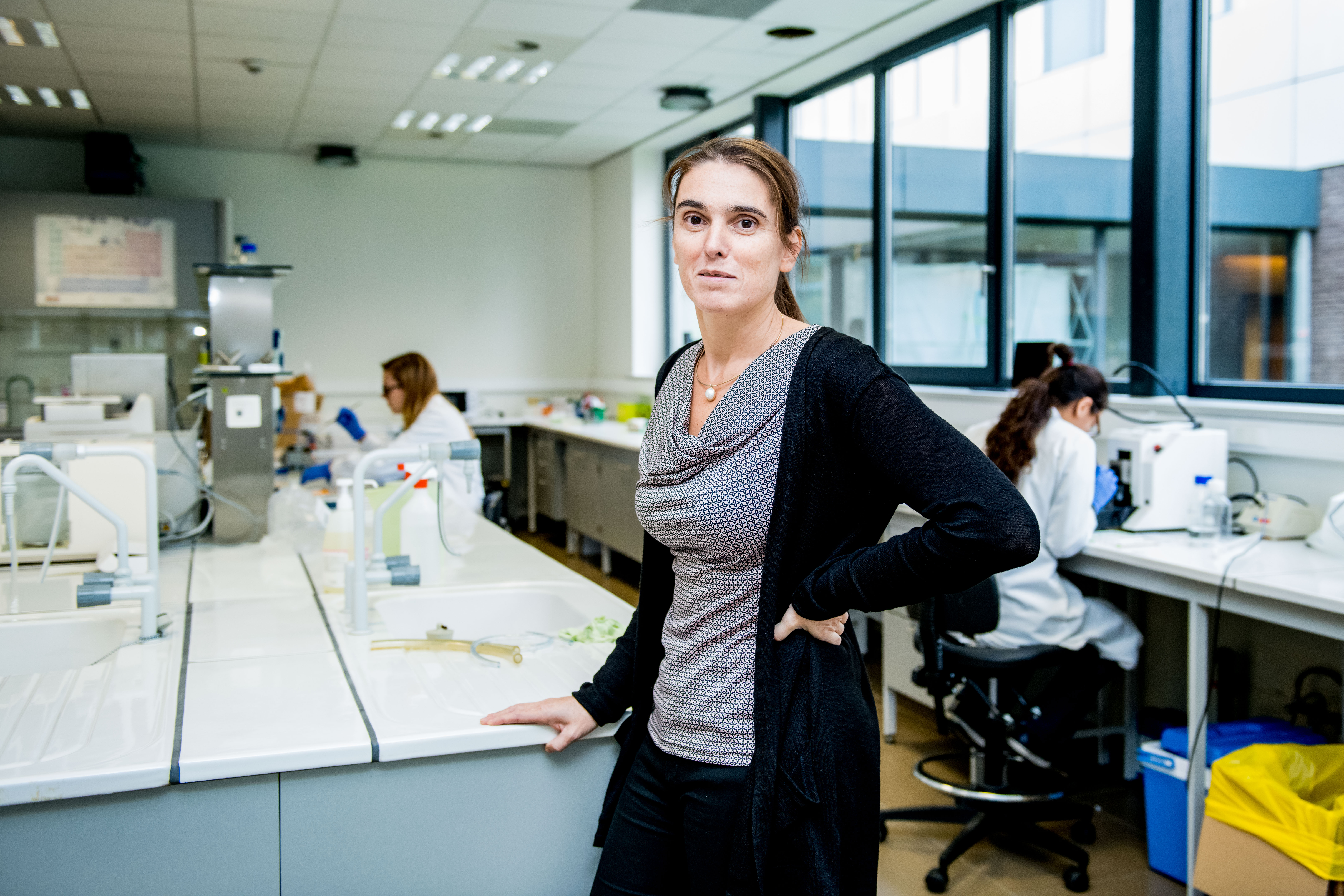
Professor Guy Williams is a leading academic at the University of Cambridge with a focus on imaging science and clinical neurosciences, affiliated with Downing College and the Wolfson Brain Imaging Centre . Holding a PhD in Physics from his initial Natural Sciences degree, he specializes in nuclear magnetic resonance (NMR) and MRI techniques for brain imaging. Education: BA, PhD in Physics His research centers on non-invasive imaging of brain structure and function, particularly in traumatic brain injury (TBI) and dementia. His work involves developing novel MRI pulse sequences and advanced data analysis algorithms, including AI-based diagnostic tools. He leads studies on white matter integrity post-trauma, longitudinal dementia assessment, and applications of MRI in disorders of consciousness and addiction. Recent publications highlight collaborations in traumatic brain injury outcomes, AI-guided dementia prediction, and neuroimaging of post-COVID cognitive deficits. His team's work on ultra-high field laminar fMRI and distortion correction methods has advanced clinical neuroscience applications. Key techniques include diffusion tensor imaging (DTI), 7 Tesla MRI, and positron emission tomography (PET/MR). His research spans from basic NMR physics to clinical translation, with a strong emphasis on multi-site studies and real-world diagnostic implementation.
Joshua D. Rabinowitz is a Professor of Chemistry and the Lewis-Sigler Institute for Integrative Genomics at Princeton University, where he also serves as Director of the Ludwig Princeton Branch. His research focuses on achieving a quantitative, comprehensive understanding of cellular metabolism, with applications in both basic science and medical research. Dr. Rabinowitz's research interests span multiple areas of metabolism and systems biology: Quantitative analysis of metabolic networks and regulation Metabolomics and measurement of metabolite concentrations and fluxes Cancer cell metabolism and therapeutic targeting Metabolic regulation in microbes (E. coli, Saccharomyces cerevisiae) Biofuel production (focusing on Clostridium acetobutylicum) Metabolic impact of pathogen infection (viral infection of human cells) His laboratory has developed innovative methods for measuring cellular metabolites using state-of-the-art mass spectrometry technology and approaches for quantitating metabolic fluxes through isotope-labeling data interpretation. Analysis of recent publications reveals a strong focus on NAD+ metabolism, cancer metabolism, metabolic adaptations in disease states, and the intersection of metabolism with immunology and neuroscience, particularly in areas like T cell metabolism, Alzheimer's disease, and cardiac function. Dr. Rabinowitz has received recognition as a Highly Cited Researcher by Web of Science, indicating significant impact in his field. He advises several graduate students and has mentored numerous alumni, including Michel I. Nofal, Edmundo Leiva III, and Sean Hackett. His research is supported by multiple programs including NIH NHGRI Training Program and QCB Graduate Program. The Rabinowitz Lab operates at the intersection of chemistry, biology, and computational science, with all projects involving a mix of biological experiments, metabolomics, and computation to achieve their goal of a holistic understanding of cellular metabolism.
Prof. Ilse Dewachter is the head of the Biomed Neuroscience research group at Hasselt University (UHasselt), specializing in Alzheimer’s therapy and prevention for over 25 years. Her work focuses on multi-targeted therapies targeting tau, inflammation, and ApoE, alongside pioneering research into disease prevention via blood-based biomarkers. Recent studies explore a protective APOE3ch mutation that halted Alzheimer’s progression in a patient, offering hope for new treatments. Research Interests: - Alzheimer’s disease mechanisms (Abeta, tau, inflammation) - Multi-target therapies and biomarker development - Neurodegenerative disease prevention strategies - Genetic mutations impacting disease progression Articles Overview: Her most recent work (2025-2022) addresses neuroinflammation, tau propagation models, and AI-driven neuroimaging. Key themes include APOE genetics, blood-brain barrier dynamics, and exercise impacts on cognition. Funding & Grants: Current projects require significant investment for advanced biomarker equipment and clinical trials. A notable €300,000 grant funded research on brain lipid metabolism’s role in Alzheimer’s. Labs & Teams: Leads the BIOMED Neuroscience group at UHasselt, collaborating internationally on preclinical models and drug development.
Igor Jurisica is a Professor at the University of Toronto and a Senior Scientist at the Krembil Research Institute’s Data Science Discovery Centre for Chronic Diseases. He also serves as Visiting Scientist at IBM CAS, Scientific Director of the World Community Grid, and Chief Scientist at the Creative Destruction Lab (Rotman School of Management). His research focuses on integrative computational biology, data mining, and AI-driven models for cancer mechanisms, drug discovery, and chronic disease management. Key affiliations include the Osteoarthritis Research Program, Schroeder Arthritis Institute, and leadership roles in open science initiatives like the World Community Grid, a global distributed computing platform with 810,000+ volunteers. Jurisica’s work bridges computational tools (e.g., NAViGaTOR visualization platform, MirDIP databases) and clinical applications, emphasizing explainable AI in healthcare. Research interests span proteomics, microRNA regulation, systems vaccinology, and multi-omics integration for disease stratification. Notable contributions include identifying prognostic signatures in cancer and osteoarthritis, machine learning models for drug repurposing, and sportomics analyses of athletic biomarkers. He has been recognized as a Thomson Reuters Highly Cited Researcher (2014-2016) and ranked among the Top 100 AI Leaders in Oncology (2023). His labs develop open-access tools like PathDIP, OsteoDIP, and miRAnno to advance translational research.
Dr. James W. Navalta is an Associate Professor in the Department of Kinesiology and Nutrition Sciences at the University of Nevada, Las Vegas. His research focuses on physiological responses to outdoor exercise (hiking, trail running) and the validity/reliability of wearable technology. He earned his B.S. in Physical Education and Biology from Brigham Young University–Hawaii, M.S. in Kinesiology from UNLV, and Ph.D. in Exercise Physiology from Purdue University. Education: B.S. - Physical Education & Biology, Brigham Young University–Hawaii M.S. - Kinesiology, University of Nevada, Las Vegas Ph.D. - Exercise Physiology, Purdue University His research portfolio includes: Wearable technology validation for physiological measurements Comparative studies of indoor vs outdoor exercise environments Impact of gender-inclusive approaches on sports science Metabolic and cardiovascular responses to unconventional workouts Psychological benefits of nature immersion Recent publications demonstrate expertise in: Wearable device accuracy testing VO2max and lactate threshold validation Environmental influence on exercise physiology Methodological improvements in data collection Gender-inclusive research design Outdoor activity impact assessment As co-founder and executive editor of the International Journal of Exercise Science, he contributes significantly to academic discourse. He also serves on editorial boards for journals related to digital health and exercise technology.
Angelica Lindén Hirschberg is a Professor of Obstetrics and Gynecology (specializing in reproductive medicine) at Karolinska Institutet and a Senior Consultant in gynecological endocrinology at Karolinska University Hospital. She holds dual roles in academic leadership and clinical practice, focusing on disorders of reproductive function, endocrine-metabolic dysfunction, and hormonal conditions in women. Her affiliations include the Department of Women’s and Children’s Health, Reproductive Endocrinology and Metabolism Research Group, and the Division for Neonatology, Obstetrics, Gynaecology, and Reproductive Health. Education and Career: MD (Karolinska Institutet, 1984) PhD (Karolinska Institutet, 1989) Professor in Obstetrics and Gynecology (2007) Board member of international societies (ISGE, EMAS) Research Focus: Her translational research spans PCOS, obesity-related reproductive dysfunction, premature ovarian insufficiency, and disorders of sex development. Projects include hormonal impacts on athletic performance, immune therapy for ovarian dysfunction, and endometrial cell biology. Collaborations involve national/international networks and clinical trials (e.g., PROBES trial). Publications: Recent work emphasizes PCOS pathophysiology, menopausal health, and hormonal interventions in athletes. Key trends include single-cell profiling of endometrium, immunomodulatory therapies for POI, and non-hormonal treatments for vasomotor symptoms. Awards: King’s Seraphim Medal (2018) 2016 Grand Prize in Sport Science Appointed Royal Gynecologist (2009) Teaching and Mentorship: Coordinates courses on reproductive endocrinology, supervises PhD students (e.g., Esin Ylmaz), and chairs the PhD Study Director at her department. Authored over 25 book chapters on women’s health and sports medicine. Grants and Labs: Secured Swedish Research Council funding for POI trials. Her lab integrates experimental (Bioclinicum) and clinical (Women’s Health Research Unit) research.
Joshua J. Coon is a Professor at the University of Wisconsin-Madison with appointments in the Department of Biomolecular Chemistry and the Department of Chemistry. He leads the Coon Group, focusing on advancing mass spectrometry technologies for proteomics, metabolomics, and lipidomics. His research addresses fundamental questions in cell biology, including stem cell differentiation, epigenetic regulation, and cancer biomarker discovery. Affiliations : Director of the NIGMS National Center for Quantitative Biology of Complex Systems. Research Emphasis : Instrumentation development, data analysis software, ion chemistry, and biological applications of proteomics. Laboratory : Located in the Genome Center of Wisconsin with a dozen hybrid mass spectrometers, including Orbitrap systems. Collaborations : Long-term partnership with Thermo Fisher Scientific and the Wisconsin Alumni Research Foundation (WARF) for technology commercialization. Training : Mentored 27 Ph.D. students since 2009, emphasizing interdisciplinary research and professional development.
Professor Moritz Rossner serves as Head of the Department of Molecular and Behavioral Neurobiology at the Department of Psychiatry and Psychotherapy, Faculty of Medicine, Ludwig-Maximilians-Universität München (LMU). His research integrates molecular and behavioral approaches to understand the neurobiological underpinnings of psychiatric disorders, particularly schizophrenia and bipolar disorder. Rossner's research interests focus on molecular neurobiology and behavioral analysis using mouse models. His laboratory employs advanced techniques including mouse genetics , behavioral phenotyping , biosensors , next-generation sequencing , and transcriptomics to investigate psychiatric risk genes and pathways. His work bridges cellular and molecular mechanisms with behavioral outcomes, particularly in schizophrenia and bipolar disorder research. Analysis of Rossner's 15 most recent publications (2025) reveals a strong focus on precision psychiatry , neuroimaging biomarkers , and genetic mechanisms underlying psychiatric disorders. His research increasingly incorporates multimodal approaches combining neuroimaging, genomics, and clinical phenotyping to develop biologically informed diagnostic and treatment frameworks. Key themes include blood-brain barrier dysfunction in schizophrenia, inflammatory contributions to symptom severity, and pathway-specific polygenic scores for treatment prediction. Rossner leads the Molecular & Behavioural Neurobiology working group at LMU's Department of Psychiatry and Psychotherapy, which includes specialized units like the Mouse Behavioral Unit. His research program appears well-funded through multiple collaborative projects focused on understanding the molecular basis of psychiatric disorders and developing novel therapeutic approaches.
Jana Kesenheimer, PhD is a researcher at the Department of Social Psychology , University of Innsbruck . Her work bridges social psychology and environmental psychology , focusing on the interplay between personality traits, prosocial behavior, and psychological well-being. She employs intensive longitudinal methods (diary studies, experience sampling) to investigate how environmental actions, remote work, and ultra-endurance sports affect individuals differently based on their psychological profiles. Research Highlights Connecting dark personality traits (e.g., narcissism) with pro-environmental behavior fatigue Analyzing fluid retention and cardiac strain in ultra-distance cyclists Studying remote work's impact on mental health through basic psychological needs Scientific Focus : Her publications reveal a trajectory in behavioral ecology , health psychology , and personality-driven motivation . Key subfields include exercise psychology , pandemic-induced value shifts , and moral self-regulation in ecological contexts.
Jonathan Little is a Professor at the University of British Columbia Okanagan , affiliated with the Faculty of Health and Social Development and School of Health and Exercise Sciences . He leads the Exercise Metabolism and Inflammation Laboratory (EMIL) , focusing on the intersection of exercise physiology, nutrition, and metabolic disorders. Hons B. Kin – McMaster University, 2005 M.Sc. – University of Saskatchewan, 2007 Ph.D. – McMaster University, 2010 Postdoctoral Fellowship – UBC, 2010-2012 His research investigates how metabolic disruptions in type 2 diabetes affect cellular inflammation and how exercise/nutritional strategies can mitigate these effects. Key areas include high-intensity interval training (HIIT) , nutritional ketosis , and immunometabolic responses . EMIL combines human clinical trials with cellular/molecular experiments, utilizing advanced tools like flow cytometry and metabolic carts. His recent publications emphasize exercise snacks (short, frequent workouts), ketone supplements , and fasting protocols for managing diabetes and obesity. He has received prestigious awards like the Killam Accelerator Fellowship and CIHR New Investigator Award . Killam Accelerator Research Fellowship (2021-2023) Canadian Society for Exercise Physiology Young Investigator Award (2020) UBC Killam Research Fellowship (2018) Michael Smith Foundation for Health Research Scholar (2018-2023) American College of Sports Medicine New Investigator Award (2016) CIHR New Investigator Salary Award (2015-2020) He supervises graduate students in HMKN 313 – Exercise Metabolism and mentors through the HMKN 499 Research Practicum . His lab (EMIL) collaborates with institutions like the BC Diabetes Research Network and serves as an Associate Editor for Applied Physiology, Nutrition and Metabolism .
Dr. Jan Keller serves as a Visiting Professor and Head of the AMBER Junior Research Group 'Active Mobility to Promote Health and Environmental Protection' at the Department of Health Psychology, Freie Universität Berlin. With extensive experience in health psychology research and teaching, Dr. Keller leads innovative projects at the intersection of behavioral science, environmental sustainability, and digital health interventions. Dr. Keller earned both Bachelor of Science (2007-2010) and Master of Science (2010-2013) degrees in Psychology from Freie Universität Berlin, followed by doctoral studies in the same institution from 2013-2018. Research interests center on social exchange processes in health promotion, particularly dyadic planning approaches, self-regulatory strategies for health behavior change, habit formation processes, and the critical intersection between environmental sustainability and health. Recent work explores digital interventions for smartphone usage, active commuting behaviors, and climate change education. Dr. Keller's research demonstrates how environmental health psychology can address both individual well-being and planetary health challenges through innovative behavioral approaches. Analysis of recent publications reveals strong thematic trends in digital health interventions, climate-health connections, and dyadic approaches to behavior change. The work spans methodological approaches from randomized controlled trials to longitudinal studies and systematic reviews, with increasing emphasis on environmental health psychology as a critical domain for intervention development. Herman Schaalma Award (2019) from European Health Psychology Society for dissertation Graduate Student Achievement Award (2018) from International Association of Applied Psychology FUB Climate Challenge funding (2022) through FUturist Program Joint doctoral program funding (2021) between University of Melbourne and Berlin University Alliance Quinn Exchange Fellowship (2017) from University of British Columbia CREATE Tandem Stipendium (2016) from European Health Psychology Society Dr. Keller leads the AMBER Junior Research Group (2023-2028) focused on active mobility, and has secured multiple research grants including the FUB Climate Challenge project. As Consulting Editorial Board member for Applied Psychology: Health and Well-being since 2020, Dr. Keller contributes to advancing the field through scholarly review and mentorship. The research program integrates theoretical frameworks with practical interventions addressing contemporary health challenges. The AMBER Junior Research Group serves as the primary research laboratory, focusing on 'Active Mobility to Promote Health and Environmental Protection.' This initiative operates within the broader context of the Department of Health Psychology's research ecosystem, collaborating with international partners including University of British Columbia and Columbia University. Dr. Keller also participates in the Open Digital Health Initiative and the Special Interest Group 'Equity, Global Health and Sustainability' of the European Health Psychology Society.
Olga G. Troyanskaya is a Professor of Computer Science and the Lewis-Sigler Institute for Integrative Genomics at Princeton University. She serves as Deputy Director for Genomics at the Simons Center for Data Analysis, Simons Foundation, NYC. Her research focuses on computational biology, integrating diverse high-throughput genomic datasets to model molecular pathways in health and disease. Professor of Computer Science and Lewis-Sigler Institute for Integrative Genomics Deputy Director for Genomics, Simons Center for Data Analysis Research Interests: Troyanskaya’s work addresses challenges in bioinformatics, including algorithm development for gene expression analysis, regulatory network modeling, and disease mechanism interpretation. She combines computational methods with experimental validation using S. cerevisiae as a model organism. Scientific Trends: Recent publications emphasize single-cell multiomics, deep learning for transcriptional regulation, cancer immunotherapy design, and epigenomic analysis of immune responses. Key themes include computational modeling of genetic networks, disease-specific pathway analysis, and high-resolution omics frameworks. Collaborative roles in autism, Alzheimer’s, kidney disease, and cancer research Developed tools like HumanBase for data-driven predictions
Mayo Clinic College of Medicine and ScienceUnited States
Dr. Elliot L. Dimberg is a neurologist specializing in neuromuscular disorders at Mayo Clinic Hospital in Jacksonville, Florida. He serves as faculty at Mayo Clinic Alix School of Medicine within the Department of Neurology, holding leadership roles including Vice Chair of the Curriculum Committee and Clerkship Sub Committee. Dr. Dimberg actively contributes to medical education through multiple committees related to student promotions, academic affairs, and residency program evaluation, while maintaining a clinical practice focused on complex neuromuscular conditions. Dr. Dimberg earned his MD from Tulane University in 2001. He completed his Neurology residency and served as Chief Resident at the University of Virginia, followed by fellowships in Clinical Neurophysiology at the University of Virginia (2006) and Neuromuscular Disease at Mayo Clinic Rochester (2008). He maintains board certification in Neurology, Clinical Neurophysiology, and Neuromuscular Medicine through the American Board of Psychiatry and Neurology. His clinical expertise spans neuromuscular junction disorders including myasthenia gravis and Lambert-Eaton Myasthenic Syndrome, peripheral neuropathies, brachial and lumbosacral plexus disorders, polyradiculopathies, motor neuron diseases, and myopathies. Dr. Dimberg integrates clinical evaluation with electrodiagnostic medicine to diagnose and manage these complex conditions. His research focuses on advancing diagnostic methodologies through electromyography techniques, genetic testing, and clinical trial participation for rare neuromuscular disorders. Dr. Dimberg's publication record demonstrates consistent contributions to neuromuscular medicine, with emphasis on diagnostic precision, genetic underpinnings of muscle disorders, and therapeutic innovations. His recent work includes clinical trials for hereditary transthyretin amyloidosis, studies on spinal muscular atrophy treatments, and investigations into immune-mediated necrotizing myopathy, reflecting his commitment to advancing both clinical practice and scientific understanding in his field. Multiple Above and Beyond Awards from Mayo Clinic in Florida (2008-2024) A.B. Baker Teacher Recognition Award from American Academy of Neurology (2013, 2021) Commitment to Education Award from Mayo Clinic Alix School of Medicine (2019) Alpha Omega Alpha Honor Society membership (2000) As an educator, Dr. Dimberg has coordinated the Residency Neuroanatomy Course and Clinical Pathological Correlation Conference for over a decade. He previously chaired the Curriculum Committee for the Adult Neurology Residency Program and currently serves in leadership roles for Mayo Clinic Alix School of Medicine's educational committees. His dedication to teaching has been recognized through numerous awards including the prestigious A.B. Baker Teacher Recognition Award. Professionally, Dr. Dimberg serves as Co-Chair of the American Association of Neuromuscular and Electrodiagnostic Medicine's EDX Lab Accreditation Committee and holds leadership positions in the American Clinical Neurophysiology Society. He contributes to developing certification exams, educational programming, and clinical guidelines for these organizations, maintaining active engagement with the broader neuromuscular medicine community.
James Turner is an Associate Professor in Exercise Physiology and Immunology at the University of Birmingham's School of Sport, Exercise and Rehabilitation Sciences. Previously, he held roles at the University of Bath as a Lecturer (Assistant Professor) from 2013 to 2018 and promoted to Senior Lecturer (Associate Professor) in 2018 before moving to Birmingham in 2022. His research focuses on lifestyle impacts on ageing and chronic disease, particularly adipose tissue immunology and cancer immunology (e.g., breast cancer). He leads projects examining obesity, immune system ageing, and factors influencing cancer treatment outcomes. His work aligns with UN Sustainable Development Goals related to health and well-being. Education: BSc (Hons) Sport and Exercise Science (University of Bath, 2006); PhD in Exercise Biochemistry and Immunology (University of Birmingham, 2011). Post-doctoral training in cancer immunology followed. He has mentored 9 PhD/MSc students as lead or co-supervisor and contributed to grants from bodies like Cancer Research UK and the Biotechnology and Biological Sciences Research Council. Current research includes projects on adipose tissue inflammation and muscle mass regulation in older adults. Labs/Teams: Active in collaborative projects with institutions globally, focusing on exercise immunology and cancer treatment efficacy. Editor for journals like Frontiers in Physiology and International Journal of Sport Nutrition and Exercise Metabolism .
University of Mississippi Medical CenterUnited States
Xiaochen He serves as an Instructor in the Department of Physiology & Biophysics at the University of Mississippi Medical Center's School of Medicine, where he focuses on cardiovascular research and teaching within this foundational medical science department. His research program centers on the intersection of cardiac pathophysiology and immunometabolism, with core interests including: Mechanisms of immune-mediated cardiac inflammation in heart failure Role of T cell subsets (Th17, γδ T, CD8+) in pressure overload models Molecular regulation by IL-12 family cytokines and metabolic enzymes (TIGAR, SIRT3) Endothelial dysfunction in cardiac hypertrophy and failure progression Therapeutic interventions targeting inflammatory pathways Analysis of Dr. He's recent publications (2022-2025) reveals a concentrated research trajectory investigating how specific immune pathways drive heart failure progression. His work consistently employs genetic mouse models to demonstrate that IL-12β inhibition, TIGAR deficiency, and selenium supplementation attenuate cardiac inflammation and dysfunction, while CD8+ T cell metabolic reprogramming exacerbates disease. Key discoveries include GPR174's role in Th17 differentiation and NK1.1 signaling's contribution to cardiopulmonary inflammation, establishing critical immune-metabolic axes in heart failure pathogenesis. No scientific awards were documented in the available profile information. Current departmental records indicate no graduate students are formally listed under Dr. He's mentorship, and no research grants are specified in the public profile. Details regarding laboratory infrastructure, research teams, or collaborative networks were not provided in the available institutional documentation.