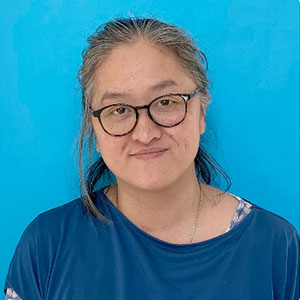
Dr. Jamie Burr is an Associate Professor in Human Health and Nutritional Sciences at the University of Guelph, investigating physiological mechanisms underlying athletic performance and health outcomes. Research specialties include: Cardiovascular responses to novel exercise modalities Blood flow restriction training methodologies Fatigue mechanisms in neurological disorders Substance impacts on exercise physiology (cannabis, caffeine) Environmental physiology adaptations Laboratory facilities include the Human Performance & Health Research Laboratory (HHNS Annex 271/ANNU 383). Current research examines: CO₂ exposure effects on exercise adaptation Cannabis impacts on autonomic function Parkinson's disease exercise interventions Blood flow restriction applications Hydration-perception relationships
Nic James serves as Professor of Sport & Exercise Science at Middlesex University's London Sports Institute within the Faculty of Science and Technology. He leads research initiatives and curriculum development for the MSc Sport Performance Analysis program, focusing on industry-aligned educational frameworks while maintaining active contracts supporting four PhD students. His research centers on Performance Analysis with specialization in statistical methodologies and innovative visual data presentation, primarily applied to football (soccer). Current work examines counterpressing tactics, goal threat modeling, and situational variables in attacking processes, building on extensive prior collaborations with England Squash, Irish Rugby Union, and the English Institute of Sport for elite athlete development. Recent publications demonstrate a clear trend toward football analytics dominance (2022-2025), with methodological innovations in expected pass turnovers and unstable game state identification. Earlier work covered squash, rugby, and DanceSport, reflecting his broad expertise in tactical analysis across diverse sports disciplines. James actively supervises doctoral researchers including Seamus Brady and Jeter Yap, while his department achieved notable success in the 2021 REF submission where impact case studies received 3*/4* ratings. His industry partnerships demonstrate practical application of research findings to elite sporting contexts. Professional engagements include curriculum development for the MSc Sport Performance Analysis, examining all related modules, and translating research into industry-ready educational frameworks that meet evolving sector demands.
Phillip Grant Chapman is a Senior Lecturer in Exercise Science affiliated with the School of Behavioural and Health Sciences. His research focuses on human performance optimization through nutritional and environmental interventions, with expertise spanning exercise physiology, sports nutrition, and thermal regulation in athletic contexts. Research Interests: Chapman investigates how dietary strategies (e.g., ketogenic diets, nitrate supplementation) and thermal interventions (e.g., cold ingestion) impact athletic performance, recovery, and metabolic responses. His work emphasizes practical applications in endurance sports and strength disciplines, with recurrent themes including: Exercise thermoregulation and heat mitigation strategies Nutritional modulation of muscle function and substrate utilization Performance biomarkers in elite athletes Gender-specific health behaviors in disease contexts Publication Analysis: His 15 most recent publications (2010-2018) demonstrate consistent focus on sports nutrition and environmental physiology. Key trends include: thermal management strategies for endurance athletes (33% of papers), dietary interventions for performance enhancement (27%), metabolic responses to exercise (20%), and athlete profiling (13%). The research employs both laboratory-controlled protocols and field studies in real-world settings like Ironman events.
Jon Davison is a Lecturer and performer with 30 years of experience in clowning, teaching, directing, and writing. He is affiliated with London Metropolitan University as part of their academic staff. His work focuses on clown performance, theatre practice, and performing arts education. Davison teaches online clowning courses and workshops, emphasizing creative development and performance techniques adapted for digital platforms. Research interests include clown pedagogy, physical comedy, and performance art methodologies. He has published works such as Clown Training: a practical guide (2015) and Clown Prosthetics and Amputations (2009). His online instruction methods prioritize idea generation and material structure, blending traditional clown exercises with contemporary digital practices. Davison’s courses attract diverse participants globally, combining group and solo work to foster creativity. He emphasizes disciplined practice and audience engagement, particularly in online formats. No specific grants or awards are listed, though his work reflects sustained contributions to clowning education and performance theory.
David E. Stec is a Professor and Director at the University of Mississippi Medical Center's School of Medicine, Department of Physiology and Biophysics. His academic career spans over two decades with progressive appointments from Assistant Professor (2001-2009) to Associate Professor (2009-2017) and currently Professor (2017-present), culminating in his recent appointment as Director of the School of Medicine (2023). Dr. Stec earned his BS in Biology from the University of Scranton (1991), PhD in Physiology from the Medical College of Wisconsin (1996), and completed his Molecular Genetics training at the University of Iowa (2000). His research focuses on heme oxygenase, bilirubin metabolism, and their roles in cardiovascular and metabolic diseases. He has published extensively on bilirubin's signaling functions, particularly its protective effects against obesity, hypertension, and fatty liver disease. His publication analysis reveals a strong focus on bilirubin as a metabolic signaling molecule, with recent works examining its therapeutic potential for obesity, fatty liver disease, and cardiovascular complications. The research demonstrates how bilirubin and heme oxygenase pathways regulate lipid metabolism, inflammation, and mitochondrial function in metabolic diseases. Platinum Level for the Excellence in Research Award, University of Mississippi Medical Center (2023) Intellectual Property Recognition Award, University of Mississippi Medical Center (2019) Peter Hosick-Postdoctoral Fellow Publication Award (2014) Caroline tum Suden/Francis Hellebrandt Professional Opportunity Award (2013, 2007) Gold Level for the Excellence in Research Award (2009) Dr. Stec has mentored numerous students and postdoctoral fellows while securing substantial NIH funding for projects including 'Novel Liver Signaling Pathways Controlling Adiposity' and 'Integrative role of Bilirubin on Obesity.' His laboratory investigates the molecular mechanisms connecting heme oxygenase, bilirubin, and metabolic diseases, with particular emphasis on developing novel therapeutics for obesity-related complications.
Dr. Gianni Parise serves as Vice-President, Research at McMaster University, with a focus on skeletal muscle biology, satellite cell dynamics, and aging-related muscle dysfunction. His academic role as a Lecturer includes teaching courses such as Integrative Cell and Molecular Exercise Physiology and Directed Readings in Kinesiology . His research investigates how environmental cues post-exercise interact with satellite cells to regulate muscle repair and adaptation, and the molecular mechanisms behind age-related muscle mass loss. Key areas include Skeletal Muscle Biology , Exercise Physiology , Gerontology , and Stem Cell Research . Recent publications span topics like cellular senescence in myoblasts , hormonal cycling effects on vascular function , and ribosome-related gene expression in muscle hypertrophy . His work combines nutritional supplementation, hormonal studies, and cellular mechanisms in muscle regeneration. Teaching activities highlight his engagement in kinesiology education, though no specific awards or student mentees are listed. His email is pariseg@mcmaster.ca .
Dr. Dean Charles Hay serves as Director of the School of Physical and Health Education within the Faculty of Education and Professional Studies at Nipissing University. He holds a Professor position in the Schulich School of Education's Physical and Health Education department and is actively involved as Graduate Program Faculty and in academic administration. Dr. Hay earned his BSc from the University of Toronto and completed his PhD at the University of Tokyo. His academic journey has positioned him as a leading researcher in biomechanics with expertise spanning multiple sophisticated analytical techniques. Dr. Hay's primary research interests focus on biomechanics with specialized expertise in artificial neural networks, wavelet transforms, bilateral asymmetry, and energy expenditure modeling. His work explores how humans maintain balance and execute movements efficiently, developing applied modeling tools to better understand human movement in both controlled and free-living environments. He has pioneered the use of Artificial Neural Networks to model energy expenditure and classify movements from EMG, accelerometry, and heart rate data, while also advancing the application of Continuous Wavelet Transform techniques for analyzing transient postural events. His publication record demonstrates consistent output in high-impact biomechanics and biomedical engineering journals, with research trending toward increasingly sophisticated signal processing techniques applied to movement analysis. Recent work shows expansion into practical applications across sports performance, rehabilitation, and ergonomics, with growing emphasis on translating biomechanical research into real-world settings. Dr. Hay actively mentors graduate students through the MScKin program, supervising multiple successful thesis defenses on topics ranging from computer mouse ergonomics to age-related changes in gait biomechanics. His students regularly present at major biomechanics conferences including the Canadian Society for Biomechanics and Ontario Biomechanics Conference. The Biomechanics and Ergonomics Lab, which Dr. Hay leads, maintains a comprehensive research facility equipped with electromyography systems, cycle ergometers with metabolic measurement capabilities, and motion capture systems for 3D body movement analysis. The lab actively engages with the North Bay community through events like Nipissing University's Research Month and the An Evening at Nipissing University event, demonstrating research equipment and findings to the public.
Nelly Andarawis-Puri is Professor at Cornell's Sibley School, investigating tendon regeneration using murine models and mechanobiological approaches. Education includes: PhD in Bioengineering from University of Pennsylvania BSc in Biomedical Engineering from Columbia University Postdoctoral training at Icahn School of Medicine Her NIH-funded research analyzes extracellular matrix roles in tendon pathology using MRL/MpJ 'superhealer' mouse models. Discoveries include matrix-mediated regenerative signaling pathways and fatigue damage accumulation mechanisms. Kappa Delta Award-winning work established apoptosis's role in sub-rupture tendon injuries and demonstrated exercise-mediated remodeling potential. Current projects develop decellularization techniques for preserving biomechanical scaffold properties. Teaching includes graduate courses in orthopaedic biomechanics and cell-matrix interactions.
Dr. Yiping Chen is a Senior Research Fellow at the Clinical Trial Service Unit & Epidemiological Studies Unit (CTSU), University of Oxford, affiliated with the Nuffield Department of Population Health. She leads the China Kadoorie Biobank (CKB) project involving 500,000 participants, focusing on clinical event validation and disease adjudication. Her research emphasizes cardiovascular diseases, mental health (major depression), sleep disorders, and environmental health impacts. She previously coordinated large clinical trials like COMMIT/CCS2 and SHARP, and ran the Oxford-China Fellowship programs for training epidemiologists. Education: MBBS (Shanghai Medical University, 1985), DPhil (University of Oxford, 1993). Key roles include study coordination for multinational trials and directing CKB's validation protocols. Research spans proteomics, genetic epidemiology, and large-scale cohort studies addressing chronic diseases and environmental exposures. Publications reflect her expertise in environmental health (air pollution effects), genetic studies (proteomic associations with stroke/cardiovascular disease), and lifestyle impacts on mortality. Her work integrates biostatistical methods with clinical validation processes. Awards: None explicitly stated. Advising: Leads CKB multidisciplinary teams and trained clinicians through fellowship programs. Labs/Teams: CKB, CTSU clinical trial units, and Oxford-China collaborations.
Carolina Restini is an Associate Professor and Pharmacology Thread Director at the College of Osteopathic Medicine, Michigan State University. She holds a PhD in Pharmacology from Universidade de São Paulo and King's College London, alongside an MS in Pharmacology from Universidade de São Paulo. Her research focuses on medical education innovation, pharmacology curriculum development, and clinical topics such as hypertension, cardiovascular diseases, and oncology. She has contributed to international collaborations in medical education and peer-mentoring programs for educators. Recent work includes studies on student pharmacokinetic understanding and the impact of diet on hypertension prevention. She is also involved in pandemic-related medical education adaptations and ACE2 receptor research in SARS-CoV-2 contexts. Education: PhD, Pharmacology, Universidade de São Paulo (2000–2004) PhD, School of Biomedical Sciences, King's College London (2003) MS, Pharmacology, Universidade de São Paulo (1998–2000) Visiting Professorship, Michigan State University (2016–2017) Research Interests: Medical education methodologies, pharmacology teaching strategies, cardiovascular pathophysiology, evidence-based medicine, and global health curricula. Her work bridges clinical practice and pedagogy, emphasizing inter-institutional collaboration and student-centered learning. Recent Article Trends: Recent publications highlight advancements in pharmacology education frameworks, hypertension management through lifestyle interventions, and pandemic adaptations in medical training. Her studies also explore biomarkers in spinal cord injury and rare dermatological conditions linked to eating disorders. Advising & Grants: While no specific advisees are listed, Dr. Restini leads educational initiatives and mentorship programs for medical educators. Her work is supported by institutional collaborations and grant-funded research in pharmacology and public health. Labs/Teams: Engaged in curriculum development teams at the College of Osteopathic Medicine and international partnerships for concept-based pharmacology education.
Miriam Ossevoort serves as Head of the Department of Educational Quality at the Faculty of Economics and Business, University of Groningen. With a background spanning both biological sciences and educational research, she leads initiatives focused on curriculum development, educational policy, and quality assurance in higher education. Her career demonstrates a clear transition from immunology research to educational science. Her research interests center on curriculum development, education policy, quality assurance (including accreditation), assessment methods, teacher professionalization, and academic skills development in higher education. She has developed expertise in science education, particularly in helping students read and understand scientific research articles through argumentation techniques. Her work often explores how to improve educational quality through structured learning communities and professional development for educators. Dr. Ossevoort's publication record shows a clear evolution from immunology research in the 1990s-early 2000s to educational research from the mid-2000s onward. Her work consistently addresses how students engage with scientific literature, with particular attention to argumentation as a tool for understanding research. Recent publications focus on curriculum innovation, learning communities, and educational quality assurance in higher education settings. Her leadership role as Head of Educational Quality demonstrates her institutional impact in shaping educational practices. While specific awards aren't listed in the available information, her extensive publication record in educational research journals and conference proceedings indicates recognition within her field. Dr. Ossevoort has supervised educational research projects, particularly those examining how students interact with scientific literature. Her work has been supported through various educational initiatives at the University of Groningen, where she has played a key role in advancing teaching practices and educational quality across disciplines.
Professor Li Chan is a Professor of Molecular Endocrinology and Metabolism at Queen Mary University of London's Faculty of Medicine and Dentistry, affiliated with the William Harvey Research Institute. She also serves as an Honorary Consultant in Paediatric Endocrinology. Her academic career began with a Medicine degree from the University of Cambridge, followed by paediatric training at Barts and the London Hospitals. She completed her PhD at Queen Mary University investigating MRAP2, a protein critical to melanocortin receptor function. Her research focuses on melanocortin receptor accessory proteins (MRAPs), adrenal function, energy homeostasis, and familial glucocorticoid deficiency (FGD). She has held prestigious fellowships, including the MRC/Academy of Medical Sciences Clinician Scientist award, and was recognized with the Journal of Endocrinology's Outstanding Young Researcher Prize (2012). She has also served as a visiting Associate Professor at Yale School of Medicine (2017). Her research team investigates MRAPs' roles in adrenal disorders and metabolic pathways, alongside developing MC2R antagonists for ACTH-related conditions. Collaborations include work with the Sanger Institute, Yale University, and Boston Children’s Hospital. She co-leads the Lifelong Health theme at Queen Mary and contributes to editorial roles at *Endocrine Connections*. Her work is supported by grants from the Wellcome Trust, MRC, and other institutions. Notable achievements include advancing understanding of MRAPs' promiscuous regulatory roles beyond melanocortin receptors and their implications in clinical conditions like Cushing’s disease. She actively participates in leadership programs, such as the SUSTAIN Academy of Medical Sciences, and sits on the GOSH Charity’s Research Assessment Panel.
Frode Amador Norheim is an Associate Professor in Nutritional Molecular Biology at the University of Oslo (UiO), affiliated with the Faculty of Medicine and Department of Nutrition. He is also part of the Norwegian Transgenic Centre. His research focuses on genetic regulation of diet-induced metabolic diseases, exercise physiology benefits, and sex-specific differences in metabolic disease mechanisms. Education: PhD (2013) and M.Sc. (2008) in Molecular Nutrition from the University of Oslo, under Prof. Christian A. Drevon. Postdoctoral training included UCLA (2015-2018) with Prof. Aldons Jake Lusis and later at UiO. Research interests include lipid metabolism, NAFLD, insulin resistance, and obesity. He explores how dietary factors and genetic predispositions interact across sexes to influence chronic metabolic conditions. His work integrates molecular biology, systems genetics, and proteomics to understand exercise-induced metabolic adaptations. Key research trends in recent articles highlight lipid droplet dynamics, exercise biomarkers, and multi-tissue transcriptomic responses. Collaborations include Prof. Aldons Lusis (UCLA), Prof. Andrea Hevener (UCLA), and Prof. Christian Drevon (UiO). He participates in projects like NutriFrail and leads research groups on Lipid Droplets and Molecular Metabolism. Advising focuses on mentoring PhD candidates and postdocs in molecular nutrition and metabolic disease research. His lab is part of the Institute of Basic Medical Sciences at Domus Medica, Oslo.
Elisabeth Bjugn serves as an Assistant Professor in the Department of Linguistic, Literary and Aesthetic Studies at the University of Bergen, Norway, where she specializes in Norwegian language instruction for second-language learners. Her academic role combines teaching responsibilities with active research in language pedagogy, contributing to the university's linguistic studies profile through empirical investigations into effective teaching methodologies. Bjugn's research centers on re-evaluating traditional language teaching tools through the lens of usage-based linguistics, with particular emphasis on the pedagogical value of drill exercises. She investigates how structural repetition activities can be revitalized within modern second-language acquisition frameworks, specifically for Norwegian language instruction. Her work bridges theoretical linguistics with classroom practice, examining sound lab technologies for pronunciation training and construction-based grammar teaching approaches. Analysis of her publication history (2014-2019) reveals a consistent research trajectory focused on challenging conventional language teaching paradigms. Her collaborative work demonstrates how usage-based theory can transform drill exercises from rote memorization tools into contextually rich learning mechanisms that enhance grammatical competence in Norwegian-as-a-second-language contexts. This scholarly output consistently addresses practical applications for language educators while contributing to broader theoretical discussions in applied linguistics. No scientific awards were documented in the available source material. While no specific student advising relationships or grant funding details were mentioned, Bjugn's research output suggests active participation in academic knowledge dissemination through conference presentations and collaborative projects. She was a core contributor to the completed "Grammar in second language pedagogy" research project at the University of Bergen, which generated six scholarly outputs between 2014-2019. This collaborative initiative involved close work with Ingvild Nistov, Atle Kristiansen, Else Berit Molde, and other colleagues from Bergen's linguistic department, focusing on empirical validation of innovative teaching methodologies for Norwegian language instruction.
Yosra Cherni is an Assistant Professor at the School of Kinesiology and Physical Activity Sciences, Faculty of Medicine, University of Montreal, and a researcher at the CHU Sainte-Justine Research Center. Her research focuses on biomechanics and neurophysiology to improve mobility in populations with neuromotor disorders. She holds a PhD in Kinesiology from the University of Montreal and completed postdoctoral training in neurophysiology of locomotion at Université Laval. Her expertise includes robotic technologies for pediatric rehabilitation, gait analysis, and corticospinal excitability assessment. Key affiliations include the Azrieli Research Center at CHU Sainte-Justine, the Provincial Adaptation-Rehabilitation Research Network (REPAR), and the Interdisciplinary Center for Brain and Learning Research (CIRCA). She is actively involved in supervising doctoral and master’s students and has led several research projects funded by agencies like CRSNG and FRQS, focusing on topics such as robotic gait training, 3D-printed orthoses, and neurorehabilitation strategies. Her research contributions emphasize optimizing rehabilitation technologies and clinical decision-making for children with neuromotor disorders. Recent work includes studies on gait adaptations to uneven surfaces, corticospinal excitability during complex tasks, and the efficacy of robotic interventions. She has also contributed to special journal issues and received awards for her innovative approaches in biomechanical and neurophysiological research.


.png)