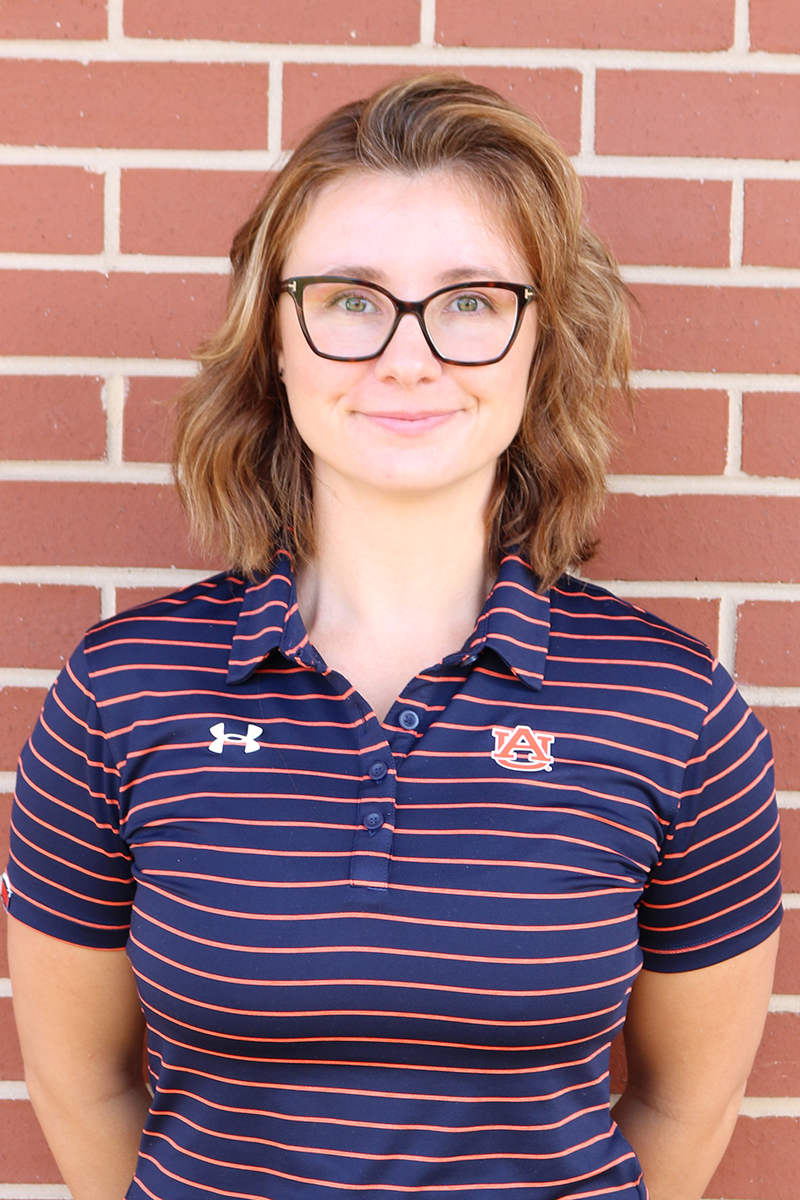
Jaimie Roper is an Associate Professor at Auburn University's School of Kinesiology within the College of Education. As Director of the Locomotor and Movement Control Laboratory, her research focuses on motor control, gait adaptation, and neurorehabilitation. She investigates mobility challenges across populations including individuals with neurological disorders (Parkinson's, essential tremor), ACL reconstruction, and lower limb prosthesis users. Academic Affiliation: Associate Professor, School of Kinesiology Institution: College of Education, Auburn University Email: jroper@auburn.edu Laboratory: Locomotor and Movement Control Laboratory Her work examines cognitive-motor interference mechanisms, footwear impacts on senior gait, and exercise interventions for mobility disorders. Recent studies analyze high-intensity interval training effects on eSports performance, virtual mobility assessments for prosthesis users, and neural correlates of tremor disorders. Key research trends in 2024–2025 include dual-task walking analysis, patient-specific radiosurgery, and mobility disparities in rural populations. The work integrates biomechanics, neuroscience, and rehabilitation engineering to address movement control challenges across age groups and clinical conditions.
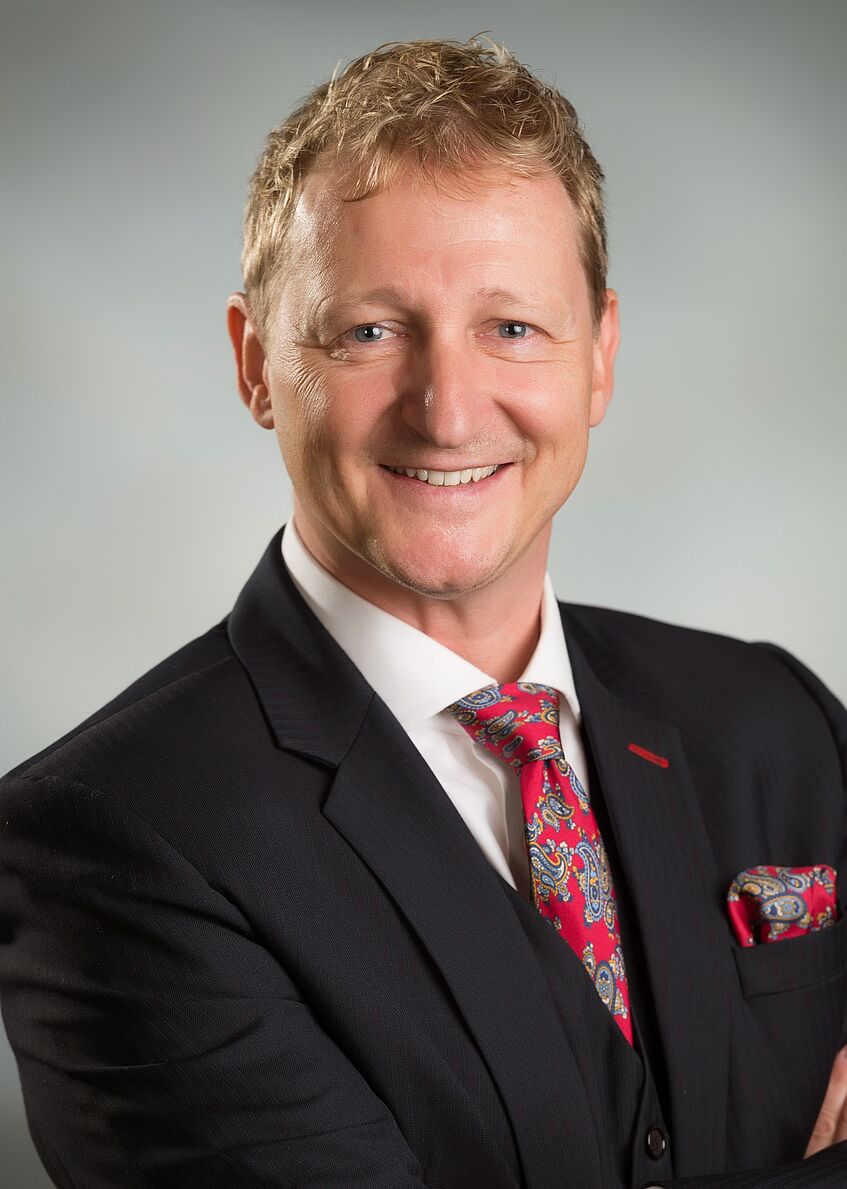
Dr. Alfred Nimmerichter is a Professor of Sport Science at the University of Vienna, where he serves as a Principal Investigator and supervisor in the Vienna Doctoral School of Pharmaceutical, Nutritional and Sport Sciences (VDS PhaNuSpo). His research group is also based at the University of Applied Sciences in Wiener Neustadt, reflecting his dual institutional affiliation. His research program focuses on physiological adaptations to exercise with particular expertise in: Pulmonary gas exchange dynamics during exercise Skeletal muscle oxidative metabolism Strength and resistance training methodologies Exercise tolerance limits in sports performance Pediatric exercise physiology, especially longitudinal development in youth athletes Dr. Nimmerichter's recent publications demonstrate a strong emphasis on cycling performance, power-duration relationships, and youth athlete development. His methodological approach frequently employs near-infrared spectroscopy to assess oxygen extraction at the muscle level during rest and exercise. He also investigates the relationship between maximal strength and specific athletic performances, including drop-jump mechanics and strength training asymmetry. His scientific contributions span multiple domains including: Reproducibility of biomechanical measurements in strength assessment Physiological characteristics of junior cyclists transitioning to elite levels Terrain effects on cycling performance metrics Strength training applications in swimming performance Development pathways for youth athletes targeting Olympic competition As an active supervisor in the VDS PhaNuSpo program, Dr. Nimmerichter guides PhD candidates in sport science research while maintaining a productive publication record that extends from 2011 through the current year of 2024, demonstrating sustained scholarly activity and research leadership in the field of exercise physiology.
Dr. Alea Ruf is a Postdoctoral Research Associate at the Department of Clinical and Health Psychology , University of Vienna , Austria. She specializes in Health Psychology with expertise in Ecological Momentary Assessment (EMA) , focusing on stress-related eating behavior, physical activity, and their intersections with insulin resistance and digital health . PhD in Psychology (Goethe University Frankfurt, 2023) Secretary of CREATE Executive Committee (EHPS Early Career Network) Events Officer for EHPS Special Interest Group 'Digital Health and Computer-Tailoring' Her research explores dynamic relationships between stress and health behaviors using intensive longitudinal methods, with recent work on ADHD-related stress eating and microbiota-diet interactions. She leads and co-organizes workshops on preregistration and registered reports for early career researchers. Notable awards include the 2024 ECR Research Award (DGPs) and multiple Peer Mentoring Grants . She advises PhD student Lucia Volpi and contributes to open science initiatives like the Society for Ambulatory Assessment 2026 Conference in Vienna.
Martin Brochu is a prominent researcher specializing in metabolic diseases, obesity, nutrition, and aging at the Research Center on Aging (Centre de recherche sur le vieillissement) affiliated with Université de Sherbrooke's Faculty of Medicine and Health Sciences. With a PhD in Physical Activity Sciences from Université Laval and postdoctoral training in Clinical Pharmacology and Metabolic Research from the University of Vermont, he has established himself as a leading expert in body composition, metabolic health, and physical activity interventions for aging populations. His research interests focus on metabolic diseases, obesity, aging, nutrition, physical activity, energy balance, body composition, insulin resistance, and cardiovascular risk factors. Dr. Brochu's work particularly examines the heterogeneity of obesity, factors explaining variations in body composition and adipose tissue distribution, and the effects of different intervention modalities (exercise and/or nutrition) on body composition and health profiles. Recent publications reveal a strong focus on the counterintuitive relationship between fat-free mass and metabolic health, high-intensity interval training for older women with type 2 diabetes, and anthropometric measurements for assessing adiposity in postmenopausal women. His research consistently leverages large datasets like NHANES and longitudinal studies such as the Quebec NuAge cohort. Scientist in Training Research Award (2008) - American Geriatrics Society Age+ Awards (2007) - CIHR-Institute of Aging First Place: Excellence in Published Clinical Research (2002) - Endocrine Society of America Finalists: Ethan Sims Young Investigator Award (2001) - North American Association for the study of obesity Hot papers in the literature - Journal of Women's Health Dr. Brochu has successfully secured significant research funding including a $200,000 CIHR Operating Grant for the SAFE randomized controlled trial examining exercise as a countermeasure for inflammation processes following muscle disuse (2020-2021), and a $100,000 grant for studying metabolic characteristics of overweight postmenopausal women who are first-degree relatives of type 2 diabetes patients (2012-2014). He has mentored numerous researchers who appear as co-authors on his publications, including J-C Lagacé, A Marcotte-Chénard, and J Paquin. His work is primarily conducted through the Research Center on Aging at CIUSSS de l'Estrie – CHUS, where he leads investigations into the complex relationships between body composition, physical activity, and metabolic health in aging populations, with particular emphasis on postmenopausal women and those with type 2 diabetes.
Dr. Catherine Holt serves as Assistant Professor and Coordinator of Clinical Education in the Department of Health, Nutrition and Exercise Sciences at Immaculata University, transitioning to full-time faculty in 2023 after two years as adjunct professor. With 19 years of clinical experience including 17 years at Episcopal Academy and two years at Lower Merion High School, she integrates athletic training expertise into academic leadership. Her educational credentials include: DHSc in Health Sciences & Exercise Leadership, California University of Pennsylvania MS in Rehabilitative Science, California University of Pennsylvania BS in Athletic Training, Duquesne University Research focuses on gender-specific concussion mechanisms with emphasis on: Hormonal fluctuations (natural and synthetic progestin) in female athlete recovery Epidemiological patterns of concussion symptom severity Interprofessional curriculum development for athletic training education As Clinical Education Coordinator, she oversees the Masters of Athletic Training program's clinical sequence while teaching across the curriculum from foundational courses (EXS 301: Prevention & Care of Athletic Injuries) to advanced clinical practicums (ATP 551-556) and specialized topics (ATP 651: Exploring Unique Sport Populations).
Dr. Rob Bower is a Senior Lecturer and Deputy Head of School (Teaching and Learning) at the School of Sport, Exercise and Rehabilitation, University of Technology Sydney (UTS), where he has served since 1994. He also holds roles as Director of Studies for UTS's Bachelor of Sport and Exercise Science and Bachelor of Sport and Exercise Management degrees (2004–2020). His academic background includes a PhD in Sports Engineering (UTS, 2008), a Master of Applied Science in Exercise and Sport Science (University of Sydney, 1996), and a Bachelor of Education in Physical Education and Mathematics (UTS, 1990). Research interests focus on sporting equipment design and biomechanics, particularly tennis rackets, cricket bats, and baseball swings. He has investigated injury prevention in sports like Australian football and netball, emphasizing vertical stiffness and lower body mechanics. His work bridges sports engineering, biomechanics, and applied sport science. He has received notable awards, including the 2011 National Teaching Award (Australian Learning and Teaching Council) and the 2010 UTS Teaching Award, reflecting his commitment to pedagogy. Bower has secured multiple research grants, including studies on plyometric training, motor skill coordination, and flexible teaching methods in postgraduate programs. Labs/Teams: Member of UTS's Human Performance Research Centre (HPRC). Teaching: Leads courses in Biomechanics and Research Methods for Sport and Exercise. Grants: Over $30,000 in grants for studies on exercise behavior, motor performance, and training efficacy.
Dr. Libby Pickering Rodriguez is a Lecturer in Sport and Exercise at the University of Technology Sydney (UTS), affiliated with the School of Sport, Exercise and Rehabilitation and the Faculty of Health. She specializes in biomechanical assessment of athletes, particularly focusing on performance optimization and injury risk mitigation in sports like cricket, netball, and Australian rules football. Her research utilizes advanced tools such as 3D motion capture and force platforms to analyze movement techniques. Her research interests span neuromechanical factors in sports performance, injury prevention strategies, and the application of biomechanical principles to real-world athlete training. She has contributed to funded projects investigating fast bowling techniques in cricket, machine learning applications in performance analysis, and injury risk factors in elite athletes. Teaching responsibilities include coordinating biomechanics subjects in Sport and Exercise Science and Management degrees. She collaborates with organizations like Cricket Australia and Cricket New South Wales on applied research initiatives. Her work emphasizes bridging academic research with practical sports science applications. Grants and collaborations include projects on neuromechanical properties of muscle, machine learning in cricket analysis, and injury risk in medium-fast bowlers. She is a member of the Human Performance Research Centre at UTS, contributing to interdisciplinary sports science advancements.
Ermanno Rampinini is an Adjunct Professor at the School of Sport, Exercise and Rehabilitation, University of Technology Sydney (UTS). His research focuses on sports physiology, soccer performance analysis, basketball biomechanics, and training load optimization. He has collaborated extensively on studies involving elite athletes, examining physical demands, hormonal responses, and exercise-related biomarkers. His work often integrates novel tracking technologies and systematic reviews of competitive sports like 3x3 basketball and professional soccer. Key contributions include analyses of match intensity variations, sensor reliability in sports, and the impact of training cycles on athlete performance. **Affiliations**: Faculty of Health, School of Sport, Exercise and Rehabilitation. **Research Themes**: High-intensity running analysis, athlete tracking systems, aging effects on exercise responses, and youth athlete development. Rampinini’s articles highlight trends in soccer and basketball performance metrics, with a focus on positional differences, sensor validation, and pandemic-related disruptions to athlete training. His studies frequently involve collaborative international teams, emphasizing practical applications for coaches and sports scientists. Notably absent from the text are specific lab affiliations, grants, or awards, though his prolific publication record (97+ outputs) underscores sustained academic engagement.
Dr. Sjoerd Bruijn is an Associate Professor at Vrije Universiteit Amsterdam, affiliated with the Faculty of Behavioural and Movement Sciences, specifically in the Biomechanics department. He holds multiple associate professor roles within the Institute for Brain and Behavior Amsterdam (IBBA) and the Amsterdam Movement Sciences (AMS) centers focusing on Ageing & Vitality and Musculoskeletal Health. His work contributes to UN Sustainable Development Goals related to health and well-being. His research interests revolve around biomechanics, with a focus on gait analysis, prosthetics, low back pain, and balance control in aging populations. He explores how biomechanical interventions and technologies can improve mobility and stability, particularly in clinical populations such as stroke survivors and individuals with prosthetic limbs. Recent studies include investigations into prosthetic alignment effects, gait stability in older adults, and machine learning applications for gait recognition. His work often integrates experimental methods with computational modeling to understand and enhance human movement control. Dr. Bruijn is actively involved in teaching, leading courses such as Advanced 3D Kinematics and Applied Biomechanics . He has contributed to numerous datasets and software tools, promoting open-access research in biomechanics. He has not reported any ancillary activities and has not been mentioned in relation to awards or grants in the provided information.
David Adams is an Associate Professor within the School of Applied Health at Cal Poly Humboldt. His primary role involves preparing future physical education teachers and co-directing an OSEP grant supporting dual credential programs in special education and physical education, alongside an added authorization in adapted physical education and a master's in kinesiology. His research focuses on motor skill development in children with Autism Spectrum Disorder (ASD) and enhancing teacher preparation in physical education. Dr. Adams holds a PhD and has been actively involved in curriculum development for inclusive education programs. His work emphasizes practical strategies for educators working with neurodiverse populations. He has published extensively on topics including evidence-based exercise practices for ASD, action research methodologies in physical education, and innovative classroom strategies like the 'Traveling Heads' approach for hybrid learning environments. Adams is also engaged in grant-funded projects that bridge special education and adapted physical education, fostering interdisciplinary collaboration among educators. His articles highlight trends in using structured interventions to improve motor skills in children with ASD, leveraging action research for student progress monitoring, and addressing pedagogical challenges in fostering critical thinking. Despite no explicit mentions of scientific awards, his contributions to teacher training and ASD education demonstrate significant impact in his field. He is based at KA 334 in the School of Applied Health, contributing to teaching and research activities within the university's broader Institute framework.
Mirta Fiorio is a Full Professor at the University of Verona specializing in neuropsychology and cognitive neuroscience within the Movement Sciences Section. Her research explores placebo effects in motor systems, Parkinson's disease rehabilitation, and functional movement disorders using techniques like TMS and VR. Recent work examines how expectation modulates motor learning and how virtual reality affects postural control in neurological patients. Her neuroscience research bridges fundamental mechanisms of motor cognition with clinical applications in neurorehabilitation. Current investigations focus on implicit learning specificity in Parkinson's disease, velocity-based training benefits, and non-deceptive placebo paradigms for therapeutic applications.
Joel Martin is Associate Professor and Director of Operations for the Sports Medicine Assessment Research and Testing (S.M.A.R.T.) Laboratory in George Mason University's School of Kinesiology. His research examines human performance optimization for tactical populations through multidisciplinary approaches. Key research domains include: Physiological and biomechanical demands of firefighting/military occupations Effects of load carriage, sleep, and hydration on cognitive-motor performance Development of evidence-based fitness standards for public safety personnel Recent publications (2024-2025) feature extensive work on firefighter fitness profiling, hormonal responses to exertion, wearable hydration monitoring, and advanced VO2max assessment methods. His studies frequently employ systematic reviews, meta-analyses, and technology validation frameworks. As S.M.A.R.T. Lab director, he oversees applied research translating physiological principles into operational protocols for tactical athletes.
Dr. Shane Caswell is a Professor at George Mason University's College of Education and Human Development and founding Executive Director of the Sports Medicine Assessment, Research & Testing (SMART) Laboratory. He leads initiatives like the Advancing Healthcare Initiatives for Underserved Students (ACHIEVES) and the Virginia Concussion Initiative (concussion.gmu.edu), focusing on concussion management and healthcare access for youth athletes. B.S., Physical Education Teacher Certification & Athletic Training, SUNY Brockport M.S., Athletic Training Ph.D., Ohio University His research spans pediatric sports medicine, injury prevention, and brain health, with particular emphasis on concussion epidemiology, diagnostic tools like Child SCAT5, and impact of sports equipment on safety. Recent work explores headgear mandates, hydration biomarkers, and language disparities in concussion assessment. Recent publications highlight trends in lacrosse safety, youth concussion diagnostics, and occupational health metrics. Key subfields include impact biomechanics, policy implementation, and sports technology validation. Recipient of Virginia Athletic Trainers’ Association Researcher of the Year Award George Mason University Scholarly Achievement Award Dr. Caswell serves on editorial boards for the Journal of Athletic Training , Injury Epidemiology , and Physical Medicine & Rehabilitation . He mentors multiple student researchers and teaches courses ranging from basic emergency care to advanced pediatric sports medicine.
Dr. Margaret T. Jones serves as Professor at George Mason University within the School of Sport, Recreation, and Tourism Management, specializing in Sport Management. She directs the Patriot Performance Laboratory at the Frank Pettrone Center for Sports Performance and holds editorial leadership as Associate Editor-in-Chief of Strength and Conditioning Journal and Senior Associate Editor of Journal of Strength and Conditioning Research . BA in English, University of Tennessee MEd in Exercise Science, University of Houston PhD in Exercise Physiology, University of Georgia NIH Postdoctoral Fellowship in Physiology, Cornell University Her research focuses on human performance and athlete health , with specific expertise in athlete load monitoring, musculoskeletal strength and power development, and nutrition practices. She employs advanced methodologies including wearable sensors, metabolic testing, and body composition analysis to optimize athletic performance while mitigating injury risks. Her work bridges laboratory findings with practical applications for diverse athletic populations ranging from elite collegiate athletes to firefighters. Analysis of her 15 most recent publications reveals dominant trends in body composition assessment (particularly fat-free mass index across sports), load monitoring technology (GPS, wearables), and sport-specific nutritional requirements . Her research consistently addresses methodological validation while exploring sex differences and position-specific demands in team sports. William J. Kraemer Outstanding Sports Scientist (2023) Journal of Strength and Conditioning Research Editorial Excellence Award (2022) NSCA Educator of the Year (2008) George Mason University OSCAR Mentoring Excellence Award (2014) Fellow of American College of Sports Medicine and NSCA Dr. Jones mentors extensively through her leadership of the Patriot Performance Laboratory, where she oversees research on athlete readiness, recovery protocols, and performance optimization. Her grant portfolio includes collaborations with the Beck Foundation and NSCA, focusing on practical applications of sport science in real-world athletic settings. She serves on editorial boards for multiple high-impact journals and contributes to national standards through her NSCA board service. Her laboratory operations emphasize translational research, connecting biomechanical testing, metabolic assessment, and nutritional analysis to develop evidence-based protocols for athletic programs. Current projects include smart ring sleep monitoring in basketball, wrestling weight certification standards, and firefighter fitness assessment.
Barb Yemm is a Professor in the Department of Physical Therapy and Athletic Training at the Doisy College of Health Sciences, Saint Louis University. Her academic focus centers on musculoskeletal rehabilitation, biomechanics, and pain management. Her research emphasizes task-specific movement training interventions for patellofemoral pain, exploring kinematic changes, pain reduction, and patient outcomes through clinical and biomechanical approaches. Key research interests include movement pattern analysis, hip muscle strength correlations, and clinical assessment reliability. She has published extensively on neuromuscular strategies to address lower extremity dysfunction, with a focus on female athletes and chronic pain populations. Recent work evaluates feasibility and patient acceptance of novel training protocols, alongside educational efficacy in clinical settings. Publications highlight interdisciplinary approaches to musculoskeletal rehabilitation, blending biomechanical insights with clinical practice. Dr. Yemm’s work contributes to evidence-based practices for patellofemoral pain management and movement disorder correction.