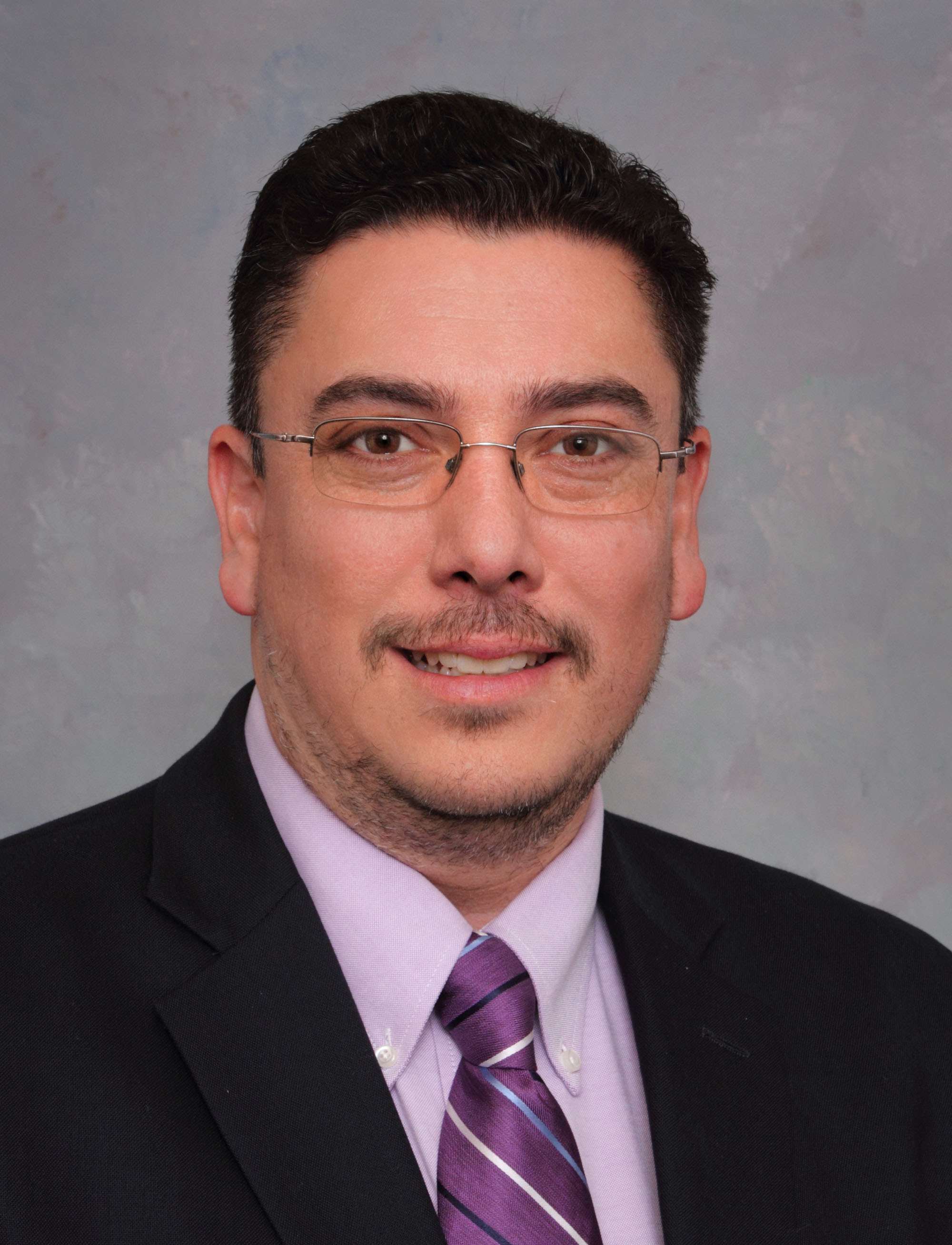
Ulrik Sideniusمشاهده پروفایل
دانشیار
Ulrik Sidenius serves as Associate Professor in Health Design at the Department of Landscape Architecture and Planning, University of Copenhagen, where he bridges evidence-based landscape architecture with health promotion through natural environments. His work focuses on translating research into practical applications that enhance human well-being through designed landscapes. His educational background includes a Landscape Architecture degree from the University of Copenhagen and a 2017 PhD in Evidence-Based Health Design from the Department of Geosciences and Natural Resource Management. Sidenius's research explores how natural environment design promotes health using a holistic WHO-based health concept incorporating biopsychosocial models, planetary health, and One Health frameworks. His salutogenic, interdisciplinary approach employs multi-method research grounded in both theory and practice. He actively collaborates with municipalities, health centers, and architectural firms to ensure research translates into concrete health solutions. His publication record reveals a strong focus on nature-based therapeutic applications, particularly for post-concussion syndrome and stress-related conditions. A distinctive thread throughout his work is the operationalization of perceived sensory dimensions into practical health-promoting design tools, demonstrating consistent progression from theoretical frameworks to applied solutions in therapeutic gardens and urban green spaces. Sidenius teaches across multiple levels including the Master's course "Health Design" (15 ECTS), Bachelor's course "Nature-Integrative Health and Design" (7.5 ECTS), and Module 5 in the "Nature-Based Rehabilitation" Master's program (10 ECTS), integrating landscape architecture, health sciences, and nature management perspectives. He actively contributes to therapy garden development, notably the Nacadia® Therapy Garden, and has developed evaluation models for health landscapes. His research has practical impact through collaborations with various stakeholders to implement nature-integrative health initiatives in real-world settings.