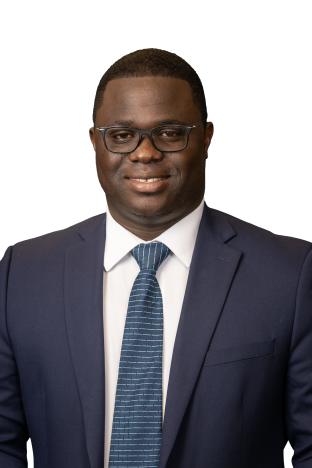
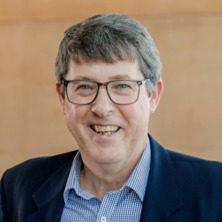
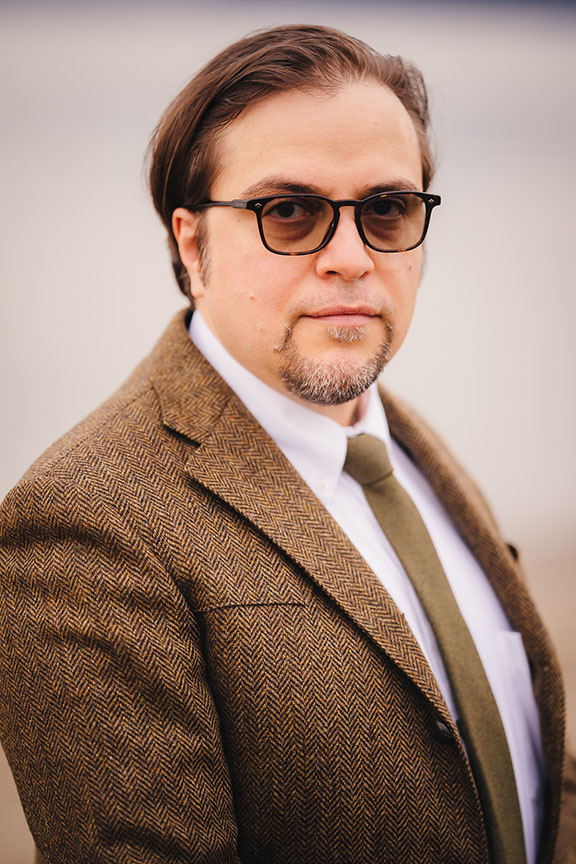
Libak Abou is a Research Assistant Professor at the University of Michigan's Department of Physical Medicine and Rehabilitation and a Center Member at the Institute for Healthcare Policy and Innovation. His work focuses on enhancing functional independence and quality of life for individuals with neurologic disabilities through evidence-based rehabilitation strategies. Education : PhD in Kinesiology and Rehabilitation (University of Illinois at Urbana-Champaign, 2022), MPT in Physical Therapy (Santa Catarina State University, Brazil, 2017), and PT in Health Rehabilitation (University of Medical Sciences of Cienfuegos, Cuba, 2014). Research Interests : Neurorehabilitation, postural control, fall prevention using emerging technologies, and symptom management in multiple sclerosis (MS) and spinal cord injury (SCI). Recent Article Trends : His publications span MS fatigue reduction via exercise, dual-task fall prediction models, cardiovascular benefits of physical activity in MS, and innovative balance/wheelchair assessment tools. Emerging themes include wearable sensors for functional mobility and nociplastic pain in MS. Scientific Awards Elite Reviewer (American Congress of Rehabilitation Medicine, 2022-2023) Laura J. Huelster Scholarship (2021-2022) Carol L. Chittenden Fellow (2020-2022) UIUC Teachers Ranked as Excellent (2020) Grants : NIH-funded research on cognitive function in MS, MICHR grant on nociplastic pain outcomes, and multiple trainee grants for fall prediction studies in MS/SCI.
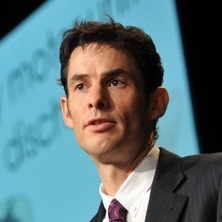
Professor Paul W. Hodges is an NHMRC Leadership Fellow (Level 3) and Professor at The University of Queensland's School of Health and Rehabilitation Sciences, Faculty of Health, Medicine and Behavioural Sciences. He serves as Director of the Centre for Innovation in Pain and Health Research (CIPHeR). NHMRC Leadership Fellow (Level 3) Director, CIPHeR International Collaborator (Universities of Adelaide, South Australia) Research Focus : Integrating molecular biology, brain physiology, and human function to understand pain mechanisms and movement control. His work spans: Pain Mechanism Discrimination Neuromuscular Adaptation Pelvic Floor & Continence Low Back Pain Rehabilitation Musculoskeletal Imaging Article Trends : Recent publications demonstrate expertise in: Ultrasound Imaging for Pelvic Floor Assessment Pain Phenotyping & Biomarker Development Neuroinflammatory Mechanisms in Chronic Pain Exercise Physiology for Spine Health Sex-Based Pain Differences Scientific Awards : 5× ISSLS Prize Winner (Basic/Co-Clinical Science) 2010 Susanne Klein-Vogelbach Award 2009 Delsys Prize 2011 NHMRC Achievement Award Leadership : Chairs international task forces for IASP and ISEK. Leads NHMRC Synergy Grant with Australian/US collaborators.
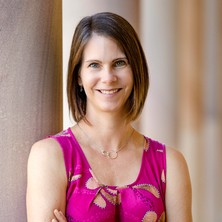
Associate Professor Michelle Smith is a Titled Sports and Exercise Physiotherapist at The University of Queensland ( UQ ), affiliated with the School of Health and Rehabilitation Sciences and the Centre for Innovation in Pain and Health Research (CIPHeR) . She co-directs the International Ankle Consortium and the Sports Injury Rehabilitation and Prevention for Health (SIRPH) research unit, and serves as Associate Editor for Physical Therapy and Sport . Program Director for UQ's Masters of Sports Physiotherapy and Masters of Musculoskeletal Physiotherapy Chair of the School's External Engagement Committee Deputy Chair of the Australian Physiotherapy Association's Sports and Exercise Physiotherapy Group Her research focuses on lower limb joint health , spanning three key areas: (1) understanding ankle osteoarthritis and sprains across the lifespan, (2) evaluating injury prevention strategies in adolescent athletes, and (3) implementing osteoarthritis interventions in clinical settings. Recent studies explore radiographic joint alignment , pelvic floor morphometry , and workplace adaptations for OA patients . Michelle's publication trends (2023–2025) emphasize osteoarthritis management , injury prevention in sports , and clinical implementation science . She has secured grants from Arthritis Foundation of Australia and Metro North Hospital and Health Service for feasibility trials and program implementation. She has received Teaching Excellence Awards and supervises PhD projects in ankle injury rehabilitation, OA intervention implementation, and sports injury prevention, collaborating with institutions like Metro North Hospital and OMERACT Foot and Ankle Working Group .
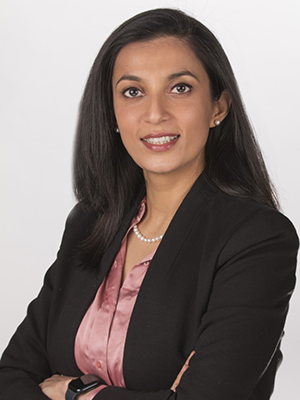
Dr. Puneet Dhaliwal serves as Assistant Professor in the Physical Therapy department within the School of Health Professions, bringing over 11 years of specialized clinical experience treating neurological, vestibular, cardiopulmonary, and orthopedic conditions across acute, inpatient rehab, and outpatient settings. Her educational foundation includes: Bachelor of Physical Therapy (highest honors) from Post Graduate Institute of Medical Education and Research (PGIMER), Chandigarh, India Master of Arts in Motor Control and Learning from Columbia University Doctor of Physical Therapy from Utica College Dr. Dhaliwal's research centers on neurological rehabilitation with emphases on Parkinson's disease, vestibular diagnostics (particularly BPPV testing methodologies), stroke recovery, and geriatric interventions. She holds dual board certifications as a Neurological Specialist (NCS) and Stroke Rehabilitation Specialist (CSRS), alongside certification as an Exercise Expert for Aging Adults (CEEAA), driving her clinical and scholarly work in motor control and evidence-based rehabilitation techniques. Her publication record demonstrates consistent focus on vestibular assessment innovation and neurological rehabilitation, evolving from Parkinson's gait studies (2012) to advanced diagnostic tools for BPPV (2018-2020) and specialized interventions for complex conditions like Giant Cell Arteritis (2023), reflecting growing clinical sophistication in treating multisystem disorders. Actively mentoring DPT students and providing community education, she contributes to the profession through APTA leadership roles: serving on the Vestibular Special Interest Group podcast committee (Academy of Neurology) and Geri EDGE committee (Academy of Geriatrics), with podcast content reaching over 30,000 listeners. Her institutional engagement includes developing curriculum for Patient/Client Management I, Neuromuscular Physical Therapy, and Motor Control courses while advancing clinical practice through committee work that shapes vestibular and geriatric rehabilitation standards nationally.
Professor Bruce Abernethy is Executive Director of UQ's Engagement with the 2032 Olympic and Paralympic Games, following his tenure as Executive Dean of the Faculty of Health and Behavioural Sciences (2014-2023) at the University of Queensland. His academic leadership includes previous roles as Deputy Executive Dean, Associate Dean (Research), and Head of the School of Human Movement Studies (1991-2003). He also served as inaugural Chair Professor at the University of Hong Kong's Institute of Human Performance (2004-2011). His educational background includes First Class Honours and University Medallist status from the University of Queensland, complemented by a PhD from the University of Otago. Professional recognition includes Fellowships from the American Academy of Kinesiology and Physical Education, Australian Sports Medicine Federation, and Exercise and Sport Science Australia. Abernethy's research centers on the interdisciplinary study of skilled movement control and acquisition, bridging human movement science, experimental psychology, neuroscience, and medical sciences. His work investigates expert perception and production of human movement patterns, with particular focus on deception detection in sports, visual-motor expertise, and fundamental movement skills development. This spans applications from elite athletic performance to pediatric movement disorders. Analysis of his recent publications reveals sustained focus on perceptual-cognitive aspects of sport expertise, with recurring themes in deception detection (particularly in football/cricket), gaze behavior analysis, and perceptual training methodologies. His work increasingly integrates interdisciplinary approaches across motor control, cognitive psychology, and sports biomechanics, with strong emphasis on practical applications for athletic training and movement rehabilitation. International Fellow, American Academy of Kinesiology and Physical Education Fellow, Australian Sports Medicine Federation Fellow, Exercise and Sport Science Australia University Medallist, University of Queensland Professor Abernethy has supervised eight PhD candidates to completion between 2003-2022, with research spanning cricket batting expertise, perceptual training, and movement disorders. His funding portfolio demonstrates exceptional grant acquisition success, including sustained support from the Motor Accident Insurance Commission (1997-2019), Australian Research Council (multiple projects 1995-2011), Australian Football League, Australian Sports Commission, and Hong Kong Research Grants Council. Current engagement with the 2032 Games represents strategic alignment of his expertise with major international sporting events. His research is conducted through the Centre for Extracellular Vesicle Nanomedicine within UQ's Faculty of Health and Behavioural Sciences, collaborating with interdisciplinary teams across sports science, psychology, and medical research domains. This network supports his translational research from basic motor control principles to applied sporting and clinical contexts.
Prof. Dr. Engin GEZER is a full-time Professor at Kafkas University's Sarıkamış Faculty of Sports Sciences, where he serves as the Head of the Department of Physical Education and Sports. With a career spanning over two decades, he has held academic positions at Selçuk University, Mustafa Kemal University, and Kafkas University, progressing from Research Assistant to Professor. His administrative roles include departmental leadership positions since 2009. Education PhD in Physical Education and Sports - Gazi University (2003-2009) MSc in Physical Education and Sports - Selçuk University (2000-2002) Bachelor's in Physical Education and Sports - Selçuk University (1996-2000) Research Focus Prof. Gezer's research centers on sports psychology, sociology, and history, with specializations in athlete narcissism, aggression patterns, educational methodologies in sports, and physiological determinants of athletic performance. His work frequently employs psychometric scale development and cross-sectional analysis of athlete populations. Publication Trends His 91+ publications demonstrate evolving focus from exercise physiology (2010-2014) to sport psychology and management (2015-present), with recent emphasis on cognitive processes in athletes, educational technologies in sports training, and psychosocial aspects of athletic performance. Methodologically, he favors quantitative approaches and scale validation studies. Student Advising & Projects Has supervised 19 Master's students investigating diverse topics including sports participation motivations, leadership development in athletes, and socio-psychological aspects of physical education. Led the international project "Şampiyon Ol" (2016-2017) and contributes to sports science committees. Professional Engagement Member of the Sports Sciences Association since 2023. Teaches courses in Sports Psychology, Statistics in Sports, and Sports Management at undergraduate and graduate levels.
Erdal DEMİRCİ serves as a full-time Lecturer in the Department of Physical Education and Sports at Sarıkamış Faculty of Sports Sciences, Kafkas University since 1995. His academic journey includes a PhD from Sofia 'Vasil Levski' National Sports Academy (Bulgaria, 2013-2017), Master's degree from Kafkas University's Faculty of Education (2005-2007), and Bachelor's degree from Dokuz Eylül University's School of Sports Sciences (1986-1991). His research centers on critical intersections of sports science and public health, with particular emphasis on childhood obesity interventions and physical activity efficacy. Key focus areas include: School-based exercise programs for 9-11 year-old girls Economic impacts of children's ski zones on winter tourism Nutrition knowledge and self-efficacy in obesity prevention Inclusive physical education for students with learning difficulties Analysis of his 2017 publication burst reveals strong interdisciplinary connections between sports pedagogy, public health metrics, and behavioral economics. His work consistently targets practical applications in educational settings while addressing Turkey's growing childhood obesity concerns through measurable intervention frameworks. No major scientific awards or fellowships are documented in available records. His collaborative research patterns indicate significant partnerships with Nevzat Demirci (6 joint works) and Pervin Toptaş Demirci (5 joint works), primarily focused on obesity and physical activity studies between 2013-2017. Professional service includes administrative leadership as Deputy Director of Sarıkamış Faculty (2006-2010), demonstrating institutional commitment beyond core teaching responsibilities. Current work appears centered on refining exercise efficacy metrics for vulnerable youth populations.
Hugo Vieira Pereira is a Professor at Lusófona University, focusing on exercise science, public health, and behavioral medicine. His work bridges sports science with clinical health interventions through innovative research methodologies. PhD in Human Movement Sciences MSc in Exercise and Health Post-Graduation in Cardiac Rehabilitation BSc in Sports Science His research centers on: Physical activity and sedentary behavior interventions Digital health promotion programs Football club-based health initiatives Cardiometabolic risk factors Recreational running analysis Behavioral correlates of exercise adherence Article trends show sustained focus on: European health promotion through sports platforms Wearable technology applications Behavioral intervention evaluation Population-level exercise epidemiology Integrated diet and activity programs Long-term health behavior maintenance
Dr. Niek Westerink is an active researcher at the University Medical Center Groningen, Department of General Practice. His work focuses on physical activity interventions for cancer survivors within primary care settings, with particular emphasis on testicular cancer patients and quality of life outcomes. His research interests span oncology, exercise physiology, and cancer survivorship, with specific focus on physical activity programs, testicular cancer treatment complications, and quality of life assessment for cancer patients. His work contributes to UN Sustainable Development Goals related to health and well-being. Analysis of his recent publications reveals a strong focus on implementation science in primary care settings, exploring how physical activity interventions can be effectively integrated into cancer survivorship care. His research particularly examines the timing of exercise interventions during chemotherapy, pulmonary and vascular effects of exercise in testicular cancer patients, and organizational aspects of implementing physical activity programs in general practice. His work has received significant attention, with multiple publications being picked up by news outlets, blogged about, and shared extensively on social media platforms. One of his 2022 articles on exercise timing during chemotherapy has accumulated 32 Scopus citations, indicating substantial impact in the field. Dr. Westerink collaborates extensively with colleagues including Huizinga, Walenkamp, Berger, and others across multiple projects focused on improving outcomes for cancer survivors through physical activity interventions.
Lena Lehrer is a doctoral student in Health Communication at the University of Erfurt, affiliated with the Faculty of Arts and the Department of Media and Communication Studies . She works as a research associate in the Planetary Health Action Survey (PACE) project at Cornelia Betsch's Health Communication Working Group, based at the Bernhard Nocht Institute for Tropical Medicine in Hamburg. Her roles include contributing to interdisciplinary research on climate change and health communication. MA in Health Communication (University of Erfurt, 2022) B.Sc. in Media Communication (University of Würzburg, 2019) Her research focuses on climate change communication , health behavior , and media psychology , particularly how framing affects public perception and willingness to act. She explores sociodemographic differences in climate policy acceptance and develops targeted communication strategies using behavioral insights. Recent publications highlight trends in planetary health surveys, climate policy framing, and segmentation of public attitudes toward climate action. Her work bridges communication science and environmental psychology , emphasizing evidence-based interventions for climate protection. Key collaborations include the Bernhard Nocht Institute for Tropical Medicine and the Institute for Planetary Health Behavior (IPB) .
Niels Ørtenblad , a Professor at the Department of Sports Science and Clinical Biomechanics, University of Southern Denmark, is a leading researcher in muscle physiology and biomechanics. His work focuses on the interplay between subcellular structures like glycogen, sarcoplasmic reticulum, and mitochondria in skeletal muscle function. Research Unit of Muscle Physiology and Biomechanics Scandinavian Journal of Medicine & Science in Sports collaborations Research Interests: Muscle metabolism, calcium ion regulation, glycogen storage, mitochondrial dynamics, and the impact of exercise on subcellular organelles. His studies explore how localized glycogen depletion affects sarcoplasmic reticulum calcium release, impairing muscle function during metabolic stress. Recent Article Trends: Investigations into high-altitude adaptation, endurance athlete lipid-mitochondria interactions, glycogen's role in cardiovascular diseases, and strength training effects on calcium handling. These works span disciplines like Exercise Biochemistry , Cellular Physiology , and Sports Performance Optimization . Teaching: He supervises courses such as 'Muscle Metabolism and E-C Coupling – Role in Exercise, Training and Disease' and contributes to 'Exercise as Medicine - Musculoskeletal Disorders'. Activities: Frequent lecturer on topics like 'Role of glycogen in skeletal muscle Ca²⁺ regulation' and 'Neuroprotective effects of aerobic exercise in multiple sclerosis,' with international collaborations.
Katie Holland is an Associate Professor at the Department of Teacher Education, Norwegian University of Science and Technology (NTNU). Her research focuses on adapted physical education , disability studies , and inclusive pedagogy , particularly examining the experiences of individuals with disabilities in sports and education. Current academic rank: Associate Professor Key research areas: Inclusive physical education, wheelchair sports in conflict zones, media representation of disabilities Her recent publications (2024–2019) center on wheelchair athletics in low- and middle-income conflict-affected regions, youth disability perspectives in integrated PE, and intersectional challenges (e.g., disability with visual impairment or autism). Her work frequently intersects with health outcomes , autism education , and adaptive curriculum design . Articles analyze media bias, sensory integration in sports training, and global disability inclusion.
Ana Ubeda Tikkanen, MD, PhD is an Assistant Professor of Physical Medicine and Rehabilitation at Harvard Medical School and a Pediatric Rehabilitation Medicine Doctor in the Orthopedics and Sports Medicine Department at Boston Children's Hospital. She specializes in pediatric rehabilitation with a focus on cardiac rehabilitation for children with congenital heart disease, heart transplants, and VADs. Dr. Ubeda Tikkanen has clinical appointments at multiple Boston Children's Hospital locations including Boston, Lexington, and Charlestown. Dr. Ubeda Tikkanen received her medical degree from Universidad Autónoma de Madrid in 2004 and completed her residency at Hospital Gregorio Marañón in 2009. She earned her PhD from Universidad Complutense of Madrid in 2014. Her fellowship training includes Research Fellowships in Pediatric Cardiology & Rehabilitation at Hospital Gregorio Marañón (2010) and Boston Children's Hospital (2012), Clinical Fellow in Pediatric Cardiac Rehabilitation at Boston Children's Hospital (2013), and Clinical Fellow in Pediatric Rehabilitation at Spaulding Rehabilitation Hospital (2015). Her research interests focus on improving functional outcomes and quality of life for children with disabilities, particularly those with congenital heart disease, heart transplants and VADs. She has benefited from clinical training in both Europe and the US and created the first Pediatric Cardiac Rehabilitation Program in the world at the Hospital Gregorio Marañon of Madrid before joining Boston Children's Hospital. Her clinical practice emphasizes personalized, multidisciplinary cardiac rehabilitation programs for children with cerebral palsy and congenital heart disease. Analysis of Dr. Ubeda Tikkanen's publications reveals a strong focus on pediatric cardiac rehabilitation across multiple dimensions. Her work spans from systematic reviews establishing foundational knowledge to clinical trials evaluating interventions, and detailed physiological studies examining exercise parameters in specific cardiac conditions. A clear progression is evident from early work on basic exercise testing to more recent research on comprehensive rehabilitation program components. Her research consistently emphasizes functional outcomes and quality of life improvements for pediatric cardiac patients. Dr. Ubeda Tikkanen's professional activities include developing clinical pathways for pediatric cardiac rehabilitation across multiple institutions. She has created innovative rehabilitation protocols that have been adopted internationally, beginning with her work establishing the first Pediatric Cardiac Rehabilitation Program. Her clinical approach integrates rehabilitation medicine with pediatric cardiology to address the comprehensive needs of children with complex cardiac conditions throughout their developmental trajectory.
Juan Abelló is an Associate Professor of Teaching in the Department of Mechanical Engineering at the University of British Columbia's Faculty of Applied Science. He serves as Program Chair for the Applied Science stream at Vantage College, UBC's first-year program integrating English language support with engineering content. With industry experience and a Cornell PhD, he brings practical applications to student learning through active methodologies. His educational background includes: B.S. from Cornell University M.S. from Cornell University Ph.D. from Cornell University He is a Professional Engineer (P.Eng.) and member of CEEA and Tau Beta Pi (TBP). Dr. Abelló's research centers on engineering education innovation, with emphasis on systemic functional linguistics in design pedagogy, academic buoyancy, and student wellness. His work investigates motivation in engineering career choice and integrates mental health literacy into technical curricula. Earlier research focused on rotorcraft aerodynamics and aeroacoustics, particularly blade-vortex interaction noise reduction through wake displacement modifications. Analysis of his 15 most recent publications (2018-2024) reveals a decisive shift from aerospace engineering to educational scholarship. Recent work dominates in engineering education (93% of publications), with concentrated focus on student wellness interventions, academic buoyancy metrics, and active learning techniques like self-paced modules and role-playing exercises. Only historical publications (pre-2018) address rotorcraft noise reduction. His scientific recognition includes: Killam Teaching Prize, University of British Columbia (2022) As Educational Leadership team member, Dr. Abelló transformed second-year engineering software instruction into self-paced modules with classroom support, enabling personalized learning while maintaining instructor accessibility. He pioneered embedding mental health literacy components into Mech 2 and Vantage College courses, conducting longitudinal studies on academic buoyancy. His grant-supported work focuses on evidence-based curriculum development, student wellness integration, and open educational resources, with findings presented at CEEA and ASEE conferences. He collaborates with the Mechanical Engineering Educational Leadership team and Vantage College faculty on initiatives including the Applied Science stream curriculum, wellness-integrated pedagogy, and mental health literacy frameworks for engineering students.
Rubee Dev is an Assistant Professor and VSP Faculty Coordinator at the School of Nursing within the Faculty of Applied Science, University of British Columbia. Her office is located in T153 Koerner Pavilion at 2211 Wesbrook Mall, Vancouver, BC, Canada, with contact phone 604.822.6249 and email rubee.dev@ubc.ca. Her educational background includes a Master of Public Health (MPH) and Doctor of Philosophy (PhD). These qualifications underpin her expertise in epidemiological methods and public health interventions. Dr. Dev's research centers on sex and gender as critical determinants of health outcomes, with particular focus on cardiovascular disease, global health disparities, and public health systems. She investigates how biological sex and sociocultural gender factors influence disease progression, treatment adherence, and health behaviors across diverse populations. Her work bridges clinical practice and population health through rigorous mixed-methods approaches including cohort studies, systematic reviews, and predictive modeling. Analysis of her recent publications reveals consistent emphasis on sex and gender frameworks across cardiovascular health in South Asia and Sub-Saharan Africa, mental health during the pandemic in Europe, and maternal-child health in Nepal. She has pioneered tools like the CR-DECIDE models for shared decision-making in coronary artery disease, demonstrating translational impact from research to clinical practice. Her global perspective spans WHO surveillance data, national surveys, and community-based interventions in resource-limited settings. No scientific awards were documented in the provided source material. While specific advising roles and grant funding details were not disclosed, her VSP Faculty Coordinator position indicates leadership in academic program development and student mentorship at UBC. The absence of explicit grant mentions suggests potential involvement in institutionally supported initiatives or collaborative projects not detailed in the profile. Research infrastructure details including laboratories or dedicated teams were not specified in the available information, though her global collaborations imply networked research partnerships across multiple continents.