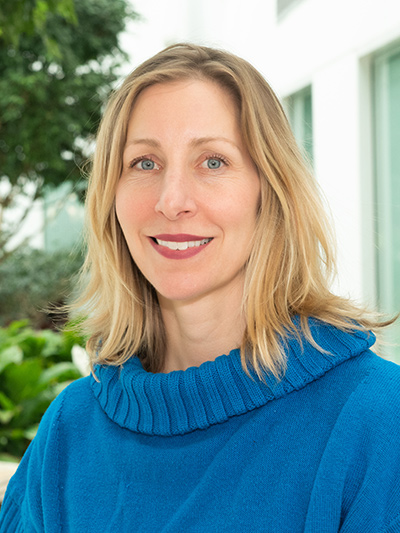
Professor Lisa Methven is a faculty member at the University of Reading, specializing in sensory and consumer science, flavor chemistry, and food product development. She leads the Sensory Science Centre and serves as Programme Director for the BSc Food Science with Business. Her research focuses on improving food palatability for older adults, investigating causes of individual sensory differences, and enhancing vegetable consumer acceptability. She holds a BSc (Hons) and PhD in relevant fields. Key grants include a 2008-2012 Research into Ageing grant and a multisite New Dynamics of Ageing project. She is a Fellow of the Institute of Food Science and Technology and actively involved in the SCI Food Group. Her work spans food fortification strategies, aging nutrition, and sensory perception studies. Notable contributions include developing protein-fortified recipes for older adults and studying the impacts of physical activity on appetite. External Activities: Committee member of SCI Food Group, Professional Food Sensory Group (PFSG) member Labs/Teams: Sensory Science Centre, Food4Years Network (improving foods for aging populations) Grants: Over £1M in grants focused on aging nutrition and sensory science
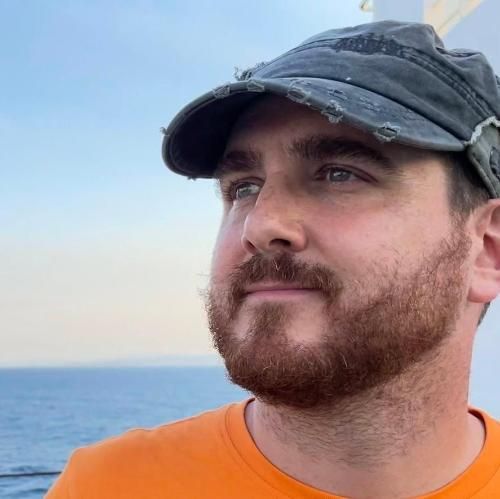
Dr. Sally Barlow is a Senior Lecturer in Mental Health Nursing at City St George's, University of London, where she has been a faculty member since 2013. She is affiliated with the School of Health Sciences and the Department of Mental Health Nursing, contributing significantly to education and research in recovery-focused mental health and collaborative care. Education BSc (Hons) in Neuroscience Postgraduate Diploma in Statistics PhD in Behavioural Neuroscience, Trinity College Dublin Research Interests Dr. Barlow's research centers on recovery-focused mental health care, shared decision-making, risk assessment and management in mental health services, and collaborative care models. Her early work involved molecular neuroscience, particularly the pathophysiology of depression and anxiety, before transitioning into clinical and healthcare research. She has led and contributed to numerous studies exploring how mental health service users experience risk management and how peer support can improve discharge outcomes. Her work emphasizes patient-centered approaches, co-production with service users, and the integration of experiential knowledge into mental health service design. Publication Trends Her recent publications (2017–2024) reflect a strong focus on qualitative and mixed-methods research in mental health services. Key themes include shared decision-making, peer support interventions, recovery-oriented care planning, and the experiences of service users and carers in dementia and severe mental illness. She frequently collaborates on large-scale, cross-national studies and randomized controlled trials, often using the Theoretical Domains Framework to analyze behavioral influences in clinical practice. Scientific Awards Patrizia Matteucci Prize for Best Letter of Intent (2007) Health Research Board (HRB) Scholar Award (2004) Children's Memorial Hospital, Chicago Scholarship (2002) Advising and Grants Dr. Barlow has served as a second supervisor for PhD students including Michelle Parker and Nafiso Ahmed, whose research explored dementia diagnosis help-seeking and shared decision-making in risk management. Her research has been supported by funding from City, University of London, and the East London NHS Foundation Trust. She actively engages in co-produced research and collaborates with service user advisory groups such as SUGAR (Service User and Carers Group Advising on Research). Labs and Teams She is part of research teams focusing on mental health service delivery, recovery-oriented practices, and peer support interventions. Her work is closely linked with NHS mental health services and involves longitudinal, mixed-methods studies evaluating the impact of care coordination and discharge planning. She contributes to editorial boards, including the British Journal of Psychiatry Bulletin , and serves as a peer reviewer for NIHR grant programs.
Jan Christian Brønd is an Associate Professor in the Department of Sports Science and Clinical Biomechanics at the University of Southern Denmark, where he is affiliated with RICH - Research In Childhood Health. His work bridges clinical biomechanics, public health, and pediatric physical activity research. University: University of Southern Denmark Department: Department of Sports Science and Clinical Biomechanics Research Group: RICH - Research In Childhood Health His research focuses on physical activity, sedentary behavior, motor skill development in children, and the use of accelerometers for objective measurement in clinical and population settings. He investigates health outcomes in children, individuals with multimorbidity, and chronic conditions such as type 2 diabetes and multiple sclerosis. His recent publications reveal a strong emphasis on randomized controlled trials, longitudinal interventions, and device-based data collection. Key themes include childhood obesity prevention, inflammation in chronic disease, rehabilitation in neurological conditions, and the impact of screen time on physical activity. Scientific contributions include high-impact studies published in journals like Nature Medicine , BMJ Public Health , and European Journal of Sport Science . He has taught courses such as Clinical Movement Analysis , Learning and Cognition , and Best Practice in Childhood Physical Activity and Health . He has also supervised students and led components of major research trials. Public engagement includes media appearances discussing calorie expenditure beyond gym settings. His research network spans national and international collaborations, particularly in public health and chronic disease management.
Dag Svanæs is a Professor of Human-Computer Interaction (HCI) at NTNU’s Department of Computer and Information Science. His research focuses on embodied interaction, emphasizing the physical, bodily, and social dimensions of human-computer interaction. He developed a usability laboratory for simulating multi-user, multi-device scenarios, particularly in healthcare contexts. His theoretical framework draws heavily from Maurice Merleau-Ponty’s phenomenology, exploring how perception and action shape interaction. Education: PhD in HCI from NTNU (2000). His research areas include interaction design, user-centered methods, and healthcare IT systems design. Key projects include the UNITY-Things IoT framework and exergame development for balance training in seniors. Research Highlights: Svanæs pioneered participatory design methodologies in healthcare IT, emphasizing end-user involvement through role-play and prototyping. His work on pandemic policy critiques and lockdown strategies demonstrates interdisciplinary collaboration between HCI and public health. Publications: Over 50 peer-reviewed articles in venues like Computer Supported Cooperative Work , Frontiers in Computer Science , and IEEE Transactions . Recent work addresses exergame design, pandemic response systems, and embodied interaction theory. Grants & Labs: Built NTNU’s Health Informatics Usability and Design Lab. Collaborates with academic and healthcare institutions on projects like the NSEP (Norwegian Center for Electronic Patient Records).
Professor Julian Smith is the Head of the Department of Surgery and Deputy Head of the School of Clinical Sciences at Monash Health, as well as Head of Cardiothoracic Surgery at Monash Health. He graduated from the University of Melbourne in 1981 and completed advanced training in cardiothoracic surgery, including roles at Stanford University and Papworth Hospital. His expertise spans cardiac and thoracic surgery, surgical education, and organ transplantation. He leads major clinical trials and research projects, such as the CALIPSO trial on antimicrobial prophylaxis and the EASY AS trial for aortic stenosis management. Awards include the Australian Clinical Trials Alliance Trail of the Year and Fellowship of the National Heart Foundation. His research focuses on surgical innovation, including minimally invasive techniques and robotic surgery, alongside clinical outcomes and patient safety. Education: MBBS from the University of Melbourne (1981), Master of Surgery (Melbourne), FRACS in General and Cardiothoracic Surgery, and a Master of Surgical Education (Melbourne). Leadership roles include Editor-in-Chief of the ANZ Journal of Surgery and membership in the American College of Surgeons Council. Projects include investigating LVAD therapy, surgical databases, and perioperative renal injury reduction (APRIORI). Research Interests: Cardiac surgery techniques, surgical education, lung volume reduction, and renal impairment management. Over 491 publications and 25 active or completed projects reflect his contributions to advancing surgical practice and patient care.
Paulo Lisboa is a Professor in Applied Mathematics at Liverpool John Moores University, where he conducts interdisciplinary research at the intersection of computational modeling, machine learning, and biomedical applications. His work spans healthcare technology, sports biomechanics, and genomic data analysis. His research focuses on developing advanced computational methods for real-world health challenges. Key areas include explainable AI for clinical classifiers, deep learning for perinatal monitoring, and modeling complex biological interactions in genomics. He also investigates biomechanical loading during physical activity using sensor-based and simulation techniques. The recent publication trends highlight consistent contributions in artificial intelligence applied to medicine and biology, particularly in making black-box models interpretable, predicting preterm birth through genetic interactions, and analyzing human movement dynamics. These works are published in high-impact journals across computational biology, biomedical engineering, and sports science. Paulo Lisboa actively collaborates with researchers in physiology, sports science, and clinical domains. His peer review activities for journals like Communications Medicine and PLOS ONE reflect his engagement with the broader scientific community. While no formal awards or student supervision details are listed, his extensive publication record demonstrates sustained scholarly impact in applied mathematics and translational computational research.
Brian Champagne is a Professor of Professional Practice in the Department of Journalism & Communication at Utah State University, part of the College of Humanities and Social Sciences. He teaches courses including Writing for Electronic Media, Documentary Production, Multimedia Journalism, and Student Newscast, drawing on over two decades of professional broadcast experience in California and Utah. His educational background includes an MA in Communications from the University of the Pacific (1999) and a BA in Communications from California State University, Bakersfield (1990). Prior to academia, he worked in multiple television markets and spent ten years at KUTV, covering news and producing freelance video projects. Champagne's research interests center on Visual Communication , particularly how video conveys meaning through the interplay of words, images, and editing techniques. Though he identifies his academic research as minimal due to his practitioner role, his creative and pedagogical work emphasizes multimedia storytelling, broadcast production, and journalistic ethics. The 15 most recent publications reflect a strong trend in local broadcast journalism , covering crime, community events, human interest stories, public health, and university initiatives. These works demonstrate consistent engagement with visual storytelling , public service reporting , and multimedia documentation across television platforms. Scientific and Professional Awards: Clifford Cheney Service to Journalism Award, 2022 – Society of Professional Journalists Radio: Business / Consumer 1st Place, 2023 – Utah Headliners SPJ Television: Editing 3rd Place – Grinch Truck, 2023 – Utah Headliners SPJ Best Radio Reporter – First Place, 2021 – Utah Public Radio Student Production Award, 2017 & 2016 – National Academy of Television Arts and Sciences Regional Emmy Nominee, 2008 – NATAS Rocky Mountain Region Multiple SPJ and Utah Association of Broadcasters awards since 1996 Brian Champagne has advised numerous student productions and contributes to professional broadcast standards through mentorship and industry engagement. While no formal grants are listed, his award-winning work and ongoing freelance projects suggest sustained funding through professional contracts and institutional support. His creative works include political videos, conference promotions, and public awareness campaigns, indicating active collaboration with academic and civic organizations. There is no mention of labs or research teams, but his role in student newscast and documentary production implies leadership in hands-on media training environments.
Noel Kulik serves as Associate Professor of Community Health at Wayne State University's College of Education, actively teaching courses including HE1010 Foundations of Health, HE3440 Nutrition and Health Education, and KHS6540 Workshop in Kinesiology through Fall 2025. Holding a Ph.D. in Public Health from UNC Chapel Hill's Gillings School, Dr. Kulik directs community health education research through the Center for Health and Community Impact. Ph.D. in Public Health, Gillings School of Global Public Health, University of North Carolina at Chapel Hill Dr. Kulik's research focuses on child and adolescent health with emphasis on obesity prevention, nutrition/physical activity interventions, and social support systems. Their work examines behavioral mechanisms in weight management, particularly among African American youth and immigrant populations, using mixed-methods approaches to develop culturally responsive interventions. Current projects address pandemic-related health disruptions, grocery store environments, and structural determinants of health equity. Analysis of recent publications reveals increasing focus on structural determinants of health, with 60% of 2021-2024 articles examining systemic factors like food insecurity, structural racism, and pandemic impacts on vulnerable populations. Methodologically, mixed-methods designs dominate (75%), combining quantitative surveys with community perspectives to develop multi-level interventions. Recipient of $2.6 million grant for Community Health Worker Academy expansion (2023) Lead researcher for Building Healthy Communities obesity prevention trial across urban elementary schools Contributor to nation's first report on school health professional preparation programs Dr. Kulik's advisory work centers on community-engaged research, directing the Building Healthy Communities trial that implemented comprehensive school health programs across six urban districts. Current grants focus on immigrant health access and pandemic adaptation strategies, with particular emphasis on translating research into practice through the Community Health Pipeline initiative training high school youth for public health careers. Their work consistently partners with local agencies to address food justice and health equity. As Research Faculty for the Center for Health and Community Impact, Dr. Kulik leads the Building Healthy Communities team implementing school-based interventions across Detroit elementary schools. Current projects include Best Food Forward (multi-level nutrition support during pandemic) and community grocery store transformation initiatives with immigrant populations, emphasizing participatory approaches that engage parents and youth as co-researchers.
Corliss Bean is an Associate Professor in Brock University's Department of Recreation and Leisure Studies within the Faculty of Applied Health Sciences. She directs the Centre for Healthy Youth Development through Sport and focuses on leveraging sport and physical activity to promote psychosocial and physical development in youth, postpartum women, and at-risk populations. Her work emphasizes community partnerships for program design and evaluation. Education: PhD in Human Kinetics, University of Ottawa (2017) MA in Human Kinetics, University of Ottawa (2013) BSc (Honours) in Human Kinetics, University of Ottawa (2011) Research Interests: Positive youth development Postpartum physical activity Knowledge translation in sport programs Girls/women in sport Behavior change strategies Sport evaluation methodologies Awards: 2025 Faculty of Applied Health Sciences Research Excellence Award Advising & Grants: Dr. Bean oversees graduate student research and leads the Centre for Healthy Youth Development through Sport , which focuses on translational research. She collaborates with organizations to design interventions addressing health equity and program efficacy. Labs/Teams: Directs the Centre for Healthy Youth Development through Sport and collaborates with the Centre for Sport Capacity and the Youth Research & Evaluation eXchange.
Alejandro Laguna Sanz is an Assistant Professor in the Department of Electronic Engineering at the School of Engineering, Universitat de València. His work bridges biomedical engineering and clinical diabetes care, focusing on technological solutions for glucose regulation. His research interests include diabetes technology, artificial pancreas systems, glucose monitoring accuracy, and the impact of exercise on glycemic control. He is particularly active in developing and evaluating predictive algorithms for glycemic management, especially in dynamic conditions such as physical activity and post-bariatric hypoglycemia. His work often combines control theory with clinical validation. The recent publications reveal a strong focus on real-world performance of continuous glucose monitors (CGMs), sex-specific responses in women with type 1 diabetes, and innovative interventions like elastic band resistance training and dual-hormone closed-loop systems. His research increasingly integrates population modeling, in silico studies, and virtual education platforms for artificial pancreas training. He is a member of the CLIDET research group (Clinimetry and Technological Development in Therapeutic Exercise), where he contributes to the design and clinical evaluation of advanced monitoring and control systems for metabolic diseases. Alejandro Laguna Sanz earned his PhD from Universitat Politècnica de València with a thesis on uncertainty in postprandial glucose modeling in type 1 diabetes, supervised by Dr. Paolo Rosseti and Dr. Jorge Bondía Company. He has not received any explicitly listed scientific awards in the provided text. He advises students within his research group, though no specific names are listed. His work is supported by collaborative projects in diabetes technology and engineering, particularly in the development of adaptive control systems and clinical validation of glucose monitoring devices. He is involved in both experimental and simulation-based studies.
Dr. Carolyn Berryman is a Senior Research Fellow at the University of South Australia, based in the Allied Health and Human Performance Unit within the Innovation, Implementation and Clinical Translation (IIMPACT) in Health group. She is actively engaged in research on chronic pain, particularly in pediatric and neurological contexts, and serves as a Research Degree Supervisor. Research Interests: Her work spans chronic pain, cognitive flexibility, complex regional pain syndrome (CRPS), interhemispheric brain interactions, and patient-centered care models. She investigates how pain affects cognition and sensorimotor function, and how healthcare services can be co-created with patients for better outcomes. The recent publications (2024–2025) show a strong trend toward interdisciplinary, patient-engaged research in pediatric chronic pain, implementation of high-value physiotherapy, and neurophysiological underpinnings of pain disorders. Her work frequently employs systematic reviews, observational studies, and collaborative knowledge generation. Scientific Awards and Fellowships: Australia Harvard Fellowship Grants and Funding: Her research is supported by NHMRC grants including NHMRC 1178444 and NHMRC 1127155, indicating sustained competitive funding. She is involved in advising and collaborative research, though specific student names are not listed in the provided texts. Labs and Teams: She is a key member of the IIMPACT in Health research group at UniSA, collaborating with national and international institutions including Harvard University, University of Adelaide, and Curtin University.
Laura Nabors is a Professor in the School of Human Services at the University of Cincinnati, affiliated with the College of Education, Criminal Justice, and Human Services. She teaches in both the Health Promotion and Education Program and the Substance Abuse and Counseling Program. Education: Ph.D. in Clinical Child Psychology, University of Memphis (1993) M.A. in Clinical Psychology, Xavier University (1988) A.B. in International Affairs, Xavier University (1985) Her research focuses on child and family health, mental health in community settings, and program evaluation for children’s services. She has worked extensively with children facing chronic medical conditions, developmental disabilities, and health disparities, emphasizing community-based interventions and resilience-building strategies. Research Trends: Recent publications highlight obesity prevention for adults with disabilities, asthma management in urban areas, tobacco exposure impacts on child temperament, and mental health interventions during the pandemic. Her work integrates public health, behavioral science, and psychometric validation. Scientific Awards & Recognition: 2022 Fellow, APA Division 53 (Society of Clinical Child and Adolescent Psychology) 2017 Dolly Cohen Teaching Award, University of Cincinnati 2005 Diplomat, ABPP in Child Clinical Psychology Multiple APA and SOPHE conference recognitions Grants & Leadership: She has led state and college-level grants, including Ohio Department of Mental Health’s evaluation of foster care services (2012-2013) and a DEI-focused program for adults with disabilities (2022-2023). She serves on editorial boards for Journal of Asthma , Behavior Modification , and American Journal of Public Health .
Masatoshi Suzuki is a Professor in the Biomedical Engineering department at the University of Wisconsin-Madison, with an additional affiliation in the School of Veterinary Medicine. His research focuses on applying stem cell technology to model and treat neuromuscular and musculoskeletal disorders , particularly amyotrophic lateral sclerosis (ALS) , through growth factor delivery and advanced imaging techniques. PhD (1999, The University of Tokyo, Japan) DVM (1995, The Ministry of Agriculture and Fishery, Japan) BS (1995, The University of Tokyo, Japan in Veterinary Medicine) Suzuki's work spans basic and translational studies using human neural progenitor cells, mesenchymal stem cells, and pluripotent stem cells. His lab has pioneered strategies for stem cell-based ALS therapy , including growth factor delivery systems and in vitro neuromuscular junction models . He also develops non-invasive imaging approaches to monitor stem cell dynamics in the central nervous system. Research trends in his publications reveal a focus on stem cell technology for neuromuscular diseases, ALS pathology , muscle progenitor isolation , and imaging methodologies . His lab has contributed to understanding sex-specific differences in ALS progression and macrophage-mediated inflammation in disease models. The Suzuki Lab team includes lab manager Samantha Robertson (PhD Genetics), undergraduate assistants Elizabeth Altman (Genetics and Genomics) and Adam Eckardt (Biochemistry), and research assistant Clarisse Rebancos (DVM Candidate). The lab collaborates with funding partners such as the University of Wisconsin-Madison and the School of Veterinary Medicine.
Dr. Silvia Achtzehn is a researcher at the German Sport University Cologne, affiliated with the Institute of Training Science and Sports Informatics and the Department of Performance Physiology. She is also associated with The German Research Center for Competitive Sports, where she conducts research on performance and training physiology in elite athletes. Her research focuses on exercise physiology , athletic training , biomarkers , and hormonal responses (such as cortisol and testosterone) to physical stress. She investigates recovery modalities , training load monitoring , and point-of-care diagnostics (POCT) in sports settings. Her work also extends to cognitive control during multitasking and the effects of hypoxic training on angiogenic markers. The recent articles highlight her focus on the intersection of cognitive neuroscience and sports performance , particularly through vagus nerve stimulation, as well as physiological responses to exhaustive exercise and training camps in youth athletes . Her research integrates both laboratory and field-based approaches to optimize athlete health and performance. Scientific Awards: POCT: Athletennahe Sofortdiagnostik - Möglichkeiten und Anwendungsbereiche (2017) Young Investigator Award for Poster Presentation (2007) Dr. Achtzehn has been actively involved in multiple research projects, including those on stress management via smartphone apps , physiological responses to recovery , and health management in elite soccer . She has served as a peer reviewer for journals like BMC Sports Science, Medicine and Rehabilitation and has presented at national and international conferences. She collaborates extensively with researchers such as Joachim Mester, Patrick Wahl, and Markus de Marées, indicating a strong network in sports science research. She is involved in research teams and labs focused on performance physiology , training science , and competitive sports medicine , contributing to both fundamental and applied research in elite athlete support.
Nathalie Caron is a researcher with a Doctor of Science degree from Université de Mons (UMons), awarded in 2007. Her research focuses on nephrology and metabolic disorders, particularly obesity-induced kidney disease mechanisms. She serves as Principal Investigator on projects examining renal lipid accumulation, AMPK signaling pathways, and adipose tissue biology. Her research interests center on: Kidney lipid metabolism and lipotoxicity Sex differences in renal diseases AMPK pathway activation in metabolic disorders Adipose tissue physiology and glucose homeostasis Experimental models of nephropathy Recent publications (2021-2023) demonstrate her work in lipidomics, aristolochic acid nephropathy, and therapeutic exercise interventions. Her articles frequently appear in journals including Biology of Sex Differences , Nature Communications , and Frontiers in Medicine . She actively participates in academic activities including thesis examinations and international conferences such as the ERA-EDTA Congress. Her work contributes to Sustainable Development Goals related to health and wellbeing.