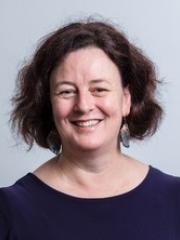
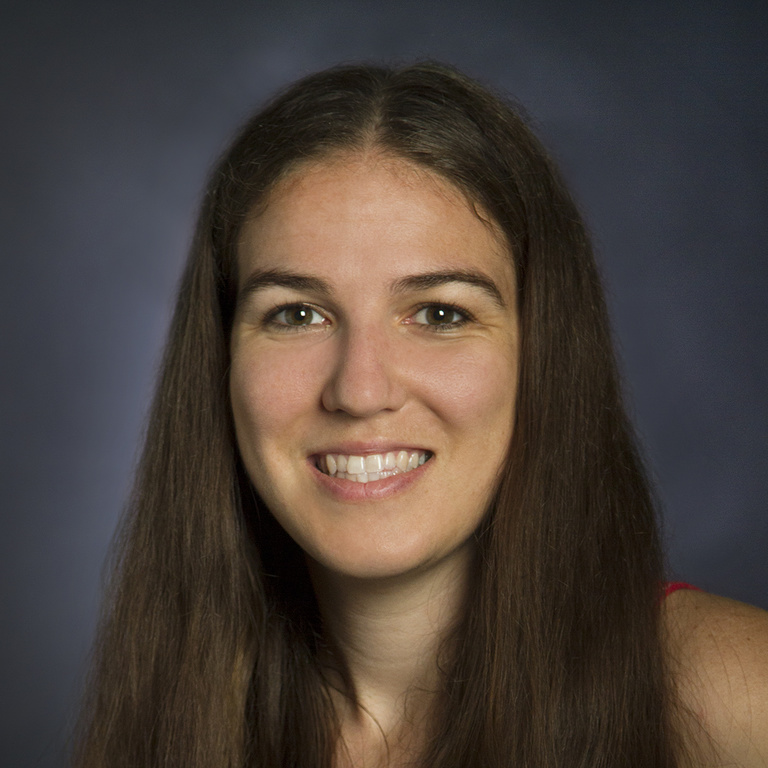
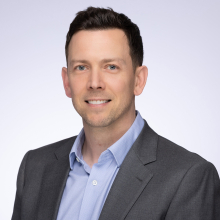
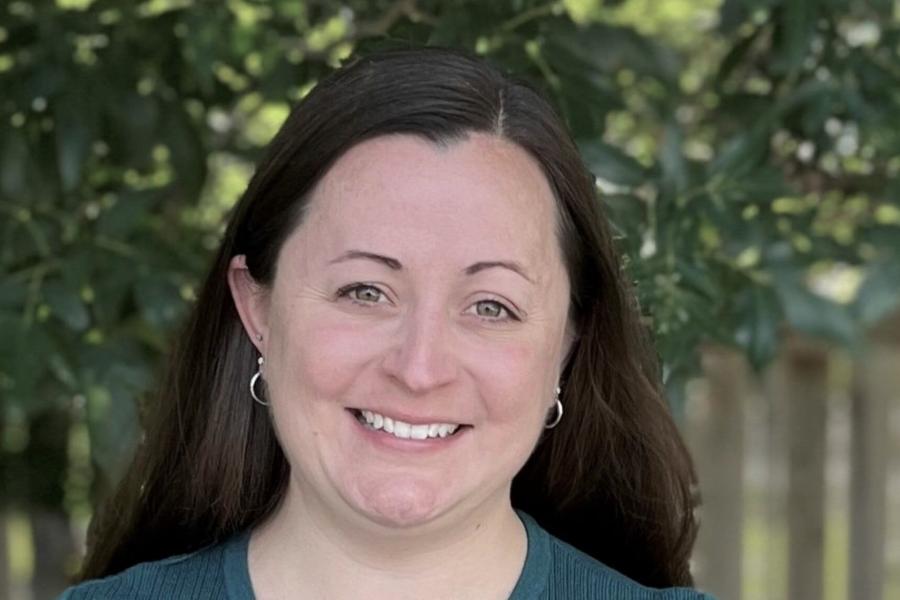
Dr. Jennifer Taber is an Associate Professor in the Department of Psychological Sciences at Kent State University . She leads the Social, Health, and Risk Perception (SHRP) Psychology Lab , focusing on health behaviors, risk perception, and communication strategies. Education: Ph.D. (University of Utah, 2013), B.A. (American University, 2008) Postdoctoral Training: National Cancer Institute, Behavioral Research Program Courses Taught: Health Psychology, Social Psychology, Psychology of Risk Communication, Emotions, Culture & Health Her research examines why individuals avoid health risk information, how risk perceptions drive behavior, and interventions to reduce defensive responses to health threats. She applies social psychological theories to contexts like Covid-19 vaccination hesitancy , physical activity promotion , and interpretation of numeric risk data . Recent publications analyze trends in information avoidance , ambiguity aversion , and math cognition in health decision-making. Studies employ experimental designs, surveys, focus groups, and longitudinal analyses to address these themes. The SHRP lab’s interdisciplinary team conducts field experiments, develops educational interventions (e.g., number lines for risk communication ), and explores affective motives in health behavior. Their work bridges social psychology, public health, and behavioral science.
Professor Genevieve Dingle is a Professor in Clinical Psychology at the University of Queensland's School of Psychology within the Faculty of Health, Medicine and Behavioural Sciences. She also serves as an affiliate Professor at Nottingham Trent University (UK). Her academic leadership includes course convenor roles for PSYC7291 Cognitive Behaviour Therapies for Adults and PSYC3102 Psychopathology. Dingle holds significant professional roles as Associate Editor of Psychology of Music journal, Culture and the Arts on Prescription lead for the Australian Social Prescribing Institute for Research and Education (ASPIRE), and committee member of the Arts Health Network QLD (AHNQ). Professor Dingle's research centers on social (non-medical) interventions for mental health, with particular expertise in music, arts, and nature-based programs. Her work explores how these interventions can address loneliness, improve emotion regulation, and enhance wellbeing through social identity processes. She has developed notable interventions including the 'Tuned In' music emotion regulation program and 'Groups for Belonging' for loneliness reduction. Her research spans multiple populations including university students, people experiencing homelessness, and those in addiction treatment. Analysis of her recent publications (2023-2025) reveals a strong focus on social prescribing, music-based interventions, and university student mental health. Her work demonstrates consistent application of social identity theory to understand how group membership and community engagement contribute to mental wellbeing. Key themes include the therapeutic potential of choir singing, the development of evidence-based protocols for social prescribing, and the impact of the pandemic on student mental health. Professor Dingle leads several significant research projects including a $1.29M NHMRC-funded cluster randomized controlled trial of 'Groups for Belonging,' a $480K UQ-funded 'Sharper Minds' mental health prevention package for university students, and an Australian Research Council linkage grant evaluating social prescribing for loneliness. Her collaborative work involves interdisciplinary teams across multiple institutions and sectors. Her laboratory work focuses on the School of Psychology at UQ, with particular emphasis on the development and evaluation of group-based interventions. She maintains strong connections with community organizations through her roles with ASPIRE and AHNQ, ensuring her research has practical applications in real-world settings.
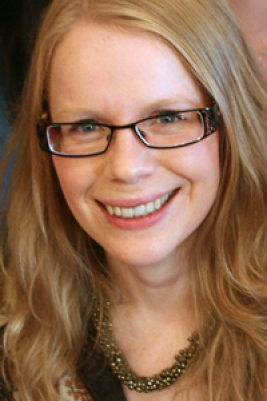
Rui Liu, Ph.D., MPH, serves as Assistant Professor of Health Science in the College of Health Professions at Sacred Heart University. Her expertise spans aging research, neurodegenerative disease, and environmental health impacts, with significant contributions to understanding cognitive decline and chronic disease mechanisms in aging populations. She teaches core courses including Research Methods and Health Research Capstone while leading active investigations into sleep, inflammation, and dementia risk. Her educational foundation includes: Ph.D. in Epidemiology, University of South Carolina MPH in Public Health, Southern Connecticut State University BS in Bacteriology, University of Wisconsin-Madison Dr. Liu's research program integrates geriatric health, neuroimaging, and environmental exposures to address critical gaps in aging science. Primary focus areas include: Neurodegenerative disease progression in diverse populations Impact of air pollution and nutrition on cognitive function Health disparities among Asian American older adults Mechanistic links between telomere biology and coronary disease Her mixed-methods approach combines large-scale biobank analyses with community-based investigations to develop targeted interventions for at-risk elders. Recent publications (2023-2025) reveal consistent emphasis on environmental determinants of cognitive aging and health equity . Key trends include leveraging UK Biobank data to examine telomere dynamics, analyzing racial disparities in cognitive outcomes, and exploring early-life influences on late-life dementia risk. Her work bridges epidemiology, environmental health, and gerontology to address modifiable risk factors in aging populations. Major recognitions include: College of Health Professions Excellence in Teaching Award (2022) Sacred Heart University Research and Creativity Grant (2022) NIEHS Intramural Epidemiology Research Award (2017) NIH Fellows Award for Research Excellence (2016) These reflect her dual excellence in pedagogy and innovative aging research. Dr. Liu mentors students through capstone projects and research internships while leading the active study The Effects of Sleep and Inflammation on Cognition and Dementia Risk (funded by Sacred Heart University since 2022). Her grant portfolio demonstrates sustained focus on translating epidemiological findings into preventive strategies for cognitive decline, with particular attention to vulnerable aging subpopulations. Though specific laboratory facilities aren't detailed, her UK Biobank collaborations and community-focused environmental justice work indicate strong interdisciplinary partnerships across public health, social work, and clinical neuroscience domains.
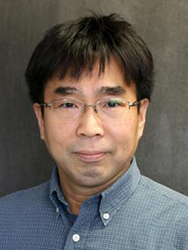
Masatoshi Suzuki is a Professor in the Biomedical Engineering department at the University of Wisconsin-Madison, with an additional affiliation in the School of Veterinary Medicine. His research focuses on applying stem cell technology to model and treat neuromuscular and musculoskeletal disorders , particularly amyotrophic lateral sclerosis (ALS) , through growth factor delivery and advanced imaging techniques. PhD (1999, The University of Tokyo, Japan) DVM (1995, The Ministry of Agriculture and Fishery, Japan) BS (1995, The University of Tokyo, Japan in Veterinary Medicine) Suzuki's work spans basic and translational studies using human neural progenitor cells, mesenchymal stem cells, and pluripotent stem cells. His lab has pioneered strategies for stem cell-based ALS therapy , including growth factor delivery systems and in vitro neuromuscular junction models . He also develops non-invasive imaging approaches to monitor stem cell dynamics in the central nervous system. Research trends in his publications reveal a focus on stem cell technology for neuromuscular diseases, ALS pathology , muscle progenitor isolation , and imaging methodologies . His lab has contributed to understanding sex-specific differences in ALS progression and macrophage-mediated inflammation in disease models. The Suzuki Lab team includes lab manager Samantha Robertson (PhD Genetics), undergraduate assistants Elizabeth Altman (Genetics and Genomics) and Adam Eckardt (Biochemistry), and research assistant Clarisse Rebancos (DVM Candidate). The lab collaborates with funding partners such as the University of Wisconsin-Madison and the School of Veterinary Medicine.
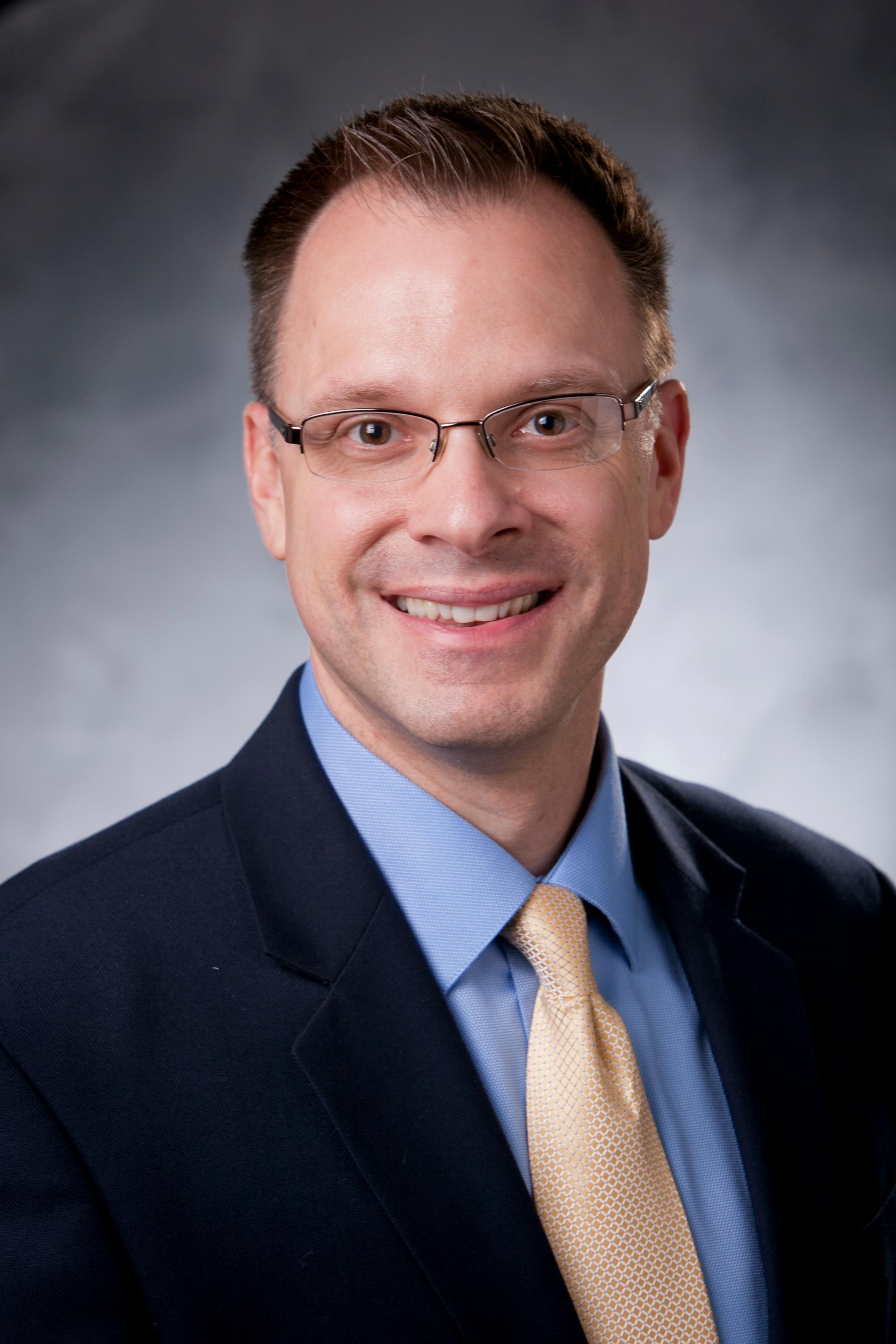
Pål Kraft is a Professor in the Department of Psychology at the University of Oslo since 2004, with additional affiliation as Professor II at Oslo Nye University College since 2020. His academic career includes previous positions as Head of Department at UiO's Psychology Department, Director of SIRUS, Professor at the University of Bergen (UiB), Director of Hemil Center at UiB, Research Director at the Institute of Public Health and Research Council of Norway, and Researcher at WHO-Geneva. PhD in psychology from UiB Master's degrees in psychology (NTNU) and sociology (UiO) Cand. odont. (UiO) Business economist (BI) Kraft's research focuses on Health Psychology, Self-regulation, Social inequality in health, Attitudes towards nuclear and wind power, and Health habits. His work bridges psychological theory with practical applications in public health, examining how socioeconomic factors influence health behaviors and outcomes through biopsychosocial pathways. He has made significant contributions to understanding the psychological mechanisms behind health disparities and the role of self-regulation in behavior change. His recent publications (2021-2023) show a strong emphasis on socioeconomic determinants of health, with particular attention to subjective socioeconomic status and its relationship to physical and mental health outcomes. His research employs diverse methodologies including longitudinal studies, network analysis of attitudes, and experimental approaches to understanding health behaviors. A notable trend is his increasing focus on energy policy attitudes, particularly regarding nuclear and wind power in Norway, reflecting contemporary societal challenges related to climate change. Kraft currently leads the project 'Attitudes towards wind and nuclear power in Norway' (2024-present), which investigates psychological processes underlying public attitudes toward renewable energy sources using nationally representative surveys and theoretical frameworks including causal attitude networks and attitude ambivalence. His academic leadership extends to mentoring students and collaborating on interdisciplinary research projects addressing significant public health challenges. While specific grant details aren't provided, his research program appears well-supported through institutional funding and likely external research grants given the scope and continuity of his work. Kraft maintains active research collaborations, most notably with Brage Kraft (possibly a relative), with whom he has co-authored multiple recent publications on socioeconomic status and wellbeing. His work spans multiple research groups within the Department of Health, Developmental and Personality Psychology at UiO.
Orla Doyle is a Professor in the School of Economics at University College Dublin and a Research Fellow at the UCD Geary Institute for Public Policy. She serves as Director of the UCD Childhood and Human Development Research Centre and has held various academic positions at UCD since 2004, progressing from Postdoctoral Researcher to full Professor in 2023. Her academic journey includes appointments as Assistant Professor (2011-2017), Associate Professor (2017-2023), and multiple leadership roles including Deputy Head of School and Director of Teaching & Learning. BA (Mod) from Trinity College Dublin PhD from Trinity College Dublin Professor Doyle's research focuses on the economics of human development, particularly examining how early life conditions shape later life outcomes through rigorous experimental methods. Her work spans health economics, labor economics, political behavior, early child development, and policy evaluation methodologies. She emphasizes interdisciplinary collaboration across economics, psychology, medicine, and public health to advance understanding of human capital formation. Her publication record demonstrates consistent research productivity across multiple disciplines, with recent articles examining gender norms, cardiovascular disease prevention, rare disease economics, and early childhood interventions. The research shows a strong emphasis on experimental designs and causal inference methods to evaluate policy effectiveness, particularly in early childhood contexts. A significant portion of her work examines the long-term impacts of interventions through longitudinal studies. Professor Doyle leads major research initiatives including the Preparing for Life study, the longest-running early childhood field experiment in Europe. She has secured substantial research funding from diverse sources including the Irish Research Council, Medical Research Council, and international collaborations. Her professional activities include committee memberships, conference organization, and public engagement initiatives focused on policy relevance and gender equity in economics. She directs the UCD Childhood and Human Development Research Centre, leading a team of researchers focused on early intervention programs. Her work bridges academic research with practical policy applications, particularly through collaborations with Irish government agencies and health services to translate research findings into actionable programs for disadvantaged communities.
Masao Fukui is an Assistant Professor of Economics at Boston University. He holds a PhD in Economics from the Massachusetts Institute of Technology (MIT). His research focuses on Macroeconomics and International Economics, particularly exploring topics such as labor market dynamics, monetary policy, financial frictions, and the impacts of globalization. His work has been published in top journals like the Quarterly Journal of Economics and Review of Economic Studies. He has contributed to studies on exchange rate depreciations, wage rigidity, and the macroeconomic consequences of central bank interventions. His research often integrates theoretical models with empirical evidence, addressing issues like wealth distribution, trade imbalances, and the effects of policy discontinuities. Fukui teaches advanced macroeconomics courses at the PhD level, including EC 704 and EC 741, focusing on topics such as firm dynamics, labor market frictions, and financial market mechanisms. His teaching materials include detailed lecture notes and Julia/Stata codes for computational exercises. Notable research outputs include analyses of the China Shock's impact on unemployment, sticky discount rates in consumption behavior, and the welfare implications of spatial economic models. His work emphasizes policy relevance and rigorous methodological approaches, often collaborating with leading scholars in the field.
Massimo Filippi is a Full Professor of Neurology at Vita-Salute San Raffaele University and holds leadership roles including Director of the Neurology and Neurorehabilitation Units, Multiple Sclerosis Center, Alzheimer Center, and Quantitative Neuroimaging Unit at San Raffaele Hospital. His research focuses on neuroimaging techniques, particularly MRI, to study neurological diseases like multiple sclerosis and Alzheimer’s. He has authored over 1,640 papers and serves on editorial boards of major journals, including co-editing the Journal of Neurology. Education: MD from University of Milan (1986) Specialization in Neurology (University of Milan, 1990) Specialization in Neurophysiopathology (University of Pavia, 1994) Research Interests: Pioneering the use of MRI to understand disease mechanisms in multiple sclerosis, neurodegenerative disorders, and brain mapping. His work emphasizes clinical neuroimaging biomarkers, disease progression, and therapeutic monitoring. Key Awards: Rita Levi Montalcini Award (2001) Distinguished Dr. Luis Barraquer Ferré Lecture (2015) Ranked #1 in global MS research influence (2022) Teaching & Leadership: Oversees neurology residency programs, chairs academic committees, and advises international institutions. He has held over 680 invited lectures and chairs major congresses like AAN and ECTRIMS. Labs/Teams: Heads the Neurotech Hub, Neuroimaging Research Unit, and the BrainMap interdepartmental program, integrating advanced neuroimaging with clinical research.
Dr. Helene Rundqvist is a Senior Researcher at the Department of Laboratory Medicine, Karolinska Institutet, where she combines basic science research in Exercise Oncology with patient intervention studies. She serves as co-PI of two H2020-funded exercise oncology clinical trials, PREFERABLE EFFECT and PREFERABLE LION, leading multinational research efforts to understand how structured exercise affects outcomes for patients with metastatic breast cancer. Dr. Rundqvist earned her PhD in Physiology from Karolinska Institutet in 2008, building on her foundational degree in Molecular Biology. Her postdoctoral training included significant work at the University of California, San Diego, studying immune contributions to metastasis, and at Karolinska Institutet's Department of Oncology and Pathology, investigating exercise interventions in cancer models. Her research demonstrates that exercise interventions reduce symptom burden, enhance physical functioning, and improve health-related quality of life for cancer patients. A significant portion of her work focuses on immune surveillance mechanisms, particularly how exercise mobilizes cytotoxic T-cells and NK-cells to control solid tumor progression. Her current efforts involve detailed characterization of immune cell metabolism, homing capabilities, and antitumoral effects in both animal models and patients with advanced breast cancer. Analysis of Dr. Rundqvist's recent publications (2024-2025) reveals a comprehensive research program spanning clinical trials (particularly the PREFERABLE series), immune mechanisms, cardiovascular effects of cancer treatment, and quality of life outcomes. A consistent theme is the investigation of exercise-induced immune cell mobilization and function, with growing attention to health economic analyses evaluating the cost-effectiveness of exercise interventions in cancer care. Dr. Rundqvist has extensive teaching experience across all academic levels, delivering instruction in Statistics, Physiology, Immunology, Cell Biology, Tumor Microenvironment, and Metabolism. She leads a 5-week course in Scientific Theory and Statistics at Karolinska Institutet and supervises graduate students and postdoctoral fellows. Her research is supported by significant Horizon 2020 funding for the PREFERABLE EFFECT and PREFERABLE LION trials, which investigate structured exercise programs for metastatic breast cancer patients. Dr. Rundqvist's laboratory work combines basic science approaches with clinical applications, focusing on immune cell characterization following exercise interventions using both animal models and patient samples. Her research bridges molecular mechanisms with practical clinical applications, requiring close collaboration across oncology, immunology, and exercise physiology disciplines to investigate how exercise affects cancer progression and patient outcomes.
Dr. Sarah Moore is a Clinical Lecturer at Northumbria University with expertise in stroke rehabilitation research. With a background as a physiotherapist and 15 years of dedicated research experience following 10 years in clinical practice, she has established herself as a significant contributor to stroke recovery science. Her primary research interests focus on improving physical activity and mobility outcomes for stroke survivors through innovative interventions. Dr. Moore specializes in developing behavior change programs, particularly the Physical Activity Routines After Stroke (PARAS) intervention, and investigating auditory rhythmical cueing techniques to enhance gait. Her work bridges clinical practice and research, aiming to translate evidence into practical rehabilitation approaches. Dr. Moore's publications over the past three years demonstrate a consistent focus on stroke rehabilitation, with particular emphasis on standardized measurement tools, motor recovery frameworks, and innovative therapeutic approaches. Her research often involves collaborative international efforts, as evidenced by her participation in European Stroke Organisation guideline development. NIHR/HEE Integrated Clinical Academic Clinical Lectureship holder (2016-2020) International Stroke Recovery and Rehabilitation Alliance Emerging Leader Stroke Association project grant recipient As an active supervisor, Dr. Moore mentors emerging researchers in stroke rehabilitation, with current PhD students investigating topics including bone health after stroke. She contributes to professional guidelines as a member of the European Stroke Organisation Motor Rehabilitation Guidelines Group and represents the Association of Chartered Physiotherapists in Neurology on the UK Stroke Forum Scientific Steering Group.
Yeltay Rakhmanov is an Instructor at the Nazarbayev University School of Medicine (NUSOM) in the Department of Medicine. He holds a PhD in Sports Medicine from Tongji Medical College, China, an MSc in Medicine and Surgery from the University of L’Aquila, Italy, and an MD from Western Kazakhstan Marat Ospanov State Medical University. PhD: Sports Medicine, Tongji Medical College, China MSc: Medicine and Surgery, University of L’Aquila, Italy MSc: Science and Techniques of Adaptive Physical Activities, University of L’Aquila, Italy MD: General Medicine, Western Kazakhstan Marat Ospanov State Medical University His research focuses on the Biomechanics and Epigenetics of athletes , Tele-Rehabilitation in isolated regions , and Community health initiatives in Central Asia . Recent projects include AIoT-enhanced health monitoring and stem cell therapies for cartilage defects. His work spans interdisciplinary collaborations between Europe and Central Asia. Scientific awards include the Lane Kirkland Fellowship and Erasmus Mundus TOSCA Scholarship , with grants from the European Commission and Autonomous Province of Trento. He has supervised educational programs at MAGI Group and contributed to developing rehabilitation systems in Kazakhstan. Lane Kirkland Fellowship Program Erasmus Mundus TOSCA Scholarship European Commission grants Autonomous Province of Trento grants Yeltay co-developed a Bachelor of Physiotherapy program for Kazakh universities and pioneered telerehabilitation practices in isolated regions. He actively contributes to conferences and journals on topics like genetic testing, hemodynamic forces in athletes, and environmental health impacts in the Aral Sea area.
Jeffrey M. Hoder is an Associate Professor in the Doctor of Physical Therapy Program at Duke University, with a faculty appointment in the Department of Orthopaedic Surgery and affiliation with the Duke Institute for Brain Sciences . His primary responsibilities include directing student affairs, accommodations, and advising, alongside teaching foundational courses in adult neurologic rehabilitation and health disparities . D.P.T., University of Medicine and Dentistry of New Jersey (2004) Clinical Specialist Board Certification in Neurology, American Board of Physical Therapy Specialties (2003, recertified 2013, 2024) Research Focus : Dr. Hoder specializes in gait and balance disorders , particularly in movement disorders and central vestibular dysfunction . Recent publications explore treadmill training for stroke recovery, Parkinson's disease interventions, and novel approaches to vestibular rehabilitation. His work emphasizes clinical outcome measures and evidence-based practice . Key Trends in Publications : Systematic reviews on balance interventions, pilot studies for Parkinson's disease management, and clinical tools for neurological assessment. Collaborations span multidisciplinary fields including emergency medicine , pharmacology , and neurodegenerative disease research.
Kyle Rector is an Assistant Professor in the Department of Computer Science at the University of Iowa, specializing in Human-Computer Interaction (HCI) and Accessibility . Her research focuses on developing technologies to enhance the quality of life for people with disabilities across age groups, particularly targeting visual impairments and pain management in older adults. University : University of Iowa Department : Computer Science Academic Rank : Assistant Professor Her work spans assistive technologies , virtual reality , and voice assistant systems , emphasizing inclusive design for diverse populations including neurodivergent children and aging adults. Recent projects explore augmented reality overlays , sensor mat systems , and interactive audio interfaces for accessibility. Article Trends : Kyle's recent publications (2024-2020) focus on augmented reality for pedestrian safety , voice agent design for neurodivergent families , and accessibility in virtual reality/art description . Her research also addresses pain self-management through voice assistants and exercise technologies for visually impaired individuals. Contact : kyle-rector@uiowa.edu Personal Website
Tyler Churchward-Venne is an Assistant Professor at the Department of Kinesiology and Physical Education, Faculty of Education, McGill University, and an Investigator at the Metabolic Disorders and Complications Program of the Research Institute of the McGill University Health Centre (RI-MUHC). His research focuses on skeletal muscle protein metabolism, aging, and lifestyle interventions involving exercise and nutrition. B.A. Hons, York University M.Sc., University of Western Ontario Ph.D., McMaster University Postdoctoral Fellowship, Maastricht University Churchward-Venne investigates how nutrition and physical activity regulate muscle protein turnover using stable isotope tracers. His work addresses age-related muscle loss (sarcopenia) and disuse atrophy, exploring protein supplementation, resistance/endurance exercise, and novel dietary strategies like insect protein. Recent studies examine ketone monoesters, branched-chain amino acids, and post-exercise protein dosing. His publications highlight the impact of protein sources on myofibrillar and mitochondrial synthesis, the role of low-load resistance training in aging populations, and mechanisms linking exercise-induced anabolic resistance to metabolic health. Articles span American Journal of Physiology , Journal of Nutrition , and Frontiers in Nutrition , reflecting interdisciplinary work in exercise physiology, gerontology, and sustainable nutrition. FRQS Chercheurs-boursiers Junior 1 William Dawson Scholar He directs the McGill Exercise Metabolism and Nutrition Research Laboratory, accepts graduate students, and collaborates with institutions including Maastricht University and RI-MUHC. His research integrates clinical trials, molecular techniques, and translational approaches to improve muscle health across the lifespan.
Dr. Leslie Redmond serves as an Assistant Professor in the Department of Food and Human Nutritional Sciences within the Faculty of Agricultural and Food Sciences at the University of Manitoba. Her research focuses on developing culturally grounded nutrition interventions for minoritized populations, with particular emphasis on Indigenous communities across Canada and Native American reservations in the United States. Her academic credentials include a PhD in Nutrition from Johns Hopkins University Bloomberg School of Public Health, an MSc in Exercise Physiology from James Madison University, and a BSc in Food Science from Clemson University. These diverse foundations inform her interdisciplinary approach to public health nutrition. Dr. Redmond's research program centers on three interconnected pillars: (1) theory-based, culturally appropriate nutrition interventions co-developed with communities; (2) prevention strategies for diet-related chronic diseases in marginalized populations; and (3) sustainable solutions to food insecurity among college students. Her work frequently addresses Indigenous food sovereignty, gestational diabetes in urban Indigenous women, and obesity prevention through community-centered frameworks. Analysis of her recent publication trajectory reveals consistent focus on Indigenous health contexts across North America, with significant contributions to understanding traditional food systems, community-based obesity interventions (notably the OPREVENT2 trial), and circumpolar food security challenges. Her methodological approach emphasizes community-based participatory research and culturally safe practices. Dr. Redmond actively supervises graduate students through the university's formal inquiry process and has led multi-institutional projects including the OPREVENT2 obesity prevention trial across six Native American communities. Her research demonstrates strong community partnerships with Indigenous organizations in Manitoba, Alaska, and reservation communities throughout the United States, translating evidence into practical health solutions for vulnerable populations.