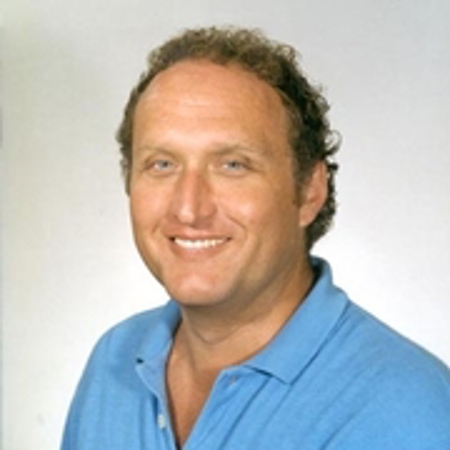
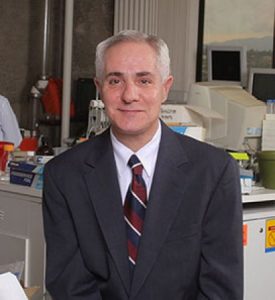
Erik Hayes is a Professor of Kinesiology at Taylor University, where he has taught for 26 years within the Kinesiology Department, focusing on holistic education through physical activity and outdoor experiences. His educational background includes: PhD in Human Bioenergetics from Ball State University MS in Athletic Training from Indiana State University BS in Physical Education from Asbury College Professor Hayes specializes in exercise physiology, nutrition, and exercise as medicine, using camping, canoeing, and hiking to teach solitude, slowness, sabbath, and simplicity. His research bridges physical activity with human wellness and congruent living through experiential outdoor education. His notable awards include: Teaching Excellence and Campus Leadership Award (2015) Alumni Distinguished Professor Award (2021) He co-founded and directs the Invitation Health and Wellness Program, promoting community health initiatives. Information about student advising and research grants is not provided in available sources.
Dr. Amadou K. Camara is a tenured Professor in the Department of Anesthesiology at the Medical College of Wisconsin, with a secondary appointment in the Department of Physiology. He is an active member of both the Cardiovascular Research Center and the Comprehensive Injury Center at MCW, and serves as an Adjunct Professor at the Institute of Clinical Medicine Suzhou Science & Technology Town Hospital in China. Dr. Camara's research focuses on mitochondrial physiology in the context of cardiac ischemia-reperfusion injury, with particular emphasis on mitochondrial calcium handling, reactive oxygen species production, and cardioprotective mechanisms. His work bridges basic mitochondrial science with clinical applications in anesthesiology and cardiology, investigating how anesthetics and pharmacological agents modulate mitochondrial function to protect the heart during ischemic events. His extensive publication record spanning more than 125 papers demonstrates consistent productivity in mitochondrial physiology, with significant contributions to understanding the role of mitochondrial potassium channels, calcium handling, and bioenergetics in cardiac protection. Recent work has explored connections between histone deacetylases, mitochondrial function in diabetes, and radiation effects on cardiac tissue. NIH-NIDDK Travel Fellowship Award (multiple years) NIH Minority Pre-Doctoral Graduate Research Assistant Supplement The Procter and Gamble Professional Opportunity Award NIH-sponsored Minority Postdoctoral Fellowship Grant As an educator and mentor, Dr. Camara has guided numerous undergraduate students through summer research programs, focusing on mitochondrial function in cardiac physiology. His editorial roles include Associate Editor for Frontiers in Mitochondrial Research and American Journal of Physiology Heart and Circulatory Physiology, reflecting his standing in the field. He actively serves on NIH study sections and as a reviewer for multiple international funding agencies, demonstrating his recognition as an expert in cardiovascular and mitochondrial research.
Jeffery Betts serves as Professor and Department Chair of the Exercise Science Program within the School of Health Sciences, leading academic and administrative initiatives in exercise physiology and metabolic health research. His career bridges clinical and population-level studies with emphasis on practical health interventions. His educational credentials demonstrate deep specialization in human movement science: Post-Doctoral Fellowship, Department of Medicine, Metabolic Unit, University of Vermont PhD in Exercise Physiology, The Ohio State University MS in Human Bioenergetics, Ball State University BS in Biology/Exercise Science, Central Michigan University Research expertise centers on exercise adaptations in insulin-resistant populations, metabolic responses across demographic groups, and longitudinal body composition analysis. His work integrates clinical physiology with public health applications to address obesity-related disorders and metabolic syndrome through evidence-based exercise protocols.
Dr. Darshna Yagnik is a Senior Lecturer in the Department of Biomedical Sciences at Middlesex University, with a primary appointment in Natural Sciences. Her research bridges immunology, microbiology, and translational applications in biomedicine and nutrition. Her interdisciplinary research focuses on: Immunology & Inflammation : Mechanisms of cytokine regulation, gout pathogenesis, and inflammation resolution Antimicrobial & Cancer Research : Therapeutic properties of natural compounds (e.g., apple cider vinegar, Graviola) against pathogens and cancer cells Nutritional Science : Bioactive interventions for metabolic and immune modulation (e.g., tart cherry juice, CoQ10) Analytical Biochemistry : Advanced techniques for glycosaminoglycan quantification and biomarker discovery Publication analysis reveals three dominant themes: Natural product therapeutics against infectious diseases and cancer Inflammation resolution pathways in crystal-induced arthropathies Innovative analytical methods for biological molecule characterization No scientific awards or dedicated laboratory spaces are documented. As a Senior Lecturer, she likely contributes to postgraduate supervision, though specific student advisees are not named.
Robert Wiseman is a Professor at Michigan State University with primary affiliation in the Department of Physiology. His additional academic roles include faculty membership in the Genetics & Genome Sciences Program and professorship in the BioMolecular Science Gateway. Department of Physiology Genetics & Genome Sciences Program BioMolecular Science Gateway His research centers on metabolic regulation in excitable tissues (skeletal muscle, brain, and heart), with emphasis on skeletal muscle as the body's largest organ system (40-45% of body mass) critical for glucose homeostasis. Key interests include functional imaging of cellular processes, stress adaptation mechanisms, stem cell plasticity, blood flow dynamics, and mitochondrial function in metabolic disorders. Analysis of his 2018-2019 publications reveals consistent focus on microvascular dysfunction in metabolic syndrome and diabetes, skeletal muscle bioenergetics, and causal relationships between obesity/inactivity versus hyperglycemia in exercise intolerance. His work predominantly employs rodent models and integrates physiological measurements with advanced imaging techniques. Dr. Wiseman leads a laboratory utilizing multimodal approaches including: Magnetic resonance imaging/spectroscopy for non-invasive blood flow and energy dynamics measurement Mathematical modeling and computational analysis High-resolution respirometry Genetic modifications in transgenic animals Viral vector-mediated metabolic challenge induction
Enrique Cadenas, MD, PhD, serves as the Charles Krown/Alumni Professor of Pharmacology and Pharmaceutical Sciences at the University of Southern California's School of Pharmacy. He holds joint appointments in the Department of Biochemistry and Molecular Medicine at the Keck School of Medicine of USC. His extensive research focuses on the molecular mechanisms inherent in brain aging and Alzheimer's disease, with particular emphasis on the coordinated regulation of signaling pathways, transcriptional regulation, and mitochondrial function. Dr. Cadenas' research interests span multiple disciplines including brain aging, Alzheimer's disease, neurodegenerative disorders, mitochondrial function, free radical biology, redox signaling, and nitric oxide biology. His laboratory has ample expertise in mitochondrial bioenergetics, dynamics and biogenesis, redox signaling, and the modulation of transcriptional pathways. He collaborates extensively with international investigators, particularly with the University of Coimbra, Portugal, focusing on the neurovascular-metabolic coupling axis in brain aging and Alzheimer's disease. His recent publications reveal a strong focus on the metabolic triad of mitochondria, insulin signaling, and JNT signaling in brain aging, with significant work on how nutritional approaches like lipoic acid can restore mitochondrial function and improve cognitive outcomes. His research consistently demonstrates the critical relationship between energy metabolism, redox signaling, and neurodegenerative processes. Notable scientific achievements include: Knighted by France's National Order of Merit (2012) Promoted to Officer of France's National Order of Merit (2018) Past President of the International Society for Free Radical Research Editor of Free Radical Biology & Medicine Dr. Cadenas has established significant international collaborations, particularly with French researchers including Josiane and Pierre Cillard, Bertrand Friguet, and Luc Montagnier. He has organized multiple international scientific conferences focused on aging and age-related neurodegenerative diseases. His laboratory continues to investigate the therapeutic potential of nutritional approaches to restore mitochondrial function and associated signaling pathways in neurodegenerative conditions.
Dr Amanda Cox is a Senior Lecturer in the School of Pharmacy and Medical Sciences at Griffith University, where she also serves as a Research Leader in the Institute for Biomedicine and Glycomics. She holds dual leadership roles as an academic lead for both Griffith University's Central Facility for Genomics and the Gut Health Clinic through the Allied Health Clinics. Her research career spans over a decade at Griffith University, progressing from Research Fellow to her current Senior Lecturer position. Her educational background includes: BBiomedSci (Hons) from University of Newcastle, Australia PhD from University of Newcastle, Australia Grad Cert Tertiary Teaching from University of Newcastle, Australia Dr Cox's research focuses on applied mucosal immunology, with particular emphasis on how the gut microbiome contributes to immune and inflammatory activity in various health and disease states, especially metabolic diseases. Her work uniquely integrates multiple technologies including multiparametric risk scoring, direct-counting gene expression analyses, and in situ spatial proteomic and transcriptomic analyses to assess immune pathways in disease pathogenesis and individual responses to interventions. Analysis of her recent publications reveals a clear trend toward spatial biology techniques applied to immunological questions, particularly examining inflammatory responses in conditions like eosinophilic chronic rhinosinusitis and nasal polyposis. Her work increasingly integrates machine learning with molecular profiling while maintaining strong connections to clinical applications, especially in metabolic disease and exercise physiology contexts. Dr Cox actively supervises multiple graduate students across immunology and related fields, with current projects examining tissue characterisation in eosinophilic oesophagitis and anti-cancer immunity. Her grant portfolio demonstrates substantial funding from pharmaceutical partners including Sanofi, Regeneron, and Glaxo Smith Kline, as well as university and government sources, supporting research in spatial mapping of type 2 inflammation, gut microbiome interactions, and effects of compounds like fucoidan and cannabidiol. She leads research teams within the Institute for Biomedicine and Glycomics and collaborates extensively with clinical specialists across multiple disciplines, industry partners in diagnostics and pharmaceuticals, and academic researchers. Her work with the Central Facility for Genomics supports advanced molecular analysis across the university community.
Jonas Salling Quist serves as an Associate Professor in the Department of Biomedical Sciences within the Faculty of Health and Medical Sciences at the University of Copenhagen. His academic appointment focuses specifically on Endocrinology and Metabolism, where he conducts research at the intersection of nutritional science, diabetes management, and metabolic health. Based at Blegdamsvej 3B in Copenhagen, he maintains an active research program with 55 total publications to date, primarily concentrated in clinical nutrition and metabolic disorders. Quist's research interests center on time-restricted eating interventions, chronobiology of eating behavior, and metabolic responses in individuals with diabetes and obesity. His work examines how meal timing affects appetite control, weight management, and metabolic outcomes, with particular attention to practical implementation in clinical settings. Current projects investigate the feasibility of dietary interventions for complicated type 2 diabetes cases and the physiological mechanisms underlying time-restricted eating protocols. Analysis of his recent publications (all from 2025) reveals a strong focus on translational research bridging basic chronobiology with clinical applications. His work spans multiple methodologies including randomized controlled trials, longitudinal observational studies, and molecular analyses of metabolic responses. Key thematic areas include the relationship between circadian rhythms and metabolic health, practical implementation of dietary interventions for diabetes management, and physiological mechanisms underlying appetite regulation. Quist actively collaborates with researchers across Denmark and internationally, as evidenced by his extensive co-authorship network. His work appears in high-impact journals across nutrition science, diabetology, and metabolic research fields. While specific grant information isn't detailed in the provided text, his active clinical trial protocols suggest ongoing external funding support for his research program.
Mathias Flensted-Jensen serves as a PhD fellow in the Department of Biomedical Sciences at the University of Copenhagen, focusing on exercise physiology and metabolic health. His research intersects aging, mitochondrial function, and inflammation, with active collaborations across European institutions. His primary research interests center on exercise interventions for aging populations , mitochondrial adaptations to physical activity , and metabolic consequences of obesity and NASH . Current work examines how resistance training combined with polyphenol supplementation impacts physical function in elderly subjects, while prior studies quantify mitochondrial efficiency changes during simulated exercise conditions. Analysis of his six recent publications reveals consistent focus on human physiological responses to exercise (4/6 articles), mitochondrial bioenergetics (5/6), and age-related metabolic decline (3/6). Methodologically, his work combines in vivo human trials with molecular analysis of tissue samples, frequently using adipose and muscle biopsies. Scientific collaborations prominently feature S. Larsen (senior author on 4 papers), F. Dela (3 papers), and A.S. Kleis-Olsen (3 papers), indicating stable research partnerships within Copenhagen's biomedical ecosystem. His laboratory work operates within the Exercise and Muscle research group at Blegdamsvej 3B campus, utilizing advanced respirometry systems for mitochondrial analysis and clinical assessment protocols for human subjects. Current projects extend into geriatric exercise interventions with anticipated 2025 publication of aging-related findings.
Matteo Fiorenza is a researcher at the University of Copenhagen's Faculty of Health and Medical Sciences, Department of Biomedical Sciences, and holds a concurrent position as Senior Researcher at Copenhagen University Hospital - Rigshospitalet since January 2023. His work bridges clinical research and fundamental physiology with a focus on metabolic disorders. Ph.D. in Integrative Physiology, University of Copenhagen (awarded May 10, 2019) Dr. Fiorenza investigates pathophysiological mechanisms of diabetes and obesity, with particular emphasis on mitochondrial roles in insulin resistance and energy imbalance. His research integrates human physiology , molecular physiology , and exercise physiology to understand cardiometabolic disease pathophysiology at multiple levels. His laboratory work examines muscle metabolism under various metabolic stressors, with findings having implications for therapeutic interventions in metabolic disorders. His publication record demonstrates consistent focus on mitochondrial function in metabolic health, with recent work exploring lipid-induced insulin resistance mechanisms, weight-loss maintenance physiology, and exercise interventions for metabolic disorders. His research employs sophisticated human physiology methodologies to examine molecular mechanisms in vivo. Dr. Fiorenza teaches in the Pathophysiology for Medical Engineers course, bridging clinical medicine with engineering approaches to metabolic disorders. His research has attracted significant attention, with multiple publications featured in news outlets and substantial academic engagement across social media and research platforms. His laboratory maintains active collaborations across Denmark and internationally, with research outputs showing strong interdisciplinary connections between physiology, endocrinology, and clinical medicine.