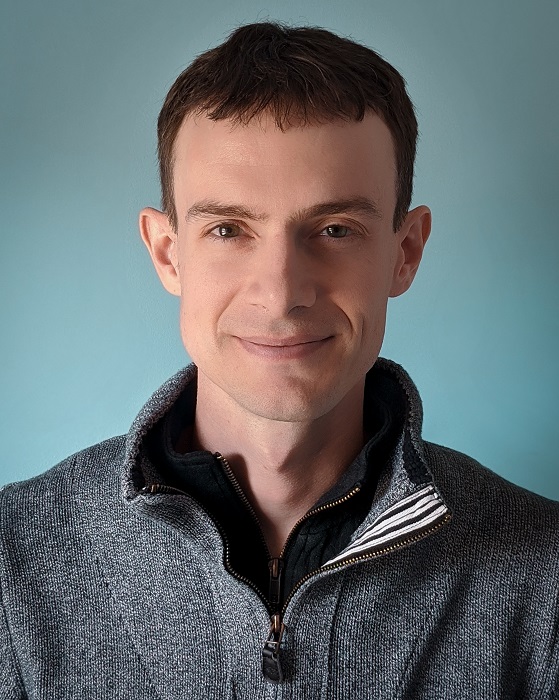
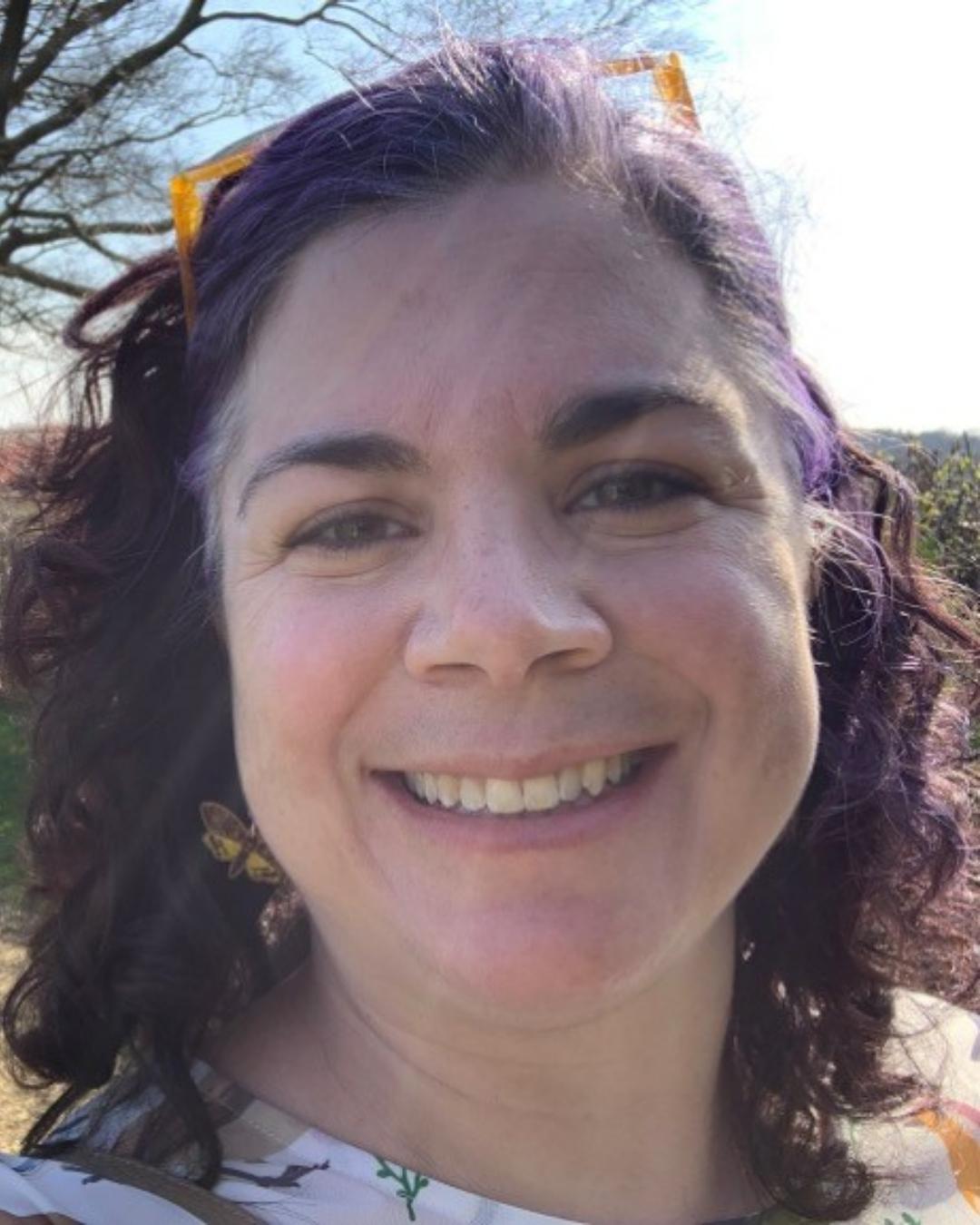
Lisette P Waits serves as University Distinguished Professor in the Department of Fish and Wildlife Sciences within the College of Natural Resources at the University of Idaho. She holds additional affiliations as Affiliate Faculty at the Center for Research on Invasive Species, Member of the Initiative for Bioinformatics and Evolutionary Studies, and Participating Faculty at the Institute for Modeling Collaboration and Innovation through the Office of Research and Economic Development. Her academic credentials include: PhD in Genetics, University of Utah (1996) BS in Genetics, University of Georgia (1991) Dr. Waits' research program integrates conservation biology with advanced genomic methodologies to address critical wildlife management challenges. Her primary focus areas include endangered species recovery, population genetics, non-invasive genetic monitoring, and landscape-scale connectivity assessments. She employs molecular ecology and evolutionary biology frameworks to investigate genetic diversity loss, hybridization dynamics, and adaptive responses to environmental change across fragmented habitats. Analysis of her recent publications (2023-2025) reveals dominant themes in genomic conservation: development of spatial close-kin mark-recapture models for terrestrial species, comparative SNP/microsatellite analyses for carnivore population structure, and DNA metabarcoding applications for predator diet assessment. Her work consistently demonstrates how genetic connectivity mitigates diversity loss in threatened populations like Columbia Basin pygmy rabbits and grizzly bears, while quantifying harvest impacts on social carnivores including wolves and wolverines. Through university-affiliated institutes, Dr. Waits contributes to interdisciplinary initiatives applying bioinformatics and computational modeling to conservation genomics. Her collaborations enhance genomic data interpretation for wildlife management decisions, particularly regarding climate adaptation strategies and metapopulation recovery planning for species with complex social structures.