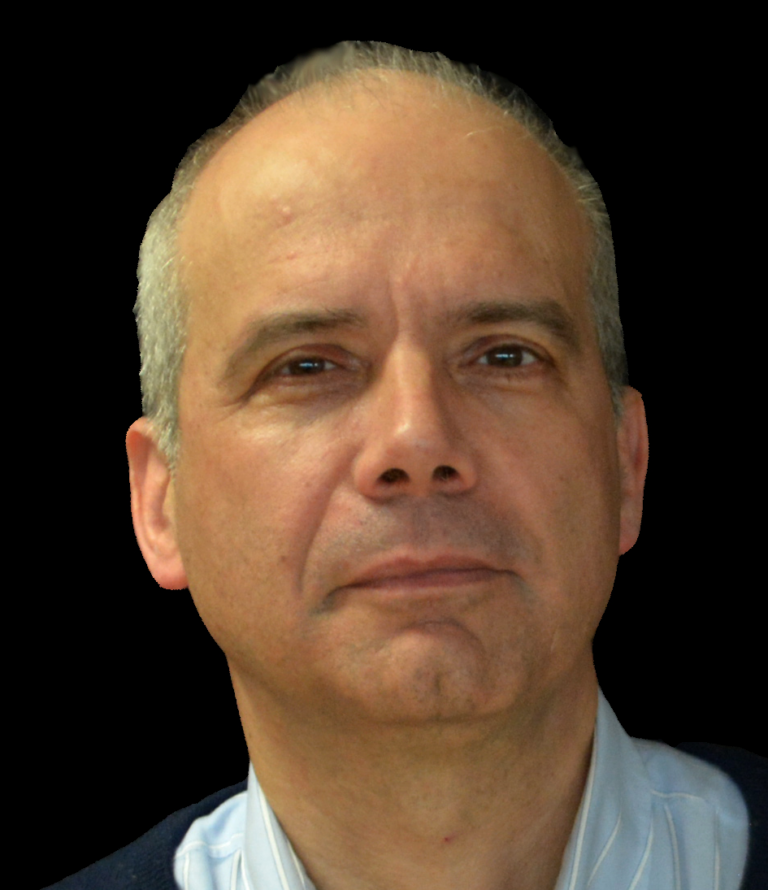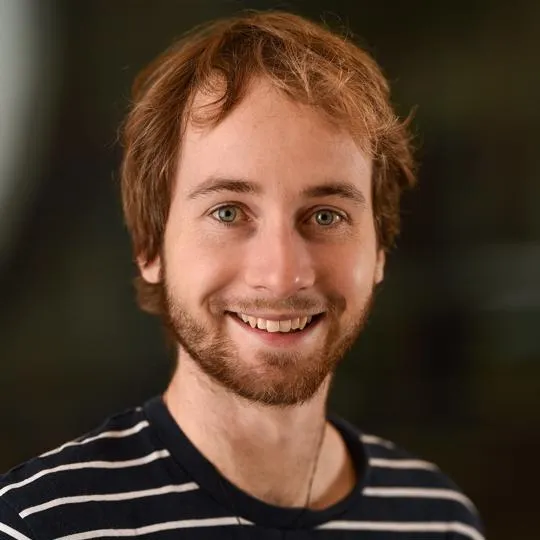
Joshua Brianمشاهده پروفایل
عضو هیئت علمی
Dr. Joshua Brian is a Research Associate in the Department of Geography at King's College London, affiliated with the School of Global Affairs. His work focuses on community ecology, biological invasions, and host-parasite interactions, particularly within freshwater and marine systems. He collaborates on projects such as AlienImpacts, aiming to predict plant invasion impacts, and contributes to King's Water Centre, King's Climate Research Hub, and the Political Ecology, Biodiversity & Ecosystem Services (PEBES) group. Brian holds a PhD in Aquatic Ecology (University of Cambridge) and an MSc in Marine Biology (Victoria University of Wellington). His research explores spatial scale effects on ecological studies, parasite community dynamics, and conservation strategies for endangered species like freshwater mussels. He has published widely on topics ranging from enemy release mechanisms in plant invasions to the environmental impacts of destructive fishing practices. Key collaborations include work on trematode parasite diagnostics in mussels and global fisheries policy frameworks. His work bridges theoretical ecology with applied conservation, emphasizing interdisciplinary approaches to environmental challenges. Brian’s articles reflect a focus on spatial ecology, parasite-host interactions, and conservation policy. Recent work critiques vague environmental terminology (e.g., 'destructive fishing') and proposes actionable frameworks for sustainable fisheries management. He also explores how biodiversity loss intersects with disease dynamics in endangered species. While no formal awards are listed, his extensive citation network (227 citations) and cross-disciplinary collaborations highlight his influence in ecological research. His affiliations with King’s multidisciplinary hubs underscore his role in addressing climate and water governance challenges through both natural and social science lenses. Brian is actively involved in labs and teams including the Physical & Environmental Geography research group, where he investigates ecosystem processes and their societal impacts. His research often involves fieldwork protocols for diagnosing mass mortality events in aquatic species, emphasizing rapid, non-destructive sampling methods.