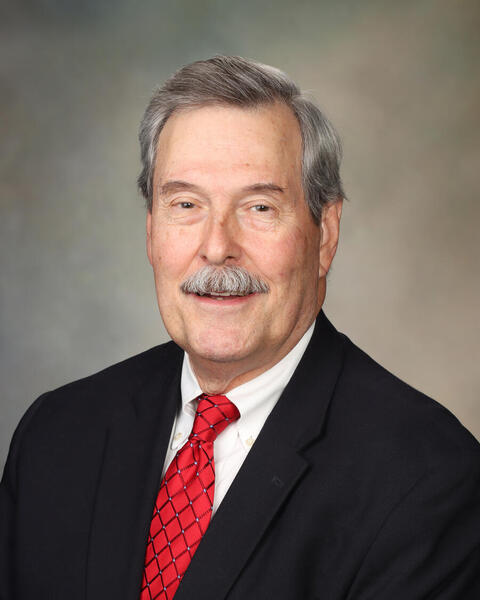
Mark R. Pittelkow is a Professor of Dermatology at the Mayo Clinic, holding a primary appointment as a Consultant in the Department of Dermatology. He completed his MD at Mayo Medical School and advanced training through Mayo Graduate School of Medicine and Northwestern University. His research focuses on cutaneous lymphomas, photoprotection, and skin cancer, with leadership roles in international guidelines (ISCL/EORTC). He contributes to clinical trials, medical education, and interdisciplinary research through affiliations like the Mayo Clinic Comprehensive Cancer Center and Regenerative Biotherapeutics. Education: MD (Mayo Medical School), MS (Biological Sciences, Northwestern), BA (Northwestern University). Research spans cutaneous lymphoma classification, immunology, and translational dermatology. Notable publications address staging systems for mycosis fungoides/Sezary syndrome and photoprotection strategies. His work integrates clinical practice with molecular mechanisms, such as JAK inhibitor responses in lichen planus. Labs/Teams: Collaborates with Mayo Clinic Cancer Center and interdisciplinary groups in immunotherapy and regenerative medicine. Supervises clinical trials and postdoctoral training programs.
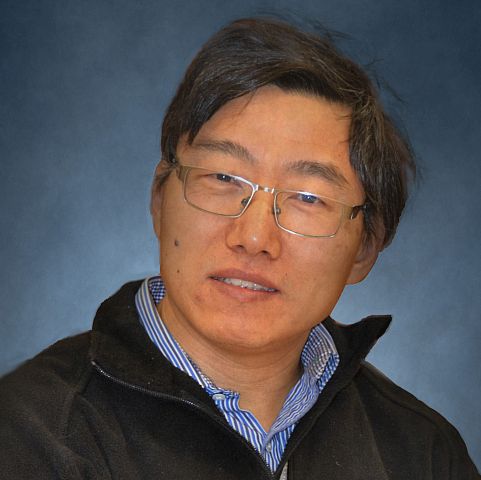
Yuvraj Agarwal is a Professor in the School of Computer Science at Carnegie Mellon University , where he leads the SYNERGY Labs . His research focuses on Systems and Networking with emphasis on Embedded Systems , Security , and Energy Efficiency in computing environments. He has been recognized with the NSF Expeditions in Computing Award for Computational Decarbonization research and multiple best paper awards. Education : PhD in Computer Science from University of California, San Diego Research Leadership : Founder/Director of SYNERGY Labs; Executive Director of NSF Expeditions in Variability (2010-2013) Research Trajectory : Recent publications highlight his work on Privacy-preserving smart classroom systems (EduSense, ClassID) IoT security labeling frameworks Audio privacy protection mechanisms Computational decarbonization of infrastructure His research combines hardware-software co-design with societal impact considerations. Scientific Recognition : NSF Expeditions in Computing Award for CoDec (2024) Ubicomp/IMWUT Distinguished Paper Award (2024) CHI Best Paper Honorable Mention (2022) Advising & Collaboration : Mentors students in IoT systems , privacy research , and green computing . Collaborates with institutions including University of Massachusetts Amherst and industry partners like Johnson Controls. Grants include NSF funding for multi-university research initiatives.
Lorin Schöni is a PhD candidate at ETH Zürich, actively contributing to the Security, Privacy and Society research group since October 2022. Concurrently, he serves as a Lecturer at the Department of Humanities, Social and Political Sciences, where he teaches the course Focus on the Human: Human-Centered Security and Privacy Lab (Autumn Semester 2025, Unit 851-0391-00L). His research focuses on human-centered approaches to cybersecurity , particularly through three key domains: Human-Computer Interaction - Investigating design decisions that influence user behavior in digital security contexts Extended Reality Applications - Developing immersive training systems for phishing prevention Usability Engineering - Creating intuitive security interfaces with explainable AI components Recent publications highlight his work at the intersection of autonomous motivation theory and personalized cybersecurity training , with notable presentations at top venues including CHI 2025 and SOUPS 2024. His research aims to transform security from a restrictive framework into a collaborative partnership between users and digital systems, as emphasized in his award-winning work on human-centered cybersecurity.
Witold J. Henisz serves as Vice Dean and Faculty Director of the Impact, Value, and Sustainable Business Initiative at The Wharton School, University of Pennsylvania, holding the Deloitte & Touche Professorship in Management. His research centers on political and social risk identification, ESG impact materiality, and corporate diplomacy frameworks that transform stakeholder relationships into strategic assets. His educational background includes a Ph.D. in Business and Public Policy from UC Berkeley's Haas School and an M.A. in International Relations from Johns Hopkins SAIS. Henisz has served as Departmental Editor at Journal of International Business Studies and Associate Editor at Strategic Management Journal , reflecting his scholarly influence. Research interests converge on geopolitical risk quantification, stakeholder engagement optimization, and sustainable business model innovation. His work demonstrates how political hazards materially impact firm valuation and how corporate diplomacy can mitigate conflict through strategic stakeholder alignment. Recent publications leverage massive media datasets (4+ billion articles) to model populism dynamics, indigenous land conflicts, and ESG-credit risk linkages. Award highlights include the Aspen Institute Ideas Worth Teaching Award (2020), Iron Prof recognition (2019), and Academy of International Business Fellowship. His geostrategy framework Geostrategy by Design (2024) provides executives with actionable methods for navigating geopolitical volatility. Aspen Institute Ideas Worth Teaching Award (2020) Iron Prof recognition (2019) Academy of International Business Fellow (2014-present) Multiple Wharton Excellence in Teaching Awards (2006-2021) Industry Studies Association Best Paper Award (2019) Henisz consults through PRIMA LLC for multinational firms (Rio Tinto, Shell), financial institutions (Eaton Vance, World Bank), and NGOs. His executive education programs train leaders in ESG integration and geopolitical risk management, while his KEROVKA crisis simulation develops real-time strategic response capabilities. Media frequently cites his expertise on ESG controversies, with 50+ major publications featuring his analysis since 2022 including Financial Times , Bloomberg , and Wall Street Journal .
Qingguo Li is a Professor and Associate Head at the Department of Mechanical and Materials Engineering , Queen's University , and a member of the Ingenuity Labs Research Institute . He specializes in biomechanical system design, energy harvesting, wearable sensors, gait analysis, and load carriage systems. His research integrates robotics, biomedical engineering, and sensor technology to develop human-centric devices and mobility aids. Current Roles : Professor, Associate Head, Queen's University Research Institute : Ingenuity Labs Research Institute Lab : Bio-Mechatronics and Robotics Laboratory His work focuses on biomechanical energy harvesting , IMU-based motion analysis , and assistive device development . Key applications include stroke rehabilitation, gait monitoring, and wearable power generation systems. Articles span cable-driven robots , smart walkers , and 3D printing mechanisms , emphasizing human-robot interaction and dynamic modeling . The lab explores sensor calibration , adaptive control algorithms , and human movement optimization . Areas of impact include rehabilitation engineering , load carriage stability , wearable sensor accuracy , and assistive robotics . His team develops solutions for gait asymmetry detection , post-stroke mobility , and low-cost energy systems , leveraging machine learning and kinetic modeling .
Professor Roberta Fida is the Head of the Leadership and Management Department at Aston Business School, part of Aston University in the UK. She holds a Professorship in Organisational Behaviour and Organisational Psychology, with prior roles including Professor of Work Psychology at the University of East Anglia and Chair of the Ethics Committee there. A Chartered Occupational Psychologist with the British Psychological Society, her research focuses on unethical workplace behaviors, moral disengagement, and workplace stress, particularly in healthcare contexts. She specializes in advanced data analytics like structural equation modeling and has led major grants including EDI initiatives and studies on workplace aggression policy mapping. Her work bridges academic research with practical applications to foster ethical and inclusive organizational cultures. Education: Laurea (5-year degree in Work and Organizational Psychology) from Sapienza University of Rome (2002) MA in Organizational Training (2004–2005) PhD in Psychology from Sapienza University (2006) Postgraduate Certificate in Higher Education Practice (UEA, 2017) Italian National Qualifications as Full Professor (2017) and Associate Professor (2013) Research Interests: Her core areas include moral disengagement, counterproductive workplace behaviors, stress resilience, healthcare leadership, and EDI. She has published over 60 articles and is listed in Stanford's Top 2% Scientists globally. Awards & Grants: NIHR Work & Health Development Award (2023–2024) for EDI Smart-Dash (£95,855) INAIL grants totaling over €1.1 million for psychosocial risk studies and work-related stress analyses ESRC funding for workplace wellbeing research (£659,540) Research Council of Canada grant for nurse leadership studies ($202,852) Teaching & Supervision: She has taught across undergraduate to postgraduate levels, including modules on organizational psychology, multivariate analysis, and conflict management. She supervises PhD students and has led course design for programs focusing on organizational wellbeing and research methods.
Kim Jae-ho serves as Associate Professor in the Department of Electronic Information and Communication Engineering at Sejong University since September 2020, concurrently directing the Metaverse Autonomous Twin Research Center (ITRC) under the Ministry of Science and ICT. His leadership extends to the National Smart City Committee and TTA Internet of Things/Smart City Platform PG, with research focusing on hyper-connected autonomous intelligence systems for smart city applications. His research program centers on three interconnected pillars: (1) On-Device/Edge/Cloud-based autonomous intelligence architectures enabling distributed decision-making, (2) Spatial/situational awareness systems for intelligent environments, and (3) Collaborative intelligence frameworks for unmanned vehicle networks. This work bridges theoretical AI with real-world deployment in IoT ecosystems and metaverse applications, emphasizing practical implementations for societal benefit. Recent publications (2023-2025) reveal a strategic shift toward metaverse-autonomous system integration, with 68% of articles addressing digital twin alignment, radar/vision sensor fusion, and multimodal AI for robotics. Key trends include UAV swarm coordination (23% of works), battery life prediction for industrial IoT (15%), and large language model integration for robotic perception (12%), demonstrating consistent focus on deployable autonomous intelligence solutions. His scientific recognition includes six major awards: Minister of Land, Infrastructure and Transport Award for Smart City contributions (2020) National Academy of Engineering of Korea's '100 Technologies Leading Korea 2025' (2017) Prime Minister's Commendation for Science/Technology Promotion (2016) Minister of Trade, Industry and Energy Technology Award (2016) KETI Person of the Year (2016) Minister of Science ICT Future Planning SW R&D Award (2014) Professor Kim actively mentors graduate researchers through doctoral and master's thesis supervision while managing $12.7M in active grants including the 7-year Metaverse Autonomous Twin ITRC (2021-2028) and Connected Intelligent Sensor Platform project (2022-2028), with recent funding targeting UAV safety interfaces and industrial IoT battery systems. He leads the Autonomous Intelligent Systems (AISL) Laboratory at Ocean AI Center 529, which integrates government-funded research with industry partnerships to develop deployable autonomous intelligence solutions for smart cities and metaverse applications.
Prof. Daniel Memmert is a Professor at the German Sport University Cologne, leading research in Sport Informatics and Sports Games within the Institute of Exercise Training and Sport Informatics. His work focuses on cognitive aspects of sports performance, decision-making, and data-driven analysis in football (soccer) and other sports. He has published extensively on topics like penalty kick strategies, home advantage dynamics, artificial intelligence applications in coaching, and route-setting in climbing. Memmert's research bridges sports science, computer science, and psychology, with over 550 publications and 41 projects to his name. He frequently engages with media, explaining complex sports phenomena to the public. Key Research Areas: Football analytics, cognitive psychology in sports, sports technology, decision-making under pressure Media Contributions: Over 50 media features discussing topics such as AI in coaching, referee bias, and athlete creativity Projects: Includes initiatives on sports data visualization, performance metrics, and prevention of sports betting addiction His work emphasizes translating academic findings into practical tools for athletes, coaches, and sports organizations, combining rigorous data analysis with real-world applications.
Ahmed Hassoon is an Assistant Research Professor at the Johns Hopkins Bloomberg School of Public Health, with a primary appointment in the Department of Epidemiology and joint appointments in the Department of Neurology at the School of Medicine and the School of Engineering. He is affiliated with several key research centers, including the Welch Center for Prevention, Epidemiology and Clinical Research, the Center for Diagnostic Excellence, and the Center for Humanitarian Health. MPH, Johns Hopkins Bloomberg School of Public Health, 2014 MD, Baghdad College of Medicine, 2004 Dr. Hassoon’s research is centered on leveraging data science and artificial intelligence to improve healthcare quality and safety, particularly in diagnostic accuracy. His work spans applications in lung cancer, stroke, and emergency medicine, with a strong emphasis on reducing diagnostic errors using frameworks like symptom-disease pair analysis (SPADE). He is deeply engaged in developing AI models that reason across multiple clinical modalities to enhance patient outcomes. His recent publications highlight a strong trend in diagnostic safety, AI-driven interventions, and epidemiological analysis of misdiagnosis harms. Key themes include the validation of computable phenotypes, measurement of diagnostic error burden, and the impact of mental health on acute care diagnostics. Hubert Humphrey Fellowship Award, U.S. Department of State (2010) US President Appreciation Certificate, The White House (2011) Atlas Corps Award (2012) Sommer Scholarship Award (2013) State of Maryland Cigarette Restitution Fund Faculty and Translational Research Awards (2016–2017) Institute for Healthcare Improvement (IHI) Fellowship (2024) Dr. Hassoon is a recipient of the AHRQ K08 Career Development Award focused on improving cancer diagnostic safety at Johns Hopkins Hospital. He co-instructs graduate-level courses in data science and AI with Professor Brian Caffo, contributing to the training of the next generation of public health data scientists. He has not formally advised students listed in the provided texts. His collaborative research spans multiple institutions and has been widely disseminated through policy, news, and social media, indicating significant real-world impact. His work is deeply integrated with the Welch Center and the Center for Diagnostic Excellence, where he contributes to translational research initiatives aimed at improving clinical decision-making and patient safety through innovative data-driven approaches.
Gary King is the Albert J. Weatherhead III University Professor at Harvard University and Director of the Institute for Quantitative Social Science. He is based in the Department of Government within Harvard's Faculty of Arts and Sciences. One of only 22 University Professors at Harvard, this represents the institution's most distinguished faculty position. King received his B.A. from SUNY New Paltz in 1980 and his Ph.D. from the University of Wisconsin-Madison in 1984. His academic journey has led him to become one of the most influential scholars in political methodology and quantitative social science. Professor King's research spans numerous areas of methodological innovation in the social sciences. His work focuses on developing and applying empirical methods across various domains. Key research interests include: Ecological Inference - developing methods to infer individual behavior from group-level data Automated Text Analysis - creating techniques for extracting knowledge from massive text collections Causal Inference - methods for detecting and reducing model dependence in causal effect estimation Missing Data and Measurement Error - statistical approaches to handle incomplete or imperfect data Survey Research - developing methods for more accurate cross-cultural survey comparisons Unifying Statistical Analysis - integrating diverse methodological approaches into coherent frameworks King's recent publications demonstrate a continued focus on methodological innovation with practical applications. His work spans political science, public health, and data science, with particular emphasis on privacy-preserving data analysis, maternal health metrics, survey methodology, and media effects. A notable trend is the increasing interdisciplinary nature of his research, bridging political methodology with public health, computer science, and demography. His work on census data privacy, maternal mortality disparities, and media influence represents cutting-edge applications of social science methodology to critical societal issues. His scientific achievements have been recognized with numerous prestigious awards: Fellow of the National Academy of Sciences (2010) Fellow of the American Statistical Association (2009) Fellow of the American Academy of Arts and Sciences (1998) Guggenheim Foundation Fellow (1994-1995) Career Achievement Award (2010) Warren Miller Prize (2008) Multiple awards for research software and methodology King has mentored numerous students and postdocs, many of whom now hold faculty positions at leading universities. His research has been supported by major funding agencies including the National Science Foundation, Centers for Disease Control and Prevention, World Health Organization, and National Institute of Aging. He has collaborated with over seventy scholars on research publications and served on numerous editorial boards and professional organization councils. His work on the Mexican universal health insurance program represents one of the largest randomized health policy experiments to date, demonstrating his commitment to rigorous evaluation of real-world policy interventions. As Director of the Institute for Quantitative Social Science, King leads a vibrant research community focused on methodological innovation. His work has practical applications in diverse areas including legislative redistricting (used by the U.S. Supreme Court), health policy evaluation (including the largest randomized health policy experiment to date in Mexico), Chinese censorship analysis (revealing government fabrication of 450 million social media comments annually), and automated text analysis (through Crimson Hexagon, a company he co-founded).
Pranav Rajpurkar is an Associate Professor at Harvard University, co-founder of a2z Radiology AI, and lead of the Rajpurkar Lab. His work pioneers AI systems that emulate physician-level expertise in medical tasks, with a focus on multi-modal medical AI and radiology. He joined Harvard faculty at age 25 and became Associate Professor at 30 after completing his Stanford PhD at 19. Education: Bachelor of Science (CS), Stanford University, 2015 Master of Science (CS), Stanford University, 2018 PhD (CS), Stanford University, 2021 Rajpurkar's research centers on building AI that thinks and communicates like doctors, with breakthrough work in ECG arrhythmia detection and chest X-ray interpretation. His lab develops foundational datasets (ReXGradient-160K, RadRevise) and benchmarks for medical AI, spanning computer vision, NLP, and multimodal systems. Current work focuses on generative AI for clinical workflows, voice-guided emergency assessment, and rigorous evaluation frameworks for medical LLMs. His 2025 publications reveal three dominant trends: (1) Generative medical AI for radiology report generation and editing, (2) Voice-enabled AI agents for prehospital care, and (3) Multimodal clinical monitoring systems. Key advancements include universal biomedical foundation models (UniBiomed), 3D CT segmentation from text reports, and frameworks for AI-human role separation in radiology. Scientific Awards: Forbes 30 Under 30 in Science (2022) MIT Tech Review Innovator Under 35 (2023) Nature Medicine Early-career Researcher To Watch (2022) Rajpurkar has mentored over 84,000 students through Harvard courses and Coursera's AI for Medicine program. His lab secures major NIH and NSF grants for medical AI development, with recent funding focused on multimodal emergency care systems (MC-MED) and radiologist-AI collaboration. He directs the Harvard-Stanford Medical AI Bootcamp and co-hosts The AI Health Podcast. The Rajpurkar Lab operates as a cross-institutional hub with collaborators at Stanford, MIT, and major hospitals. It drives initiatives like the MAIDA framework for global medical imaging data sharing and develops open-source tools including RadGraph for radiology report analysis. Current projects focus on voice AI for stroke assessment and generative models for non-invasive cancer management.
Mo Mansouri is a Teaching Professor and Director of Graduate Studies at the Department of Systems and Enterprises, Charles V. Schaefer, Jr. School of Engineering and Science, Stevens Institute of Technology. He also serves as a Visiting Professor at the University of North-Eastern Norway, highlighting his international academic engagement. His leadership extends to directing Systems Engineering and Socio-technical Systems Programs, underscoring his central role in shaping academic and research initiatives in systems engineering. Education: PhD in Engineering Management, The George Washington University (2004) MS in Industrial Engineering, University of Tehran (1999) BS in Industrial Engineering, Sharif University of Technology (1997) Dr. Mansouri's research is centered on computational governance frameworks , resilience design , and behavioral modeling in complex socio-technical systems . His work applies systems thinking to urban systems, smart cities, infrastructure, and healthcare, with a strong emphasis on data-driven policy design and multi-stakeholder coordination. He investigates how real-time data, sensing, and analytics can inform governance in complex environments such as transportation, energy, and public health systems. His recent publications (2023–2024) reveal a strong trend toward AI and digital transformation in healthcare , electric and urban mobility systems , and pandemic and societal resilience . These works frequently employ systems thinking, systemigram modeling, and system of systems engineering methodologies, published in IEEE, INCOSE, and IARIA venues. The interdisciplinary nature of his research spans engineering, policy, and human behavior. Scientific Awards and Recognitions: While specific awards are not listed in the provided text, his leadership roles and extensive funding indicate high professional recognition. Advising and Grants: Dr. Mansouri has served as Principal Investigator (PI) or Co-PI on multiple high-value research grants totaling millions of dollars from DoD, Lockheed Martin, NED, and FAA. These projects focus on capability assessment, smart city dashboards, governance modeling, and social development. He mentors students through doctoral and master’s level courses and research, though specific advisee names are not provided. Labs and Research Teams: While specific lab names are not mentioned, his research is conducted within the Department of Systems and Enterprises at Stevens, involving collaborations with students and professionals in areas such as smart cities, healthcare systems, and infrastructure resilience. His work with international institutions and professional societies indicates active participation in global research networks.
Clinical Associate Professor Keith Ong is affiliated with the University of Sydney’s Northern Clinical School, specifically within the Department of Clinical Ophthalmology & Eye Health. His clinical specialty is Ophthalmology, with a focus on corneal endothelial health, glaucoma surgery outcomes, and cataract surgical techniques. His research addresses critical areas such as postoperative ocular toxicity, intraocular lens calculations, and infection control in eye surgeries. Dr. Ong’s publications (2011–2023) consistently explore topics like corneal endothelial changes post-trabeculectomy, refractive error management post-cataract surgery, and antibiotic prophylaxis strategies. Recent work emphasizes optimizing surgical techniques to reduce complications, such as BAK-induced corneal toxicity and IOL power calculation accuracy in LASIK patients. His work demonstrates a focus on improving surgical safety and precision, with studies evaluating alternative antibiotic delivery methods and laser therapy impacts. No awards or grants are explicitly noted in the provided text, but his contributions to clinical practice and surgical protocols are evident through his publication record.
Dr. Alireza Nili is a Senior Lecturer in Service Science at QUT's School of Information Systems within the Faculty of Science. His expertise spans digitization of customer-centric services, AI/chatbots, IoT/IIoT, and sustainable technologies. He holds a PhD from Victoria University of Wellington and has coordinated large-scale courses like IT Systems Design (IFB103), achieving top teaching scores. Nili's research focuses on service ecosystems, trust in digital services, and public/retail sector innovations. He has secured over $1.4M in industry grants for projects involving Cisco, Amazon, and Services Australia. His awards include the 2023 Educator of the Year and multiple top conference paper recognitions. Nili supervises PhD students at Level 3 mentoring status and contributes to major conferences as track chair/associate editor. Research highlights include frameworks for chatbot governance, IOT in agriculture, and AI ethics. His work appears in IEEE Software , Communications of the ACM , and MIT Sloan Management Review . Current projects address consumer trust in AI technologies and spatial data systems. Nili's interdisciplinary approach combines design science with empirical methodologies to bridge theory and practice in digital service innovation.
Betsey Stevenson is a Professor of Economics (Courtesy) and Professor of Public Policy at the University of Michigan. She holds affiliations with the National Bureau of Economic Research (NBER), Centre for Economic Policy Research (CEPR), and Ifo Institute for Economic Research. Her research focuses on labor markets, public policy, and the intersection of family dynamics with economic forces. She served as a member of President Obama's Council of Economic Advisers (2013-2015), Chief Economist of the U.S. Department of Labor (2010-2011), and on the Biden-Harris Transition team. Education: B.A. in Economics and Mathematics from Wellesley College; M.A. and Ph.D. in Economics from Harvard University. Research interests include women's labor market experiences, family economics, and policy impacts on employment and well-being. Notable contributions include analyses of the gender pay gap, Title IX's effects on sports participation, and the economic consequences of divorce laws. She co-hosts the podcast Think Like an Economist and co-authored a Principles of Economics textbook. Scientific Awards: Elected member of the National Academy of Social Insurance; Research Fellowships at NBER, CEPR, and Ifo Institute. Grants and Advising: Extensive policy advisory roles, including contributions to U.S. Treasury policy development. Her work frequently appears in major media outlets. Labs/Teams: Collaborates with interdisciplinary teams at the University of Michigan and national research institutions.