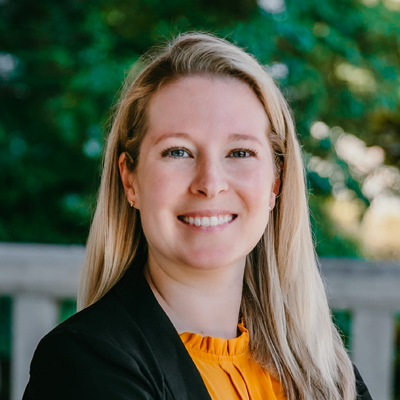
Robyn Honey is a researcher and law teacher at the UNSW Faculty of Law and Justice, affiliated with the School of Private and Commercial Law. Her expertise spans equity, property law, legal theory, and legal history. She holds an LLB (Hons 1A) and LLM (Distinction) from the University of Western Australia and is completing a PhD on the equitable doctrine of undue influence at the University of Melbourne. Her research examines the relationship between equity and common law, with a focus on restitution, unjust enrichment, and doctrinal analysis. Qualifications: LLB (Hons 1A), LLM (Distinction), PhD candidate (expected 2024) Teaching: Equity and Trusts courses (T3 2024 and T1 2025) Her research interests include the dynamics of equity-common law relationships, legal positivism, and the evolution of legal norms. She has authored/co-authored works such as Property Law in Western Australia (forthcoming 2025) and contributed to peer-reviewed articles on undue influence, adverse possession, and trademark law. Her work emphasizes practical and theoretical insights into legal reform and community norms.
Sarah Faye is a Continuing Lecturer in the University Writing Program at the University of California, Davis. Her teaching emphasizes rhetorical analysis, genre studies, and student-centered pedagogy, with a focus on multilingual learners and online learning environments. She holds a BA in History from UC Davis, an MA in English from California State University, Sacramento, and multiple graduate certificates in teaching composition, TESOL, online writing instruction, and technical communication. Her research interests include contract grading, disability studies, the rhetoric of health and medicine, and the history of technical communication. Faye has presented widely at national and international conferences, exploring topics like inclusive grading practices, AI in technical communication classrooms, and multimodal assessment strategies. Her work prioritizes equitable pedagogy and inclusive learning environments across modalities, with a focus on fostering student agency through collaborative and transparent assessment systems. Recent presentations highlight innovations in hybrid course design, the ethical use of AI tools in education, and strategies for building online learning communities. Though no formal awards are listed, her extensive conference contributions demonstrate sustained engagement with cutting-edge educational practices and assessment methodologies.
Dr Stephanie Brewster is a Senior Lecturer in Special Needs & Inclusion at the Faculty of Education, Health, and Wellbeing, University of Wolverhampton. She holds an EdD from the University of Birmingham and a BMedSci in Speech and Language Therapy from the University of Sheffield. Her work bridges clinical practice and academic research, focusing on social inclusion, learning disabilities, and equitable higher education practices. EdD, University of Birmingham (2007) BMedSci, University of Sheffield (1989) Postgraduate Certificates in Learning & Teaching (2009) and Research Methods (2003) Her research explores inclusive education, augmentative communication, and disability leadership. Recent publications analyze SENCo roles, political engagement for people with disabilities, and inclusive placement learning. Notably, she co-edited Developing Your Expertise as a SENCo (2025), which emphasizes evidence-based inclusive practices. Key trends in her 15 most recent works include: SENCo professional development and leadership Political and civic participation for people with disabilities Equity in higher education placements Discourse analysis of disability narratives Methodological innovations in disability research Brewster received a Senior Fellowship from the Higher Education Academy in 2014. She supervises doctoral students on topics such as dyslexia diagnosis in adulthood, AAC systems, and socio-economic educational disparities. Her grants include the Enabling Employability project (University of Wolverhampton) and Talk Derby (Derby County Council). She serves as Faculty Enabling Tutor, supporting students with additional needs, and as External Examiner at institutions including the University of Suffolk. Her lab work centers on the Wolverhampton Intellectual Disability Network , addressing inclusion through collaborative research and policy development.
Professor Dominique A. Greer is a Professor in Marketing and Head of School at the School of Advertising, Marketing & PR within the Faculty of Business & Law at Queensland University of Technology (QUT). With extensive expertise in services marketing and consumer behavior, she leads significant research initiatives focused on risk communication, emergency warnings, and public transport safety. Dr. Greer holds a PhD from Queensland University of Technology, a Master of Arts (Writing, Editing and Publishing) from the University of Queensland, and multiple graduate certificates in academic practice and research commercialization from QUT. Her academic credentials reflect her commitment to both scholarly excellence and practical application of marketing principles. Her research primarily investigates how co-creation in professional services is disrupted by deviant consumer behavior, with specializations in experimental design, survey research, scale development, and both qualitative and quantitative data analysis. Professor Greer has made significant contributions to understanding risk communication during natural disasters, having led major collaborative research projects with government agencies and industry partners to improve public perceptions, trust, and acceptance of emergency warning systems. Her work extends to addressing women's safety on public transport and developing multi-hazard public information platforms. Professor Greer's publication portfolio demonstrates strong trends across services marketing, consumer behavior, and risk communication. Her recent work shows increasing focus on vulnerability in service contexts, technological solutions to service challenges (including service robots), and the intersection of marketing principles with disaster management and public safety. She publishes regularly in top-tier journals including the Journal of the Academy of Marketing Science, European Journal of Marketing, and Journal of Services Marketing. 2015 Australian Awards for University Teaching Award for Programs that Enhance Learning for the development and delivery of the Teaching Advantage Program Professor Greer has successfully secured and led multiple significant research grants, including a $7.1 million collaborative research program (2012-2014) between the Queensland State Government, CSIRO, Boeing Research & Technology Australia, Insitu Pacific Ltd, and QUT; a $2.39 million project (2014-2021) with the Bushfire and Natural Hazards Cooperative Research Centre; a $260,000 project (2022-2023) with iMove CRC; and an upcoming $600,000 project (2025-2027) with Natural Hazards Research Australia. She actively supervises research students at Honours, Masters, and PhD levels, with a current focus on 'the human factors in self-service technology.' Through her leadership roles and research collaborations with organizations including the Australian Institute of Disaster Resilience (AIDR) and the Australian and New Zealand Council for Fire and Emergency Services (AFAC), Professor Greer has significantly influenced national policy, notably contributing to the harmonization of natural hazard warnings across Australian jurisdictions into the Australian Warnings System (AWS).
Dr. Kiruba Krishnaswamy is an Assistant Professor with joint appointments in the Department of Biomedical, Biological and Chemical Engineering (College of Engineering) and the Division of Food, Nutrition and Exercise Sciences (College of Agriculture, Food and Natural Resources) at the University of Missouri. She leads the Food Engineering and Sustainable Technologies (FEAST) research program, which focuses on addressing hidden hunger through circular food systems and sustainable development goals. Post-Doc (Chemical Engineering) - University of Toronto PhD (Bioresource Engineering) - McGill University MTech (Food and Agriculture) - Tamil Nadu Agricultural University & McGill University (Commonwealth Scholar) BTech (Food Process Engineering) - Tamil Nadu Agricultural University Her research integrates sustainable food process engineering, micronutrient fortification, and food waste valorization. Key focus areas include upcycling acid whey from Greek yogurt production, enhancing nutritional value of underutilized crops like millet and pawpaw, and developing culturally appropriate food technologies. The FEAST lab emphasizes community engagement through partnerships with indigenous groups like the Osage Nation. Recent publications demonstrate expertise in spray drying, microencapsulation, and circular economy applications for food security. She received the prestigious NSF CAREER Award (2024) for her work on micronutrient recovery systems. Krishnaswamy teaches the Zero Hunger Challenge course, which brings interdisciplinary students together to address food-environment-health connections. NSF CAREER Award (2024) - $532,000, 5-year grant The FEAST lab collaborates with agricultural engineers, nutritionists, and indigenous communities to develop sustainable food technologies. Current projects include creating nutritious food products from food industry waste, optimizing drying processes for native fruits, and building frameworks to address the 'double burden of malnutrition' through systems thinking approaches.
Debbie Sonu serves as Associate Professor of Curriculum and Teaching at Hunter College and is doctoral faculty in the PhD Program at The Graduate Center, City University of New York. Her academic career focuses on the intersection of curriculum theory, urban education, and critical childhood studies. She received her education in Urban Education from Teachers College, Columbia University in 2009. Her scholarly background informs her critical approach to educational systems and structures. Dr. Sonu's research examines how childhood memories shape educators' understanding of systemic inequities in schools, with particular attention to race, class, and identity. Her work critically analyzes concepts of childhood innocence and nostalgia, revealing how these constructs often obscure historical and contemporary educational injustices. She investigates how teachers' personal histories influence their capacity to recognize and challenge inequitable practices in educational settings. Her recent publications demonstrate a growing body of work that connects memory studies with critical pedagogy, showing how nostalgic narratives about childhood can reinforce normative ideas about education while ignoring the experiences of racially minoritized, queer, and trans children. Her research reveals how technological shifts during the pandemic created unexpected benefits for some marginalized students by providing respite from in-person school violence. Dr. Sonu has received research funding from the Social Sciences and Humanities Research Council of Canada, supporting her collaborative work with scholars across Canadian institutions. Her scholarship contributes significantly to understanding how personal memory intersects with structural analysis in teacher education, offering pathways toward more equitable educational practices that acknowledge historical and contemporary inequities rather than romanticizing idealized pasts.
Kate Aguilar is an Assistant Professor in the History Department at Gustavus Adolphus College, with affiliations in African Studies and Gender, Women, and Sexuality Studies. She joined the institution in Fall 2021 and focuses on African American History and Sport History, emphasizing the intersection of race, gender, and activism. PhD in History from the University of Connecticut MA in Africana Studies from Indiana University BA in Black Studies from DePauw University Her research explores how cultural histories of the Black athlete and University of Miami football in the 1980s complicate racial legacies and historical interpretations. She highlights the relationship between past and present, theory and practice, advocating for equitable policies through her work. Public scholarship includes contributions to the Sport in American History blog and op-eds in the Washington Post on topics like Black quarterback representation in the Super Bowl. Her publications include a book manuscript under contract at the University of Illinois Press, academic chapters, and critical reviews of sports-related media. She is actively involved in the North American Society for Sport History and serves on its Equity, Diversity, Inclusion, and Decolonization Coordinating Group. Kate Aguilar collaborates on inclusive teaching pedagogies through an HHMI Grant and teaches courses such as the African American History survey, Black athlete studies, and Hip Hop in the 1980s. Her work integrates interdisciplinary frameworks from African American Studies, Gender Studies, and Sport History to foster critical engagement with history and its societal implications.
Chris Pritchard is a Senior Lecturer in Paramedic Practice and Emergency Care at Nottingham Trent University (NTU), where he leads the suite of Clinical Research courses. As Academic Integrity Lead for the Institute of Health and Allied Professions, he promotes ethical academic practices. He teaches across paramedicine programs with a focus on healthcare law and ethics, research methodologies, technology in healthcare, and palliative/end-of-life care. Externally, he works as a bank paramedic with East Midlands Ambulance Service, serves as an expert witness in clinical negligence cases, and acts as External Examiner for St George’s University of London and Princess Alice Hospice programs. UCU Branch Secretary at NTU East Midlands Regional Secretary, UCU Will join UCU National Executive Committee in May 2025 His research emphasizes transparent reporting in evidence synthesis, contributing to the PRISMA2020 tools and ESMARConf initiatives. He actively engages in union activities and digital open science advocacy via #OpenResearch and #EduSky.
Laura Hart, MD, FACOG is an Associate Professor in the Department of Clinical Obstetrics, Gynecology & Reproductive Science at the Lewis Katz School of Medicine at Temple University. She serves as Medical Director of the Temple/Wedge Opioid Treatment Program and Co-Director of the Cardio-Obstetrics Program, reflecting her leadership in high-risk maternal care. Her education includes an MD from St. George’s University School of Medicine, a residency in Obstetrics & Gynecology at Drexel University College of Medicine, and a fellowship in Maternal-Fetal Medicine at The University of Texas Health Science Center at Houston. Dr. Hart's research and clinical interests focus on medical complications of pregnancy, including hypertension, preeclampsia, critical care obstetrics, and opioid use disorder. Her work bridges clinical practice and academic inquiry, with a strong emphasis on improving outcomes for high-risk pregnancies. She has contributed to evidence-based guidelines and conducted research on fetal monitoring, delivery timing, and cardiovascular complications in pregnancy. Her publications span topics such as respiratory diseases in pregnancy, seizures in pregnancy, placenta previa management, and transgenerational epigenetic effects. The research demonstrates a consistent focus on maternal safety, fetal well-being, and evidence-based decision-making in complex obstetrical scenarios. Notable awards include: National Award for Excellence in Teaching, Council on Resident Education in Obstetrics and Gynecology (2016) Young Investigator Award, Central Association of Obstetricians and Gynecologists Multiple teaching honors including the Golden Apple Award and Arnold P. Gold Foundation Award for Humanism Early academic distinctions from St. George’s University and Drexel University Dr. Hart is actively involved in resident education and clinical mentorship, though specific advisees are not listed. She has no known grants mentioned, but her leadership roles suggest involvement in programmatic funding and clinical initiatives. Her work in LGBTQ-inclusive care, evidenced by Safe Zone training, underscores her commitment to patient-centered, equitable healthcare delivery. She practices at the Temple Perinatal Diagnosis Center (Fetal Center) in Philadelphia and leads specialized programs addressing opioid use and cardiovascular risks in pregnancy, indicating active clinical and administrative engagement.
Dr. Miyoung Suh is a Professor in the Department of Food and Human Nutritional Sciences at the University of Manitoba, Faculty of Agricultural and Food Sciences. She is based at the St. Boniface Hospital Research Centre, where she serves as Principal Investigator in the Division of Neurodegenerative Disorder (DND) and the Canadian Centre for Agri-food Research in Health and Medicine (CCARM). Her academic and research work is deeply integrated with clinical and pre-clinical investigations in lipid metabolism and nutritional interventions. Her education includes a PhD in Nutrition and Metabolism from the University of Alberta, an MSc and BSc in Food Science and Nutrition from Hyosung Women’s University in South Korea, and a Dietetic Internship in Clinical Nutrition at the University of Alberta. Dr. Suh’s research focuses on lipid nutrition and metabolism, particularly in neural (retina and brain) and non-neural tissues (testis/sperm), lipid toxicity in diabetes and metabolic syndrome, nutrition and retina function (diabetic retinopathy and macular degeneration), and the impact of alcohol on fetal brain and male reproductive health. She leads innovative projects such as using DHA- and lutein-enriched eggs for retina health in type 2 diabetes and applying Smart Farm technology to develop sustainable, nutrient-rich foods for diabetes management. Although no specific publications are listed in the provided text, her research spans clinical trials, pre-clinical models, and community-based nutrition studies, indicating a multidisciplinary and translational approach across nutrition science, metabolic disease, and public health. Outstanding Teacher Award, Student-Teacher Recognition, Centre for the Advancement of Teaching & Learning, University of Manitoba (2019) Excellence in Teaching Award in the Faculty of Agricultural and Food Sciences, University of Manitoba (2018) Scientist of the Year Award, The Korean Federation of Science and Technology Societies, 7th Annual Canada Korea Conference, Montreal, Quebec (2017) Outstanding Mentorship of Graduate Students Award, Faculty of Graduate Studies (nominee) (2017) Outstanding Teacher Award, Student-Teacher Recognition, Centre for the Advancement of Teaching & Learning, University of Manitoba (2016) Merit Award for Service, University of Manitoba (2015) Dr. Suh is actively involved in mentoring graduate students and has been recognized for her excellence in teaching and mentorship. She leads multiple research grants focused on lipid metabolism, diabetic complications, fetal development, and sustainable food systems. Her work with First Nations communities on maternal nutrition highlights her commitment to equitable and culturally informed research. She is also a Registered Dietitian with the College of Dietitians of Manitoba, bridging clinical practice with academic research. Her laboratory and research teams operate within the St. Boniface Hospital Research Centre, leveraging interdisciplinary collaborations across nutrition, neuroscience, endocrinology, and agricultural innovation. The integration of clinical trials, animal models, and community outreach underscores a comprehensive research ecosystem focused on improving metabolic and neurological health through nutrition.
Chandra Reenessa Thompson-Donahue is an Adjunct Assistant Professor in the Department of Social Work at The University of Texas at Arlington. She contributes to the academic mission through teaching and community-focused practice, with a strong commitment to vulnerable populations including aging adults and at-risk youth. Her research interests lie at the intersection of social systems, policy impacts, and community well-being, with key areas including aging, youth development, family dynamics, and structural inequities. She investigates cause-effect relationships within social services and advocates for equitable outcomes through systemic change. While no publications are listed, her academic engagement is evident through a robust teaching portfolio across foundational and specialized social work topics. She emphasizes diversity, professionalism, and evidence-based practice in her instruction. Aging Youth in Social Systems Policy Impact Analysis Community and Family Welfare She has not received any listed scientific awards. Her advisory and grant activity is not documented in the provided text. Dr. Thompson-Donahue teaches courses such as DIVERSE POPULATIONS, INTRO STATS FOR SW AND SOC SCI, SOCIAL WORK RESEARCH, GENERALIST MICRO PRACTICE, and TREATING PARENT-CHILD RELATIONS across multiple semesters, indicating active involvement in the social work curriculum.
Camille Barchers is an Assistant Professor in the Department of Landscape Architecture and Regional Planning at the University of Massachusetts Amherst, part of the College of Social and Behavioral Sciences. She is actively involved in interdisciplinary research and teaching, with affiliations including the Northeast Center for Coastal Resilience and the School of Earth and Sustainability Steering Committee. She was an ADVANCE Faculty Fellow (2022–2023) and contributes to applied scholarship that bridges planning practice and community engagement. Education: PhD, School of City & Regional Planning, Georgia Institute of Technology, 2019 M.R.P., Regional Planning, Cornell University, 2007 B.S., Natural Resources and International Agriculture & Rural Development, Cornell University, 2005 Her research focuses on how planners use technology to enhance public engagement and equitable long-range planning. Key interests include big data applications, information and communication technologies (ICT), land use and transportation integration, and the use of games and learning science in participatory planning processes. She emphasizes applied research that directly impacts community planning practices. Her recent scholarly work, reflected in conference presentations and studio projects, spans topics such as climate action planning (e.g., Impact 2045), scenario planning, transit authority studies, and the use of digital tools in public participation. These works collectively highlight a trajectory toward data-informed, inclusive, and resilient regional planning. Scientific Awards and Grants: Outstanding Mentorship Award, UMass Amherst College of Social and Behavioral Sciences (2023) Interdisciplinary Faculty Research Award (2020) ADVANCE Mutual Mentoring Grant (2021–2022) SES Sustainability Seed Grant Award (2022–2023) Camille advises students and leads studio courses that combine academic rigor with real-world application. She has secured competitive grants supporting faculty development and sustainability research. Her work is supported by institutional affiliations with centers focused on coastal resilience and sustainability, and she collaborates across disciplines to advance equitable planning outcomes. She is also a member of professional organizations including the American Institute of Certified Planners (AICP), American Planning Association (APA), and Association of Collegiate Schools of Planning (ACSP). She has led several impactful studio projects, including planning initiatives for Orange, MA (winner of the 2020 APA MA Student Project Award), Boxborough, MA, the Pioneer Valley Transit Authority, and New Haven County’s climate action plan. These reflect her commitment to community-engaged scholarship and student mentorship.
Concepción Ros Ros is a Professor at the Catholic University of Valencia San Vicente Mártir, with an affiliation to the University of Valencia. Her primary area of expertise is Theory and History of Education. She has authored over 40 journal articles, contributed to 43 collective works, and published 6 books. Her research focuses on physical education pedagogy, gender representation in textbooks, educational methodologies, and the integration of technology in learning. She has directed 13 doctoral theses, mentoring students in topics ranging from sports science to inclusive education. Key research interests include analyzing stereotypes in educational materials, gamification in pedagogy, and the physical health of musicians. Ros Ros has collaborated extensively on projects addressing curriculum development, teacher training, and the sociocultural dimensions of education. Her work spans interdisciplinary areas like neuroeducation, digital competence, and the role of video games in education. She has pioneered studies on motor stories for children with disabilities and the cognitive resilience of police defense protocols. Ros Ros actively engages in educational innovation, including flipped learning and the application of AI in teaching methods. Her contributions to academic discourse emphasize evidence-based practices and equitable educational strategies.
Jamaal R. Young is an Associate Professor at Texas A&M University and Director of the Aggie STEM TEACHING, LEARNING & CULTURE initiative. He holds a Ph.D. in Curriculum and Instruction from Texas A&M (2011), an M.Ed. (2008), and a B.S. in Biomedical Engineering (2004). His research focuses on STEM equity, particularly examining how opportunity structures (e.g., teacher quality, technology access) impact traditionally underrepresented students’ STEM dispositions and identities. He employs meta-analysis, research synthesis, and large-scale data analysis to study factors like racial bias, income level, and gender inequity. Dr. Young has secured funding from NASA and NSF, and serves as an associate editor for the Journal of Urban Mathematics Education and on the editorial panel of the Journal for Research in Mathematics Education . Key research interests include Black students’ mathematics identity, culturally responsive pedagogy, and the role of out-of-school activities in STEM engagement. He has advised two doctoral students: Julia Elise Calabrese (2022) and Ashley Marrie Williams (2022). Courses taught include EDCI685 (Directed Studies), EDCI720 (Engineering Design in School Teaching & Learning), and MASC351 (Problem Solving in Math). His work bridges education policy, equity, and urban STEM contexts, emphasizing systemic barriers and culturally informed solutions. Editorial Roles: Journal of Urban Mathematics Education (Associate Editor), Journal for Research in Mathematics Education (Editorial Panel) Funding: NASA, National Science Foundation (NSF) Key Themes: QuantCrit methodology, STEM identity development, and equitable learning environments. Dr. Young’s publications span over two decades, addressing topics from Black girls’ STEM perceptions to the impact of technology in urban classrooms. His research consistently advocates for equity-centric educational practices, informed by both quantitative rigor and critical social theory.
Dr. Jamie Day is an Assistant Professor of Special Education in the College of Education and Human Development at the University of Missouri. Her work focuses on improving outcomes for multilingual students with disabilities through effective teacher preparation and evidence-based literacy interventions. Her research interests include: Special education teacher preparation Multilingualism and linguistic diversity in education Technology-based literacy interventions for students with disabilities Education policy affecting K–12 English learners Equitable family collaboration in school communities Dr. Day’s scholarly contributions reflect a strong commitment to equity and evidence-based practices in special education. Her work often intersects technology, literacy, and inclusive pedagogy for linguistically diverse learners with disabilities. She has been recognized with methodological awards from the Council for Exceptional Children (CEC) and the American Educational Research Association (AERA), highlighting the rigor and impact of her research. Dr. Day has published in peer-reviewed journals and presented her findings at national conferences. She brings over ten years of K–12 teaching experience as an English Learner lead teacher, where she implemented family literacy programs and supported both disabled and non-disabled multilingual students. Her background enriches her academic work with practical, real-world insights. She holds a National Board for Professional Teaching Standards certification in English as a New Language and completed her postdoctoral research at the University of Virginia, focusing on technology-enhanced literacy for students with disabilities.