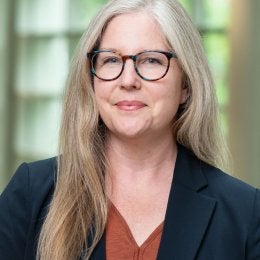
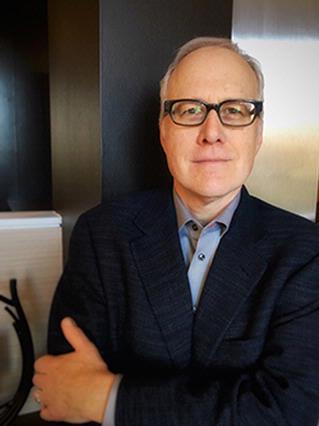
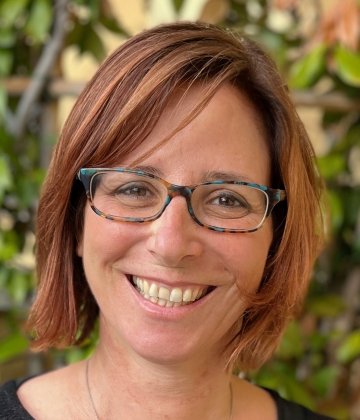
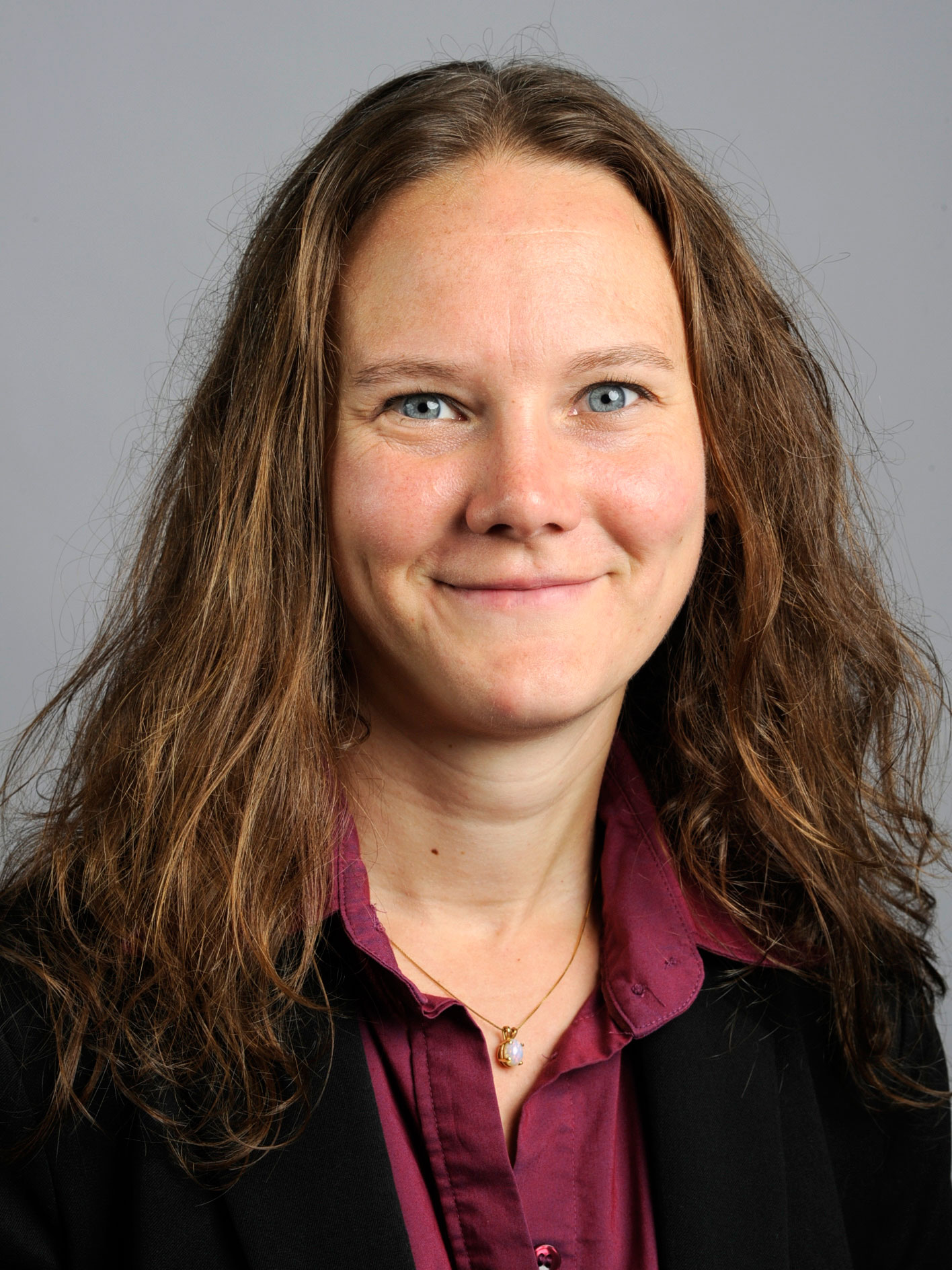
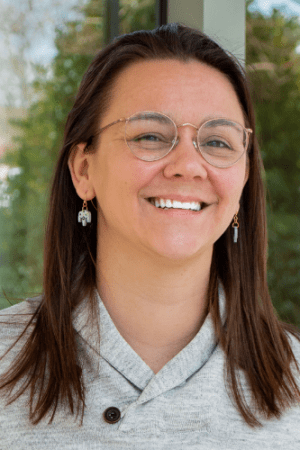
Dr. Kerry H. Alexander is an Assistant Professor of Literacy Education in the Department of Teaching and Learning, Policy and Leadership at the University of Maryland, College Park. She holds a Ph.D. in Language and Literacy Studies from The University of Texas at Austin. Her research focuses on sociocultural dimensions of early literacy, critical literacy, and justice-focused coaching, emphasizing equitable practices in elementary education. Alexander has published extensively in journals such as Language Arts , English Education , and Journal of Education and Social Justice , and co-authored works on teacher education and equity-focused networks. She teaches courses like ‘Materials and Instruction for Creating Skilled and Motivated Readers’ and ‘Culturally Responsive Language and Literacy Teaching.’ Her work integrates community-centered inquiry, exploring how state policies shape classroom practices and teacher identities. Recent research includes playful languaging, neuro-affirming pedagogies, and critical discourse analyses around literacy instruction. Alexander previously taught elementary English Language Arts for ten years and is committed to supporting preservice teachers through mentorship and anti-racist professional discernment. Dr. Alexander leads the Elementary Writing Teacher Development and Practice: From UMD to MS DoE grant, funded by UMD’s College of Education. She mentors graduate students interested in connecting teaching practice with research, particularly those with public elementary school experience. Her lab, part of the Literacy, Language, and Social Innovation (LLSI) initiative, focuses on innovative literacy education strategies.
Dr. Evelien de Olde is an Assistant Professor at the Animal Production Systems group of Wageningen University & Research. Her research focuses on sustainability assessment of livestock farming systems, governance of food systems, and certification systems in agriculture. She holds a double PhD in Sustainable Development of Agriculture (Aarhus University and Wageningen University) and MSc degrees in Landscape Architecture and Animal Science. Her work emphasizes circular agriculture, policy coherence, and equity in food system transitions. Education: PhD: Sustainable Development of Agriculture (2017, Aarhus University, Denmark & Wageningen University, Netherlands) MSc: Landscape Architecture and Spatial Planning (Wageningen University) MSc: Animal Science (Wageningen University) Research Interests: Sustainability certification and governance in livestock systems Circular agriculture and bioeconomy transitions Equity and justice in food system transformations Policy analysis for biodiversity conservation Recent Work Trends: Her recent publications address sustainability standards, circular agriculture implementation barriers, and the role of young farmers in transitioning to sustainable practices. She collaborates on projects such as CAN-DO-IT and Connected Circularity, focusing on Dutch regional initiatives. Advising & Grants: Supervises PhD students including Mariana Debernardini (Circular Agriculture in North-Netherlands) and Jelle Silvius (Circular Agriculture Governance). Engaged in EU-funded projects like MAGIC and ANIMALFUTURE. Labs/Teams: Lead researcher in the Animal Production Systems group, contributing to interdisciplinary teams exploring sustainable livestock systems and policy frameworks.
Peter A. Wyman, PhD is a Professor at the University of Rochester School of Medicine and Dentistry, Department of Psychiatry, Child and Adolescent Services. He serves as Director of the Network Health and Prevention Program and Co-Director of the Center for Study and Prevention of Suicide. Dr. Wyman's research focuses on using natural social networks to deliver interventions for suicide, depression, and substance use prevention. His Connect Program suite of interventions has been implemented in diverse settings including the US Air Force (Wingman-Connect), police departments (Police-Connect), and predominantly Black churches (HAVEN-Connect). Columbia University - A.B. in Psychology, 1982 University of Rochester - M.A. in Clinical Psychology, 1984 University of Rochester - Ph.D. in Clinical Psychology, 1987 University of Rochester - Postdoctoral Fellowship, University Health Service, 1986-1988 Dr. Wyman's research centers on developing and implementing network-based suicide prevention interventions. His work examines how natural social networks can be leveraged to build social bonds and shared healthy norms to sustain intervention impacts. His research spans multiple settings including schools, military contexts, workplaces, and community organizations. He investigates how peer leadership, social integration, and network structure influence mental health outcomes, particularly among adolescents and high-risk populations. His work integrates implementation science, social network analysis, and prevention research to develop scalable, evidence-based interventions. His recent publications demonstrate a consistent focus on suicide prevention through social networks, with increasing emphasis on digital health approaches, implementation science methodology, and attention to equity in suicide risk screening. His work spans multiple disciplines including psychiatry, public health, social network analysis, and implementation science, reflecting the interdisciplinary nature of modern prevention research. Action Partner Award, National Association of School Psychologists (NASP). 2016 Excellence in Suicide Prevention Award, Suicide Prevention Center of New York State. 2012 Distinction for Ph.D. Comprehensive Examinations, University of Rochester. 1985 NIMH Research Fellowship (merit-based). 1982 - 1983 Magna Cum Laude, Columbia College, Columbia University, New York, NY. 1982 Cleveland Foundation Research Award (merit based). 1979 Dr. Wyman's research has been funded by major national agencies including the National Institutes of Health, Department of Defense, and Centers for Disease Control and Prevention. He has led significant clinical trials, including a current study testing peer-led network interventions to prevent adolescent vaping. Beyond his research, he has held influential policy positions, having co-chaired the New York State Governor's Task Force on Suicide (2017-2019) and serving as a member of the Community Prevention Services Task Force, an independent advisory group appointed by the CDC Director. Dr. Wyman leads the Network Health and Prevention Program, which develops and tests network-based interventions across multiple settings. His Connect Program suite represents a significant contribution to suicide prevention, with adaptations for military personnel, police officers, and faith communities. His work bridges research and practice, translating scientific findings into real-world interventions that address critical public health challenges.
Professor Sandeep Reddy is a leading academic in healthcare management and digital health at Queensland University of Technology (QUT), where he heads disciplines in Healthcare Management, Health Information Management, and Health, Safety, and Environment. He co-leads the 'Health, Human Biology and MedTech' theme at QUT's Centre for Data Science. With a PhD in Healthcare Management and a medical degree, Reddy holds multiple professional fellowships, including the Australasian Institute of Digital Health and the UK Higher Education Academy. Roles: Professor, Academic Leader, Researcher, Editor Affiliations: QUT, WHO Digital Health Roster, European Academy of Translational Medicine Professionals His research focuses on AI integration in healthcare delivery, governance frameworks, and translational methodologies. Key areas include AI in chronic disease management, medical imaging, and facial recognition technology. Reddy has authored over 80 publications, including a 2024 textbook on translational AI applications. Reddy's work spans global health policy, having advised the WHO and participated in international panels. He teaches courses on health informatics, implementation science, and digital health, with over 20 years of academic and industry experience. Scientific awards and fellowships reflect his expertise: Fellow of AIDH, ACHSM, and Senior Fellow of the UK Higher Education Academy. His editorial roles include PLOS ONE, Computational and Structural Biotechnology Journal, and Frontiers in AI. Current research supervision focuses on AI in medical education, healthcare access, and explainability in AI systems. He advocates for equitable digital health solutions, addressing the rural-urban digital divide through empirical studies.
Alessia Melegaro is a Full Professor of Demography and Social Statistics at Bocconi University's Department of Social and Political Sciences, and a Research Associate at the Dondena Centre for Research on Social Dynamics and Public Policy. She holds a Ph.D. in Quantitative Epidemiology from the University of Warwick, UK. Her work bridges demography, epidemiology, and public health, focusing on policy modeling, vaccine strategies, and healthcare economics. She directs Bocconi's Master in Data Science and Business Analytics and leads the Bocconi Covid Crisis Lab, a multidisciplinary initiative analyzing the pandemic's societal impact. As Principal Investigator of an ERC Consolidator Grant, she studies human behavior's role in infection spread. Her research explores optimal vaccination programs, demographic-behavioral interactions, and AI-driven health resource allocation. Notable contributions include analyzing social contact patterns during the pandemic, vaccine acceptance dynamics, and global health equity in vaccine distribution. Her work emphasizes interdisciplinary collaboration, combining mathematical models with real-world data to inform public health policies. Recent studies highlight behavioral interventions for mask-wearing and influenza vaccination uptake among corporate workers.
Ian Stedman is an Associate Professor in the School of Public Policy and Administration at York University, cross-appointed to Osgoode Hall Law School's graduate programs and Science and Technology Studies. He serves as Graduate Program Director (MPPAL) and holds roles in the Centre for AI & Society and Connected Minds (CFREF) leadership. His research bridges public sector ethics, artificial intelligence governance, and rare disease advocacy. Stedman practiced law before transitioning to public sector ethics advising, later focusing on healthcare AI ethics and rare disease policy. He chairs the CIHR Institute of Genetics' Advisory Board and the Canadian Autoinflammatory Network. Notably, he received the IP Osgoode David Vaver Medal for Excellence in IP Law (2020). Education : Honours B.A. (Philosophy, Western Ontario), M.A. (Philosophy, York), LL.B. (Alberta), LL.M. (Toronto), Ph.D. (Law, Osgoode). Research Interests : Law and Technology, Public Sector Accountability, Rare Disease Policy, AI in Healthcare. He advocates for equitable AI governance, ethical healthcare technologies, and rare disease community empowerment. Leadership Roles : Lead of Knowledge Mobilization Committee, Connected Minds (2023–present) Chair of Public Relations Committee, Centre for AI & Society (2022–present) Member, Health Nexus Data Governance Committee (2021–present) Professional Contributions : Serves on SickKids Research Ethics Boards, co-leads AI ethics initiatives, and advises on AI policy in medicine. His work emphasizes interdisciplinary collaboration between law, tech, and healthcare sectors.
Izabela Delabre is a Senior Lecturer in the School of Social Sciences at Birkbeck, University of London, currently on maternity leave until September 2025. She holds a PhD in Human Geography from the University of Reading (2017), an MSc in Environmental Management (2013), a BSc in Environmental Sciences (2008), and a Postgraduate Certificate in Learning and Teaching in Higher Education (2024). Her research focuses on the intersection of forest governance, sustainable agriculture, and global-local sustainability transformations. She leads the MSc Global Environment and Sustainability program and teaches Future Food Systems and Sustainability. Key research areas include political ecology of tropical forests, anticipatory governance, and critical analysis of private environmental standards. She co-convenes the multidisciplinary working group on 'Plantations: Political ecologies of extraction and resistance' supported by Birkbeck Institute for Social Research. Her recent grants include funding from DEFRA for Nature-Based Solutions and The David and Lucile Packard Foundation for conservation finance initiatives. Scientific Awards: Fellow of the Higher Education Academy (Advance HE) Teaching Roles: Programme Director for MSc Global Environment and Sustainability Grants: Nature-Based Solutions for Climate Change at the Landscape Scale (DEFRA-funded) No Trees, No Future: Unlocking Conservation Finance Potential (Packard Foundation) Delabre’s work bridges academia and practice, with prior roles as Research Fellow at the University of Sussex and the Zoological Society of London’s Business and Biodiversity Conservation Programme. Her research emphasizes equitable sustainability governance and the socio-political dimensions of environmental certification systems.
Amy Mueller is an Associate Professor in Civil and Environmental Engineering and Marine and Environmental Sciences at Northeastern University, with affiliations in Electrical and Computer Engineering and membership in The Plastics Center. She holds dual academic appointments and leads research in biogeochemistry, sensor technology, and environmental sustainability. Education: PhD in Environmental Chemistry (MIT, 2012), MEng in Electrical Engineering and Computer Science (MIT, 2003). Awards include the NSF Ocean Sciences Postdoctoral Fellowship (2015–2016), NSF Graduate Research Fellowship (2004–2007), and Northeastern’s CEE Excellence in Teaching Award (2021). Research focuses on in-situ sensors for environmental monitoring, remediation strategies in coastal environments, and machine learning applications. Projects include the Common SENSES initiative for climate resilience, DOE-funded methane sensing, and sensor-driven resource optimization in engineered systems. Collaborations span disciplines such as robotics (e.g., robotic aquaculture systems) and community engagement in Boston’s air quality initiatives. Key grants include NSF, DOE, Schmidt Marine Technology Partners, and the Woodard & Curren consortium. She directs the Environmental Sensors Lab and contributes to institutes like iSUPER Impact Engine and the Global Resilience Institute. Recent work emphasizes equitable, community-led environmental solutions and hyperlocal pollution monitoring in urban areas.
Dr. Andrew Kwok is an Associate Professor in the Department of Teaching, Learning, and Culture at Texas A&M University. He holds a Ph.D. in Educational Studies from the University of Michigan and previously taught high school in Oakland, CA. His research focuses on teacher preparation, classroom management, and urban education equity. He serves as associate editor of the Journal of Teacher Education and chairs the Collaborative for Innovation in Teacher Education. Education: Ph.D., Educational Studies, University of Michigan (2016) B.S., Brain, Behavior, and Cognitive Sciences, University of Michigan Research Interests: Dr. Kwok examines teacher preparation policies, particularly in underserved contexts. His work addresses classroom management strategies, teacher beliefs, and the effectiveness of teacher induction programs. He emphasizes culturally responsive pedagogy and equitable practices in education. Grants & Projects: Principal Investigator (PI) for Teacher Induction Program Center for Teacher Innovation (2019–2022) Co-PI for aggieTERM (Texas Education Agency, 2019–2020) PI for Catapult #5 (TAMU CEHD, 2018–2020) Professional Roles: Associate Editor, Journal of Teacher Education Research Chair, Collaborative for Innovation in Teacher Education
Professor Jennifer Smith-Merry is an ARC Laureate Fellow and Professor of Health and Social Policy at the University of Sydney, within the Sydney School of Health Sciences. She has held roles such as Director of the Centre for Disability Research and Policy (CDRP) and leads the Disability Inclusive Policy Development stream. Her work integrates research, policy, and practice to address systemic challenges in mental health and disability care, with a focus on equity and lived experience insights. Education: PhD in Social Policy (University of Queensland) BA (Honours) Graduate Certificate in Applied Law Graduate Certificate in Educational Studies (Higher Education) Research Interests: Jen’s research emphasizes disability-inclusive policy development, mental health service design, and the ethical inclusion of people with disability in research. She explores the intersection of policy implementation, lived experience expertise, and systemic reforms, particularly in the context of the NDIS and global health initiatives. Her work critiques ableism in academia and healthcare while advocating for participatory, equity-driven frameworks. Grants and Collaboration: Jen has secured over 50 grants, including ARC and NHMRC funding, and leads projects evaluating policy and service delivery for disability and mental health. She collaborates with governments and NGOs, such as the National Disability Insurance Agency, and engages with service users to inform policy. Recent projects include a global workforce training framework for integrated care and exploring mechanisms of religious trauma in queer communities. Awards: Australian Research Council (ARC) Industry Laureate Fellow (2023-2028) Labs and Affiliations: She is affiliated with multiple interdisciplinary centers at the University of Sydney, including the Sydney Centre for Healthy Societies, Sydney Policy Lab, Sydney Southeast Asia Centre, Brain and Mind Centre, and Charles Perkins Centre. Her international collaborations span Malaysia, Singapore, and the UK, focusing on disability research capacity and mental health policy.
Henry Renski is a Professor and Chair of Landscape Architecture and Regional Planning at the University of Massachusetts Amherst. He also serves as Director of the UMASS Center for Economic Development and Graduate Program Director of the PhD in Regional Planning. His research focuses on regional economic competitiveness, technological and social forces shaping economic development, and policy effectiveness, with specialties in spatial analysis, GIS, and industrial clusters. Dr. Renski holds a PhD from the University of North Carolina at Chapel Hill (2006) and has prior experience as a Special Assistant to the Governor of Maine, working on economic initiatives like the WIRED program. His work bridges academic research and applied policy, addressing topics such as climate migration, innovation districts, renewable energy impacts, and racial equity in labor markets. He teaches courses in quantitative methods, GIS, and economic development policy. Key affiliations include the UMASS Center for Economic Development and the Institute for Social Science Research. Recent research trends highlight urban policy innovation, climate adaptation strategies, and the intersection of technology with regional transformation. His applied projects include feasibility studies for infrastructure (e.g., Massachusetts Horse Park) and economic analyses for municipalities like Boxborough. Dr. Renski's interdisciplinary approach combines data science with community engagement to drive equitable economic outcomes.
Cheng Siew Goh is an Assistant Professor at Northumbria University's Architecture and Built Environment Department. His research focuses on sustainable construction practices, AI applications in construction, and climate resilience strategies. He has led projects addressing eco-social vulnerabilities and participatory design approaches across the UK, the Netherlands, and Norway. Goh has published extensively on topics including green building technologies, risk management, and the triple bottom line framework in construction. Research interests include integrating artificial intelligence into construction processes for efficiency gains, evaluating socio-economic-environmental impacts of sustainable projects, and enhancing climate resilience through adaptive design. His work emphasizes human-centric solutions, balancing technological innovation with user needs and environmental stewardship. Key contributions include exploring AI applications for optimized sustainability performance in buildings, assessing emotional intelligence among construction stakeholders during crises, and developing frameworks for green project lifecycle management. Goh's research often bridges theoretical concepts with practical implementation challenges in the built environment sector. He has secured funding through the British Academy for a project investigating eco-social vulnerabilities and participatory design methodologies. This work aims to bridge knowledge gaps between policy, practice, and community engagement in sustainable urban development.
Christina Singer is an Assistant Professor of Graphic Design at the University of North Carolina at Charlotte (UNC Charlotte), affiliated with the Department of Art & Art History. She holds an MFA from the University of Florida and a BFA from East Tennessee State University. Her research focuses on equitable design methods, queerness in visual design, non-Western typography, and pedagogical practices. Her work has been exhibited globally and recognized through international poster awards. Education: MFA, University of Florida BFA, East Tennessee State University Research interests emphasize cross-cultural design, human rights advocacy through visual communication, and inclusive design education. She has contributed peer-reviewed articles to journals like Design and Culture and Dialogue , and published in the Society for Technical Communication’s Intercom . Her design projects include Spero, a UX/UI platform connecting retirees and refugees, and MOIDA, exploring Korean cultural unity through placemaking. Awards and fellowships include the 2024 Writing Space Design Fellowship and 2022 AIGA Design + Writing Fellowship. She co-chaired the 2024 UCDA Design Education Summit and organized the 2025 summit in Charlotte. Teaching experience includes roles at University of Tampa, University of Florida, and as an English instructor in South Korea. Her design practice integrates research and activism, with projects addressing social integration and cultural heritage. She remains active in design industry collaborations through her company Ody Design, LLC.
Dr David Plater is an Associate Professor at the University of Adelaide Law School and Deputy Director of the South Australian Law Reform Institute (SALRI), a nonpartisan law reform body formed through partnership between the University, Law Society, and State Government. He also serves as an Adjunct Associate Professor at the University of Tasmania Law School. His teaching portfolio includes Law Reform (supporting SALRI's work), Criminal Law, Selected Issues in Criminal Law, Evidence, and Advocacy. Dr Plater holds a PhD from the University of Tasmania (2011) examining the historical development and modern application of the prosecutor's role as a 'minister of justice'. He is admitted as a legal practitioner in England, Republic of Ireland, Northern Territory, Tasmania, and South Australia. His extensive practical experience includes work as a Senior Crown Prosecutor and with the State DPP in South Australia. His research focuses on modern Law Reform, surrogacy, prosecution discretion, victims' rights, vulnerable parties in the justice system, and legal history. His thematic approach emphasizes making the legal system more efficient, equitable, and accessible for traditionally overlooked groups including victims of sexual abuse, individuals with cognitive impairments, and Aboriginal communities. He often draws on historical analysis to highlight longstanding legal issues and explores how fair trial rights must balance competing interests of accused, victims, and community. Dr Plater's recent publications reveal consistent focus on law reform through SALRI's work, with particular attention to vulnerable witnesses, surrogacy law, powers of attorney, and historical perspectives on criminal justice. His research bridges historical legal analysis with contemporary challenges, especially regarding fair trial rights and balancing competing interests in the justice system. Australian Research Council Linkage grant ($252,124) for national jury study on sentencing for sex offences Research on surrogacy law and practice in South Australia Independent statutory review of the Ageing and Adult Safeguarding Act South Australian Law Foundation project examining Communication Partner model As Deputy Director of SALRI, Dr Plater oversees major inquiries into difficult legal topics with Professor John Williams (Director) and Louise Scarman (EO). SALRI's work emphasizes inclusive engagement with regional and Indigenous communities, and many of its reports have led to significant legislative changes in South Australia. He has been instrumental in SALRI references on succession law, surrogacy, provocation issues, abortion, powers of attorney, and adult safeguarding.
Professor Lori Lockyer serves as the Executive Dean of QUT’s Faculty of Creative Industries, Education and Social Justice, while maintaining her role as a Professor. Her research focuses on leveraging technology to enhance learning environments and teacher professional development. She emphasizes equitable technology integration to address educational challenges highlighted by the pandemic, such as access inequity and pedagogical limitations. Her work spans collaboration with institutions like the Algorithm Watch Global, Centre for Responsible Technology Australia, and international partners. Professor Lockyer is deeply involved in mentoring early-career researchers and HDR students, emphasizing their diverse career opportunities in academia and industry. Key research areas include learning design, learning analytics, and teacher design practices. She advocates for universities to prioritize impactful research that addresses societal challenges while fostering interdisciplinary collaboration.