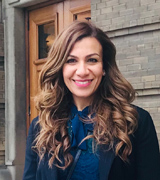
Dr. Anastasia Mallidou is Professor and Associate Director of Graduate Education at the University of Victoria's School of Nursing, with expertise in health services research, knowledge translation, and healthy aging. Her research examines organizational contexts and evidence-based interventions across healthcare settings. Key research domains: Health informatics implementation Research literacy among healthcare professionals Non-pharmacological treatments for aging populations Patient safety culture measurement Publication analysis shows consistent focus on methodological rigor in psychometrics, systematic reviews, and cross-cultural studies applied to healthcare workforce development. Her work bridges research and practice through competency frameworks and implementation strategies. Active community engagement includes partnerships with long-term care facilities and healthcare organizations to improve quality metrics and staff training programs.
Raghav Sundar, MD, PhD, is an Associate Professor of Medicine (Medical Oncology) at Yale School of Medicine and leads the Gastroesophageal Cancer Program at Yale Cancer Center and Smilow Cancer Hospital. His clinical focus is on gastrointestinal malignancies, particularly gastroesophageal cancers and peritoneal metastases. He holds appointments in the Department of Internal Medicine and is affiliated with the Center for Gastrointestinal Cancers and Developmental Therapeutics. Dr. Sundar earned his MD and PhD from the National University of Singapore and completed fellowship training at the Royal Marsden Hospital, UK. He previously served as Senior Consultant Medical Oncologist and Research Director at the National University Cancer Institute, Singapore. His research emphasizes biomarker discovery, tumor microenvironment dynamics, and immune checkpoint inhibitors in gastrointestinal cancers. His research interests include peritoneal metastasis mechanisms, chemotherapy-induced peripheral neuropathy, and personalized treatment strategies. He has published over 110 manuscripts in journals such as Cancer Discovery and Journal of Clinical Oncology , focusing on clinical trials, translational oncology, and molecular subtyping of gastrointestinal cancers. Dr. Sundar collaborates with multidisciplinary teams to advance therapeutic strategies and leads Phase I clinical trials evaluating novel agents. His work bridges experimental therapeutics with clinical outcomes, aiming to improve survival and quality of life for patients with advanced gastrointestinal malignancies.
Stefano Piccolo is a Full Professor of Molecular Biology at the University of Padua's School of Medicine and a Principal Investigator at IFOM, The FIRC Institute for Molecular Oncology. His research focuses on mechanotransduction, YAP/TAZ signaling, and cancer biology. He holds significant roles including Director of the PhD program in Molecular Medicine and membership in prestigious scientific advisory boards like EMBL and the AIRC Scientific Advisory Board. Education: PhD in Biology and Pathology of the Connective Tissue (University of Padua, 1995), HHMI postdoctoral fellowship under Eddy De Robertis at UC Berkeley (1995–1998). Research interests center on how mechanical forces regulate cell behavior and tissue architecture, particularly through YAP/TAZ. His lab explores applications in cancer, stem cell biology, and regenerative medicine. Awards include the ERC Advanced Grant (2015), Tartufari Award (2012), and the Presidential Venosta Cancer Award (2012). Over 20 patents highlight translational contributions in cancer therapy and stem cell technologies. Grants and roles include ERC Advanced Grant leadership and contributions to scientific policy through roles like Governing Board Member of Human Technopole Milan. Labs/Teams: Leads a multidisciplinary team at IFOM and University of Padua, integrating molecular biology, material science, and omics approaches to study mechanobiology.
Dr. Satu Mustjoki is a Professor of Translational Hematology at the Faculty of Medicine, University of Helsinki (UH), Finland. She serves as Director of the Translational Immunology Research Program (2019-2025), Scientific Director of the iCAN Digital Precision Cancer Medicine Flagship (2022-2026), and leads multiple international research consortia including EraPerMed EU and Heal-Art projects. Adjunct Professor (2011), Experimental Hematology, UH Specialist in Clinical Chemistry (2008), UH PhD (2001), UH MD (1997), UH Her research focuses on somatic mutations in hematological malignancies and autoimmune diseases, cancer immunology, and personalized medicine. The work integrates immunogenomics, functional genomics, and clinical translation to identify novel therapy targets and biomarkers. Recent publications highlight somatic mutation analysis in T cells (chronic GVHD, RA), NK cell interactions with blood cancers, and single-cell approaches to melanoma immunotherapy. Key themes include mutation-driven immune dysregulation and precision targeting of apoptotic pathways in leukemia. Helsinki Institute of Life Science (HiLife) Fellow (2017-2025) ERC Consolidator grant awardee (2015-2020) Biomedicum Helsinki award (2018) City of Helsinki Science award (2020) Academy of Finland Senior Research Fellowship (2010-2015) She supervises 9 completed + 9 ongoing post-doctoral researchers, 18 completed + 13 ongoing PhD students, and 22 completed MSc/MD theses. Funding includes major grants from the Erkko Foundation, Leukemia & Lymphoma Society, and Academy of Finland. She participates in European and American hematology scientific committees and leads international clinical studies as principal investigator.
Gioacchino Natoli is a Professor of Biochemistry at Humanitas University, School of Medicine, Milan, and serves as a Group Leader at the European Institute of Oncology (IEO) where he heads the Transcriptional Control in Inflammation and Cancer research program. Elected to the Academy of Europe in 2017 and an EMBO member since 2013, his work bridges molecular oncology and immunology with significant contributions to epigenetic regulation. Education: Medical Doctor with honors, University of Rome, La Sapienza (1991) Residency in Internal Medicine, University of Rome, La Sapienza (1991-1996) Post-doctoral fellow, University of California San Diego under Prof. Michael Karin (1998-2000) His research centers on transcriptional and epigenetic mechanisms governing innate immunity and cancer, with specific expertise in macrophage biology, chromatin dynamics, and non-coding transcription. He investigates how enhancers and cis-regulatory elements control inflammatory gene expression programs and maintain cellular identity in tumorigenesis, employing genomic and biochemical approaches to dissect disease-relevant pathways. Analysis of his publication record reveals consistent focus on epigenetic control of inflammation-cancer crosstalk, with landmark studies on histone modifiers (Jmjd3, Mll4) and enhancer functionality published in Nature Immunology, Cell, and Molecular Cell. His work demonstrates how environmental signals are integrated at genomic loci to shape immune responses. Scientific Awards: European Research Council (ERC) Advanced Grant (2016-2021) EMBO member (2013) European Research Council (ERC) Advanced Grant (2011-2015) Chiara D’Onofrio prize for Italian researchers below 43 years (2009) Marie Curie Excellence Grant (2007-2010) Damon Runyon-Walter Winchell Cancer Research Fund Long Term Fellowship (1998-2000) Natoli has secured substantial competitive funding including dual ERC Advanced Grants to investigate transcriptional networks linking inflammation and cancer. His laboratory at IEO mentors doctoral candidates and postdoctoral researchers, fostering expertise in genomic technologies and molecular pathogenesis while advancing therapeutic target discovery. He leads the Transcriptional Control in Inflammation and Cancer program within IEO's research infrastructure, utilizing advanced sequencing and imaging platforms to map regulatory landscapes in disease models. The group collaborates extensively with clinical teams to translate mechanistic insights into oncology applications.
Marjorie Beeghly is a Professor and Developmental Science Area Chair at Wayne State University's College of Liberal Arts and Sciences, Department of Psychology. She specializes in developmental science, focusing on how biological and social factors influence communication and socio-emotional development in at-risk infants and children. Her research emphasizes parent-child interactions as mediators of developmental outcomes and resilience across ecological contexts. Dr. Beeghly is also an Affiliate Faculty member at the Merrill Palmer Skillman Institute, where she contributes to the Infant Mental Health Dual Title Program and serves on its Advisory Board. She has received the 2016 College of Liberal Arts and Sciences Teaching Award, highlighting her excellence in mentoring undergraduate students. Her education includes a B.A. from the University of California, Santa Cruz, and an M.A. and Ph.D. from the University of Colorado, Boulder, followed by postdoctoral fellowships at the University of Illinois Champaign-Urbana and Harvard University. She has been Principal Investigator (PI) or co-investigator on numerous grants, including NIH-funded studies on mutual regulation in at-risk populations and neurodevelopmental outcomes of preterm infants. Beeghly’s research spans topics like prenatal exposure to stressors, infant attachment, and the intergenerational transmission of trauma. Her work often employs longitudinal designs and integrates behavioral, physiological, and neuroimaging methods. She has authored/co-authored over 80 peer-reviewed publications and edited volumes, including the award-winning The Cultural Nature of Attachment . Her teaching includes courses on infant behavior, cognitive development, and parent-child relationships. Key scientific contributions include identifying regulatory behavior patterns in the Still-Face Paradigm as predictors of attachment security and exploring how maternal sensitivity buffers adverse outcomes in high-risk dyads. Her recent work addresses pandemic impacts on parenting and child development, as well as fetal neural correlates of later motor skills.
David J. Daniels, M.D., Ph.D., is a Professor of Pediatrics, Pharmacology, and Neurosurgery at Mayo Clinic. He specializes in pediatric neurosurgery, focusing on malignant brain tumors such as diffuse intrinsic pontine glioma (DIPG), atypical teratoid rhabdoid tumors (ATRT), and pediatric glioblastoma. His research emphasizes molecular pathways, targeted therapies, and minimally invasive techniques like liquid biopsies. He holds leadership roles including Vice Chair for Education in Neurologic Surgery and is a core member of the Mayo Clinic Comprehensive Cancer Center. Dr. Daniels completed his MD and PhD in Medicinal Chemistry at the University of Minnesota, followed by residency and fellowship at Mayo Clinic and St. Jude Children's Research Hospital. He has received numerous awards, including Top Doctor recognitions and NIH grants. His clinical practice spans complex pediatric brain tumors and general neurosurgical conditions like hydrocephalus and spinal disorders. His research publications span over 150 articles, focusing on glioma biology, surgical innovations, and translational therapeutics. Key projects include clinical trials for DIPG therapies and developing liquid biopsy technologies. Dr. Daniels is actively involved in resident and medical student education, mentoring future neurosurgeons.
Christopher R. Vakoc is a Professor at Cold Spring Harbor Laboratory, where he leads a research program focused on identifying genetic dependencies and therapeutic targets in cancer. His work bridges clinical oncology and molecular biology, with a strong emphasis on transcriptional regulation and chromatin in hematological malignancies and solid tumors. B.S., The Pennsylvania State University (1997-2001) MD, PhD, University of Pennsylvania (2001-2007) Cold Spring Harbor Laboratory Fellow (2008-2011) Dr. Vakoc’s research explores how chromatin modifications and transcriptional complexes create vulnerabilities in cancer cells. His lab employs cutting-edge genetic screening technologies to uncover novel drug targets, with a particular focus on leukemia, pancreatic cancer, sarcoma, and lung cancer. A major breakthrough from his team was the identification of BRD4 as a critical dependency in acute myeloid leukemia, which helped establish the clinical rationale for BET inhibitors in cancer therapy. The research trends in Dr. Vakoc’s work consistently revolve around the dysregulation of gene expression in cancer, using functional genomics to map dependencies in transcriptional machinery. His publications reflect deep engagement with epigenetic regulators, super-enhancers, and oncogenic transcription factors, contributing to the broader understanding of how non-mutational mechanisms drive tumorigenesis. Dr. Vakoc has been recognized with several top honors in cancer research, including: Leukemia and Lymphoma Society Scholar Award AACR Outstanding Achievement in Cancer Research Award Pershing Square Sohn Cancer Research Alliance Prize Paul Marks Prize He has mentored numerous trainees and leads a highly collaborative research group supported by competitive grants from organizations such as the NIH, Leukemia and Lymphoma Society, and private cancer research alliances. His lab continues to pioneer methods in CRISPR-based screening and transcriptional circuit mapping to develop new therapeutic strategies. The Vakoc Lab at Cold Spring Harbor Laboratory is a dynamic research team dedicated to uncovering fundamental mechanisms of gene control in cancer. The lab integrates molecular biology, genomics, and chemical biology to dissect transcriptional addiction in tumor cells and translate findings into preclinical models.
Giorgio Stassi serves as a Professor in the Department of Surgical and Oncological Disciplines at the School of Medicine and Surgery , University of Palermo . His research focuses on cancer stem cells (CSCs) across colorectal, breast, and thyroid malignancies, with emphasis on microenvironment interactions and therapy resistance mechanisms. Office hours are held weekly at the Laboratory of Cellular and Molecular Pathophysiology in Palermo. His research interests include: Precision Medicine applications in CSC-targeted therapies Immunological profiling of tumor microenvironments Epigenetic and metabolic drivers of chemoresistance Bioinformatic analysis of CSC phenotypes Drug repurposing for CSC eradication Recent publications demonstrate a clear trend toward computational oncology and immunomicroenvironment engineering , with notable work on tumor-on-chip systems, NGS-based prognostics, and macrophage-CSC crosstalk. Key journals include Magazine article and Review essay formats addressing clinical translation of laboratory findings. No scientific awards were documented in the provided materials. His supervisory activities include thesis guidance ("Tesi curate") and Erasmus program coordination, though specific students and projects aren't listed. Research is conducted primarily at the Laboratory of Cellular and Molecular Pathophysiology , with institutional support from the ATeN Center and ASCENT Advanced Studies Centre.
Dr. Matiss Ozols is a Honorary Lecturer (Teaching & Research) in the Division of Cell Matrix Biology & Regenerative Medicine at the University of Manchester and holds a Senior Bioinformatics Data Scientist position at the Wellcome Sanger Institute. His work integrates bioinformatics, software engineering, and data science to address complex biological questions, particularly focusing on single-cell genomic/proteomic data analysis for human genetics insights. He has expertise in programming languages (Python, R, etc.), machine learning, and web development, alongside wet lab techniques like mass spectrometry and cell culture. Education: Bachelor of Engineering in Medical Engineering (University of Bradford, 2014). Research Interests: Ozols focuses on proteomics, genomics, and regenerative medicine with an emphasis on ageing and extracellular matrix remodelling. His lab develops computational tools like the Manchester Peptide Location Fingerprinter (MPLF) to analyze protein modifications. Key areas include tetrapeptide matrikines for skin rejuvenation, vascular ageing mechanisms, and AI applications in healthcare diagnostics. Publications: Recent work spans AI-driven medical imaging (e.g., lung compromise in COVID-19), novel peptide therapeutics for skin health, and systems biology approaches to inflammatory bowel disease. These studies highlight interdisciplinary methods combining computational modeling with experimental biology. Awards: Received the Best Oral Presentation award in 2019. Grants & Projects: Co-Investigator in the Manchester Bioelectronics Network (2018), focusing on bioelectronics applications in healthcare. Active in collaborative research networks including Manchester Precision Medicine Institute and Institute for Data Science and AI. Labs/Teams: Leads bioinformatics initiatives at the Sanger Institute and collaborates with multidisciplinary teams in dermatology, cardiovascular biology, and AI ethics.
Eleftheria Zeggini serves as Director of the Institute of Translational Genomics at Helmholtz Munich and holds the Liesel Beckmann Distinguished Professorship and Chair of Translational Genomics at the Technical University of Munich (TUM) School of Medicine. Her research leverages big data in genetics and genomics to translate genomic insights into disease mechanisms, advancing precision medicine through robust statistical and computational approaches integrating multi-omics data, electronic health records, and diverse population studies. Her educational background includes a PhD in Immunogenetics of Juvenile Arthritis from the University of Manchester School of Medicine (2003) and a Bachelor of Science (Hons) in Biochemistry from the University of Manchester Institute of Science and Technology (1999). Prior appointments include Group Leader at the Wellcome Sanger Institute (2008-2018) and Wellcome Research Career Development Fellow at the University of Oxford (2006-2008). Zeggini's research spans translational genomics, statistical genetics, and computational biology with emphasis on genetic architecture of complex diseases. Her team develops tools for multi-omics integration to dissect sequence variation in human health, focusing on osteoarthritis, type 2 diabetes, and cardiometabolic disorders. Recent work prioritizes health equity through tissue-specific multi-ancestry genomic studies and electronic health record integration, driving discovery of novel therapeutic targets and disease mechanisms. Analysis of her 15 most recent publications reveals dominant themes in osteoarthritis genomics (6 articles), type 2 diabetes heterogeneity (3 articles), and multi-ancestry genomic equity (3 articles). Her work consistently employs whole-genome sequencing, causal inference methods, and large-scale biobank analyses across diverse populations, with strong translational focus on precision medicine applications. Major scientific recognition includes: Elected Member of Academia Europaea (2024) Greek Excellence Award (2024) National Representative to the EMBL Council (2022) Elected Fellow of the Academy of Medical Sciences, UK (2020) Argo Award for Distinguished Greeks Abroad (2020) Honorary Senior Fellow, University of Cambridge (2018) Honorary Professor, University of Bristol (2018) Zeggini actively mentors early-career researchers while promoting diversity and inclusion in science. Her leadership in major consortia like UK Biobank analyses and ENABLE program demonstrates sustained grant acquisition capability. Current research direction focuses on developing computational frameworks for next-generation translational genomics, with particular emphasis on addressing health disparities through equitable genomic data representation. She directs Helmholtz Munich's Institute of Translational Genomics, which houses a multidisciplinary team of computational biologists, geneticists, and clinicians developing statistical tools for big data integration. The institute serves as a hub for precision medicine innovation, collaborating with TUM's medical faculty and international networks to accelerate genomic discoveries into clinical applications.
Blagoy Blagoev is a Professor at the University of Southern Denmark , Department of Biochemistry and Molecular Biology, and a leading researcher in Biomedical Mass Spectrometry and Systems Biology . He serves as Principal Investigator (PI) in the ATLAS Center for Functional Genomics and Tissue Plasticity , focusing on metabolic disorders and ubiquitin signaling. Department of Biochemistry and Molecular Biology ATLAS Center Research Interests : His work spans Proteomics , Ubiquitination , Metallic Dysfunction-Associated Steatotic Liver Disease , and Stem Cell Differentiation . Recent projects include investigating hepatic stellate cell metabolism and non-canonical ubiquitin signaling mechanisms . Scientific Trends : Recent publications highlight multi-omics approaches to liver disease, pharmacological targeting of CK2 in obesity, and fetal metabolic adaptation during maternal inflammation. The work integrates mass spectrometry , single-cell analysis , and signaling pathway mapping . Grants & Collaborations : Active in international collaborations, he participates in projects funded by the U.S. Department of Defense , Novo Nordisk Foundation , and Danish Research Council . Current grants explore PD-1 signaling , mesenchymal stem cell transcription complexes , and adipose-liver crosstalk . PhD Supervision : Mentors students including Christoffer Wernberg , Francesca Boel , and Ditte Hansen in proteomics and metabolic research.
Dr. Noha Gomaa is an Assistant Professor of Oral Medicine at Schulich Dentistry and an Associate Scientist at Lawson Health Research Institute, with cross-appointments in the Department of Epidemiology and Biostatistics at Western University. She combines expertise in oral pathology with interdisciplinary research in social epidemiology, neuroscience, and social/behavioural epigenetics. Education: PhD in Dentistry from University of Toronto Appointments: Clinician-scientist fellowship at Hospital for Sick Children; Public Health Policy fellowship at Dalla Lana School of Public Health Her research program focuses on biopsychosocial factors in health inequalities across the life-course, particularly examining social/environmental risk factors like early-life adversity and psychosocial stress that impact oral health and related multi-morbidities. She has collaborated with policymakers to develop dental care programs for marginalized populations including low-income children.
Holly V. Moeller is an Associate Professor in the Department of Ecology, Evolution & Marine Biology at the University of California, Santa Barbara. She earned a B.A. in Chemistry and Biology from Rutgers University, a Masters in Biological Oceanography from the MIT/WHOI Joint Program, and a Ph.D. in Terrestrial Ecology from the University of California system. Her research focuses on acquired metabolism —how organisms expand ecological niches by incorporating metabolic pathways from other species, such as chloroplast theft in marine protists or tree-fungal mutualisms. She combines mathematical modeling, field observations, and lab experiments to study these phenomena. Education: B.A., Chemistry & Biology, Rutgers University M.S., Biological Oceanography, MIT/WHOI Joint Program Ph.D., Terrestrial Ecology, University of California Moeller’s work spans diverse systems, including Mesodinium ciliates (studying how chloroplast theft stabilizes microbial communities), tree-ectomycorrhizal fungal networks (exploring biodiversity’s role in mutualism), and mixotrophs under climate change (modeling evolutionary tradeoffs). Her lab emphasizes eco-evolutionary theory and bioenergetic frameworks to predict ecological outcomes. She has received funding from the National Science Foundation (including the CAREER award), Simons Foundation, and Army Institute for Collaborative Biotechnologies. Her research also explores epigenetic mechanisms in coral bioenergetics and optimal control theory in biological systems. Scientific Awards: NSF CAREER Award
Professor Megan Freeth serves as Professor of Neurodevelopmental Psychology and School Director of Research and Innovation at the University of Sheffield's School of Psychology. Her internationally recognized research focuses on improving the lives of autistic individuals through co-produced studies addressing healthcare access, employment barriers, and societal inclusion, while simultaneously investigating autism's expression in rare genetic syndromes using innovative eye-tracking methodologies. Her educational background includes: PhD in Psychology, University of Nottingham MSc in Psychology, University of Nottingham BSc in Psychology, University of Birmingham Professor Freeth's research program centers on three interconnected themes: Societal Barrier Reduction : Conducting co-produced qualitative research to understand and dismantle obstacles faced by autistic people in healthcare systems and employment contexts through interpretative phenomenological analysis. Genetic Syndrome Phenotyping : Leading groundbreaking studies on autism manifestations in Sotos syndrome, Russell-Silver syndrome, SOX11 syndrome, and 16p11.2 copy number variations to unravel autism's heterogeneity. Real-World Social Attention : Utilizing mobile and laboratory eye-tracking to examine how autistic and neurotypical individuals process social cues in naturalistic environments. Analysis of her recent publications (2022-2025) reveals a decisive shift toward participatory research methodologies where autistic individuals actively shape study design and implementation. Her work increasingly addresses systemic barriers in healthcare and employment while expanding genetic syndrome characterization through multimodal assessment. This dual focus on immediate quality-of-life improvements and fundamental neurodevelopmental mechanisms defines her impactful scholarly trajectory. Her scientific recognition includes: Leverhulme Early Career Fellowship (2011-2013) ESRC Post Doctoral Fellowship (2009-2010) Professor Freeth maintains an active supervisory portfolio with current PhD students Nazli Altin (primary), Aikaterini Giannadou, Louise Stokes, Jiayi Chen (co-supervision), and DClin student Rosie Wilson. Her research program is sustained by major funding including NIHR PDG (£148,622), NIHR RfPB (£249,883), and Colt Foundation (£80,953) grants focused on participatory systems mapping, post-diagnostic assessment, and employment barrier reduction respectively. She directs the Sheffield Autism Research Lab (ShARL) within the University's Neuroscience Institute, leading interdisciplinary teams comprising cognitive neuroscientists, clinical psychologists, and geneticists. Her research group's collaborative approach with autistic communities and healthcare providers ensures direct translation of findings into practice through the International Classification of Functioning framework.