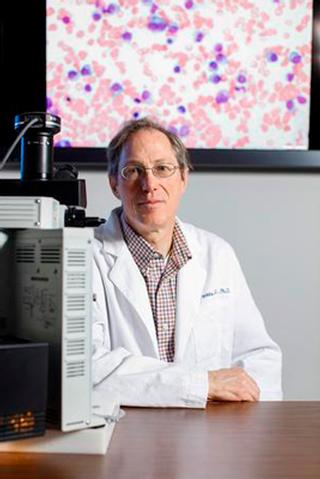
Fernando Camargo, Ph.D. , is a Professor of Stem Cell and Regenerative Biology at Harvard University and a Principal Faculty member of the Harvard Stem Cell Institute . His lab is based at Children’s Hospital Boston , where he investigates fundamental mechanisms of adult stem cell biology , organ size regulation , and cancer pathogenesis . Education: Ph.D., Baylor College of Medicine (2004) Prior Positions: Whitehead Fellow, Whitehead Institute for Biomedical Research (2004-2009) Research Interests include: YAP/TAZ signaling in organ growth and regeneration Single-cell lineage tracing to map hematopoietic and intestinal stem cell dynamics Epigenetic barriers to cellular reprogramming Mechanotransduction in intestinal stem cells Crosstalk between Hippo and metabolic pathways (e.g., glutamine/nucleotide synthesis) Stem cell aging and tumor suppression via transcriptional regulators Recent Articles reveal expertise in: 2025: Epigenetic regulation in liver reprogramming 2023: Multimodal single-cell profiling and mechanotransduction in gut stem cells 2022: Aging-dependent transcriptional control in hematopoiesis 2020: In vivo stem cell imaging and Hippo-metabolism integration 2018: Hippo pathway genomic analysis in cancer Scientific Awards: 2009 V Foundation Scholar NIH Director’s New Innovator Award Lab Members include researchers developing innovative technologies for live-cell imaging and CRISPR-based lineage tracing , with clinical translation efforts in bone marrow transplantation and liver disease therapies.
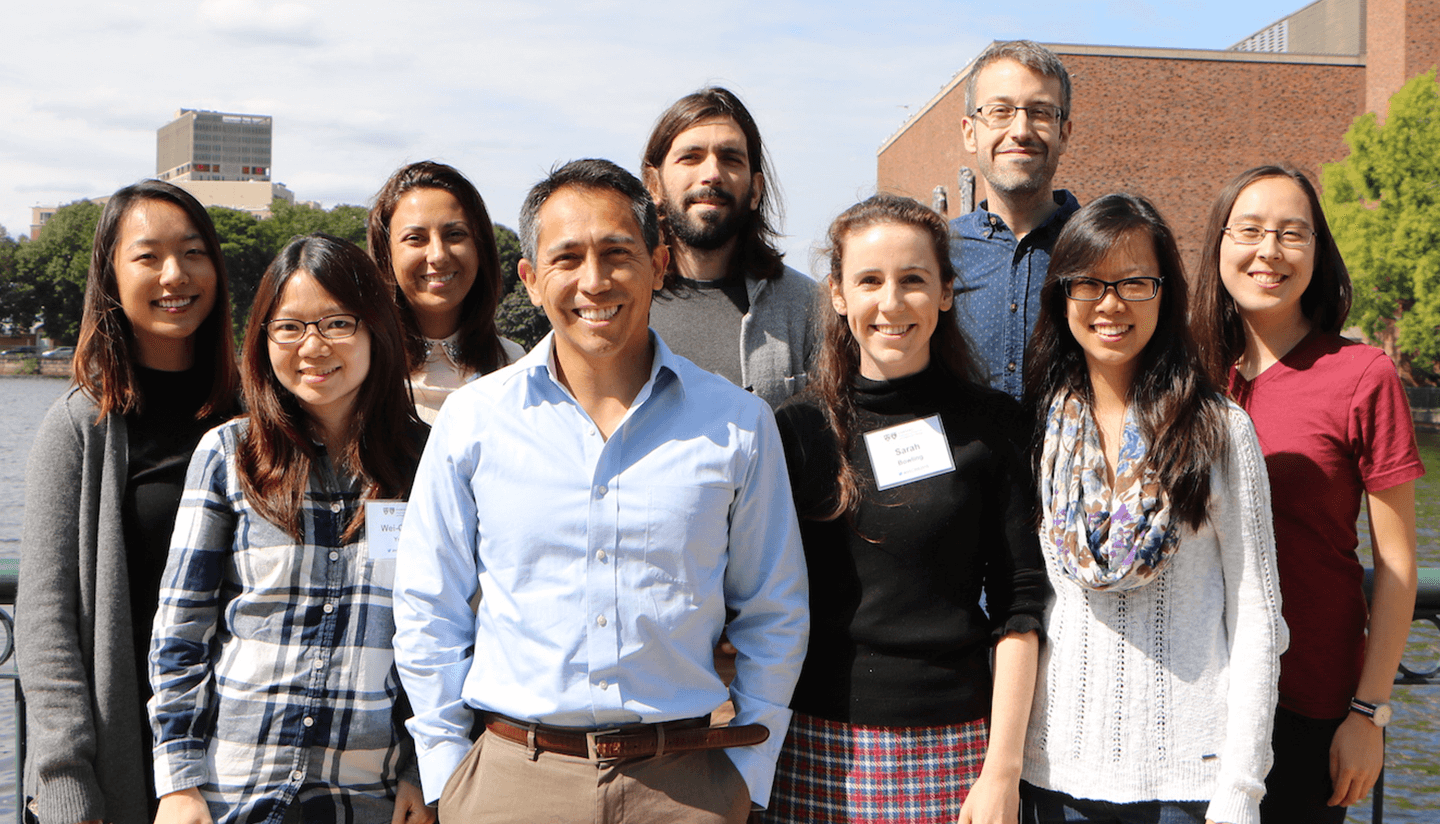
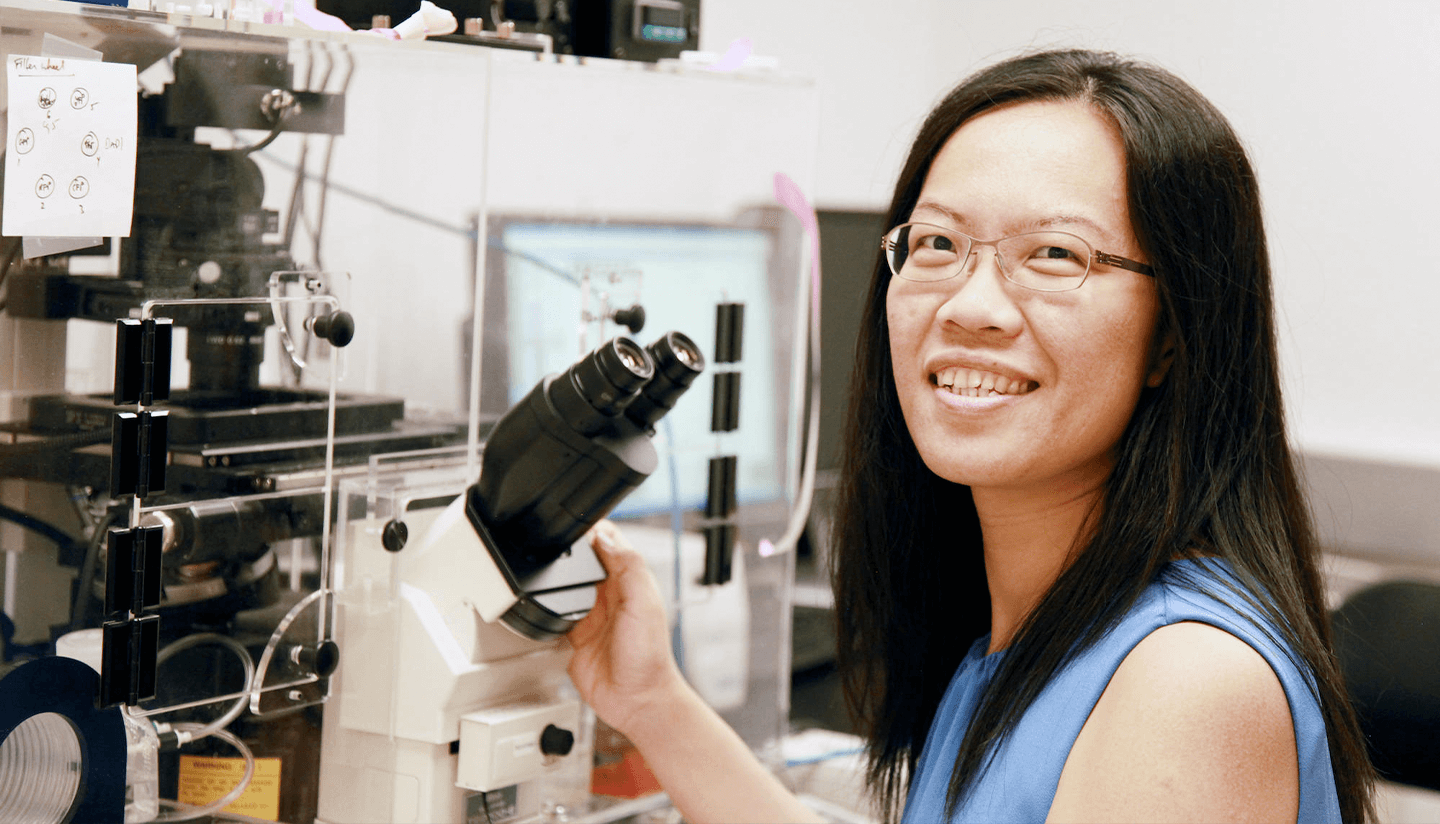
Ya-Chieh Hsu is Professor of Stem Cell and Regenerative Biology at Harvard University, a Principal Faculty Member at the Harvard Stem Cell Institute, and an associate member of the Broad Institute. She leads the Hsu Laboratory, which focuses on understanding the principles and molecular nature of cell-cell interactions governing development, regeneration, and injury repair using mammalian skin as a model system. Dr. Hsu completed her Ph.D. at Baylor College of Medicine, where she studied pathways controlling organ size using Drosophila as a model. For her postdoctoral research, she worked in Elaine Fuchs' laboratory at the Rockefeller University, where she delineated the lineage hierarchy of hair follicle cells and investigated how signals from stem cell progeny regulate hair follicle stem cells. Dr. Hsu's research centers on stem cell biology with particular emphasis on transit-amplifying cells. Her work has revealed how these cells function as key communicators between stem cells and their niche, coordinating tissue production and regeneration. She discovered that hair follicle transit-amplifying cells secrete Sonic Hedgehog to promote dermal adipocyte precursors to make more adipocytes, enabling coordinated tissue growth during regeneration. Her research has important implications for understanding chemotherapy side effects and developing regenerative therapies. Dr. Hsu's publications demonstrate a consistent focus on stem cell niches and tissue regeneration, with increasing exploration of stress responses, metabolic regulation of stem cells, and neuro-dermal interactions in recent years. She has pioneered approaches to studying cell-cell communication in complex tissue environments, moving from basic developmental biology toward translational applications. Pew Biomedical Scholars Award Smith Family Award for Excellence in Biomedical Research Basil O'Connor Starter Scholar Award Smith Family Foundation Odyssey Award American Cancer Society Research Scholar Award Harvard's Roslyn Abramson Award for excellence and sensitivity in undergraduate teaching Dr. Hsu is an active mentor who emphasizes finding compatible team members with an adventurous spirit. She serves as associate director of the Developmental and Regenerative Biology (DRB) program in the Biological and Biomedical Sciences (BBS) PhD program and participates in multiple PhD programs across Harvard. Her teaching includes courses such as 'From Cells to Tissues, in Sickness and in Health' and 'Critical Analysis and Experimental Approaches in Developmental Biology,' where she emphasizes primary literature and hands-on laboratory experiences. The Hsu Laboratory, established in 2014, has grown from an initially empty space into a thriving research environment. Dr. Hsu emphasizes that the first group of lab members set the tone for the lab culture and helped her become a better mentor. The lab takes a multidisciplinary approach, combining genetic, molecular, and imaging techniques to study the mammalian skin system with its diverse cell types and multiple populations of somatic stem cells.
Valerie Tornini is an Assistant Professor at the Department of Integrative Biology and Physiology and the Institute for Society and Genetics within the College of Letters and Science at the University of California, Los Angeles (UCLA). Her research bridges fundamental biological mechanisms with ethical frameworks to address developmental and regenerative biology. Education: Not explicitly stated in the text. Research Interests Dr. Tornini focuses on understanding molecular mechanisms governing cell identity and chromatin regulation in vertebrate development, particularly neural systems. Her work explores micropeptides encoded by long non-coding RNAs and their role in neurodevelopment , regeneration , and evolutionary innovation . She also investigates bioethical implications of biomedical research and advocates for diversity, equity, and inclusion in science. Publication Trends Her recent publications emphasize zebrafish models to study organ regeneration (heart, bone, fins), micropeptide functions , and genetic networks . Key themes include chromatin accessibility , cell proliferation dynamics , and ethical dimensions of translational research. Labs & Collaborations She leads the Tornini Lab at UCLA, collaborating extensively with researchers like AJ Giraldez and KD Poss . Her team utilizes genome engineering , single-cell technologies , and confocal imaging to decode gene regulatory logic in development.
Bambarendage Pinithi Upekka Perera is a Researcher at the University of Michigan School of Public Health , affiliated with the Environmental Health Sciences department and Environmental Epigenetics and Nutrition Lab . She holds a PhD in Biological Sciences from Louisiana State University (2016) and a BS in Biological Sciences from the University of New Orleans (2011). Her research focuses on environmental epigenetics, non-coding RNA (piRNA), genomic imprinting, and developmental toxicology. PhD, Biological Sciences, Louisiana State University, 2016 BS, Biological Sciences, University of New Orleans, 2011 Dr. Perera's work explores how environmental toxicants like lead , phthalates , and bisphenol A alter epigenetic mechanisms such as DNA methylation , histone modifications , and piRNA expression , linking these changes to human health outcomes like neurodevelopmental disorders and late-onset diseases . Her recent publications highlight tissue- and sex-specific epigenetic responses to developmental exposures. She is actively involved in teaching through courses like EHS 687/688: Environmental Health Sciences Professional Development and has secured NIH funding for projects on imprinted gene regulation by lead exposure . Dr. Perera collaborates with Dr. Dolinoy's team on applying piRNA-based tools for epigenome editing in environmental health.
Rosa Bacchetta is a Research Professor of Pediatrics at Stanford University, specializing in Stem Cell Transplantation and Regenerative Medicine. She is a member of multiple interdisciplinary institutes, including Bio-X, SPARK at Stanford, and the Maternal & Child Health Research Institute. Key research areas: Immunology, FOXP3 mutations, and IPEX syndrome. Develops curative strategies for autoimmune diseases through gene therapy, CRISPR-based editing, and epigenetic diagnostics. Active in translational medicine, with a focus on regulatory T cells (Tregs) and cellular therapies. Her publications highlight advancements in understanding immune dysregulation, Treg instability, and novel treatments for rare pediatric disorders. She contributes to clinical trials targeting IPEX syndrome and αβ-depleted HSCT.
Crystal Mackall is the Ernest and Amelia Gallo Family Professor at Stanford University, holding dual appointments as Professor of Pediatrics and Medicine. She serves as Founding Director of the Stanford Center for Cancer Cell Therapy, Director of the Parker Institute for Cancer Immunotherapy at Stanford, and Leader of the Cancer Immunology and Immunotherapy Program at the Stanford Cancer Institute. Member, Bio-X Member, Maternal & Child Health Research Institute Member, National Academy of Medicine Her research focuses on advancing T cell-based immunotherapies for pediatric and adult cancers through: Basic immunology studies of T cell exhaustion Development of novel CAR T-cell platforms Targeting tumor microenvironment barriers Synthetic biology applications for cell engineering Key clinical trials include GD2-CAR for diffuse intrinsic pontine glioma (NCT04196413) and CD22-CAR as salvage therapy for CAR19-resistant leukemias. Her work has demonstrated regional CNS delivery superiority and developed inducible CAR platforms. Scientific honors include: Lloyd Old Award (2025) Edward Netter Leadership Award (2023) Nobility in Science Award (2022) Richard V. Smalley Award (2021) She has advised numerous doctoral and postdoctoral researchers while leading industry partnerships with co-founded companies like Lyell Immunopharma and ACCESSforKIDS, a nonprofit for pediatric cell therapy commercialization.
Maziar Divangahi is a Senior Scientist at the Research Institute of the McGill University Health Centre (RI-MUHC) and Professor in the Department of Medicine at McGill University's Faculty of Medicine and Health Sciences. He also holds the Strauss Chair in Respiratory Diseases and serves as Associate Director of the McGill International TB Centre. His research focuses on the interplay between innate and adaptive immunity in pulmonary infections like influenza and tuberculosis. Education: BSc in Biology, McMaster University (2000) PhD in Immunology, McGill University (2005) Postdoctoral Fellowships: Infectious Diseases (McMaster, 2007), Innate Immunity (McGill, 2008), Macrophage Death (Harvard, 2010) His work explores host defense mechanisms balancing pathogen elimination with tissue preservation, trained immunity via hematopoietic stem cells, macrophage cell death programs , and metabolic regulation in infections . Recent publications highlight β-glucan's role in reprogramming immunity, BCG vaccine's cross-protection against influenza, and epigenetic rewiring of immune memory. Scientific Recognition: CIHR-CTS Mid-Career Lecturer in Respiratory Sciences (2024) He leads the Divangahi Lab at Meakins-Christie Laboratories, RI-MUHC, mentoring graduate students and postdoctoral fellows while driving translational research in respiratory diseases.
Katherine Ann Gallagher is a Professor of Surgery and Professor of Microbiology and Immunology at the University of Michigan Medical School, where she holds the Leland Ira Doan Research Professorship in Vascular Surgery. She serves as Vice Chair of Basic and Translational Science in the Department of Surgery and Associate Chair of the Vascular Surgery Section. Dr. Gallagher is internationally renowned for her innovative translational research on epigenetic regulation of immune cells during normal and pathologic tissue repair and other cardiovascular disease processes. Her research spans: Epigenetic reprogramming of immune cells Molecular pathogenesis of wound repair Cardiovascular disease mechanisms Sepsis COVID-19 related vascular complications Her laboratory work at the Conrad Jobst Vascular Research Laboratories has established significant connections between epigenetic changes in immune cells and various disease states, with publications in high-impact journals including Cell Immunity, Journal of Experimental Medicine, and Proceedings of the National Academy of Sciences. Scientific Recognition Member, National Academy of Medicine Member, American Society of Clinical Investigation Member, American Surgical Association James IV International Scholar Distinguished Fellow, Society of Vascular Surgery Taubman Scholar 2024 Joseph A. Vita Award recipient from American Heart Association 2022 MICHR Mentor of the Year for translational science mentoring Dr. Gallagher is exceptionally well-funded with multiple R01 grants and support from organizations including the Doris Duke Charitable Foundation and Wylie Scholars. She serves as Chair of the BTSS NIH-study section and is an original member of the NIH-NIDDK Wound Consortium. As a dedicated mentor, she has trained numerous post-doctoral residents who have secured NIH funding and major society awards. Her laboratory, part of the Conrad Jobst Vascular Research Laboratories, focuses on advancing understanding of immune cell epigenetics in tissue repair and cardiovascular diseases, with implications for developing novel therapeutic approaches.
K-T Varley is an Associate Professor in the Department of Oncological Sciences at the University of Utah. Their research focuses on genomics, epigenetics, and gene regulation in breast cancer, with an emphasis on DNA methylation, biomarkers, and CRISPR technologies. Key research areas: Cancer Immunology, Epigenetic Mechanisms, Circulating Tumor DNA Using next-generation sequencing and bioinformatics, Varley’s lab explores how epigenetic dysregulation drives tumorigenesis and develops clinical tools for early detection and therapy response prediction. Their work includes: Identifying transcription factors critical for cancer progression Creating non-invasive biomarker tests for circulating tumor DNA Analyzing genomic signatures in clinical trials to optimize patient enrollment Recent publications highlight advancements in 3D genomic analysis, DNMT3A methylation dynamics, and precision oncology frameworks. Collaborations span clinical trials and translational studies in breast cancer subtypes.
Hui Zhang is an Instructor at the University of Colorado Anschutz Medical Campus within the School of Medicine and Pediatrics-Critical Care Medicine Department . With a dual MD/PhD credential, Zhang focuses on pulmonary hypertension pathophysiology through integrative studies of vascular cell biology, immunology, and metabolic reprogramming. Education: MD and PhD degrees, though specific institutions and years not explicitly stated Research Themes: Pulmonary hypertension mechanisms, fibroblast-immune cell cross-talk, epigenetic/metabolic regulation, and complement-driven inflammation Methodologies: Single-cell transcriptomics, metabolomics, animal models of hypoxia-induced PH Zhang's recent work examines fibroblast mitochondrial dysfunction via SIRT3 (2024), epigenetic regulation of miRNA-124 in vascular cells (2021), and drug synergy between HDAC inhibitors and sildenafil (2023). These studies reveal a consistent focus on metabolic reprogramming , complement activation , and epigenetic modifiers as therapeutic targets. Collaborations: Regularly works with Kurt R. Stenmark and Cheng-Jun Hu on pulmonary vascular disease projects. Key contributions appear in Circulation , Am J Respir Cell Mol Biol , and Frontiers in Immunology .
Santina Bruzzone is a Full Professor at the University of Genoa, affiliated with the Department of Experimental Medicine (DIMES) . She serves as a member of the CEBR - Center of Excellence for Biomedical Research and teaches courses in Biochemistry for multiple programs including Medical-Pharmaceutical Biotechnology and Bioengineering. Research Focus: NAD+ metabolism, neurodegeneration, and cancer therapeutics Key Contributions: Investigating NAD+ dysregulation in ALS and CD56's role in multiple myeloma treatment response Recent Work: Development of Pyrazolo[3,4-d]pyrimidine-based Sirtuin inhibitors Contact: santina.bruzzone@unige.it | Office: DIMES, Section of Biochemistry, Viale Benedetto XV, 1 (Genova)
Pierluigi Valente is an Associate Professor in the Department of Experimental Medicine (DIMES) at the University of Genoa. His academic appointment is in the BIOS-06/A - Physiology section, where he leads research and teaching activities focused on physiological mechanisms. Professor Valente teaches across multiple degree programs at the University, including: Physiology for Biomedical Engineering Neuroplasticity Laboratory for Biomedical Engineering Physiology of Nutrition for Biomedical Engineering Human Physiology for Dietetics Human Physiology 1 for Nursing Physiology and Laboratory for Doctors in Training for the Single-Cycle Master's Degree in Medicine and Surgery His research interests span multiple areas of physiology with a particular focus on neuronal function, brain plasticity, and cellular mechanisms. Professor Valente's work integrates molecular, cellular, and systems approaches to understand physiological processes, with applications in neurological disorders and disease modeling. His laboratory investigates: Mechanisms of neuronal differentiation and stem cell applications Sodium channel physiology and related channelopathies Structural and functional brain plasticity Nociception and sensory processing Metabolic regulation of neuronal activity Effects of nanomaterials on neuronal responses Professor Valente maintains an active research program with publications spanning neuroscience, cellular physiology, and molecular mechanisms. His recent work shows a strong emphasis on understanding neuronal plasticity mechanisms and their implications for neurological disorders. The research demonstrates interdisciplinary approaches combining molecular biology, electrophysiology, and advanced imaging techniques to address fundamental questions in neurophysiology. For academic inquiries, Professor Valente can be contacted at pierluigi.valente@unige.it . Office hours are by appointment via email.
Dr. Jeremy Rich serves as Professor of Neurology at the University of North Carolina at Chapel Hill within the Department of Neurology at the UNC School of Medicine, while concurrently holding leadership roles as Deputy Director for Research and Chief Scientific Officer at the UNC Lineberger Comprehensive Cancer Center. His academic foundation includes a Bachelor of Science from Washington University in St. Louis, Medical Doctorate and Master of Health Science from Duke University School of Medicine, Master of Business Administration from Baldwin Wallace University, plus clinical training comprising Internal Medicine Internship, Neurology Residency (including Chief Residency) at The Johns Hopkins Hospital, and Neuro-Oncology Fellowship with Clinical Research Training at Duke University Medical Center. Dr. Rich's research laboratory pioneers therapeutic paradigms for malignant brain tumors through cancer stem cell biology, investigating core regulatory pathways for pharmacologic targeting. His team systematically explores therapeutic resistance mechanisms, circadian rhythm disruptions in cancer, epigenetic and epitranscriptomic modifications, tumor microenvironment interactions, organoid/bioprinting models, and metabolic reprogramming to identify clinically actionable targets. Leading NIH-funded research, Dr. Rich leverages patient-derived tissues and cross-institutional collaborations to translate stem cell biology discoveries into clinical applications. His leadership at UNC Lineberger drives strategic scientific initiatives while mentoring research teams focused on accelerating brain cancer therapeutics development through interdisciplinary innovation.
Archibald S. Perkins is a Professor in the Department of Pathology and Laboratory Medicine at the University of Rochester School of Medicine and Dentistry. He specializes in clinical hematopathology and molecular mechanisms of leukemias, particularly acute myeloid leukemia (AML), focusing on the role of the EVI1 locus in leukemogenesis. Education: MD from Columbia University College of Physicians & Surgeons (1986) Training: Residency and Fellowship at Brigham & Women's Hospital and NCI/NIH Dr. Perkins investigates EVI1's role in hematopoiesis, leukemic stem cell maintenance, and therapeutic interventions. His work spans mouse models , chromatin interactions , and protein-protein networks . Recent research trends involve transcriptional reprogramming in AML, hematopoietic stem cell dynamics , and targeted therapy development , reflecting his expertise in EVI1 signaling and myeloid malignancies . Scientific Honors: Phi Beta Kappa (1979) Sigma Xi (1979)
David Humphreys is a Senior Scientist and bioinformatician at the Victor Chang Cardiac Research Institute, affiliated with the University of New South Wales. He manages the Genomics and Bioinformatics Core Facility, specializing in high-throughput sequencing data generation and analysis. Dr. Humphreys holds a Bachelor of Science (Honours, 1994) and Doctor of Philosophy in Biological Sciences (1999). His primary research focuses on bioinformatics, transcriptomics, microRNAs, and congenital heart disease, with expertise spanning genomics, gene expression analysis, and epigenetics. He maintains active collaborations with faculty at the Victor Chang Institute and cardiologists at St Vincent's Hospital, employing RNA-Seq and exome/genome sequencing techniques. Dr. Humphreys has received notable scientific awards including the 2019 ABACBS Professional Bioinformatician award, 2015 NHMRC reviewer recognition, and multiple best presentation awards. His recent publications demonstrate a strong focus on cardiac development, genetic disorders, computational biology, and novel methodologies in genomics. As manager of the Genomics Core Facility, he oversees laboratory operations for sequencing library preparation and provides bioinformatics support for diverse research projects. His work bridges molecular biology and computational analysis to advance understanding of cardiovascular diseases and developmental disorders.