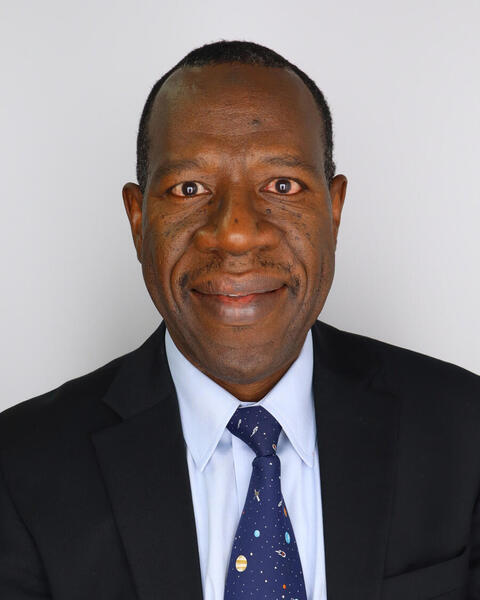
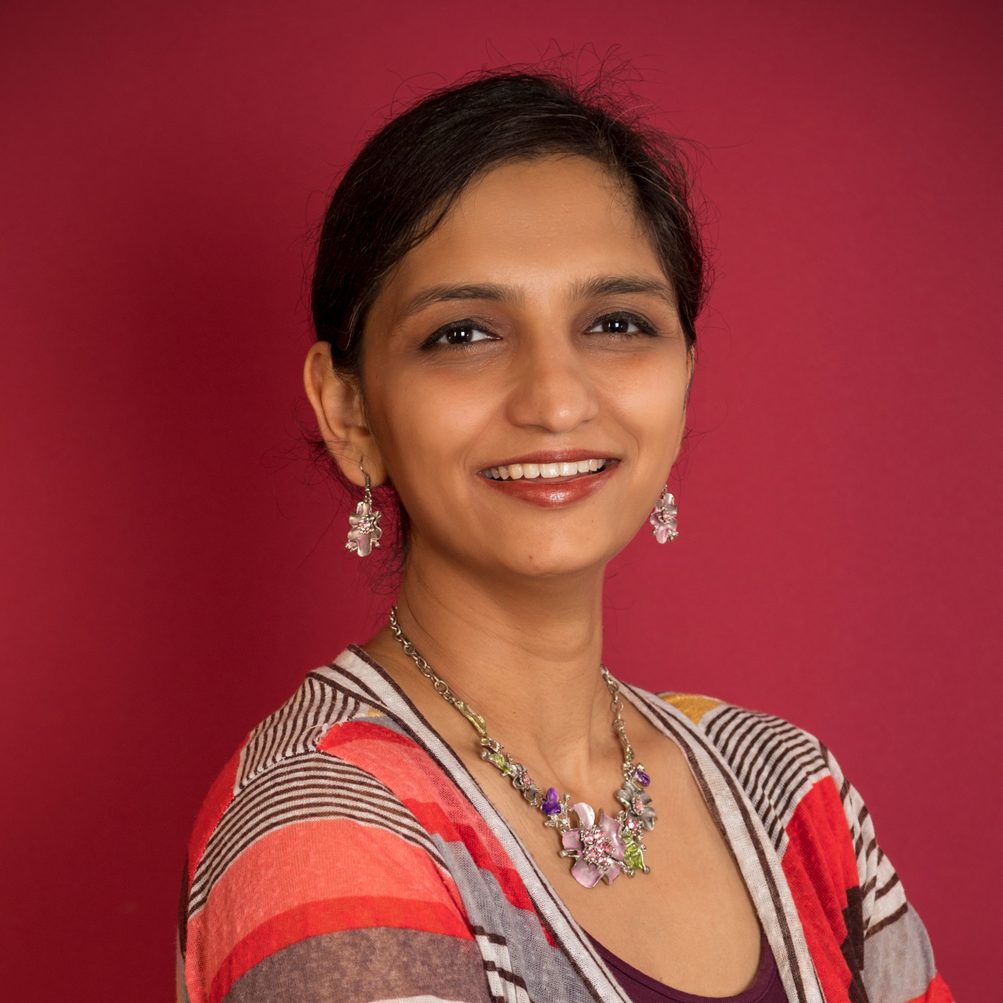
Sanjiv Sur, M.D. is a Professor and Director of the Allergy and Immunology Clinic at Baylor College of Medicine. He holds the Nancy Chang Endowed Chair in the Biology of Inflammation Center. His academic roles include leadership in clinical and research programs focused on allergic diseases, immunology, and inflammation. Sur completed his medical training at the University of Maryland and advanced clinical fellowships in allergy & immunology at National Jewish Health and a research fellowship in immunology under Gerald Gleich at the Mayo Clinic. His research integrates molecular mechanisms of asthma pathogenesis, DNA repair pathways (e.g., NEIL2 enzyme), and environmental allergen interactions. Key contributions include identifying the role of cytosolic DNA sensors in allergic inflammation and the protective function of NEIL2 in SARS-CoV-2 infection. Sur also pioneered the use of CXCR1/2 inhibitors to target Th2/Th17-driven asthma and developed novel therapeutic strategies using DNA repair enzymes. Grant highlights include NIH-funded studies on DNA interactomes in asthma (NHLBI 1RO1 HL14547) and DoD-sponsored projects on innate immune recognition of DNA. He established the Allergy-Immunology clinic at Baylor's McNair Campus, providing specialized care for asthma, immunodeficiencies, and allergic disorders. Sur founded the Biology of Inflammation Center's immunology curriculum and chairs the International Eosinophil Society.
Dr. Abba C. Zubair is a Professor of Laboratory Medicine and Pathology at Mayo Clinic's Florida campus, leading the Stem Cell Therapy Laboratory for over two decades. His work bridges transfusion medicine , regenerative biotherapeutics , and space biology to address age-related diseases and degenerative conditions. Education highlights: PhD in Tumor Immunology from University of Sheffield MSc in Clinical Science at Harvard Medical School Residency in Pathology at University of Pennsylvania Research focuses: Mesenchymal Stem Cells (MSCs) : Neuroprotective mechanisms via IL-6/VEGF signaling, 3D bioreactor expansion, and spaceflight adaptation Extracellular Vesicles (EVs) : Clinical-grade manufacturing and mRNA engineering Clinical Translation : Pioneering MSC delivery through external ventricular drains for intracerebral hemorrhage Scientific recognition: NASA's Exceptional Scientific Achievement Medal for space-based stem cell research Kirschstein NRSA fellowship AACR Scholar Award Clinical contributions: Principal Investigator for two Phase 1 trials on MSC therapy for bronchiolitis obliterans and ICH Director of Transfusion Medicine Service and Stem Cell Processing Laboratory at Mayo Clinic Florida
Venizelos Papayannopoulos serves as Principal Group Leader at The Francis Crick Institute in London, UK, specializing in immunology and molecular mechanisms of inflammation. His research group focuses on neutrophil biology and the role of these immune cells in infection defense and inflammatory diseases. His educational background includes a BA from Rutgers University (1998), a PhD from the University of California San Francisco (2004), and postdoctoral training at the Max Planck Institute for Infection Biology in Berlin (2006). He served as Program Leader at the Medical Research Council National Institute for Medical Research before joining The Francis Crick Institute as Group Leader in 2015. Dr. Papayannopoulos's research centers on neutrophil extracellular traps (NETs) and their dual role in immune defense and inflammatory pathology. His work investigates how neutrophils distinguish pathogens, engage appropriate antimicrobial mechanisms, and communicate with other immune cells. His laboratory has made significant contributions to understanding NET formation, function, and clearance in various disease contexts. His publication record spans high-impact journals including Nature Immunology, Nature Communications, Immunity, and Cell Reports, with research spanning immunology, infectious disease, and cellular mechanisms. Recent work has expanded into clinical applications, particularly regarding NETs in severe infections like COVID-19 and connections between neutrophil activity and chronic inflammatory conditions. His laboratory collaborates extensively across The Crick Institute, working with experts in structural biology, chemical biology, proteomics, light microscopy, flow cytometry, and computational approaches to address complex questions in neutrophil biology.
Mona Batish is an Associate Professor in the Medical & Molecular Sciences department at the University of Delaware's College of Health Sciences. Her research focuses on RNA biology, particularly exploring RNA processing, transport, and localization in health and disease. She investigates the role of coding and non-coding RNAs as diagnostic biomarkers, with a current emphasis on Ewing’s Sarcoma, a pediatric bone cancer. Her work integrates single-molecule imaging and molecular tools to study RNA dynamics. Dr. Batish holds a BSc (Honors), MSc (Honors), and PhD from Panjab University and Rutgers University, respectively. She leads the Batish Lab, which collaborates widely to advance understanding of RNA regulation and EV-mediated communication. Notable achievements include the NIH Director’s Early Independence Award (2012) and tenure (2022). Her research spans RNA trafficking in extracellular vesicles, development of diagnostic assays, and molecular mechanisms of cancer progression. Recent projects include studies on circRNAs in cerebral palsy and HIV-associated RNA packaging. She actively mentors students and contributes to initiatives like the STAR Tower research hub.
Dr. Aladdin Shadyab is an Associate Professor of Public Health, Human Longevity Science, and Medicine at the University of California San Diego, with a joint appointment in the Herbert Wertheim School of Public Health and Human Longevity Science and the Division of Geriatrics, Gerontology, and Palliative Care, Department of Medicine. He is a leading researcher in the epidemiology of aging and longevity with extensive expertise in multi-omics approaches to studying healthy aging. PhD in Epidemiology, University of California, San Diego (2016) MS in Bioinformatics and Medical Informatics, San Diego State University (2012) MPH in Epidemiology, San Diego State University (2010) BS in Biochemistry, San Diego State University (2008) Dr. Shadyab's research focuses on the epidemiology of aging, exceptional longevity, women's health, geroscience, and multi-omics. His seminal work has identified risk factors for major chronic conditions of aging including cardiovascular disease, diabetes, dementia, hip fracture, and cancer, as well as determinants of exceptional longevity and exceptionally healthy aging. He has made significant contributions to identifying aging biomarkers for healthy aging outcomes. His research on longevity has received national and international recognition in prominent media outlets including TIME, Reuters, The Washington Post, and BBC. Dr. Shadyab's extensive publication record includes over 300 papers in prestigious journals such as JAMA, JAMA Internal Medicine, Alzheimer's & Dementia, and the Journal of the American Geriatrics Society. His work spans multiple domains including genetic epidemiology of longevity, cognitive aging, women's health across the lifespan, dietary influences on aging, and biomarker discovery for age-related conditions. A significant portion of his recent work leverages data from the Women's Health Initiative to examine relationships between biological aging markers, chronic disease risk, and longevity outcomes. Journal of Gerontology: Biological Sciences 2025 Associate Editor Alzheimer's & Dementia 2025 Top Viewed Articles Journal of Gerontology: Medical Sciences 2023 Editor's Choice Manuscript Journal of the American Geriatrics Society 2023 Highest Altmetrics Score Award Longevity.International 2022 Longevity Leader in Research and Academia San Diego State University 2016 Delta Omega Honorary Society in Public Health As Principal Investigator, Dr. Shadyab leads several multi-million-dollar population-based studies focused on examining the role of biological aging in the etiology of Alzheimer's disease and cognitively healthy longevity. He serves as PI on multiple NIA-funded R01s to identify epigenetic and proteomic biomarkers for mild cognitive impairment, Alzheimer's disease, cognitively healthy longevity, and brain aging. He is also an investigator at the Alzheimer's Disease Cooperative Study, participating in randomized controlled trials for Alzheimer's disease. Dr. Shadyab has received numerous research grants totaling several million dollars to support his work on aging and longevity. Dr. Shadyab has played a key leadership role in shaping the strategic planning process for the new Herbert Wertheim School of Public Health and Human Longevity Science at UCSD. He serves in several local and national leadership positions, including as Co-Chair of the Women's Health Initiative COVID-19 Scientific Interest Group and on committees for the Gerontological Society of America. He is recognized as one of the world's leaders in longevity research by Longevity.International.
Prof. Gabriele Pradel is a University Professor at RWTH Aachen University specializing in malaria research. Her work focuses on the molecular biology of Plasmodium falciparum, including mechanisms of host cell invasion, chromatin regulation, and parasite transmission. Institution: RWTH Aachen University Email: pradel@bio2.rwth-aachen.de Research Interests: • Malaria pathogenesis and transmission • Parasitic protein interactions • Epigenetic regulation in Plasmodium Recent Article Trends: Recent publications emphasize antimalarial drug development (e.g., synthetic alkaloid analogs), chromatin modulation networks (SET10 methyltransferase), and host-parasite interactions involving complement evasion and plasma proteins. Studies on gametocyte egress and LCCL domain proteins highlight transmission biology.
Joel Parker, PhD, is an Adjunct Associate Professor in the Department of Genetics at the UNC School of Medicine, University of North Carolina at Chapel Hill. His research focuses on cancer genomics, particularly in breast cancer subtyping, biomarker development, and precision medicine. He leads studies on genetic and transcriptomic profiling to predict treatment responses and clinical outcomes in oncology. His work integrates liquid biopsy technologies, immune signatures, and genomic assays like HER2DX and TNBC-DX to improve diagnostic and therapeutic strategies. Key research areas include: Genetic drivers of therapeutic resistance in breast cancer Single-cell epigenetic and transcriptomic analysis of tumor heterogeneity Multimodal biomarker validation for personalized cancer care Immune microenvironment correlates in tumor progression Recent publications (2024-2025) emphasize: Validation of HER2DX and TNBC-DX genomic assays in clinical trials Plasma-based prediction of metastatic breast cancer outcomes Epigenetic mechanisms in melanoma and lymphoma Racial disparities in basal-like breast cancer prognosis Collaborations include the Sweden Cancerome Analysis Network (SCAN-B) and trials like NeoALTTO and TNT. No specific grants or awards are explicitly listed, though his work aligns with UNC’s broader oncology research initiatives.
Remo Rohs is a tenured Professor of Quantitative and Computational Biology, Chemistry, Physics and Astronomy, Computer Science, and Biomedical Engineering at the University of Southern California Dornsife College. He leads the Rohs Lab, focusing on integrating genomics and structural biology to uncover molecular mechanisms in gene regulation. Chair, Department of Quantitative and Computational Biology (2021–2024) Section Head, Quantitative and Computational Biology (2018–2020) Full Professor with Tenure at USC (2016–present) Research Interests center on: Computational structural biology DNA shape prediction Protein-DNA recognition mechanisms Epigenetic effects on binding specificity RNA structure modeling High-throughput genomic analysis His work combines artificial intelligence , molecular simulations , and experimental validation to study transcription factors and chromatin structure. Recent publications highlight deep learning methods for DNA/RNA structure prediction and database development for molecular interactions. Scientific Awards include: Sloan Research Fellowship (2013–2017) Multiple RECOMB/ISCB Top-Paper Awards (2012–2017) American Chemical Society OpenEye Outstanding Junior Faculty Award (2015–2016) USC Mentoring Award (2015–2016) He has supervised 13 PhD graduates and published 92+ peer-reviewed papers . His lab develops tools like DNAproDB and TFBSshape for structural analysis of nucleic acid complexes.
Dr. Francesca Tuorto is a Professor at the Department of Biochemistry, Mannheim Medical Faculty of Heidelberg University. Her research focuses on RNA epigenetics and tRNA modifications, particularly the roles of 5-methylcytidine and queuosine in protein synthesis regulation. She uses Caenorhabditis elegans and Mus musculus as model organisms to study how tRNA modifications impact development and physiology. Key Projects: Queuosine’s role in sex-dependent learning 5-methylcytosine’s role in stress adaptation Computational tools for ribosome profiling (RiboVIEW) Techniques: Ribosome profiling, CRISPR-based knockout models, mass spectrometry Her work bridges molecular mechanisms of RNA modifications with organismal biology, emphasizing translational control and disease relevance.
Dr. Nabil Killiny serves as an Associate Professor in Plant Pathology at the University of Florida's Citrus Research and Education Center (CREC), part of the Institute of Food and Agricultural Sciences (UF/IFAS). His research program focuses on elucidating the molecular mechanisms of pathogen-vector interfaces, with particular emphasis on citrus diseases including the devastating Huanglongbing (citrus greening). Dr. Killiny's research spans multiple dimensions of plant-pathogen-vector interactions. His laboratory investigates the complex molecular relationships between plant pathogens and their insect vectors, examining circulative systems like Spiroplasma citri/Circulifer haematoceps, Xylella fastidiosa/Graphocephala atropunctata, and Candidatus Liberibacter asiaticus/Diaphorina citri. His work integrates metabolomics, transcriptomics, and molecular techniques to characterize how pathogens colonize vectors and move between hosts. Current research directions include RNA interference applications for vector control, plant defense mechanisms involving metabolites like gamma-aminobutyric acid (GABA) and melatonin, and genetic approaches to enhance citrus resistance. Analysis of Dr. Killiny's recent publications (2023-2024) reveals a strategic multi-pronged approach to combating citrus greening disease. His team is simultaneously investigating molecular targets for disrupting pathogen transmission, developing RNA interference-based control methods for the Asian citrus psyllid vector, characterizing plant defense responses, and exploring genetic modifications to improve citrus resilience. A notable trend is the focus on understanding how metabolic pathways like the GABA shunt contribute to plant defense against pathogens. Dr. Killiny actively mentors the next generation of plant pathologists, currently supervising PhD students Brad Dawson and Yagyaraj Joshi, along with postdoctoral researchers Lamiaa Mahmoud, Yasser Nehela, and Tejbhan Saini. His laboratory operations are supported by lab managers Shelley Jones and Lorraine Jones. His research program is funded through multiple grants addressing critical challenges in citrus production, particularly focused on sustainable solutions for Huanglongbing management. In addition to his research leadership, Dr. Killiny contributes to academic instruction through courses including PLP 5115C Citrus Pathology and PLP 6245 Fastidious Bacteria and Plant Diseases. He also serves in editorial capacities for publications related to plant bacterial pathogens and their insect vectors, reflecting his standing as a thought leader in the field of vector-pathogen interactions.
Dr Marion Boudes is a Research Fellow at Monash University in the Biochemistry & Molecular Biology department. Her expertise spans Cryo-EM , X-ray crystallography , SAXS , and protein biochemistry , focusing on the structure and dynamics of protein complexes in genome regulation . Dr Boudes earned her PhD in Structural Biology (2008-2011) from University Paris-Sud , studying transcription activators in bacterial pathogens . She later joined the Structural Virology Laboratory at Monash under Associate Professor Fasséli Coulibaly , where she pioneered in cellulo crystallography . Since 2017 , she has worked with Dr Dominika Elmlund and Dr Hans Elmlund , mastering single-particle cryo-EM and innovating sample stabilization methods . Dr Boudes' research integrates structural biology with functional studies, targeting genome regulation and transcription biochemistry . Her work on chromatin condensates and epigenetic mechanisms has advanced understanding of MLL leukemia and viral protein stability . Articles highlight applications of Cryo-EM , X-ray crystallography , and protein engineering across structural biology , oncology , and enzymology . Scientific awards include a Senior Postdoctoral Fellowship (2019) from the Faculty of Medicine, Nursing & Health Sciences (FMNHS). She accepts PhD students and maintains active collaborations in SARS-CoV2 and type 1 diabetes research.
Tom Sizmur is a Professor at the University of Reading, specializing in soil science, environmental toxicology, and biogeochemical processes. His research focuses on soil microbial dynamics, biochar applications for contaminant remediation, mercury cycling, and the ecological impacts of earthworms on heavy metal mobility. Key Research Areas: Biochar for soil recovery, nitrogen and carbon cycling, earthworm-plant-soil interactions, and floodplain/marine ecosystem health. Recent Publications (2022–2025): Sizmur's work examines how biochar and organic amendments immobilize heavy metals in contaminated soils, the role of soil microbial biomass in nitrogen retention from anaerobic digestate, and the influence of climate factors like temperature oscillations on soil respiration and microbial activity. He investigates microplastic fibers as mercury vectors and evaluates sustainable farming practices such as Zero Budget Natural Farming in India. Collaborative Efforts: Sizmur collaborates with international researchers on topics spanning cocoa agroecosystems, heathland restoration, and pollutant source diagnostics in marine sediments. His studies often integrate multidisciplinary approaches to address soil fertility, contaminant management, and ecosystem sustainability.
Dr. Annalisa Paolino is a Postdoctoral Research Fellow at the Queensland Brain Institute (QBI), University of Queensland. Her research focuses on understanding the molecular and evolutionary mechanisms underlying brain development, with particular emphasis on cortical circuit formation and comparative neurobiology across mammals. She employs advanced genetic and transcriptomic techniques in both eutherian and marsupial models. Her work integrates developmental neurobiology, evolutionary biology, and molecular genetics to explore how conserved and divergent genetic programs shape cortical architecture and connectivity. Key themes include the timing of developmental processes, the evolution of interhemispheric brain connections, and the role of transcriptional networks in neuronal projection patterning. Dr. Paolino's recent studies highlight species-specific adaptations in corticothalamic pathways and the emergence of region-specific cortical activity patterns during early ontogeny. Her findings contribute to understanding both normal brain development and potential mechanisms underlying neurodevelopmental disorders.
Yi Chen is an Assistant Professor of Economics at Cornell University's College of Arts and Sciences. He holds a Ph.D. in Economics from Yale University (2018), with earlier degrees including a B.S. and B.A. from Peking University (2009), and multiple advanced degrees from Yale (2016-2018). His research focuses on information economics, integrating theoretical and applied approaches to principal-agent problems, dynamic games, and information design. He also explores interdisciplinary topics in molecular biology and genetics, including RNA-mediated epigenetic regulation and chromatin architecture. His work spans economics and biological sciences, with notable contributions to understanding Polycomb repressive complex 2 (PRC2) function in stem cells, RNA-dependent chromatin interactions, and CRISPR-based mutagenesis techniques. Recent research highlights include studies on H3K27 methylation dynamics and the role of noncoding RNAs in transcriptional regulation. While no formal advising roles or grants are listed, his research intersects economics theory with molecular mechanisms, reflecting a unique interdisciplinary perspective. No specific lab affiliations or teams are mentioned in the provided materials.
Lomeli C. Shull is an Assistant Professor of Biology at the University of New Mexico. Her research investigates epigenetic regulation of neural crest development and craniofacial formation using zebrafish and mouse models. She received NIH funding including a K99/R00 Pathway to Independence Award. Research Focus: Dr. Shull studies how chromatin remodelers control gene expression during embryonic development. Her work examines PRDM paralogs, histone modifiers, and Wnt/β-catenin signaling in cartilage/bone differentiation and craniofacial patterning disorders. Awards: NIDCR K99/R00 Pathway to Independence Award (2022) Developmental Biology Best Paper Runner Up (2020) Ruth L. Kirschstein NIH Postdoctoral Fellowship (2019) ASBMR Young Investigator Award (2016)