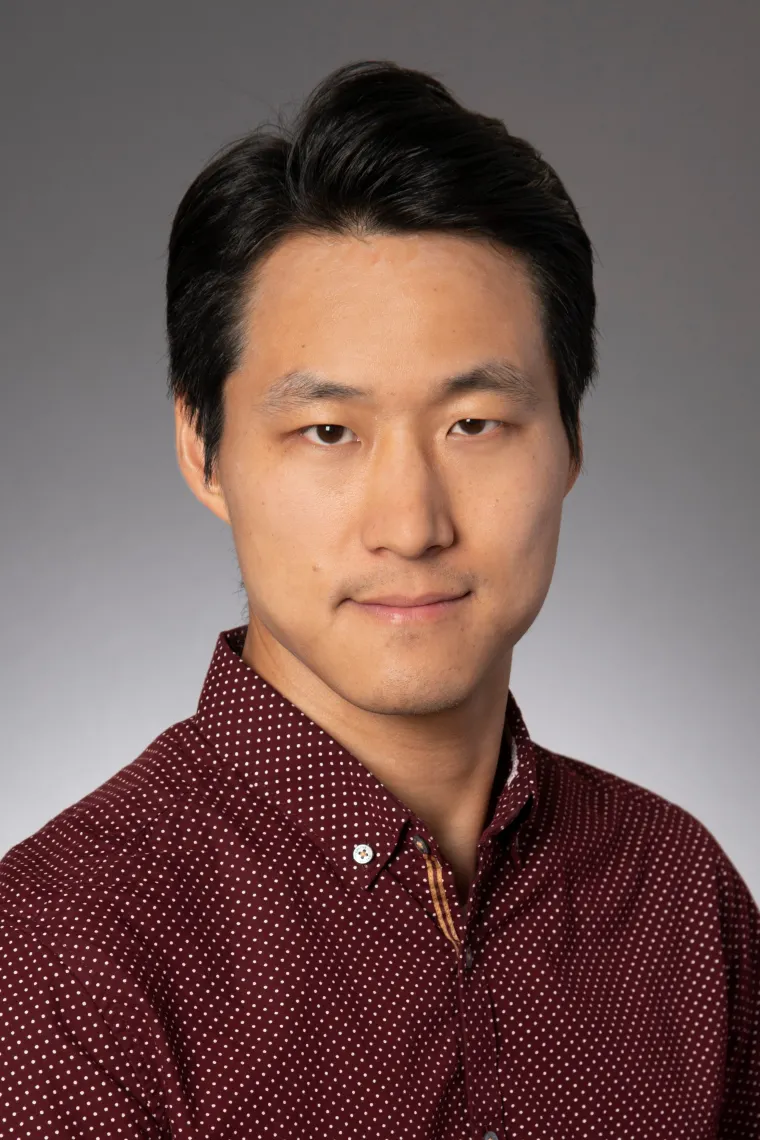
Kwang-Sung Jun is an Assistant Professor at the University of Arizona, Department of Computer Science. His research spans interactive machine learning, reinforcement learning, and learning theory, with a focus on multi-armed bandits, Bayesian optimization, and generalized linear models. Education : Ph.D. in Computer Science from the University of Wisconsin-Madison (2015). Research Trends : Kwang-Sung's recent work (2023-2025) emphasizes bandit algorithms with second-order bounds, adaptive experimentation, and PAC-Bayes frameworks. He explores low-rank structures in regression, explainable reward shaping, and environmental risk modeling via probabilistic assessments of postfire debris-flows. His publications often bridge theoretical guarantees (e.g., regret bounds) with practical applications in machine learning and environmental hazards. Expertise : Interactive machine learning Multi-armed bandits Confidence sequences Reinforcement learning Human-machine hybrid systems
Assoc Prof Ng Teng Yong is an Associate Professor at the School of Mechanical & Aerospace Engineering (NTU), specializing in numerical modeling and simulation. With a background as Research Manager at A*STAR Institute of High Performance Computing, his work spans materials science, nanotechnology, and aerospace engineering. Current focus on graphene-based desalination membranes Expertise in molecular dynamics simulations Investigates nanoscale fluid mechanics and structural dynamics Recent publications highlight advancements in energy-efficient electrodialysis, smart robotics, and nonlinear vibration analysis. His interdisciplinary approach integrates computational methods with experimental validation in additive manufacturing and soft material mechanics.
Tracy Charlotte Young is a Senior Lecturer at the Faculty of Education, Southern Cross University (SCU), serving as Course Coordinator for Early Childhood Programs at the Melbourne Campus. With over 30 years of experience as an environmental educator, early childhood teacher, and tertiary educator in Initial Teacher Education, her career bridges research, pedagogy, and advocacy. Education: PhD (2019), Master of Education (2010), Bachelor of Education (1998), Graduate Diploma of Child Development (1991). Research: Focuses on child-animal relations, multispecies education, and environmental education through critical posthuman and post-qualitative lenses. Teaching: Covers philosophy (ecological ethics, Indigenous perspectives), ecology (sustainability pedagogies), and leadership in early childhood education. Supervision: Available for Masters and Doctoral projects in early childhood education, multispecies inquiry, and posthuman theories. Contact: Located at 108 Lonsdale Street, Melbourne 3000; email tracy.young@scu.edu.au. Research Impact: Her work integrates early childhood education with multispecies interactions, challenging traditional human-centric pedagogies and expanding ecological ethics in educational frameworks.
Lars Eriksson is a researcher at the Department of Chemistry, Stockholm University, affiliated with the Faculty of Science. He is part of Gunnar Svensson's group, which focuses on solid-state inorganic chemistry, including the synthesis of energy-related compounds and their crystal structure analysis. Research interests span inorganic chemistry, solid-state chemistry, crystallography, energy applications, organic synthesis, catalysis, and chemical education. His work bridges experimental and computational approaches, with recent publications exploring molecular design for energy storage, asymmetric synthesis, triplet-to-singlet energy transfer, and pedagogical strategies in chemistry education. Trends in his research highlight applications in materials science, environmental chemistry, and educational methodologies. While no formal scientific awards are mentioned in the provided texts, his contributions include collaborative studies on catalysis, molecular structure, and student learning processes. He has no listed grants or students, but his publications emphasize tutor-student interactions and practical epistemology analysis. The research group he belongs to investigates fundamental properties of synthesized compounds, often with energy-related applications, and maintains strong ties to the broader chemistry community through peer-reviewed publications and educational studies.
Professor Tomo Suzuki (Waseda University, Faculty of Commerce) holds a D.Phil. from Oxford University and has held academic positions at Oxford, London School of Economics, and Meiji University. His research spans Institutional Mechanism Design , Sustainability Management , and Mature Socio-Economy across Japan, India, and China. Former Oxford Professor with top academic awards (2008-2012) Advisor to Japanese Cabinet (2020-2023) and LDP Policy Committee Developed "One Additional Line" $2B/year system in India Lead author on 9 Scopus publications with 212 citations Research Focus : • Applied Institutional Design for mature economies • Distribution Statement (DS) for fair value allocation • Critique of shareholder-first capitalism Scientific Awards : Cosmo Awards for Research Excellence (1996, 2015) UK Research Assessment Exercise Top Score (2008) Oxford Executive MBA Outstanding Professor
Professor Mark Scott is a Full Professor of Planning and Dean of the School of Architecture, Planning and Environmental Policy at University College Dublin (UCD), where he has served since 2002. He is a leading scholar in rural planning and environmental policy with over 25 years of academic experience. His leadership roles include Dean (2020-2025), Head of School, and various subject leadership positions within UCD. Mark Scott earned his BSc, Diploma in Town Planning, and PhD in Environmental Planning from Queen's University Belfast. Prior to joining UCD, he worked at the University of Ulster and Queen's University Belfast, and also had planning practice experience. He has held visiting appointments at the University of Pisa and the University of New South Wales. His research focuses on the environmental and sustainability dimensions of spatial planning theory and practice, with specific expertise in rural planning, land-use governance, climate action, green infrastructure, and natural and built heritage. Professor Scott has published extensively in these areas with over 150 journal articles and book chapters, and has authored several influential books including 'Rural Planning Futures' (2025) and 'Postcapitalist Countrysides' (2025). His work demonstrates a strong focus on contemporary challenges in rural planning, climate adaptation, and sustainable development, bridging theoretical frameworks with practical policy applications. Professor Scott has received significant recognition for his contributions to the field: Elected Fellow of the Academy of Social Sciences (2024) Fellow of the Regional Studies Association Shortlisted for the Patsy Healey Award for Academic Excellence (2025) With research funding totaling approximately €6 million from various national and international sources, Professor Scott actively engages with policy and practice. He serves on the Board of the Heritage Council (2023-present), chairs the Historic Monuments Council in Northern Ireland (2025-30), and has advised numerous governmental bodies including Oireachtas Committees, the UK House of Lords, and the OECD. His leadership extends to editorial roles, having served as editor of Planning Theory & Practice (2008-2015 & 2018-2024) and currently on the editorial board of Town Planning Review. Professor Scott leads several significant research initiatives including the Wildfire Resilient Cultural Heritage project (funded by JPI Climate and JPI Cultural Heritage), CO-Bioecon (funded by Department of Agriculture, Food & Marine), and the Rural Planning in the 2020s project (funded by the Royal Town Planning Institute).
Yayue Pan is a Professor at the Department of Mechanical and Industrial Engineering, University of Illinois Chicago (UIC) , and serves as the Director of NASA MIRO Center for In-Space Manufacturing: Recycling and Regolith Processing (CISM-R2) . Her research focuses on advancing Additive Manufacturing (AM) technologies for applications in biomedical engineering , energy storage , and smart structures . Ph.D., Industrial and Systems Engineering, University of Southern California (2014) M.S., Mechanical Manufacturing and Automation, Zhejiang University, China (2010) B.S., Industrial Engineering, Zhejiang University of Technology, China (2007) Her work addresses technical challenges in AM such as multi-material printing , multi-scale fabrication , and field-assisted processes . Notable projects include: Development of electrostatically-assisted direct ink writing (eDIW) for high-speed, high-resolution printing Continuous projection stereolithography for rapid solid object manufacturing Acoustic field-assisted particle patterning for smart composites Light-curable hydrogels for corneal repair applications Her 15 most recent publications (2022–2025) span topics in: Multi-material AM (conductive polymers, hierarchical composites) Biomedical applications (soft robotics, corneal repair) Energy components (battery electrolytes, supercapacitors) Field-assisted processes (acoustic, electrostatic, magnetic) Scientific Awards : 2024 ASME Chao and Trigger Young Manufacturing Engineer Award 2022 UIC Researcher of the Year Rising Star Award 2020 ASME CIE TC Leadership Award 2019 UIC Outstanding Teaching Award 2017 SME Outstanding Young Manufacturing Engineer Award NSF REU Supplements (2023–2024) Advising : Mentored 24+ graduate/undergraduate researchers, including 17 NASA/GPIP interns. Former advisees hold academic positions at University at Buffalo and University of North Carolina at Charlotte , and industry roles at Apple , GE Healthcare , and ANSYS . Grants : Recipient of a $4.65M NASA grant and multiple NSF awards. Collaborations include Northwestern University, University of Michigan, and NASA centers.
Ashwani K. Gupta is a Distinguished University Professor at the University of Maryland, holding the Minta Martin Professorship in Engineering. He serves as Professor in the Department of Mechanical Engineering, Professor at the Institute of Physical Science and Technology, and Affiliate Professor in the Department of Aerospace Engineering. With over 45 years of experience in combustion engineering since graduating from Southampton University in 1970, Gupta has established himself as a leading authority in advanced combustion technologies. Dr. Gupta earned his Ph.D. from the University of Sheffield in 1973, followed by a D.Sc. from the same institution in 1986 and another D.Sc. from Southampton University in 2013. His academic journey includes six years at MIT as a research staff member and three years at Sheffield University as an independent research worker before joining the University of Maryland in 1983. Gupta's research focuses on revolutionizing combustion technology through innovations in swirl flows, high-temperature air combustion (HiTAC), and distributed combustion systems. His pioneering work on 'colorless distributed combustion' has enabled ultra-low emission combustion processes with significant applications in gas turbine engines and waste-to-energy conversion. His research spans biofuels, CO2 utilization, sulfur chemistry, waste conversion, and advanced laser diagnostics, addressing critical challenges in sustainable energy and environmental protection. Analyzing his recent publications reveals a strong emphasis on waste-to-energy conversion, biomass processing, and CO2-assisted technologies. Gupta's work demonstrates a clear trajectory toward sustainable energy solutions, with increasing integration of artificial intelligence for combustion optimization and emission control. His research bridges fundamental combustion science with practical engineering applications for cleaner energy systems. Among Gupta's numerous accolades are: Election to Fellowship of the Royal Academy of Engineering (2023) Honorary Fellowship of the Royal Aeronautical Society (2020) Recognition as one of the top 2% of scientists worldwide by Stanford University (2022-2024) Multiple prestigious medals from ASME and AIAA including the Soichiro Honda Medal (2018) and AIAA Air Breathing Propulsion Award (2014) Honorary doctorates from three international universities Gupta has secured substantial research funding throughout his career, resulting in over 850 technical papers, three books, 18 edited books, and 22 book chapters. He has delivered over 100 plenary/keynote/invited presentations at international conferences. His mentorship has shaped numerous graduate students who continue to contribute to the field of combustion engineering. Gupta directs the Combustion Laboratory at the University of Maryland, which serves as a hub for cutting-edge research in sustainable combustion technologies. The Combustion Laboratory, under Gupta's leadership, has become a center of excellence for advanced combustion research, particularly in distributed combustion systems, waste-to-energy conversion, and alternative fuels. The lab maintains strong collaborations with industry partners and international research institutions, facilitating technology transfer and practical implementation of research findings. Gupta's team employs state-of-the-art diagnostics and computational tools to advance fundamental understanding while developing practical engineering solutions for cleaner energy systems.
Annette Juul Vangsted serves as a Clinical Associate Professor in the Department of Clinical Medicine at the University of Copenhagen's Faculty of Health and Medical Sciences. Her clinical specialization is in Internal Medicine with a focus on Hematology, specifically multiple myeloma. Based at Blegdamsvej 9 in Copenhagen, she maintains an active research profile with 67 documented research outputs and extensive collaborations across Nordic countries and internationally. Dr. Vangsted's research primarily centers on multiple myeloma, with particular emphasis on genetic predisposition, treatment outcomes, epidemiological patterns, and bone disease management. Her work bridges clinical practice with genetic research, examining how genetic variants influence disease risk and progression. She investigates geographical variations in myeloma incidence and outcomes, as well as novel treatment approaches for elderly patients and those with specific genetic profiles. Analysis of her recent publications reveals a clear focus on multiple myeloma across several dimensions: genetic susceptibility (including large genome-wide association studies), treatment efficacy (particularly regarding bone disease management), epidemiological patterns across Nordic countries, and specialized care for elderly populations. Her collaborative approach is evident through numerous multi-center studies involving Nordic Myeloma Study Group and international research teams. Dr. Vangsted actively participates in clinical research through the Nordic Myeloma Study Group, contributing to registry studies and clinical trials that inform treatment guidelines for multiple myeloma. Her work has significant implications for understanding disease mechanisms and improving patient outcomes, particularly in the areas of genetic risk assessment and personalized treatment approaches. She maintains strong research collaborations across Denmark, Sweden, and international institutions, with particular focus on hematological malignancies. Her laboratory and clinical research team works within the Department of Clinical Medicine's hematology division, focusing on translational research that directly impacts clinical practice for myeloma patients.
Prof. Dr. Andreas Butz is a Full Professor and Chair for Human-Computer Interaction at the Department for Informatics, Ludwig-Maximilians-Universität München (LMU Munich). He leads the Media Informatics Group, focusing on innovative interaction techniques and interfaces in immersive environments like VR/AR, automotive systems, and smart spaces. His research emphasizes perceptual user interfaces, social robotics, and designing systems that balance invisibility with transparency. Key research areas include: Virtual/Augmented Reality interfaces for productivity and social interaction AI-driven decision support in safety-critical domains (aviation, healthcare) Haptic and wearable interaction technologies Automotive UI design for driver assistance systems Principles of explainable AI and human-AI collaboration His work bridges theory and practice through projects like: VR-based movement training systems AI trust calibration mechanisms Multi-modal interaction frameworks for automotive environments Systems for analyzing long-term music listening behavior Recent articles explore topics ranging from AI support in pilot decision-making to haptic wearables and creative writing interfaces. His team collaborates with industry partners on electric vehicle information systems and in-car interaction challenges.
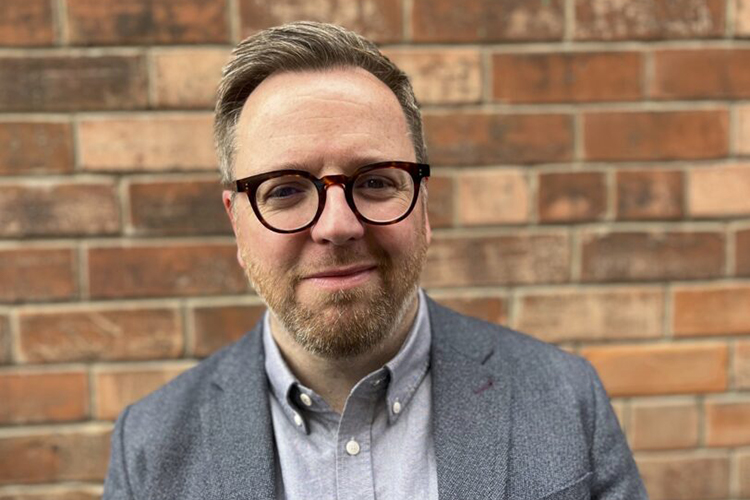
François Guimbretière is a Professor in the Department of Information Science at Cornell University, with affiliations to the Department of Design & Technology. He holds a PhD in Computer Science from Stanford University and previously served on the faculty at the University of Maryland before joining Cornell in 2009. His research centers on human-computer interaction, human-robot interaction, and interface design, with a strong emphasis on hardware/software co-design to create seamless, sustainable, and innovative interactive systems. His work spans multiple domains including interactive fabrication, remote collaboration, and low-power interfaces. Guimbretière's recent research explores novel fabrication methods such as interactive printing and yarn-based electronics, as well as immersive remote embodiment systems that reduce reliance on physical travel. These efforts reflect a broader trend toward sustainable and accessible interaction technologies. His publications demonstrate consistent contributions to top-tier venues in HCI and ubiquitous computing, focusing on tangible, wearable, and environmentally conscious interfaces. Scientific Recognition: He advises graduate and undergraduate researchers in the development of next-generation interactive systems. His lab supports projects in digital fabrication, remote presence, and sustainable design, often involving interdisciplinary collaboration. While specific grants are not listed, his research trajectory suggests sustained funding in human-centered technology innovation. He leads a research group focused on building practical, user-centered systems that bridge the digital and physical worlds through creative engineering and design. The lab emphasizes hands-on prototyping, real-world deployment, and the integration of traditional craft with advanced technologies.
Lauren Andrews serves as Associate Professor and Marvin and Eva Schlanger Faculty Fellow in the Department of Chemical Engineering at the University of Massachusetts Amherst. Her research integrates synthetic biology and genetic engineering to develop programmable cellular systems for biotechnological applications. Education: Postdoctoral Training: Massachusetts Institute of Technology (Biological Engineering and Broad Institute of MIT and Harvard) PhD: University of Colorado Boulder, Chemical Engineering (2012) MS: University of Colorado Boulder, Chemical Engineering (2009) BS: Cornell University, Chemical Engineering (2006) Dr. Andrews' research focuses on establishing genetic design rules for reprogramming cellular regulation and metabolism. Her lab pioneers synthetic gene networks, genetically-encoded biosensors, and high-throughput methodologies for optimizing genetic designs in both model and non-model bacteria. This work enables precise control of cellular sensing, memory, and environmental responses through multiplexed DNA assembly and next-generation sequencing. Analysis of her 15 most recent publications reveals dominant themes in bacterial biosensor development (particularly for bioremediation), quorum sensing engineering, and programmable genetic circuits for probiotic applications. Her research consistently bridges fundamental genetic circuit design with practical implementations in bacterial consortia and non-model organisms. Scientific Awards: Marvin and Eva Schlanger Faculty Fellowship NSF CAREER Award (2020) for "Programmable synthetic microbial consortia for complex multicellular functions" Her grant portfolio demonstrates significant funding for collaborative research in bacterial communication systems and model-guided design of synthetic ecosystems. The Andrews Lab maintains active partnerships with the MIT-Broad Foundry and Cold Spring Harbor Laboratory, where she co-founded the Synthetic Biology Summer Course. Current projects focus on CRISPR-based regulation in non-model bacteria and algorithmic programming of sequential logic in probiotic strains. The Andrews Lab operates within the Life Science Laboratories at UMass Amherst, utilizing advanced facilities for genetic prototyping and high-throughput screening. Her team develops multiplexed tools for exploring genetic design spaces, with particular emphasis on soil bacteria and Gram-positive pathogens for environmental and therapeutic applications.
Justin D. Holmes is Professor of Nanochemistry in the School of Chemistry at University College Cork (UCC) and serves as a Principal Investigator at the Environmental Research Institute. He holds the position of Deputy Director at the Advanced Materials and Bioengineering Research (AMBER) centre, a Science Foundation Ireland-funded initiative that bridges academic research with industry applications. With more than 400 peer-reviewed publications in materials science, Professor Holmes has established himself as a leading figure in nanochemistry research and development. Professor Holmes' research program centers on developing chemical methods to synthesize and assemble nanostructured materials for environmental and energy applications. His work spans three primary domains: atmospheric sensors for detecting radicals and gases (RADICAL project), energy conversion through nanofluidic platforms for waste heat conversion (TRANSLATE project) and solar-to-chemical energy conversion (FreeHydroCells project), and sustainability through chemical recycling of waste plastics (AMBER project). His interdisciplinary approach integrates chemistry, materials science, and environmental engineering to address critical sustainability challenges through nanoscale innovation. Analysis of Professor Holmes' recent publications reveals a strong emphasis on sustainable materials development and energy applications. His research demonstrates consistent focus on germanium-based nanomaterials for electronics and energy storage, innovative polymer recycling techniques, and sustainable nanomaterial synthesis. The progression of his work shows increasing integration of circular economy principles, with significant contributions to plastic waste management and green chemistry approaches. Professor Holmes has received significant recognition for his contributions to science: Member of the Royal Irish Academy Fellow of the Royal Society of Chemistry His research is supported through substantial funding mechanisms, including his leadership role in the AMBER centre. Professor Holmes has successfully translated research into commercial applications through co-founding Glantreo Ltd., a UCC spin-out company. His work demonstrates a strong commitment to both fundamental scientific advancement and practical applications that address environmental challenges. Professor Holmes leads an active research group within the School of Chemistry at UCC, collaborating extensively through the Environmental Research Institute and the AMBER centre. His team maintains strong interdisciplinary connections across chemistry, materials science, and engineering disciplines, with sophisticated capabilities in nanomaterials synthesis, characterization, and application development. The research environment fosters innovation in environmental sensing, energy conversion technologies, and sustainable materials development.
Dr. Sabine Krabbe is a Group Leader at the German Center for Neurodegenerative Diseases (DZNE) in Bonn, Germany, where she leads research on neural circuit mechanisms underlying adaptive learning and state-dependent decision-making. Her work integrates neuroscience, molecular biology, and behavioral approaches to understand how internal states influence behavior and how these processes are disrupted in neurological disorders. Dr. Krabbe's research focuses on the interactions between midbrain circuits of the substantia nigra and ventral tegmental area with their output structures such as the striatum and amygdala. She investigates how these networks integrate internal states with environmental cues to produce appropriate behavioral responses. Her laboratory employs state-of-the-art techniques including deep-brain calcium imaging at single-cell resolution in mice, opto- and pharmacogenetic manipulations, anatomical tracings, and molecular approaches to characterize neural circuit elements in detail. Her recent publications reveal significant insights into amygdala interneuron plasticity during fear learning, brain-wide representational drift in memory consolidation, and the molecular mechanisms underlying Parkinson's disease progression. Her work demonstrates how activity patterns within specific neural circuits change in early stages of neurodegenerative diseases and how this dysfunction contributes to cognitive deficits and emotional disturbances. Dr. Krabbe is actively involved in the neuroscience community, organizing the BonnBrain Conference 2026 and sharing research through social media platforms. She has established herself as an emerging leader in the field of systems neuroscience with a particular focus on the neural basis of emotional states and decision-making processes.
Dr Nima Izadyar serves as a Senior Lecturer and Course Chair of the Bachelor of Building Surveying (NBBS) at Victoria University's School of Built Environment and Engineering within the College of Sport, Health and Engineering. He leads curriculum innovation, applied research, and student-industry engagement in building regulation and performance. His educational background includes a PhD from Queensland University of Technology (QUT), Australia (2020), with academic and research experience spanning Australia, Southeast Asia, and the Middle East. Dr Izadyar's research focuses on developing practical, data-driven solutions for sustainable built environments. His work connects engineering principles with building science to improve indoor environmental quality, enhance ventilation performance, and integrate renewable energy systems. He has secured competitive funding for projects targeting sustainable housing design, digital transformation in construction, and energy efficiency through nature-based and AI-enabled solutions. His research output appears in high-impact journals in building, energy, and sustainability fields. His scholarly contributions have been recognized with prestigious awards including the Signato Medal and the AIRAH Higher Education and Research Award. Signato Medal AIRAH Higher Education and Research Award As an academic supervisor, Dr Izadyar mentors HDR students on critical topics including greening private outdoor spaces for improved indoor environmental quality, regulatory frameworks in Class 2 buildings, ventilation system optimization, occupant-centric window design, and BIM integration in construction education. His supervision approach emphasizes applied systems thinking, interdisciplinary collaboration, and alignment with national sustainability goals. He has secured competitive funding for projects targeting sustainable housing design, digital transformation in construction, and energy efficiency solutions. Dr Izadyar actively contributes to industry engagement through international collaborations that generate tangible outcomes in the built environment, serving as a reviewer, editor, and guest editor for scholarly publications while maintaining strong connections with industry partners to bridge research and practice.