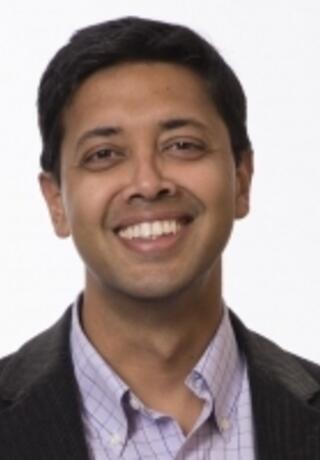
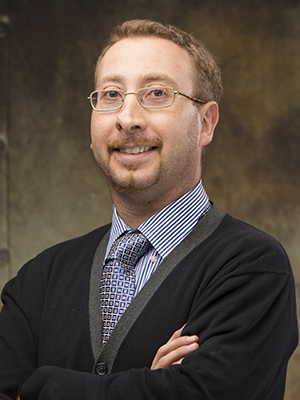
Professor Ahmed Mushfiq Mobarak is a leading scholar in Development Economics at Yale University, holding concurrent appointments in the School of Management and the Department of Economics (Faculty of Arts and Sciences). He is the founder of the Yale Research Initiative on Innovation and Scale (Y-RISE), focusing on scaling evidence-based interventions in global development. His research spans Behavioral Economics, Development Economics, and Environmental Economics, with a focus on field experiments in Bangladesh, Nepal, Sierra Leone, and Indonesia. Key projects include strategies to address seasonal poverty through migration subsidies and consumption loans, and evidence-based responses to the COVID-19 pandemic. Collaborations with governments and NGOs have reached over 100 million people via mask distribution programs informed by the NORM model. Mobarak has been honored with the Carnegie Fellowship (2017) and recognition by Vox as a scientist shaping the future. His teaching includes PhD courses in development economics and an MBA course on business-government-society interactions, addressing policy issues like race, gender, and public health. Recent awards: 2017 Carnegie Fellowship, 2022 Vox '50 Scientists' Key research partnerships: Governments of Bangladesh, Sierra Leone, Global Innovation Fund Notable interventions: Malaria mask distribution, vaccine delivery in Sierra Leone
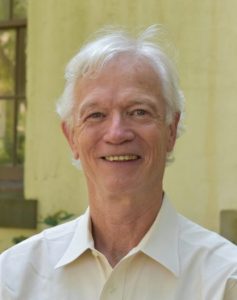
Phil Berke is a Research Professor at the University of North Carolina Chapel Hill's Department of City and Regional Planning, specializing in community resilience and urban planning. He leads the Center for Resilient Communities and Environment , focusing on interdisciplinary research to enhance urban resilience through policy integration and stakeholder collaboration. His work emphasizes mitigating climate change impacts, particularly via the Plan Integration for Resilience Scorecard™ , funded by the NSF and Department of Homeland Security. Education: B.A. in Economics/Environmental Science (Empire State College), M.S. (University of Vermont), Ph.D. (Texas A&M) Key Affiliations: Coastal Resilience Center, Planet Texas 2050 Technical Advisory Board Research interests include land use planning, environmental hazards, and social equity in disaster resilience. His 2015 article on community resilience earned the APA's Best Article Award. Current projects involve evaluating flood resilience in cities like Houston and Rotterdam, and advancing equity in hazard mitigation plans. Berke advises on global resilience initiatives, including the Rockefeller Foundation's 100 Resilient Cities program. He prioritizes training students through capstone courses and fieldwork to address real-world challenges like coastal development risks and climate adaptation strategies.
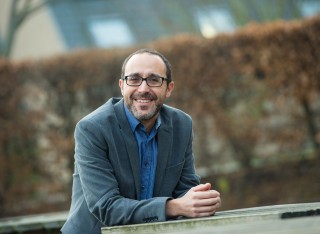
Professor Xavier Font is a faculty member at the University of Surrey's School of Hospitality and Tourism Management, affiliated with the Centre for Sustainability and Wellbeing in the Visitor Economy. He holds an MSc and PhD in related fields. His research focuses on sustainable tourism production and consumption, including sustainability marketing, corporate social responsibility (CSR), and policy analysis. He leads a project with Therme Group to develop crypto-based systems for measuring and reducing tourism emissions, emphasizing digital platforms for carbon footprint management. Education: MSc, PhD (details unspecified) Research Interests: Sustainable tourism certification, policy frameworks, climate change mitigation, and pro-environmental behavior. Recent publications emphasize trends like sustainability communication challenges, blockchain applications in carbon reduction, and CSR in tourism enterprises. His work addresses policy complexity and the disconnect between sustainability evidence and actionable policies. Collaborations include the European Commission and industry partners like Travalyst coalition members (Amadeus, Booking.com, etc.). Current Projects: Crypto-based emissions systems, EU policy evaluations, and sustainable tourism indicator systems. Grants: Involvement in large-scale EU-funded initiatives and industry partnerships. Advising five PhD students on topics like sustainable hospitality, consumer behavior, and tourism policy. Active in teaching undergraduate and postgraduate courses, emphasizing culturally sensitive sustainability practices and international case studies. Labs/Teams: Centre for Sustainability and Wellbeing in the Visitor Economy (SWELL), leading interdisciplinary research on tourism sustainability challenges and innovations.
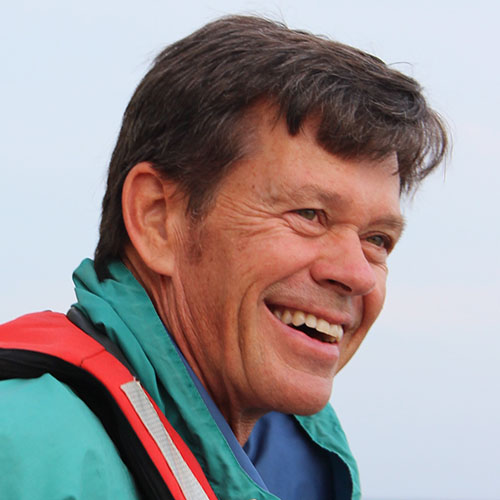
Dr. Anthony (Tony) Charles is an Adjunct Professor in Dalhousie University's Marine Affairs Program and School for Resource and Environmental Studies within the Faculty of Science and Faculty of Management. He holds a joint appointment at Saint Mary's University in the School of the Environment and Sobey School of Business. His research focuses on fisheries socioeconomics, coastal governance, and community-based conservation. Charles is a Pew Fellow in Marine Conservation and leads the Community Conservation Research Network (CCRN). Education: BSc and PhD from University of British Columbia (UBC). Research emphasizes integrated ocean management, social-ecological systems, and sustainable fisheries. Recent work explores ecosystem-based management principles, coastal community resilience, and the impacts of ocean acidification. His publications bridge academic and applied perspectives in marine policy. Awards include Pew Fellowship in Marine Conservation. Professional roles include past presidency of the International Institute of Fisheries Economics and Trade and founding director of Canada's Ocean Management Research Network. Leadership includes directing CCRN, advising fisheries organizations in Atlantic Canada, and collaborating internationally on marine management in Asia, Latin America, and the Caribbean. Active in FAO and OECD initiatives. Expertise spans fisheries economics, marine protected areas, and indicator frameworks for sustainability. Engaged in global marine policy development and community-driven conservation strategies.
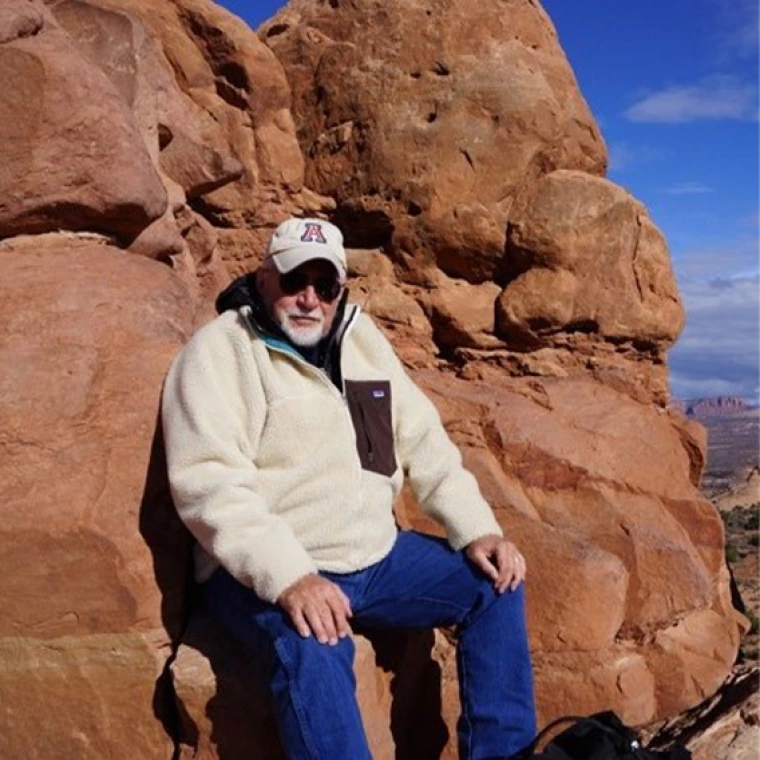
Richard W. Stoffle is a Professor of Anthropology and Research Anthropologist at the Bureau of Applied Research in Anthropology, University of Arizona. He leads an applied cultural anthropology team focusing on indigenous communities, environmental heritage, and sustainability. His work spans North America, the Caribbean, and the Bahamas, addressing topics like traditional ecological knowledge, climate change impacts, and cultural preservation in national parks. He has advised numerous students across undergraduate, graduate, and postgraduate levels, fostering collaborative research and publications. Key projects include ethnographic studies at Arches, Canyonlands, and Hovenweep National Parks, as well as marine protected areas in the Bahamas and Dominican Republic. His research emphasizes bridging epistemological divides between Western science and Indigenous knowledge systems. Research Interests: Ethnobotany, traditional ecological knowledge (TEK), climate change resilience, Caribbean culture change, and social impact assessment. Notable projects include documenting Southern Paiute water uses, assessing heritage values at Effigy Mounds National Monument, and evaluating cultural impacts of climate change in the Bahamas. Current Projects: Ethnobotanical studies at Sleeping Bear Dunes National Lakeshore, examining climate change effects on culturally significant plants and potential regulatory changes affecting tribal plant collecting rights. Teaching: Courses include Ecological Anthropology, Ethnology of North America, and Alternative Ways of Knowing. His interdisciplinary approach integrates satellite imagery analysis and participatory methodologies to address complex heritage and environmental challenges.
Dr. Mohammad Naraghi is a Professor and Associate Department Head for Academics in the Department of Aerospace Engineering at Texas A&M University. He leads the Nanostuctured Materials Lab , focusing on advanced nanomaterials for aerospace applications. His work integrates material science principles to develop lightweight, high-performance materials for structural, energy storage, and smart textile systems. Education: Ph.D., Aerospace Engineering (2009), University of Illinois at Urbana-Champaign M.S., Civil Engineering (2004), Sharif University of Technology B.S., Civil Engineering (2004), Sharif University of Technology Research Interests: Graphitic carbon nanomaterials, bio-inspired composites, experimental nanomechanics, and polymer nanofiber processing. His lab explores multifunctional materials for aerospace applications, including self-healing polymers, structural batteries, and sustainable carbon fiber recycling. Publications: Dr. Naraghi has authored over 150 peer-reviewed articles, with recent work focusing on carbon nanomaterial synthesis, self-healing vitrimers, and all-electric aircraft sustainability . His studies bridge nanoscale mechanics and macroscale applications, emphasizing scalability and industrial relevance. Awards: Best Paper Award (2009) for nano viscoelastic composites research Roger A. Strehlow Memorial Award (2009) for outstanding research First Place in Sandia MEMS Design Competition (2007) Advising & Grants: Leads NSF-funded projects on sustainable materials and structural energy storage. Advises graduate students in aerospace and materials engineering. Collaborates with Sandia National Labs and industry partners on advanced composite development. Labs & Facilities: Directs the Nanostuctured Materials Lab, equipped with advanced nanomechanical testing systems, electrospinning setups, and characterization tools for nanoscale materials analysis.
Dr. David Eggleston is an Alumni Distinguished Undergraduate Professor and Director of the Center for Marine Sciences and Technology (CMAST) at NC State University. He leads the Marine Ecology and Conservation program, focusing on fisheries ecology, habitat restoration, and deep-sea biology. His research integrates field observations, modeling, and molecular tools to address ecological theory and sustainable resource management. Eggleston holds affiliations with the Department of Marine, Earth & Atmospheric Sciences and serves on national/international advisory boards. His academic roles include teaching courses like Introduction to Oceanography and Marine Benthic Ecology . Eggleston’s research spans tropical to temperate marine systems, emphasizing interdisciplinary approaches linking biology, physics, and economics. Awards include NSF’s Early Career Award and recognition in teaching/outreach. Current students focus on topics like oyster reef acoustics, coral reef soundscapes, and blue crab habitat dynamics. Eggleston’s lab emphasizes graduate mentorship, fostering future leaders in academia and resource management. Outreach initiatives include Ecological Synergism and educational tools like The Blue Crab in NC . Collaborative projects involve NOAA, The Nature Conservancy, and international marine organizations.
Professor Joseph Tzanopoulos is a Professor in Landscape Ecology and Biodiversity Conservation at the School of Ecology and Conservation , University of Kent , and serves as the Academic Lead for SEDarc. He is also a member of the Durrell Institute of Conservation and Ecology. His interdisciplinary research integrates ecological, geographical, and socio-economic perspectives to evaluate the impacts of policy and land-use change on biodiversity and rural sustainability. His educational background includes a BSc in Agricultural Sciences from the Agricultural University of Athens and a PhD in vegetation ecology from Imperial College London. Prior to his appointment at Kent, he held research fellow positions at Wye College, Imperial College London, Aristotle University of Thessaloniki, and the Centre for Agri-Environmental Research at the University of Reading. Professor Tzanopoulos’s research spans landscape ecology, biodiversity conservation, agricultural landscapes, land-use change, GIS, remote sensing, sustainability assessment, and environmental governance . He employs interdisciplinary methods to analyze drivers of change in complex land-use systems, with a focus on reconciling conservation with sustainable development. His recent publications reflect a strong trend in large carnivore conservation, human-wildlife conflict, agroecology, climate change perceptions, and landscape connectivity . Many studies apply spatial modeling and scenario analysis in regions such as Colombia, Oman, Southern Africa, and Europe, often in collaboration with interdisciplinary teams. He is actively involved in supervision, mentoring numerous PhD students on topics including jaguar conservation, lynx reintroduction, marine protected areas, and socio-ecological dynamics. He has also contributed to policy-relevant research and serves on the editorial board of Nature Conservation . His work is supported by collaborations across national and European-funded projects, emphasizing stakeholder engagement, participatory governance, and science-policy integration. He teaches undergraduate modules in geography and GIS, contributing to the training of future environmental scientists.
Dr. Boris Worm is a Full Professor in the Department of Biology at Dalhousie University, affiliated with the Faculty of Science. His academic journey includes a MSc (University of Kiel, 1996) and PhD (University of Kiel, 2000), followed by postdoctoral research at Dalhousie University and the Leibniz Institute for Marine Science. He specializes in marine conservation biology, biodiversity science, community ecology, and macroecology. His research focuses on global marine biodiversity trends, ecosystem functioning, and conservation solutions. He teaches Biology 2060: Introductory Ecology and BIOL 3065: Conservation Biology , emphasizing quantitative methods and policy implications. His lab (wormlab.biology.dal.ca) explores topics like phytoplankton dynamics, fisheries impacts, and climate adaptation. Recent work addresses bycatch mitigation, climate risk indices, and fisheries governance. Collaborations include Ocean School (oceanschool.nfb.ca), promoting ocean literacy. He advises PhD and MSc students researching fish population dynamics, elasmobranch bycatch, and open-ocean ecosystems. Education: MSc, University of Kiel, Germany (1996) PhD, University of Kiel, Germany (2000) Postdoc, Dalhousie University (2000–2003) Postdoc, Leibniz Institute (2003–2004) Labs & Teams: Worm Lab (marine conservation and biodiversity)
Professor Daniel Rettenwander is a Full Professor at the Department of Materials Science and Engineering, Norwegian University of Science and Technology (NTNU), leading the Battery Materials Team within FACET. He also directs the Christian Doppler Laboratory for Solid-state Batteries and serves as Principle Scientist at the Center for Transport Technologies (Battery Technologies) at AIT Austrian Institute of Technology. His research focuses on advanced solid-state battery materials, particularly solid-state electrolytes and cathode materials for next-generation electric vehicle batteries. Key research interests include the development of high-performance solid electrolytes, interface engineering in batteries, and overcoming challenges in solid-state battery design such as dendrite formation and interfacial degradation. His work bridges fundamental materials science with applied electrochemical engineering, addressing critical barriers to commercializing solid-state batteries. Notable achievements include over 75 peer-reviewed publications, numerous awards including the Emerging Investigator awards (Chem. Comm., Journal of Physics: Energy), and leadership in major EU and national grants. His team’s work has been highlighted in media outlets like Gemini and Krone.at, emphasizing breakthroughs in battery materials science. Funding includes projects like OPERA (HORIZON-CL5-2022), SOLIMEC (M-ERA.NET), and CDG-supported initiatives. He supervises a dynamic team of PhD candidates and postdocs, advancing interdisciplinary research at the intersection of materials chemistry and energy storage technologies.
Adam T. Smith is Distinguished Professor of Arts and Sciences in Anthropology at Cornell University, where he holds appointments in the Department of Anthropology, the Archaeology Program, and the Milstein Program in Technology & Humanity. He is a leading scholar in Eurasian archaeology, specializing in the South Caucasus, with a focus on the emergence of complex societies and the materiality of political authority. Smith is a co-founder of Project ArAGATS and leads Caucasus Heritage Watch, a pioneering initiative using satellite technology to monitor cultural heritage at risk. His educational background includes a Ph.D. and M.A. in Anthropology from the University of Arizona, an M.Phil. from the University of Cambridge, and a B.A. in Anthropology & Political Science from Brown University. Smith's research interests span archaeology, material culture, political and legal anthropology, heritage and museums, and the archaeology of sovereignty. His work combines theoretical inquiry with empirical fieldwork, exploring how objects, landscapes, and built environments shape political life from the Bronze Age to the present. He is particularly known for his work on the Urartian state, Bronze Age metaphysics, and the long-term political dynamics of the Armenian Highland. His recent publications reveal a strong trend in using archaeology to address contemporary issues of heritage destruction, collective memory, and cultural erasure, especially in conflict zones like Nagorno-Karabakh. The articles show a deep engagement with remote sensing, geophysical survey, and interdisciplinary methods to reconstruct past societies and protect endangered heritage. Fellow, Milstein Program in Technology and Humanity, Cornell University (2023–2025) Finalist, Falling Walls Science Breakthrough of the Year, Social Sciences and Humanities (2023) Certificate of Communal Partnership, St. James AME Zion Church, Ithaca NY (2023) John Simon Guggenheim Memorial Foundation Fellow (2010–2011) Fellow, Cornell University Society for the Humanities (2010–2011) Fellow, Howard Foundation (2006–2007) Fellow, Franke Institute for the Humanities, University of Chicago (2003–2004) National Endowment for the Humanities/American Councils for International Education Collaborative Research Fellow (2003) Fellow, Michigan Society of Fellows, University of Michigan, Ann Arbor (1997–1999) Smith advises graduate students, leads the Landscapes and Objects Laboratory, and directs major research initiatives including Project ArAGATS and the St. James AME Zion Community Excavations. His work has been supported by grants from the National Science Foundation, Wenner-Gren Foundation, National Geographic Society, and other leading institutions. He is actively engaged in public archaeology, policy advocacy, and community-based research, bridging academic scholarship with real-world impact.
Prateep Nayak is a Professor at the School of Environment, Enterprise and Development within the University of Waterloo. His academic focus combines political science, environmental studies, and international development through transdisciplinary research on human-environment connections. With expertise in commons governance, social-ecological resilience, environmental justice, and political ecology, he has taught courses like INDEV 100: Introduction to International Development SUSM 675: Governing the Commons INDEV 617: Environmental Change and Governance He has received prestigious awards including the Trudeau Scholarship, Harvard Giorgio Ruffolo Fellowship, Canada's Governor General Academic Gold Medal, and SSHRC Banting Fellowship. Professor Nayak's research explores social-ecological systems, emphasizing vulnerability-to-viability transitions in small-scale fisheries, gender dynamics in dried fish value chains, and multidimensional justice in coastal governance. His Google Scholar publications since 2017 highlight Asia-Africa comparative studies, marine protected areas, and policy frameworks for adaptive management. Article keywords reveal engagement with climate resilience, equity in resource access, and institutional pluralism in governance systems. Scientific awards include Trudeau Scholar Harvard Giorgio Ruffolo Fellow in Sustainability Science Canada's Governor General Academic Gold Medal SSHRC Banting Fellow His fieldwork experience includes development projects in India focusing on community-based governance of land, water, and forests at the research-implementation-policy interface. Current teaching aligns with his expertise in international development and environmental governance, while historical publications show long-term engagement with coastal systems analysis and regime shifts.
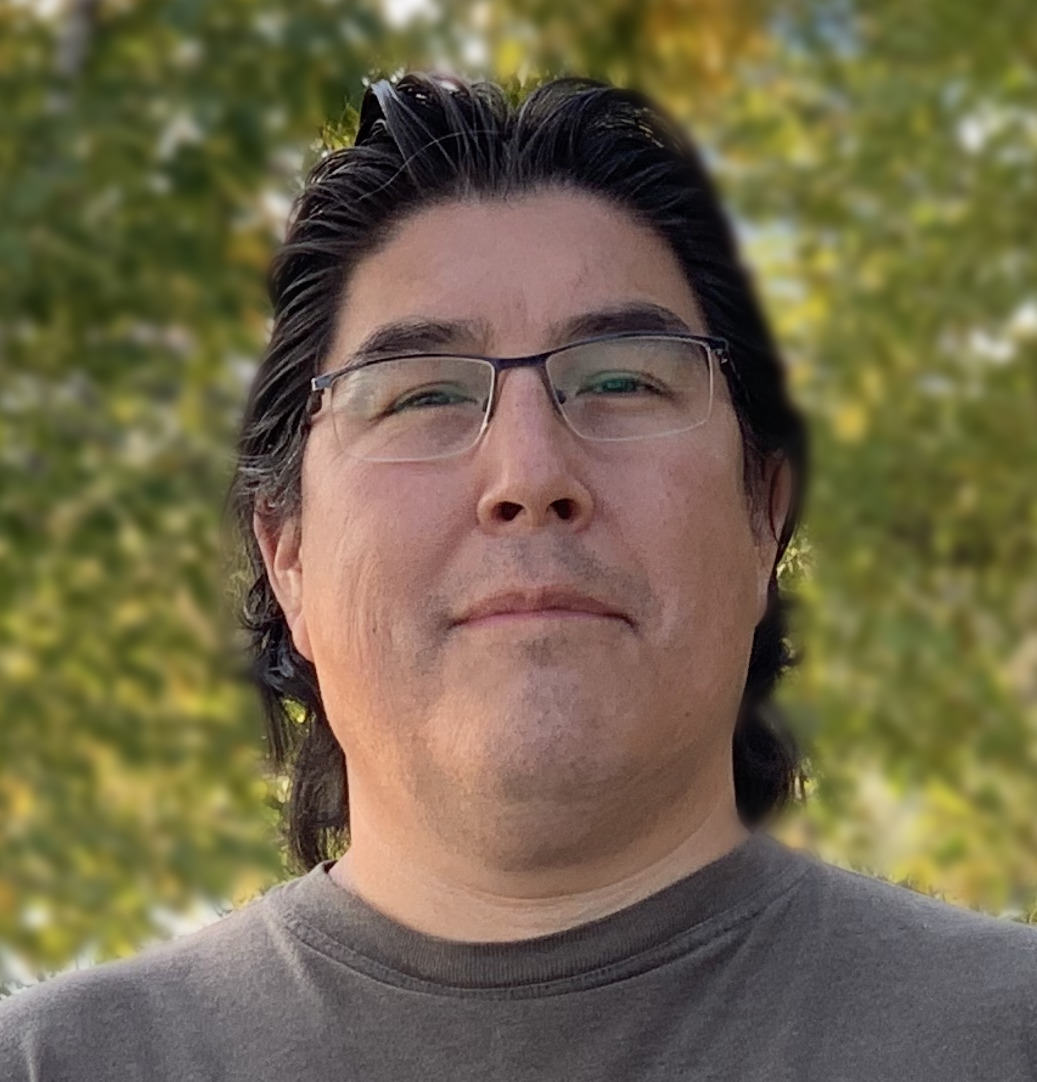
Joshua Manitowabi is an Assistant Professor at Brock University, specializing in Indigenous history and education. He holds a BA and MA from McMaster University and a PhD from Brock University. His research focuses on Indigenous agency in treaty negotiations, decolonizing education through elder knowledge integration, and water sovereignty in First Nations communities. He collaborates with institutions like the Kenjgewin Teg Educational Institute and has advised on treaty-related curriculum development aligned with the Truth and Reconciliation Commission's recommendations. His scholarly interests include ethnohistory, critical cartography, and Indigenous mapping, particularly examining Pontiac’s War, the 1764 Treaty of Niagara, and Indigenous resistance to European colonialism. He is a Potawatomi, Bear clan member of the Wikwemikong Unceded First Nation. Awards: Joseph-Armand Bombardier Canada Award, Bluma Appel Award Scholarship, Harvey Longboat Major Scholarship Professional Roles: History consultant for Nelson Education, member of the Indigenous scholars’ Writers Circle, and former member of Brock’s Aboriginal Research Advisory Circle Current projects include collaborative research on Indigenous water protection strategies and re-examining historical events through Indigenous methodologies.
Oliver T. Coomes is a Professor in the Department of Geography at McGill University, Montreal, Canada. His research focuses on environment and development in tropical regions, particularly in the Peruvian Amazon, examining peasant livelihoods, forest conservation, and adaptation to environmental change. He leads the PARLAP project, studying rural livelihoods and poverty through extensive household surveys and remote sensing. Coomes has held editorial roles in journals like World Development and is affiliated with institutions like the Conference of Latin Americanist Geographers. Education : BSc (University of Victoria), MA (University of Toronto), PhD (University of Wisconsin-Madison). Research Interests : Tropical forest dynamics, shifting cultivation, floodplain agriculture, climate change adaptation, and the intersection of environment and economy in resource-dependent communities. His work combines microeconomic analysis with ecological data, emphasizing sustainable development pathways. Awards : Carl O. Sauer Distinguished Scholarship Award (2010), Runner-up Global Development Network Award (2000). Advising & Grants : Advised over 20 graduate students and post-doctoral fellows. Collaborates internationally on projects funded by agencies like SSHRC and the National Science Foundation. Research emphasizes participatory methods and policy-relevant insights. Labs/Teams : Coordinates the PARLAP Project and collaborates with interdisciplinary teams on Amazonian environmental studies. Engaged in global initiatives like the Global Land Project and the International Geographical Union.
Darwyn Coxson is a Professor in the Ecosystem Science and Management Program within the Faculty of Environment at the University of Northern British Columbia (UNBC). As a founding faculty member of UNBC, he has played a pivotal role in shaping academic and research initiatives, including serving as past Director of the Natural Resources and Environmental Studies Institute and as a member of the UNBC Board and Senate. He is actively involved in graduate education, supervising students in the NRES (Natural Resources and Environmental Studies) graduate programs. Dr. Coxson’s research centers on lichen ecology , particularly the symbiotic relationships between fungi and algae, and has expanded into conservation biology of inland temperate rainforest ecosystems in British Columbia. His work emphasizes the ecological significance of old-growth forests and has directly influenced land management practices in the region. Key research areas include biodiversity, forest management, environmental physiology, and the conservation of critical habitats. His recent publications reflect a strong focus on the inland temperate rainforest and interior wetbelt biomes , with studies assessing the viability of protected areas for lichen conservation and the ecological roles of ancient western redcedar stands. These works span disciplines such as ecology, biogeography, and environmental management, with subfields including habitat fragmentation, climate resilience, and ecosystem engineering. Dr. Coxson has held leadership roles in academic governance, including serving as past-President of the B.C. Confederation of University Faculty Members (CUFA-BA), representing post-secondary institutions across the province. While no formal scientific awards are listed, his policy impact and editorial contributions to major scientific references underscore his recognition in the field. He is currently accepting graduate students in the MSc and PhD programs in Biology under the NRES umbrella and is available as a media expert on topics related to lichen ecology and forest conservation. His research continues to bridge science and policy, advocating for sustainable management of British Columbia’s unique forest ecosystems.