معرفی
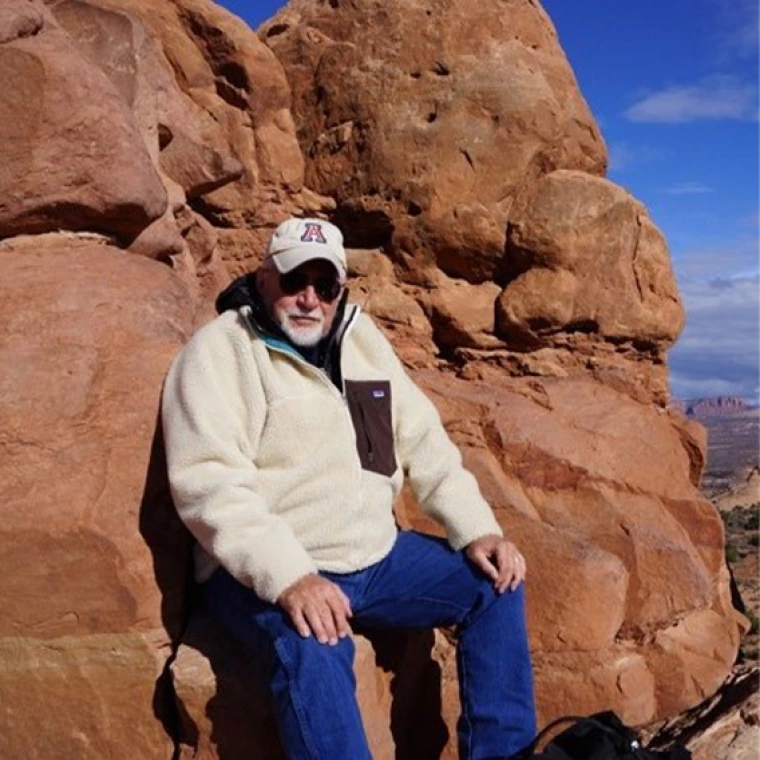
Richard W. Stoffle is a Professor of Anthropology and Research Anthropologist at the Bureau of Applied Research in Anthropology, University of Arizona. He leads an applied cultural anthropology team focusing on indigenous communities, environmental heritage, and sustainability. His work spans North America, the Caribbean, and the Bahamas, addressing topics like traditional ecological knowledge, climate change impacts, and cultural preservation in national parks. He has advised numerous students across undergraduate, graduate, and postgraduate levels, fostering collaborative research and publications. Key projects include ethnographic studies at Arches, Canyonlands, and Hovenweep National Parks, as well as marine protected areas in the Bahamas and Dominican Republic. His research emphasizes bridging epistemological divides between Western science and Indigenous knowledge systems.
Research Interests: Ethnobotany, traditional ecological knowledge (TEK), climate change resilience, Caribbean culture change, and social impact assessment. Notable projects include documenting Southern Paiute water uses, assessing heritage values at Effigy Mounds National Monument, and evaluating cultural impacts of climate change in the Bahamas.
Current Projects: Ethnobotanical studies at Sleeping Bear Dunes National Lakeshore, examining climate change effects on culturally significant plants and potential regulatory changes affecting tribal plant collecting rights.
Teaching: Courses include Ecological Anthropology, Ethnology of North America, and Alternative Ways of Knowing. His interdisciplinary approach integrates satellite imagery analysis and participatory methodologies to address complex heritage and environmental challenges.