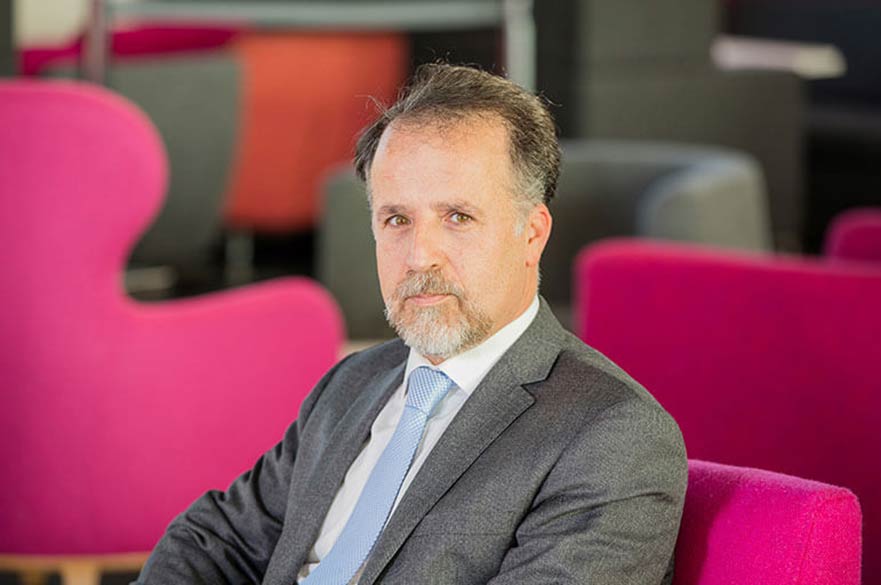
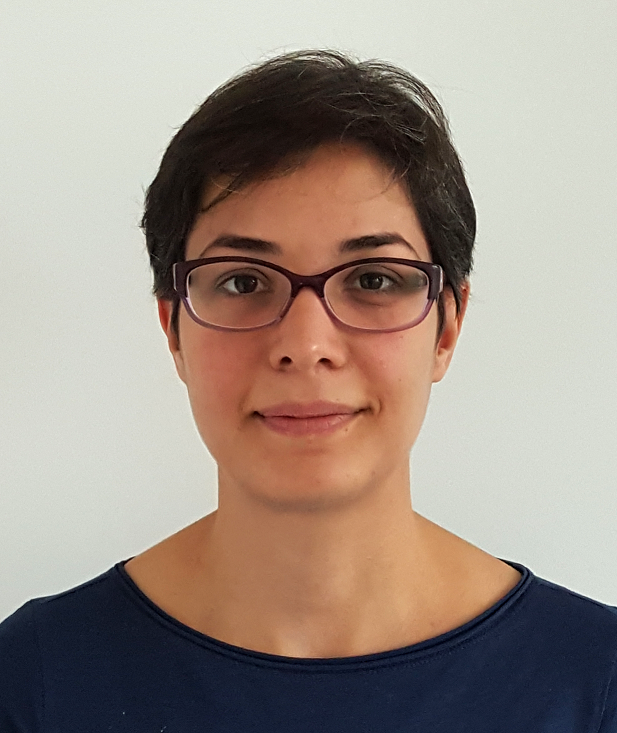
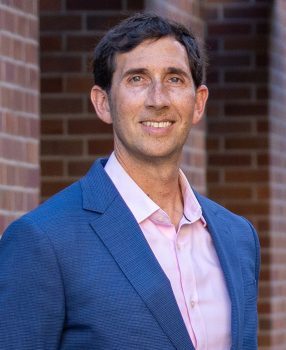
Dr Robert Hughes is a Clinical Assistant Professor at the London School of Hygiene & Tropical Medicine's Department of Population Health. With dual expertise in clinical medicine (University of Bristol) and public health (Harvard School of Public Health), he bridges academic research with policy implementation. Faculty of Epidemiology and Population Health Research focus on urban early childhood development in LMICs and climate change impacts on child wellbeing His work combines epidemiology , climate change analysis, and social policy research, particularly examining urban health dynamics in Sub-Saharan Africa. Recent publications address climate-sensitive health outcomes in Kenya, AI applications in knowledge sharing, and pandemic childcare disruptions in Nairobi slums. Scientific contributions include: Investigating decarbonization health impacts in global cities Developing nurturing care frameworks for urban childcare Advocating for child-centered climate governance Key awards include the Albert Schweitzer Award (2011) and Kennedy Scholarship to Harvard (2010). He teaches epidemiology to 60-70 students annually and contributes to environmental health policy modules.
Inés Ibáñez serves as a Professor and Associate Dean for Academic Affairs at the University of Michigan School for Environment and Sustainability (SEAS), where she leads research in the Ecosystem Science and Management program. Her work focuses on forest ecosystem functioning, climate change impacts, and conservation strategies to inform sustainable resource management under global environmental change. Her educational qualifications include: PhD in Ecology from Duke University MS in Range Sciences from Utah State University BS in Botany from Universidad Complutense de Madrid Professor Ibáñez investigates how climate change affects forest community structure, species recruitment constraints, and ecosystem resilience to disturbances. She develops integrative models linking physiological processes to landscape-scale patterns, emphasizing practical applications for forest conservation and adaptive management in vulnerable ecosystems. Analysis of her 2022-2023 publications reveals consistent focus on forest dynamics, seed ecology, and spatial biodiversity patterns. Her collaborative work leverages large-scale datasets to examine tree fecundity gradients, latitudinal growth responses, and herbivory impacts, contributing to predictive frameworks for forest adaptation under climate stressors. She mentors graduate researchers including master's student Ezekiel Herrera-Bevan who conducted fieldwork at the U-M Biological Station. Her research program operates through extensive national and international collaborations, though specific grant details are not documented in the source material. Professor Ibáñez directs a multidisciplinary research group integrating field ecology, remote sensing, and modeling approaches. Her team collaborates across institutions to study forest resilience mechanisms, with projects spanning experimental manipulations, long-term monitoring, and spatial analysis of community vulnerability.
Ahmad Lotfi is a Professor of Computational Intelligence and Head of Department of Computer Science at Nottingham Trent University , with a Visiting Professor role at Tokyo Metropolitan University . He leads the Computational Intelligence and Applications (CIA) research group and has supervised over 30 PhD students to completion. PhD in Learning Fuzzy Systems (University of Queensland, 1995) MTech in Control Systems (Indian Institute of Technology, India) BSc in Control Systems (Isfahan University of Technology, Iran) His research spans computational intelligence , ambient intelligence , robotics , and machine learning , with applications in dementia monitoring , smart environments , and healthcare technology . Recent work focuses on using thermal sensor arrays for privacy-preserving human activity analysis. He has secured funding from Innovate UK , EPSRC , The Royal Society , and Horizon 2020 , with projects like iCarer (assistive living), SmartBerry (agricultural AI), and BigSpark (financial data augmentation). His 15 most recent articles demonstrate expertise in Wi-Fi-based activity recognition , EEG fall detection , and thermal sensor fusion . Senior Member IEEE Member of British Computer Society (MBCS) Editorial roles in Soft Computing and Journal of Ambient Intelligence and Smart Environments He has served as Program Chair for conferences like PETRA and ICCRT , and as Keynote Speaker at PETRA 2023 . His 28+ years of academic leadership include organizing UKCI and UKRAS conferences.
Dr. Fariba Mostajeran is a Researcher at the Human-Computer Interaction research group within the Department of Informatics at the University of Hamburg. Her interdisciplinary work bridges computer science, psychology, and environmental science to investigate the psycho- and physiological effects of immersive media on users across different age groups, with particular focus on therapeutic applications of virtual and augmented realities. Her educational background includes: B.Sc. in Computer Engineering-Software from the University of Isfahan (Iran) M.Sc. in Digital Media from the Universität Bremen Ph.D. in Human-Computer Interaction at the Universität Hamburg Dr. Mostajeran's research centers on Medical Mixed Reality , Digital Health , and Human-Computer Interaction , with emphasis on how virtual environments can enhance cognitive performance, psychological well-being, and therapeutic outcomes. She systematically investigates the impact of virtual nature exposure on memory, attention, and mood, developing applications for mental health treatment, rehabilitation, and workplace design. Her methodological approach combines controlled experiments with user-centered design to create effective immersive interventions. Analysis of her recent publications reveals three major research thrusts: (1) the therapeutic applications of virtual nature for mental health and cognitive enhancement, (2) the development and evaluation of intelligent virtual agents for healthcare applications, and (3) understanding the cognitive and physiological mechanisms underlying user responses to immersive environments. Her work increasingly focuses on multimodal interaction with virtual agents and their implementation in clinical settings. Her scholarly contributions have been recognized through: Ideas and Venture Fund (IVF), Universität Hamburg, 2024-2025 EXIST-Gründerstipendium (EXIST Founder Scholarship), 2014-2015 Deutschlandstipendium (German Scholarship), 2012-2013 Dr. Mostajeran has supervised over 30 master's and bachelor's theses focusing on virtual reality applications across diverse domains including mental health interventions, cognitive training, and therapeutic environments. Her research has received support from university innovation funds and national scholarship programs. She serves on multiple academic committees including professorship selection committees and examination boards, contributing significantly to institutional governance. Her active participation in major conferences as program committee member and reviewer demonstrates her standing in the HCI and VR research communities. She works within the Human-Computer Interaction research group at the University of Hamburg led by Prof. Dr. Steinicke, which maintains strong connections with clinical partners and industry collaborators to translate research findings into practical healthcare applications. The group's facilities include state-of-the-art VR laboratories equipped for comprehensive user studies measuring both behavioral and physiological responses.
Tim Bruckner is a Professor and Chancellor’s Fellow of Public Health at the University of California, Irvine (UCI), affiliated with the School of Public Health and the Department of Health, Society, and Behavior. He is also Co-Director of the Center for Population, Inequality, and Policy. His research focuses on social, economic, and policy causes of health inequity, particularly in perinatal and mental health. PhD in Epidemiology from UC Berkeley MPH in Epidemiology & Biostatistics from UC Berkeley Bachelor’s in Biology with a minor in Sociology from Dartmouth College Bruckner’s work employs natural experiment methodologies to examine how structural factors like economic downturns, policy changes, and environmental conditions affect population health. His studies span topics such as racial disparities in preterm births , mental health impacts of societal events , and health consequences of cash transfer programs . Recent projects include NIH-funded research on racial disparities in fetal losses and training programs for public health informatics. Notable scientific awards include pre-doctoral fellowships from the National Institute on Child Health and Development (2005–2006) and the National Institute on Aging (2004–2005). His advisees include doctoral students Abhery Das (suicide epidemiology), Samantha Gailey (environmental health), and Parvati Singh (mental health policy). Current grants include an NICHD R01 on preterm births and an ONC-funded project on health informatics training.
Marianna Cavada is a Senior Lecturer at the Manchester School of Architecture (MSA), where she leads the MA Architecture & Urbanism program as the Prototype Urbanism Lab Lead and serves as the Department International Lead. Her research focuses on AI-driven urbanism, smart and liveable cities, and policy design for sustainable urban transformation. Education: PhD in Civil Engineering (2019, University of Birmingham) PG Dip Architecture (International) RIBA II (2008, Huddersfield University) BA Hons Architecture RIBA I (2005, Huddersfield University) BA Hons Interior Design (2001, De Montfort University) Marianna bridges theoretical and practical urbanism through collaborations with local policymakers (Lancaster City Council, Karystos Municipality) and international bodies like the WHO. Her work addresses inequality, climate emergency, and global health within the UN Sustainable Development Goals framework. She contributed to the British Academy-funded 'Caring-with Cities' project and EPSRC initiatives including Liveable Cities and the Green Infrastructure Corridors program. Her research outputs include the book The Little Book of Smart Cities and publications on topics ranging from CO2 emissions in smart cities to gamification in post-pandemic urban evaluation. Marianna has presented at institutions such as the University of Birmingham, Donghua University, and Xi’an Jiaotong University, and has led workshops like the Smart Cities Alliance in Birmingham. Key Scientific Awards: First Prize – Peter Stead Award (2008) Higher Commendation in PG Dip Architecture (2008) Marianna supervises PhD projects in AI Urbanism, Smart Cities, Liveable Cities, and Urban Engineering. Her professional background includes architectural practice in the UK (ATKINS), UAE (Al Falah project), and China (GDG Ltd, Twin Cities), alongside academic roles at the University of Birmingham and Lancaster School of Architecture. She operates from the Manchester Technology Centre and maintains memberships in the International Society for Urban Health and the Royal Institution of Chartered Surveyors (RICS).
Professor Rainer Kiko is a Heisenberg Professor and Make Our Planet Great Again Laureate at GEOMAR Helmholtz Centre for Ocean Research Kiel, where he leads research in Marine Biogeochemistry. His work focuses on understanding how global change impacts marine life distribution and activity, with significant implications for oceanic oxygen dynamics, nutrient cycles, and carbon dioxide transfer from the atmosphere to the deep sea. Kiko's research integrates augmented image observations that combine autonomous camera and environmental sensor systems with state-of-the-art artificial intelligence solutions and ecophysiological approaches to study zooplankton and detrital particle dynamics in a changing ocean. His primary research areas include marine carbon cycling, oxygen minimum zones, zooplankton dynamics, and the development of imaging technologies for marine observations. He leads several major projects including Imaging Marine life in an Ocean of Change (IOChange) funded by the Heisenberg Program of the German Research Foundation, and the Tropical Atlantic Deoxygenation project as part of the Make Our Planet Great Again initiative. His recent publications reveal a strong focus on marine particle dynamics, carbon export mechanisms, and the role of zooplankton in biogeochemical cycles, with particular attention to oxygen minimum zones and the impacts of climate change on marine ecosystems. Kiko employs advanced imaging technologies and machine learning approaches to address fundamental questions about the biological pump and ocean carbon sequestration. Among his notable recognitions are the prestigious Heisenberg Professorship from the German Research Foundation and the Make Our Planet Great Again Laureate award. His work has been published in high-impact journals including Nature Geoscience, Nature Communications, and Global Biogeochemical Cycles. Kiko mentors several researchers including Dr. Joelle Habib (Postdoc at Laboratoire d'Océanographie de Villefranche), Dr. Xiangyu Weng (Machine Vision specialist), Simon-Martin Schröder (computer scientist), and Claudeilton "Claus" Santana (PhD student). His research group develops innovative approaches combining deep learning, in situ imaging, and citizen science to resolve marine ecological questions across multiple scales.
Mahsa Jessri is an Associate Professor in the Food, Nutrition and Health Program at the University of British Columbia's Faculty of Land and Food Systems. She holds the prestigious Canada Research Chair (Tier 2) in Nutritional Epidemiology for Population Health and is affiliated with the Centre for Health Services and Policy Research (CHSPR) and the Department of Health Services and Policy at the UBC School of Population and Public Health, Faculty of Medicine. Dr. Jessri also serves as an Affiliate Investigator of Evidence to Innovation (E2i) Theme at the BC Children's Hospital Research Institute. Her educational background includes a PhD (Vanier Scholar) in Nutritional Sciences from the University of Toronto, an M.Sc. in Nutrition and Metabolism from the University of Alberta, and a Banting Postdoctoral Fellowship from Statistics Canada. Dr. Jessri's research is uniquely positioned at the intersection of nutritional sciences, big data analytics, AI, and population and public health, with the overarching goal of providing evidence-based decision tools to inform guidelines and policies for reducing the burden of chronic diseases. Dr. Jessri's research program focuses on using big data and methodological advancements (including AI and machine learning) to identify dietary patterns and their interactions with health outcomes, population health impact assessment of food and nutrition policies, nutritional monitoring and population surveillance, development of robust methods for complex data analysis, and design of personalized nutrition risk assessment tools. Her Nutritional Epidemiology and Big Data Analytics Laboratory provides a stimulating environment for research in these areas. Her publication portfolio demonstrates a strong focus on dietary patterns, chronic disease prevention, and the application of advanced statistical methods to nutritional epidemiology. Her recent work has examined nutrient profiling models, cardiovascular disease risk, dietary pattern assessment tools, and the impact of dietary factors on health outcomes across diverse populations including Canadian adults, Inuit communities, and international cohorts. Among her notable honors are the Royal Society of Canada (RCS) Alice Wilson Award (2018), Emerging Leader in Nutrition Science from the American Society for Nutrition, and the Canadian Institute of Health Research (CIHR) Banting Postdoctoral Fellowship. She has also received the INMD/CNS Early Career Researcher Partnership Prize and the Discovery Award from the Banting Research Foundation. Dr. Jessri teaches FNH 398: Research Methods in Human Nutrition and has previously taught graduate-level courses at the University of Ottawa. Her academic career builds on decades of clinical and public health dietetics and nutrition policy experience working at academic and regulatory institutions. She has served as a past Core member of Health Canada's Nutrition Science Advisory Committee (NSAC) and is active in the American Society for Nutrition and American Academy of Nutrition and Dietetics Artificial Intelligence (AI) in Nutrition Research Taskforce.
Wendy P. Robinson is a Professor in the Department of Medical Genetics at the University of British Columbia Faculty of Medicine , and a Senior Scientist at the BC Children’s Hospital Research Institute . She holds the CIHR Sex and Gender Science Chair . Research Interests: Genetics and epigenetics of early human development, placental function in pregnancy complications (fetal growth restriction, preterm birth), DNA methylation, non-coding RNA, sex differences, and polymorphisms. Her lab employs genomic and bioinformatic tools to study placental health and its impact on newborn outcomes. Recent Publications (2025-2024) focus on X-chromosome inactivation patterns in placenta, cell-type specific DNA methylation, maternal socioeconomic effects on placental epigenetics, and modeling placental development with organoids. Key themes include sex-specific epigenetic regulation , maternal-fetal interactions , and human placental methylome . Awards: UBC Faculty of Medicine Distinguished Achievement Award (2018), with trainees receiving the James Miller Memorial Prize and Mary-Jane Carroll Trainee Award. Students & Collaborations: Supervised PhD/MSc students include Li Qing Wang, Icíar Fernández Boyano, Giulia Del Gobbo, Victor Yuan, and Magda Price. Collaborators span the Alex Beristain Lab and University of Toronto institutions. Laboratory Activities: Regular team-building events like mountain hikes, climbing outings, and kayaking trips, alongside providing open access to epigenetic tools (e.g., Bisearch, SeqDoc) for the research community.
Leanne M. Currie is an Associate Professor at the UBC School of Nursing , part of the University of British Columbia's Faculty of Applied Science. Her work bridges nursing practice with health informatics, focusing on technology-mediated stigma reduction, usability design, and equity in digital health platforms. Nursing Informatics Health Information Technology Virtual Health Systems Stigma Reduction in Digital Platforms Equity, Diversity, and Inclusion (EDI) in Technology Community and Rural Health Equity Her recent research explores EHR compatibility, mHealth adoption, and the social determinants of critical illness recovery. She develops tailored digital tools for patient self-management and integrates Indigenous knowledge frameworks into health informatics curricula. Her work emphasizes human-centered design, safety in clinical technology, and cross-sectoral collaboration. Dr. Currie's publications highlight partnerships with healthcare providers to address technology-related safety events, co-design of person-centered apps, and the impact of digital tools on nurse emotional exhaustion. She actively contributes to defining anti-stigma design guidelines and advancing fair classification systems in health equity.
Dr. Qingshi Tu is an Assistant Professor in the Department of Wood Science at the University of British Columbia (UBC) Faculty of Forestry . His research focuses on integrating industrial ecology principles with computational modeling to advance sustainable bioeconomy development. Research Pillars: System-scale sustainability modeling using process simulation, statistics, and AI Environmental/economic/social impact assessment of bioenergy and bioproducts Interactions between bioeconomy, circular economy, and climate mitigation Technical Expertise: Life Cycle Assessment (LCA) Material Flow Analysis (MFA) Techno-economic Analysis (TEA) Machine Learning for sustainability Publication Scope: Dr. Tu has published 20+ articles in top journals like Journal of Industrial Ecology , Nature Communications , and ACS Nano , covering topics from nanomaterial synthesis to climate policy frameworks. His work emphasizes system-scale modeling of bioeconomy-climate interactions. Laboratory: Leads the Sustainable Bioeconomy Research Group , developing computational tools for evaluating emerging biotechnologies.
Dr. Jed Pitera is an Adjunct Assistant Professor at the University of California, San Francisco (UCSF) Department of Pharmaceutical Chemistry and currently serves as the strategy co-lead for Accelerated Discovery in Sustainable Materials at IBM Research - Almaden. He has spent over two decades at IBM Research, applying computational tools and machine learning to materials R&D challenges. Caltech (Biology, Chemistry) University of California, San Francisco (Ph.D. in Biophysics) ETH Zurich (Postdoctoral work in computational physical chemistry) His research focuses on leveraging AI, machine learning, high-performance computing, and quantum computing for advanced materials discovery, particularly in sustainability applications such as carbon capture, energy storage, and PFAS replacement. He also works on improving the sustainability of existing materials in semiconductor manufacturing and directed self-assembly techniques. His work spans computational physical chemistry, polymer science, and AI-driven approaches to material design. His publications demonstrate a focus on AI-driven materials discovery (6 papers), directed self-assembly applications (4 papers), semiconductor manufacturing (4 papers), computational modeling (4 papers), and sustainability-focused research (5 papers). Notable trends include integrating robotics with AI for materials discovery and developing lifecycle assessment tools for sustainable design. Dr. Pitera leads the Accelerator Technologies project at IBM and contributes to the IBM Safer Materials Advisor initiative. He has collaborated with researchers across multiple institutions, including Dan Sanders, Brandi Ransom, Seiji Takeda, and Teodoro Laino.
Cindy Kaiying Lin is an ethnographer and information scientist serving as the Stephen Fleming Early Career Assistant Professor in the School of Interactive Computing at Georgia Institute of Technology. Her career spans roles as an assistant professor at Pennsylvania State University's College of Information Sciences and Technology, and postdoctoral fellowships at Cornell Tech's Digital Life Initiative and Cornell Atkinson Centre for Sustainability. PhD from University of Michigan's School of Information Co-author of Technoprecarious (MIT Press, 2020) and Digital Energetics (Minnesota Press, 2023) Published in ACM CHI, Social Text, e-flux, and other venues Her research integrates Artificial Intelligence , Human-Computer Interaction , and Critical Data Studies to analyze climate data practices and environmental governance in Indonesia and the United States. She explores how data infrastructures mediate ecological crises, sociotechnical errors, and post-growth economies. Recent publications reveal trends in environmental data ethics, techno-optimism critique, and sustainable computing. Lin examines energy systems, digital precarity, and repair practices through interdisciplinary lenses spanning computational and humanistic disciplines. Scientific awards include the ProQuest Distinguished Dissertation Award from the University of Michigan. Her work bridges computing with critical theory, evidenced by publications in both ACM venues and humanistic presses.
Martha Tsigkari serves as an Associate Professor at The Bartlett School of Architecture, University College London (UCL), where she bridges architectural practice with cutting-edge computational research. Her position situates her at the forefront of digital transformation in the built environment, with institutional affiliations spanning UCL's Faculty of the Built Environment and direct contributions to UN Sustainable Development Goals 4 (Quality Education), 11 (Sustainable Cities), and 13 (Climate Action). Her research program critically examines the integration of artificial intelligence, machine learning, and cognitive psychology into architectural design processes. Key investigations include spatial and visual connectivity analysis, XR-enhanced collaborative design environments, and AI-driven optimization of building performance. She explores how digital tools reshape creativity, professional identity, and sustainability outcomes in architecture, with particular focus on data commoditization, skills evolution, and human-AI collaboration in design workflows. Her interdisciplinary approach connects architectural theory with computational neuroscience and industrial digitalization trends. Tsigkari's publication trajectory reveals a clear evolution from computational structural analysis (2012-2017) toward AI ethics and professional transformation (2022-2024). Early work established foundations in performance-driven facades and material systems, while recent output confronts existential questions about architectural practice in the AI era. Her scholarship consistently addresses the tension between technological capability and human-centered design values, with growing emphasis on sustainable development frameworks and educational implications. Scientific Awards: No major awards are documented in the available records. Advising and Grants: While specific supervisees and funding mechanisms aren't detailed in current sources, her extensive collaborative network across 30+ publications indicates active mentorship and research leadership. Co-authorship patterns suggest involvement in multi-institutional projects addressing AECO industry digitalization, with potential ties to UK research councils and industry partnerships like RIBA. Labs and Teams: Tsigkari operates within The Bartlett's digital research ecosystem through recurring collaborations with Kosicki, Tarabishy, and Psarras. Her work manifests in experimental toolsets including Glaucon (XR design environment), HYDRA (optimization framework), and SandBOX (conceptual design system), indicating leadership in UCL's computational design labs focused on human-AI interaction and sustainable building technologies.
Jorge Camba is an Associate Professor at the School of Engineering Technology and holds a courtesy appointment in the Department of Computer Graphics Technology at Purdue University . He also serves as a Senior Research Scientist (by courtesy) in the Department of Industrial Engineering at the University of Naples Federico II , Italy. PhD in Systems and Engineering Management (Universidad Politécnica de Valencia, Spain) MSc in Digital Media (East Tennessee State University) MSc in Computer Science (Universidad de Vigo, Spain) His research explores intelligent CAD systems , digital manufacturing , and mixed reality environments , focusing on model quality assurance , design intent communication , and collaborative design tools . Recent work investigates spatial cognition in CAD education , geometric variability analysis , and annotation-driven knowledge management . Key trends in his publications include parametric modeling strategies , 3D annotation systems , and XR applications in design evaluation. Awards include the Purdue Faculty Scholar (2021) and I3B Fellow (2021). He has presented at conferences on topics like Industry 4.0 , space habitat design , and digital product quality .