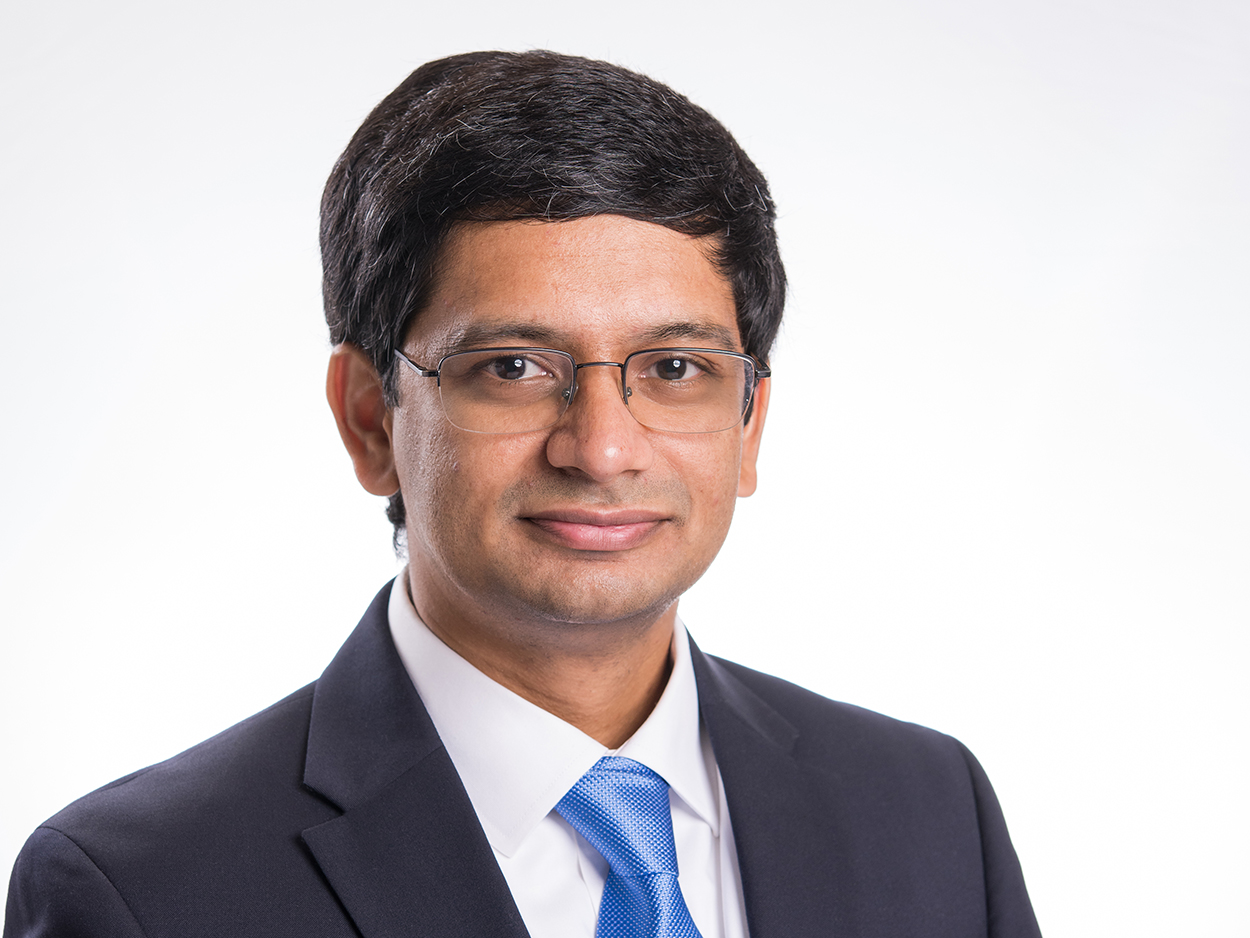
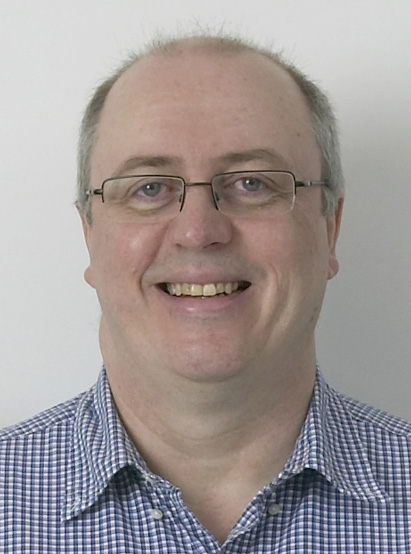
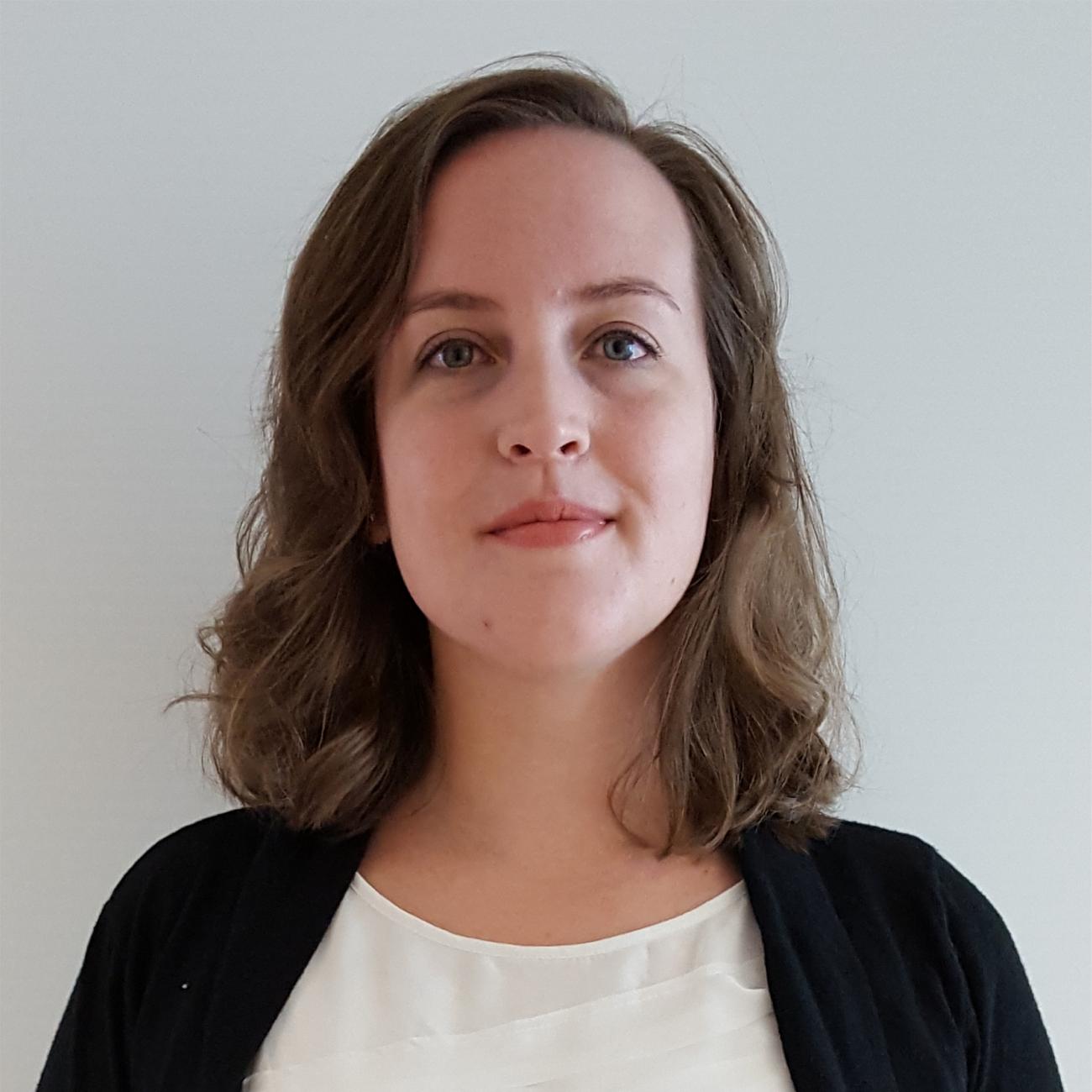
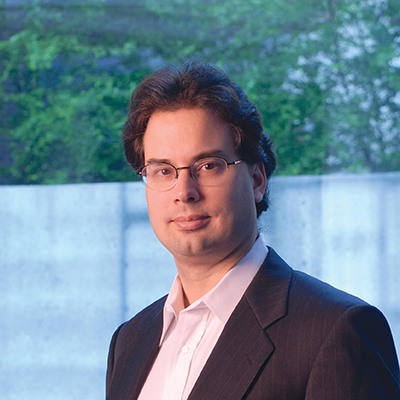
Xiaoming Liu is the Anil K. and Nandita Jain Endowed Professor of Engineering and MSU Foundation Professor in the Department of Computer Science and Engineering at Michigan State University . Holding a Ph.D. from Carnegie Mellon University (2004), he leads cutting-edge research in computer vision and machine learning. Research Interests : Computer Vision Pattern Recognition Image and Video Processing Machine Learning Medical Image Analysis Multimedia Retrieval Recent Research Trends : Focus on 3D object detection and depth estimation Development of robust biometric recognition systems Integration of radar-camera fusion for autonomous systems Advancements in self-supervised and multimodal learning Exploration of adversarial AI security Creation of interpretable forgery detection frameworks Teaching : Spring 2013: CSE891-006 Computer Vision Seminar Fall 2012-2015: CSE803 Computer Vision Spring 2014-2017: CSE 471 Media Processing and Multimedia Contact Information : Email: liuxm@cse.msu.edu Office: EB 3137, Michigan State University Phone: +1 (517) 355-2359
Jun-Kun Wang is an Assistant Professor at the University of California, San Diego (UCSD), with a joint appointment in the Department of Electrical and Computer Engineering and the Halicioğlu Data Science Institute. He joined UCSD in July 2023, previously serving as a postdoc at Yale University. His research focuses on optimization, sampling, and machine learning, emphasizing acceleration techniques and theoretical guarantees. He explores connections between optimization and areas like no-regret learning, sampling, and hypothesis testing. Education: PhD in Computer Science from Georgia Tech (advised by Jacob Abernethy), M.S. in Communication Engineering and B.S. in Electrical Engineering from National Taiwan University. Research Interests: Acceleration in optimization and sampling, trustworthy machine learning, momentum methods, and algorithmic convex optimization. His work bridges theoretical foundations and practical applications, with publications in top-tier venues like COLT, ICML, ICLR, and NeurIPS. Teaching: Courses include ECE 174 (Linear/Nonlinear Optimization), ECE 273 (Convex Optimization), and DSC 211 (Optimization). His lectures cover topics such as gradient descent, duality theory, mirror descent, and non-convex optimization. Lab/Team: Leads the Optimization and Machine Learning Group, advising PhD students Can Chen and Maria-Eleni Sfyraki, and MS student Yi Liu. His group focuses on theoretical and applied aspects of optimization algorithms.
Paolo Gardoni is the Alfredo H. Ang Family Professor and an Excellence Faculty Scholar in the Department of Civil and Environmental Engineering at the University of Illinois Urbana-Champaign, with additional professorial appointments in Industrial & Enterprise Systems Engineering and Biomedical & Translational Sciences. He also serves as Director of the MAE Center and Editor-in-Chief of Reliability Engineering & System Safety. Education Ph.D. in Civil Engineering, University of California, Berkeley (2002) M.A. in Statistics, University of California, Berkeley (2001) M.Eng. in Structural Engineering, University of Tokyo (1997) Laurea (BS+MS equivalent) in Structural Engineering, Politecnico di Milano (1997) Research Interests Gardoni’s scholarship integrates probabilistic methods with large-scale infrastructure systems to advance reliability, risk, and life-cycle analysis. His work quantifies the performance of deteriorating systems under natural and anthropogenic hazards, models societal impacts of disasters, and develops decision frameworks for sustainable and resilient infrastructure. He also examines ethical, social, and legal dimensions of risk, and investigates optimal strategies for hazard mitigation, disaster recovery, and climate adaptation. Across more than 250 refereed journal papers, he has advanced sub-fields ranging from probabilistic mechanics and earthquake engineering to catastrophe bond pricing and engineering ethics, leveraging tools such as stochastic differential equations, Bayesian networks, and physics-informed machine learning. Awards & Honors Alfredo Ang Award on Risk Analysis and Management of Civil Infrastructure (ASCE, 2021) Best Paper Awards in ASCE Journal of Sustainable Water in the Built Environment (2019) and Geotechnical Research (2018 Telford Premium Prize) Fellowships and named professorships: Alfredo H. Ang Family Professor, Excellence Faculty Scholar, and courtesy or honorary professorships at Tsinghua, IIT Guwahati, Tongji, Jianghan, and Loughborough universities. Research Leadership & Funding Gardoni has secured over $58 million in research funding from NSF, DHS, NIST, USAID, Qatar National Research Fund, and other agencies. He directs the MAE Center—formerly an NSF Engineering Research Center—focused on multi-hazard engineering approaches, and is Editor-in-Chief of Reliability Engineering & System Safety (Elsevier, IF 9.4). He founded and formerly led the journal Sustainable and Resilient Infrastructure (Taylor & Francis) and serves on editorial boards of nine additional journals. Advising & Mentorship He has graduated 27 PhD and 35 Master’s students, many of whom now hold faculty positions worldwide. His group maintains an active pipeline of doctoral and post-doctoral researchers working on resilience analytics, infrastructure monitoring, and risk-informed decision-making. Laboratories & Collaborations He leads the MAE Center and is affiliated with the Critical Infrastructure Resilience Institute (CIRI) and the Biomedical and Translational Sciences group. International collaborations span the UK (Loughborough), India (IIT Guwahati), and China (Tsinghua, Tongji, Jianghan), fostering cross-disciplinary research in reliability and resilience engineering.
Jinwoo Shin is an ICT Endowed Chair Professor at Korea Advanced Institute of Science and Technology (KAIST), jointly affiliated with the Kim Jaechul Graduate School of AI and the School of Electrical Engineering. He has been a faculty member at KAIST since Fall 2013, previously holding the position of KAIST Endowed Chair Professor starting in 2020. His educational background includes B.S. degrees in Mathematics and Computer Science from Seoul National University (2001) and a Ph.D. in Mathematics from Massachusetts Institute of Technology (2010), where he received the George M. Sprowls Award for best doctoral theses in MIT CS. He completed postdoctoral research at the Algorithms & Randomness Center, Georgia Institute of Technology (2010-2012) and the Business Analytics and Mathematical Sciences Department, IBM T. J. Watson Research (2012-2013). Dr. Shin's research spans multiple domains with notable contributions in algorithmic foundations of machine learning , theoretical computer science , and applied probability . His work has evolved significantly since joining KAIST, with increasing emphasis on machine learning algorithms and their theoretical underpinnings. Dr. Shin has received numerous prestigious awards including the ACM SIGMETRICS Test of Time Award (2019), ACM SIGMETRICS Rising Star Award (2015), and the Bloomberg Scientific Research Award (2015). His most recent honor is the Choi Seok-Jeong Award from the Minister of Science and ICT of Korea in 2024. ICT Endowed Chair Professor (2025) Choi Seok-Jeong Award (2024) KAIST Academic Award (2023) KAIST Global Research Cooperation Award (2023) ACM SIGMETRICS Test of Time Award (2019) Dr. Shin actively contributes to the academic community through editorial roles as Associate Editor for Transactions on Machine Learning Research (2022-present) and previously for IEEE/ACM Transactions on Networking (2017-2021). He serves as Senior Area Chair for major conferences including ICML, NeurIPS, and ICLR, demonstrating his leadership in the AI research community. He also consults for Samsung Advanced Institute of Technology (2019-present).
Kåre Synnes is a Professor in Pervasive and Mobile Computing at Luleå University of Technology, where he is affiliated with the Department of Computer Science, Electrical and Space Engineering. He is an active researcher and educator, recognized as an "Excellent lärare" (Excellent Teacher) and maintains his office in Luleå at location A3305a. Professor Synnes conducts research in pervasive computing and multimedia communication, with significant applications in eHealth. His work bridges theoretical computer science with practical implementations in distributed systems. He is also an affiliated researcher at the Centre for Distance-spanning Technology (CDT), focusing on technologies that enable communication across geographical boundaries. His recent publications demonstrate a clear trajectory toward sustainable computing solutions, with emphasis on circular economy applications, supply chain management, and environmental impact assessment. His research integrates computer science with economic and sustainability principles, showing how digital technologies can address contemporary environmental challenges through innovative auction systems, behavior analytics, and resource management frameworks. IST Prize winner as co-founder of Marratech AB Synnes has been deeply involved in European research projects since 1995, including multiple Framework Programme projects (FP4 through FP7). His work as an expert/reviewer for European projects since 2009 demonstrates his standing in the research community. His entrepreneurial success with Marratech AB, which was acquired by Google to form the basis for Google+ Hangouts, shows his ability to translate research into impactful commercial applications. Professor Synnes maintains strong connections with industry through his European project work and his entrepreneurial experience. His research group likely focuses on pervasive computing applications with real-world implementations, particularly in eHealth contexts, though specific lab details aren't provided in the available information.
Farhad Rachidi-Haeri is a Titular Professor and Head of the Electromagnetic Compatibility (EMC) Group at EPFL. His expertise spans EMC research, lightning electromagnetics, time reversal techniques, and fault location in power systems. He has led the EMC Group since the 1980s, with funding from the Swiss National Science Foundation, European Union, and private sector collaborations. His work involves international partnerships with institutions like the University of Toronto and KTH. Education: PhD in Electrical Engineering from EPFL (1991), M.S. from EPFL (1986). Roles: President of Swiss National Committee of URSI (2012–2020), Editor-in-Chief of IEEE Transactions on EMC (2013–2015), and member of the Academy of Sciences of Bologna Institute (2019). Research Focus: Lightning interaction with infrastructure, electromagnetic field modeling, time reversal applications for fault detection, and high-frequency transient analysis. His work bridges theoretical physics and engineering, addressing challenges in power systems, lightning protection, and aerospace. Awards: IEEE EMC Technical Achievement Award (2005), Berger Award (2016), and Distinguished Honorary Professor at Tsinghua University (2024). Over 400 peer-reviewed papers and 500 conference contributions reflect his prolific research output. Labs/Teams: Leads the EMC Laboratory at EPFL, focusing on experimental and numerical studies of electromagnetic phenomena. Collaborates with global networks on projects like Laser Lightning Control and structural lightning protection for wind turbines.
Emma Pierson is an Assistant Professor of Computer Science at the University of California, Berkeley, affiliated with the Berkeley Artificial Intelligence Research Lab (BAIR) , Computational Precision Health , and the Center for Human-Compatible AI . She focuses on developing data science and machine learning methods to address issues in healthcare equity and social inequality . Her work includes studies on race adjustments in clinical algorithms, migration patterns, and leveraging LLMs for health equity. Education: Ph.D. in Computer Science from Stanford University (2020), Master’s in Statistics from the University of Oxford. Prior roles include Assistant Professor at Cornell Tech, Senior Researcher at Microsoft Research, and data scientist at 23andMe and Coursera. Research Interests: Her research spans fair clinical prediction , sparse autoencoders , health disparities , and algorithmic fairness . Notable projects include the MIGRATE dataset for granular migration analysis and studies on policing disparities. Awards: NSF CAREER Award, Rhodes Scholarship, Hertz Fellowship, MIT Technology Review 35 Innovators Under 35, and Samsung AI Researcher of the Year. She writes a statistics blog ( Obsession with Regression ) and contributes to media outlets like The New York Times and FiveThirtyEight . Labs/Teams: Leads the MIGRATE project, a collaboration to analyze fine-grained migration data. Engages in interdisciplinary work across AI, healthcare, and social science.
Tanya P. Garcia, PhD is an Associate Professor of Biostatistics at the Gillings School of Public Health and Research Faculty in the UNC Neurology Huntington Disease Program at the University of North Carolina at Chapel Hill . She leads the Methods for INcomplete Data (MIND) Lab , focusing on statistical methods for handling censored, missing, or incomplete data in neurodegenerative disease progression studies. Education: PhD in Statistics, Texas A&M University MS in Statistics, University of Western Ohio MS in Industrial Engineering and Operations Research, UC Berkeley Research Interests: Specializing in High-Dimensional Variable Selection , Longitudinal Data Analysis , and Neurodegenerative Disease Modeling , her work develops reproducible statistical methods for Huntington's disease progression, improving clinical trial design and biomarker identification. Scientific Awards: American Statistical Association Fellow (2024) Landis Award for Outstanding Mentorship (2024) Roy R. Kuebler Award (2024) Gertrude M. Cox Award (2024) Leadership & Mentorship: Director of the MIND Lab, Chair-Elect of the Biometrics Section of ASA, and Tyson Academic Leadership Fellow (2023–2024). Her lab alumni have secured prestigious positions at institutions like Wake Forest University and Baylor University.
Joydeep Biswas is an Associate Professor in the Computer Science Department at the University of Texas at Austin, where he serves as the Director of the Autonomous Mobile Robotics Laboratory (AMRL). He is also affiliated with Texas Robotics, the UT Machine Learning Laboratory, and UT Good Systems. Previously, he was an Assistant Professor in the College of Information and Computer Sciences at the University of Massachusetts Amherst. Dr. Biswas earned his PhD in Robotics from Carnegie Mellon University in 2014 and his B.Tech in Engineering Physics from the Indian Institute of Technology Bombay in 2008. His educational background has provided him with a strong foundation in both theoretical and applied aspects of robotics and artificial intelligence. Dr. Biswas's research focuses on enabling long-term autonomy for mobile robots operating in human environments. His work spans robot perception, motion planning, control systems, and AI, with the ultimate goal of creating self-sufficient autonomous mobile robots that can perform tasks accurately and robustly in real-world settings. He is particularly interested in perception, planning, and failure recovery for autonomous mobile robots, which supports his vision of having autonomous service mobile robots deployed at campus-to-city scale, both indoors and outdoors, performing assistive tasks over deployments spanning years. His IJCAI 2019 Early Career Spotlight talk summarizes much of his research to date and ongoing interests. His recent research has shown a strong trend toward social navigation, human-robot interaction, and the application of machine learning techniques to robotics problems. There's a clear progression from fundamental robotics research toward more complex, real-world applications that require robots to understand and navigate human social spaces effectively. His work increasingly integrates large language models and other advanced AI techniques with traditional robotics approaches, as evidenced by his recent publications on topics like preference-conditioned navigation, social navigation benchmarks, and instruction-following navigation systems. Dr. Biswas has received numerous prestigious awards including the NSF CAREER Award (2021), J.P. Morgan Faculty Research Award (2019), Amazon Research Award (2019), and a grant from Northrop Grumman Mission Systems (2018). These awards recognize his innovative contributions to the field of robotics and autonomous systems. As a dedicated educator and mentor, Dr. Biswas actively supervises PhD and master's students, with his PhD student Sadegh Rabiee winning the student poster award at the Northrop Grumman University Symposium 2019. He has secured significant grant funding from the National Science Foundation for projects including 'Introspective Perception and Planning for Long-Term Autonomy' and 'Interactive Synthesis and Repair For Robot Programs,' demonstrating his ability to secure competitive research funding and his commitment to advancing the field. Dr. Biswas leads the Autonomous Mobile Robotics Laboratory (AMRL), which serves as a hub for interdisciplinary research in mobile robotics. The lab has developed notable resources such as the UT Campus Object Dataset (CODA) for 3D perception research and SOCIALGYM, a framework for benchmarking social robot navigation. His team regularly deploys robots on the UT Austin campus and in urban environments to test and refine their approaches in realistic settings, bridging the gap between simulation and real-world application.
David Leigh is a Professor in Organic Chemistry at the University of Manchester , UK. He has held prestigious positions including the Sir Samuel Hall Chair (2014–present), Forbes Chair at the University of Edinburgh (2001–2012), and Chair of Synthetic Chemistry at the University of Warwick (1998–2001). His research focuses on synthetic molecular machines, supramolecular chemistry, and molecular knots. Fields of Scholarship : Synthetic molecular machines, Synthetic molecular knots and links, Supramolecular chemistry His work includes creating hydrogen-bonded molecular rotors , reversible rotary molecular motors , and artificial ribosome mimics . Article trends highlight nanotechnology , molecular engineering , and self-assembly advancements. Scientific Awards : Royal Society of Chemistry Pedler Award (2014), ERC Advanced Grant (2014), Bakerian Prize (2013), Tilden Prize (2010), Fellow of the Royal Society (2009), etc. Leigh has led groundbreaking projects funded by the European Research Council (2008, 2014) and held an EPSRC Senior Research Fellowship (2005–2010). His lab at the University of Manchester explores bottom-up molecular design and stimuli-responsive systems.
Associate Professor Ng Bing Feng leads research in Additive Manufacturing, Aerospace Engineering, and Thermofluids at Nanyang Technological University's School of Mechanical & Aerospace Engineering. As Cluster Director for Smart & Sustainable Building Technologies at NTU's Energy Research Institute, he oversees projects spanning energy-efficient cooling technologies, advanced filtration systems, and bio-inspired materials. His interdisciplinary work integrates advanced manufacturing with environmental engineering, focusing on sustainable solutions for air quality management and thermal regulation. Current research explores radiative cooling technologies, acoustic agglomeration for emissions control, and crashworthy structures via biomimetic design. Professor Ng's publications demonstrate consistent innovation in multi-scale manufacturing and fluid dynamics, with growing emphasis on sustainable urban technologies. Methodologies combine experimental fluid dynamics with computational modeling and AI-driven design. Leadership Roles: Cluster Director, Energy Research Institute @ NTU Principal Investigator for multiple industry collaborations in sustainable materials Research Output: 42+ publications in high-impact journals Multiple patents in filtration technologies and cooling systems
Dr. Monica E. McCallum is an Assistant Professor of Chemistry in the Department of Chemistry at the University of Pennsylvania’s School of Arts & Sciences. Her research focuses on understanding the biochemical origins of natural products and their roles in microbial communication. She leads the McCallum Lab, which employs interdisciplinary approaches combining organic synthesis, biochemistry, microbiology, and microscopy to study microbial natural products in their native contexts. Education: 2016 – Postdoctoral Fellow at Harvard University under Prof. Emily P. Balskus 2016 – PhD in Organic Chemistry from Baylor University 2013 – PhD Candidate at Colorado State University 2011 – B.S. in Chemistry from University of California, Irvine Research Interests: Dr. McCallum’s work bridges organic synthesis and microbiology to decode microbial metabolite functions. Key themes include: Synthesizing complex natural products and their biosynthetic precursors Discovering novel enzyme-catalyzed reactions Unraveling microbial communication mechanisms via natural products Investigating environmental microbial community dynamics Lab & Collaborations: The McCallum Lab emphasizes interdisciplinary collaboration, integrating techniques from organic chemistry, molecular biology, and microscopy to study natural products in situ. Current projects focus on diazeniumdiolate biosynthesis pathways and enzymatic detoxification of marine toxins.
André DeHon is the Oliver C. Boileau Jr. and Nan Eleze Boileau Professor of Electrical Engineering at the University of Pennsylvania, with affiliations in the Electrical and Systems Engineering (ESE) and Computer and Information Science (CIS) departments. He founded the Penn Computer Engineering (CMPE) program and directs the DARPA-sponsored CyberSavvy Security Center. His research spans reconfigurable computing, FPGA architecture, interconnect design, hardware security, and energy efficiency, with a focus on adapting to fabrication imperfections and runtime variability. His work explores programmable substrates (e.g., CMOS VLSI, molecular electronics) and algorithmic mappings to create resilient, efficient systems. Current projects include runtime feedback mechanisms (REFINE), partial reconfiguration (ExHiPR), and security frameworks like SCALPEL and μSCOPE. Recent publications highlight advancements in FPGA compilation (PLD, HiPR), security (SCALPEL, μSCOPE), and interconnect optimization (Asymmetry in NoC). These studies intersect computer architecture, security, and embedded systems. Scientific awards and recognitions: 2023 IEEE Fellow 2020 IEEE Mary Kenneth Keller Teaching Award 2018 ACM Fellow TCFPGA Hall of Fame (2019) Best Paper at ICFPT 2015 Academic leadership: He chairs the ACM/SIGDA Technical Committee on FPGAs and Reconfigurable Computing, previously held faculty roles at Caltech (1999–2006), and was a postdoc at UC Berkeley (1996–1999). Education includes MIT SB (1990), SM (1993), and PhD (1996) in Electrical Engineering and Computer Science.
Paul O'Toole is a Professor of Microbial Genomics and Principal Investigator at the APC Microbiome Ireland, University College Cork. His research focuses on the gut microbiome's role in health, aging, and disease, particularly in the context of diet and probiotics. He leads projects like the ELDERMET study on elderly nutrition and the NU-AGE project exploring Mediterranean diets' anti-aging effects. He holds a BA (Mod.) from Trinity College Dublin and a PhD from Lund University, with postdoctoral training in Canada and New Zealand. Key grants include studies on dairy-derived microbiota, probiotic strain improvement, and microbiome analysis in aging populations. He has published extensively on Lactobacillus genomics, gut-brain interactions, and microbiome-driven health outcomes. His work bridges fundamental microbiology with clinical applications, emphasizing translational research. Scientific highlights include discovering microbiome links to cognitive decline, demonstrating dietary modulation of gut microbes to combat obesity, and identifying keystone species in healthy aging. He advocates for sustainability in conservation and food systems, reflecting his interdisciplinary approach to global health challenges.
Dhruv Jain is an Assistant Professor in the Computer Science and Engineering Department at the University of Michigan , with affiliations in the School of Information and Michigan Medicine . He leads the Soundability Lab , focusing on transforming hearing into a programmable interface through human-centered AI systems. PhD from University of Washington MS from MIT Media Lab Formerly worked at Microsoft Research, Google, and Apple Research Interests intersect Human-Computer Interaction (HCI) , Audio AI , Accessibility , and Hearing Health . His work develops systems like SoundWatch (smartwatch-based sound awareness) and HomeSound (IoT sound visualization) to expand auditory access for DHH individuals and other domains. Recent Publications (2023–2025) span top venues like CHI , ASSETS , and ICMI , with trends including generative AI for real-time captioning , adaptive soundscapes , and clinical communication tools . SIGCHI Outstanding Dissertation Award (2023) William Chan Memorial Dissertation Award (2023) Best Poster Award at ASSETS 2024 Google Academic Research Award (2024) NIH Grant ($450k, 2023) William Demant Foundation Grant ($740k, 2025) Teaching includes Accessible Computing (undergraduate) and Advanced Accessibility (graduate), alongside global DIY workshops in five countries. The Soundability Lab collaborates with neuroscientists, clinicians, and Deaf scholars to create deployable systems like clinical communication tools now at Michigan Medicine and features integrated into Apple devices.