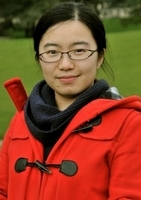
Tom Wollschläger is a researcher at the Department of Computer Science (I26) within the TUM School of Computation, Information and Technology at the Technical University of Munich . His work focuses on robustness and uncertainty in machine learning, with specific interests in graph/network analysis, temporal data modeling, and quantum computing applications. Education: M.Sc. Mathematics in Data Science, Technical University of Munich B.Sc. Computer Science (minor mathematics), Technical University of Munich B.Sc. Engineering Science, Technical University of Munich Research Background: 2020: Master's thesis on Certifiable Robustness for Arbitrary Classifiers using Graph Diffusion 2018: Bachelor's thesis in computer science on Forecasting Passenger Demand for Mobility Services using Machine Learning 2017: Bachelor's thesis in engineering science on The Influence of Light Intensity on Organic Solar Cells
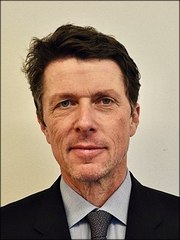
Prof. Dr. Johanna Heitzer is a University Professor for Mathematics Education at RWTH Aachen University since 2011. She leads the Teaching and Research Area of Mathematics Education within the university's mathematics department. Her office is located in Room 352 of the Kreuzherrenstraße 2 building in Aachen. She serves as co-editor of the journal 'mathematik lehren,' co-author of the 'Mathematics - New Ways' textbook series, and holds numerous committee positions including membership in the Faculty Advisory Board and Structural Commission of the Center Council. 1989: High school diploma 1989-1994: Mathematics and Physics Teacher Training at RWTH Aachen 1994-1996: Traineeship at Aachen Teacher Training College 1997: Research assistant at University of Münster 1998-2007: Mathematics and Physics teacher at Korschenbroich Gymnasium 2007-2010: Scientific assistant and doctorate at RWTH Aachen 2011-present: University Professor at RWTH Aachen Professor Heitzer's research focuses on the training and further education of mathematics teachers, development of contemporary teaching materials, applied and interdisciplinary mathematics, and the transition from school to university. Her work emphasizes concept formation, linguistic communication in mathematics, and the historical development of mathematical ideas as teaching resources. She investigates mathematics-specific learning and cognitive processes through multiple research projects including the Aachen school-university project iMPACt. Her recent scholarly output demonstrates a strong trend toward integrating digital technologies in mathematics education, particularly 3D printing and e-learning tools. She has increasingly focused on the social relevance of mathematics, exploring concepts of fairness, sustainability, and citizen empowerment through mathematical modeling. Her work bridges theoretical mathematics education with practical classroom applications, maintaining a strong connection to both historical perspectives and contemporary educational challenges. Special prize from Sparkasse Bad Hersfeld-Rotenburg for best mathematics Abitur (1989) Borchers Plaque for doctoral examinations passed with distinction (2011) DMV honor as Mathemaker of the Month (2013) Brigitte Gilles Prize 2013 for the MINT-L4 Center Professor Heitzer has supervised numerous doctoral students, serving as primary or secondary advisor for at least nine PhD dissertations between 2016-2021. Her research projects include the School-University Project MathePlus Aachen (iMPACt), e-Learning 'Mathematics for Civil Engineers,' and the development of mathematics items for StudiChecks NRW. She has secured funding through the Quality Initiative for Teacher Education (both phases) and participates in the ComeIn project focused on digitalization in teacher training. Her grants consistently emphasize practical applications of mathematics education research with direct impact on classroom practice. As a founding member of the MINT-L4@RWTH center and initiator of the working group Mathematical Education for Sustainable Development, Professor Heitzer has established significant collaborative structures. She participates in the Subject Didactics Forum at the Teacher Training Center of RWTH Aachen and has served in leadership roles including Chair of the Center Council (2014-2016) and Board member of the Teacher Training Center (2014-2017). Her work connects with national and international networks through her membership in the Society for Mathematics Education (GDM), the German Association for Mathematics and Science Education (MNU), and the German Mathematical Society (DMV).
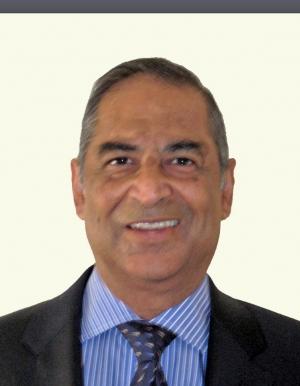
Marta Molinas is a Professor at the Department of Engineering Cybernetics within the Faculty of Information Technology and Electrical Engineering at the Norwegian University of Science and Technology (NTNU). Her research spans multiple interdisciplinary domains with a focus on EEG technology and brain-computer interfaces. She actively supervises numerous Master's projects and maintains extensive international collaborations with institutions including Kavli Institute for Systems Neuroscience, RIKEN Center for Brain Science, University of Tsukuba, Juntendo University, and several European universities. Professor Molinas' research interests center on developing innovative EEG technologies, particularly her FlexEEG concept for reduced-channel EEG systems with brain imaging capabilities. Her work integrates signal processing, artificial intelligence, and neuroscience to create practical applications in mental health, sleep research, neurorehabilitation, and human-computer interaction. She specializes in EEG source imaging, machine learning for brain signal analysis, and the development of brain-computer interfaces for various applications including locked-in syndrome communication, ADHD treatment, and driver monitoring systems. Her publication portfolio demonstrates strong trends in interdisciplinary research combining neuroscience with electrical engineering and artificial intelligence. The work shows particular emphasis on developing practical EEG-based systems that minimize invasiveness while maintaining analytical power, with applications spanning healthcare, rehabilitation, and human augmentation. Her research bridges theoretical signal processing with real-world implementations through numerous student projects and international collaborations. Professor Molinas actively supervises a large team of Master's and PhD students across multiple projects, with each project typically requiring two students working collaboratively. Her research is supported through numerous international collaborations with institutions in Japan, India, and Europe, indicating substantial research funding and project leadership. She has developed a pipeline of student projects that build upon previous work, creating a cumulative knowledge base within her research group. She leads the EEG ITK research team at NTNU, which focuses on developing the FlexEEG headset prototype featuring flexible, wireless, dry electrodes designed to move across the scalp. This team works at the intersection of neuroscience, electrical engineering, and computer science, developing applications for sleep research, mental health monitoring, neurorehabilitation, and brain-computer interfaces. The team collaborates extensively with international partners including the Kavli Institute for Systems Neuroscience, the International Institute of Integrative Sleep Medicine at University of Tsukuba, and several engineering departments across Europe and Asia.
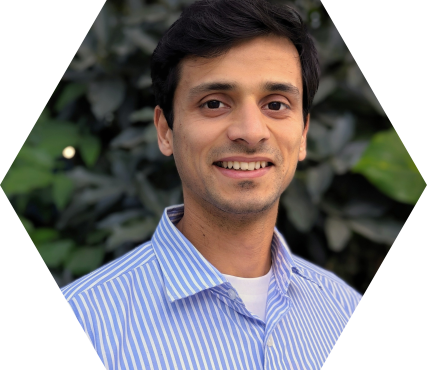
Dr. Xin Zhou is an Oxford-Bristol Myers Squibb Fellow at the Department of Computer Science, University of Oxford. Her research integrates computational modeling, clinical data, and experimental findings to investigate cardiac disease mechanisms and develop human-based simulations for drug evaluation. BSc and MSc in Life Sciences, Beijing Normal University DPhil in Computational Biology, University of Oxford Her work focuses on multi-scale cardiac modeling , particularly in ischemic heart disease and heart failure, exploring ionic currents, tissue conduction, and organ-level dynamics. She develops electromechanical simulations to study cardiac alternans and arrhythmic risks, translating these into clinical applications for patient stratification and pharmaceutical testing. Recent publications emphasize in silico clinical trials , sex-specific cardiometabolic analysis, and Purkinje network modeling. Collaborative efforts with clinicians and pharmaceutical partners highlight her translational approach to regulatory science. Model of the Year 2024, BioModels EPSRC Impact Acceleration Account Microsoft Research Project Award Recognition Award, University of Oxford She supervises PhD and MSc students in computational cardiology, while serving on the editorial board of Frontiers in Physiology . Her current projects involve digital twinning and predictive cardiac safety models to reduce animal testing reliance.
Dr. Joshua Brinkerhoff is an Associate Professor in Mechanical Engineering at the University of British Columbia Okanagan Campus. He serves as the Associate Director for Research & Industrial Partnerships in the School of Engineering and leads the UBC-Okanagan Computational Fluid Dynamics Laboratory. His research spans computational fluid dynamics, turbomachinery, multiphase flows, hydrogen safety, wind energy, and biofluid mechanics. He teaches courses in mechanics of materials, alternative energy systems, turbulence, computational fluid dynamics, and aircraft design. PhD, Aerospace Engineering (Carleton University, Ottawa, ON) BEng, Aerospace Engineering (Carleton University) Dr. Brinkerhoff’s research interests include: Computational Fluid Dynamics (CFD) for laminar-to-turbulent transition and instability analysis Wind energy systems and turbine aerodynamics Hydrogen storage and safety protocols for transportation Biofluid mechanics for respiratory diseases and aneurysm modeling Multiphase flows in industrial and environmental contexts His publications focus on CFD simulations for: Aerosol dispersion and mitigation in indoor environments Wind farm interactions and atmospheric gravity waves Cavitation and phase transitions in cryogenic and LNG systems Heat transfer optimization in industrial and thermal systems Instability dynamics in buoyancy-driven and swept flows Turbulent structures in fluidized beds and reactors Dr. Brinkerhoff has no listed scientific awards in the provided data but has extensive contributions to renewable energy, hydrogen safety, and medical fluid dynamics. His laboratory develops open-source tools like TOSCA for large-eddy simulations and investigates practical applications in urban air quality, dental aerosol control, and turbine wake modeling.
Prof. Dr. Robert Blick is a faculty member at the University of Hamburg , leading the Institute for Nanostructure and Solid State Physics under the Faculty of Mathematics, Informatics, and Natural Sciences. He serves as Director of the Center for Hybrid Nanostructures (CHyN) and Head of the Board of Examiners of Nano-Science. Research Focus: Atomic Layer Deposition (ALD), quantum dots, superconducting thin films, biomaterials, and nanomechanical devices. Key Collaborations: Deutsches Elektronen-Synchrotron (DESY), molecular-beam epitaxy groups, Forschungslabor Mikroelektronik Deutschland. His academic contributions span nanoscience, materials growth, and biomedical applications. Current funding includes support from the Deutsche Forschungsgemeinschaft (DFG), Exzellenzcluster CUI, and the Joachim Herz Foundation. The CHyN research group operates a state-of-the-art clean room facility for electron-beam and focused-ion-beam lithography, enabling 8nm feature definition on 6-inch wafers. Applications of his work include memristor technology, quantum devices, and advanced biosensors. His PhD students include Ahmed Alshaikh, Kristian Deneke, Daniel Hensel, Marianna Brede, Daniel Schmidt, Malte Siegmund, and Jan Stelzner. Senior researchers Dr. Stefanie Haugg and Dr. Robert Zierold contribute to materials growth and atomic layer deposition.
Lakshmi N Sankar serves as Regents Professor and Sikorsky Professor in the Guggenheim School of Aerospace Engineering at Georgia Institute of Technology, where he directs the Computational Fluid Dynamics Laboratory and teaches aerodynamics, helicopter theory, and wind energy courses. His research program spans unsteady viscous flow modeling for aircraft, helicopters, and wind turbines since joining the faculty in 1982 after industry experience at Lockheed Martin. Education: Ph.D., Aerospace Engineering, Georgia Institute of Technology, 1977 MSAE, Aerospace Engineering, Georgia Institute of Technology, 1975 B. Tech., Aeronautical Engineering, Indian Institute of Technology, Madras, India, 1973 Research Focus: Professor Sankar's work centers on Computational Fluid Dynamics for rotorcraft aerodynamics and wind energy systems , with significant contributions to icing phenomena and unsteady flow modeling . His recent publications reveal intensifying focus on adverse weather effects (rain/icing), eVTOL conversion challenges, and high-fidelity hybrid modeling techniques for rotorcraft performance prediction. Publication Trends: Analysis of his 2022-2025 publications shows dominant themes in rotorcraft icing (35%), weather impact studies (25%), and advanced CFD methodologies (20%), with growing interest in drone applications and mathematical aspects of fluid dynamics. His work consistently bridges theoretical mathematics with practical aerospace engineering challenges. Scientific Recognition: AIAA Fellow and AHS Technical Fellow NASA Group Achievement Award (2007) and Space Act Software Release Award (2003) Multiple Sigma Gamma Tau Teaching Awards (2005-2015) Dean George C. Griffin Faculty of the Year (2014-2015) Sikorsky Professorship (2018-Present) Mentorship and Collaboration: As recipient of Georgia Tech's Graduate Research Assistant Development Award, he has cultivated extensive student mentorship. His research integrates with the Vertical Lift Research Center of Excellence and Center for 21st Century Universities, securing major industry and NASA funding for rotorcraft innovation. Current projects include physics-based modeling of ice accretion and eVTOL retrofit feasibility studies. Research Infrastructure: The Computational Fluid Dynamics Laboratory serves as his primary research hub, complemented by collaborations through the Vertical Lift Research Center of Excellence where his team develops next-generation modeling tools for military and civilian rotorcraft applications under federal funding programs.
Karthik Menon serves as an Assistant Professor with a joint appointment in the Woodruff School at Georgia Institute of Technology and the Coulter Department of Biomedical Engineering. His research integrates fluid mechanics, computational modeling, and data-driven methodologies to address critical challenges in healthcare, renewable energy, and bio-inspired engineering systems. His academic credentials include: Ph.D. in Mechanical Engineering, Johns Hopkins University (2021) M.S. in Mechanical Engineering, Johns Hopkins University (2019) B.E. in Mechanical Engineering, Birla Institute of Technology and Science, Pilani, India (2015) Menon's research program centers on three interconnected domains: cardiovascular flows for personalized treatment of heart disease, fluid-structure interactions in biological systems like heart valves and bio-mimetic robots, and vortex-dominated flows for renewable energy applications. His approach combines high-fidelity computational modeling with machine learning to uncover fundamental physics and develop clinical solutions, such as cardiovascular digital twins for non-invasive risk assessment. Current projects focus on patient-specific hemodynamics using CT imaging and uncertainty quantification to improve surgical planning. Analysis of his 15 most recent publications (2023-2025) reveals a dominant focus on advancing multi-fidelity computational frameworks for cardiovascular applications. Key trends include Bayesian uncertainty quantification, zero-dimensional solver development, and integration of clinical imaging data to create predictive digital twins. His work bridges fluid dynamics with clinical cardiology, targeting improved outcomes in coronary artery disease and Kawasaki-related complications through physics-informed machine learning. Menon's scholarly contributions have been recognized through competitive awards: WCCM-PANACM 2024 Travel Award, U.S. Association for Computational Mechanics (2024) Future Faculty Symposium Travel Award, Society of Engineering Science Conference (2023) Mark O. Robbins Prize in High-performance Computing, Johns Hopkins University (2021) Corrsin-Kovasznay Outstanding Paper Award, Johns Hopkins University (2020) Prosperetti Travel Award, Johns Hopkins University (2017) Mechanical Engineering Departmental Fellowship, Johns Hopkins University (2016) As principal investigator of the ComBiNE Fluid Dynamics Lab, Menon mentors graduate students in developing computational tools for fluid-structure interaction problems. His collaborative projects with cardiologists at Stanford and Emory hospitals translate engineering principles into clinical applications for cardiovascular disease management. Current grant activities focus on NSF and NIH-funded initiatives for uncertainty-aware cardiovascular modeling and bio-inspired flow energy harvesting. The ComBiNE Fluid Dynamics Lab operates as an interdisciplinary hub where engineers, clinicians, and data scientists collaborate on fluid mechanics challenges. Current lab initiatives include developing real-time hemodynamic simulators for surgical planning, creating reduced-order models for cardiac device optimization, and investigating vortex dynamics in fish schooling for underwater vehicle design. The lab maintains strong partnerships with Children's Healthcare of Atlanta and the Parker H. Petit Institute for Bioengineering and Bioscience.
Carey E. Priebe is a Professor in the Department of Applied Mathematics and Statistics at the Whiting School of Engineering, Johns Hopkins University. He maintains strong affiliations with multiple research centers including the Johns Hopkins University Center for Imaging Science, the Mathematical Institute for Data Science, and the Human Language Technology Center of Excellence. His academic career spans several decades with significant contributions to statistical methodology and theory. Dr. Priebe's research focuses on computational statistics, statistical pattern recognition, and statistical inference for high-dimensional and graph data. His work bridges theoretical statistics with practical applications in areas such as brain connectome mapping, network analysis, and image processing. He has made significant contributions to spectral graph theory, graph matching, and vertex nomination, with applications ranging from neuroscience to national security. His publication record demonstrates consistent contributions to statistical methodology, with a notable emphasis on graph-based statistical methods. His research trajectory shows increasing focus on network data analysis, particularly in the last decade, with applications to brain mapping and connectome analysis as evidenced by his NSF BRAIN Initiative grant and Nature publication. 2013 Erskine Fellow (University of Canterbury) 2011 McDonald Award for Excellence in Mentoring and Advising 2010 ASA SDNS Distinguished Achievement Award 2009 Erskine Fellow (University of Canterbury) 2008 National Security Science and Engineering Faculty Fellow 2008 Pond Award for Excellence in Teaching NSF BRAIN EAGER grant recipient (2014) Professor Priebe has supervised an extensive number of doctoral students whose work spans statistical methodology, network analysis, and machine learning. His students have secured positions at prestigious institutions including academia (University of Wisconsin, Boston University), government research labs, and major technology companies (Microsoft, Facebook, Amazon). His research has been supported by significant grants from NSF, DARPA, and other agencies focused on national security applications and fundamental statistical methodology development. He maintains active collaborations across multiple disciplines and institutions, as evidenced by his numerous conference presentations and visiting appointments including at The Alan Turing Institute and The Isaac Newton Institute. His work bridges theoretical statistics with practical applications in neuroscience, security, and data science.
Adam de la Zerda is an Associate Professor at Stanford University's Department of Structural Biology (School of Medicine) and Electrical Engineering (by courtesy). He develops advanced optical molecular imaging technologies combining nanoparticle contrast agents and adaptive OCT systems for cancer and ophthalmic disease research. Technion-Israel Institute of Technology (BSc, 2005) Stanford University (PhD, 2011) UC Berkeley (Postdoctoral Fellowship) Research Themes : Virtual biopsy using machine learning-enhanced OCT Gold nanorod-based molecular contrast agents Speckle noise reduction for cellular resolution Needle beam optical coherence tomography angiography His 15 most recent publications demonstrate technical innovations in: Metasurface optics for extended depth-of-field Spectral deconvolution of multiple contrast agents Speckle modulation for improved diagnostic clarity Noninvasive lymphatic system mapping Scientific Honors : Pew-Stewart Scholar for Cancer Research AFOSR Young Investigator NIH Early Independence Award Forbes 30 Under 30 (x2) Chan Zuckerberg BioHub Investigator His lab team has developed clinical prototypes including OcuBell Inc. 's ophthalmic imaging systems and Visby Medical 's diagnostic platforms. Current research spans from in vivo glycoprotein imaging to de novo biosensor development for real-time disease monitoring in awake animal models.
Dr. Borivoje Dakic is an Associate Professor at the University of Vienna , affiliated with the Faculty of Physics and the Quantum Optics, Quantum Nanophysics and Quantum Information department. His research spans foundational and applied aspects of quantum theory. Operational reconstruction of quantum formalism Quantum interference as a resource for communication Tomography of large-scale quantum systems Macroscopic quantum phenomena His work includes scalable verification techniques for quantum devices and collaborations with experimental teams like Philip Walther’s and Markus Aspelmeyer’s groups. He received the Marko Jarić Prize (2025) for his contributions. Recent projects focus on diagnostics of quantum devices (FWF BeyondC SFB), information-theoretic foundations of quantum interference (FWF P36994), and local operations in quantum field theory (Cluster of Excellence QuantA). His research on quantum coherence in networks and macroscopic entanglement challenges traditional assumptions about quantum-classical boundaries. Publications emphasize resource-efficient tomography, device-independent verification, and foundational frameworks for quantum statistics and field theory. Teaching: Quantum Information (2025W), Theory in Quantum Optics (2025S), VCQ Summerschool Labs: Dakić Group at University of Vienna
Dan Suciu is a Microsoft Endowed Professor in the Paul G. Allen School of Computer Science & Engineering at the University of Washington. His research focuses on data management, query optimization, probabilistic databases, parallel data processing, and information theory applications to databases. Awards : ACM Fellow (2011), American Academy of Arts and Sciences (2024), ACM SIGMOD Codd Innovation Award (2022), NSF Career Award (2001), Alfred P. Sloan Fellow (2001-2002). Research Trends : Recent work emphasizes cardinality estimation using Lp-norms, submodular width for query evaluation, dynamic query processing, and tensor program optimization. His publications highlight intersections between database systems and formal methods, driven by mathematical rigor. Key Collaborators : Mahmoud Abo Khamis, Dan Olteanu, Amir Shaikhha, Maximilian Schleich, Kyle Deeds, Moe Kayali. Advising : PhD students Gerome Miklau (2006), Christopher Re (2010), Paris Koutris (2016), Nilesh Dalvi (2008 runner-up), Yisu Remy Wang (2024 runner-up) have excelled in dissertation awards.
Professor Byung S. Lee is a distinguished faculty member in the Department of Computer Science at the University of Vermont's College of Engineering and Mathematical Sciences. He joined UVM in 1999 and continues to be actively engaged in teaching, research, and service. His office is located in Innovation Hall at the Burlington campus, where he maintains regular office hours and oversees his research lab. Professor Lee holds a Ph.D. from Stanford University, an MS from Korea Advanced Institute of Science and Technology, and a BS from Seoul National University. His educational background provided the foundation for his extensive career in computer science research and education. Professor Lee's research spans multiple domains within computer science, with a particular focus on database systems, data mining, and data science. His work increasingly integrates machine learning techniques with traditional database approaches, especially in the analysis of time series data. He has made significant contributions to graph theory applications, anomaly detection methods, and environmental data analysis. His research often bridges computer science with practical applications in healthcare, environmental science, transportation, and astrophysics through interdisciplinary collaborations. An analysis of his recent publications reveals a strong trend toward time series analysis and anomaly detection, particularly applied to environmental monitoring and healthcare data. His work demonstrates a consistent evolution from foundational database research to more applied machine learning approaches, with increasing emphasis on real-world problem solving across multiple scientific domains. Professor Lee has served as primary advisor for numerous graduate students across multiple cohorts, including PhD candidates, Master's students, and postdoctoral researchers. His advising portfolio reflects the breadth of his research interests, with students working on topics ranging from graph neural networks to medical informatics applications. He has also been actively involved in professional service, serving on program committees for major conferences including SAC, PAKDD, DASFAA, and CIKM. Professor Lee leads a vibrant research laboratory that focuses on cutting-edge data science methodologies and their applications. His team collaborates extensively with researchers in environmental science, hydrology, and healthcare, demonstrating the interdisciplinary nature of modern data science research. The lab maintains active projects in time series analysis, graph analytics, and environmental monitoring systems, often working with large-scale datasets from real-world applications.
Andrew Lan is an Associate Professor in the College of Information and Computer Sciences at the University of Massachusetts Amherst, where he also serves as the CS Undergraduate Program Director. He was granted tenure by the UMass Board of Trustees in June 2025 and is currently on leave through Spring 2026. His research focuses on developing human-in-the-loop machine learning methods to enable scalable, effective, and personalized learning experiences in education. Dr. Lan received his BS in Physics and Mathematics from the Hong Kong University of Science and Technology, followed by his MS (2014) and PhD (2016) in Electrical and Computer Engineering from Rice University. He completed postdoctoral research at Rice University (2016) and Princeton University's EDGE Lab (2017-2018). His research spans artificial intelligence for education, with particular expertise in educational data mining, knowledge tracing, personalized learning systems, and human-AI collaboration in educational contexts. Dr. Lan's work leverages massive and multimodal learner and content data collected from both traditional classrooms and online learning platforms to develop systems that deliver high-quality, affordable, and personalized learning experiences. He has made significant contributions to areas including computerized adaptive testing, math word problem generation, student affect detection, and automated grading systems. His recent work increasingly focuses on leveraging large language models for educational applications while maintaining rigorous scientific validation of these approaches. Best Student Paper Award at the 2024 AIED Conference (with Alexander Scarlatos) Best Paper Nominee at LAK 2021 Best Student Paper Award at IEEE Big Data 2020 NAEP Math Automated Scoring Challenge Grand Prize Winner Dr. Lan actively mentors graduate students and postdoctoral researchers, with several of his advisees receiving recognition for their work. He has secured substantial funding from the National Science Foundation, including a $90M grant for the SafeInsights project, a secure cyberinfrastructure for educational research. His research group collaborates with institutions including Worcester Polytechnic Institute, University of Pennsylvania, and Rice University. He teaches undergraduate and graduate courses including COMPSCI 240 (Reasoning under Uncertainty) and COMPSCI 590OP (Applied Numerical Optimization), with a focus on the practical application of theoretical concepts in machine learning and artificial intelligence. His educational philosophy emphasizes bridging the gap between theoretical foundations and real-world implementation in educational technology.
Mykola Pechenizkiy is a Full Professor at the Department of Mathematics and Computer Science at Eindhoven University of Technology (TU/e), holding the Data Mining Chair. He also serves as an Adjunct Professor in Data Mining for Industrial Applications at the University of Jyväskylä. His research focuses on predictive analytics, data mining, and responsible AI, addressing real-world challenges in industry, healthcare, and education. He leads the Customer Journey research program at the Data Science Center Eindhoven, emphasizing ethical and transparent analytics. Academically, he holds a PhD from the University of Jyväskylä (2005) and has held visiting researcher positions at institutions like Columbia University and NYU. He has co-authored over 300 peer-reviewed publications and serves on editorial boards and committees for leading conferences (e.g., AAAI, IJCAI). He is the President of the International Educational Data Mining Society (IEDMS). His research interests include concept drift adaptation, sparsity techniques in neural networks, and fairness-aware AI. He has led projects such as the TKI PPS KPN Smart Two initiative and collaborates with industries like ASML, Philips, and Rabobank. His work contributes to UN SDGs, particularly in sustainable development through AI-driven solutions. Awards: Best Demo Paper Award (IEEE ICDE 2023), Best Paper Awards (ALA 2022, LoG 2022), and SensorKDD 2009 recognition. Grants/Projects: Active projects include TKI PPS KPN Smart Two (2019–2025) and Smart One W&I TKI KPN Flagship (2018–2022). Labs/Teams: Affiliated with EAISI Health, SIKS Scientific Board, and the University of Waikato’s AI Institute.