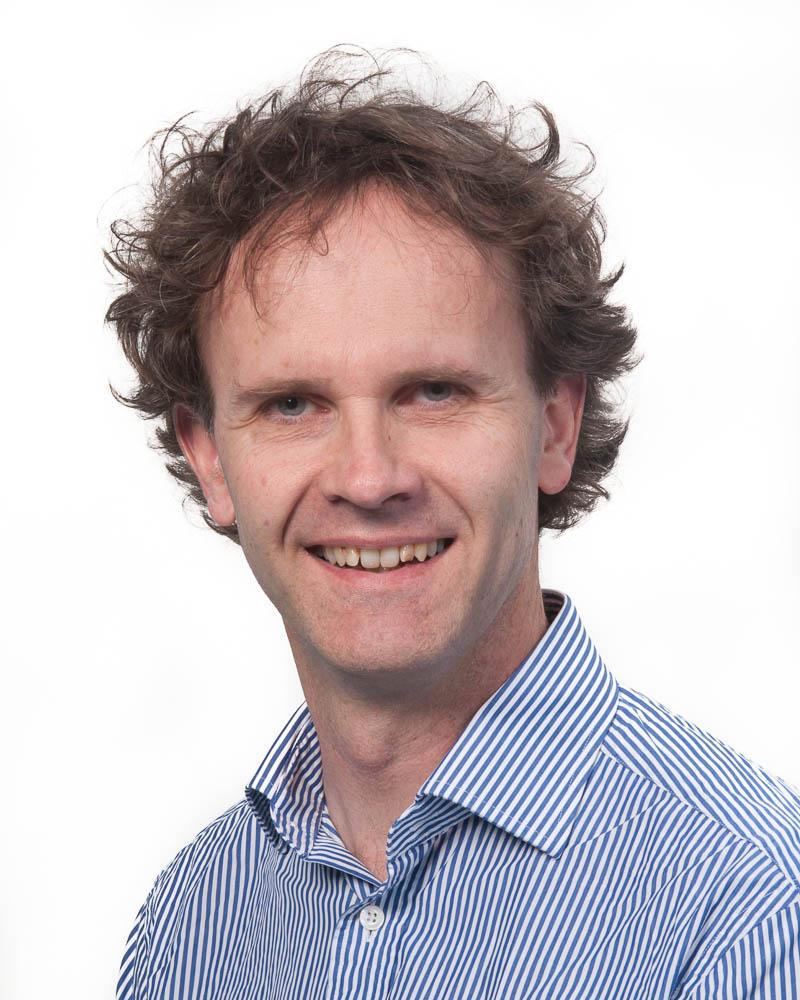
Dr William Bennett is a Lecturer in Civil Engineering at Swansea University's Faculty of Science and Engineering. His research focuses on coastal engineering through advanced computational modeling, particularly examining climate change impacts on coastal flooding and erosion. Specializes in coastal hydrodynamics and morphodynamics Develops nature-based coastal protection strategies Active in flood risk management and climate adaptation Recent publications demonstrate expertise in salt marsh impacts on estuarine systems, compound flooding analysis, and wave-climate modeling. Collaborations span: Department of Civil Engineering colleagues Biosciences researchers (Dr John Griffin, Dr Chiara Bertelli) External partners (Natural Resources Wales, Environment Agency) Teaches modules covering: Engineering design fundamentals Coastal management practices Hydrodynamic modeling techniques
Henrik Johansson is a doctoral student at the Division of Electromagnetic Engineering and Fusion Science (EMF), School of Electrical Engineering and Computer Science (EECS), Royal Institute of Technology (KTH). He focuses on interactions between power system protection algorithms and control strategies of inverter-based resources in grids with high power electronics penetration. B.Sc. and M.Sc. in Electrical Engineering and Electric Power Engineering from KTH (2020, 2022) Development engineer at Scibreak (HVDC auxiliary power supplies) Teaching assistant in mathematics courses at KTH His research intersects power systems, renewable energy integration, and grid protection algorithms. Recent publications analyze impacts of grid-forming inverters on distance protection schemes and adaptive fault detection methods. Articles highlight trends in power electronics integration and protection system design for modern grids. Scientific recognition includes the Teaching Assistant of the Year award from KTH electrical engineering students. He collaborates with Professor Nathaniel Taylor and Professor Xiongfei Wang on advancing protection strategies for grids with high renewable energy penetration.
Marco Mazzarisi serves as an Assistant Professor in the Department of Mechanics, Mathematics and Management at the Polytechnic University of Bari, Italy, specializing in Manufacturing Technology and Systems (ING-IND/16 classification). Based at Via Orabona 4, 70125 Bari, he can be contacted via marco.mazzarisi@poliba.it or the departmental line +39 080 596 3522. His research centers on laser-based additive manufacturing processes, with primary expertise in Laser Metal Deposition (LMD) and Directed Energy Deposition. Key investigation areas include real-time process monitoring using coaxial infrared systems and off-axis optical techniques, defect detection (particularly subsurface voids), melt pool dynamics analysis, and sustainability assessment through exergetic analysis. His work focuses on nickel-based superalloys (Inconel 718) and stainless steels (AISI 316L), addressing critical challenges in geometric accuracy, energy consumption, and material compatibility in hybrid manufacturing. Analysis of his 2020-2025 publications reveals consistent innovation in LMD monitoring methodologies. His research demonstrates strong interdisciplinary integration between thermal physics, optical engineering, and sustainable manufacturing principles. Notable contributions include the development of off-axis monitoring frameworks, causal models for void prediction, and exergy-based sustainability metrics that bridge process quality with environmental impact assessment. Scientific awards: No awards, fellowships, or medals are documented in the provided materials. Advising and grants: No information regarding graduate student supervision, research grants, or funding sources is provided in the source text. Laboratory facilities: The text does not specify any dedicated laboratories, research teams, or collaborative groups associated with Dr. Mazzarisi's work.
Pierre L'Écuyer is a Full Professor in the Department of Computer Science and Operational Research at the Faculty of Arts and Sciences, University of Montreal. He holds a Canada Research Chair in Stochastic Simulation and Optimization and is a member of GERAD and CIRRELT research centers. His office is located at André-Aisenstadt building, room 3361, and he can be reached at 514 343-2143. Dr. L'Écuyer received his Baccalauréat in mathematics, Master's in operational research, and PhD in computer science with focus on operational research, all from the University of Montreal. His academic journey has led him to become one of the world's most influential researchers in stochastic simulation. His research focuses on stochastic systems modeling and simulation, with particular expertise in random number generation, quasi-Monte Carlo methods, simulation efficiency improvement, sensitivity analysis, and optimization. His work has practical applications in call centers, finance, communication systems, and revenue management. Analysis of his recent publications shows strong emphasis on randomized quasi-Monte Carlo methods, variance reduction techniques, and applications to complex optimization problems in service systems. Lifetime Professional Achievement Award from INFORMS (2020) Ranked among the most influential researchers worldwide by Mendeley/Elsevier (2019, 2020) ACM SIGSIM Distinguished Contribution Award (2016) Mercit Award from Canadian Operational Research Society (2014) Distinguished Service Award from INFORMS Simulation Society (2011) Urgel-Archambault Prize from ACFAS (2002) Dr. L'Écuyer has supervised numerous PhD and Master's students working on topics ranging from random number generation to call center optimization. His current research projects, funded by NSERC and other organizations, focus on fundamental tools for stochastic simulation, with applications extending through 2030. He leads the SIMUL research laboratory which has developed several important software tools including SSJ (Stochastic Simulation in Java), TestU01, and RNGStreams.
Vladimir Molkov is Professor of Fire Safety Science at Ulster University's Belfast School of Architecture and the Built Environment. A graduate of Moscow Institute of Physics and Technology (1977) with a PhD in Chemical Physics (1984) and DSc in Fire and Explosion Safety (1997), he previously headed the Fire Modelling Department at All-Russian Research Institute for Fire Protection. Since joining Ulster in 1999, he founded the Hydrogen Safety Engineering and Research Centre (HySAFER) in 2008, a globally recognized hub for hydrogen safety research. His research focuses on: Computational modeling of hydrogen-related hazards Cryogenic storage safety Flame dynamics and blast wave propagation Infrastructure risk assessment He secured £8M in external funding (2004-2019) for projects like HyTunnel-CS and leads safety education initiatives including the world's first MSc in Hydrogen Safety Engineering. Recent publications demonstrate strong emphasis on: Computational fluid dynamics (CFD) validation for hydrogen systems Cryogenic temperature safety mechanisms Infrastructure risk modeling for hydrogen vehicles Experimental validation of explosion phenomena Prof. Molkov contributes to international standards through: European Hydrogen Safety Panel ISO/TC197 Hydrogen Technologies committee IEA HIA Task 37 on Hydrogen Safety Education Committee chair at International Association for Hydrogen Safety
W. Cully Hession is a Professor and Graduate Program Director in the Biological Systems Engineering (BSE) department at Virginia Tech , where he has served since 2012. He directs the StREAM Lab , focusing on ecological engineering , stream restoration , and human-natural system interactions . His career spans roles at the University of Vermont and the Academy of Natural Sciences of Philadelphia. Education : PhD in Biosystems Engineering (Oklahoma State), MS & BS in Agricultural Engineering (Virginia Tech) Licensure : Professional Engineer (VA), Certified Ecological Designer (AEES) Research Interests center on stream channel processes , floodplain connectivity , UAV applications , and climate resilience . Current projects include Beaver Dam Analogs for stream restoration, drone-based LiDAR for floodplain mapping, and virtual watershed exhibits to bridge community-scientist dialogue. His work integrates hydrology , ecological design , and interdisciplinary education . Scientific Contributions include 15 recent articles on topics like UAV monitoring , streambank erosion , and antibiotic resistance in soils . He has secured over $278,911 in USDA funding for undergraduate research training and leads NSF-REU initiatives involving 14 faculty across 5 colleges. Awards : Fellow of the American Ecological Engineering Society (2024), UCOWR Education & Public Service Award (2021), and VT-BSE Faculty of the Year (2006, 2019). Teaching & Outreach includes directing BSE design projects and co-developing Virtual Watershed exhibits. As Graduate Program Director, he expanded BSE enrollment from 40 to 70 students and secured $50k+ for graduate recruitment. The StREAM Lab engages 14+ classes across 4 colleges with real-time monitoring data.
Devid Maniglio is an Associate Professor at the Department of Industrial Engineering, University of Trento. His research focuses on bioengineering, biomaterials, and tissue engineering, with a particular emphasis on bioprinting, surface modification, and functional materials. He has contributed to advancements in silk fibroin and hydrogel-based systems for medical applications. Research Interests Bioengineering for personalized medicine Biomaterials and surface engineering 3D bioprinting and tissue regeneration Molecular imprinting and biosensors Drug delivery and cell encapsulation Teaching Diagnostic and therapeutic technologies for personalized medicine Engineered materials for precision medicine Fundamentals of biomedical technologies Functional surfaces laboratory Labs & Collaborations Devid Maniglio is affiliated with the Functional Surfaces Laboratory at the University of Trento, collaborating with researchers such as Stefano Rossi and Flavio Deflorian. His work integrates interdisciplinary approaches in biomedical engineering and sustainable medical technologies.
Jean-Luc Autran is an Exceptional University Professor (PRCE2) at Aix-Marseille University, affiliated with the Department of Detection, Radiation and Reliability (DETECT) within the Faculty of Sciences. Since July 2023, he has been temporarily assigned to the University of Rennes for managerial roles. His research focuses on radiation effects in microelectronics, particularly soft errors caused by atmospheric neutrons, muons, protons, and terrestrial radiation in nanoscale devices. Key Research Areas: Microelectronics Reliability, Single-Event Effects, Atmospheric Radiation, Neutron Interactions, Muon Physics, Radiation-Hardened Design. Scientific Leadership: As an Honorary Member of the Institut Universitaire de France (since 2003), he leads multidisciplinary efforts from radiation metrology to multi-physics circuit simulation via tools like GEANT4, SRIM, and NGSPICE. His work spans 25+ years, evolving from quantum transport in nano-MOSFETs (1998-2008) to atmospheric radiation effects (2005-present). Recent Contributions: 2025 studies on ultrawide-bandgap semiconductors, deep learning-based radiation simulations, and JET Tokamak neutron experiments. He pioneers a multi-scale Single-Event Effect simulation framework for decananometer CMOS, integrating particle physics, device modeling, and system-level error rate prediction. Scientific Awards: Honorary Member, Institut Universitaire de France (2003 class). Educational Impact: Teaches graduate courses in quantum mechanics simulation, nanoelectronics reliability, and radiation detection at Aix-Marseille University, with lectures delivered in English for international audiences.
Park Chang Je is an Associate Professor in the Department of Quantum and Nuclear Engineering at Sejong University , South Korea. He leads the Sejong Nuclear Core Design and Reactor Analysis Lab (SeNDAL) and has previously served as a Principal/Senior Researcher at the Korea Atomic Energy Research Institute (KAERI). His expertise lies in nuclear reactor design, neutron transport theory, Monte Carlo simulations, and spent nuclear fuel analysis. Education: Ph.D. in Nuclear Engineering, Korea Advanced Institute of Science and Technology (KAIST), 2001 M.S. in Nuclear Engineering, KAIST, 1995 B.S. in Nuclear Engineering, Seoul National University, 1993 Research Interests: His research spans a wide range of nuclear engineering disciplines, including: Nuclear core design and reactor analysis Neutron transport and diffusion theory Monte Carlo theory and applications Spent nuclear fuel characterization and safeguards Thorium fuel cycle and small modular reactors Radiation shielding and nuclear safety Recent Research Trends: His recent publications focus on advanced nuclear reactor design, safety analysis of spent fuel storage systems, Monte Carlo-based shielding analysis, and innovative fuel cycle strategies. He has contributed to the design of thorium-based reactors, development of neutron multiplicity counting techniques, and evaluation of nuclear waste management systems. Research Projects & Funding: Development of Prompt Response In-Core Instrument and 3D Core Flux Distribution Synthesis Methodology (2023) Human Resources Development Project for High-Level Waste Management (2023) Development of manufacturing technology for neutron-absorbing composite materials for spent fuel storage (2022) Regulatory methodology development for protection against radiological sabotage (2020) Conceptual design of thorium-based ship reactors and space nuclear systems (2017–2021) Laboratory & Team: He directs the Sejong Nuclear Core Design and Reactor Analysis Lab (SeNDAL) , which focuses on reactor physics, nuclear fuel cycle analysis, and radiation transport simulations. The lab collaborates with domestic and international institutions including KAERI, KAIST, and international research reactors.
Dominic Henze is a Professor at the Technical University of Munich (TUM), affiliated with the Faculty of Informatics and the Chair of Software Engineering . He leads research initiatives in Cyber-Physical Systems , Smart Environments , and Machine Learning Applications , with a particular focus on Fog Computing architectures. His research spans theoretical frameworks and real-world implementations, including collaborations with institutions like Carnegie Mellon University and industry partners such as Siemens AG and Zeiss IMT . His work addresses challenges in resource allocation , predictive maintenance , and blockchain integration within industrial contexts. Dr. Henze's publications reveal a consistent focus on Fog Computing architectures, IoT resource management, and educational software engineering. Key trends include self-organizing network systems , decentralized supply chain traceability , and smart environment coordination . He has advised numerous students on topics ranging from QoS negotiation to autonomous drone coordination . As an educator, he has taught multiple iPraktikum courses and seminars on iOS development and Agile Project Management since 2014, with publications exploring team composition strategies and distributed programming pedagogy.
Oriol Guasch Fortuny is Full Professor at the Department of Engineering, La Salle, Ramon Llull University in Barcelona, specializing in computational acoustics and aeroacoustics. He holds a five-year Physics degree from Universitat de Barcelona and a PhD in Computational Mechanics from UPC. His research spans acoustic black holes , graph theory in vibroacoustics, parametric array technology , and numerical voice production . Current projects: GENIOVOX (expressive voice generation), EUNISON (voice simulation) Editorial roles: Subject Editor , Journal of Sound and Vibration Leadership: Heads acoustics research in the GTM group His 15 most recent publications focus on acoustic black hole applications in vibration control, parametric loudspeaker optimization , and chaotic vocal fold modeling . Work combines finite element analysis with theoretical acoustics . Collaborations include: CIMNE (UPC, Barcelona) GIPSA-LAB (Grenoble, France) INSA Lyon (France) Northwestern Polytechnical University (Xi’an, China) KTH Stockholm (Sweden) Patents: NºU-201230809: Horn amplifier for parametric arrays Nº201230043: Omnidirectional ultrasonic sound source
Olav Gaute Hellesø is a Professor and Head of the Department of Physics and Technology at UiT The Arctic University of Norway, where he has been employed since 1998 and led the department since 2021. He is a member of the Ultrasound, Microwaves and Optics research group, focusing on integrated optics and optical trapping of micro- and nanoparticles. Education : Cand. Scient. from University of Bergen (1989), DEA and Dr. from INP de Grenoble, France (1990, 1994) His research spans photonics applications in biomedical engineering, including Raman spectroscopy for extracellular vesicle analysis, metasurface-based optical trapping, and waveguide sensor development. Recent publications highlight innovations in dielectric nanotweezers, BIC-supported trapping systems, and self-supervised learning for spectral analysis. Collaborators include Md Rabiul Hasan, Mathias Novik Jensen, and Balpreet Singh Ahluwalia, with work featured in Nature Photonics , Optics Express , and ACS Applied Optical Materials . His team explores optical manipulation of biological nanoparticles, methane detection via cryptophane-cladded interferometers, and crystalline structure quality assessment using near-infrared tomography. As department head, Hellesø coordinates research in integrated optics and photonics. His laboratory in Teknologibygget Tromsø 3.060 focuses on photonic chip technologies for particle trapping and spectroscopic analysis. Current projects include optimizing metasurface sensitivity, developing low-noise Raman systems, and advancing on-chip methane sensors.
T M Indra Mahlia , a Distinguished Professor at the School of Civil and Environmental Engineering , University of Technology Sydney (UTS), leads cutting-edge research in sustainable energy systems and environmental engineering. As a core member of the Centre for Technology in Water and Wastewater and the Centre for Advanced Modelling and Geospatial Information Systems , he bridges engineering innovation with practical climate solutions. PhD from University of Malaya (Kuala Lumpur, Malaysia) Fluency in English, Indonesian, Malay, and Achinese for peer review His research spans Techno-Economic Analysis , Circular Economy , and Water-Energy Nexus challenges, supported by over $5 million in grants. His work focuses on: Hydrogen energy systems optimization Advanced materials for energy storage Low-cost water purification technologies Sustainable biodiesel production Thermal management innovations As a Highly Cited Researcher (Clarivate Analytics, 2017-2022) and The Australian 's 2019/2025 Sustainable Energy Leader , he mentors future researchers - notably guiding two Highly Cited PhD students ( H.C. Ong and A.S. Silitonga ). His publications across 2024-2026 demonstrate technical advancements in: Hydrogen carrier systems Microalgae-derived lubricants High-entropy alloy corrosion resistance Artificial neural network optimization Phase change material thermal sinks Biohydrogen production pathways
Roland Reitberger is a Research Fellow at the Chair of Energy Efficient and Sustainable Design and Building at the Technical University of Munich . His work focuses on Life Cycle Assessment , thermal-dynamic building simulation , and parametric methods for analyzing the built environment. He investigates interactions in urban systems and synergy effects in sustainable construction. Research interests include climate-resilient urban planning, integration of green infrastructure with building systems, and data-driven optimization of building energy performance. His recent publications demonstrate expertise in multi-objective decision support for neighborhoods, GIS-based urban tree analysis , and holistic climate assessments of construction projects. Reitberger contributes to urban climate resilience research through parametric modeling of building density-vegetation relationships and develops frameworks for circular economy strategies in building densification and refurbishment. His methodological innovations combine machine learning with building simulation for explainable AI applications in office energy management.
Giovanna Barigozzi is a Full Professor at the University of Bergamo's Department of Engineering and Applied Sciences within the School of Engineering. Since October 2024, she has served as Vice Rector with responsibility for Innovation and Digital Transition of University Processes and Services, with a focus on ethical AI implementation in academic contexts. Previously, from 2018 to 2024, she was Director of the Department of Engineering and Applied Sciences and a Member of the Academic Senate. PhD in Fluid Machine Engineering, University of Genoa (1996) Diploma Course in Turbomachinery, von Karman Institute for Fluid Dynamics, Belgium Bachelor's with honors in Mechanical Engineering, University of Genoa (1992) Professor Barigozzi's research spans thermo-fluid dynamics, gas turbine cooling systems, and sustainable energy technologies. Her work combines experimental and numerical approaches to address complex engineering challenges in film cooling of gas turbine arrays, energy conversion systems, and hydrogen technologies. She has pioneered innovative cooling system analyses through collaborations with Korea University, applying artificial intelligence to optimize cooling geometries. Her recent publication portfolio reveals strong trends in advanced cooling techniques for gas turbines, with particular emphasis on film cooling optimization using shaped holes, trench geometries, and experimental techniques like Pressure Sensitive Paint. The research spans fundamental fluid dynamics investigations to applied studies on hydrogen production systems and automotive brake disc aerodynamics, demonstrating both theoretical depth and practical engineering applications. As an academic leader, Professor Barigozzi serves as Associate Editor of the ASME Journal of Turbomachinery and on the Editorial Board of the International Journal of Turbomachinery, Propulsion, and Power. For ASME IGTI, she coordinates the Honors & Awards Committee for the 2024-2026 biennium, reflecting her standing in the international turbomachinery community. Professor Barigozzi coordinates the Energy Systems and Turbomachinery Laboratory at the University of Bergamo and is a member of the Doctoral School in Sustainable Technologies for Industrial and Construction Engineering (SUSTAIN). Her leadership extends to coordinating teaching activities across multiple engineering programs, including courses on fluid machinery, sustainable energy, and experimental techniques for fluid machinery.