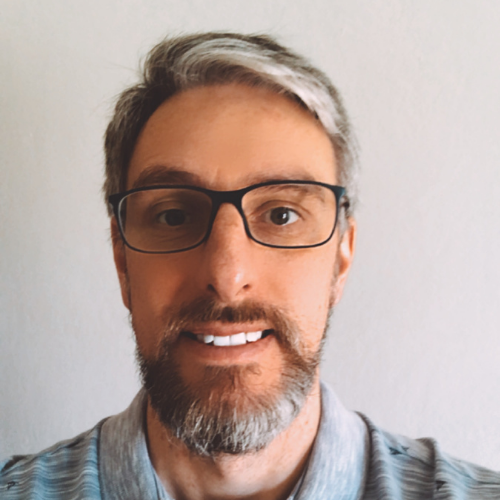
Dr. Pierre Picchetti is a Junior Research Group Leader and Liebig Fellow at the Karlsruhe Institute of Technology (KIT) 's Institute of Nanotechnology , leading the Cluster-Based Materials research unit focused on Multifunctional Nanomaterials for Healthcare Applications . His work spans advanced nanosensor development, supramolecular chemistry, and targeted drug delivery systems. Institution: Karlsruhe Institute of Technology (KIT) Unit: Cluster-Based Materials - Multifunctional Nanomaterials for Healthcare Applications Contact: pierre.picchetti@kit.edu | Phone: +49 721 608-28933 Dr. Picchetti's research integrates Nanotechnology , Supramolecular Chemistry , and Biomedical Engineering to create innovative solutions for food safety , drug delivery , and medical diagnostics . Key methodologies include Surface Enhanced Raman Scattering (SERS) , indicator displacement assays , and stimuli-responsive nanocarriers . Recent publications highlight 2025 breakthroughs in nanosensor design for food contaminants and plant-based detection systems , alongside 2024 advancements in polymersome-encapsulated chemosensors and light-triggered drug release platforms. His SERS-based mycotoxin sensors and cucurbit[7]uril assays demonstrate precision in complex biological environments. Scientific Awards: Liebig Fellow Current projects emphasize biofluid-applicable sensors , gold nanoparticle anticancer therapies , and environmentally responsive nanomaterials , reflecting his commitment to translating nanoscience into real-world applications.
Dr. Prashanth Asuri is a Professor in the Department of Bioengineering at Santa Clara University's School of Engineering, where he has been teaching and researching since Fall 2011. His work focuses on developing biomaterial-based in vitro platforms to understand complex in vivo phenomena, combining biomaterials engineering, nanotechnology, and biology. Ph.D. in Chemical and Biological Engineering, Rensselaer Polytechnic Institute M.B.A. in Leading Innovative Organizations, Santa Clara University Research interests include hydrogel-based toxicity assessment, macromolecular crowding effects, and mechanical property optimization of nanocomposites. He has published over 50 scholarly works and teaches courses ranging from biomaterials science to healthcare marketing. Awards: Brutocao Family Foundation Award for Curriculum Innovation (2022) President’s Special Recognition Award (2019) School of Engineering Teaching Excellence Award (2018) School of Engineering Researcher of the Year (2016) As Director of the School of Engineering's Healthcare Innovation and Design Program, he bridges academic research with industry applications. His publications reveal sustained contributions to biomaterials engineering, nanoparticle toxicity, and mechanobiology.
Tooran Emami is a tenured full professor of Electrical Engineering in the Department of Electrical Engineering and Computing at the U.S. Coast Guard Academy (USCGA). She joined USCGA as a Tenure Track Assistant Professor in July 2011, advanced to Tenured Associate Professor in August 2017, and currently serves as a Tenured Professor since August 2023. Prior to USCGA, she was an adjunct faculty member at Wichita State University for three semesters. Ph.D., Electrical Engineering, Wichita State University M.S., Electrical Engineering, Wichita State University Dr. Emami's research focuses on control systems, with expertise in Proportional-Integral-Derivative (PID) controller design, robust control, time-delay systems, compensator design, analog and digital filter design, and hybrid fuel cell power plant design. Her work bridges theoretical control engineering with practical applications in energy systems, particularly fuel cells and renewable energy integration. She has made significant contributions to engineering pedagogy, developing innovative teaching methods for hybrid and virtual learning environments. Analysis of Dr. Emami's recent publications reveals a strong focus on PID controller design methodologies, particularly for systems with time delays. Her work increasingly integrates renewable energy systems, with numerous publications on hybrid fuel cell, solar, and battery systems. She maintains a dual focus on theoretical control systems and practical engineering education, with several publications addressing project-based learning approaches in electrical engineering education. Center for Advanced Study Summer Fellowship Award (2012) Spirit of The Bear Award (2016) Outstanding Doctoral Dissertation Award at Wichita State University Student Paper Award from Engineering Physics and Physics Division (2022) Multiple Best Paper and Student Paper Awards at ASEE conferences Dr. Emami serves as Lead Advisor for Electrical Engineering and Cyber Systems Majors and Advisor for Electrical Engineering Senior Capstone Projects. She has held numerous leadership positions including Interim Program Chair of Electrical Engineering, ASEE Electrical and Computer Engineering Division Program Chair, and Faculty Senate Vice President. Her service extends to conference organization, where she has served as Session Chair, Program Committee member, and Scientific Committee member at national and international conferences. She previously served as Ph.D. Student Dissertation Co-Adviser and Master Student Theses Co-Adviser at Wichita State University. Dr. Emami actively participates in professional organizations as a Senior Member of IEEE and member of IEEE Control System Society and American Society for Engineering Education. Her leadership roles in ASEE include serving as Electrical and Computer Engineering Division Vice Chair, Engineering Physics and Physics Division Program Chair, and Ocean Engineering Division Publication Chair. She has contributed to numerous conference committees and served as an advisor for Lockheed Martin Ethics in Engineering Case Competitions.
Ignacio Rangel is a Senior Lecturer at the Department of Medical Sciences, School of Medical Sciences, Örebro University. His research focuses on microbial ecology in health and disease, specifically investigating gut microbiota interactions in gastrointestinal conditions like irritable bowel syndrome (IBS) and inflammatory bowel diseases (IBD). He works within the Life Science Centre and Responsive Nutrition Research Centre environments. Research Interests: Mechanisms of probiotics (traditional and next-generation), functional roles of gut microbiota, diet-microbe interactions, inflammation modulation, and gut-brain axis dynamics. Funding: Supported by Lantmännen, Knowledge Foundation, Valio, and Örebro University. Collaborations: Active in inflammatory bowel disease research, cognitive medicine biomarkers, and nutrition-gut-brain axis teams. Recent Research Trends: 2025 publications examine Pleurotus eryngii fermentation effects on intestinal barrier integrity. Earlier works explore chicory root microbiota modulation (2024), Akkermansia muciniphila's therapeutic potential (2022), and butyrate's neuroprotective roles (2021).
Assoc. Prof. Dr. Ihsan Erozan serves as Associate Professor and Deputy Head of Department at Kutahya Dumlupinar University 's Faculty of Engineering, Department of Industrial Engineering . With expertise in Operations Research , Cellular Manufacturing Systems , and Decision Support Systems , he has authored 41 publications including books, journal articles, and conference papers. Education : B.S. (2004), M.S. (2007) in Industrial Engineering from Kutahya Dumlupinar University, and Ph.D. (2014) from Sakarya University Research Interests focus on: Optimization techniques for production systems Artificial Intelligence applications in manufacturing Ergonomics and human factors in industrial environments World-class production methodologies Recent Publications (2015-2025) demonstrate trends in: Fuzzy logic for ergonomic control systems Genetic algorithms in manufacturing optimization Web-based automation tools like YIPLOCA project Comparative analysis of pull-based production systems Professional Roles include: Manager for two web-based automation projects (2014-2016) Commission leadership in academic governance Teaching Portfolio spans courses on: Cellular Manufacturing Systems Advanced Manufacturing Systems Engineering Economics Clustering Methods
Samira Azarin is an Associate Professor and Director of Undergraduate Studies in the Department of Chemical Engineering and Materials Science at the University of Minnesota's College of Science and Engineering. Her research integrates biomaterials, cellular engineering, and stem cell biology to address critical challenges in cancer treatment and neurological disorders. Her primary research focuses include: Mechanisms of tumor progression and metastatic cancer treatment Biomanufacturing of natural killer (NK) cells for allogeneic cancer immunotherapy Stem cell-derived models of blood-brain barrier and intestinal epithelial barriers Cellular dormancy mechanisms and therapeutic applications Biomaterial scaffolds for in vivo cancer cell capture Recent publications (2021-2025) demonstrate strong trends in cancer immunotherapy, with particular emphasis on NK cell biomanufacturing and electroporation-based in-situ vaccination strategies. Her work increasingly incorporates advanced biomaterial platforms for physiological barrier modeling and metastasis prevention, reflecting a translational focus on moving from fundamental mechanisms to therapeutic applications. Scientific recognition includes: Editor's Choice article in Biotechnology and Bioengineering (2020) Editor's Choice article in Biotechnology and Bioengineering (2016) Editor's Award for Biology in International Journal of Hyperthermia (2019) Dr. Azarin has successfully mentored 23 graduate students to completion (2019-2024), with alumni placements at major pharmaceutical companies including Merck, AbbVie, Bristol Myers Squibb, Amgen, and 3M. Her lab emphasizes collaborative, equitable, and inclusive scientific development, with research supported by significant NIH and industry funding for NK cell biomanufacturing, metastasis modeling, and blood-brain barrier restoration. The Azarin Research Group maintains an active collaborative environment focused on quantitative biological analysis combined with tissue engineering approaches, regularly participating in events like the Cellular Bioprocess Technology short course and maintaining strong industry partnerships for therapeutic translation.
Sarah Woolner is a Research Fellow in the Division of Cell Matrix Biology & Regenerative Medicine at the University of Manchester, where she established her own laboratory after receiving a prestigious Wellcome Trust/Royal Society Sir Henry Dale Fellowship in July 2012. Her academic journey began with a Biological Sciences degree from the University of Edinburgh (2000), followed by a PhD at UCL under Paul Martin, a postdoctoral position at the University of Wisconsin-Madison with Bill Bement (2006), and subsequent research at the University of Manchester with Nancy Papalopulu. Dr. Woolner's research centers on understanding how cell division orientation shapes tissues and determines cell fate at the cellular level. Her laboratory investigates the mechanisms by which cells read their external environment to orient division, with particular focus on how extracellular matrix cues influence mitotic spindle positioning. Her work addresses fundamental questions about how molecular forces are balanced inside cells to position the mitotic spindle and how these internal mechanisms coordinate with the external cellular environment across tissues. Her research spans Cell Biology, Developmental Biology, and Biophysics, with significant implications for understanding embryonic development failures and cancer progression. Analysis of her recent publications reveals a strong focus on tissue mechanics, cell division orientation, and the biophysical aspects of cellular organization. Dr. Woolner's scientific contributions have been recognized through several prestigious fellowships including the Beit Memorial Fellowship, Stepping Stones Fellowship, and the Wellcome Trust/Royal Society Sir Henry Dale Fellowship. She has supervised 6 research students and is currently involved in multiple research projects including 'Laser capture dissection for spatially-resolved -omics analysis' (2024-2025) and 'Multi-modal high throughput live cell system to track biomechanical properties' (2023-2024), where she serves as a Co-Investigator.
Hessam Noori Dokht is a Lecturer in the Department of Mechanical Engineering at Purdue University's Indianapolis campus. She holds a PhD in Mechanical Engineering (Purdue University, 2023), MSc in Biomedical Engineering (Sahand University of Technology, 2011), and BSc in Mechanical Engineering (Urmia University, 2008). Her research focuses on cartilage mechanics, biomedical applications, and tissue degradation mechanisms in orthopedic contexts. Her work explores topics such as cartilage wear resistance, drug interventions for cartilage preservation, and computational modeling of joint mechanics post-surgery. She has developed reproducible animal models for studying post-traumatic osteoarthritis and pioneered photochemical crosslinking techniques to enhance cartilage durability. Recent studies incorporate biochemical composition analysis and SIRT1 activity in chondrocyte injury response. Dr. Noori Dokht’s publications span from in vitro wear testing to finite element analysis of joint prosthetics. She collaborates on interdisciplinary projects merging mechanical engineering principles with biomedical challenges, particularly in orthopedic research and material science.
Dr. Laura Moody is an Associate Professor in Molecular Plant Biology and a Royal Society University Research Fellow at the University of Oxford. She is also a Tutorial Fellow at St John’s College. Her research focuses on understanding the genetic mechanisms underlying the 2D-to-3D growth transition in early land plants, particularly the moss Physcomitrium patens . This transition is critical for plant adaptation to terrestrial environments. Dr. Moody employs innovative approaches to elucidate the genetic networks enabling this pivotal developmental shift, addressing fundamental questions about plant evolution and terrestrialization. Her work leverages the unique growth phases of Physcomitrium patens , which allows experimental disruption of 3D growth without lethality. Key interests include the roles of proteins like N-Acetyltransferase-MAPK, prion-like proteins, and CURLY LEAF in regulating growth transitions. She investigates how these mechanisms evolved to enable land colonization, integrating molecular genetics, developmental biology, and evolutionary perspectives. Research Awards: Royal Society University Research Fellowship. Dr. Moody’s lab explores the interplay between genetics and plant morphology, aiming to uncover conserved and divergent pathways in land plant evolution. Her findings contribute to broader understanding of how genetic regulation shaped terrestrial life's establishment.
Manuel Freire Morán is a Researcher at the Complutense University of Madrid , affiliated with the School of Informatics and the Department of Software Engineering and Artificial Intelligence . His work focuses on Educational Technology , Serious Games , and Learning Analytics , with a particular emphasis on leveraging game-based learning to address challenges in education and healthcare. Role : Researcher in software engineering and AI, specializing in educational games and analytics. Research Highlights : Development of frameworks like EGDA for healthcare education, evidence-based evaluations of serious games, and tools for analyzing player behavior in game-based learning environments. Interdisciplinary Work : Contributions to medical research via clinical studies on lupus treatments, albeit likely secondary to his primary educational technology focus. Publication Trends : Recent work centers on Game Learning Analytics (2022), predictive modeling of student knowledge (2019), and the integration of gamification into MOOCs (2015). His research consistently bridges Game Design , Data Mining , and Educational Assessment , with applications ranging from bullying awareness to procedural healthcare training.
Luiz Roesch is an Associate Professor in the Department of Microbiology and Cell Science at the University of Florida. His research focuses on microbial diversity, metagenomics, and the interplay between microbiomes and human/animal health. He has contributed to understanding microbial communities in environments ranging from soil and gut ecosystems to space missions. His work bridges microbiology with clinical, environmental, and agricultural applications. Education details are not explicitly provided in the text, but his research spans over 20 years with publications since 2014. His studies include genomic characterization of bacteria, microbial responses to environmental changes, and associations between microbiota and diseases like osteoporosis, glycogen storage disorders, and sepsis. Key research interests include bacterial species diversity, antibiotic resistance in neonates, microbiome-genotype interactions, and microbial contributions to human pathologies. Recent articles highlight innovations in sequencing pipelines (e.g., RESCUE) and applications of microbiome data to clinical and agricultural contexts. His articles collectively address themes like microbial resilience under environmental stress, human microbiome-disease links, and agricultural sustainability. No awards are mentioned, but his work reflects significant contributions to microbial research methodologies and interdisciplinary applications. Lab affiliations or grant details are not specified, though his position suggests involvement in university research infrastructure. His office is located in Room 1247 of the Microbiology Building (#981) on the UF campus.
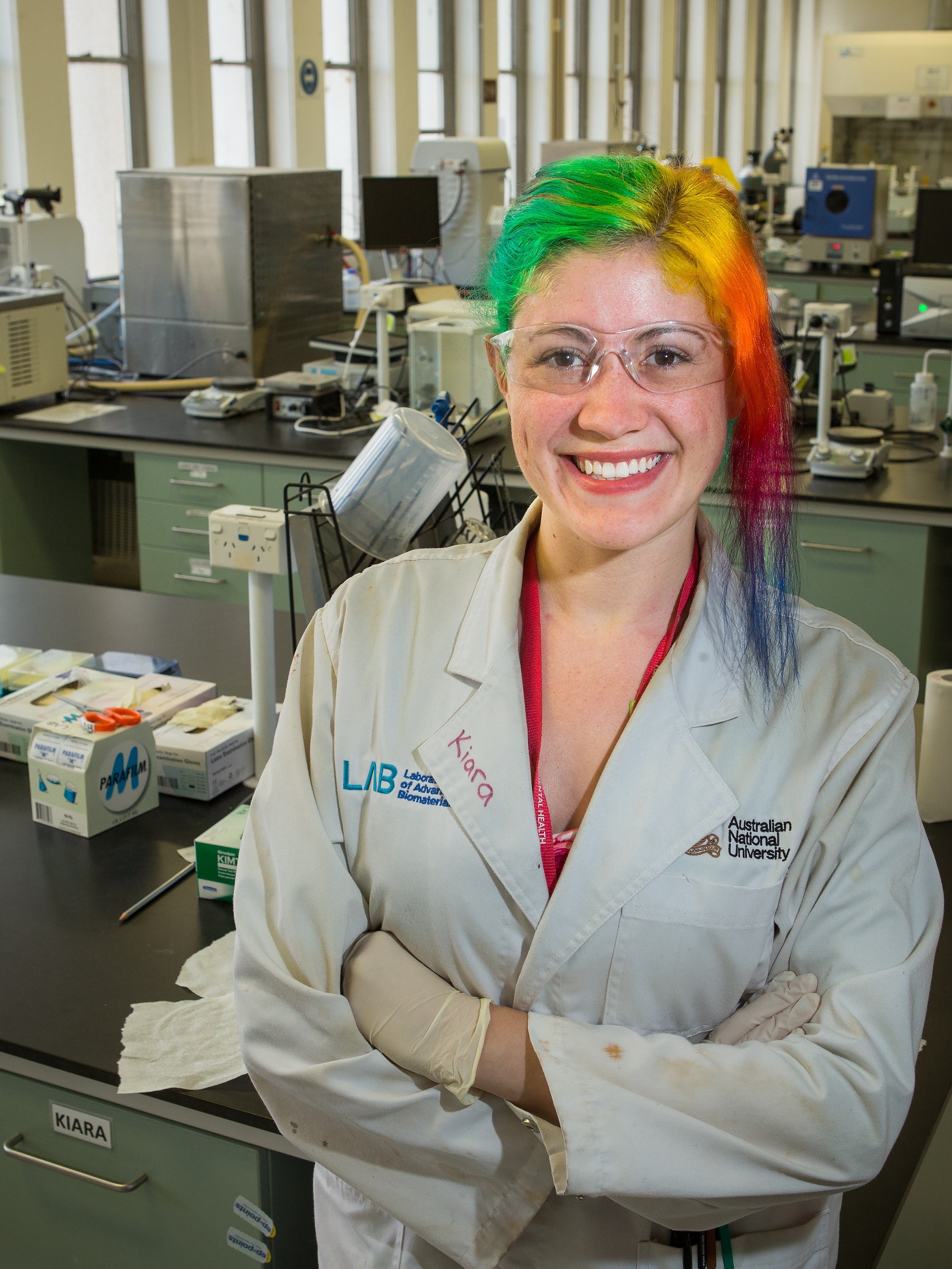
Kiara Bruggeman is a Senior Lecturer at the Australian National University (ANU), based in the School of Engineering within the ANU College of Systems & Society. Her research focuses on biomaterials and drug delivery systems for regenerative medicine, particularly in brain tissue repair. She holds Honours degrees in Nanotechnology Engineering and Chemistry from the University of Waterloo, Canada, and a PhD in Biomedical Engineering from ANU. Dr. Bruggeman’s interdisciplinary work spans nanotechnology, stem cell biology, and biomedical engineering, with collaborations at institutions like the Florey Neuroscience Institute and the Grenoble Synchrotron. Education: Bachelor of Engineering (Nanotechnology) with Honours, University of Waterloo, Canada (2012) Bachelor of Science in Chemistry with Honours, University of Waterloo, Canada (2013) PhD in Biomedical Engineering, Australian National University (2017) Research interests emphasize biomaterials that mimic brain tissue, enabling stem cell therapies for stroke and neurodegenerative diseases. Her work integrates chemistry, biology, and material physics to design hydrogels and nanomaterials for controlled drug delivery. Recent breakthroughs include a 40% improvement in stroke recovery in preclinical models. Her publications span biomaterials, nanotechnology, and STEM education. Notable contributions include 2024 research on leveraging clinical waste for stem cell sources and 2022 studies on UV-responsive nanoparticles for growth factor delivery. Awards: Superstar of STEM (2021–22), Science and Technology Australia ABC Top 5 Early Career Researcher (Sciences) 2020 ANU Media and Outreach Awards (High Commendation, 2015) Advising and Grants: Collaborates globally but no specific grants or advisees listed. Active in STEM advocacy and education outreach, including the Reimagine STEM series exploring diversity, social impact, and Indigenous knowledge in science. Labs: Member of the Laboratory of Advanced Biomaterials at ANU, focusing on translational research in regenerative medicine.
S. Cenk Sahinalp is an Adjunct Professor and Senior Investigator at the National Cancer Institute, NIH in Bethesda, MD. He earned a B.Sc. in Electrical Engineering from Bilkent University and a Ph.D. in Computer Science from the University of Maryland, College Park. His postdoctoral research at Bell Labs preceded his academic roles, including a position at Indiana University, Bloomington. His research focuses on algorithmic biology , combinatorial optimization , and cancer genomics , with an emphasis on leveraging high-throughput sequencing data to understand cancer genome evolution and heterogeneity. Key contributions include developing tools like Severus for structural variant detection and Trisicell for tumor phylogeny reconstruction. He has advised over two dozen students/postdocs, many of whom hold academic/research roles globally. Research interests span bioinformatics , computational biology , and privacy-preserving genomics . His work integrates algorithm design with clinical applications, such as pharmacogenomics and immuno-oncology. Sahinalp leads the Algorithms for Cancer Research Group , emphasizing interdisciplinary approaches to cancer biology challenges. Notable projects include analyzing clonal evolution in melanoma, modeling tumor heterogeneity via single-cell sequencing, and developing secure computational methods for genomic data (e.g., PRESAGE ). His lab explores AI-driven solutions for genomics, balancing innovation with ethical data practices.
Dr. Gary Coleman is an Associate Professor in the Department of Plant Science & Landscape Architecture at the University of Maryland, College Park. He has held this position since 1995, following a postdoctoral research associate tenure at Oregon State University (1990–1995). His work integrates molecular biology, genetics, genomics, proteomics, and physiology to study nitrogen cycling and homeostasis in trees, emphasizing perennial systems' competitive advantages in nitrogen-limited environments. Research focuses on poplar trees as a model organism to investigate seasonal nitrogen remobilization and storage protein mechanisms. Education: Ph.D. in Horticulture-Forestry from the University of Nebraska; M.S. and B.S. in Forest Genetics and Forest Biology from Colorado State University. Professional experience includes postdoctoral training at Oregon State University and a 1995–present appointment at the University of Maryland. Research Interests: Gary’s research explores nitrogen storage and cycling in woody plants, particularly seasonal mobilization of nitrogen in temperate deciduous trees and tropical species. Key topics include auxin transport’s role in nitrogen flux, metabolic interactions between carbon and nitrogen in poplar, and the application of CRISPR-Cas12a variants for genome editing. His studies aim to enhance nitrogen-use efficiency and support sustainable agricultural practices in changing climates. Awards and Recognition: Junior Faculty Excellence Award, College of Agriculture and Natural Resources Marsho Award for best graduate student paper (1999) Membership in National Academy of Sciences Committees (1998–1999; 2002–2004) Philip Merrill Presidential Scholar mentor recognition (2015) Testimony before the U.S. House Subcommittee (2012) Grants and Advising: Gary’s research has been supported by National Academy of Sciences committee appointments and institutional funding. He has mentored students in high-impact research, though no formal advisees are explicitly listed in the provided texts. His work aligns with grants focused on genomic tools for sustainable crop development and climate resilience. Labs and Teams: Gary leads a research laboratory at the University of Maryland, specializing in nitrogen cycling dynamics in poplar. Collaborations include interdisciplinary efforts within the College of Agriculture and Natural Resources to address environmental and agricultural challenges through plant science innovation.
Dr. Nicolas Stewart is a Senior Lecturer in the School of Applied Sciences at the University of Brighton, affiliated with the Centre for Environment and Society and Applied Chemical Sciences Research Excellence Group. His research focuses on protein modification mechanisms, particularly non-enzymatic chemical modifications by reactive metabolites, and their implications in diseases like neurodegeneration, diabetes, and cancer. He develops mass spectrometry-based methods for biomarker discovery and has pioneered techniques for sex determination using tooth enamel peptides. Education: PhD in Chemistry (2004, University of Ottawa), postdoctoral training at Ottawa Health Research Institute, National Chemistry Institute (USA), and University of Pittsburgh. His work integrates proteomics, lipidomics, and bioarchaeology with clinical applications. Research interests include: 1) Protein modification by catecholamines/oestrogen metabolites; 2) Biomaterial development from protein modification; 3) Ancient DNA analysis using enamel peptides; 4) Environmental contaminant impact assessments. Current funding includes a Leverhulme Trust project on sex determination via tooth enamel. Publications highlight proteomic analysis of disease biomarkers, extracellular vesicle-based diagnostics, and archaeological biochemistry. Recent studies explore stress-induced proteomic changes in cancer models and lipidomic responses to plant-based antioxidants. Teaching focuses on analytical chemistry concepts, emphasizing conceptual understanding over rote memorization. Supervises projects in proteomic analysis and biomarker discovery.