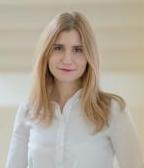
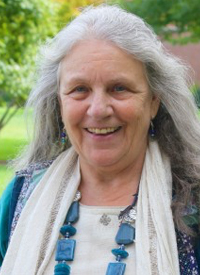
Maja KORICA is a Full Professor of Strategic Management at IÉSEG School of Management in France. She holds a DPhil in Management Studies from the University of Oxford. Her academic roles include previous positions as Reader in Management and Organisation at Warwick Business School (2021–2023), Assistant Dean (2017–2019), and earlier roles as Associate/Assistant Professor there (2013–2021). Her research focuses on strategy, sustainability, organizational behavior, healthcare management, and pedagogy in management education. She has contributed to understanding managerial work dynamics, knowledge mobilization in healthcare, and innovative teaching methodologies like structured shadowing. Her research spans topics such as CSR, creative industries, and the intersection of aesthetics and organizational style. She has published widely in journals like British Journal of Management , Organization Science , and Management Learning , emphasizing practical and theoretical contributions to management studies. Notable works include analyses of managerial mood work in creative settings and attentional practices of healthcare CEOs. KORICA’s teaching spans undergraduate and postgraduate programs, including Responsible Leadership and International Business Strategy. She has advised on organizational decline in alternative structures, such as coworking cooperatives.
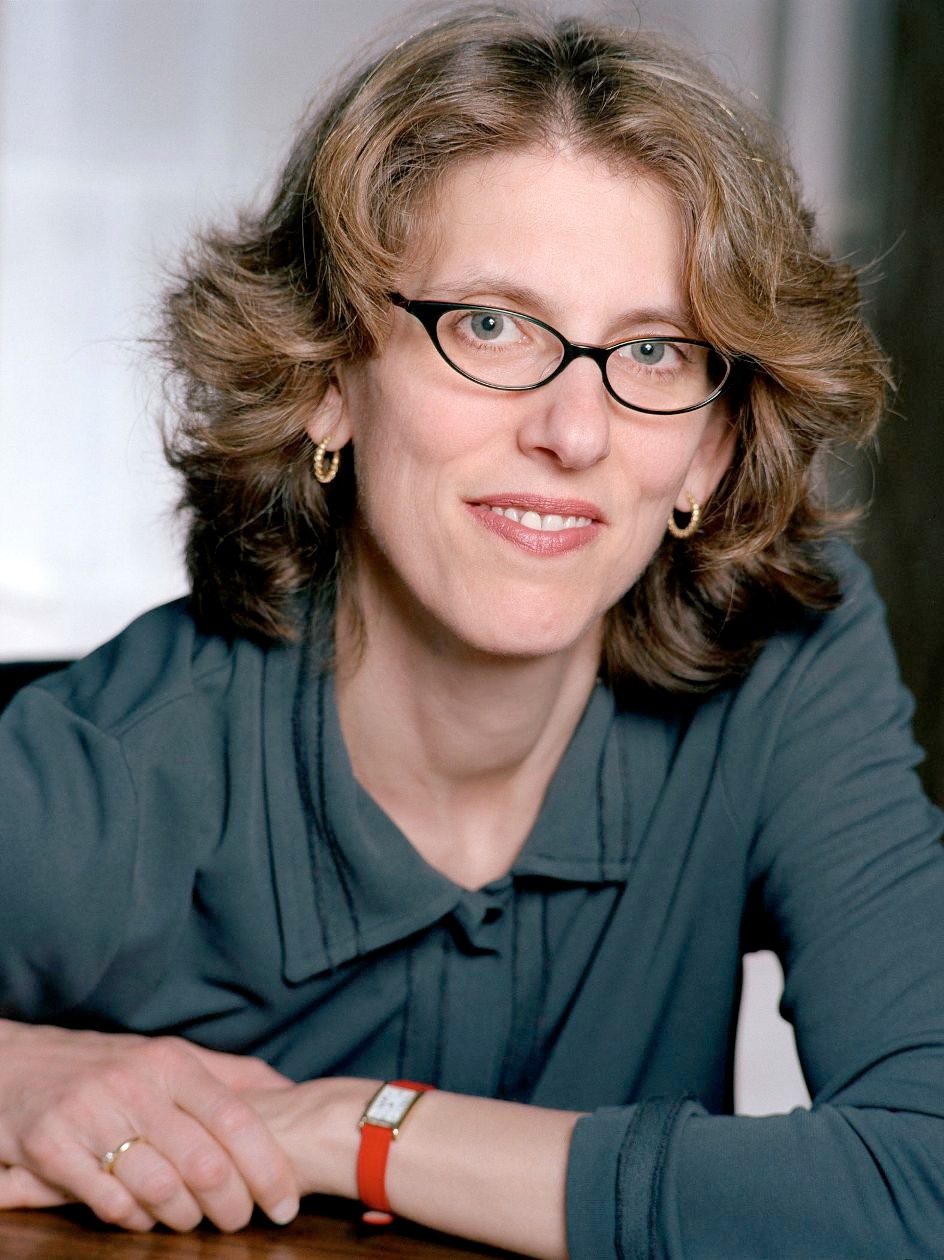
Juliet Schor is a Professor of Sociology at Boston College, specializing in work, consumption, and environmental sustainability. She holds a Ph.D. in Economics from the University of Massachusetts Amherst and previously taught at Harvard University for 17 years. Her research focuses on consumer culture, sustainable economies, and the four-day workweek trials. She has authored influential books like The Overworked American and The Overspent American , which shaped national debates on work-life balance and consumerism. Education: B.A., Wesleyan University; Ph.D., University of Massachusetts Amherst. Research interests include: Consumer society and political consumption Environmental degradation and sustainability transitions Sustainable sharing economies and platform cooperativism Work-hour reduction and carbon emissions Recent work analyzes global four-day workweek trials, funded by 4 Day Week Global. Collaborations include studies on Airbnb’s environmental impact and platform labor dynamics. Her research bridges academia, policy, and activism. Awards: ASA Public Understanding of Sociology Award (2014) Herman Daly Award (2011) Leontief Prize (2006) Guggenheim Fellowship Grants and advising: Member of MacArthur Foundation’s Connected Learning Network; leads PhD student collaborations (e.g., After the Gig ). Organized the Summer Institute in New Economics. Labs/Initiatives: Co-founder of the Center for a New American Dream; chairs the Better Future Project (climate justice). Active in global sustainability networks like 4 Day Week Global.
Jenn Brophy is an Assistant Professor of Bioengineering at Stanford University, developing technologies for genetic engineering of plants and microbes to address environmental stress resilience and agricultural sustainability. Her lab focuses on synthetic genetic circuits for plant root reprogramming and stress response optimization. B.S. in Bioengineering, UC Berkeley (2010) Ph.D. in Biological Engineering, MIT (2016) Postdoctoral Fellow, Stanford University (Biology) Research spans synthetic biology, plant genetics, and microbiome engineering, emphasizing climate adaptation and sustainable biotechnology. Current projects include: Plant-microbe interaction engineering Stress-responsive biosensors High-throughput genetic tool development Plant cell atlas integration Sustainable laboratory practices Her recent publications highlight advances in recombinase circuits, root architecture engineering, and plant cell mapping, with applications in climate resilience and microbiome design. Collaborators include José Dinneny (Stanford) in plant synthetic biology research.
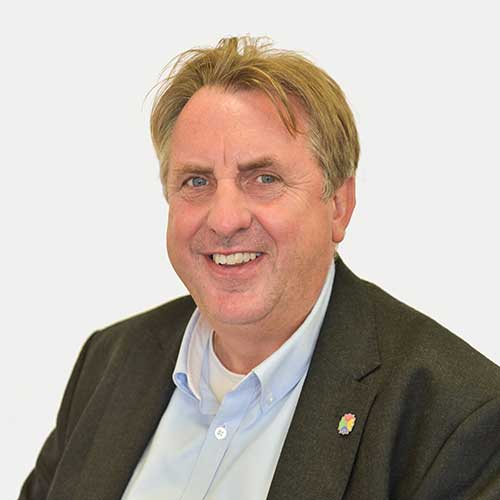
Professor Michael Draper is a faculty member at the Hillary Rodham Clinton School of Law, Swansea University, where he serves as Director of the Swansea Academy of Inclusivity and Learner Success and Chair of the University’s Academic Regulations and Student Cases Board. He is a Principal Fellow of the Higher Education Academy and actively contributes to national and international policy development in academic integrity. His research focuses on Academic Integrity , Legal Education , and Ethics , with a particular emphasis on contract cheating, remote assessment challenges, and fraud law implications. His work bridges legal practice and educational policy, addressing issues like online assessment integrity and student assignment purchasing . Recent publications analyze trends in remote proctoring , essay mills , and academic ethics , reflecting his expertise in aligning legal frameworks with educational practices. He has received recognition as a Principal Fellow of the Higher Education Academy for his contributions to teaching and policy. Michael Draper supervises postgraduate research, including a 2023 PhD on Minority Shareholder Protection , and leads strategic university initiatives in learning and teaching. His grants include the Epigeum Project (2015–2017), which enhanced academic success frameworks.
Dr. John O'Sullivan is a Professor in the School of Communications at Dublin City University (DCU), part of the Faculty of Humanities and Social Sciences. He has been teaching since 1996, specializing in journalism, media theory, and technology's societal impact. His research focuses on journalism practice, digital media, news audiences, and media ethics, particularly through projects like the EU-funded ReMED initiative examining news media in Ireland. He has held leadership roles, including Chair of the MA in Journalism program and Vice-President of the Journalism Studies Section at ECREA. His academic background includes extensive experience in newspaper editing and digital media initiatives. Research interests span media formats/platforms, participatory journalism, and the interplay between technology and democracy. He has supervised PhD students exploring digital news strategies, Southeast Asian journalism norms, and social media's democratic role. O'Sullivan's work bridges traditional and digital media, emphasizing post-digital journalism's challenges and opportunities. Publications span peer-reviewed journals like Journalism and Digital Journalism , addressing topics such as news consumption, algorithmic impact, and participatory methodologies. He has contributed to international conferences and research networks, including COST Actions on audience transformations and Eastern European media studies. His teaching emphasizes professional journalistic values in evolving media landscapes.
Luisa Wellert is a Research Associate at the Innovative Educational Technologies Department within the Tübingen Center for Digital Education (TüCeDE) at the University of Tübingen since September 2023. She is also a PhD student at TüCeDE since October 2022. Education: Master of Arts in Intermedia and General Educational Science (2020-2022) from University of Cologne Bachelor of Arts in Media Studies and Educational Science (2016-2019) from University of Tübingen Research Focus: Her work centers on media pedagogy , media didactics , and adaptive learning systems , with particular emphasis on AI integration in educational contexts. Recent projects examine automated qualitative coding of AI tutoring dialogues using large language models and effectiveness of self-developed adaptive systems in schools. Publications: Recent work analyzes assessment methodologies in adaptive learning systems, compares performance-based and cognitive load-based evaluation approaches, and explores implementation challenges of DIY adaptive technologies. She actively contributes to open-source AI tutoring initiatives through the OSATI project. Presentations: Luisa presents her research at major conferences including EARLI, LEAD Research Meeting, and GEBF Conference, focusing on practical implementations of AI-based educational tools and their cognitive impacts. Professional Activity: Prior to her current role, she served as Project Manager for Educational Research at TüCeDE (2022-2023) and worked as a Research Assistant at mmb Institut GmbH (2021-2022) and mecodia GmbH (2018-2020). She also has experience in media education and empirical media research.
Professor Andrew Singleton is a leading sociologist at Deakin University's School of Humanities and Social Sciences , with expertise in religion, spirituality, and social research methodologies. His career spans over two decades at Deakin, where he has held progressively senior roles since 2000. Education: PhD in Sociology from Monash University (2000) Research Interests include: Spirituality in contemporary society New Religious Movements (particularly Spiritualism) Global Christianity and secularisation Quantitative and qualitative methods Research Trends show extensive work on Australian teen spirituality, Holocaust education impacts, marine conservation policy, and historical religious studies. His 2024 article on marine protected areas revealed majority Australian support for expanding ocean protections. Scientific Awards include multiple teaching accolades, though specific prizes aren't listed in the source material. Supervision covers diverse topics like neurodivergent birthing experiences, church hurt recovery, and honor-based violence support. He has taught sociology of religion and methods courses. Grants include Australian Research Council funding for Holocaust education studies ($305k+) and spiritual wellness research ($420k+), plus DFAT Korea Foundation support ($39k).
Zane M. Diamond is a Professor at Monash University within the School of Education Culture & Society . His research focuses on integrating wisdom pedagogies into modern education systems, drawing from Indigenous Australian traditions, Asian Dharmic philosophies, and sustainability frameworks. Contributed to the UN Sustainable Development Goals in education and sustainability Developed the Wisdom Method for pedagogical reform Collaborated with Indigenous experts in Australia, Thailand, Sri Lanka, India, and Japan Research Interests include: Wisdom Development in Globalized Education Cross-Cultural and Comparative Education Indigenous and Dharma Education Transformative Teaching-Learning Practices Cultural Safety in Foreign Language Teaching Community-Engaged Pedagogy Teaching Commitments : EDF1062 Approaches to teaching and learning EDF3065 Indigenous perspectives and learning EDF5613 Research Approaches in Education EDF5761 Education in contemporary contexts Leadership Roles : Past President, Oceania Comparative and International Education Society Board Member, Japan International Education Society Research Leader, Daylesford Dharma School Member, Indigenous Cultural Competency Critical Focus Group
Renee Crawford is an Associate Professor at Monash University’s School of Curriculum Teaching & Inclusive Education . With a career spanning higher education and secondary music teaching, she advocates for technology-integrated pedagogy and curriculum innovation. Her work bridges music education, teacher development, and sociological perspectives on educational inclusion.
Andrew Riseman serves as an Associate Professor in the Department of Applied Biology within the Faculty of Land and Food Systems at the University of British Columbia. His academic work bridges sustainable agricultural systems, plant breeding, and educational innovation, with particular emphasis on integrated crop-livestock models and urban farming applications. His educational background includes: PhD from Pennsylvania State University (1997) MSc from Pennsylvania State University (1990) BSc from Pennsylvania State University (1984) Riseman's research program investigates plant genetics for sustainable production systems, focusing on intercrop interactions, nutrient use efficiency, root physiology, and biotic/abiotic stress resistance. He develops germplasm specifically for multi-trophic production environments and urban agriculture contexts. Complementing his biological research, he actively engages in the Scholarship of Teaching and Learning and Community Based Action Research, with interests in critical thinking pedagogy and technology-enhanced educational environments. Analysis of his 2011-2015 publications reveals consistent investigation into intercropping dynamics (wheat-bean, barley-pea), nutrient cycling, and water management across diverse cropping systems. Key contributions include evaluations of organic production methods, root architecture variation, and sustainable rice intensification techniques, demonstrating a systems-oriented approach to agroecological challenges. No scientific awards or honors were documented in the provided source material. As a graduate supervisor, Riseman mentors students in UBC's Integrated Studies in Land and Food Systems and Plant Science programs. His research portfolio includes funded projects on bioactive agricultural formulations, plant genetics in intercropping systems, and nitrogen source evaluations in organic production. Educational grants have supported his development of computer simulations for plant breeding education and scaffolded experiential learning initiatives within Land and Food Systems curriculum. Riseman maintains active affiliation with the Centre for Sustainable Food Systems at UBC Farm and the Diversified Agroecosystem Cluster. He champions the UBC Farm as a vital academic resource for sustainable food system research, teaching, and community outreach, viewing its continued evolution as essential to advancing land and food systems scholarship.
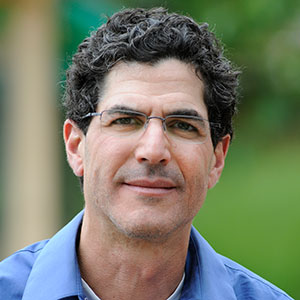
Roni Berger, PhD, is a Professor at Adelphi University's School of Social Work with over 30 years of academic experience. Her research focuses on trauma in cross-cultural contexts, immigrant/refugee experiences, and posttraumatic growth. She holds clinical credentials as a Licensed Clinical Social Worker (NYS) and Clinical Family Therapist (AAMFT). Education includes: Ph.D. from The Hebrew University of Jerusalem (1994) Psychotherapy certification from Tel Aviv University (1977) MSW and BSW from The Hebrew University of Jerusalem (1974, 1969) Her research examines how sociopolitical environments shape trauma responses across diverse populations including immigrants, refugees, and religious communities. Current investigations explore cultural mediators of posttraumatic growth, trauma-informed pedagogy, and qualitative methodologies for marginalized groups. Publication analysis reveals consistent focus on: cultural competence in trauma care, immigrant mental health interventions, innovative qualitative methodologies, and social work education reform. Recent work addresses pandemic-related pedagogical challenges and cross-cultural manifestations of psychological distress. Awards include: Two Fulbright Awards (Hong Kong 2007, Tel Aviv 2011) President Research Award (2004) NATO Science for Peace sponsorship (2012) Notable advising includes chairing 20+ dissertations on trauma, cultural identity, and marginalized populations. Secured multiple grants including from Fulbright, NATO, and Adelphi University for studies on cultural trauma and community resilience. Leads international educational initiatives in Israel, Ghana, Nepal, and Hong Kong. Directs global trauma education programs, including intensive courses in Israel examining Holocaust intergenerational trauma, security stress, and immigrant experiences. Developed cross-university collaborations in Australia and Hong Kong to advance trauma-informed curriculum development.
Irving Chan Johnson is an Associate Professor in Southeast Asian Studies at the National University of Singapore. A graduate of the Southeast Asian Studies Programme (now Department) in 1996, he earned his PhD from Harvard University in 2004. His academic journey has focused on cultural dynamics of borderland communities, particularly Thai Buddhist communities in Malaysia's Kelantan state, examining how they navigate identity at the intersection of Buddhist and Muslim traditions. Dr. Johnson's research spans social anthropology, visual arts, and cultural studies with particular focus on: Social anthropology of Southeast Asia Visual arts and traditional performance Buddhist communities in borderland regions Cultural identity and marginality Traditional dance and mask traditions in Bali Thai mural painting traditions His scholarly work reveals a consistent thread examining how cultural communities maintain identity through artistic expression, religious practice, and historical narrative. Early publications focused on Malaysian-Thai borderlands, while recent work has expanded to Balinese performance traditions, particularly mask-related arts. His 2013 book The Buddha on Mecca's Verandah represents a significant contribution to understanding cultural identity formation in border regions. As an active cultural practitioner, Dr. Johnson founded Eka Suwara Santhi, Singapore's only Balinese dance group, and volunteers painting Buddhist murals at Wat Uttamayanmuni, a Thai temple in Singapore. His teaching philosophy emphasizes experiential learning, incorporating field trips to Thailand and Bali where students engage directly with cultural contexts through his specialist classes on Thai traditional art (SE3224) and traditional dance in Southeast Asia (SE2224).
Anne-Marie Oswald is an Associate Professor in the Department of Neurobiology within the Biological Sciences Division at the University of Chicago. Her research profile indicates active engagement in neuroscience research with a particular focus on cortical circuits, neural coding, and sensory processing systems. She maintains an active research program with publications spanning from 2011 to the present. Dr. Oswald's research interests span multiple areas of neuroscience, with particular emphasis on cortical circuit function, neural coding mechanisms, and sensory processing. Her work investigates how inhibitory interneurons shape cortical dynamics, how neural assemblies form during learning, and how sensory information is processed across different brain regions. Notably, she has also contributed to discussions on diversity in science through her publication "Curating more diverse scientific conferences" in Nature Reviews Neuroscience (2020). Her research employs a combination of electrophysiological, computational, and behavioral approaches to understand neural circuit function. Analysis of her publication record reveals a strong focus on cortical circuit mechanisms, particularly in the olfactory system. Her work demonstrates expertise in understanding how different interneuron subtypes (particularly parvalbumin and somatostatin-positive cells) regulate cortical dynamics, assembly formation, and sensory processing. Over time, her research has evolved from examining basic circuit mechanisms to investigating how these circuits support complex cognitive functions like odor discrimination and associative learning. The consistent presence of computational and systems neuroscience approaches throughout her publication history indicates a rigorous quantitative approach to understanding neural function. Dr. Oswald appears to be actively mentoring students and postdoctoral researchers, as evidenced by her consistent publication record with multiple collaborators. While specific grant information isn't provided in the available data, her sustained publication output suggests successful funding of her research program. Her work bridges cellular and systems neuroscience, contributing to our understanding of how microcircuit properties shape sensory processing and behavior.
Patricia D. McGuire is an Associate Professor at the School of Social Work , Carleton University , with a PhD in Sociology from the University of Saskatchewan (2013). Her academic work centers on Indigenous knowledge systems, community-based research methodologies, and decolonizing practices within Canadian sociological and social work frameworks. Doctor of Philosophy (Sociology) , University of Saskatchewan (2013) Master of Arts , Lakehead University (2003) Bachelor of Arts (Political Science) and Honours Bachelor of Social Work , Lakehead University (1988) McGuire's research focuses on Indigenous resilience , decolonizing methodologies , and community-driven solutions , particularly examining Anishinaabe societies. She has contributed extensively to sociology and social work literature through book chapters and peer-reviewed articles addressing Indigenous epistemologies, structural barriers in education, and reconciliation processes. Her publications explore topics like urban Indigenous youth safety , land-based education , and Indigenous women's leadership . McGuire has collaborated with the Ontario Native Women’s Association (ONWA) on CIHR-funded projects, including land-based camps and restorative justice practices. Supervision & Education : Supervised PhD and MSW students on CIHR projects (2019–2020), including eight MSW research assistants and one practicum student. Her teaching emphasizes Indigenous community engagement and structural analysis.
Linda Bailey Hayden is a distinguished Professor and Associate Dean of Mathematics and Computer Science at Elizabeth City State University (ECSU), where she has made significant contributions to mathematics education and geoscience applications since 1980. Originally from Portsmouth, Virginia, she overcame segregation barriers to pursue her academic career, earning degrees from Virginia State University, University of Cincinnati, Old Dominion University, and American University. At ECSU, she founded the Center of Excellence in Remote Sensing Education and Research to increase minority participation in environmental science. Dr. Hayden's research interests span mathematics education, applications of mathematics in geoscience, remote sensing technologies, and environmental science. Her work uniquely bridges theoretical mathematics with practical applications in climate science, ice sheet monitoring, water quality assessment, and Antarctic research. She has pioneered educational approaches that connect mathematics with real-world environmental challenges, particularly through NASA-related programs and the GLOBE initiative. Her publication record reveals a strong focus on mentorship, educational outreach, and interdisciplinary research connecting mathematics with environmental science. The most recent publications demonstrate her ongoing commitment to developing innovative approaches for engaging students in scientific research, particularly through hackathons, remote sensing applications, and climate change education. Her work consistently emphasizes increasing participation of underrepresented groups in STEM fields. Presidential Award for Excellence in Science, Mathematics, and Engineering Mentoring (2003) Emerald Honors for Educational Leadership from US Black Engineer magazine Mathematically Gifted & Black Black History Month 2017 Honoree An Antarctic ice shelf was named after her institution by the Advisory Committee on Antarctic Names Dr. Hayden has dedicated her career to mentoring minorities and women in STEM fields through various programs including the Nurturing ECSU Research Talent (NERT) initiative, the Home-Institution Support Program, and numerous NASA-funded educational projects. Her grant history reflects strong partnerships with federal agencies to offer interdisciplinary training in remote sensing and environmental science. She has established multiple educational partnerships focused on enhancing undergraduate involvement in research, particularly for underrepresented students. As founder of the Center of Excellence in Remote Sensing Education and Research at ECSU, she has built a significant infrastructure for geoscience research and education, developing cyberinfrastructure for remote sensing of ice sheets and creating numerous educational programs from middle school through undergraduate levels. Her work has connected ECSU with major research institutions and federal agencies, establishing the university as a hub for remote sensing education in minority-serving institutions.