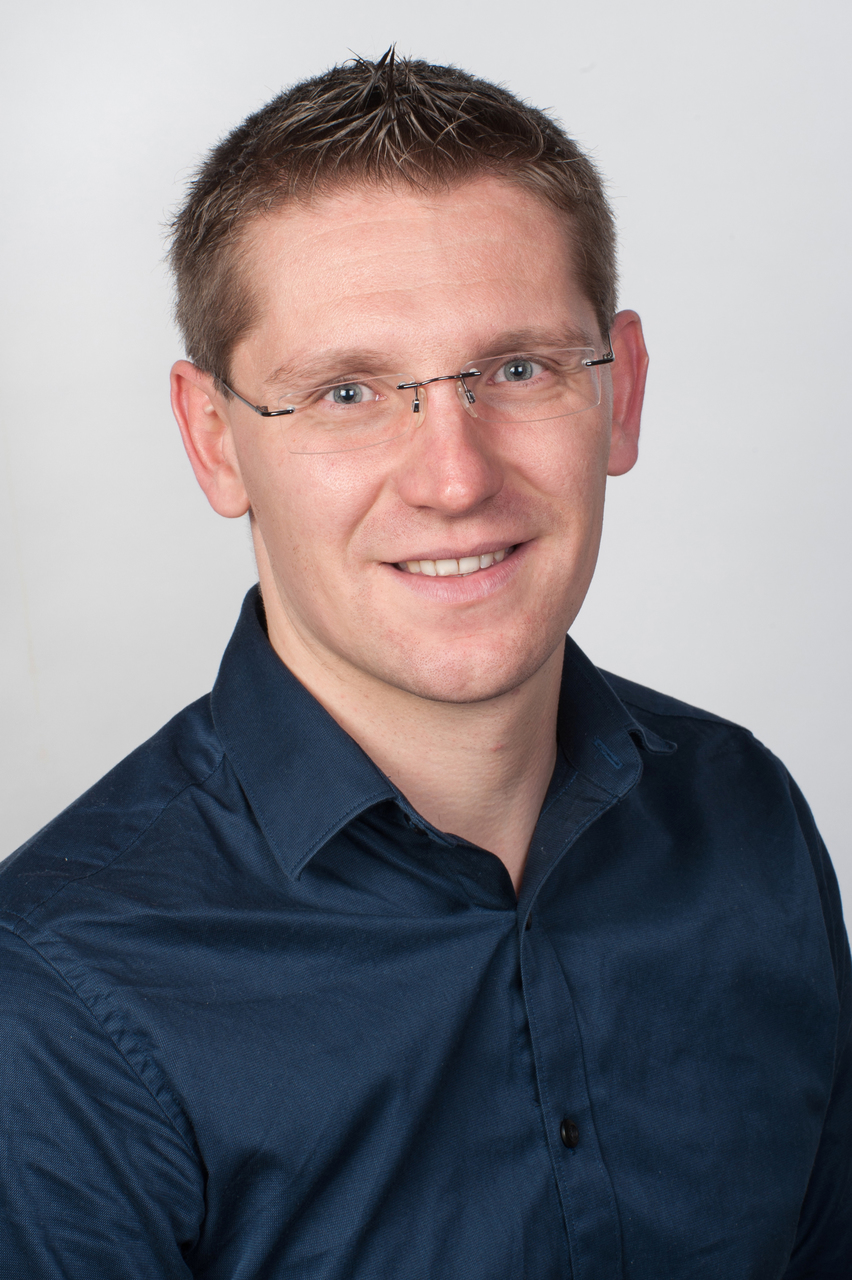
Thomas Berger is a Professor at the University of Hohenheim , affiliated with the Faculty of Agricultural Sciences and leading the Department of Economics of Land Use . He also contributes to the Computational Science Hub and Hohenheim Tropics initiatives. Focus Areas: Climate change adaptation, land-use modeling, biodiversity-productivity trade-offs, agent-based simulation, and machine learning in agricultural systems. Key Projects: Simulation frameworks for smallholder resilience in Ethiopia, bioeconomic modeling in the Amazon, and hybrid intelligence applications in European agricultural policy. Recent Publications: 2025 study on climate change effects on insecticide reduction in Germany, 2024 work on reconciling biodiversity with productivity via hybrid models, and 2023 methodological contributions to surrogate modeling and seasonal forecast integration. Research Trends: Interdisciplinary integration of climate science, agricultural economics, and computational modeling, with increasing emphasis on AI-assisted decision support systems and sustainability policy validation. Teaching & Outreach: Offers Agricultural Economics seminars and Hohenheim Tropics discussions, requiring advance email registration for office hours.
Prof. Dr. Aliaksandr Bandarenka is a Professor at the Technical University of Munich (TUM) in the TUM School of Natural Sciences , leading the Assistant Professorship of Physics of Energy Conversion and Storage . His research focuses on electrochemical surface science and energy materials development. Education: PhD in Chemistry from Belarusian State University (2005) Key Collaborations: Ruhr University Bochum, University of Twente, Technical University of Denmark Prof. Bandarenka's research explores: Design of electrocatalytic materials via bottom-up approaches Characterization of electrified interfaces Development of sustainable energy conversion/storage systems Surface structure-activity relationships in catalysis Recent article trends (2024) include: ORR electrocatalyst optimization using ZIF-8 templating Advanced impedance spectroscopy for battery/electrolyzer diagnostics Mesoporous oxide materials for energy applications Surface structure effects on double layer capacitance Scientific Recognition: Ernst Haage-Prize (2016) Hans-Jürgen Engell Award (2013) He teaches graduate courses on: Electrified interfaces Energy materials science Electrocatalysis fundamentals Hands-on experiments in battery technology
Max Planck Institute for Sustainable MaterialsGermany
Prof. Julien Bachmann is a faculty member at the Friedrich-Alexander-Universität Erlangen-Nürnberg (FAU) within the Interdisciplinary Center for Nanostructured Films (IZNF) . His research focuses on advanced materials chemistry, particularly in the development of nanostructured films and electrochemical systems for applications like CO 2 electroreduction and energy conversion. Lab locations: Thin films (2.113), electrochemical setups (2.114, 1.100-1.101), instrumental lab (0.117), and collaborative spaces with the Halik group (2.103, 2.106-2.107, 2.110). Key research areas include nanotechnology, electrochemistry, and sustainable energy solutions. His group includes postdocs, doctoral candidates, and technical staff, with recent activities documented at workshops and retreats (e.g., FAU CTFM–DTU Nanolab workshop, 2025 Materials Chemistry retreat). Collaborative efforts highlight interdisciplinary work at FAU’s cutting-edge facilities.
Prof. Dr. Ioachim Pupeza serves as Group Leader in the Department of Spectroscopy/Imaging at the Leibniz Institute of Photonic Technology (Leibniz-IPHT) in Jena, Germany. His research focuses on advanced optical measurement techniques, particularly in the field of field-resolved spectroscopy and precision optical measurements. Dr. Pupeza's research interests center around optical spectroscopy with a particular emphasis on field-resolved techniques that capture the complete electric field waveform of light-matter interactions. His work spans infrared spectroscopy , molecular fingerprinting , ultrafast laser technology , and precision optical measurements . He has made significant contributions to electro-optic sampling techniques, which enable characterization of electric-field waveforms across the terahertz to visible spectral range. His research also extends to mid-infrared light generation , terahertz spintronic emitters , and cavity-enhanced spectroscopy , with applications ranging from fundamental physics to medical diagnostics. Analysis of Dr. Pupeza's recent publications reveals a strong trend toward increasingly sophisticated field-resolved spectroscopy techniques with applications in both fundamental science and practical diagnostics. His work has evolved from basic measurement techniques to applications in cancer detection through molecular fingerprinting of biofluids. A consistent theme across his publications is the pursuit of higher precision, broader bandwidth, and improved sensitivity in optical measurements, often achieving attosecond-level precision. His research bridges physics, engineering, and medical applications, demonstrating how fundamental optical advances can translate to real-world diagnostic tools. Dr. Pupeza leads the research group "Field-Resolved Optical Precision Measurement Methods" at Leibniz-IPHT, which appears to collaborate extensively with other research institutions and groups. His work involves sophisticated laser systems including high-power Yb:YAG thin-disk oscillators, femtosecond enhancement cavities, and dual-oscillator systems for precision measurements. The group's research has implications for molecular spectroscopy, medical diagnostics, and fundamental studies of light-matter interactions at the most fundamental time scales.
Dongwook Kim is affiliated with the Korea Advanced Institute of Science & Technology (KAIST) as a faculty member in the Department of Business and Technology Management under the College of Business. His research spans multiple domains including machine learning, robotics, signal processing, and biomedical engineering. Key contributions in Computer Vision (CNN-based semantic segmentation, 3D point cloud analysis) Significant work in Hardware Design (energy-efficient processors, neuromorphic computing) Interdisciplinary expertise in Medical Imaging (bone age assessment, retinal biomarkers) and Cybersecurity (attack detection, network analytics) Publications since 2015 demonstrate sustained innovation in AI applications , Signal Processing , and Smart City Governance . His work often integrates theoretical advances with practical implementations in real-world systems. No scientific awards or student mentorship details are explicitly documented in the provided records.
Prof. Dirk Ziegenbalg is a Professor of Chemical Engineering and Deputy Director at the Institute of Chemical Engineering at Ulm University. He holds a doctorate from Friedrich-Schiller-University Jena (2013) and previously served as Group Leader at the Institute of Chemical Technology, University Stuttgart (2012-2018). His research focuses on photochemical engineering, reactor design, and photocatalytic processes for applications in energy and environmental technology. Key contributions include advancements in photoreactor engineering, light-driven catalysis, and scalable water purification systems. He has been recognized with the Hanns Hofmann Award (2017) for innovations in microstructured reactor design. Teaching responsibilities include courses such as Strömungsmechanik , Chemische Prozesstechnik , and Industrial Catalysis . His research group, Photochemical Engineering, develops modular and industrially scalable photoreactor systems, emphasizing process intensification and dynamic irradiation control. Recent work addresses challenges in CO₂ conversion, selective Grignard reagent formation, and real-time process analytics using spectroscopy. Publications highlight interdisciplinary approaches, integrating chemical engineering with materials science and environmental applications. Ongoing projects involve 3D-printed catalytic materials, radiation field tomography for photoreactor characterization, and cross-disciplinary collaborations for sustainable water treatment technologies.
Max Planck Institute for Multidisciplinary SciencesGermany
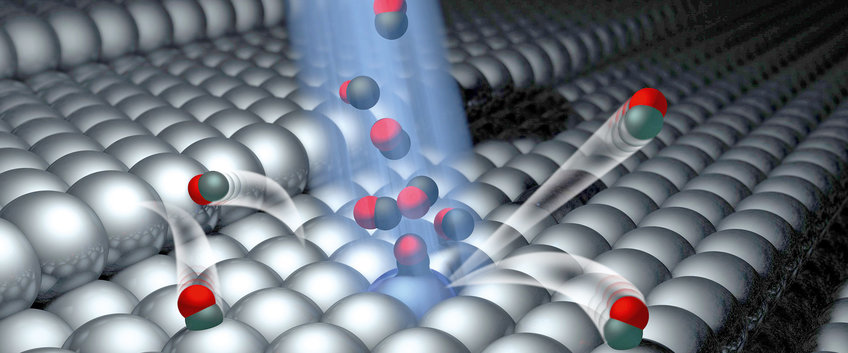
Alec M. Wodtke serves as Director at the Max Planck Institute for Biophysical Chemistry and holds a Professorship at the University of Göttingen. He leads the Dynamics at Surfaces research group, which employs cutting-edge laser, molecular beam, and ultrahigh vacuum technologies to study molecular interactions at interfaces. His research focuses on understanding the fundamental rules governing energy conversion at molecular interfaces. Wodtke's work bridges macroscopic energy conversion phenomena with molecular-scale processes, investigating how energy transfers occur one molecule and one collision at a time. His group specializes in designing well-defined experiments that capture molecules in the act of reacting, providing benchmark measurements for theoretical advances in surface chemistry. Recent research trends show a strong focus on ultrafast molecular dynamics, with significant contributions to understanding hydrogen-graphene interactions, energy dissipation mechanisms at surfaces, and atomic-scale reaction kinetics. His work has important implications for developing heterogeneous catalysts, photovoltaics, and fuel cell technologies. Alexander von Humboldt Professorship (2011) ERC Synergy Grant worth 12 million euros (2024) Ertl Lecture Prize (2022) Somorjai Visiting Miller Research Professorship Moore Distinguished Scholar at Caltech Wodtke directs multiple project groups including Atom-surface scattering dynamics, Chemical dynamics using ultra-short atom pulses, First-principles simulations of molecule-surface dynamics, and Time-resolved spectroscopy of surface adsorbates. His research team has secured significant funding including Advanced ERC Grants and operates specialized facilities for surface science research.
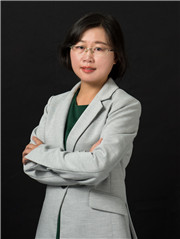
Associate Professor Hu Yunfei is affiliated with the School of New Materials and New Energy at Shenzhen University of Technology , where she leads the New Energy Systems and Smart Microgrids Laboratory . She is a member of the China Renewable Energy Society and Guangdong Solar Energy Association . PhD in Materials Processing Engineering (2005), South China University of Technology Bachelor of Engineering (2000), South China University of Technology Her research focuses on new energy systems , solar-storage direct-flexible systems , and high-efficiency photovoltaic devices , including perovskite solar cells , tandem solar cells , and transparent conductive oxides . Her work spans fundamental materials science and applied energy systems. The 15 most recent publications highlight her expertise in polycrystalline silicon thin films , transparent conductive oxides , perovskite solar cells , and optoelectronic materials . These works reflect trends in improving solar cell efficiency, stability, and manufacturing scalability. She has led projects such as the development of consumer solar power optimizers , optical performance testing for bifacial solar panels , and industrial collaborations on silicon ribbon substrates . Her projects are funded by institutions like the Norwegian Science Foundation and National Natural Science Foundation of China . At Shenzhen University of Technology, she oversees the New Energy Systems and Smart Microgrids Laboratory , integrating advanced materials and system design for renewable energy applications.
Prof. Dr. Uli Lemmer is a Professor at the Department of Electrical Engineering and Information Technology (ETIT) at the Karlsruhe Institute of Technology (KIT). His research focuses on optoelectronics, thermoelectric materials, and printed electronics, with a strong emphasis on energy harvesting, nanotechnology, and photonics. He leads the Lichttechnisches Institut (LTI) and is affiliated with the Institute of Applied Physics. His work spans innovations in laser systems, flexible electronics, and bio-inspired materials. Office: Building 30.34, Room 223; Phone: +49 721 608-42530; Email: uli.lemmer@kit.edu. Research interests include the development of advanced materials for solar cells, thermoelectric generators, and sensor technologies. He pioneers methods like aerosol-jet printing and inkjet printing for scalable production of electronic devices. His group explores biomimetic structures (e.g., snake scale nanopores) and terahertz systems, pushing boundaries in both fundamental science and applied engineering. Recent publications highlight breakthroughs in printed thermoelectric modules, perovskite-based photovoltaics, and high-frequency antennas. His work integrates cutting-edge fabrication techniques with material science to address challenges in renewable energy, sensor networks, and flexible electronics. Prof. Lemmer collaborates internationally on projects like EU-funded energy initiatives and partners with industry for technology transfer. His lab specializes in additive manufacturing, optical systems, and nanoscale device engineering, aiming to bridge the gap between academic research and industrial applications.
Leibniz Institute for Solid State and Materials ResearchGermany
Dr. Anke Kirchner is a Researcher at the Leibniz Institute for Solid State and Materials Research Dresden (IFW Dresden) in the Department of Functional Oxide Layers and Superconductors. Her work focuses on superconducting materials, magnetic systems, and advanced thin-film deposition techniques for applications in levitation and energy-efficient transportation. Her research spans high-temperature superconductivity, nanocrystalline magnetic materials, and REBCO coated conductor development. Key contributions include optimizing artificial pinning centers in superconducting films, analyzing grain boundary structures in permanent magnets, and pioneering microacoustic sol atomization (MASA) for thin-film deposition. Her interdisciplinary approach bridges fundamental materials science with practical engineering applications in transportation and energy. Analysis of her 15 most recent publications (2000-2024) reveals consistent focus on superconducting levitation technologies and REBCO conductor performance enhancement. Her work demonstrates evolution from foundational studies of NdFeB magnet microstructures to cutting-edge innovations in coated conductor joints and tape-stack levitation systems, with strong emphasis on nanoscale characterization and process optimization. No scientific awards are mentioned in the provided text. Information regarding student advising, doctoral supervision, or research grants is not specified in the source material. The department specializes in oxide layer engineering and superconductor development, with Dr. Kirchner contributing to IFW Dresden's internationally recognized research on quantum levitation and magnet-superconductor interactions, frequently collaborating with Prof. L. Schultz on applied superconductivity projects.
Prof. Dr. Doreen Mollenhauer serves as a Professor at Friedrich Schiller University Jena through a joint appointment with the Helmholtz Institute for Polymers in Energy Applications (HIPOLE), a collaboration between the university and Helmholtz Center Berlin for Materials and Energy (HZB). She is based in the Institute of Technical Chemistry and Environmental Chemistry within the university's research ecosystem. Her research centers on computational simulation of polymers for next-generation energy storage and conversion technologies . This work integrates molecular modeling with materials engineering to develop advanced polymers for batteries, fuel cells, and solar energy systems. The research bridges theoretical chemistry and practical energy applications, addressing critical challenges in sustainable power solutions. Prof. Mollenhauer's working group operates from Jena's new CEEC research complex (Center for Energy and Environmental Chemistry), which features state-of-the-art laboratories for collaborative energy materials research. Her dual affiliation with HIPOLE creates unique opportunities for students to access both academic and large-scale national laboratory resources. Contact: doreen.mollenhauer@uni-jena.de | Phone: +49 3641 9-48986 | Location: Philosophenweg 7a, 07743 Jena
Prof. Dr. Job Boekhoven is an Associate Professor at the Department of Bioscience , TUM School of Natural Sciences , Technical University of Munich . His research focuses on synthetic life , chemically fueled self-assembly , and supramolecular materials , aiming to synthesize life from scratch. Research Interests include creating synthetic cells that compete for resources, replicate, and undergo Darwinian evolution . His lab designs molecules like lipids , peptides , and nucleic acids that self-assemble into active compartments regulated by chemical energy. These systems exhibit life-like hallmarks such as emergence , self-division , and controllable lifetimes . Scientific Awards include: ERC Consolidator Grant (2024) Lecturer Award by Association of the Chemical Industry (2024) ERC Starting Grant (2019) Volkswagen Foundation 'Life?' Grant (2019) Max Planck Fellow (2019) VCI Dozentenpreis (2021) Thieme Chemistry Journal Award (2017) Rubicon Postdoctoral Fellowship (2013) Publications highlight trends in nonequilibrium materials , dynamic combinatorial libraries , and protocell engineering . His work bridges synthetic chemistry with biophysics to explore life's origins and applications in materials science .
Schloss Dagstuhl - Leibniz Center for InformaticsGermany
Ling Zhao is a distinguished Professor at the School of Management, Huazhong University of Science and Technology, China, with extensive research contributions spanning artificial intelligence, machine learning, information systems, and biomedical applications. With over 150 publications since 2008, Dr. Zhao has established herself as a leading researcher in multiple interdisciplinary domains, particularly in applying computational methods to solve complex real-world problems. Dr. Zhao's research interests encompass a broad spectrum of cutting-edge topics including artificial intelligence, machine learning, data mining, control systems, and information systems. Her work demonstrates exceptional versatility, bridging theoretical computer science with practical applications in healthcare, transportation, cybersecurity, and business management. Notably, she has made significant contributions to sentiment analysis, medical image processing, algorithmic management, and privacy-preserving data analysis. Her research methodology often combines deep learning approaches with domain-specific knowledge to develop innovative solutions. Analysis of Dr. Zhao's recent publications (2023-2025) reveals a strong focus on interdisciplinary applications of AI, with particular emphasis on healthcare informatics (medical image analysis, disease diagnosis), human-computer interaction (algorithmic management effects), and advanced machine learning techniques (graph neural networks, multimodal learning). Her work shows a consistent trend toward increasingly complex and integrated systems that address real-world challenges across multiple domains. Dr. Zhao has made substantial contributions to academic advising and research mentorship, though specific student names aren't detailed in the available publications. Her research has been supported by various grants enabling work in AI applications, biomedical engineering, and information systems. Dr. Zhao maintains active collaborations with researchers across China and internationally, as evidenced by her co-authorship patterns. While specific laboratory information isn't explicitly mentioned in the publication records, Dr. Zhao appears to lead or be significantly involved in research groups focusing on AI applications in management and healthcare. Her work on medical imaging, sentiment analysis, and control systems suggests involvement in multiple specialized research teams addressing different application domains through computational approaches.
Peter Awakowicz is a Senior Professor and former head of the Chair of Electrical Engineering and Plasma Technology at the Faculty of Electrical Engineering and Information Technology , Ruhr-Universität Bochum . His work focuses on plasma physics and technology, with applications in surface treatment, sterilization, and diagnostics. He is affiliated with the Department of Applied Electrodynamics and Plasma Technology, where he leads interdisciplinary research combining experimental plasma science with technological innovation. Research Interests: Plasma-assisted surface modification and thin-film deposition Dielectric barrier discharges and atmospheric pressure plasmas Plasma sterilization and biomedical applications Plasma-catalysis for environmental and energy applications Advanced plasma diagnostics and optical emission spectroscopy His recent publications demonstrate a strong focus on volatile organic compound (VOC) conversion , NO dynamics in low-pressure plasmas , microdischarge behavior , and plasma-assisted pyrolysis . These works highlight his expertise in both fundamental plasma physics and applied plasma engineering. Contact & Resources: Email: awakowicz@aept.rub.de Faculty Page: https://etit.ruhr-uni-bochum.de/en/faculty/professorships/prof-dr-ing-peter-awakowicz/ Google Scholar: https://scholar.google.de/citations?user=MPKunGAAAAAJ
Pablo Jiménez-Calvo is a Marie Skłodowska-Curie Post-doctoral Fellow and Research Fellow in the Department of Chemistry and Pharmacy, leading the 'Carbon-Inorganic Interface Materials' project since 2023. His research focuses on energy materials for solar fuel production, particularly photoelectrocatalysis, artificial photosynthesis, and carbon nitride-based systems. He has held postdocs at the Max Planck Institute, University of Paris Saclay, and previously earned his Dr.-Ing. from the University of Strasbourg (2019). Research interests include carbon nitride heterojunctions, metal nanoparticle integration, and sustainable hydrogen production. His 2025 work highlights advancements in photocatalytic stability and organic synthesis, while 2023/2024 studies emphasize strategic hydrogen value chains and device engineering for carbon neutrality. Awards include the 2024 Materials Today Catalysis Rising Stars Award and Marie Curie Fellowship (2023). His articles span 15+ peer-reviewed publications since 2020, focusing on photocatalytic efficiency, nanomaterial design, and energy systems innovation. Collaborations include the Bachmann Group and institutions like the Solid-State Physics Laboratory (University of Paris Saclay).