Professor Sir Peter Barnes is a leading figure in respiratory science at Imperial College London's National Heart and Lung Institute (NHLI) . As Professor of Thoracic Medicine , his work focuses on Asthma, COPD, and cellular senescence in lung disease , with over four decades of contributions to understanding inflammatory pathways and therapeutic innovations. Research Interests Mechanisms of chronic airway inflammation in Asthma and COPD Cellular senescence in lung aging and disease progression MicroRNA transfer via extracellular vesicles in COPD pathogenesis Targeted drug delivery for respiratory conditions Global health implications of lung disease Recent Publications highlight trends in: MicroRNA regulation of senescence and inflammation Extracellular vesicle dynamics in lung disease Biologics and corticosteroid efficacy in respiratory conditions Environmental factors influencing COPD and asthma Scientific Recognition Knighthood (2023) for services to respiratory science Fellow of the Royal Society (FRS) and Academy of Medical Sciences (FMedSci) Collaborative Leadership at NHLI has mentored numerous postdocs and researchers. His work intersects with global initiatives like GOLD (Global Initiative for COPD) , influencing clinical guidelines and public health policy.
Patricia Peter, MD, is an Assistant Professor of Medicine (Endocrinology) and Quality Improvement and Patient Safety Coordinator at Yale School of Medicine. She specializes in diabetes, thyroid disorders, and hormone-related conditions. Dr. Peter holds board certifications in Internal Medicine and Endocrinology, Diabetes, and Metabolism. Her clinical practice focuses on personalized diabetes management, thyroid diseases, and transgender health. She completed her MD at Yale University School of Medicine (2011), residency at Harvard Medical School/Beth Israel Deaconess Medical Center (2014), and endocrinology fellowship at Yale-New Haven Hospital (2016). Dr. Peter’s research investigates diabetes treatment strategies, healthcare cost optimization, and hormone therapy impacts. Notable work includes studies on SGLT inhibitors in type 1 diabetes, personalized management of type 2 diabetes, and thyroid cancer radiotherapy. She actively participates in committees such as the Inpatient Glycemic Management Steering Committee and the Section of Endocrinology Education Committee. Her academic contributions span peer-reviewed journals, book chapters, and commentaries, emphasizing translational research and clinical guidelines. Dr. Peter’s clinical affiliations include the Yale Diabetes Center and Smilow Cancer Hospital, where she integrates research and patient care to improve outcomes in endocrinology and metabolic disorders.
Anne-Mette Hvas is Professor and Dean at the Faculty of Health, Aarhus University, Denmark, where she leads academic and administrative initiatives in health sciences. Her role places her at the forefront of institutional strategy, research development, and interdisciplinary collaboration within clinical and translational medicine. Research Interests: Her work spans hematology, coagulation, platelet biology, neonatal hemostasis, and endocrinology. She investigates thrombotic and bleeding disorders in clinical contexts such as nephrotic syndrome, pregnancy, cancer surgery, and stroke. Her research integrates physiological, pharmacological, and clinical perspectives to improve patient outcomes. The recent publications reflect a strong focus on thrombin generation, platelet reactivity, endothelial dysfunction, and red blood cell behavior in acute and chronic conditions. These studies often involve multicenter collaborations and contribute to evidence-based practices in thromboprophylaxis, surgical safety, and stroke management. Scientific Contributions: Active research in hemostasis and thrombosis across diverse patient populations Leadership in clinical studies on anticoagulation, HIPEC, and neonatal platelet function Investigations into hormonal and cardiovascular aspects of Turner syndrome Advising and Grants: While specific advisees are not listed, her leadership in multiple funded research projects suggests mentorship of junior researchers and clinicians. She has led projects on platelet function in preterm neonates and coagulation in surgical oncology, indicating grant acquisition and team coordination capabilities. Labs and Teams: Though specific lab names are not mentioned, her work implies collaboration with clinical research teams in hematology, neonatology, oncology, and obstetrics at Aarhus University Hospital and affiliated centers.
Dr. Barbara L. Hempstead is a Professor of Neuroscience and Medicine at Weill Cornell Medical College, where she has held positions since 2001 and 2002 respectively. Her research focuses on neurotrophin signaling mechanisms, particularly the roles of BDNF and its receptors in neuroinflammation, synaptic plasticity, and neurodegenerative diseases. She has made significant contributions to understanding proBDNF/proNGF signaling pathways in neuronal apoptosis and vascular biology. Education: M.D., Ph.D., Washington University School of Medicine (1982) B.A., Tufts University (1976) Dr. Hempstead's work bridges molecular neuroscience and cardiovascular biology, with a particular interest in receptor stoichiometry (p75NTR, TrkB), neurotrophin-induced synaptic remodeling, and therapeutic applications of neurotrophin modulators in Huntington's disease and post-seizure neuronal injury. Her lab investigates how genetic variants like BDNF Val66Met influence anxiety-related behaviors, social memory, and neurodegenerative disease progression through altered neurotrophin trafficking and signaling. Her recent publications highlight neuroinflammatory mechanisms (2023), immune-neurotrophin interactions (2022), and molecular pathways involving BDNF prodomain structure (2020) and SorCS2-mediated receptor trafficking (2017-2020). While no scientific awards are explicitly mentioned in the scraped text, her funded research (National Institute on Aging, NIMH) demonstrates sustained recognition of her work in neurotrophin biology. Dr. Hempstead's lab develops in vitro and in vivo models to study neurotrophin-receptor dynamics, including 3D culture systems for angiogenesis research and transgenic mouse models for Huntington's disease. Her interdisciplinary approach combines molecular neurobiology with vascular physiology to uncover novel therapeutic targets for neurological and cardiovascular conditions.
Dr. Sarah Jones is an Associate Professor in Thrombosis and Haemostasis at Manchester Metropolitan University, serving as Deputy Director of Research for the Department of Life Sciences. She leads the Thrombosis Group and holds an honorary Reader position at the University of Manchester. Academic Affiliation: Manchester Metropolitan University Secondary Appointment: University of Manchester (Honorary Reader) Over 20 years, Dr. Jones has pioneered research on platelet signaling pathways and their role in thrombosis. Her current work focuses on platelet-endothelial crosstalk in disease states, with emphasis on in vitro thrombosis modeling to replace animal testing. This research, funded by BBSRC, NC3Rs, and BHF, addresses cardiovascular disease mechanisms and translational antithrombotic testing. Her scientific publications demonstrate expertise in platelet biology (Pim kinase signaling, SIRT1 regulation, proteoglycan interactions) and thrombosis modeling. Recent work includes placental perfusion studies for pregnancy-related cardiovascular complications. Grants & Projects: UKRI (NC3Rs) Partnership and Impact Award (2025-2026) UKRI BBSRC/NC3Rs grant for human haemostasis models (2023-2025) British Heart Foundation collaborations (2021-2025) Dr. Jones supervises PhD students (Mishaal Reyman, Poppy White, etc.) and teaches on Biomedical Science, Cellular Science, and Clinical Haematology programs. She has developed innovative endothelialised in-vitro thrombosis models that reduce animal usage in cardiovascular research.
William Mayhan is a Professor in Biomedical Sciences at the University of South Dakota . His research focuses on cerebral microcirculation and vascular biology , particularly examining endothelial cell function in disease states like diabetes and alcohol consumption. Education: PhD in Biomedical Sciences, University of Nebraska Medical Center (1983) Post-Doctoral Fellowship, University of Iowa (1985) BS in Biology, Creighton University (1977) His work investigates blood-brain barrier permeability and cerebral vasculature responses to hypertension, diabetes, and alcohol. Key findings include mechanisms of nitric oxide synthase (NOS) dysfunction and oxidative stress in diabetic and alcoholic models. Recent publications analyze prenatal alcohol exposure effects on cerebral arterioles and CB2 receptor agonists for vascular protection in diabetes. His studies span in vivo models, potassium channel dynamics , and inflammatory mediators in stroke pathogenesis.
Stuart Allan is Professor of Neuroscience at the University of Manchester's Faculty of Life Sciences, Division of Neuroscience. His research focuses on neuroinflammation mechanisms in stroke and neurodegenerative diseases, with particular expertise in cytokine signaling (especially IL-1) and neuronal injury pathways. He leads projects targeting interleukin-1 for acute brain injury treatment and investigates stroke-immune mediated pathways in cognitive trajectory. Research Interests: Neuroinflammatory responses, cytokine-mediated neuronal injury, stroke pathophysiology, Alzheimer's disease mechanisms, and neurovascular coupling. His work bridges experimental paradigms (in vitro and in vivo) with clinical applications. Education: PhD Biomedical Sciences (University of Aberdeen, 1990-1993) BSc Pharmacology (University of Dundee, 1986-1990) Professional Appointments: Professor of Neuroscience (2012-present) Senior Lecturer (2008-2012) Lecturer (2002-2008) Postdoctoral Research Associate (1993-2002) Research Beacons & Institutes: Dementia@Manchester, Manchester Regenerative Medicine Network, Lydia Becker Institute, Christabel Pankhurst Institute, Manchester Institute for Collaborative Research on Ageing. Scientific Output: 179 research outputs including articles on cerebrovascular health, neurovascular coupling, and cytokine mechanisms in stroke models. Research demonstrates consistent focus on translational neuroscience and neuroinflammatory pathways.
Yibing Qyang is a Professor of Medicine (Cardiovascular Medicine) at Yale University School of Medicine (YSM), affiliated with the Department of Internal Medicine. He serves as Director of the Yale Stem Cell Research Forum since 2010. His expertise spans stem cell biology, cardiovascular disease modeling, and regenerative medicine. Qyang holds a B.S. from Nanjing University, an M.S. from Chinese Academy of Sciences, and a Ph.D. from the University of Texas M.D. Anderson Cancer Center. He completed postdoctoral training at UC San Diego and Harvard Medical School. Research Interests: The Qyang Lab focuses on engineering vascular tissues using induced pluripotent stem cells (iPSCs), elucidating cardiovascular disease mechanisms, and developing therapeutic strategies. Key areas include: Vascular tissue engineering for graft development Stem cell-derived models of diseases like supravalvular aortic stenosis Cardiac progenitor cell therapies for heart repair Biomechanical signaling in hypertrophic cardiomyopathy Preclinical porcine models for translational research Key Achievements: Developed immunocompatible 'universal donor' vascular grafts using CRISPR-engineered iPSCs Pioneered iPSC-derived vascular smooth muscle and endothelial cells for tissue engineering Identified elastin-based therapies for supravalvular aortic stenosis Grants & Awards: Connecticut Stem Cell Program Established Investigator Awards (2011, 2015) ISSCR Membership (2007–Present) Highlighted in Yale News for groundbreaking discoveries in heart disease and vascular grafts Lab Team & Collaborations: The lab includes researchers and students from institutions worldwide, with collaborations at Harvard, UCSD, and Yale’s Cardiovascular Research Center. Projects span iPSC differentiation, biomechanical modeling, and preclinical trials. Future Directions: Expanding studies on universal donor grafts, cardiac tissue engineering, and clinical translation of iPSC-derived therapies.
Professor Walter C. Prozialeck is a distinguished academic at Midwestern University, serving in the Department of Pharmacology across multiple schools including the Chicago College of Osteopathic Medicine (CCOM), College of Pharmacy, College of Dental Medicine-Illinois, and College of Graduate Studies - Illinois. He holds a Ph.D. in Pharmacology from Thomas Jefferson University (1978) and a B.S. from Juniata College (1974). Dr. Prozialeck's research spans 35 years of cadmium toxicology, focusing on mechanisms of nephrotoxicity, microRNA expression, and biomarker development. He also investigates vancomycin pharmacokinetics and herbal medications like kratom and marijuana, contributing to drug policy discussions. His work has secured over $3.0 million in NIH funding. Recent publications highlight his expertise in cadmium-induced kidney injury biomarkers (e.g., Kim-1, cystatin C), microRNA alterations, and vascular toxicity. He has authored over 100 papers and book chapters. Career Achievement Award, Metals Specialty Section of Society of Toxicology (2021) Dr. Prozialeck teaches Pharmacology to medical, pharmacy, optometry, dental, and allied health students, and lectures in CME programs. He has held leadership roles including President of the Great Lakes Chapter of ASPET and Midwest Regional Chapter of the Society of Toxicology.
Jinhong Meng is a Senior Research Fellow at the Department of Genetics & Genomic Medicine, University College London (UCL), focusing on neuromuscular disorders and gene therapy. He earned his PhD and Bachelor’s degrees from the Fourth Military Medical University. Education: Doctor of Philosophy, Fourth Military Medical University (2000) Bachelor, Fourth Military Medical University (1995) Research Interests: Jinhong Meng’s work centers on Duchenne Muscular Dystrophy (DMD), Spinal Muscular Atrophy (SMA), and gene therapy techniques including CRISPR, lentiviral vectors, and antisense oligonucleotides. His studies explore immune responses to dystrophin, vascular defects in SMA, and dystrophin correction via viral and non-viral delivery systems. Publication Trends: Over the past eight years, Jinhong Meng has published extensively on DMD and SMA, with a focus on gene editing, dystrophin restoration, and cellular therapies. His collaborative work spans lentiviral vectors, foamy virus transduction, and necroptosis mechanisms in muscle degeneration. Labs & Collaborations: He works within UCL’s Genetics & Genomic Medicine Department, collaborating on projects involving dystrophic muscle engraftment, circadian signaling, and RNA editing for genetic mutations.
Xiaochen He serves as an Instructor in the Department of Physiology & Biophysics at the University of Mississippi Medical Center's School of Medicine, where he focuses on cardiovascular research and teaching within this foundational medical science department. His research program centers on the intersection of cardiac pathophysiology and immunometabolism, with core interests including: Mechanisms of immune-mediated cardiac inflammation in heart failure Role of T cell subsets (Th17, γδ T, CD8+) in pressure overload models Molecular regulation by IL-12 family cytokines and metabolic enzymes (TIGAR, SIRT3) Endothelial dysfunction in cardiac hypertrophy and failure progression Therapeutic interventions targeting inflammatory pathways Analysis of Dr. He's recent publications (2022-2025) reveals a concentrated research trajectory investigating how specific immune pathways drive heart failure progression. His work consistently employs genetic mouse models to demonstrate that IL-12β inhibition, TIGAR deficiency, and selenium supplementation attenuate cardiac inflammation and dysfunction, while CD8+ T cell metabolic reprogramming exacerbates disease. Key discoveries include GPR174's role in Th17 differentiation and NK1.1 signaling's contribution to cardiopulmonary inflammation, establishing critical immune-metabolic axes in heart failure pathogenesis. No scientific awards were documented in the available profile information. Current departmental records indicate no graduate students are formally listed under Dr. He's mentorship, and no research grants are specified in the public profile. Details regarding laboratory infrastructure, research teams, or collaborative networks were not provided in the available institutional documentation.
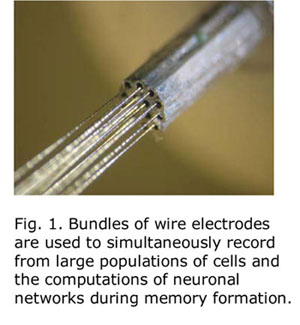
Stefan Leutgeb is a Professor in the Department of Neurobiology at the University of California San Diego (UCSD), affiliated with the School of Biological Sciences. His research focuses on the neural mechanisms underlying long-term memory storage, particularly the role of coordinated neuronal activity and synaptic plasticity in hippocampal and cortical networks. His work investigates how spatial and nonspatial information is encoded, how memory systems degrade in aging and neurodegenerative disorders like dementia, and the translational implications of these findings. Key research areas include hippocampal ensemble dynamics, temporal organization of neuronal activity, and the impact of Alzheimer’s-related proteins (e.g., APP) on neural networks. Leutgeb employs multi-electrode recordings, optogenetics, and computational modeling to study these processes. His lab has discovered critical mechanisms such as pattern separation in the dentate gyrus and the role of theta oscillations in memory encoding. Notable recent contributions include studies on how hippocampal network dysfunction due to APP expression disrupts spike timing ( 2022 ), theta oscillation roles in memory phases ( 2021 ), and the necessity of dentate gyrus activity for spatial working memory ( 2018 ). Despite no explicitly listed awards, his prolific publication record reflects significant contributions to systems neuroscience. Leutgeb’s research also explores cognitive aging and cross-species comparisons of neural processes. His lab emphasizes translational research, aiming to bridge basic neuroscience discoveries with clinical applications for neurodegenerative diseases. Current projects include investigating hippocampal ensemble dynamics during memory retention and developing biomarkers for cognitive flexibility.
Tohru Fukai is a Professor and holds the Barbara A. Schnuck Endowed Chair in Translational Medicine at the Medical College of Georgia, Augusta University, where he serves in the Department of Pharmacology and Toxicology. His research is centered at the Vascular Biology Center, where he leads a productive laboratory investigating the molecular mechanisms of oxidative stress and dysfunctional copper metabolism in cardiovascular and metabolic diseases. Dr. Fukai earned his MD in 1988 and PhD in Medical Science in 1995, both from Kyushu University in Japan. Following his medical and doctoral training, he completed postdoctoral fellowship at Emory University School of Medicine in Atlanta from 1995-1999. His research focuses on oxidative stress in cardiovascular and metabolic disease pathogenesis, particularly investigating the role of extracellular SOD (ecSOD, SOD3) and copper transport proteins. His lab has pioneered research on copper transport proteins CTR1, Atox1, and ATP7A in regulating vascular function, demonstrating their critical roles in hypertension, vascular remodeling, inflammatory angiogenesis, atherosclerosis, and diabetes. Notably, his team discovered that copper chaperone Atox1 functions as a copper-dependent transcription factor regulating cell proliferation and inflammatory responses. Analysis of Dr. Fukai's recent publications reveals a strong focus on the intersection of redox signaling, copper metabolism, and vascular function. His work increasingly explores how oxidative stress and copper transport mechanisms contribute to conditions like diabetes, atherosclerosis, Alzheimer's disease, and ischemic injury. A prominent theme across his recent work is the role of protein modifications (particularly sulfenylation and SUMOylation) in regulating vascular responses to oxidative stress, with significant implications for therapeutic interventions. Dr. Fukai's scientific achievements have been recognized with numerous awards including the Barbara A. Schnuck Endowed Chair in Translational Medicine (2017), World Science Leaders in Human Biology Program (2021), and multiple Circulation Research Reviewer Awards. He has served on editorial boards for prestigious journals including Scientific Reports, Journal of Molecular and Cellular Cardiology, and American Journal of Physiology-Heart and Circulatory Physiology. As a mentor, Dr. Fukai has advised numerous graduate students and postdoctoral fellows, including several who have received AHA awards and trainee recognition. He serves on various committees including the VBC post-doc evaluation committee and the CNVAMC Subcommittee for Research Safety. His lab has secured significant funding, including a recent $11.3 million NIH grant for vascular disease research. Dr. Fukai leads an active research group at the Vascular Biology Center comprising senior research associates, assistant research scientists, postdoctoral fellows, and graduate students working collaboratively on multiple projects related to copper transport, redox signaling, and vascular disease mechanisms. His lab has made seminal contributions to understanding how copper transport proteins function as key regulators of vascular antioxidant enzymes and as unexpected signaling molecules in inflammatory disease processes.
Russell Richardson is a tenured Professor at the University of Utah , holding joint appointments in the Department of Internal Medicine (Division of Geriatrics) and the Department of Exercise and Sport Science . He directs the Utah Vascular Research Laboratory (UVRL) at the Salt Lake VA Medical Center. Education: Fellowship (University of California San Diego), Doctoral Training (University of Utah), PhD (Colorado State University), MS (Loughborough University), PGCE (West London Institute of Higher Education) His research focuses on oxygen transport from air to tissue , with a current emphasis on the link between vascular and skeletal muscle function , particularly how oxidative stress regulates skeletal muscle metabolism and vascular control. He has authored numerous studies on aging, vascular dysfunction, and exercise hemodynamics. Recent publications highlight work on mitochondrial respiration, passive limb movement techniques, antioxidant interventions, and age-related vascular decline. His lab employs both in vivo and ex vivo methodologies to investigate these mechanisms. Collaborations span clinical and physiological domains, including studies in chronic obstructive pulmonary disease (COPD), heart failure, and breast cancer. His work integrates gerontology , exercise physiology , and vascular biology . Notable affiliations include the Salt Lake VA Medical Center and contributions to understanding the interplay between physical activity, aging, and vascular plasticity.
Craig Morrell is a Professor at the University of Rochester School of Medicine and Dentistry , with joint appointments in the Departments of Medicine , Microbiology and Immunology , and Pathology and Laboratory Medicine . He serves as Associate Director of the Aab Cardiovascular Research Institute . Education: Sc.B. in Biology, Brown University (1995) D.V.M. , Tufts University School of Veterinary Medicine (2000) Ph.D. in Pathobiology, Johns Hopkins University (2005) His research examines the interface between platelets, vascular biology, and immune cells , focusing on platelet roles in thrombosis, inflammation, and immune regulation. Using advanced mouse models , his lab investigates platelet-derived mediators like β2M and PF4 in diseases such as malaria, stroke, and myocardial infarction. Article trends highlight platelets' dual roles in thrombosis and immune modulation , with recurring themes in vascular inflammation , ERK5 signaling , and age-related immune dysfunction . Scientific Awards: Kenneth M. Brinkous Young Investigators Prize (2008) Deans Gift research award (2006) Multiple travel scholarships and fellowships (2003-2005) Pathology Award-Excellence in Pathology (2000) Mentoring and Teaching : He has mentored 8 doctoral students , 7 undergraduates , and 6 postdoctoral fellows , with a focus on diversity. He serves on thesis committees and the URMC MSTP (MD/PhD) admissions committee . Labs and Collaborations : Leads the Morrell Lab at the Aab Cardiovascular Research Institute, collaborating with institutions like Johns Hopkins and Medical College of Wisconsin.